
增强现实

Search documents
谷歌重启AI眼镜:富士康代工,三星设计,或2026Q4发布丨36氪独家
36氪· 2025-11-28 11:13
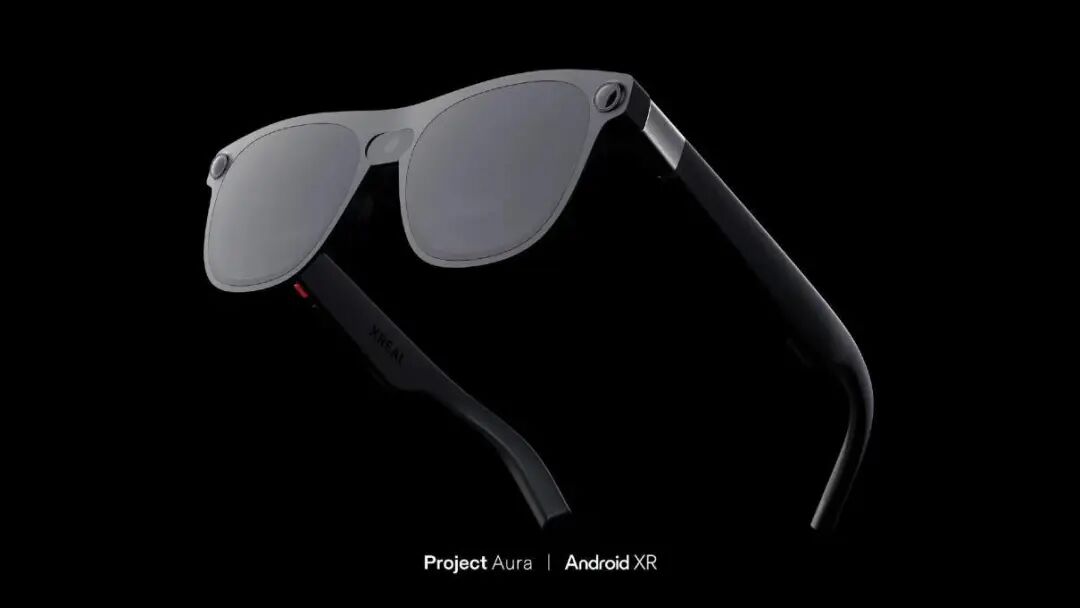
Core Insights - Google has initiated two AI glasses projects, currently in the POC (Proof of Concept) stage, with potential release as early as Q4 2026 [6][10] - The AI glasses will likely feature a waveguide optical solution and a camera, with hardware manufacturing by Foxconn and chip supply from Qualcomm [6][7] - Google aims to leverage its advanced Gemini AI model, which integrates natural language understanding and multimodal reasoning, as a core competitive advantage for its AI glasses [11][12] Group 1: Project Development - Google is working on two parallel AI glasses projects, distinct from the previously announced Project Aura, which was developed in collaboration with Chinese AR brand Xreal [6][10] - The AI glasses project is led by Michael Klug, a key figure from Google Labs and a former member of Magic Leap, indicating a strong expertise in the field [7][10] Group 2: Market Positioning - Google has a historical presence in the smart glasses industry, having launched Google Glass in 2012, which faced challenges due to privacy concerns [8][10] - After a cautious approach post-2015, Google shifted its focus from consumer-grade products to B2B applications in logistics, medical training, and remote device maintenance [10][12] - Despite trailing behind competitors like Meta's Ray-Ban, Google is strategically enhancing its infrastructure and ecosystem for AI glasses, including partnerships with Samsung and Qualcomm for an XR-specific operating system [10][12] Group 3: Competitive Landscape - The entry of Google into the AI glasses market introduces a formidable competitor, equipped with a comprehensive ecosystem that includes content, operating systems, and advanced AI capabilities [12][13] - Google's extensive experience in the eyewear industry positions it uniquely against other players in the AI glasses space, making it a well-rounded contender [12][13]



干货分享 | MTS2026 TrendForce存储产业趋势研讨会解码未来图景
TrendForce集邦· 2025-11-28 10:05
Core Insights - The article discusses the trends and predictions for the semiconductor and storage industries, emphasizing the impact of AI on market dynamics and technology advancements [4][10][17]. Group 1: AI and Semiconductor Industry Trends - The wafer foundry industry is expected to grow by 19% in revenue in 2026, with AI-related demand driving advanced process markets to a remarkable 28% growth [10]. - TSMC has begun production using 2nm technology and plans to advance to 1nm processes, indicating a significant technological shift in the semiconductor sector [10]. - The demand for AI chips is expected to surge, with major cloud providers launching their own AI chips, highlighting the competitive landscape in the semiconductor market [10]. Group 2: AR Glasses and AI Integration - AI and AR glasses are forming a symbiotic relationship, enhancing user interaction and accelerating data accumulation for large language models [12]. - The global shipment of AR glasses is projected to exceed 10 million units by 2030, driven by major brands like Google and Apple entering the market [13]. - China plays a crucial role in the AR glasses market, with significant contributions in manufacturing and supply chain integration [14]. Group 3: Memory Market Dynamics - AI servers and general servers are driving a new super cycle in the memory market, with AI applications expected to account for 66% of DRAM capacity by 2026 [17]. - The DRAM market is anticipated to face severe shortages, with prices expected to rise significantly, leading to a projected 56% increase in DRAM revenue in 2026 [17]. - The competition for limited DRAM capacity is intensifying, particularly as AI server demands begin to outstrip supply for consumer devices [17]. Group 4: Server Market Outlook - Global server shipments are expected to grow by over 9% in 2026, with AI servers leading this growth at over 20% [20]. - The competition in the AI server market is intensifying, with major players like NVIDIA and AMD dominating the GPU AI market while Chinese companies pursue self-developed ASIC solutions [20]. Group 5: Power Semiconductor Transformation - The demand for power semiconductors is shifting due to AI, with SiC and GaN technologies becoming critical for high-voltage power supply architectures [22]. - SiC technology is establishing a leadership position in high-voltage applications, while GaN is entering a rapid growth phase across multiple applications, including AI data centers [22][24]. Group 6: NAND Flash Market Innovations - The AI boom is creating storage bottlenecks, leading to a shift towards high-density QLC eSSD due to limited supply in traditional HDD markets [27]. - New NAND Flash technologies are emerging, such as HBF and AI SSD, which aim to enhance performance and address storage challenges in AI applications [27]. - The NAND Flash industry is expected to thrive amid ongoing supply shortages, with innovations reshaping its value proposition [27].
夸克AI眼镜S1:阿里AI生态的第一块“物理外挂”
硬AI· 2025-11-27 14:20
Core Viewpoint - The article discusses the launch of Alibaba's Quark AI Glasses S1, highlighting its potential as a significant hardware product in the post-smartphone era, integrating AI capabilities into daily life and consumer interactions [11][12]. Group 1: User Experience - The Quark S1 glasses are designed to be comfortable and unobtrusive, weighing approximately 50 grams with a 7.5mm ultra-narrow temple, making them suitable for all-day wear [15][16]. - The glasses provide a lightweight heads-up display (HUD) for navigation, allowing users to receive directions without looking at their phones, enhancing safety while cycling [17][18]. - The glasses enable seamless price comparison and payment during offline shopping, utilizing visual recognition and voice authentication for a quick and secure transaction process [20][21]. - Equipped with a 12MP Sony IMX681 sensor, the glasses can capture high-quality images, even in low-light conditions, making them a practical tool for spontaneous photography [21][23][24]. - The overall experience shifts frequent smartphone tasks like navigation, price comparison, and payment directly to the user's sensory experience, reducing the need to pull out a phone [25]. Group 2: Engineering and Design - The Quark S1 features a dual-chip architecture with Qualcomm AR1 and Hengxuan BES2800, optimizing power consumption and performance for various tasks [28][29]. - It employs a dual optical engine for adjustable display settings, enhancing user comfort and visual experience [30]. - The glasses incorporate a hot-swappable battery design, allowing users to replace the battery without shutting down the device, effectively eliminating concerns about battery life [31][32]. Group 3: Industry Perspective - The global smart glasses market has seen significant growth, with major companies entering the space; Quark S1 stands out due to Alibaba's direct involvement in creating a comprehensive model that integrates hardware, software, and ecosystem [35]. - The glasses represent a new entry point for Alibaba in the AI era, shifting from traditional digital interfaces to wearable technology, which could enhance user engagement and transaction frequency [36][37]. - Despite the potential, the Quark S1 faces challenges such as user habit transition, supply chain costs, and privacy concerns associated with camera-equipped devices [40][41].

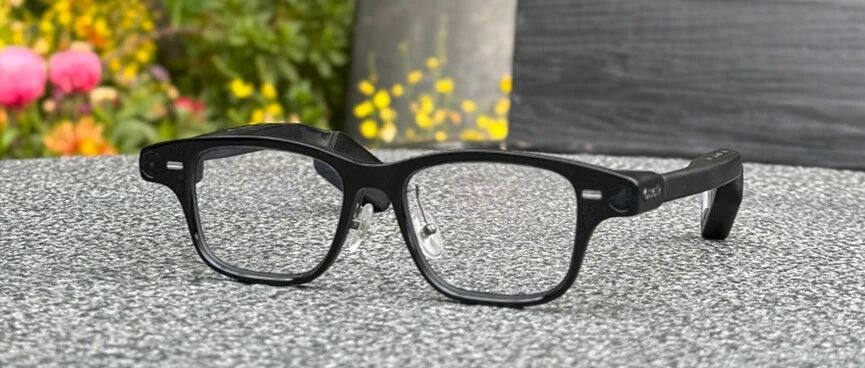
谷歌重启AI眼镜:富士康代工,三星设计,或2026Q4发布丨智能涌现独家
3 6 Ke· 2025-11-27 10:58
Core Insights - Google has initiated two AI glasses projects, which are currently in the POC (Proof of Concept) stage, with hardware manufacturing by Foxconn and chip supply from Qualcomm [1][4] - The earliest potential release date for Google's AI glasses is Q4 2026 [1] - The AI glasses projects are separate from the previously announced Project Aura, which was developed in collaboration with Chinese AR glasses brand Xreal [1] Product Definition - The AI glasses are expected to feature a waveguide optical solution and will include a camera [2] - Michael Klug, a key figure in the AI glasses project, has a background with Magic Leap, a notable company in the AR field [2] Historical Context - Google Glass was initially launched in 2012 but was discontinued in 2015 due to privacy concerns [4] - After a cautious re-entry into the smart glasses market in 2017, Google shifted its focus from consumer products to business applications in logistics, medical training, and remote device maintenance [4] Competitive Landscape - Google is currently behind Meta's Ray-Ban in the AI glasses market but is strategically preparing for competition by enhancing its infrastructure [4] - In 2023, Google partnered with Samsung and Qualcomm to develop the Android XR operating system for XR devices, integrating it with the Google Play Store [4] - Google's advanced Gemini AI model, which includes capabilities in natural language understanding and multimodal reasoning, is expected to be a core competitive advantage for its AI glasses [4][5] Market Position - Google has showcased its AI capabilities through Project Astra, which demonstrated visual reasoning and conversational experiences using smart glasses [5] - The company is positioned as a formidable competitor in the AI glasses market, leveraging its extensive experience and comprehensive ecosystem, including content, operating systems, and AI models [5]
希荻微:高性能电源管理芯片产品已通过ODM厂商进入Meta供应链
Zheng Quan Shi Bao Wang· 2025-11-26 08:49
Core Insights - The company has successfully integrated its high-performance power management chips into Meta's supply chain for smart glasses, with ongoing orders being shipped [1] - The company's products are also widely used by various domestic and international brands, including Thunderbird and Yijing, in their AI/AR glasses [1] Company Developments - The company's power management chips have passed through ODM manufacturers and are now part of Meta's product offerings [1] - Continuous shipment of related orders indicates strong demand and operational efficiency [1] Industry Impact - The integration into Meta's supply chain highlights the growing importance of power management solutions in the AI/AR glasses market [1] - The collaboration with multiple brands suggests a robust market presence and potential for future growth in the sector [1]

深圳新添一座低空超级工厂;三星AR眼镜专利曝光丨智能制造日报
创业邦· 2025-11-26 03:34
Group 1 - The global data center GPU shipments saw a significant quarter-on-quarter increase of 145% in Q3, while PC GPU shipments experienced a modest growth of 2.5% quarter-on-quarter and 4% year-on-year [2] - LG Chem announced the development of core technology for commercializing all-solid-state batteries, which improves battery capacity by approximately 15% and high-rate discharge capacity by about 50% compared to existing electrolyte batteries [2] - A new low-altitude super factory for ZG-ONE aircraft was launched in Shenzhen, marking the entry of the first generation of smart electric vertical take-off and landing aircraft into the market, alongside the establishment of an innovation center for low-altitude economy [2] - Samsung has received a patent for an "augmented reality wearable device," which includes an innovative hinge design aimed at enhancing the overall comfort of future AR glasses [2]

2025年中国二次元文化行业市场研究报告
硕远咨询· 2025-11-18 09:18
Investment Rating - The report does not explicitly state an investment rating for the industry Core Insights - The Chinese ACG (Animation, Comic, Game) industry has surpassed 100 billion RMB in market size as of 2024, showing strong and steady growth, particularly among the younger generation, especially Gen Z and post-2000s consumers [25][26] - The industry is expected to continue growing at an annual rate of over 15% in the next five years, indicating significant market potential both domestically and internationally [26] - The core elements of the ACG culture include visual arts, character design and storytelling, fan culture and community interaction, as well as derivative products and business models [11][12] Industry Overview - The ACG culture originated in Japan and has evolved into a unique cultural phenomenon encompassing various forms such as anime, manga, games, and virtual idols [4][6] - The rapid development of internet technology has facilitated the dissemination and innovation of ACG culture, leading to the formation of active fan communities [7][11] - The ACG culture has become an essential part of contemporary youth life, influencing their values, aesthetics, and social interactions [6][12] Market Demand Analysis - The primary user demographic consists of young individuals aged 15 to 30, with a higher proportion of male users, although female participation is rapidly increasing [31][32] - Over 40% of core ACG users are willing to pay for legitimate content, reflecting a growing recognition of quality and copyright [36][37] - The demand for diverse content is expected to grow, with emerging forms such as light novels, digital music, and interactive stories gaining traction [44][45] Competitive Landscape - Major players in the industry include Bilibili, Tencent Animation, and NetEase Comics, which dominate content creation, platform operation, and derivative product development [51][53] - New and emerging companies are driving innovation and diversity in content, often focusing on niche markets and utilizing new technologies [54][56] - The market is characterized by a concentration of power among leading companies, which hold over 60% of the market share, while smaller firms contribute to the industry's dynamism and innovation [55][56] Policy Environment - The Chinese government has implemented various policies to support the cultural industry, emphasizing the integration of culture and technology, as well as the protection of intellectual property rights [63][64] - These policies aim to create a favorable environment for the development of the ACG industry, promoting innovation and international cultural exchange [64]

通用股份发布首个“慧眼AI大模型”
Zheng Quan Shi Bao Wang· 2025-11-17 06:04
Core Viewpoint - General Shares (通用股份) has launched the "Huiyan AI Model" in collaboration with Tsinghua University's Vehicle and Transportation Institute and Yinchuan Beili Technology Co., marking a significant advancement in smart manufacturing and quality control in the tire industry [1][2] Group 1: Strategic Collaboration - The partnership aims to leverage cutting-edge academic theories and advanced optical-electrical structures to integrate AI and augmented reality (AR) technologies for comprehensive data sharing and interaction in tire quality control [1] - The initiative is part of General Shares' ongoing efforts to promote internationalization, intelligence, and green upgrades in the industry, with a focus on 5G, big data, and AI as core competitive advantages [1] Group 2: Product Launch - The event introduced the industry's first "Lingzhi AI Tire Appearance Inspection Terminal," which utilizes a large-sample self-iterative algorithm, allowing for immediate usability and enhanced compatibility across various tire types without additional sample training [1] - This terminal achieves industry-leading levels in detection efficiency and accuracy, establishing a real-time quality linkage mechanism that identifies defects while initiating intelligent traceability to enhance product quality [1] Group 3: Future Plans - General Shares plans to accelerate the transformation of cutting-edge scientific research results through the AI Innovation Application Laboratory by collaborating with more pioneering partners, driving technological progress and quality leaps in the Chinese tire industry [2]

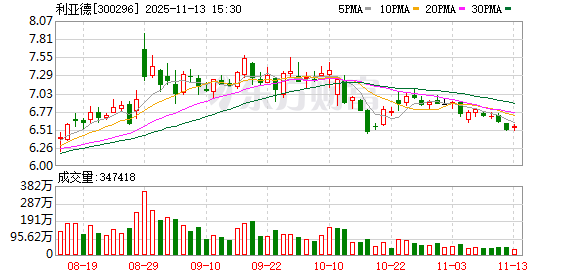
利亚德:目前To C系列产品销售均在拓展阶段,AI吧唧主要在京东平台销售
Mei Ri Jing Ji Xin Wen· 2025-11-13 13:45
Group 1 - The core viewpoint of the article highlights the challenges in sales channels for new products like AR glasses and AI toys, emphasizing the need for effective sales strategies to achieve market penetration [2] - The company, Leyard, is currently in the expansion phase for its To C product series, indicating a focus on growing its consumer market presence [2] - The AI Baiji toy is primarily sold through the JD platform, while the AR glasses are available via Leyard's service platform, showcasing the company's multi-channel sales approach [2]

电影还能这么看!
Xin Hua Wang· 2025-11-12 02:58
Core Viewpoint - The fourth Golden Rooster XR Film Festival is being held in Xiamen, showcasing the integration of cutting-edge technologies such as virtual reality, augmented reality, and mixed reality in film [1] Group 1: Event Overview - The festival is co-organized by the "Popular Film" magazine and the Xiamen Film Festival Company [1] - A total of 12 works with diverse themes and styles have been nominated, including "Meeting Dongpo" and "Falling into the Abyss: Seeking Caves" [1] Group 2: Technological Integration - The festival aims to explore the future forms of visual art and promote the deep integration of technology and film [1]