大健康

Search documents
陈雪:以专业为桥 奔赴事业新征程
Xin Lang Cai Jing· 2025-12-21 21:43
Core Insights - The article highlights the career transition of Chen Xue, who joined Taikang in July 2023 as a Health Wealth Planner (HWP), emphasizing her commitment to the health and retirement planning sector [3][4]. Group 1: Career Transition - Chen Xue's decision to join Taikang reflects her deep consideration of professional value and a strong belief in retirement security [3]. - Her background in the banking system provided her with essential skills in asset allocation and risk management, which she now applies in her new role [3][4]. - The encounter with Taikang's health industry model was pivotal for her career shift, as it aligns with her desire to offer comprehensive and empathetic service solutions [4]. Group 2: Professional Development - The transition to HWP necessitated a comprehensive upgrade of Chen's skills, integrating her financial expertise with Taikang's high-quality, full-lifecycle health and wellness service system [4]. - Chen has evolved into a professional capable of providing a one-stop service for retirement, health, and wealth management, addressing clients' needs throughout their entire lifecycle [4]. Group 3: Vision and Mission - Chen emphasizes the importance of Taikang's ecosystem in the longevity era, which aims to create a closed loop of longevity, health, and wealth [5]. - Her professional mission is to make insurance accessible, convenient, and affordable, contributing to people's longevity, health, and wealth, while positioning Taikang as a part of their happy lives [5].


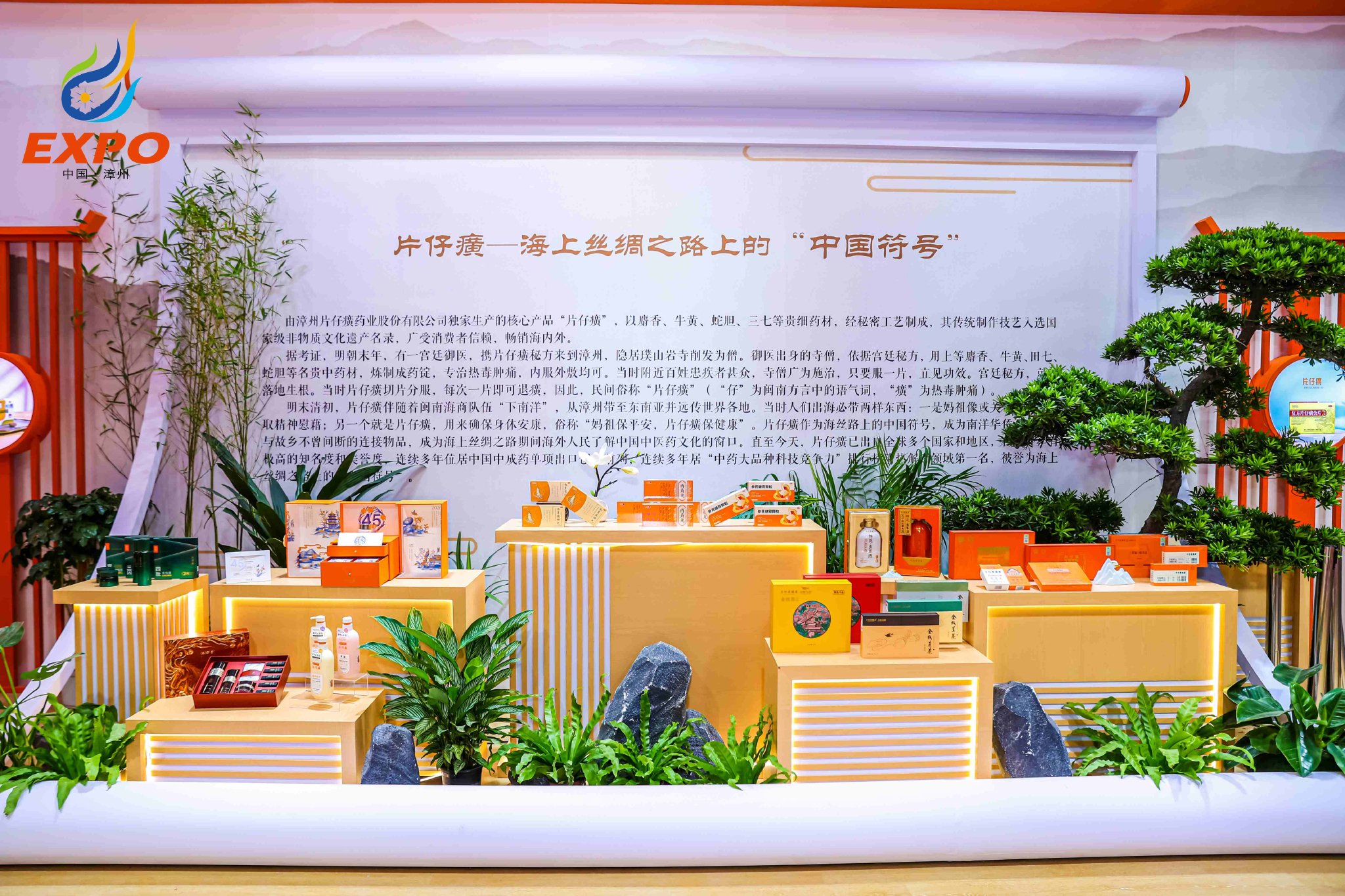
绽放创新活力 片仔癀三大战略板块新品正式发布
Zhong Guo Jin Rong Xin Xi Wang· 2025-12-19 14:29
Core Viewpoint - The 2025 Southeast Modern Agriculture Expo and Flower Expo showcased the innovative products of Zhangzhou Pien Tze Huang Pharmaceutical Co., Ltd, emphasizing its commitment to integrating tradition with innovation in the health industry [1]. Group 1: Product Launches - Pien Tze Huang launched four core product series across its three strategic segments: a classic product series in the pharmaceutical sector, an Eastern skincare series in the beauty segment, and a health food series focused on food-medicine integration [1][3]. - The pharmaceutical segment introduced new products such as Renrong Anshen Pills and Xihuang Pills, targeting specific health needs and enhancing the product matrix [3]. - The beauty segment highlighted new offerings like the Jin Xian Lian series and Ren Shen series, focusing on the efficacy of traditional Chinese ingredients for skincare [3]. - The health food segment presented four new products, including a low-temperature fermented green plum wine and a green plum essence pill, both made from high-quality ingredients sourced from Fujian [4]. Group 2: Innovation and Development Strategy - Innovation is identified as the core driver for revitalizing traditional brands, with the new product launch marking a significant step towards establishing a diversified health service system [4]. - Pien Tze Huang plans to invest 270 million yuan in R&D in 2024, reflecting a 16.38% increase year-on-year, with ongoing clinical research on five traditional Chinese medicine innovations and four chemical drug innovations [4]. - The company aims to strengthen its core business while expanding its product matrix and developing a second growth curve, aligning with the "14th Five-Year Plan" and "Healthy China" strategy [5].

天保基建:目前拥有天保智谷生物医药产业园和天津综保智汇城2个产业园区
Zheng Quan Ri Bao Wang· 2025-12-15 14:11
Core Viewpoint - Tianbao Infrastructure (000965) is focusing on the development of two industrial parks, emphasizing its commitment to the biopharmaceutical and health sectors [1] Group 1: Company Overview - The company currently operates two industrial parks: Tianbao Zhigu Biopharmaceutical Industrial Park and Tianjin Comprehensive Bonded Zhihui City [1] - Tianbao Zhigu Biopharmaceutical Industrial Park is positioned around biopharmaceuticals and the health theme [1] Group 2: Project Details - The first phase of the Tianjin Comprehensive Bonded Zhihui City project includes a bonded research and development center, themed around biopharmaceuticals in the Tianjin Port bonded zone [1] - The R&D center aims to create a distinctive innovation platform to support and attract investment [1]

佐力药业拟收购未来医药多种微量元素注射液资产组
Bei Jing Shang Bao· 2025-12-14 09:01
Core Viewpoint - Zhaoli Pharmaceutical (300181) announced the acquisition of a multi-trace element injection asset group from Tibet Future Biopharmaceutical Co., Ltd. for a total price of 356 million yuan, which includes both marketed and research products [1] Group 1: Acquisition Details - The asset group includes the marketed products "Multi-trace Element Injection (I)" and "Multi-trace Element Injection (II)", as well as the research product "Multi-trace Element Injection (III)" [1] - The acquisition encompasses research and production technical data, marketing licenses, trademarks, patents, contractual rights and obligations, and employee labor relations [1] Group 2: Strategic Implications - The acquisition is expected to optimize the company's product structure and expand its treatment areas, particularly focusing on diseases affecting women, children, and the elderly [1] - This move aligns with the national health development strategy, aiming to establish a comprehensive health product and service chain that covers all age groups from children to the elderly [1]

一诺致远汪弘:S交易决策重在资产质量,市场正走向专业化分工
2 1 Shi Ji Jing Ji Bao Dao· 2025-12-12 09:47
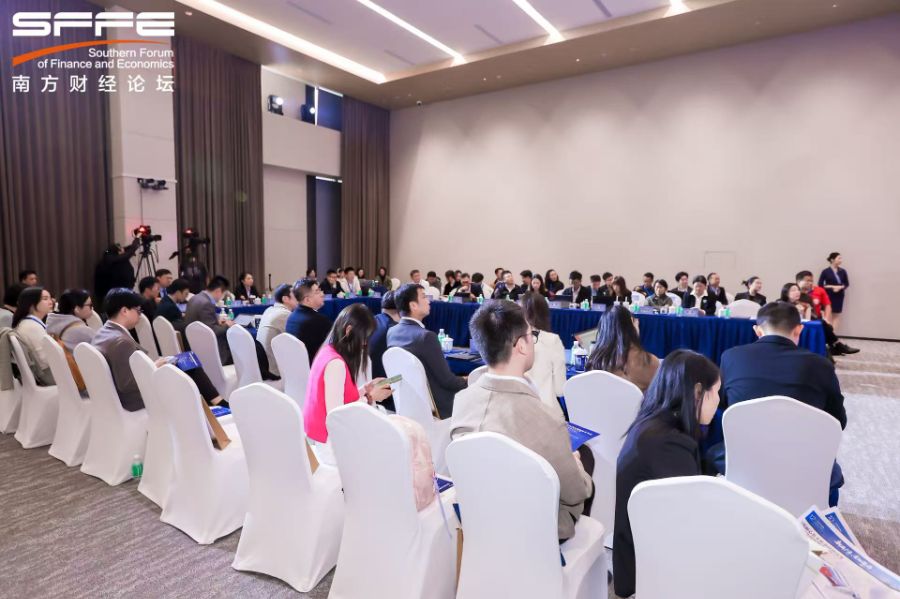
Group 1 - The 15th 21st Century Innovation Capital Annual Conference was held in Guangzhou, focusing on the evolution of strategies in mergers and acquisitions, S transactions, and securities investments [1] - Wang Hong, founder and chairman of Yinuo Zhiyuan, emphasized that the core of S investment lies not in the size of the discount but in the quality of the underlying assets and that the RMB S market is moving towards a phase of professional deep division of labor [3] - Yinuo Zhiyuan has invested in over 20 well-known domestic and foreign private equity funds, covering secondary market investments and direct equity investments in sectors like artificial intelligence, high-end manufacturing, new energy, and health care [3] Group 2 - The S investment strategy of Yinuo Zhiyuan focuses on three main aspects: prioritizing the quality of underlying assets over discounts, balancing IRR and DPI, and concentrating investments in specific industries [4] - The company believes that as the exit environment for equity investments improves, the trading activity in the S market will naturally increase [4] - The RMB S market is experiencing structural changes, with state-owned enterprises accelerating their entry and a unique S fund ecosystem forming in China, driven by various factors including the demand for uncalled capital transfers [4][5] Group 3 - The book "Interpreting S Funds," co-authored by Wang Hong, highlights that China's economy is undergoing transformation and that the private equity investment market is entering a phase of steady and high-quality development [5] - The private equity secondary market is seen as a new opportunity for significant development, receiving high attention from the state [6] - The role of the private equity secondary market in value discovery and liquidity realization is becoming increasingly important, with S funds being key participants in this market [6]
2025华夏大健康——赋能美好生活案例展示
Hua Xia Shi Bao· 2025-12-12 09:02
Core Insights - The "2025 Fifth China Health Industry Development and Rehabilitation Service Conference" was successfully held in Beijing, focusing on integrating resources and exploring development paths in the health industry [1] - The conference featured high-level discussions on cutting-edge topics such as innovative drugs, brain-machine interfaces, AI in healthcare, and the transformation of traditional Chinese medicine [1] - A series of innovative case studies were presented, showcasing advancements in various categories including ESG, biotechnology, and AI healthcare, reflecting the vitality and innovation in the health sector [1] Company Highlights - **Amway**: Empowered 200,000 marketing personnel to create health and wellness communities, promoting healthy lifestyles through shared knowledge and support [2] - **USANA**: Aims to be the healthiest family globally, emphasizing quality in product design and social responsibility initiatives, including nutrition support for underprivileged students [3] - **Aier Eye Hospital**: Focuses on building a global healthcare network in ophthalmology, utilizing innovative models to address healthcare accessibility and patient needs [4] - **Angelalign**: Achieved steady growth by enhancing R&D and clinical support for invisible orthodontic solutions, expanding its global presence [5] - **Yingkang Yisheng**: Established a health ecosystem with multiple subsidiaries, focusing on life sciences and clinical medicine, and providing services to 160 countries [6] - **Cofe Medical**: Specializes in home medical devices, leveraging technology to enhance health monitoring and early disease intervention [7] - **Pharmacist Help**: Aims to digitize the outpatient pharmaceutical market, covering over 490,000 pharmacies and 353,000 grassroots medical institutions [8] - **Perfect (China) Co., Ltd.**: Focuses on health products and social responsibility, donating over 1 billion yuan to various causes [9] - **Yonghe Medical**: Utilizes AI for personalized treatment in hair health, enhancing service transparency and patient satisfaction [10] - **Anran Nano**: Integrates nanotechnology and plant stem cell technology in health products, emphasizing social responsibility through various charitable initiatives [11]
复牌首日曾暴涨566%!但TATA健康的“狂欢派对”,为何仅维持一天?
Sou Hu Cai Jing· 2025-12-12 08:32
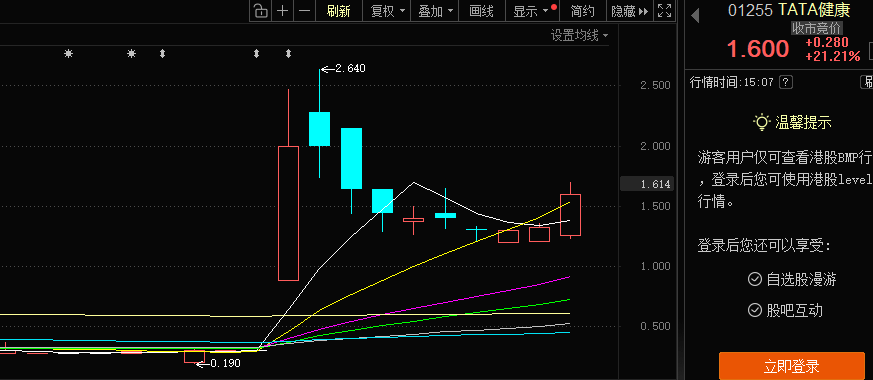
Core Viewpoint - TATA Health (01255.HK) resumed trading on December 1 after a 1.5-year suspension, experiencing a significant initial surge of 566.67% to close at HKD 2.00 per share, but subsequently faced a decline, closing at HKD 1.60 on December 12, a drop of 37.50% [1]. Group 1: Company Background - TATA Health, originally known as Hong Kong Retail International Holdings Limited, was listed on the Hong Kong Stock Exchange in 2013, initially focusing on shoe sales, representing brands like Clarks and Josef Seibel, but later shifted its focus to the health sector and financial services [3][5]. - The company has struggled to achieve profitability since its listing, with only three profitable years from 2013 to 2024, accumulating a total net profit of HKD 33.58 million over 12 years, while suffering significant losses, particularly a loss of HKD 152 million in 2020 [6][11]. Group 2: Business Operations - TATA Health's shoe business was primarily focused on the Hong Kong market, relying heavily on tourism, which has been impacted by various factors including political unrest and the COVID-19 pandemic, leading to a 20.1% revenue decline in 2019 compared to 2018 [7][8]. - The company attempted to diversify into the health sector, launching a health app in December 2020 and investing in health-related partnerships, but faced challenges due to a lack of experience and competition in the market [10][11]. Group 3: Financial Performance - TATA Health's financial performance has been poor, with the shoe business generating HKD 124.46 million in revenue but incurring a segment loss of HKD 39.93 million [12]. - The company faced severe operational challenges, leading to a suspension of trading in April 2024 due to the inability to publish its 2023 annual results, with potential delisting risks if it failed to meet the resumption conditions within 18 months [11][13].
安利的“中国功夫”练了30年,从“搬运工”成为“全球创新中心”
Di Yi Cai Jing· 2025-12-12 06:13
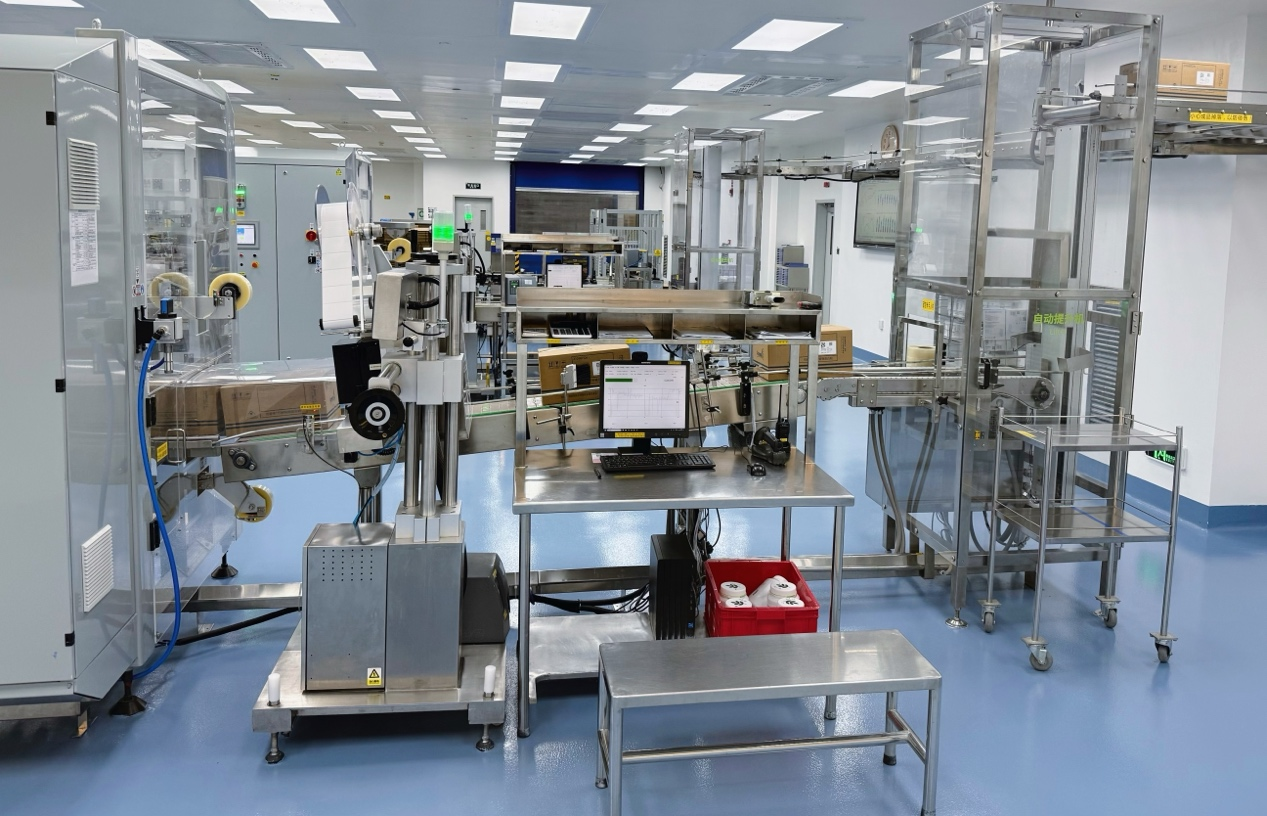
Core Insights - Amway has established a significant presence in China over the past 30 years, with its Guangzhou Huangpu factory now serving as a crucial hub for 55% of its global product supply, supporting over 50 countries and regions [1][3] - The company has transitioned from manual processes to automation in its production lines, reflecting advancements in technology and efficiency [1][3] - Amway's investment strategy in China has been robust, with a five-year plan involving a total investment of 2.1 billion RMB, aimed at enhancing production capabilities and digital infrastructure [3][6] Investment and Growth - Amway has been the largest market for the company globally for 22 consecutive years, achieving an average annual growth rate of 7% over the past four years [3][4] - The recent investment plan includes 700 million RMB for upgrading the Guangzhou production base, 400 million RMB for digital infrastructure, and 500 million RMB for enhancing over 100 experience centers across China [6][10] - The establishment of a new R&D center and health-sharing laboratory in Guangzhou is part of the investment strategy, aimed at fostering innovation and supporting small and medium enterprises [6][10] Strategic Transformation - Amway has undergone a strategic transformation termed "second entrepreneurship," focusing on health and wellness, which aligns with national strategies for a healthier China [10][12] - The company has shifted its approach to emphasize deep connections with entrepreneurs and customers, leveraging community engagement to promote health and wellness [12][14] - Amway's commitment to local innovation has led to the development of a vast plant variety resource library, enhancing product development efficiency and innovation outcomes [14][15] Product Development and Market Impact - The company has successfully launched products based on traditional Chinese medicine, with significant sales achievements, such as the "Base Source Vitality" product reaching 2 billion RMB in sales within two years [16] - Amway's self-developed Ginkgo and Cistanche tablets have been sold in 14 countries, generating over 3 billion USD in cumulative sales [16] - The focus on local R&D has positioned Amway as a leader in the health and wellness sector, contributing to the global market with innovative products [15][16]
安利中国本土化创新:从一粒“种子”到“美好生活”之花
经济观察报· 2025-12-11 07:37
Core Viewpoint - Amway has evolved over 30 years in China, transforming from a foreign entity into a significant local innovator, contributing to the health and wellness sector through localized research and development [1][2]. Group 1: Innovation and Research - Amway has established the largest plant variety resource library in the industry, with over 200 plant species and more than 900 varieties, including 304 varieties of lotus and 131 varieties of blueberries [5]. - The company collaborates with prestigious institutions like the Chinese Academy of Traditional Chinese Medicine and the Nanjing Institute of Soil Sciences, achieving breakthroughs in plant nutrition research [5]. - Amway's plant research center has successfully sequenced the entire genome of chrysanthemum, filling an international gap, and has been awarded for pioneering the application of plant DNA molecular identification technology [5][7]. Group 2: Localized Production and Supply Chain - Amway operates over 2,500 hectares of owned farms in the U.S., Mexico, and Brazil, and has 134 certified organic farms globally, focusing on sustainable plant cultivation [8]. - The company plans to invest in its first organic farm in China, located in Sichuan, which will focus on the cultivation of traditional Chinese medicinal herbs [8]. - The Guangzhou production base supports 55% of Amway's global product sales and serves over 50 countries, becoming a crucial hub in Amway's global supply chain [15]. Group 3: Product Innovation and Market Strategy - Amway has transitioned from "follow-up localization" to "leading localization," launching several successful products based on traditional Chinese medicine that have gained international acclaim [14]. - The company has introduced several flagship products, such as Ginkgo Biloba and various health supplements, achieving significant sales milestones, including over 20 billion yuan in sales for "基源欣活" within two years [15]. - Amway's strategy has shifted towards providing comprehensive health solutions, integrating digital tools and community engagement to enhance customer experience and partner involvement [21][22]. Group 4: Future Investments and Growth - Amway announced a five-year investment plan of 2.1 billion yuan to enhance its operations in China, including 700 million yuan for upgrading the Guangzhou production base and 400 million yuan for digital infrastructure [24]. - The company aims to strengthen its research capabilities, including the establishment of its organic farm and advancements in plant anti-aging research [24]. - Amway's commitment to the Chinese market is reflected in its role as a "city partner" in Guangzhou, focusing on health promotion and community building [22].

安利中国本土化创新:从一粒“种子”到“美好生活”之花
Jing Ji Guan Cha Bao· 2025-12-11 07:27
Core Viewpoint - Amway (China) celebrates its 30th anniversary and the opening of the "Amway Beautiful Life Plaza" in Guangzhou, marking a significant milestone in its development in China [2][21]. Group 1: Innovation and Research - Amway has established the largest plant variety resource library in the industry, with over 200 types and 900 varieties of plants, including 304 varieties of lotus and 131 varieties of blueberries [5]. - The company collaborates with prestigious institutions like the Chinese Academy of Traditional Chinese Medicine and the Nanjing Institute of Soil Sciences, achieving breakthroughs in plant nutrition research [5]. - Amway's plant research center has completed the whole genome sequencing of chrysanthemum, filling an international gap, and has been awarded the "International Contribution Award for Traditional Chinese Medicine" for its pioneering work in plant DNA molecular identification technology [5]. Group 2: Sustainable Agriculture and Localized Production - Amway is investing in a new organic farm in Sichuan, China, which will focus on the cultivation of traditional Chinese medicinal herbs and aims to enhance the quality and safety of its product raw materials [6]. - The company operates over 2,500 hectares of its own farms in the U.S., Mexico, and Brazil, and has 134 certified organic farms globally, emphasizing organic and sustainable planting methods [6]. Group 3: Market Strategy and Product Development - Amway has transitioned from "follow-up localization" to "leading localization," establishing China as a key market and innovation engine, with localized product development and production [11]. - The company has launched several successful products based on traditional Chinese medicine, such as Ginkgo Biloba tablets, which have generated over $3 billion in sales globally [12]. - Amway's Guangzhou production base supports 55% of its global product sales and serves over 50 countries, becoming a crucial hub in its global supply chain [12][14]. Group 4: Investment and Future Plans - Amway announced a five-year investment plan of 2.1 billion RMB, which includes 700 million RMB for upgrading its Guangzhou production base and 400 million RMB for enhancing digital infrastructure [21]. - The investment also allocates 500 million RMB for research and development, including projects on organic farm construction and plant anti-aging research [21]. Group 5: Community Engagement and Social Responsibility - Amway is recognized as a "strategic partner" in Guangzhou's "City Partner" initiative, focusing on health promotion, ecological friendliness, and community building [19]. - The company aims to integrate its resources with community efforts to create a vibrant and warm urban environment, reflecting its commitment to social responsibility [19][23].