
汽车价格战

Search documents
价格战烧到欧洲?比亚迪“海豚Surf”正式登陆英国市场,售价仅18650英镑
Hua Er Jie Jian Wen· 2025-06-12 07:31
Group 1 - BYD has launched its cheapest and smallest electric vehicle, the Dolphin Surf, in the UK, priced at £18,650 (approximately ¥181,959), highlighting the competitive pricing strategy of Chinese automakers in the European market [1] - The Dolphin Surf is the UK version of BYD's popular Seagull model, which sells for less than £6,000 (approximately ¥58,539) in China, making the UK price nearly three times higher [1] - The compact car segment is identified as the next frontier for electrification in Europe, with BYD's executive vice president noting that the electrification process for small cars is slower than that for larger SUVs [1] Group 2 - The automotive price war appears to have spread to Europe, with Renault and Volkswagen leveraging Chinese engineering and components to accelerate the development of compact electric vehicles at lower costs [2] - Analysts suggest that as Western automakers adopt cheaper lithium iron phosphate batteries to compete with Chinese rivals, there is potential for further price reductions in small electric vehicles [2] - Despite the convergence of prices among automakers, consumers may still be attracted to the advanced technology and software offered by Chinese brands, with BYD planning to introduce ultra-fast charging technology in Europe within the next 12 months [2]

汽车行业重大事项点评:5月需求小幅恢复,新能源渗透率续创新高
Huachuang Securities· 2025-06-10 09:33
5 月需求小幅恢复,新能源渗透率续创新高 事项: 乘联会发布数据,5 月狭义乘用车产量 227 万辆,同比+13%,环比+2%; 批发 231 万辆、同比+13%、环比+6%。 评论: 由于电/油车销量变化、自主库销比高于合资,单看库存总量同比情况 相对失真,我们主要观察库销比。按测算,油车库销比 5 月低于去年 同期、电车高于去年同期约 0.5 个月,显示电车库存压力有所提升,已 不如去年健康,未来行业价格主要变动因素将主要为电车。 证券研究报 告 汽车行业重大事项点评 整车:近期板块投资情绪受创,考虑行业增速节奏、市场担忧因素,整车 选股将更倚向结构性机会。推荐理想汽车、江淮汽车,建议关注北汽蓝 谷、上汽集团、小鹏汽车、小米集团。 零部件:1)机器人板块继续推荐拓普集团、豪能股份、冠盛股份、福达 股份、敏实集团。2)高阶智驾下沉放量,建议关注地平线机器人、比亚 迪电子、速腾聚创、亿咖通等。3)推荐主业基本面表现良好的星宇股 份、继峰股份、银轮股份,以及处于相对低位的新泉股份。 风险提示:宏观经济、国内消费低于预期,汽车出口低于预期,新能源车 销量低于预期,原材料价格波动等。 行业研究 汽车 2025 年 ...
汽车早报|小米汽车全国门店数量突破300家 冯兴亚卸任广汽埃安董事长
Xin Lang Cai Jing· 2025-06-10 00:40
Group 1: Regulatory Actions and Market Dynamics - The Ministry of Industry and Information Technology (MIIT) announced an increase in inspections for vehicles with significant quality and safety concerns, focusing on high public attention models [1] - The inspections will include checks on compliance with national standards, particularly for electric vehicles and their safety requirements [1] - The secretary-general of the China Passenger Car Association, Cui Dongshu, emphasized the importance of market-driven price competition in the automotive sector, noting a recent stabilization in lithium carbonate prices [1] Group 2: Company Developments - Xiaomi Auto has surpassed 300 stores nationwide, indicating significant expansion in its retail presence [2] - GAC Aion has undergone a leadership change, with He Xianqing replacing Feng Xingya as chairman [2] - BYD has established a new industrial company in Shanwei with a registered capital of 10 million RMB, focusing on various automotive manufacturing and services [2][3] - Changan Automobile Investment (Shenzhen) Co., Ltd. has increased its registered capital from approximately 238 million RMB to about 876 million RMB, marking a 268% increase [3] Group 3: Sales Performance - Honda China reported a total vehicle sales figure of 55,108 units for May, reflecting a year-on-year decline of 16.8% [4][5]
汽车行业内卷有多严重?一线销售聊聊真实情况
车fans· 2025-06-10 00:29
Core Viewpoint - The automotive industry is facing significant challenges, including price wars and disordered competition, leading to a decline in sales and income for many companies and sales personnel [1] Group 1: Sales and Income Trends - Sales income in first-tier cities has decreased significantly, with some reporting declines of up to 40% compared to last year [3] - The average transaction price for vehicles has dropped by over 10,000 yuan compared to last year, indicating a tough market environment [3] - Many brands are reducing staff and facing severe layoffs, with stricter hiring processes in place [3] Group 2: Pricing Strategies and Discounts - Price reductions have been frequent, with some models seeing discounts of 20,000 to 30,000 yuan [5][8] - The competition among brands has intensified, leading to aggressive pricing strategies and frequent adjustments in promotional policies [5][8] - Some brands are experiencing a lack of effective promotional results, leading to customer dissatisfaction [8] Group 3: Product and Quality Adjustments - There have been no significant changes in product quality, but some brands have started to reduce configurations to cut costs [4][8] - New models are being introduced with slight price adjustments, but overall quality complaints remain low [4][11] - Brands are focusing on enhancing product features and technology to attract customers, with some emphasizing their unique selling propositions [15] Group 4: Inventory and Production - Inventory levels are reported to be unhealthy for some brands, leading to pressure on sales teams [5][13] - Companies are adopting order-based production strategies to manage inventory more effectively [15] - The inventory coefficient for some brands is reported to be healthy, indicating a more controlled approach to stock management [15]


冲销关口开启,车市发力“年中考”
Bei Jing Shang Bao· 2025-06-09 14:48
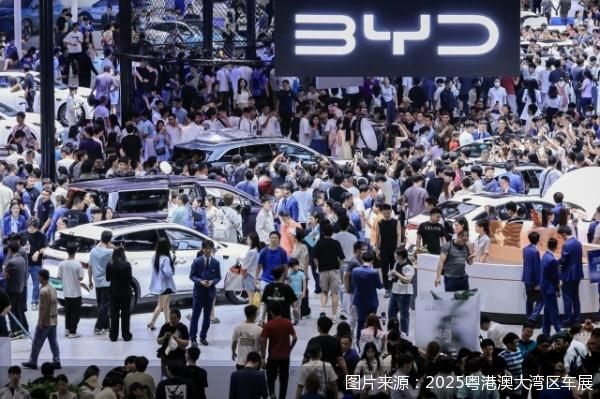
Core Insights - The 2025 Guangdong-Hong Kong-Macao Greater Bay Area Auto Show achieved over 10 billion yuan in pre-order sales, indicating a strong market response amidst a competitive environment [2][3][4] - The auto industry is facing intensified price wars and "involution," prompting calls from industry leaders and associations to halt such practices to protect profit margins and product quality [6][10][11] Group 1: Event Highlights - The auto show featured 112 vehicle brands and 1,039 models, attracting approximately 890,000 visitors and resulting in pre-orders for over 42,800 vehicles, totaling around 10.07 billion yuan [3][4] - Major brands like Audi and BYD showcased new models, with Audi's Q6L e-tron family and BYD's various electric vehicles drawing significant attention [4][5] Group 2: Industry Challenges - The ongoing price wars have led to a decline in profit margins, with the average price of passenger cars dropping by 21,000 yuan year-on-year as of April [10][11] - Industry experts noted that while sales volumes are increasing, profit levels are deteriorating, with a reported 5.1% year-on-year decline in industry profits for the first four months of the year [10][11] Group 3: Responses to Involution - Industry leaders, including executives from NIO and GAC Group, emphasized the need to compete on technology and service rather than price, highlighting the detrimental effects of price wars on long-term sustainability [6][7] - Various industry associations have issued statements against "involution," warning that it could harm consumer rights and overall industry health [11][12]
贪婪与恐惧,分歧或共识:苦价格战久矣的车圈众生相
Di Yi Cai Jing· 2025-06-09 12:54
Group 1: Industry Challenges - The automotive industry is facing intense "price wars," leading to increased pressure on suppliers to lower prices and extend payment terms, resulting in a challenging financial environment for suppliers [2][3] - In 2024, the loss ratio for automotive dealers is projected to be 41.7%, with a significant reduction in the number of 4S dealerships, marking the first negative growth since 2021 [2] - The average accounts payable turnover days for major automotive companies have been rising, with Haima Automotive at approximately 206 days and BYD at about 146 days as of Q3 2024 [5] Group 2: Supplier Financial Strain - Suppliers are experiencing extended payment cycles, with some reporting payment terms ranging from 30 to 120 days, which is exacerbated by the competitive landscape [3][4] - Financial platforms promoted by automakers, such as BYD's DiChain, have extended payment cycles to six months, further straining supplier cash flow [4] - The new regulations effective June 1, 2023, aim to protect small and medium enterprises from forced acceptance of non-cash payment methods that could extend payment terms [6] Group 3: Dealer Dynamics - Dealers are facing high inventory levels and liquidity risks, with a reported increase in overall inventory by 12,000 vehicles in early 2025, breaking a five-year trend of inventory reduction [7][9] - The financial struggles of dealers are highlighted by the bankruptcy of several dealerships, including the Qiancheng Group, due to cash flow management issues exacerbated by manufacturer policies [7][8] - Only 35% of 4S stores met or exceeded their sales targets in the first half of the year, indicating significant pressure on dealer operations [9] Group 4: Market Response and Future Outlook - There is a growing consensus among industry leaders to move away from destructive price wars, with calls for a healthier competitive environment to stabilize the industry [11][13] - In Q1 2025, the number of models experiencing price reductions decreased significantly compared to the previous year, indicating a potential shift in market strategy [11] - Major brands are implementing substantial price cuts, with some models seeing reductions exceeding 100,000 yuan, reflecting the ongoing competitive pressures in the market [12]
中国汽车产业究竟该怎么“卷”| 说商道市
Chang Sha Wan Bao· 2025-06-09 05:09
Group 1 - The core discussion at the 2025 China Automotive Chongqing Forum revolved around the implications of price wars in the automotive industry, particularly concerns about excessive low-level competition and its impact on the industry [1] - The price war is seen as a natural outcome of market dynamics, reflecting the rapid development of the Chinese economy and the automotive industry, which has transformed cars from luxury items to common household goods [1] - Historical comparisons are made to the introduction of the Ford Model T, suggesting that the ongoing price reductions in the Chinese automotive market should be viewed positively as a sign of industry maturity [1] Group 2 - Concerns about the quality of vehicles amidst price wars are deemed unnecessary, as the models involved are typically mature ones, and the development costs can be significantly reduced through mass production [2] - For example, a new car's development cost of 500 million yuan can be amortized to 5,000 yuan per unit after selling 100,000 units, indicating that successful companies have the capacity to engage in price competition [2] Group 3 - The Chinese automotive industry has surpassed developed countries like Japan and Germany, becoming the world's largest exporter, with brands like BYD, Geely, and Chery achieving significant sales in international markets [3] - The success of these brands is attributed to their superior product capabilities, such as intelligence and battery life, allowing them to maintain higher prices in foreign markets [3] - While excessive low-level competition is discouraged, a reasonable level of competition is seen as beneficial, contributing to the industry's growth and international competitiveness [3]
中国汽车重庆论坛上,多位车企负责人和专家表示—— “价格战”伤害汽车行业健康可持续发展
Ren Min Ri Bao· 2025-06-06 21:27
王侠认为,无论市场竞争如何演进,企业都应坚持三条底线:一是坚持质量与安全标准不动摇,守住法 律法规底线;二是坚持诚信经营和契约精神,维护合作共赢的产业链关系,不搞夸大式宣传,不搞拉踩 式营销,守住商业道德底线;三是坚持长期主义,以技术创新和差异化构筑价值高地,拒绝低于成本价 销售,守住可持续发展的底线。 "长安汽车坚决反对无道德底线、无法律底线的恶性竞争。"长安汽车董事长朱华荣郑重承诺,无论竞争 如何激烈,长安汽车都会坚守原则:一是保证产品的安全、质量、服务,绝不以损害用户利益的方式参 与竞争;二是坚持通过技术进步、管理创新等实现规模化降本,通过集团化运营、共性平台开发提升效 率,用体验更好的产品和服务为用户创造更多价值;三是坚持依法合规参与全球市场竞争,通过优质产 品、可靠品质以及贴心服务,实现企业长期健康发展,推动行业进步。 中国汽车工业协会近日发布《关于维护公平竞争秩序促进行业健康发展的倡议》,明确反对车企之间的 无序"价格战"。工业和信息化部也明确表示,"价格战"没有赢家,更没有未来,将加大汽车行业"内卷 式"竞争整治力度。 在6月6日开幕的2025中国汽车重庆论坛上,多位汽车企业负责人和业内专家在接 ...



探店·调查丨雪佛兰没退出,但全系都在“清仓甩卖”
Sou Hu Cai Jing· 2025-06-06 12:27
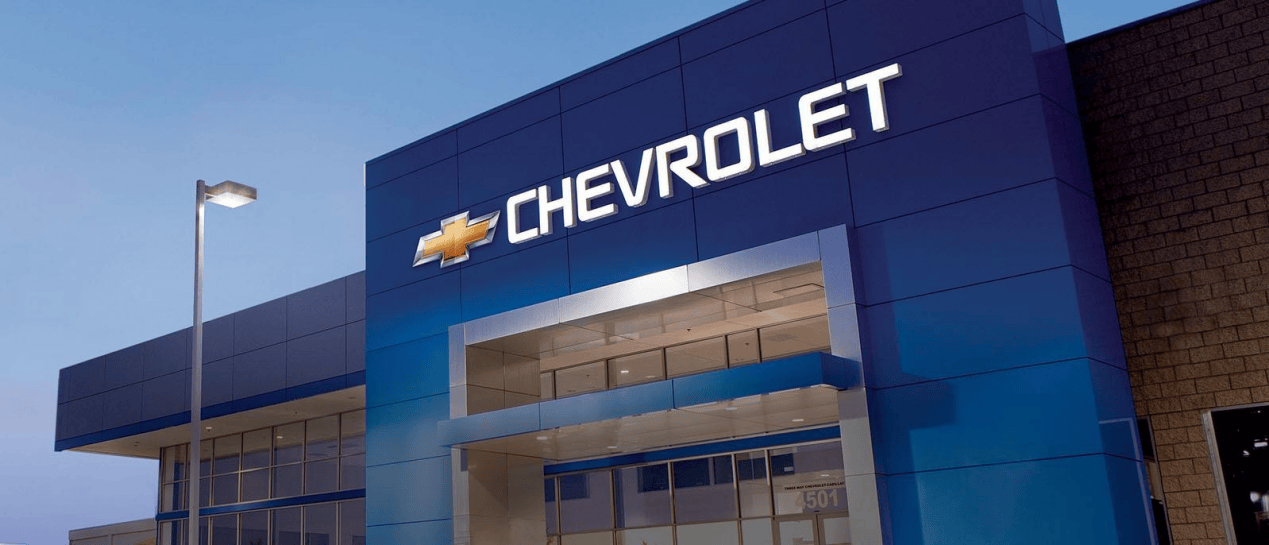
Core Viewpoint - Chevrolet is undergoing significant strategic adjustments in the Chinese market, leading to speculation about a potential exit, although official sources deny such claims [2][3][21] Group 1: Brand Status and Market Presence - Chevrolet has not launched a new vehicle in over a year, with the last model being the Equinox Plus introduced in April 2024 [3] - Currently, only two Chevrolet dealerships remain in Beijing, indicating a reduction in market presence [3][5] - The remaining models on display include the Equinox Plus, Malibu XL, and Tracker, with significant discounts available [5][7] Group 2: Pricing and Sales Strategy - The Equinox Plus is priced around 140,000 yuan after discounts, while the Malibu XL starts at 99,900 yuan [7][9] - Despite price reductions, the discounts do not reach extreme levels, as some dealers offer even lower prices for clearance [9] - Chevrolet's pricing strategy is challenged by competitors like Buick and Cadillac, which have introduced lower-priced models [15][17] Group 3: Future Outlook and Strategic Adjustments - Chevrolet's future in China appears uncertain, with no new models planned and a focus on low-cost operations to maintain existing customer support [21] - The merger of Chevrolet with the Buick division indicates a shift towards a more integrated sales approach, prioritizing brands with higher profit contributions [17][20] - The automotive industry is facing pressures to streamline product lines, with traditional automakers needing to adapt to the rise of electric vehicles and increased competition from domestic brands [18][20]
从美国的几次价格战看中国车市价格战
首席商业评论· 2025-06-04 03:36
Core Viewpoint - The article discusses the historical context and implications of price wars in the automotive industry, particularly focusing on the U.S. market and the recent price competition initiated by Tesla in the electric vehicle sector. It emphasizes the cyclical nature of these price wars and their impact on market dynamics, competition, and technological advancements. Group 1: Historical Price Wars - The introduction of the assembly line by Ford in the early 20th century drastically reduced production costs, leading to the first price war in the automotive industry, where car prices fell from approximately $850 in 1913 to $290 in 1925 [2] - In the 1980s, Japanese automakers entered the U.S. market aggressively, leading to significant price reductions by American manufacturers, with GM lowering prices by 10% and Ford offering discounts up to $1,000 (equivalent to about $3,500 today) [4] - By 1985, Japanese brands captured 20% of the U.S. market share, doubling from 10% in 1975, forcing American companies to accept price cuts to maintain market presence [4] Group 2: Tesla's Impact on the Market - Since 2023, Tesla's pricing strategy has significantly affected traditional automakers, with average electric vehicle prices in the U.S. dropping to $50,683, a decrease of over 20% year-on-year [6] - Traditional manufacturers like Ford and Lucid have responded with their own price reductions, with Ford offering cash rebates of up to $7,500 on certain electric models [6] - The price war initiated by Tesla, while boosting sales in the short term, has created financial pressures for startups like Lucid and Fisker, leading to cash reserve depletion [8] Group 3: Current Market Dynamics in China - In 2024, the Chinese automotive market is expected to see significant price reductions, with new energy vehicles experiencing an average price drop of 9.2% and fuel vehicles by 6.8% [12] - The market is characterized by structural oversupply, with 77 brands and a total production capacity of 40 million units, while actual sales were only around 12.9 million units [13] - The ongoing price war is driven by the need for market clearing and efficiency, with many companies facing cash flow pressures leading to production delays [14] Group 4: R&D and Market Consolidation - Many domestic brands are increasing R&D investments, with some exceeding 5% of their revenue, contrasting with foreign automakers who are reducing R&D spending [17] - The automotive industry is shifting from a scale competition to a cost control paradigm, emphasizing the need for efficiency and technological advancement [20] - Market consolidation is accelerating, with companies like BYD restructuring their sales networks to enhance efficiency and reduce redundancy [18] Group 5: Future Outlook - The end of the current price war will depend on the resolution of capacity adjustments, market concentration, and the convergence of new energy vehicle technologies [21] - The article warns against unsustainable price competition that undermines product quality and consumer trust, advocating for competition based on technological innovation and quality improvement [23]



