生态治理

Search documents
向新向绿向未来——山西华阳集团创新求变启示录
Xin Hua Cai Jing· 2025-11-18 13:25
Core Viewpoint - Huayang New Materials Technology Group is undergoing a comprehensive strategic transformation driven by technological innovation and green low-carbon initiatives, moving from a traditional coal enterprise to a new materials leader, thereby addressing energy dependency issues [1][7]. Group 1: Digital Transformation - The company has implemented a smart mining initiative, replacing traditional mining operations with automated and digitalized processes, enhancing production efficiency and safety [2][3]. - Huayang Group has established a 5G network underground, facilitating real-time data transmission and improving overall management of mining operations [3]. - The company has built 8 smart coal mines and 2 intelligent coal preparation plants, achieving the provincial goal for coal mine intelligence three years ahead of schedule [3]. Group 2: Ecological Restoration - Huayang Group has successfully rehabilitated 35 waste rock hills, implementing innovative ecological restoration techniques that are more cost-effective and efficient than traditional methods [4][6]. - The company has adopted a green philosophy in its operations, utilizing electric vehicles and achieving over 98% water reuse in its processes [6]. - During the 14th Five-Year Plan period, Huayang Group has implemented numerous energy-saving measures, resulting in significant reductions in electricity consumption and coal usage [6]. Group 3: New Materials Development - The company has transitioned to the new materials sector, officially rebranding as Huayang New Materials Technology Group in October 2020, focusing on a dual-driven strategy [7][12]. - Huayang Group has developed a complete industrial chain for sodium-ion batteries, collaborating with the Chinese Academy of Sciences to lower production costs and enhance product offerings [8][9]. - The company showcased various new energy and material products at the Shanxi Energy Industry Expo, highlighting its innovative capabilities and market competitiveness [11].


甘肃民勤:科技赋能沙漠寒旱农业
Zhong Guo Xin Wen Wang· 2025-11-14 06:40
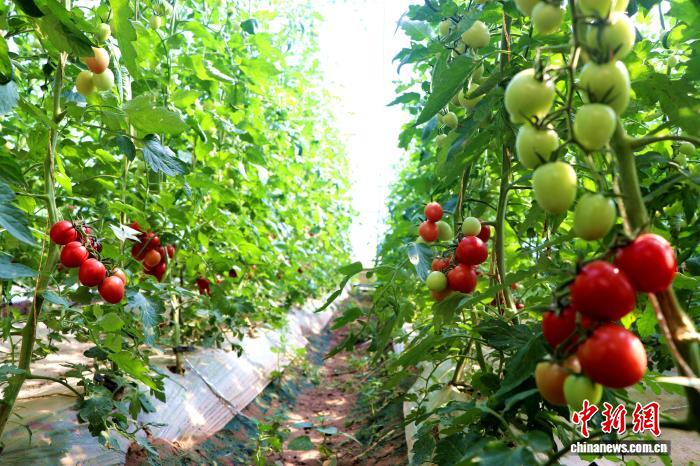
Core Viewpoint - Gansu's Minqin County is leveraging technology to transform its arid desert agriculture into a sustainable and productive industry, focusing on high-quality produce and innovative agricultural practices [1][4][7]. Group 1: Agricultural Innovation - Minqin County is utilizing organic fertilizers and soil improvement techniques to enhance the quality of its agricultural products, such as the "desert ruby" tomatoes, which are in high demand due to their superior quality [1][4]. - The county has developed a multifunctional protective system that integrates windbreaks, soil conservation, and ecological restoration, significantly improving agricultural production conditions [4][7]. Group 2: Technological Empowerment - The local industry is adopting advanced technologies like automated production lines and low-temperature purification processes to enhance the quality of products such as fennel, which is becoming a key driver of local income [2][6]. - A comprehensive technical system has been established, combining information, knowledge, and smart equipment, to support the modernization of agriculture and improve production efficiency [4][5]. Group 3: Sustainable Development - Minqin County is focusing on ecological governance and sustainable development, aiming to combat desertification and ensure long-term agricultural viability [4][5]. - The county's agricultural strategy includes the development of a complete industrial chain from production to processing, ensuring the sustainable growth of its cold-resistant vegetable industry [7]. Group 4: Brand Building and Market Strategy - The county is enhancing the reputation of its agricultural products through systematic brand development and diversified promotional strategies, aiming to boost the recognition and quality of "Minqin-produced" goods [5]. - A strategic approach is being implemented to optimize the agricultural layout based on regional advantages, focusing on high-value crops and ecological practices [5][7].
张永勇:于道文化中寻根 开放包容中淬炼
Zhong Guo Shi Pin Wang· 2025-11-13 07:07
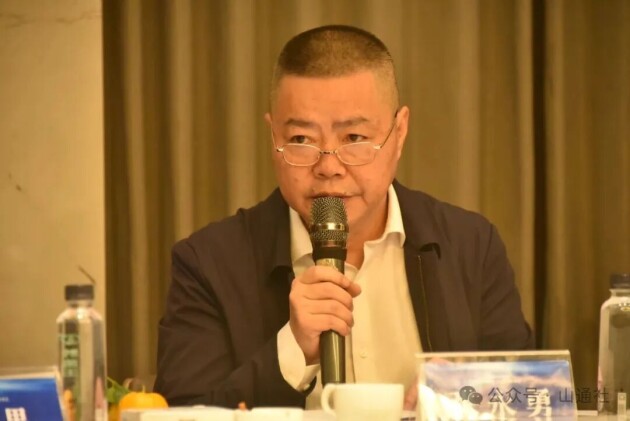
Core Viewpoint - The meeting aimed to gather insights from experts and scholars to guide the development strategy and cultural construction of Yongmai Group, focusing on ecological services and consumer cultural services in the sauce-flavor liquor market [2][15]. Group Development History - Yongmai Group evolved from Yongjiang Liquor Industry Company established in 1998, comprising various subsidiaries focused on sauce-flavor liquor and the 1915 Panama-Pacific International Exposition cultural industry [4][5]. - The chairman has a diverse background in education, culture, and liquor production, emphasizing the importance of cultural and ecological leadership in the liquor industry [5][7]. Cultural and Ecological Initiatives - The establishment of the Sauce-Flavored Liquor Craft Inheritance Training School has trained over 10,000 workers, with certifications for various roles in the industry [7][9]. - A professional liquor product appraisal company was founded to provide quality assessments and legal documentation for liquor assets, aiding in financial transactions and risk management [9][10]. - The company is developing a supply chain service to enhance efficiency in the sauce-flavor liquor industry, although it currently lacks the necessary financial strength to fully implement this service [10][12]. 1915 PPIE Sauce-Flavored Liquor Project - The 1915 PPIE Sauce-Flavored Liquor project aims to establish a cultural foundation and market strategy, integrating ecological functions to enhance market presence [15][16]. - The project includes various business formats that focus on deep cultural experiences, educating consumers about liquor quality and value [16][25]. Cultural Confidence and Heritage - The company emphasizes the importance of Chinese cultural roots and aims to avoid negative competition by adhering to traditional values and quality standards [12][21]. - A cultural research institute will be established to explore and promote traditional Chinese culture, ensuring it remains dynamic and relevant [23][26]. Strategic Vision - Yongmai Group's strategy aligns with national goals for high-quality development in historical industries, viewing sauce-flavor liquor as a cultural carrier of Chinese wisdom and craftsmanship [25][26]. - The company plans to leverage international platforms like the 1915 PPIE to promote Chinese culture and lifestyle globally, contributing to cultural confidence [26][28].
茶旅融合引客来
Jing Ji Ri Bao· 2025-11-13 04:47
Core Insights - The transformation of a poverty-stricken village into a thriving community through ecological restoration and the development of the tea industry and rural tourism is highlighted [1][2] - The integration of traditional culture with modern agricultural practices has led to significant economic benefits for local farmers [2] Group 1: Ecological Restoration and Economic Development - The village, once suffering from severe soil erosion and poverty, has implemented ecological restoration strategies, leading to improved soil fertility and the establishment of a sustainable tea industry [1][2] - The tea planting area has expanded to 4,600 acres, with 90% of local households participating in the tea industry chain, significantly boosting local incomes [2] Group 2: Technological Integration in Agriculture - Local tea companies have adopted advanced processing equipment and established a "smart" tea garden system to monitor growth and predict weather, enhancing production efficiency [2] - Collaboration with research institutions has led to the development of high-quality tea varieties, such as the provincial-level 'Ganchá 3', improving both quantity and quality of tea production [2] Group 3: Cultural and Tourism Development - The village has leveraged its tea culture to develop various tourism projects, including adventure activities and cultural heritage sites, attracting over 400,000 visitors annually [2] - The establishment of multiple types of accommodations and local dining options has further stimulated the local economy and enhanced the village's reputation as a tourist destination [2]
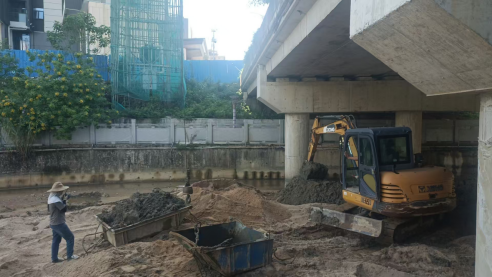
改革赋能水治理!陆河清淤物业化实现“短期整治”到“持久惠民”跨越
Nan Fang Nong Cun Bao· 2025-11-10 06:50
Core Insights - The article emphasizes the innovative approach taken by Luhua County in Guangdong to enhance water management through a market-oriented model, addressing traditional inefficiencies in waterway maintenance [1][2][4] Group 1: Mechanism Innovation - Luhua County has shifted from a "fiscal support" model to a "performance-based payment" system, utilizing professional property management companies for waterway maintenance [2][4] - A specialized team of 12 members has been established, equipped with 11 machines, to implement dynamic management of water bodies, ensuring efficient resource allocation [2][4] Group 2: Efficiency and Quality Control - A three-tiered supervision mechanism involving county, town, and village levels has been implemented to ensure quality and efficiency in the cleaning process [4] - The approval process for cleaning projects has been streamlined from 2-3 months to just 2 days, significantly enhancing operational efficiency [4] Group 3: Targeted Governance and Resource Utilization - The governance strategy includes a comprehensive assessment of water facilities, establishing a database for targeted cleaning efforts, and prioritizing ecological protection [7] - The initiative has also focused on the resource utilization of dredged materials, with valuable sediments being sold, generating over 3 million yuan in revenue [7] Group 4: Socioeconomic Impact - The reforms have led to visible improvements in the local environment, with cleaner water bodies and enhanced agricultural productivity, benefiting rural revitalization efforts [8][10] - The cost of operations has decreased by approximately 40% compared to traditional methods, while also improving irrigation capabilities for nearly 10,000 acres of farmland [10] Group 5: Overall Development - The water management reforms in Luhua County serve as a model for integrating ecological benefits with economic growth, contributing to the broader goals of the "Hundred Million Project" [12]
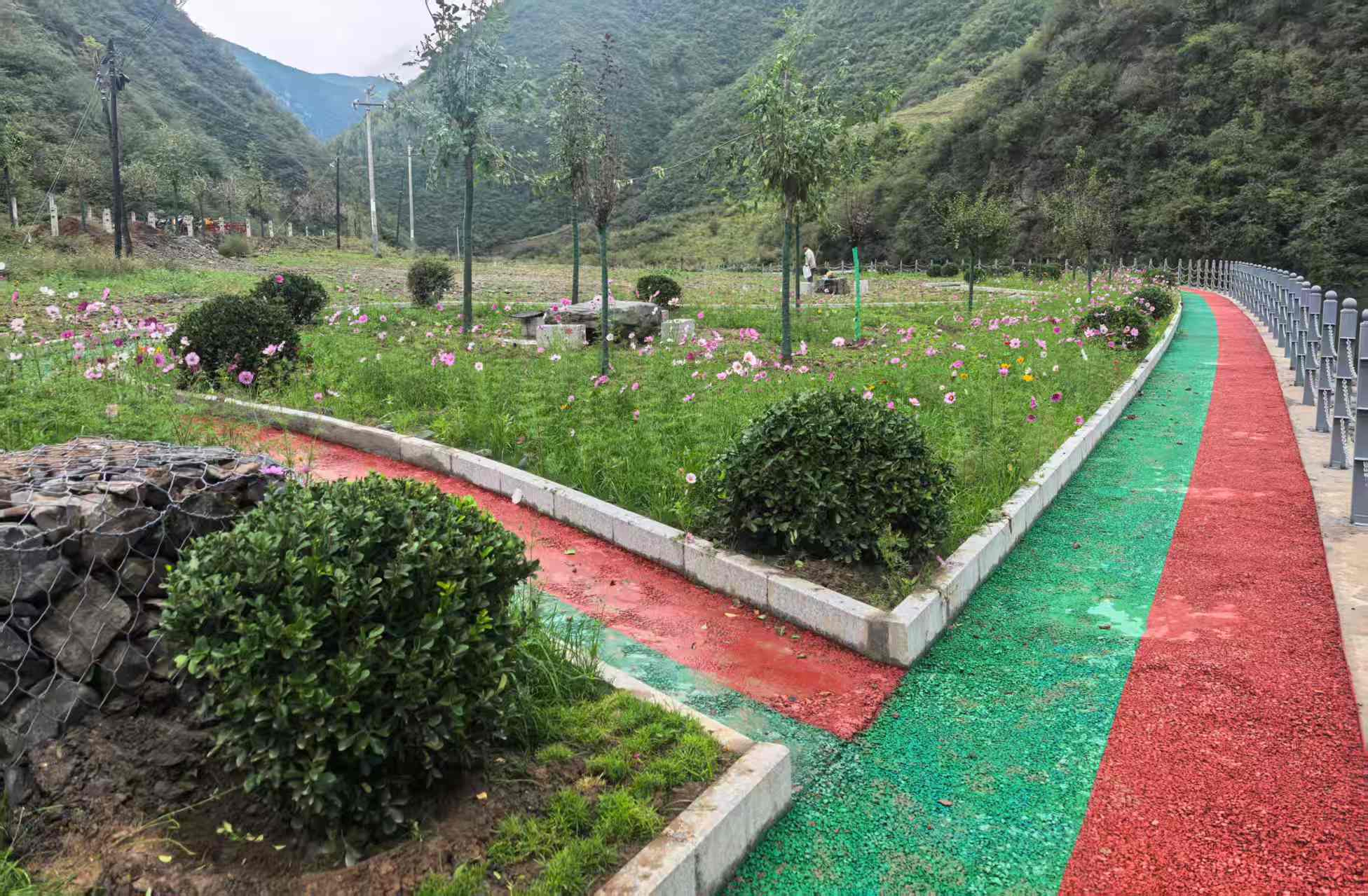
生态治理绘新卷 乡村振兴谱华章——甘肃礼县谷峪河生态清洁小流域建设纪实
Zhong Guo Fa Zhan Wang· 2025-11-07 07:47
Core Viewpoint - The Gansu Lixian Guyu River Ecological Clean Small Watershed Construction Project has successfully transformed the local environment, enhancing both ecological governance and rural revitalization, creating a model for sustainable development in the region [1][7]. Group 1: Project Overview - The Guyu River watershed spans four administrative villages and has been significantly impacted by soil erosion, affecting both the environment and local livelihoods [3]. - A total investment of 22.5 million yuan has been allocated for three major projects aimed at addressing these ecological challenges over an area of 54 square kilometers [3]. Group 2: Implementation and Techniques - The project employs a "differentiated strategy" tailored to specific areas, focusing on both ecological protection and practical improvements, including the construction of 38 sediment retention dams and over 3,050 meters of ecological riverbanks [5][6]. - Innovative eco-friendly techniques such as ecological gabion baskets and stone-consolidated revetments have been utilized to enhance river safety while preserving habitats for aquatic life [6]. Group 3: Economic and Social Impact - The revitalized Guyu River area has become a popular tourist destination, attracting visitors and generating local employment opportunities, with over 10,000 students visiting for art studies annually and creating an income of approximately 600,000 yuan for local villagers [7]. - The project serves as a benchmark for integrating ecological protection, environmental governance, and rural industry, exemplifying the principle that "lucid waters and lush mountains are invaluable assets" [7].
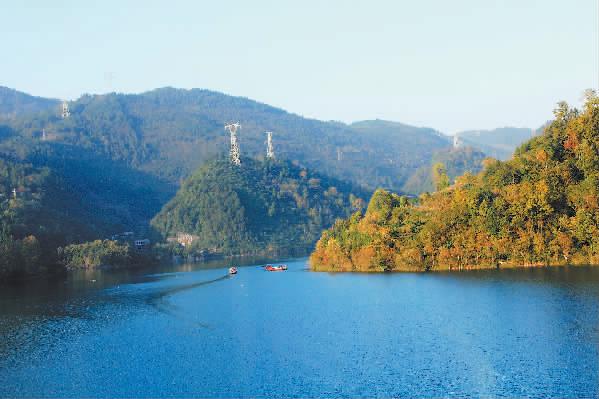
湖南大通湖:小水草长成生态大产业
Xin Hua She· 2025-11-07 06:30
Core Viewpoint - The article highlights the ecological challenges faced by Dongting Lake in Hunan Province, emphasizing the need for innovative governance to restore water quality and biodiversity [1] Group 1: Environmental Issues - Dongting Lake, the largest inland freshwater lake in Hunan, has experienced a rapid decline in water quality due to excessive fertilization, baiting, overfishing, and agricultural non-point source pollution [1] - Key pollutants such as total phosphorus and total nitrogen have exceeded safe levels, indicating significant environmental degradation [1] Group 2: Ecological Governance - In recent years, the Dongting Lake area has implemented a comprehensive management strategy focusing on "retirement of aquaculture, pollution interception, dredging, greening, and revitalizing water" [1] - The region has developed a unique "water plants + ecology" system to enhance ecological governance capabilities [1]
绘就荆楚生态新画卷 美丽湖北建设迈出坚实步伐
Zhong Guo Huan Jing Bao· 2025-11-04 00:37
通过综合治理后的宣恩龙洞水库波光荡漾。 全省生态环境质量大幅改善,国考城市优良天数比例达到83.7%,比2015年提高13.6个百分点。全 省森林覆盖率提高到42.45%,高于全国18个百分点。长江干流湖北段水质连续6年稳定在Ⅱ类,国控断 面水质优良比例达95.8%,高于国家考核目标2.7个百分点,县级城市饮用水水源水质达标率达100%。 建设美丽城市:低碳社区里的绿色革新 在宜昌市土街头社区,居民提着分好类的垃圾走向智能回收驿站。将饮料瓶投入对应回收箱,手机 会立即收到"碳币到账"的提示音。"塑料垃圾分类后回收价格超过1元钱一斤,不分类的话只有0.2 元。"社区工作人员范莉芹介绍,垃圾智能回收设备会自动称重、拍照对比,投放垃圾的类别、减碳量 等信息一目了然。 在这里,居民通过分类投放塑料瓶、纸张等可再生碳密集型材料以领取虚拟"碳币",如参与厨余垃 圾精准投放每次获得10碳币,定时定点分类投放获得3碳币,交付可回收物价值达到1元获得1碳币,每 日上限10碳币。这些碳币可用于兑换生活必需品或服务,100个碳币能买10元商品。截至目前,平台已 经发放了约1350万枚碳币。 2023年以来,宜昌市城区约60个小区设 ...
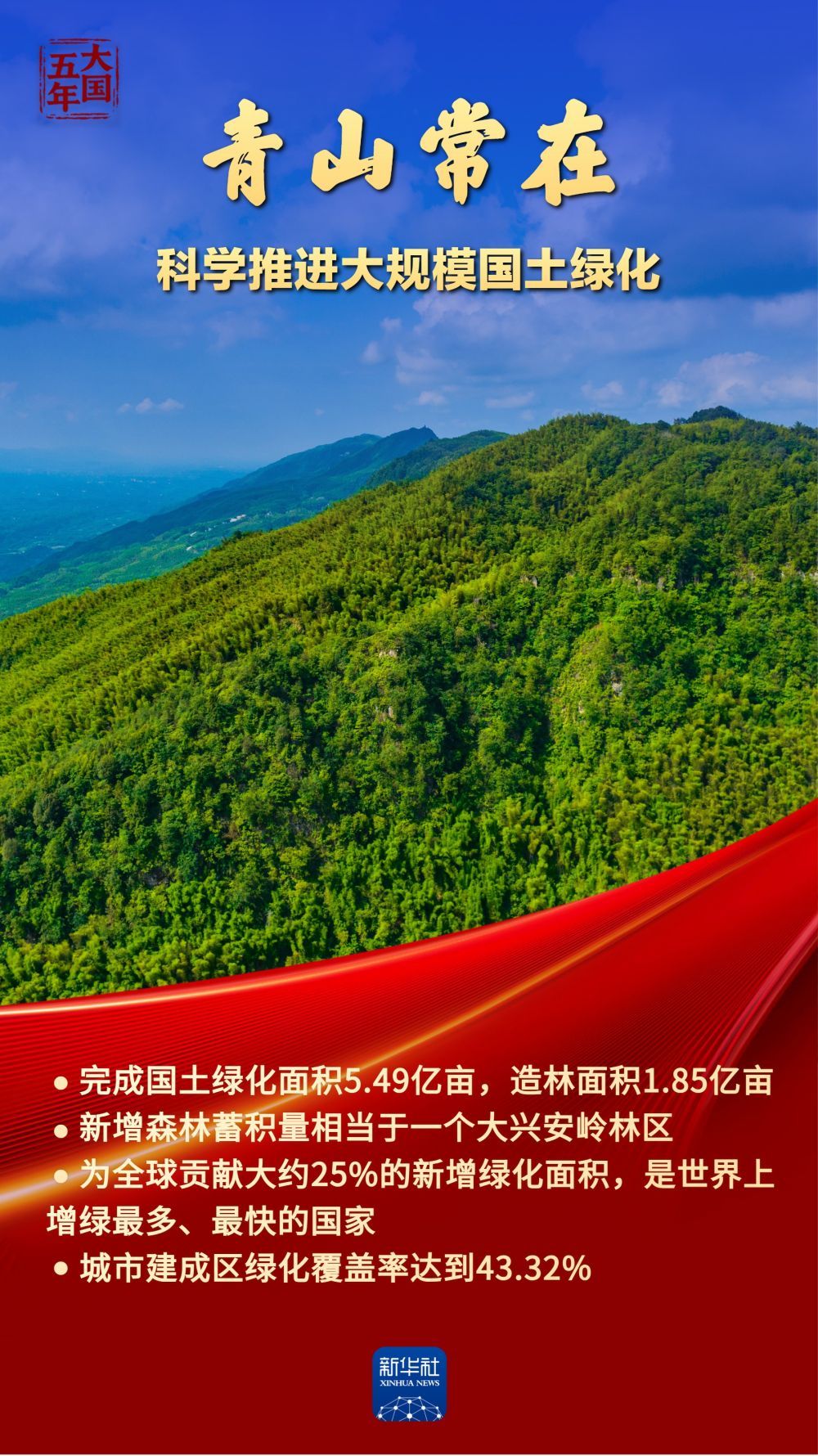
大国五年丨“中国绿”,绘就高质量发展底色
Xin Hua She· 2025-10-31 12:51
Core Points - China's green development has made significant progress, contributing approximately 25% of the world's new greening area, making it the fastest-growing country in terms of greening efforts [3][12] - The installed capacity of wind and solar energy has historically surpassed that of thermal power, indicating a major shift in energy sources [1][15] - The production and sales of new energy vehicles have maintained the world's highest position for ten consecutive years, promoting low-carbon transportation [1][18] Environmental Achievements - The area of afforestation reached 5.4916 million hectares, with a forest stock volume of 185 million cubic meters, equivalent to the Daxing'anling forest region [3] - Urban green coverage has reached 43.32%, enhancing the ecological environment in cities [3] - The "Blue Sky Defense War" has led to a reduction in PM2.5 concentrations by 18%, 10%, and 20% in the Beijing-Tianjin-Hebei region, Yangtze River Delta, and Fenwei Plain respectively over the past five years [5] Water and Soil Conservation - The completion rate for the remediation of seven major river basins and key bays has reached 90% and 93.3% [6] - The "Mother River Revival Action" has restored flow to several previously disconnected rivers, with an expected addition of 340,000 square kilometers of soil erosion control area by the end of the 14th Five-Year Plan [9][11] - The ecological flow compliance rate for key rivers and lakes has reached 98.6% [11] Renewable Energy Development - By 2024, China's energy consumption per unit of GDP is expected to decrease by 11.6% compared to the end of the 13th Five-Year Plan [15] - China has established the world's largest and fastest-growing renewable energy system, with new energy generation capacity surpassing coal power [15][16] - The number of electric vehicles is projected to reach 31.4 million by 2024, with a significant increase in charging infrastructure [18] Community and Ecological Initiatives - The construction of beautiful China pilot areas has been fully launched, with significant efforts in regions like Beijing-Tianjin-Hebei and the Yangtze River Delta [19] - The ecological satisfaction rate among the public has remained above 90% for four consecutive years, reflecting positive community engagement in environmental initiatives [20] - Over 240,000 acres of abandoned mines have been remediated, and coastal areas have been restored, enhancing marine ecosystems [22]
“中华水塔”生态屏障,这样加固(生态治理中的中国智慧)
Ren Min Ri Bao· 2025-10-30 22:37
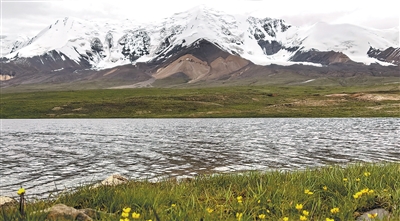
Core Insights - The article emphasizes the ecological protection and restoration efforts in the Sanjiangyuan region, particularly focusing on the Animaqing Mountain, which is crucial for water source conservation in China [2][4][5]. Group 1: Glacier Protection - Measures such as three-dimensional glacier monitoring and artificial snow enhancement are being implemented to protect the glaciers [6][7]. - Local herders have organized monitoring teams since 2008 to measure glacier snow lines, utilizing various techniques including satellite remote sensing and drone photography for comprehensive monitoring [6][7]. Group 2: Black Soil and Grassland Restoration - The restoration of black soil and degraded grasslands has been a significant focus, with over 5.16 million acres of degraded grassland treated in recent years [8]. - The ecological restoration of the Delni Copper Mine has been completed, with efforts to restore vegetation and improve soil quality to support grass growth [8]. Group 3: Wetland Restoration - The article highlights the collaborative restoration of wetlands, grasslands, and lakes, with the number of lakes in Mado County increasing from 4,000 to over 5,800 due to ongoing efforts [9]. - The implementation of a smart control system for lake water levels is part of the strategy to ensure sustainable water supply and management [9]. Group 4: Future Plans - The Qinghai provincial government plans to continue ecological protection and restoration projects, focusing on land greening and sustainable mining practices [10].