睡眠经济

Search documents
2025 WAIC:传统企业AI转型,迈向“智造进化论”
Zhong Guo Chan Ye Jing Ji Xin Xi Wang· 2025-07-31 02:21
Group 1: AI Trends and Developments - The 2025 World Artificial Intelligence Conference (WAIC) showcased over 3,000 cutting-edge exhibits, highlighting AI's integration into daily life and various industries [1] - Three major trends emerged: systematic technological breakthroughs leading to ecological transformations, young entrepreneurs driving AI development, and the acceleration of AI empowering diverse sectors from smart manufacturing to intelligent living [1] Group 2: Sleep Health Market Dynamics - Sleep disorders, particularly insomnia, are a growing global concern, with the "China Sleep Research Report (2025)" indicating significant social characteristics due to modern lifestyle pressures and electronic device usage [2] - The rise of smart mattresses exemplifies the transformation in sleep health management, offering personalized solutions through adjustable features and AI integration [2] Group 3: Smart Mattress Market Potential - Sleep Number, a U.S. mattress brand, reported net sales of $1.68 billion in 2024, showcasing the potential of smart mattresses in the high-end market [3] - China's smart mattress market is in its early stages with a penetration rate of less than 5%, indicating over five times growth potential compared to developed countries [3] Group 4: Innovation in Sleep Technology - Domestic mattress companies are actively engaging in the "sleep economy," utilizing advanced technologies like air springs and memory materials to meet consumer needs [4] - Joybed (喜临门) has been a pioneer in smart mattress technology, launching various innovative products since 2014, including the Smart1 mattress and AI series products in collaboration with Nobel laureates [4] Group 5: Strategic Developments by Joybed - Joybed's new brand "aise宝褓" signifies its shift towards a smart sleep service ecosystem, with the launch of the "宝褓 BrainCo" AI mattress that incorporates brainwave technology for enhanced user experience [5] - Joybed's sales of functional smart products exceeded 100 million yuan in 2024, with its AI smart mattresses available in over 200 stores nationwide and expanding into Southeast Asia and the Middle East [5] Group 6: Future of Sleep Technology - Joybed aims to extend brain-computer interface technology into various living spaces, creating comprehensive smart sleep solutions for home, travel, and office environments [6] - The future of sleep is being redefined by technology, with reports indicating that sleep is a new infrastructure, emphasizing emotional support and proactive health interventions as key growth areas [6]

脑机接口“接入”睡眠干预,加速打开万亿睡眠经济市场
Di Yi Cai Jing· 2025-07-28 05:46
Group 1: Core Insights - Sleep disorders have become a significant public health issue, with non-invasive brain-computer interface (BCI) technology providing potential for daily intervention in sub-healthy sleep populations, shifting health management from "passive treatment" to "active prevention" [1] - The 2025 Sleep Neuroregulation Medicine Seminar highlighted the transition from traditional symptom management to personalized proactive health management based on real-time neural activity perception and precise regulation [1] - The development of BCI technology for sleep treatment is crucial, as sleep disorders can exacerbate mental health issues like depression and pain, creating a cyclical relationship [2][3] Group 2: Market Potential - The Chinese sleep economy market has grown from 261.63 billion yuan in 2016 to 495.58 billion yuan in 2023, with projections to reach 658.68 billion yuan by 2027, indicating a potential trillion-yuan market [6] - The launch of the "Dream Neighbor" device, a consumer-grade product integrating BCI technology with daily sleep scenarios, aims to provide tools for "precise sleep intervention" and "active health management" [6][7] - The focus on consumer-grade products may enhance public awareness and market recognition, while the development of medical-grade products will target conditions like depression, anxiety, and chronic pain [7]
2025年中国蚊帐行业分析:技术创新与环保升级双轮驱动,行业迈向百亿市场新纪元
Tou Bao Yan Jiu Yuan· 2025-07-21 12:28
Investment Rating - The report indicates a positive investment outlook for the mosquito net industry, projecting a market size growth from 80 billion yuan in 2024 to 105.7 billion yuan by 2025, reflecting a compound annual growth rate (CAGR) of 5.6% [5][4]. Core Insights - The mosquito net industry in China is driven by technological innovation and environmental upgrades, transitioning towards a high-value market with increasing consumer demand for quality sleep products [5][4]. - The industry is experiencing a shift from traditional home goods to high-value health management products, influenced by rising rental demands and the growing sleep economy [5][4]. Industry Development Environment - **Policy Environment**: Continuous government support is pushing the industry towards high-end, smart, and eco-friendly transformations [4][28]. - **Market Environment**: The mosquito net sector is affected by the overall fluctuations in the home textile industry, with revenue growth observed since 2024 due to supportive policies, despite significant profit declines due to high raw material costs and intensified competition [4][29]. Key Players and Competitive Landscape - Major participants include established home textile companies like Mercury and Fuanna, which leverage brand strength and distribution channels to meet basic demand, while innovative brands like Meiduojia focus on material upgrades and functional innovations [5][47]. - The competitive landscape shows that brands like Meiduojia achieve significant premium pricing through high safety standards and innovative designs, leading the industry [5][5]. Market Size and Growth Drivers - The mosquito net market is expected to grow from 80 billion yuan in 2024 to 105.7 billion yuan by 2025, driven by increased consumer focus on sleep quality and the rise of the sleep economy [5][4]. - Factors contributing to this growth include the increasing demand for rental housing and the transformation of mosquito nets into high-value health management products [5][4]. Industry Chain Analysis - The industry chain consists of upstream suppliers of materials (natural and chemical fibers), midstream manufacturers (including traditional and innovative brands), and downstream sales channels (both online and offline) [5][34]. - The supply of raw materials is stable, with a notable increase in the production of recycled fibers, supporting the industry's shift towards sustainability [5][36]. Upstream Analysis - The primary materials for mosquito nets include cotton and polyester, with China's fiber production ensuring a steady supply for manufacturing [5][36]. - The report highlights a significant increase in the production of chemical fibers, which is expected to enhance the industry's capacity for high-performance mosquito nets [5][38]. Midstream Analysis - Major home textile companies are focusing on product innovation, emphasizing material upgrades and functional enhancements to meet diverse consumer needs [5][47]. - The competitive dynamics reveal that established brands are expanding their product lines to include various designs and functionalities, catering to different market segments [5][49].
家纺巨头的冬眠时刻:富安娜困守高端、营收连降
Xin Lang Zheng Quan· 2025-06-20 13:11
Core Viewpoint - The Chinese home textile industry is facing a severe downturn, with declining sales and profits, particularly affecting companies like Fuanna, which is struggling to adapt to changing market conditions and consumer preferences [1][2][3][4]. Group 1: Financial Performance - Fuanna's projected revenue for 2024 is 3.011 billion yuan, a year-on-year decrease of 0.60% [1]. - The company's net profit attributable to shareholders is expected to be 542 million yuan, down 5.22% year-on-year [1]. - The non-recurring net profit is forecasted at 504 million yuan, reflecting a decline of 3.47% compared to the previous year [1]. Group 2: Market Challenges - The foundation of home textile consumption is eroding, with a significant drop in marriage registrations and new home transactions, leading to reduced demand [2]. - Fuanna's high-end positioning is under threat as online sales channels struggle to maintain quality while competing for traffic [2]. - Internal management issues are evident, with frequent changes in the executive team and significant product inventory buildup, leading to aggressive discounting that undermines brand positioning [2][3]. Group 3: Strategic Initiatives - Fuanna plans to invest over 500 million yuan to develop a "smart home ecosystem" in Shenzhen, aiming to transition from home textiles to a broader home and lifestyle market [3]. - The company faces challenges in aligning its online and offline product offerings, creating a disconnect that affects consumer trust [3]. - The low-frequency nature of home textile products limits repeat purchases, highlighting the need for innovative marketing strategies and experiential retail approaches [4]. Group 4: Future Outlook - The planned smart home project has a lengthy construction timeline, raising concerns about competition from established tech giants by the time it is completed [3][4]. - Fuanna's high-end strategy is hindered by channel fragmentation, and the company must address internal issues to successfully navigate the evolving market landscape [4]. - The company needs to embrace innovation and improve product quality to remain relevant in the face of changing consumer preferences and market dynamics [4].

“十五五”中国记忆枕行业市场全景调研与投资前景展望分析(2025)-中金企信发布
Sou Hu Cai Jing· 2025-06-10 07:40
Group 1: Market Overview - The memory pillow market in China is expected to grow significantly, with a projected penetration rate increasing from 5% in 2025 to 50% by 2030, and consumption volume rising from 39 million units to 293 million units during the same period [3][8] - The market size for memory pillows is anticipated to expand from 5.9 billion yuan to 43.9 billion yuan between 2025 and 2030, based on an average price of 150 yuan per pillow [3][8] Group 2: Competitive Landscape - Major home textile brands are entering the memory pillow market, including Atour, which launched its first generation of deep sleep pillows in March 2023 and a second generation in July 2024, and other brands like 8H, Luolai, and Mercury Home Textile planning to release their products in the coming years [6][7] - The memory pillow industry has a low technical entry barrier, resulting in a large number of manufacturers and a fragmented market, but the concentration is expected to increase with the involvement of leading brands [7] Group 3: Development Trends - The demand for memory pillows is driven by increasing consumer awareness of sleep quality and cervical health, alongside economic recovery and rising purchasing power, with a 15% year-on-year growth in market size in 2023, reaching 16.3 billion yuan [8] - The global memory foam pillow market is projected to grow from 16.06 billion USD in 2024 to 36.41 billion USD by 2032, with a CAGR of approximately 10.77% [8] Group 4: Technological Innovations - New materials such as gel memory foam, bio-based materials, and eco-friendly options are enhancing the comfort, support, durability, and environmental sustainability of memory pillows [9] - Integration of smart technologies, including temperature sensing and pressure distribution monitoring, is enabling memory pillows to adjust according to user sleep patterns for a personalized experience [9] Group 5: Product Diversification - There is a growing consumer demand for customizable pillows that allow adjustments in firmness and height to cater to individual sleep preferences [10] - Memory pillows are expected to incorporate additional features such as antibacterial properties, breathability, waterproofing, and low allergenicity to meet higher consumer health and comfort standards [10] Group 6: Sales Channel Expansion - The rise of e-commerce platforms and changing consumer shopping habits are broadening sales channels for memory pillows, with online sales expected to increase [11] - Brands are also likely to collaborate with home living stores and sleep experience shops to enhance offline sales channels and improve product experience [11]

水星家纺(603365):家纺迎新机遇,看好龙头份额进一步提升
Soochow Securities· 2025-06-03 03:33
Investment Rating - The report maintains a "Buy" rating for the company [1][3]. Core Viewpoints - The domestic home textile industry is experiencing new development opportunities driven by the sleep economy, self-care consumption, and content platforms. The memory pillow category has shown significant market potential, indicating a large expansion space in the domestic home textile market. As a leading company, the report expects the company to further increase its market share through simultaneous efforts in research and marketing [3][54]. - The sales of the company's memory pillows are projected to increase significantly, from 114 million yuan in 2025 to 644 million yuan by 2027. The report has adjusted the net profit forecasts for 2025 and 2026 upwards, reflecting a positive outlook for the company's performance [3][54]. Summary by Sections 1. New Opportunities in the Home Textile Industry - Sleep issues are a significant health concern for the population, with a sleep disturbance rate of 48.5% among individuals aged 18 and above in China. This issue is primarily driven by self-recognition anxiety, work challenges, and health concerns [13][18]. - Self-care consumption is becoming a new trend in domestic consumption, with consumers increasingly willing to pay for emotional value and personal experiences [20][21]. - Content platforms like Douyin and Xiaohongshu are accelerating market education for bedding products, enhancing consumer awareness and stimulating potential demand [24][25]. 2. Market Potential of Memory Pillows - The memory pillow category is expected to drive market expansion, with the domestic pillow market estimated to reach approximately 250 billion yuan in 2024. The market for memory pillows could exceed 400 billion yuan by 2030, with a compound annual growth rate (CAGR) of 50% [43][49]. - The report highlights that leading brands in the home textile industry are increasingly focusing on the pillow category, with significant sales growth observed in this segment [42][43]. 3. Company Strategy and Market Position - The home textile market is characterized by low concentration, with the leading brands' market shares being 1.3% for the company, 1.1% for a competitor, and 0.9% for another. The report indicates a slight upward trend in the market share of leading companies [55][59]. - The company is focusing on both research and marketing to embrace new industry opportunities, with a strategy that includes launching new products and enhancing brand visibility [61][62]. - The company maintains a competitive price positioning among leading brands, which is expected to attract a broader consumer base during the market expansion phase [54][66].

盒马“晚安牛奶”不到一周3200+人下单,越来越多品牌盯上“睡眠经济”
3 6 Ke· 2025-05-30 02:41
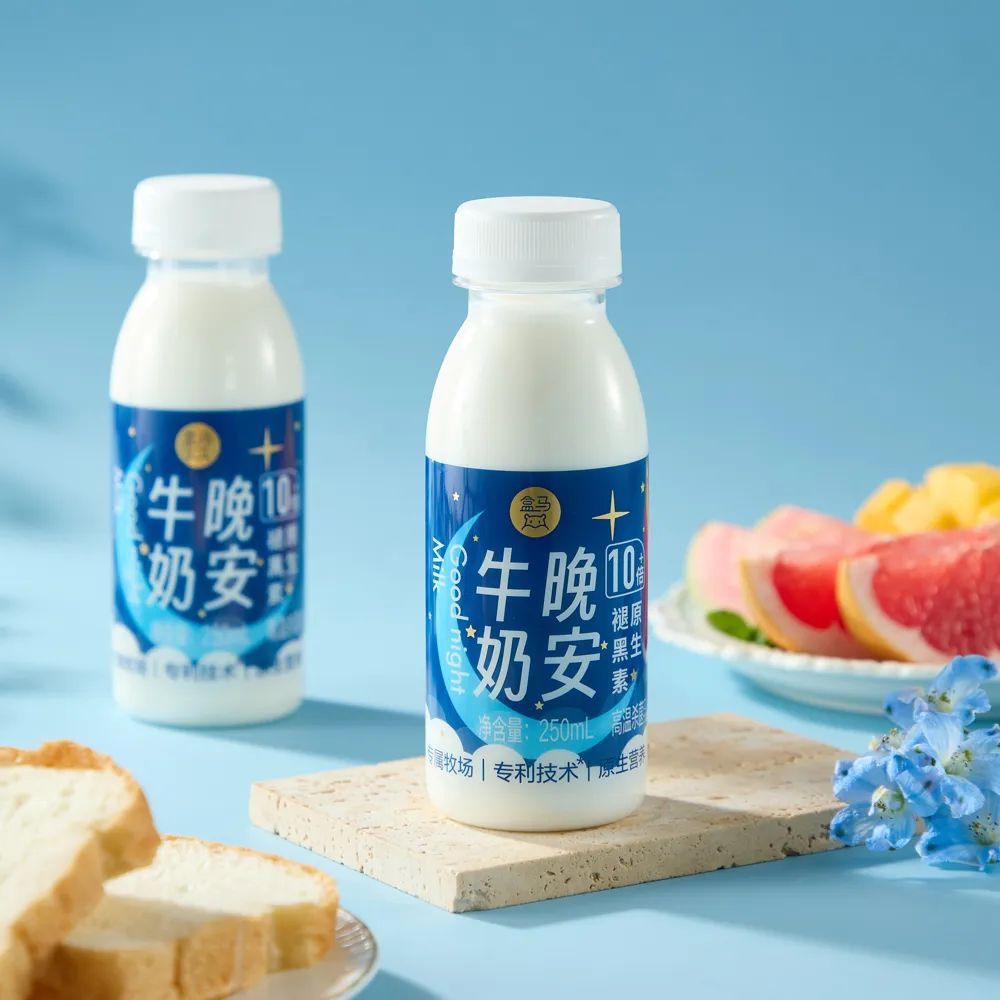
Core Insights - The article discusses the launch of "Good Night Milk" by Hema, which claims to contain "10+ times native melatonin," targeting consumers with sleep anxiety [1][3][9] - The product has gained significant traction, with over 3,200 orders within a week of its launch [3] - The milk is produced by Beijing Sanyuan, which has patented methods to enhance melatonin content in milk [4][5] Product Details - "Good Night Milk" is designed for consumption before sleep, leveraging the idea that milk can aid in sleep [1][3] - The product contains 12,500 pg of melatonin per 250 ml, achieved through specific light exposure and dietary adjustments for dairy cows [4][5] - In comparison, a well-known melatonin supplement contains 2.25 mg (2.25 billion pg) per tablet, indicating that consumers would need to drink 80,000 to 240,000 bottles of "Good Night Milk" to meet the recommended daily dosage [8] Market Trends - The sleep economy is gaining attention, with 48.5% of adults reporting sleep issues, indicating a significant market opportunity [9] - Other brands have also introduced sleep-related products, such as Mengniu's "Good Night" milk and Guangming's "Comfort Sleep Milk," which incorporate various sleep-enhancing ingredients [11][15] - The effectiveness of these sleep-aiding products remains uncertain, as scientific evidence supporting their claims is limited [17]

麒盛科技: 麒盛科技关于2024年年度业绩说明会召开情况的公告
Zheng Quan Zhi Xing· 2025-05-13 08:22
Performance Summary - In 2024, the company achieved operating revenue of 2.958 billion yuan, a year-on-year decrease of 4.66%, and a net profit attributable to shareholders of 156 million yuan, down 24.13% year-on-year [1] - In the first quarter of 2025, the company reported operating revenue of 787 million yuan, an increase of 4.06% year-on-year, while the net profit attributable to shareholders was 44 million yuan, a slight decrease of 1.01% year-on-year [1] Strategic Developments - The company is focusing on its headquarters project for the production of 4 million sets of smart electric beds, enhancing technological self-control and supply chain stability to improve profitability [1] - The "Shufu De" brand has become the main domestic market brand, with over 220 stores established across most provinces in China by 2024 [1] Market Insights - The smart electric bed market is primarily concentrated in North America, with significant consumer acceptance, particularly in the U.S., which is the largest market for smart electric beds [1] - The domestic smart bed industry is still in its early stages, with low market penetration due to insufficient consumer understanding and ongoing market education [1] - The aging population and increasing awareness of sleep health products are expected to drive significant growth potential in China's smart electric bed market [1]

调梦师GMN入驻北京全家便利店 一线城市成“晚安经济”爆发点
Sou Hu Cai Jing· 2025-05-08 22:24
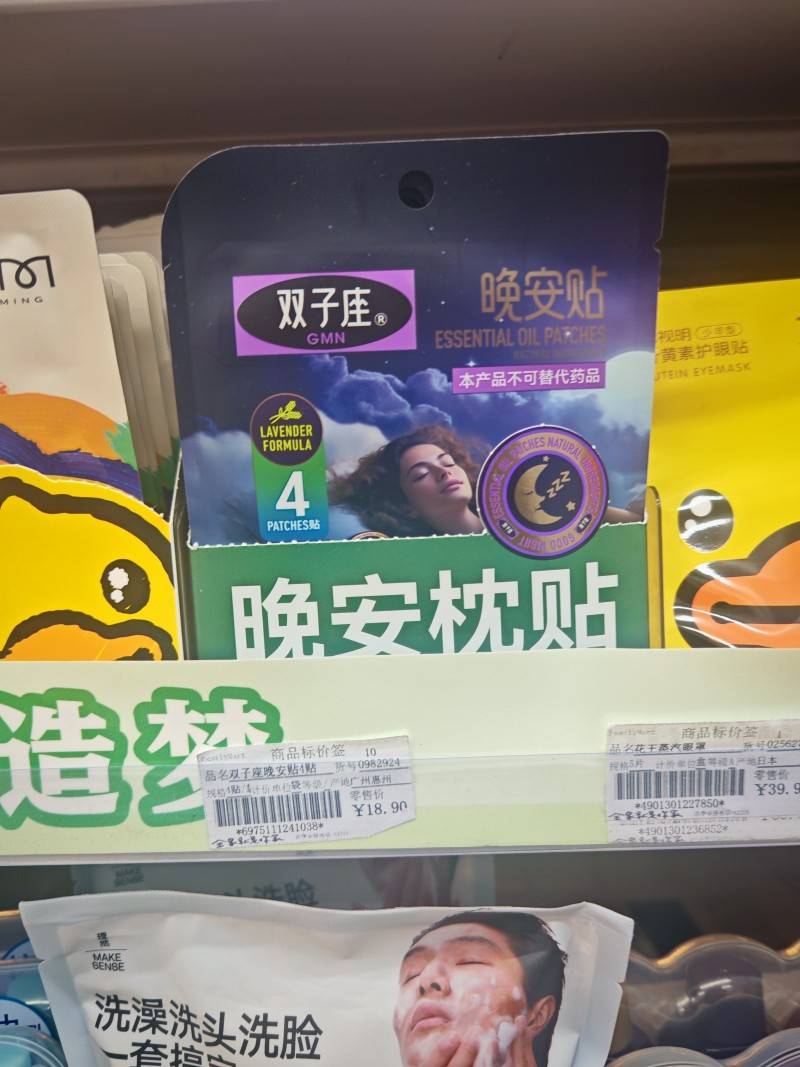
Core Insights - The sleep health of the population in China is deteriorating, leading to a surge in demand for sleep products, with a compound annual growth rate of 29.7% in the sleep aid market [1] - The convenience store channel is becoming a critical battleground for sleep product consumption, with the new unicorn brand Dream Master GMN partnering with FamilyMart to launch its products in over 170 key convenience stores [3][4] - The "Good Night Economy" is being driven by high-pressure urban populations, with convenience stores meeting the immediate needs of consumers for sleep aids [4] Market Trends - The "Gemini Good Night Series" launched by Dream Master GMN includes various sleep aid products designed for instant consumption, catering to the fast-paced lifestyle of urban residents [4] - Convenience stores provide a unique advantage by meeting spontaneous consumer needs, contrasting with the longer wait times associated with online shopping and the limited hours of pharmacies [4][8] - The sleep product market in China is projected to exceed 480 billion yuan in 2023, with the share of convenience stores in offline retail rising from 3.7% in 2021 to 6.2% in 2023, reflecting a compound growth rate of 41% [8] Competitive Landscape - Dream Master GMN positions itself as a leader in sleep emotional therapy, focusing on natural and scientific sleep solutions, with its flagship product achieving global sales of over 30 million patches [7] - The collaboration with FamilyMart enhances the sales model of sleep products, leveraging data analytics for personalized recommendations and promotional activities during peak hours [7] - The potential for sleep products is still largely untapped, with expectations that convenience store channels will outpace traditional sales channels in the next 2-3 years [9]
慕思股份转身:去年营收微增利润承压,智能化转型显成效|上市莞企年报观察
2 1 Shi Ji Jing Ji Bao Dao· 2025-04-30 11:26
Core Insights - The company reported a slight revenue increase of 0.43% in 2024, with total revenue reaching 5.603 billion yuan, while net profit decreased by 4.36% to 767 million yuan [1][3] - The company's dual strategy of high-end and intelligent products is showing initial success, particularly in the mattress segment, which saw a revenue increase of 3.78% [1][4] - The competitive landscape is evolving, with traditional competitors expanding their product lines and tech companies entering the smart home market, posing new challenges for the company [1][2] Financial Performance - The revenue growth rate of 0.43% is significantly lower than the average annual growth rate of over 15% from 2017 to 2021, indicating a growth bottleneck since reaching a peak of 6.481 billion yuan in 2021 [3] - The gross margin remained stable at approximately 49.63%, reflecting the company's ability to maintain profitability despite rising costs in the furniture manufacturing sector [3][5] - Operating cash flow decreased by 43.63% to 1.091 billion yuan, highlighting challenges in cash management amid increased outflows [5] Product and Sales Channel Analysis - The core product, mattresses, accounted for 47.81% of total revenue, indicating strong resilience in this category, while other product lines like bed frames and bedding saw declines [4] - E-commerce sales grew by 6.04% to 1.093 billion yuan, now representing 19.51% of total revenue, showcasing the importance of online channels for growth [4] - The company is focusing on digital transformation in its distribution channels, facing challenges in balancing online and offline interests [2] International Expansion - The company made significant strides in international markets, with overseas revenue increasing by 61.07% to 155 million yuan, although it still represents only 2.77% of total revenue [4] - The acquisition of the Maxcoil brand has opened doors to Southeast Asian markets, but cultural integration and supply chain coordination remain complex challenges [1][4] Research and Development - R&D investment reached 205 million yuan in 2024, a 10.51% increase, representing 3.66% of total revenue, which is significantly higher than the industry average [7][8] - The company has focused its R&D efforts on smart sleep, health monitoring, and material innovation, with 60% of R&D spending directed towards smart and health monitoring technologies [8] - The company has established a strong position in the smart sleep segment, with new product launches and a high customer repurchase rate for smart products [9]