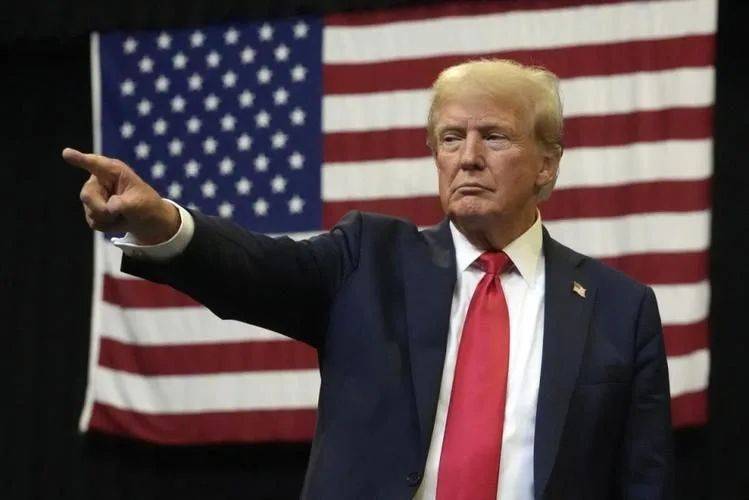
美国霸权

Search documents
美国为何死咬中国不放?美经济学家:因为中国不按美国的规矩发展
Sou Hu Cai Jing· 2025-09-10 09:40
Group 1 - The core concern of the U.S. regarding China is not merely a perceived "threat," but rather the challenge posed by China's rise to U.S. global hegemony [1][30] - The U.S. has historically employed strategies to suppress rising competitors, such as Japan and the Soviet Union, but these methods have not been effective against China [4][11] - China's unique development path, which diverges from U.S. expectations, has led to its emergence as a top global power [2][13] Group 2 - China's economic model combines market economy with socialist principles, successfully addressing efficiency and equity [15] - The rise of Chinese companies in the electric vehicle sector, such as BYD and NIO, highlights China's growing influence in global markets despite U.S. attempts to impose tariffs and restrict technology transfers [17][20] - China's advancements in high-tech industries, including drones and quantum computing, indicate a significant challenge to U.S. technological dominance [19][20] Group 3 - The U.S. has attempted to undermine Chinese companies like Huawei through sanctions, but these efforts have often backfired, leading to increased Chinese innovation [22][24] - China's response to U.S. military pressure in the South China Sea and Taiwan has involved strategic countermeasures, including military exercises and infrastructure investments [26][28] - The Belt and Road Initiative has allowed China to strengthen its economic ties globally, particularly in regions like Africa and Southeast Asia, challenging U.S. influence [28][30]


不到48小时,美国连遭三重重击,日本变脸倒戈,印度巨大反转,全球在期待中国方案
Sou Hu Cai Jing· 2025-09-06 02:15
Group 1 - The article highlights the rapid changes in the international political landscape, indicating a potential decline of U.S. hegemony and a shift towards a multipolar world order [1][11] - The U.S. is facing significant challenges both domestically and internationally, with its trade policies being questioned and losing effectiveness [3][5] - Traditional allies, such as India and Japan, are showing signs of independence from U.S. influence, indicating a broader trend of shifting alliances [6][9] Group 2 - China's new global governance proposal is gaining recognition and support from various countries, contrasting with the U.S. unilateral approach [11][12] - The principles of China's initiative emphasize equality, international law, multilateral cooperation, and a people-centered approach, resonating with many nations [11] - The article concludes that the recent international events signal a profound transformation in global power dynamics, with countries seeking to maximize their interests in the context of great power competition [11][12]
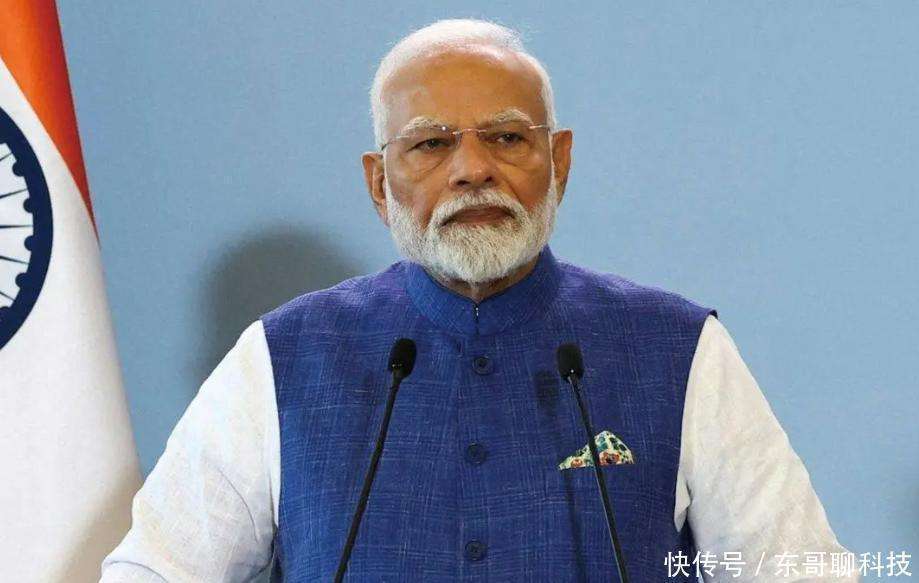
特朗普要求乌克兰交出稀土,基辛格没说错:做美国盟友是真致命
Sou Hu Cai Jing· 2025-08-27 11:10
Group 1 - The article discusses the immediate economic impact of Trump's decision to impose a 10% tariff on Chinese goods, which has created tension in global markets and affected US-China trade relations [1] - China's response includes retaliatory tariffs on US products, strict controls on rare metal exports, and adjustments to the RMB exchange rate, demonstrating China's resilience and strategic capabilities [1][3] - The US's focus on Ukraine's rare earth resources is driven by the pressure from China's export controls, highlighting the importance of rare earths in US high-tech and military industries [3][5] Group 2 - The article criticizes the US for its self-serving actions in international relations, particularly its demands from Ukraine, which could exacerbate the country's already precarious situation [5][7] - Ukraine lacks the technology and resources to effectively utilize its rare earth resources, making the US's demands appear exploitative and detrimental to Ukraine's future [5][7] - The ongoing conflict in Ukraine and the US's actions are seen as attempts to maximize benefits at the expense of Ukraine, raising concerns about the long-term implications for the country [5][7] Group 3 - The article concludes that Trump's actions reflect a disregard for international norms and ethics, while China's strong economic position and industrial capabilities have allowed it to effectively defend its interests [7] - The evolving dynamics of US-China trade relations and the international landscape will continue to be significant, with China expected to maintain its influential role [7]
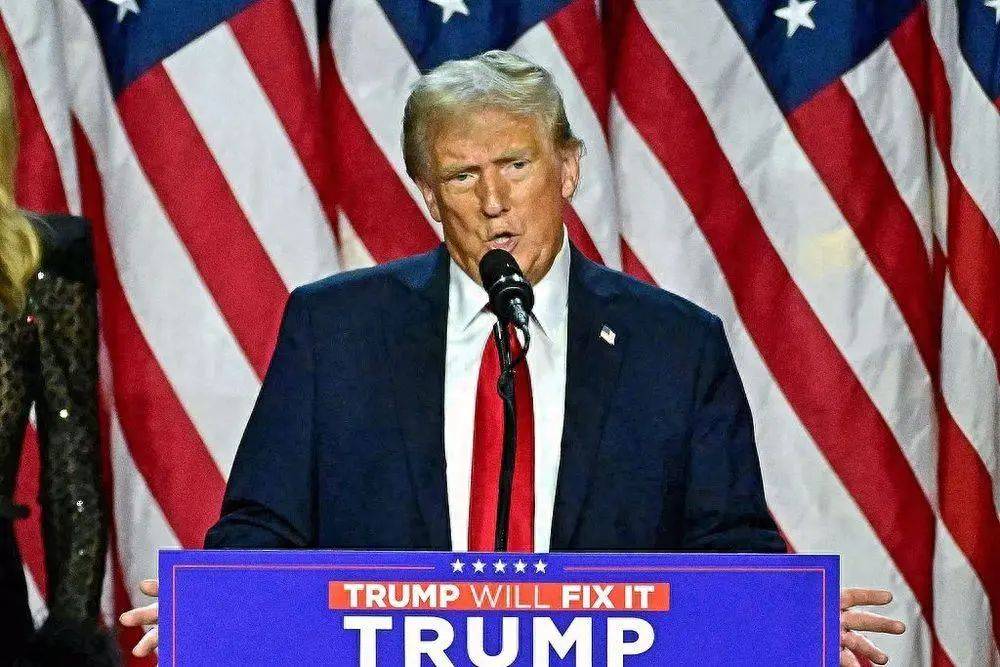
美国霸权要变现了?15%中国收入变保护费,专家:下一步军工
Sou Hu Cai Jing· 2025-08-24 14:05
Group 1 - The article discusses Trump's shift in strategy regarding technology exports to China, allowing companies like Nvidia and AMD to sell chips to China while requiring a 15% revenue share from these sales [2][6][8] - This move indicates a potential failure of the U.S. technology war against China, as it suggests a relaxation of previous restrictions and a shift towards monetizing U.S. technological dominance [4][6][8] - Trump's approach is characterized as a transactional strategy, where he leverages U.S. security concerns to extract financial benefits from American companies, effectively turning national security into a revenue-generating mechanism [6][14][16] Group 2 - The article highlights concerns that this new policy could undermine the competitive position of U.S. companies, as they may face higher costs that could be passed on to consumers, ultimately affecting their market dynamics [11][9] - There is a cautionary note regarding the potential risks of allowing Chinese access to U.S. technology, particularly the fear of embedded security vulnerabilities in exported chips [13][14] - The article suggests that this shift could lead to a broader opening of U.S. markets to China, potentially extending beyond technology to other sectors like military and aerospace, as long as the revenue-sharing model is maintained [8][9][16]
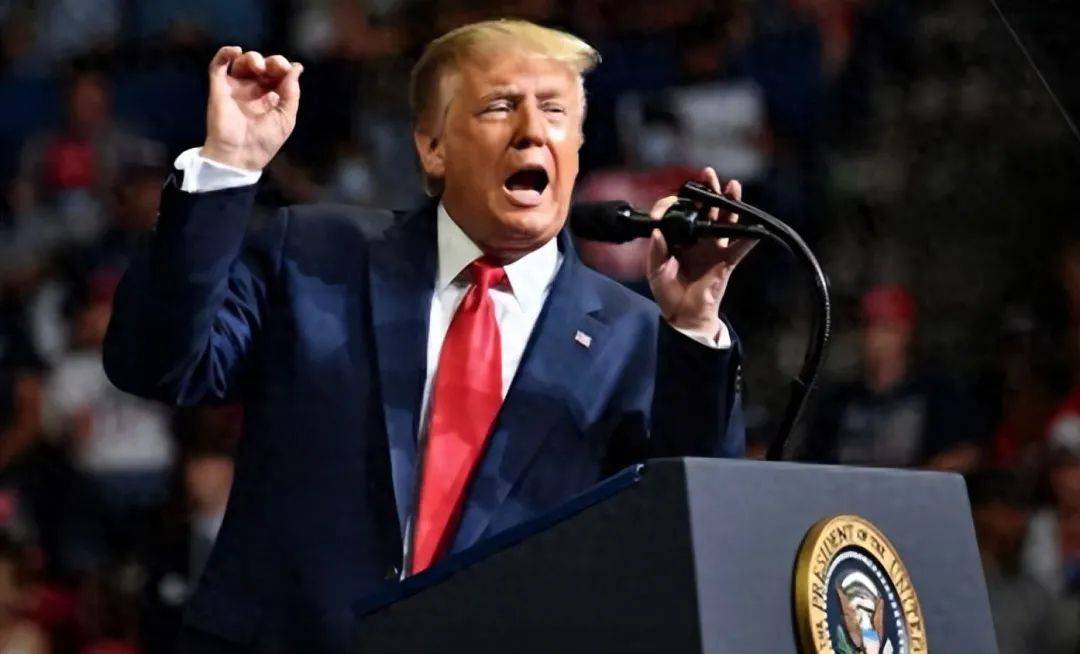
莫迪很不服气,伸向美国的大棒还未落下,印度就先遭美方重击,鲁比奥回应让人意外
Sou Hu Cai Jing· 2025-08-21 02:16
Group 1 - The current US-India relationship is characterized by tension, with India leveraging low-cost Russian oil to produce refined products for the EU, which angers the US [1][3] - The US has imposed a 25% additional tariff on Indian goods, raising the total tariff to 50%, significantly impacting sectors like textiles and jewelry, which employ millions [3][5] - India's Prime Minister Modi has expressed a firm stance against compromising on agricultural interests, indicating a strong resistance to US pressure [3][5] Group 2 - Modi's government is responding to US tariffs by reducing import duties on cotton and promoting "Make in India" initiatives, aiming to decrease reliance on external markets [5][7] - India is actively seeking new export markets, having signed a free trade agreement with the UK and negotiating with the EU to mitigate the impact of US tariffs [7][8] - The upcoming UN General Assembly in September may provide a platform for Modi and Trump to discuss their differences, but the outcome remains uncertain [7][8]
特朗普亲手撕掉对印幻想!印度“固执”反咬一口,美关税大棒反噬在即,这根稻草真压得住霸权了?
Sou Hu Cai Jing· 2025-08-10 15:13
Core Viewpoint - The article discusses the implications of the U.S. imposing tariffs on India, highlighting India's resistance and the potential backlash against U.S. hegemony in global trade [1][4][19]. Group 1: U.S.-India Relations - The U.S. initially sought to align India as a strategic partner in the Asia-Pacific region but faced challenges due to India's non-compliance on issues like energy and military procurement, particularly regarding Russian oil and arms [3][10]. - The U.S. tariffs are seen as a means to enforce compliance, but India is responding assertively, indicating it will not remain silent or compliant [5][11]. Group 2: India's Strategic Position - India is positioned as a significant market with a population of 1.4 billion, making it a key player in global supply chains and a leader among developing nations [7][10]. - India's recent actions, such as advocating for the Global South at the G20 and increasing orders from Russia, demonstrate its intent to assert independence from U.S. influence [10][12]. Group 3: Potential Consequences for the U.S. - The imposition of tariffs on India may backfire, as India holds critical positions in certain supply chains that could complicate U.S. interests [12]. - If India successfully resists U.S. pressure, it could inspire other allies like Japan, the EU, and Australia to reconsider their alignment with U.S. policies, potentially leading to a broader backlash against U.S. trade practices [13][18]. Group 4: Broader Implications - The article suggests that India's resistance could act as a catalyst for structural changes in global trade dynamics, challenging U.S. dominance [15][19]. - The U.S. may struggle to maintain its multi-front sanctions strategy, especially as allies begin to question their roles in supporting U.S. initiatives [14][20].
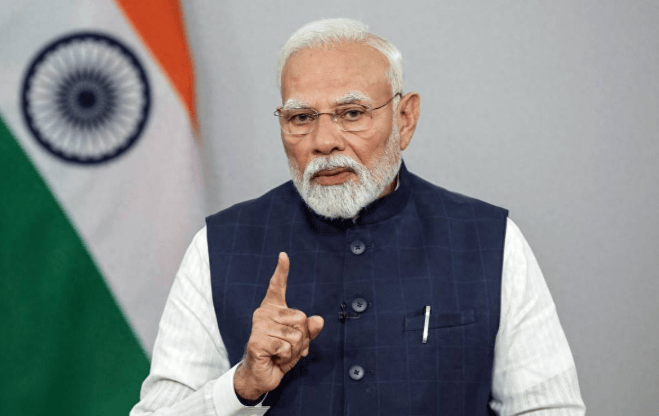
白宫:美国可能对那些购买俄罗斯石油的国家征收25%的关税
Sou Hu Cai Jing· 2025-08-10 09:13
Group 1 - Indian Prime Minister Modi's upcoming visit to China in late August marks his first trip to the country in seven years, highlighting its significance [1] - Following the announcement of Modi's visit, US President Trump expressed the possibility of imposing new tariffs on China, particularly targeting countries purchasing Russian oil [3] - Trump's threats against China are seen as part of a broader strategy to counteract the growing cooperation between China and Russia, indicating a desire to maintain US dominance [5][7] Group 2 - The US has reduced tariffs on India from an initial 250% to 25%, reflecting a significant concession amid ongoing trade tensions [7] - Trump's aggressive stance towards both China and India is perceived as an attempt to exert pressure, but it may backfire, as indicated by India's response to the situation [5][6] - The dynamics of US-India trade are likely to be affected by the imposition of higher tariffs, which could complicate future negotiations [5]
直击墨西哥现状,这篇手记引发网友共鸣!
Xin Hua Wang· 2025-08-07 00:43
Core Viewpoint - The article highlights the ongoing struggles of Mexico under the influence of the United States, emphasizing the need for Mexico to seek cooperation with Southern countries to secure its future and autonomy [2][3]. Group 1: U.S.-Mexico Relations - The article discusses the pervasive influence of the U.S. in Mexico, affecting both daily life and major economic and political decisions [3]. - Recent U.S. tariffs, such as the approximately 17% tariff on Mexican tomatoes, are seen as a significant threat to Mexican farmers, potentially leading to bankruptcy and job losses [3]. Group 2: Mexico's Response - In response to external pressures, Mexico is determined to defend its sovereignty, engage in negotiations with the U.S., and strengthen its domestic market [6]. - The article suggests that while Mexico cannot change its geographical neighbor, it can build closer ties with Southern countries to gain more leverage and pursue a more equitable future [6]. Group 3: Regional Resonance - The article has garnered significant attention in Latin America, with many readers resonating with the author's perspective on U.S. hegemony over Mexico [7][8]. - Comments from Latin American readers express a shared sentiment against U.S. dominance and a call for unity among Southern nations to diminish U.S. influence [11][13].

【环球财经】直击墨西哥现状,这篇手记引发网友共鸣!
Xin Hua She· 2025-08-06 13:14
Core Viewpoint - The article highlights the challenges faced by Mexico due to its proximity to the United States, emphasizing the need for Mexico to seek new paths and strengthen cooperation with Southern countries to gain more autonomy and a fairer future [1][2]. Group 1: U.S.-Mexico Relations - The article discusses the pervasive influence of the U.S. in Mexico, affecting both daily life and major economic and political decisions, illustrating the long-term pressure and interference from the U.S. [2] - A recent example of U.S. dominance is the imposition of approximately 17% tariffs on Mexican tomatoes, which threatens to disrupt established supply chains and endanger the livelihoods of Mexican farmers [2]. Group 2: Mexican Response and Strategy - In response to U.S. pressures, Mexico is determined to defend its sovereignty, engage in negotiations with the U.S., and strengthen its domestic market [2]. - The article suggests that while Mexico cannot choose its geographical neighbor, it can build closer ties with Southern countries to gain more leverage and pursue a more independent future [2]. Group 3: Regional Resonance and Reader Engagement - The article's personal and localized narrative resonates strongly with Latin American readers, as it provides a genuine observation of U.S.-Mexico relations, differing from mainstream Western media [3]. - The piece has garnered significant attention on social media, surpassing 1 million views and sparking discussions among readers about U.S. hegemony and the need for regional cooperation [3][6].

印度选择“不跪”,等着美国挥出关税大棒,特朗普发出最后警告,治不了中国,还收拾不了印度?
Sou Hu Cai Jing· 2025-08-01 06:36
Group 1 - The U.S. has recently targeted India with tariffs, marking a shift in its trade strategy after previously pressuring the EU and Japan, which complied with a 15% tariff [1][2][4] - The trade deficit with India stands at $46 billion, with a total bilateral trade volume of approximately $129 billion, prompting U.S. frustration over India's market openness and its ties with Russia [4][6] - India is resisting U.S. pressure, citing its diverse trade options and the need to protect its agricultural sector, which employs 50% of its population [6][7] Group 2 - The U.S. is in a contradictory position, wanting to use tariffs to open India's market while fearing that aggressive tactics may push India closer to China, undermining its "Indo-Pacific strategy" [7][9] - Both countries are likely to engage in retaliatory measures, leading to a trade conflict that may harm both sides, as neither is willing to compromise on their core interests [9] - The outcome of this trade dispute could reflect poorly on U.S. strategic objectives, questioning the effectiveness of its approach in maintaining global dominance [9]