能源安全

Search documents
面对特郎普的威胁,连印度都不敢买俄油了,中国为什么还要接盘?
Sou Hu Cai Jing· 2026-02-11 05:21
Core Viewpoint - The article discusses the contrasting responses of India and China to U.S. sanctions on Russian oil, highlighting China's strategic acquisition of Russian oil amidst India's retreat due to pressure from the U.S. [1][3] Group 1: India's Response - India halted its purchase of Russian oil after U.S. President Trump's threats and the promise of reduced tariffs on Indian goods, indicating a significant reliance on the U.S. market [5][7] - The Indian government faced backlash from opposition parties, suggesting that the agreement with the U.S. compromised national interests [5][7] - India's economic dependency on exports and the U.S. market led to a painful decision to forgo cheaper Russian oil, creating a demand gap in the global oil market [7][8] Group 2: China's Acquisition - China seized the opportunity to increase its imports of Russian oil, with exports reaching a historical high of 1.86 million barrels per day in January 2026, a 46% year-on-year increase [10][15] - Russia became China's largest oil supplier, surpassing Saudi Arabia, with a 56% increase in oil shipments to China compared to Saudi exports [10][15] - The oil acquired by China is primarily high-quality ESPO crude, known for its low sulfur content and high refining efficiency, making it a valuable asset [12][13] Group 3: Energy Cooperation - The relationship between China and Russia in energy trade has evolved from simple transactions to a structurally deepened partnership, exemplified by the Shandong Yulong Refinery's reliance on Russian oil [17][23] - The refinery's shift to exclusively using Russian oil since October 2025 illustrates the growing interdependence in energy supply chains between the two nations [19][21] - China's strategic decisions in energy procurement reflect a calculated approach to ensure energy security and economic benefits, rather than mere opportunism [38][42] Group 4: Implications for Global Energy Dynamics - Trump's strategy to weaken Russia's oil revenue inadvertently strengthened the energy alliance between China and Russia, creating a more stable supply chain for China [31][44] - India's marginalization in the energy market raises concerns about its long-term strategic position, as it may need to resume Russian oil imports to avoid being sidelined [33][35] - The article concludes that China's actions in acquiring Russian oil are driven by rational economic considerations, ensuring energy security while navigating geopolitical tensions [42][44]

莫迪为关税向特朗普妥协,中国加大采购俄油,印度陷入两难境地
Sou Hu Cai Jing· 2026-02-11 04:35
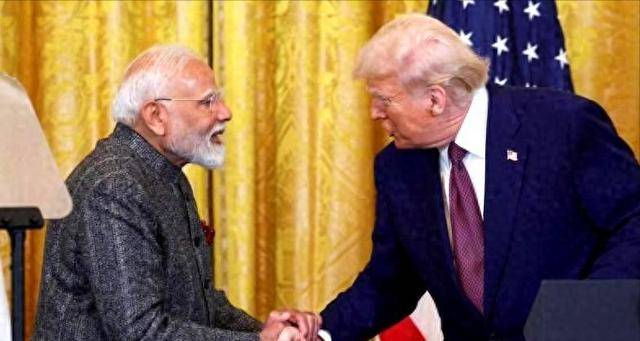
美国对委内瑞拉的打击,实际上是一种精心布局的多重战略。一方面,控制了委内瑞拉的丰富石油资源,另一方面,也切断了中国的一条重要能源供应链, 同时进一步打击了俄罗斯和伊朗的石油出口。与此同时,印度为了换取特朗普对其部分关税的豁免,竟然选择背叛了俄罗斯,答应美国的相关要求,甚至在 某些方面可能与俄罗斯脱钩,尤其是在能源领域。这让人不禁感到,印度的立场摇摆不定,尤其是在是否继续购买俄油的问题上,莫迪政府显得犹豫不决。 但即便如此,印度与美国的这场交易,已经开始对俄罗斯的石油出口造成了不小的影响,且效果日益显现。 根据英国路透社的报道,俄罗斯为了继续维持其石油出口规模,特别是对中国的供应,甚至把折扣幅度提高到了前所未有的高度。这一举措显然是为了弥补 印度可能减少购买俄油带来的损失。然而,西方媒体对此的报道常常充满了偏见,尤其是针对中国和俄罗斯的新闻,几乎从未公正客观过。可以说,这些报 道是西方对中俄进行认知战的一个重要表现,意图通过挑起俄罗斯民众对中国趁火打劫的情绪,从而破坏两国间的合作关系。对此,中方的回应相当坚定, 并没有如西方媒体预期的那样掉入陷阱。中国驻俄罗斯大使明确表示,中国愿意增加俄罗斯的能源供应,并进一步 ...
特朗普签令取消印度关税,普京主动降价促销,中方趁势大量进口俄油
Sou Hu Cai Jing· 2026-02-10 07:51
Core Viewpoint - The U.S. aims to leverage trade policies to influence geopolitical dynamics, particularly by pressuring India to reduce its reliance on Russian oil, but India is likely to maintain its oil imports due to economic considerations [1][2][9]. Group 1: U.S. Trade Policy and India's Response - The U.S. has issued an executive order to eliminate a 25% additional tariff on Indian goods, contingent on India ceasing its purchases of Russian oil [1]. - India expresses gratitude for the tariff reduction but remains silent on the commitment to stop buying Russian oil, indicating a reluctance to sever ties with a crucial energy source [1][4]. - The Indian refining sector's dependency on Russian oil is deeply embedded, with several major refineries relying on it for cost-effective operations [1][6]. Group 2: Challenges of Alternative Oil Sources - The U.S. proposed Venezuelan oil as an alternative to Russian oil, but logistical challenges, high costs, and compatibility issues with existing refining infrastructure make it an impractical substitute [1][6]. - India's commitment to "reduce purchases" of Russian oil is likely a strategic maneuver to gain tariff benefits rather than a genuine shift away from Russian oil [1][4]. Group 3: Russia's Pricing Strategy - In response to potential declines in Indian demand, Russia has significantly reduced its oil prices, with discounts reaching nearly $9 per barrel against Brent crude, aiming to stabilize its market share, particularly in China [1][10]. - China's demand for Russian oil has surged, with record imports reported, as Chinese refiners capitalize on the low prices, enhancing their profit margins [1][10][14]. Group 4: Market Dynamics and Energy Security - The energy market operates on economic principles rather than political pressures, with companies prioritizing cost and reliability over geopolitical considerations [2][14]. - Both India and China are strategically maintaining diverse procurement channels to ensure energy security, avoiding over-reliance on any single source [11][14]. - The ongoing dynamics illustrate that energy trade is fundamentally a business transaction, where price and supply stability dictate purchasing decisions [10][14].
美印宣布达成临时贸易协议,双方闭口不谈俄罗斯石油问题,印度已偷偷停止采购?
Sou Hu Cai Jing· 2026-02-10 06:06
作为全球第三大能源消费国,印度的原油需求几乎全部依赖进口。在2025年前,每日需进口170万桶俄 罗斯石油,这个庞大的数字让印度在面对美国压力时显得尤为尴尬。一旦选择停止进口,势必导致巨额 的经济损失和内需缺口,这对于正在快速发展的印度经济而言,代价实在太大。 美国对俄油的强硬政策,如加征关税等手段,旨在迫使印度割舍与俄罗斯的油气联系,但显然没能如 愿。特朗普之前就曾表示,摩迪会遵守其承诺,然而从印度近期行动来看,似乎双方在这一点上没有达 成真正一致。美国虽然试图通过经济手段来改为"美油",但对于印度来说,真正确保能源供应的是真实 可行性而非口头承诺。 近日,美印两国官方发布了一项贸易协议框架,宣布通过降低关税来促进双边贸易。美国总统特朗普对 此表示满意,认为这是双方达成的重要共识,尤其是印度承诺将停止进口俄罗斯石油。然而,令人费解 的是,在官方声明中却对"俄罗斯石油"这一话题只字未提!从表面上看,这个贸易协议无疑是个双赢的 结果,但其背后的隐情不容忽视。 为什么双方都对俄油避而不谈呢?一方面,美国急于通过降低关税来拉拢印度,以便在地缘政治中增强 自身影响力;而印度由于与俄罗斯的深厚战略合作关系,也不愿轻易放 ...
越南平山炼厂拓展对美能源合作
Zhong Guo Hua Gong Bao· 2026-02-10 03:32
Core Viewpoint - BSR has signed multiple memorandums of cooperation with Chevron, Marquis Energy, and ADM to enhance oil supply security in Vietnam and explore collaboration in the biofuel sector [1] Group 1: Cooperation Agreements - The agreements focus on ensuring a stable crude oil supply for the Rong Gai refinery and researching potential imports of bioethanol and corn feedstock to support domestic biofuel production [1] - This initiative coincides with ongoing negotiations for a bilateral trade framework between the U.S. and Vietnam, with energy cooperation identified as a key pillar for enhancing Vietnam's energy security, expanding trade, and reducing trade deficits [1] Group 2: Financial Performance - BSR's international cooperation is backed by strong financial performance, with projected net income of 141.58 trillion VND in 2025, representing a year-on-year increase of approximately 15% [1] - The company's net profit is expected to surge nearly ninefold, reaching 5.19 trillion VND [1]

小小“铁疙瘩”撑起能源“金饭碗” | 2026新春走基层
Zhong Guo Hua Gong Bao· 2026-02-10 02:52
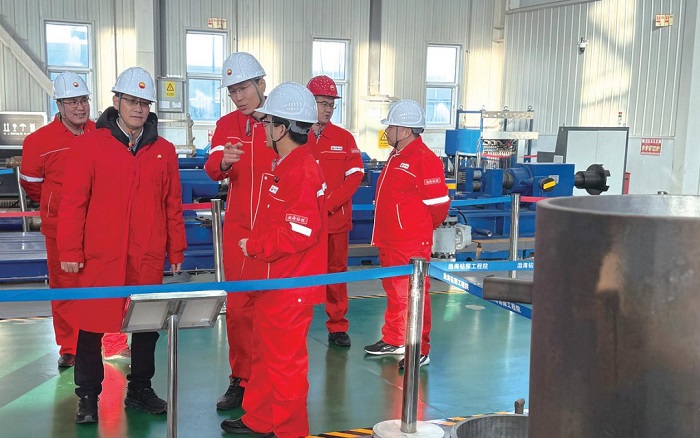
腊月十五的渤海湾,寒风裹着年味扑面而来。当《中国化工报》新春走基层采访组的车辆驶入中国石油 渤海钻探工程技术研究院科技园时,一群身着"石油红"工装的身影早已在门口挥手——那抹炽烈的红 色,瞬间融化了冬日的肃杀。 "这些工具不仅关系国家能源安全,更连着千家万户的灶台和暖气片。"走进科技园展厅,中国石油渤海 钻探高级专家冯强向采访组介绍。 图为采访现场。(曲照贵 摄) 记者第一眼就被展台上几十个大小不一的"铁疙瘩"吸引住了。 "这是20年前的桥塞,这是10年前的桥塞,这是现在的桥塞……大家有没有发现这些'铁疙瘩'有什么不 同?"冯强问。 "体积越来越小,颜色也有变化,看着材质也不一样!"记者答。 记者手记 钢铁脉搏里的家国温度 冯强拿起一个约30公分长的BH-MSP可溶桥塞,像展示心爱的宝贝一样:"我们奔赴青海油田、苏里格 气田、四川页岩气等10余个现场,试了50多种可溶金属,才找到这种30%高延伸率的可溶金属材料,用 它制作的桥塞实现了强度和溶解速度的平衡。它在井下能扛住70兆帕压力,而且在完成压裂任务后4至7 天就会自动溶解,既避免了工人们反复下井打捞的风险,又能让页岩气更快地输送到百姓家中。" 记者凑近细看 ...

“乌克兰是我们的敌人”,欧尔班猛烈抨击乌推动制裁俄罗斯能源
Sou Hu Cai Jing· 2026-02-09 10:45
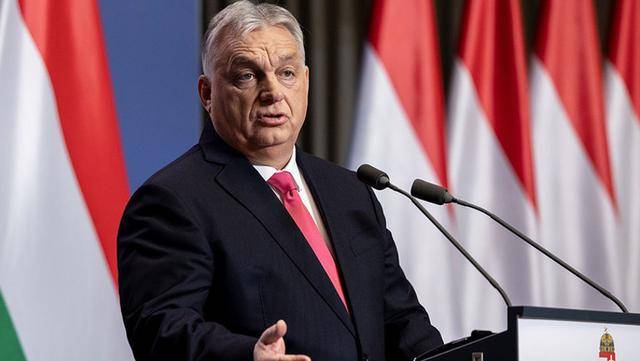
欧盟理事会上月批准了一项计划,要求在2028年前逐步淘汰俄罗斯天然气进口,短期合同需要在六个月 内终止,所有剩余管道及液化天然气供应须在2027年底前停止。多个成员国对该举措提出批评,警告其 将推高能源价格、威胁能源安全,匈牙利与斯洛伐克尤其拒绝支持这一倡议。 匈牙利总理欧尔班因乌克兰要求匈牙利停止购买俄罗斯石油和天然气,而将乌克兰称为"敌人"。 自2022年2月俄乌冲突升级以来,欧盟试图逐步淘汰俄罗斯能源供应以作制裁,但匈牙利一直抵制欧盟 这种做法。 上周六,欧尔班在西部城市松博特海伊的一场竞选集会上发表讲话,指责乌克兰破坏了匈牙利的安全。 他宣称:"乌克兰人必须停止在布鲁塞尔不断要求切断匈牙利与廉价俄罗斯能源的联系。只要乌克兰坚 持要求匈牙利切断与俄罗斯廉价能源的供应联系,那么乌克兰就不再仅仅是我们的对手,而是我们的敌 人。" 欧尔班警告称,这将导致匈牙利普通家庭的水电费账单大幅飙升。他还重申反对乌克兰加入欧盟,认为 与乌克兰建立"军事或经济联盟"将"导致麻烦"。 周一,匈牙利宣布将就欧盟所谓的"自杀式"俄能源禁令向欧盟提起诉讼。目前,欧盟委员会正在讨论第 20轮制裁方案,其中包括禁止为俄罗斯石油提供海事 ...
“三桶油”部署2026,着力建设世界一流能源资源集团,石化ETF(159731)配置价值凸显
Sou Hu Cai Jing· 2026-02-09 05:09
截至2月9日10点整,石化ETF(159731)涨0.4%,持仓股浙江龙盛、联泓新科、藏格矿业等涨幅居前。 从资金净流入方面来看,石化ETF(159731)近20个交易日资金净流入总计14.47亿元。石化ETF最新 份额达17.30亿份,最新规模17.48亿元,均创成立以来新高。 石化ETF(159731)及其联接基金(017855/017856)跟踪中证石化产业指数,聚焦"大能源"安全逻辑。 不仅能分享下游化工品的利润修复,此外通过高配"三桶油"等炼化龙头,锁定能源上游资源价值,在油 价上行周期具备更强的业绩韧性。 每日经济新闻 【免责声明】本文仅代表作者本人观点,与和讯网无关。和讯网站对文中陈述、观点判断保持中立,不 对所包含内容的准确性、可靠性或完整性提供任何明示或暗示的保证。请读者仅作参考,并请自行承担 全部责任。邮箱:news_center@staff.hexun.com 近期"三桶油"集团公司及下属子公司陆续召开2026年度工作会议,总结2025年工作和"十四五"发展成 就,研究提出"十五五"发展思路和目标任务,部署2026年重点工作。2026年,"三桶油"集团将做强做优 做大油气主业基本盘,增强 ...
特朗普出手仅一天,印度突然反水,5000亿交易落空,美国沦为笑柄
Sou Hu Cai Jing· 2026-02-08 13:28
特朗普强抢印度5000亿订单仅一天,就领教到了莫迪的厉害。 印度新德里当地时间2月4日,直接参与美印贸易谈判的印度商业和工业部部长皮尤什·戈亚尔,向国会议员们承诺将把"保障印度14亿人能源安全"放在首 位,他还保证莫迪政府会确保农业和乳制品行业"拥有光明的未来"。 戈亚尔这番"印度优先"的表态又给美印关税战增添了不确定性。 1天前特朗普刚在社交媒体上宣布"我最亲密朋友"莫迪,承诺采购超过5000亿美元的美国能源、农产品等商品,美国准备将针对印度的关税降至18%。 那么,这份"订单换关税"的协议还能达成吗? 美印关系走到今天这步特朗普必须负主要责任,高举"美国优先"大旗的特朗普非但不把印度这个印太战略盟友放在眼里,反而在制裁俄油的问题上拿印度立 威。 2025年8月特朗普宣布对印度输美商品加征25%"对等关税",以及25%"俄油关税",这笔高达50%的惩罚性关税彻底宣判美印友谊死刑。 首先,特朗普急需推动委内瑞拉石油"销赃"。委内瑞拉临时政府已经批准石油改革法案,特朗普为了尽快抢夺该国3000多亿桶石油资源,已经将之前扣押的 一艘油轮返还给委方。 2025年印度是全球第三大石油进口国,再加上最近印度和欧盟达成了 ...
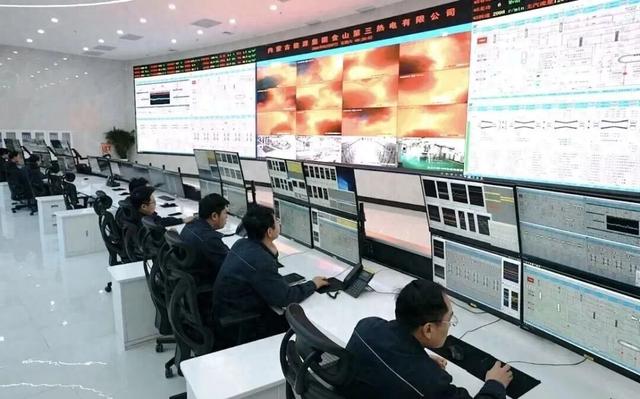
年发电量100亿度!金山热电厂三期项目实现双机投产发电
Nei Meng Gu Ri Bao· 2026-02-08 11:54
Core Insights - The Inner Mongolia Energy Supply and Livelihood Key Project, the expansion of the Jinshan Thermal Power Plant, has successfully transitioned the 6th unit to commercial operation after completing a 168-hour full-load trial run [1][2] - The project includes two units of 1 million kilowatts each, with both the 5th and 6th units now operational, contributing significantly to the region's energy supply [1][2] Group 1 - The 6th unit achieved an average load factor of 99.6% during the trial run, indicating excellent operational performance [2] - The project is expected to generate an annual electricity output of 10 billion kilowatt-hours and provide an additional heating capacity of 50 million square meters [2] - The successful operation of these units supports the "West Heat East Transfer" initiative in Hohhot and plays a crucial role in optimizing the energy structure and ensuring energy security in the region [2]