
订单农业

Search documents
黑土地上的金融智慧——期货市场助力构建农业种植全链条风险保障体系
Shang Hai Zheng Quan Bao· 2025-07-29 17:53
Core Viewpoint - The stability of soybean and corn supply in Northeast China is crucial for food security, with key variables affecting farmers' planting benefits being land rent, yield, subsidies, and prices. While land rent and yield have improved, price fluctuations remain a significant concern for local farmers [4][5]. Group 1: Agricultural Economics - The decline in corn prices has led to reduced planting enthusiasm among farmers, impacting the overall planting area. In 2023, corn purchase prices fell from 0.89 yuan per jin to 0.82 yuan, and in 2024, from 0.79 yuan to 0.73 yuan, indicating a continuous downward trend over three years [6][7]. - Major agricultural companies are exploring the use of futures tools to stabilize planting income through order agriculture, where fixed purchase prices are agreed upon in advance to mitigate price volatility risks [6][7]. Group 2: Futures Market Utilization - The "惠民保价" project initiated by agricultural companies allows farmers to lock in prices for their crops, with examples showing increased income for farmers who participated. For instance, a farmer secured a price of 0.93 yuan per jin, resulting in an additional income of 200,000 yuan [7]. - The "夏季一口价" model, combined with the "增收宝" product, enables farmers to benefit from price increases while ensuring a minimum price for their crops, enhancing their income stability [7]. Group 3: Risk Management for Processing Enterprises - Downstream processing companies, such as维维股份, are also exposed to price volatility and are utilizing futures markets to lock in raw material costs. The company has been involved in futures since 2014 to stabilize procurement costs and manage inventory effectively [8][10]. -维维股份 reported that raw material costs, particularly for soybeans, account for over 40% of their production costs, making effective cost management essential for maintaining profit margins [9][10]. Group 4: Comprehensive Financial Support - The "银期保" project launched in 2023 aims to provide comprehensive financial support to farmers, addressing challenges such as financing difficulties and unstable sales channels. This project involves collaboration between planting entities, futures companies, insurance firms, grain purchasing companies, and banks [11][12]. - The project allows farmers to secure their income through insurance and futures contracts, with one cooperative increasing its planting area significantly after participating in the program, demonstrating its effectiveness in risk management [12].

9.9元一束的绣球花,拿捏“精致抠”
3 6 Ke· 2025-07-29 09:00
Core Insights - The article discusses the evolution of flower consumption in China, highlighting a shift from luxury imports to affordable everyday flowers, reflecting changing consumer attitudes towards floral purchases [1][13][18] Group 1: Market Trends - Ecuadorian roses gained popularity in 2013, with import volumes increasing by 300% and prices ranging from 80 to 150 RMB per stem [4][5] - The perception of flowers has transformed from luxury items to everyday emotional support, with consumers now prioritizing affordable options [17][18] - The rise of "super flowers" like hydrangeas and peonies, which are now available at prices as low as 9.9 RMB, indicates a democratization of flower consumption [18][20] Group 2: Consumer Behavior - Consumers are increasingly purchasing flowers for personal enjoyment rather than for gifting, with 63% of women citing mood regulation as their primary motivation [17][18] - The phenomenon of "Monday flowers" reflects a trend among young professionals who seek to enhance their daily lives with affordable floral arrangements [16][18] - The shift in consumer behavior is evident as individuals like Lin Na transition from extravagant purchases to more budget-conscious choices [14][15] Group 3: Supply Chain Innovations - The introduction of order agriculture has revolutionized the flower industry, allowing for price reductions and increased sales volumes [29][30] - The collaboration between flower growers and retailers has led to a more efficient supply chain, with farmers experiencing a 50% increase in income while providing stable low prices to consumers [30][31] - Instant retail has transformed the purchasing process, enabling consumers to buy flowers on impulse rather than through pre-orders [31][32] Group 4: Future Outlook - The flower market in China is projected to continue evolving, with a focus on personalized and customized offerings driven by AI technology [32][33] - The competitive landscape of the 220 billion RMB flower market is expected to intensify as companies explore innovative solutions and consumer preferences shift [33]

9.9元的超级花卉,拿捏“精致抠”
Hu Xiu· 2025-07-29 05:09
Core Insights - The article discusses the evolution of flower consumption in China, highlighting a shift from luxury imported flowers to affordable, everyday options that cater to emotional well-being [1][18][22] Group 1: Market Trends - Ecuadorian roses gained popularity in 2013, with import volumes increasing by 300% and prices ranging from 80 to 150 yuan per stem [6] - The perception of flowers has transformed from luxury items to affordable emotional support, with consumers now prioritizing daily enjoyment over special occasions [21][22] - The price of common flowers has significantly decreased, with hydrangeas available for as low as 9.9 yuan, making them more accessible to a broader audience [23][24] Group 2: Consumer Behavior - Consumers are increasingly purchasing flowers for personal enjoyment rather than as gifts, with 63% of women citing mood regulation as their primary motivation for buying flowers [22] - The phenomenon of "Monday flowers" reflects a growing trend among young professionals in urban areas, who seek to enhance their daily lives with floral arrangements [21][22] - The shift in consumer behavior is evident in the rise of "affordable luxury" flowers, which are now seen as a means to cultivate personal style and emotional well-being [17][23] Group 3: Supply Chain Innovations - The flower industry has undergone significant changes through order-based agriculture, allowing for better supply chain management and price stabilization [34][39] - For example, the price of hydrangeas has dropped from 30-50 yuan to 9.9 yuan due to partnerships with supermarkets and improved agricultural practices [36][39] - The introduction of instant retail has transformed flower purchasing into an impulsive, everyday activity, with 70% of orders being spontaneous [42][43] Group 4: Future Outlook - The flower market is expected to continue evolving, with personalized customization becoming a key focus, driven by AI technology [46] - The industry is exploring sustainable practices in response to increasing price competition and environmental concerns [45] - The potential for growth in the 220 billion yuan Chinese flower market remains significant, with ongoing innovations and consumer engagement shaping its future [47]

激活乡村经济 博罗县“社村”合作试点成效初显
Nan Fang Nong Cun Bao· 2025-07-10 11:03
Core Viewpoint - The "She Village" cooperation model in Boluo County, Guangdong, is effectively revitalizing the rural economy by integrating agricultural resources and enhancing production efficiency, leading to increased income for local farmers [4][49]. Group 1: Agricultural Development - Boluo County has established a 300-acre high-standard cowpea demonstration planting base, which has seen a successful harvest this year [2][3]. - The "She Village" cooperation aims to address the challenges of traditional agriculture, characterized by fragmentation and weakness, by restructuring organizational systems and integrating industrial elements [9][4]. - The Boluo She Village Company has created a modern agricultural service platform that combines agricultural inputs, technology, cold chain logistics, and product sales [11][12]. Group 2: Economic Impact - The cowpea demonstration base has achieved an average yield of approximately 4,000 pounds per acre in the first half of the year, significantly increasing farmers' income compared to previous years [32]. - The company has implemented a stable price acquisition mechanism, ensuring that farmers no longer worry about sales channels [50]. - The cooperative model has led to the integration of fragmented farmland, allowing for better management and increased participation from new farmers returning to agriculture [54][56]. Group 3: Technological Innovation - The Boluo She Village Company has established a quality control system that includes technical prevention, regulatory standards, and a closed-loop monitoring system to ensure the quality of cowpea production [36][42]. - The use of digital technology and mechanization has improved production efficiency by over 30% and increased average yield by 20% [40]. Group 4: Future Prospects - The company plans to further leverage its demonstration role to engage more village collectives, smallholders, and new farmers in the agricultural industry chain, aiming for a replicable model that connects small farmers to larger markets [58][60]. - By 2024, the village collective is expected to distribute over 1 million yuan in dividends, with participating farmers seeing an average income increase of over 20,000 yuan annually [56].

订单农业”结硕果 “绿果子”成了“金疙瘩
Mei Ri Shang Bao· 2025-07-08 22:17
Group 1 - The farm has successfully cultivated "Beibei pumpkin" for the first time, achieving a yield value exceeding 10,000 yuan per mu, attributed to its unique taste and quality [2] - The farm employs an "order agriculture" model, collaborating with supply chains and markets to align production with market demand, thus minimizing the risk of unsold products [2] - The farm anticipates an annual total output value surpassing 1 million yuan, indicating significant growth compared to the previous year [2] Group 2 - The farm employs over 30 local workers, with an average income increase of over 30,000 yuan per person last year, contributing positively to the local community [3] - The farm allocates 8% of its profits for village collective dividends, enhancing the economic benefits for the local residents [3] - Plans for the next year include expanding the cultivation of Beibei pumpkin and loofah by 100 mu, demonstrating a commitment to market-driven production adjustments [3]
认清披着“订单农业”外衣的骗局
Jing Ji Ri Bao· 2025-06-30 23:15
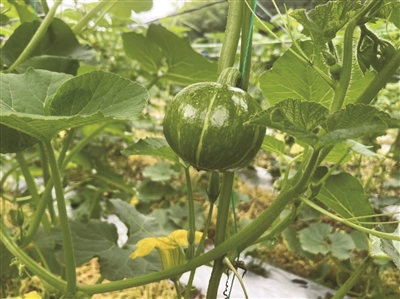
Core Viewpoint - The article emphasizes the risks associated with "contract agriculture" scams, highlighting the need for farmers to be vigilant and conduct thorough due diligence when seeking partners in this sector [1][2][4]. Group 1: Scam Characteristics - Scams often target niche agricultural products such as edible fungi and traditional Chinese medicine, which have high technical barriers and volatile market conditions, making farmers susceptible to fraud [2][3]. - Common tactics used by scammers include offering free visits, reimbursing travel expenses, and creating a false sense of urgency to lure farmers into signing contracts [2][3]. - The scams are increasingly sophisticated, utilizing online platforms to promote projects with exaggerated claims of low investment and high returns, often misrepresenting government support [2][3]. Group 2: Identifying Scams - Two main characteristics of scams are identified: the "shell" nature of the companies, lacking real operational capacity, and unrealistic promises of high repurchase prices that deviate from market norms [3][4]. - Legitimate "contract agriculture" involves farmers planting according to orders, which helps secure sales and manage costs, thus reducing market risks [3][4]. Group 3: Recommendations for Farmers - Farmers are advised to assess the longevity and creditworthiness of potential partners in "contract agriculture" and to be cautious of any claims that significantly deviate from established market practices [1][4]. - The article suggests enhancing public services to support farmers, such as promoting cooperative development and establishing reliable channels for "contract agriculture" partnerships [4].
东莞荔枝香飘迪拜,高端荔枝开辟全球大市场
2 1 Shi Ji Jing Ji Bao Dao· 2025-06-30 08:08
Core Insights - Dongguan lychee has achieved a breakthrough in large-scale exports, marking its entry into international markets, particularly in the Middle East and Southeast Asia [1] - The lychee harvest in China is expected to increase by approximately 50% this year, leading to intensified market competition due to a surge in supply and reduced cold chain transportation costs [1] - The focus is on differentiating high-end lychee products to expand sales channels and explore new markets [2] Group 1: Export Developments - A vehicle carrying lychees from Dongguan has successfully reached Dubai, indicating the establishment of a supply chain for international exports [1] - The first shipment of lychees to Singapore was executed via a C2C model, showcasing the potential for rapid delivery and market cultivation [2] - Dongguan's lychee exports have previously relied on limited channels, but recent efforts have led to successful shipments to Dubai after years of planning [5] Group 2: Market Strategies - Farmers are focusing on building brand recognition and customer loyalty through social media and community group purchases [3] - High-end lychee varieties, such as "Ice Lychee," are commanding premium prices, with retail prices reaching 760 yuan per pound in high-end markets [3] - The use of live streaming and online sales has become a significant channel for lychee sales, with farmers leveraging internet platforms to reach consumers directly [6][7] Group 3: Challenges and Opportunities - Many lychee orchards in Dongguan lack export qualifications, posing challenges for large-scale international sales [4] - The shift towards online sales and direct-to-consumer models is helping farmers overcome traditional market limitations and enhance product value [7] - The integration of internet strategies is seen as a key driver for the growth and modernization of the lychee industry in Dongguan [7]
京博:科技创新驱动黄河流域农业现代化实践
Qi Lu Wan Bao Wang· 2025-06-27 06:38
Core Viewpoint - The integration of digital technology and sustainable practices in agriculture is transforming traditional farming into a more efficient and productive system, enhancing both economic and social benefits for rural communities [2][4][6]. Digital Empowerment: Reshaping Traditional Agriculture - The implementation of digital technologies in the agricultural sector is significantly altering traditional farming methods, with real-time visualization of soil moisture and nutrient status through remote sensing and crop growth models [2]. - The use of integrated water and fertilizer systems has led to an average yield increase of 20.3% per mu, with some areas achieving a 32.9% increase in wheat yield compared to control fields [2]. Circular Economy: New Practices for Industrial Upgrade - The establishment of a circular economy within the agricultural framework allows for the comprehensive utilization of resources, with a 93% utilization rate of straw through processes that convert it into organic fertilizer [3]. - Soil quality has improved, with an average increase of 13.85% in organic matter content and a 6%-7% increase in nitrogen, phosphorus, and potassium levels across sampled plots [3]. Full-Chain Integration: A New Engine for Rural Revitalization - The innovative order agriculture model enables the rotation of food and cash crops, maximizing land use efficiency and surpassing traditional single-crop revenue [4]. - The direct supply chain from field to processing plants for cash crops like spinach and strawberries enhances production potential and market access [4]. Collaborative Projects for Rural Revitalization - Collaborative efforts among local governments and foundations have led to the establishment of standardized aquaculture and intelligent farming systems, improving environmental monitoring and resource management [5]. - The integration of ecological practices in livestock management has addressed pollution issues while promoting sustainable agricultural practices [5]. Sustainable Development Ecosystem - The company has successfully created over 1,000 job opportunities and trained more than 400 new agricultural workers, contributing to a significant increase in farmers' income [6]. - The focus on a sustainable agricultural ecosystem connects production, processing, and tourism, enhancing land productivity and promoting a holistic approach to rural development [6].
东兴晨报-20250626
Dongxing Securities· 2025-06-26 08:44
Economic News - The Chinese government is focusing on maintaining international economic cooperation and promoting high-quality development through multilateral organizations such as APEC and BRICS [1] - In May, national lottery sales reached 57.036 billion yuan, a year-on-year increase of 19.8%, driven by increased sports events [1] - The People's Bank of China conducted a 300 billion yuan MLF operation to maintain liquidity in the banking system, resulting in a net injection of 118 billion yuan for June [1] - The Ministry of Commerce announced that foreign investment enterprises must report their domestic investment information, with pilot regions including Jiangsu and Shanghai [1] Company Insights - China Construction Bank issued 11.589 billion shares to raise 105 billion yuan [5] - Guoxuan High-Tech's all-solid-state battery is in the trial production stage, with samples sent to customers for testing [5] - Changchun Technology expects a net profit growth of 67.54% to 95.46% in the first half of 2025 [5] - Nanjing Commercial Travel plans to acquire 100% equity of Nanjing Huangpu Hotel through share issuance and cash payment [5] - Tianji Co., Ltd. is progressing with research and testing related to lithium sulfide [5] Industry Analysis Food and Beverage Sector - The food and beverage sector is experiencing a price-driven asset pricing model, with demand-side changes significantly impacting pricing and profitability [6] - The overall market sentiment is expected to improve in the second half of the year, with a focus on cyclical sectors like liquor and new consumption trends [7] - Key recommendations include companies like Kweichow Moutai, Yili, and Jin Zai Foods, which are expected to benefit from channel advantages and performance reversals [7] Home Furnishing Sector - The home furnishing market is supported by national subsidies, although real estate sales are declining [8] - The home furnishing retail sales grew by 25.6% in May, driven by subsidies, while exports are under pressure [8] - Recommended companies include Gujia Home, Sophia, and Zhibang Home, which have strong dividend yields and brand advantages [8] Textile and Apparel Sector - The textile and apparel industry is seeing a slow recovery in domestic sales, with a 6.4% year-on-year increase in retail sales in May [9] - Investment focus should be on quality brands like Hailan Home and Fuanna, as well as sports brands like Anta, which are expanding internationally [9] - Textile exports showed a slight increase of 2.5% in the first five months, while apparel exports decreased by 0.5% [9]



红番茄“长”出亿元产业链 ——笑厨公司锻造核心竞争力
Jing Ji Ri Bao· 2025-06-23 22:09
Core Insights - Xinjiang Xiaochu Food Co., Ltd. has transformed from a seasoning manufacturer to a national high-tech enterprise focusing on tomato products, achieving a 28% year-on-year sales growth from January to May this year [1] - The company aims to reach a sales target of 200 million yuan for tomato products in 2024 [1] Group 1: Business Development - The company has established new production lines for tomato sauce and beverages, with a daily output of approximately 260 tons for tomato sauce and 180 tons for tomato beverages [2] - It has invested in a new subsidiary, Xinjiang XinQie Food Co., Ltd., to create a tomato industry cluster project, with an annual production capacity of 200,000 tons of various tomato products [2] - The company has implemented AI sorting technology to enhance efficiency and quality, reducing processing waste by 30% and production costs by 10% [2][3] Group 2: Research and Innovation - The company allocates about 3% of its annual revenue to R&D, developing new products such as tomato hot pot base and organic tomato juice [3] - It has expanded its product range to over 460 varieties, focusing on organic and healthy options in response to consumer demand [3] Group 3: Supply Chain Management - The company has secured over 20,000 acres and 200,000 tons of raw material planting orders to ensure stable supply and quality control [4] - It employs a digital system for real-time monitoring of raw material collection, reducing the time from harvest to processing by approximately 35% [5] Group 4: Sales and Marketing - The company has significantly increased its online presence, with over 1,000 online stores and a threefold increase in e-commerce sales last year, accounting for 80% of tomato product sales [7][8] - It has established a cross-border e-commerce team to cater to international markets, adapting products based on customer preferences [8]