
贸易制裁

Search documents
中美新一轮谈判在即,华盛顿提前亮牌,这次还牵扯到俄罗斯和伊朗
Sou Hu Cai Jing· 2025-07-26 03:36
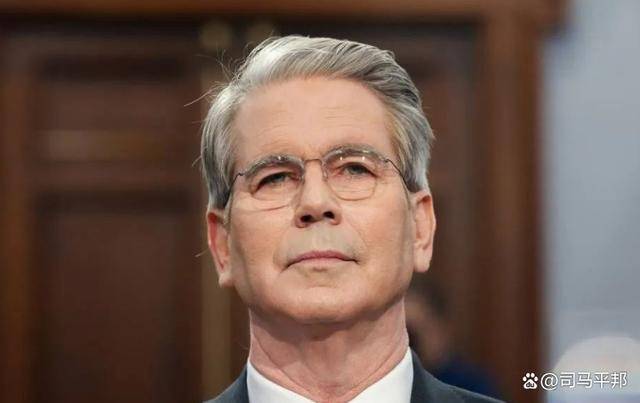
Group 1 - U.S. Treasury Secretary Mnuchin claims that U.S.-China trade negotiations are progressing smoothly, but the Trump administration prioritizes "quality" over urgency in signing an agreement [1] - Mnuchin threatens to include China's purchases of Russian and Iranian oil in the negotiation agenda, stating that China is a major buyer of sanctioned Iranian and Russian oil [1] - The U.S. strategy aims to pressure China by leveraging its significant oil imports from Russia, which account for 19.6% of China's total oil imports, with 84% of Russian oil exports going to China and India in 2024 [1] Group 2 - The Trump administration's approach appears contradictory, as it seeks to use tariffs to compel China to abandon Iranian and Russian oil while simultaneously expressing a desire for China to purchase more U.S. oil [2] - This inconsistency highlights Washington's strategic confusion, as it attempts to apply economic pressure while also coveting China's market purchasing power [2] - Mnuchin's introduction of new conditions for negotiations reflects an effort to add leverage, but tying energy security to trade negotiations is unlikely to succeed and reveals U.S. anxiety over its inability to solely rely on economic measures against China and Russia [2]

巴西在中国设特别机构?卢拉醉翁之意不在酒,他想要的是中国铁路
Sou Hu Cai Jing· 2025-07-25 09:01
Core Insights - Brazil's establishment of a tax office in Beijing is a strategic move aimed at reshaping South America's geopolitical landscape and reducing U.S. influence [1][5][12] Group 1: U.S.-Brazil Relations - The U.S. government, under Trump, threatened to increase tariffs on Brazilian goods from 10% to 50%, which is a significant escalation [3][5] - This threat was intended to pressure Brazil, but instead, it strengthened President Lula's resolve to pursue an independent strategy [5][11] Group 2: Economic Strategy - The tax office is part of a broader strategy to attract Chinese investment and facilitate the ambitious "Two Oceans Railway" project, which aims to connect Brazil's Santos port to Peru's Pacific port [7][9] - The railway project is expected to generate over $100 billion in economic benefits annually and significantly alter trade routes in South America [9][12] Group 3: China-Brazil Cooperation - Brazil's trade with China reached $188.1 billion in 2024, compared to $92 billion with the U.S., indicating a shift towards deeper economic ties with China [13] - The establishment of the tax office signals Brazil's readiness to eliminate technical barriers for Chinese investment, enhancing cooperation [10][16] Group 4: Political Implications - The move to establish the tax office and pursue the railway project demonstrates Brazil's ambition to assert its leadership in South America and reduce dependency on U.S. trade routes [12][16] - However, Brazil faces internal political instability and external pressures from the U.S., which could impact the success of these initiatives [13][14]

美国威胁制裁买俄油国家,中方24小时强硬回应,态度有多坚决
Sou Hu Cai Jing· 2025-07-25 01:20
Core Points - The upcoming US-China talks may address China's purchase of oil from Russia and Iran, as indicated by US Treasury Secretary Becerra [1] - The US government has threatened to impose a 100% punitive tariff on Russian goods if a ceasefire in the Russia-Ukraine conflict is not reached within 50 days [1][8] - China's response to the US threats has been firm, emphasizing that trade negotiations should not be dictated by unilateral US demands [22][24] Group 1: US Policy and Strategy - The US has implemented a strategy of increasing tariffs to pressure countries, including allies, to comply with its demands [3][5] - Trump's administration has linked the oil issue to broader geopolitical strategies, using it as leverage in negotiations with China [18][20] - The US's approach has been characterized as hegemonic, disregarding the interests of other nations [16][24] Group 2: Impact on Global Oil Trade - China is projected to import one-third of its oil from Russia in 2024, with 68% of transactions already settled in RMB, indicating significant economic implications if US tariffs are enacted [10][20] - India's energy security is also at risk, as Russian oil constitutes nearly 25% of its imports, forcing India to choose between economic repercussions or confrontation with the US [12][20] - The potential for increased oil prices and domestic inflation in China is a concern if the US follows through with its tariff plans [10][20] Group 3: China’s Response and Regional Cooperation - China has made it clear that it will not yield to US pressure regarding its energy partnerships with Russia and Iran, asserting its right to protect its national interests [22][24] - The cooperation between China, Russia, and India in energy projects is strengthening, with significant investments planned, such as India's $20 billion investment in Russian oil [28] - The ongoing development of the Power of Siberia-2 gas pipeline project between China and Russia is expected to continue despite external pressures [26][28]
没谈妥?对美反击轮番上演,关键时刻,俄罗斯两大弱点遭曝光
Sou Hu Cai Jing· 2025-07-19 11:17
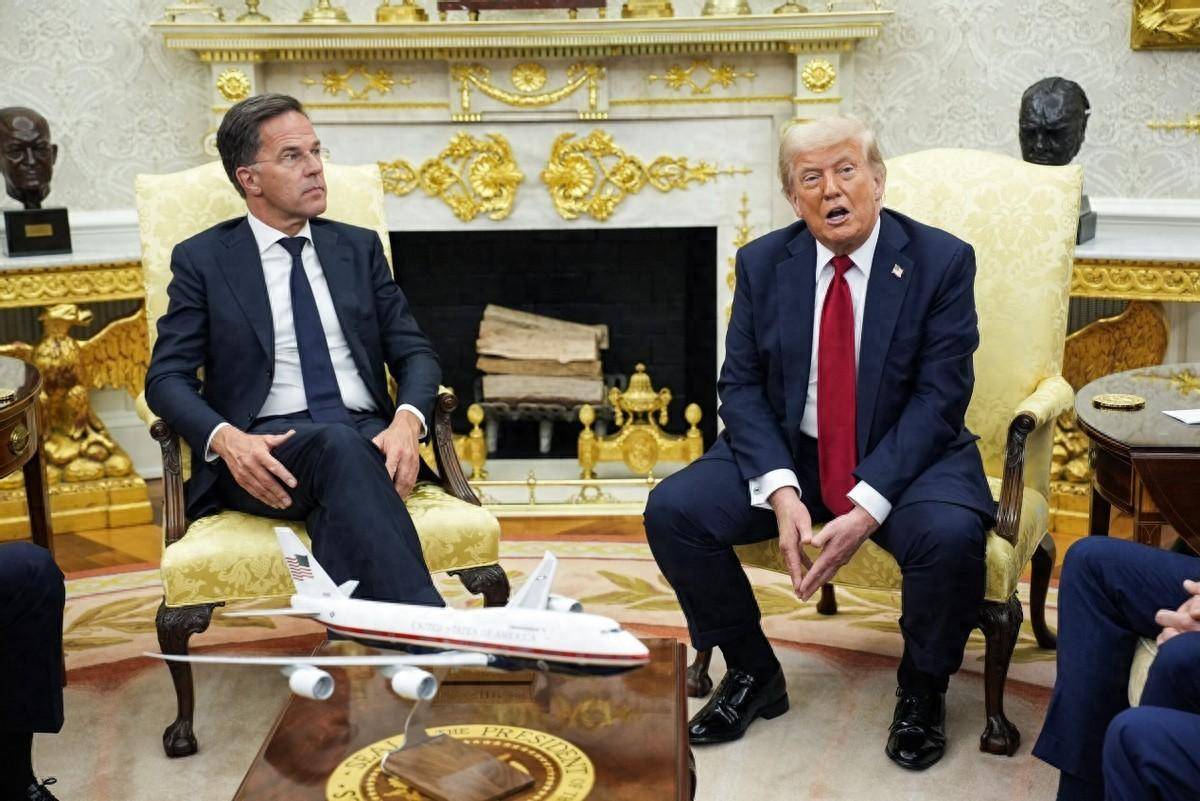
Group 1: U.S. Tariff Threats - The U.S. has threatened to impose a 100% tariff on Russian goods if a peace agreement is not reached within 50 days, impacting global trade dynamics [1][3] - This tariff threat extends to countries that trade with Russia or purchase Russian oil, indicating a broader strategy to exert pressure on Russia and reshape European positions in the conflict [3] Group 2: European Reactions - European countries have shown mixed responses to the U.S. tariff threat, with the Dutch Prime Minister expressing willingness to support U.S. aid to Ukraine, while Germany has delayed its energy sanctions against Russia [3] - Previous U.S. sanctions have already caused significant losses in the European automotive industry, amounting to over €12 billion, with German car inventories increasing by 47% year-on-year [3] Group 3: Russia's Countermeasures - In response to U.S. actions, Russia is diversifying its energy exports, aiming to increase oil exports to China to 800,000 barrels per day and restarting discounted oil exports to India, with daily volumes exceeding 1.2 million barrels [4][6] - Russia's military continues to demonstrate strong capabilities on the battlefield, despite facing challenges such as manpower shortages and economic pressures [4][6] Group 4: Economic Challenges for Russia - Russia's economy is heavily reliant on energy exports, which account for nearly 30% of its federal budget, and has seen a 45% drop in energy export revenues due to U.S. tariffs and previous sanctions [6] - The ruble has experienced significant depreciation, falling below 100 to 1 USD, and despite the Central Bank's efforts to lower interest rates to 20%, economic instability persists [6] Group 5: Global Implications - The tariff conflict between the U.S. and Russia has broader implications for global political and economic landscapes, with the U.S. facing potential loss of international credibility if it fails to compel Russia to comply [8] - Russia must navigate the dual challenges of manpower shortages and economic strain while maintaining domestic stability and its international stance [8]
特朗普发威胁后,俄方回应:耍花招、放空炮
Xin Hua She· 2025-07-15 05:40
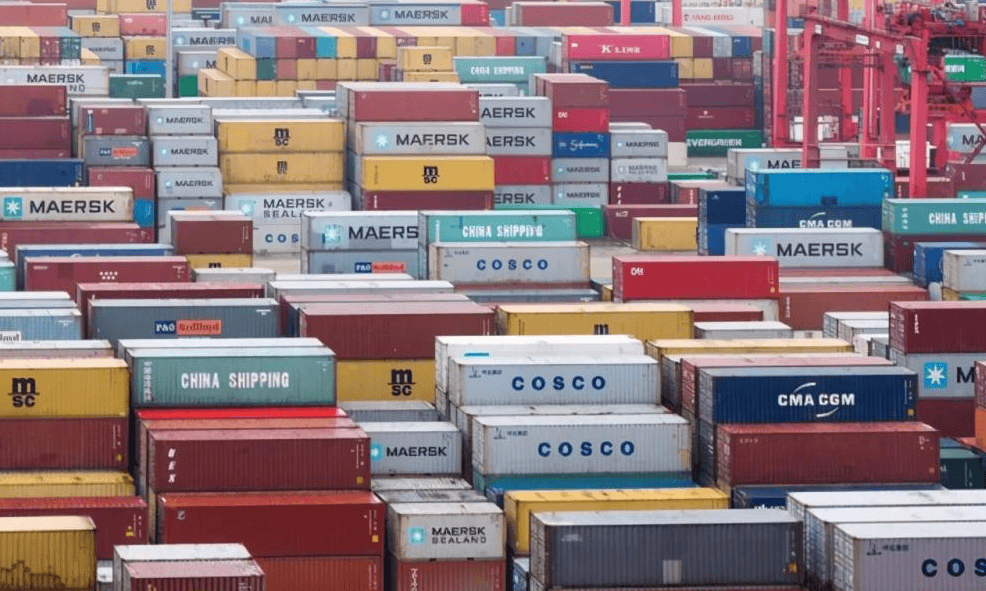
俄联邦委员会(议会上院)副主席科萨切夫认为,特朗普有关俄罗斯的最新声明属于"放空炮"。 就特朗普威胁对俄征收100%的关税,俄国家杜马国防委员会第一副主席茹拉夫廖夫说,这首先将对美 国经济产生负面影响。 "不得不让美国总统失望——目前我们与美国几乎没有任何贸易往来,贸易额只有80亿美元。与此同 时,美国从俄罗斯购买铀、钛和钯,这些都是美国经济的必需品。这些金属价格的上涨将影响美国经 济。"茹拉夫廖夫对俄罗斯"报纸网"说。 特朗普14日在白宫说,"我们对(俄罗斯)非常、非常不满意。如果我们在50天内没有达成协议,我们 将征收非常严厉的关税。税率约为100%。"特朗普接着提到要征收次级关税。一名白宫官员稍后向媒体 记者解释说,特朗普的意思是,如果俄乌50天内达不成协议,美国将对俄罗斯征收100%的关税,对购 买俄罗斯石油等商品的国家征收次级关税。 新华财经北京7月15日电 美国总统特朗普14日威胁对俄罗斯征收"非常严厉"的关税并表示将通过北约向 乌克兰提供军事援助。俄方人士认为,美方表态是"耍花招""放空炮",其关税措施将首先损害美国经 济。 俄国家杜马(议会下院)国际事务委员会主席斯卢茨基14日对俄新社说,美国 ...
据英国金融时报:欧盟计划根据贸易法禁止签订新的俄罗斯天然气合同。
news flash· 2025-06-16 09:28
Group 1 - The European Union plans to prohibit the signing of new natural gas contracts with Russia based on trade law [1]
进出口点评报告:外部环境大变局下,贸易国别结构变化显著
Bei Da Guo Min Jing Ji Yan Jiu Zhong Xin· 2025-06-12 02:05
Export Performance - In May 2025, China's total export value reached $316.1 billion, with a year-on-year growth of 4.8%, down 3.3 percentage points from the previous month[7] - Exports to the United States saw a significant decline, with a year-on-year drop of 30.7%, worsening by 11.5 percentage points compared to April[7] - High-tech products, including integrated circuits and automobiles, showed notable growth, with integrated circuit exports increasing by 33.4% year-on-year[19] Import Performance - In May 2025, China's total import value was $212.9 billion, reflecting a year-on-year decrease of 3.4%, a decline of 3.2 percentage points from the previous month[20] - Imports from the United States decreased by 18.13%, while imports from the European Union saw a marginal decline of 0.05%[20] - The demand for traditional bulk commodities continued to decline, with iron ore and crude oil imports showing negative growth rates of -5.2% and 0.3%, respectively[21] Trade Balance - The trade surplus for May 2025 was $103.2 billion, indicating a decrease from the previous month's surplus of $106.8 billion[7] - The overall trade volume in May 2025 was $528.98 billion, representing a year-on-year growth of 1.3%[7] Future Outlook - The external environment is expected to remain complex, with potential risks and opportunities for trade growth in 2025[23] - Domestic economic policies aimed at stabilizing growth may support a gradual recovery in import growth, despite ongoing challenges in the real estate market[23]
自俄乌冲突爆发以来,德国从俄罗斯的进口暴跌了95%
news flash· 2025-06-11 07:07
Core Insights - Since the outbreak of the Russia-Ukraine conflict, Germany's imports from Russia have plummeted by 95% from 2021 to 2024 [1] - The European Union's overall imports from Russia have decreased by 78%, while exports have dropped by 65% during the same period [1] - In 2024, the trade deficit with Russia is projected to be 4.5 billion euros, significantly lower than the 147.5 billion euros recorded in 2022 [1] Trade Dynamics - The primary reason for the continued higher imports over exports in 2024 is the EU's ongoing importation of oil and natural gas from Russia [1] - Despite the lack of tariffs imposed by the Trump administration, trade between Russia and both the US and EU has sharply declined due to sanctions related to the conflict [1] - Russia's economic performance has been better than expected over the past three years, despite facing challenges from falling oil prices and reduced fiscal revenues [1]
整理:每日全球大宗商品市场要闻速递(6月11日)
news flash· 2025-06-11 06:21
Energy - The European Commission proposed the eighteenth round of sanctions against Russia, suggesting to lower the price cap on Russian oil from $60 per barrel to $45 per barrel [7] - Kazakhstan's Energy Ministry reported that oil exports to Germany via the Druzhba pipeline increased by 48% year-on-year from January to May, reaching 767,000 tons [7] - The EIA projected a decline in U.S. crude oil production next year, previously expected to reach a record high [7] - OPEC Secretary-General stated that global energy demand is expected to grow by 24% by 2050, exceeding 120 million barrels per day [7] Precious Metals and Mining - Zimbabwe's Minister of Mines announced that the country will ban the export of lithium concentrates starting in 2027, which is part of an initiative to encourage foreign mining companies to develop refining operations in Zimbabwe [3] Agriculture - The Euronext September wheat futures fell below €200 per ton due to ample global supply [4] - The Rostov region in Russia, affected by drought, declared a state of emergency [4] Trade Situation - A U.S. appeals court ruled that Trump's tariffs may continue to be in effect during the appeal process [5] - Reports indicate that the U.S. and Mexico are nearing an agreement on steel tariffs [8] - The World Bank warned that a further 10% increase in average U.S. tariffs could lead to a stagnation in global trade by the second half of 2025 [8] - The U.S. Department of Commerce's trade representative mentioned that a framework agreement has been reached between the U.S. and China [8]
整理:每日全球大宗商品市场要闻速递(6月9日)
news flash· 2025-06-09 06:09
Energy - China's rare earth exports in May reached 5,864.6 tons, an increase from 4,784.8 tons in April, with total exports from January to May amounting to 24,827.0 tons [1] - In May, China imported 36.04 million tons of coal and lignite, down from 37.82 million tons in April [3] Trade Situation - In the first five months of this year, China's goods trade imports and exports grew by 2.5% year-on-year, with trade value with the United States declining by 8.1% [2] - U.S. companies are requesting a reduction in tariffs on imports from Vietnam [2] - Japan is considering reaching a tariff agreement with the U.S. ahead of the G7 summit on June 15 [2] Oil and Gas - The Venezuelan government plans to increase oil prices by 50% [3] - OPEC+ quota increases have not yet led to a surge in production, according to Morgan Stanley [3] - Slovakia's Prime Minister stated that if EU sanctions against Russia harm Slovakia's national interests, the country will not support them [3]