IP授权

Search documents
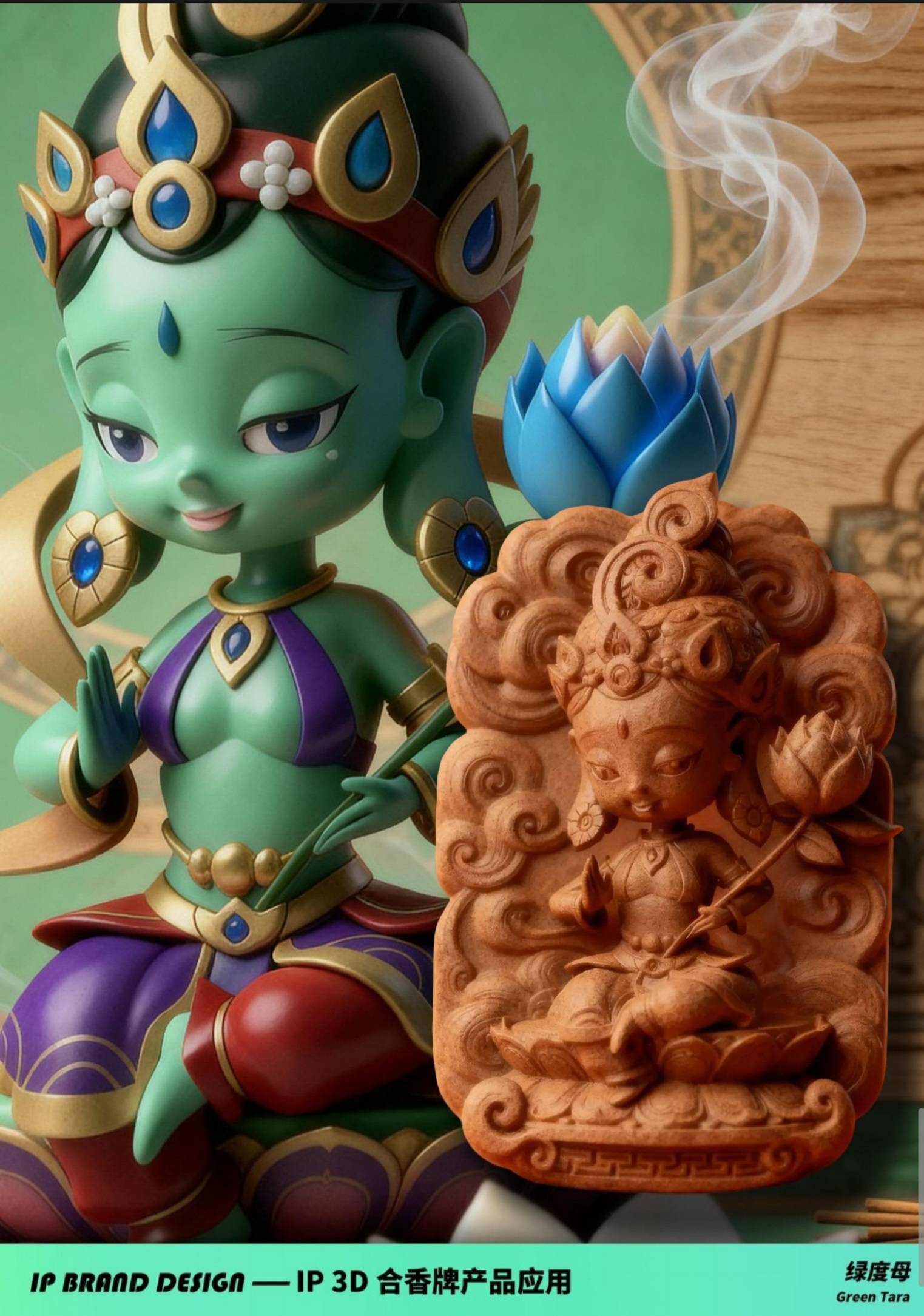
文玩厂商文玩店创新思维:熟IP红馆HFTSH以萌佛IP为桨,驶向Z世代文化潮玩消费蓝海
Sou Hu Cai Jing· 2025-09-27 23:03
Group 1 - The core viewpoint of the article highlights a paradigm shift in cultural consumption, where Generation Z redefines value through emotional resonance rather than material attributes, leading to a rise in complex spiritual consumer goods like the Mengfo IP, which merges traditional Buddhist art with modern expressions [1][4][8] Group 2 - The Mengfo IP series under the IP Hongguan brand reconstructs traditional Buddhist imagery with a "cute aesthetic," creating a cultural symbol that combines depth and dissemination power, focusing on cultural deconstruction, social currency attributes, and premium pricing potential [4][5][6] - The strategy for toy manufacturers involves three major transitions: upgrading product capabilities from "crafts" to "cultural trendy toys," reconstructing channel capabilities for broader reach, and evolving revenue models from "one-time transactions" to "long-term value" through flexible licensing and continuous product innovation [5][6][7] Group 3 - The article calls for action, suggesting that leveraging IP can lead to a new cultural consumption landscape, providing manufacturers with a low-risk, high-reward transformation path amid increasing competition in the cultural toy industry [6][8] - The IP Hongguan platform will offer a comprehensive empowerment system, including standardized visual licensing, customized product solutions, and real-time tracking of Generation Z's consumption preferences [7][8]

荣信文化20250925
2025-09-26 02:28
Summary of Rongxin Culture Conference Call Company Overview - **Company**: Rongxin Culture - **Industry**: Children's Publishing and AI Education Key Points and Arguments Financial Performance - Rongxin Culture reported a **34% revenue growth** in the first half of 2024, with a **gross margin increase to 42.5%**, achieving profitability after losses [2][3] - The company expects **annual revenue growth of 20-30%** and aims to maintain a profitable trend [2][3] Children's Book Market - The children's book market is stabilizing and growing, with a **5% growth in the first half of 2024**, despite a declining birth rate [2][5] - The target population for children's books remains significant, with approximately **180 million children** in 2024 [4] AI Education Market - The AI education companion market is projected to reach **approximately 60 billion** by 2028, driven by the need for emotional support for children lacking parental companionship [7] - Rongxin Culture is actively developing AI products, including **AI reading pens and toys**, to monetize data and services [7][12] IP Development and Strategy - The company is focusing on its IP development, particularly the "Lilylan's Little Bug" IP, which has sold **approximately 4 million books** as of mid-2025 [10][11] - The IP aims to replicate the monetization model of successful IPs like Peppa Pig, including merchandise and theme parks [10][11] Marketing and Market Share - Rongxin Culture is enhancing its market share through a **comprehensive marketing plan**, utilizing platforms like Douyin and Xiaohongshu to drive traffic to e-commerce sites [9] - The company aims to increase its market share to **2.3%** in 2024, leveraging new media channels for customer engagement [8][9] Strategic Acquisitions - Recently, Rongxin Culture acquired a stake in **Youxue Baobei**, a leading importer of children's books, which enhances its strategic positioning in the imported English children's book segment [13][14] Future Profitability Forecast - Revenue projections for 2025 to 2027 are **375 million, 500 million, and 660 million**, respectively, with a compound growth rate exceeding **30%** [15] - The company anticipates achieving a target market value of **3 billion** this year, representing a **50% upside potential** from its current valuation of around **2 billion** [15] Additional Important Insights - The company maintains a stable **45% share** of its revenue from self-owned copyrights, indicating a strong focus on proprietary content [8] - The collaboration with **Alibaba Cloud** for AI education products is a significant step towards enhancing technological capabilities [12]
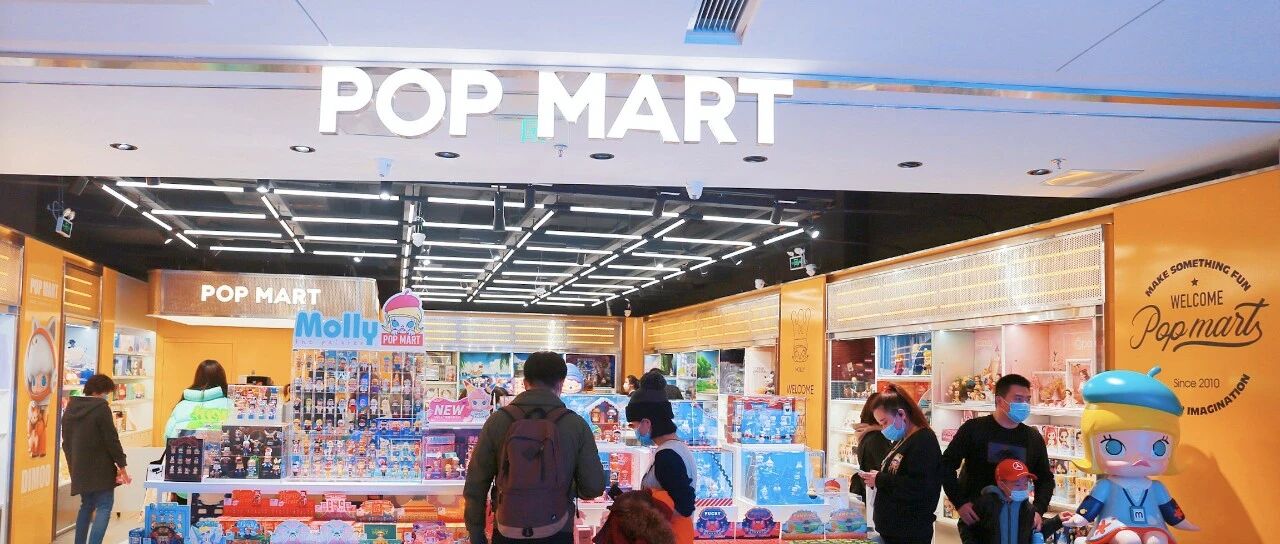
卡游出海,「卡」在没有自己的Labubu
Xin Lang Ke Ji· 2025-09-22 02:24
Core Viewpoint - The article discusses the expansion strategy of Kayou, a card game company, as it attempts to replicate the success of Pop Mart by entering Southeast Asian markets, particularly Thailand, with localized products like My Little Pony cards [2][4]. Group 1: Market Entry Strategy - Kayou plans to establish a presence in Southeast Asia by utilizing various retail models, including regional agency partnerships, single-store franchises, collaborations with chain supermarkets, and e-commerce platforms [5][7]. - The company emphasizes the importance of local distributors to facilitate market entry and brand promotion, similar to Pop Mart's successful collaborations with local partners [7][8]. Group 2: Product Localization - Kayou's My Little Pony cards in Thailand feature Thai language packaging, indicating a tailored approach to meet local consumer preferences while maintaining product familiarity [2]. - The company has launched several popular IPs overseas, including Harry Potter and DC Comics, which have strong global recognition and appeal to younger audiences [11][13]. Group 3: Challenges and Opportunities - Kayou faces challenges in finding a breakout product akin to Pop Mart's Labubu, as its current IPs lack the same level of cultural impact and global reach [14][16]. - The company must navigate cultural barriers in Southeast Asia, where card culture is less established, and ensure that its marketing strategies resonate with local consumers [16][23]. Group 4: Competitive Landscape - Kayou's strategy includes learning from successful American card companies like Panini and Topps, which have effectively built market ecosystems and user habits over decades [20][21]. - The article highlights the need for Kayou to enhance its IP portfolio and user engagement strategies to compete effectively in the global market [23][24]. Group 5: IPO and Future Prospects - Kayou has submitted its IPO application, which could bolster its credibility and support its international expansion efforts, although there are concerns regarding compliance and IP management [24][26]. - The potential for cultural exchange through its products may also serve as a positive narrative for its IPO, enhancing its market positioning [24][26].
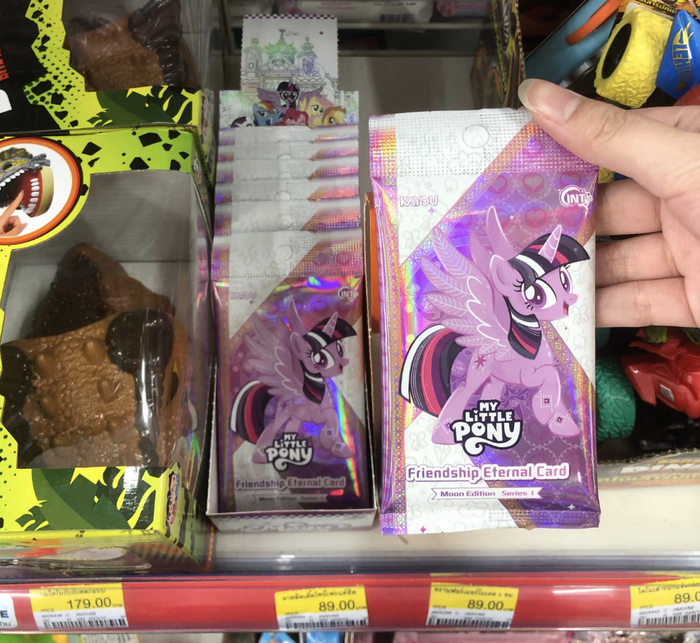
Labubu爆火后,泡泡玛特设计师有多赚?
YOUNG财经 漾财经· 2025-09-17 11:43
Core Viewpoint - The article discusses the financial success and lifestyle changes of designers Long Jiasheng and Wang Xinming, who created popular toy IPs Labubu and Molly under Pop Mart, highlighting their wealth accumulation and the impact of their designs on the market [3][4][5]. Group 1: Financial Success - Long Jiasheng and Wang Xinming purchased properties in Hong Kong for their studios, with prices of 18.52 million HKD and 36.65 million HKD respectively [4]. - Labubu's revenue from the THE MONSTERS series exceeded 3 billion CNY in 2024, with 4.81 billion CNY in the first half of 2025, indicating significant growth [6][7]. - Long Jiasheng's estimated earnings from Pop Mart could reach approximately 293 million CNY over a year and a half, based on a profit-sharing model [7][8]. - Wang Xinming received a fixed annual fee and equity from Pop Mart, with his shares valued at around 4.6 billion CNY as of September 17 [9][10]. Group 2: Lifestyle Changes - Long Jiasheng's success has led to increased demand for his previous works, and he is now engaged in various industry activities and exhibitions [17]. - Wang Xinming enjoys a semi-retired lifestyle, balancing work and personal interests, and has shifted to creating limited edition Molly designs [19]. - Both designers have seen their lives transformed by their success, with Long Jiasheng focusing on new creative projects and Wang Xinming enjoying a more relaxed approach to his work [17][19]. Group 3: Market Impact - The article emphasizes that as long as Pop Mart continues to thrive, the designers' financial and reputational growth will persist, suggesting a sustainable model for IP-driven success in the toy industry [20].
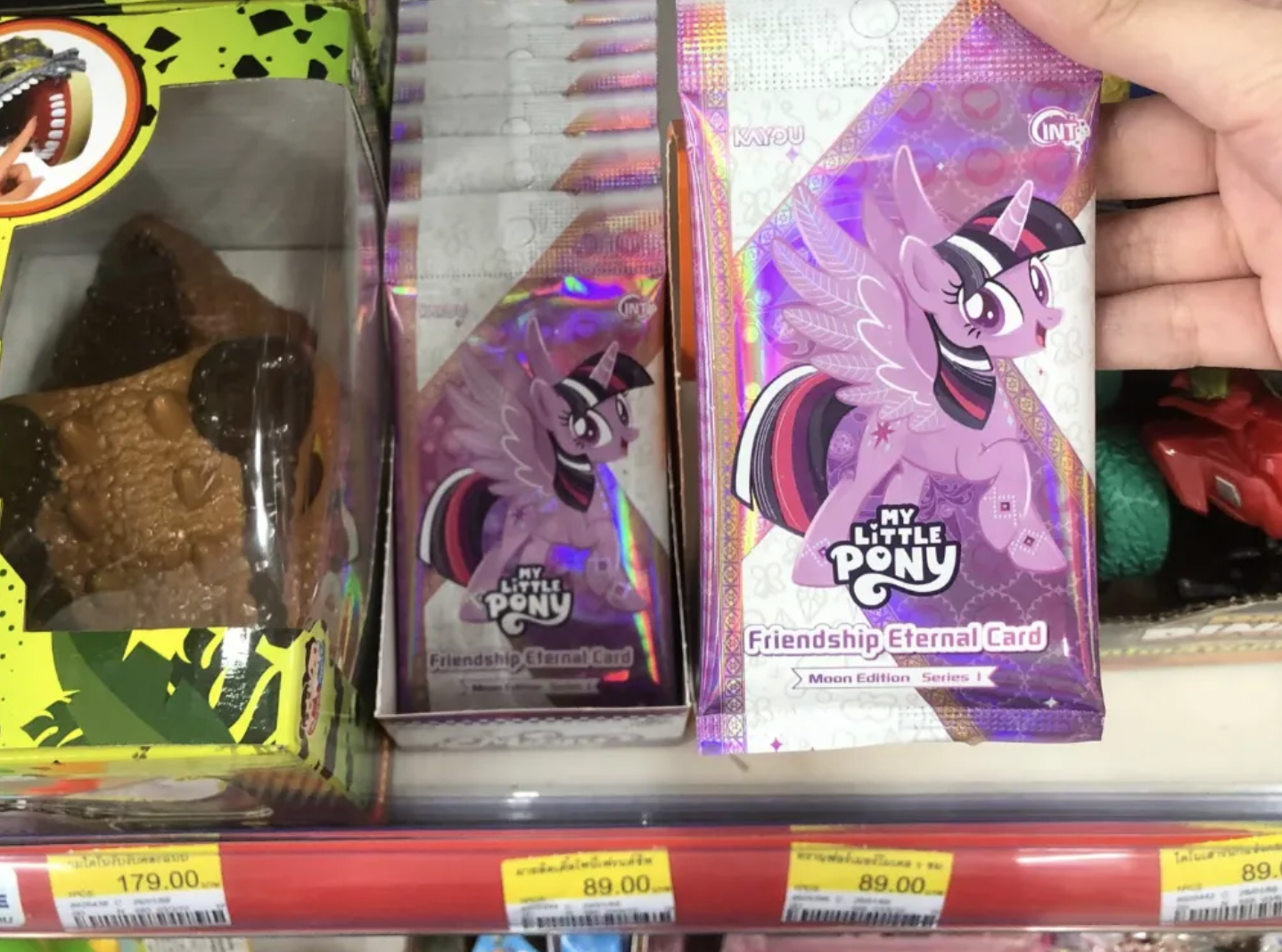
卡游出海,“卡”在没有自己的Labubu
Hu Xiu· 2025-09-16 00:13
Group 1 - The article discusses the expansion of Kayou, a card game company, into the Southeast Asian market, particularly Thailand, with the introduction of My Little Pony cards in local language packaging [1][3][4] - Kayou aims to replicate the success of Pop Mart by leveraging local distributors and marketing strategies to enhance brand visibility and sales in foreign markets [5][6][9] - The company has established various retail models for overseas operations, including regional agency partnerships, single-store franchises, collaborations with supermarkets, and e-commerce platforms [8][10][11] Group 2 - Kayou's strategy includes opening high-end stores in locations like Hong Kong and Macau, contrasting with its domestic focus on more affordable shopping environments [10][11] - The company is also exploring non-traditional channels, such as partnerships with cinema chains to promote limited edition cards tied to popular films [12] - Kayou has secured licensing agreements with major global IP holders, positioning itself among the top tier of domestic IP companies [16][18] Group 3 - The article highlights the challenge Kayou faces in finding a breakout product similar to Pop Mart's Labubu, as its current IPs lack the same level of global appeal [18][20] - Kayou's reliance on culturally specific IPs may hinder its ability to penetrate broader international markets, particularly in Southeast Asia where card culture is less established [21][30] - The company is compared to American trading card companies, which have successfully built a market presence through established sports IPs and diverse marketing strategies [23][24][25] Group 4 - Kayou's IPO process has faced delays, potentially due to compliance issues and the need for a stronger IP portfolio [31][32][35] - The company believes that international expansion could enhance its IP potential and support its IPO efforts by promoting Chinese cultural elements [33][35] - The future of Kayou's IPO and its impact on international growth remains uncertain, with developments expected in the coming months [35]
大麦娱乐20250915
2025-09-15 14:57
Summary of the Conference Call for Damai Entertainment Industry and Company Overview - **Company**: Damai Entertainment - **Core Businesses**: - Damai Live Ticketing Platform - Aliyu IP Licensing and Film-related Business - **Market Position**: Leading provider of live entertainment ticketing services in China, actively expanding into overseas markets [2][4] Key Points and Arguments Damai Live Ticketing Platform - **Revenue Growth**: Expected revenue of 21 billion in 2024 with a gross margin of 64% [2] - **User Growth**: Monthly Active Users (MAU) increased from a few million pre-pandemic to 20 million in 2024, peaking at 50 million [2][7] - **Market Expansion**: Significant growth in the large concert market, from 3-4 billion annually (2016-2019) to approximately 30 billion in 2024 [2][9] - **Service Fee**: The platform's service fee rate is around 7-8% [6] Aliyu IP Licensing and Derivative Products - **Revenue Increase**: Revenue grew from 200 million in 2019 to 1.4 billion in 2024, with a total agency amount of approximately 4 billion USD [2][10] - **Partnerships**: Collaborations with well-known IPs like Sanrio and Pokémon, which have significantly contributed to revenue [11][12] - **SKU Development**: Over 30,000 SKUs launched through partnerships with more than 200 brands [13] Market Trends and Future Outlook - **Concert Market Growth**: The concert market is projected to reach 300 billion in 2024, indicating a rapid recovery and growth post-pandemic [9] - **IP Licensing Market**: China's licensed market is expected to become the fourth largest globally by 2025, with continued rapid growth anticipated [14] Content Production and Film Ticketing - **Ticketing Market Share**: Taopiaopiao holds a stable market share of 30-40% in the film ticketing sector [15] - **Content Strategy**: Ali Pictures has adopted a "dual dragon" strategy, focusing on both ticketing and high-quality content production, with a projected revenue of 500 million from series in 2024 [15][16] Additional Important Insights - **Seasonal Demand**: MAU shows seasonal fluctuations, particularly during peak concert seasons [7] - **Diverse Event Hosting**: Damai actively hosts various events, including music festivals and theater productions, to enhance its influence in the entertainment sector [8] - **Profitability Challenges**: Despite revenue growth, the content production segment faces low gross margins due to customized production costs [16]
港股异动 | 小黄鸭德盈(02250)早盘涨超7% 上半年IP授权业务高增 拟收购潮玩公司HIDDEN WOOO
智通财经网· 2025-09-15 03:01
Core Viewpoint - The company, 小黄鸭德盈, reported a significant increase in revenue and announced plans to acquire潮玩公司HIDDEN WOOO, aiming to enhance its IP matrix and expand its product line targeting the young consumer market [1] Financial Performance - For the first half of the year, the company achieved a revenue of 82.31 million HKD, representing a year-on-year growth of 37% [1] - The IP licensing business generated revenue of 38.44 million HKD, with a year-on-year increase of 46%, and the number of licensed partners grew to 577 [1] - The retail business revenue reached 43.87 million HKD, marking a 31% year-on-year growth, focusing on潮玩盲盒, plush toys, AI toys, and light home goods [1] Acquisition Details - The planned acquisition of HIDDEN WOOO is expected to enhance the company's IP matrix and expand its潮玩 product line [1] - After the transaction, HIDDEN WOOO's founder, 黄嘉乐, will become the Vice President of the group, responsible for the潮玩 business segment [1] - The collaboration aims to develop innovative潮玩 products, including盲盒, vinyl figures, collectible sculptures, and trendy accessories [1] Market Expansion Strategy - With the support of 小黄鸭德盈, HIDDEN WOOO plans to accelerate its overseas market expansion, particularly in Europe [1] - The strategy includes establishing brand flagship stores and creating immersive retail spaces combined with localized marketing activities to deepen brand recognition and emotional connection [1]
小黄鸭德盈早盘涨超7% 上半年IP授权业务高增 拟收购潮玩公司HIDDEN WOOO
Zhi Tong Cai Jing· 2025-09-15 02:56
Core Viewpoint - The company, 小黄鸭德盈 (02250), experienced a significant stock price increase following the release of its mid-term performance report, which highlighted strong revenue growth and a strategic acquisition plan [1] Financial Performance - The company reported a revenue of 82.31 million HKD for the first half of the year, representing a year-on-year increase of 37% [1] - The IP licensing business generated revenue of 38.44 million HKD, up 46% year-on-year, with the number of licensed partners increasing to 577 [1] - Revenue from retail sales reached 43.87 million HKD, reflecting a 31% year-on-year growth, focusing on trendy blind boxes, plush toys, AI toys, and light home goods [1] Strategic Acquisition - The company announced plans to acquire the trendy toy company HIDDEN WOOO, which will enhance its IP matrix and expand its product line targeting the young consumer market [1] - Following the acquisition, HIDDEN WOOO's founder, 黄嘉乐, will become the Vice President of the group, overseeing the trendy toy business segment [1] Market Expansion - The acquisition is expected to accelerate HIDDEN WOOO's expansion into overseas markets, particularly in Europe, with plans for flagship store development [1] - The strategy includes creating immersive retail spaces and localized marketing activities to deepen brand recognition and emotional connection with consumers [1]
一次自救,“奥特曼”竟埋下百亿元损失的“时间炸弹”
Mei Ri Jing Ji Xin Wen· 2025-09-14 13:39
Core Insights - The article highlights the dissatisfaction of parents regarding the quality and pricing of the "Ultraman" children's theater performances, which are significantly more expensive than movie tickets, leading to complaints about misleading advertising and poor execution [1][2][3] Group 1: Performance Quality and Consumer Experience - Parents reported that the performances, priced at six times that of movie tickets, failed to deliver promised experiences, such as VIP packages and quality production values, resulting in disappointment for both children and parents [2][3] - The performances were criticized for lacking professional production elements, with costumes that did not adequately conceal performers and overall poor audio-visual quality [2][3] - Legal experts indicated that consumers could claim refunds based on misleading advertising and unmet contractual obligations, emphasizing the need for higher quality standards in children's cultural products [3] Group 2: Licensing and Authorization Issues - The article discusses the confusion surrounding the licensing of "Ultraman" performances, noting that multiple companies hold different rights to the IP, leading to inconsistencies in quality and pricing [6][7] - The authorization fees for performances can be as low as 3,000 yuan per show, raising concerns about the quality of productions that can be offered at such low costs [5][6] - The original rights holder, New Chuanghua, has not authorized cinema performances, indicating potential unauthorized use of the IP by other companies [5][6] Group 3: Market Dynamics and Financial Implications - The article outlines the significant financial potential of the "Ultraman" IP, with estimates suggesting that the licensing and derivative product market could be worth tens of billions, highlighting the long-term financial impact of historical licensing decisions [7][9] - Companies leveraging the "Ultraman" IP have seen substantial revenue growth, with examples of firms achieving over 100 billion yuan in revenue due to successful product lines based on the IP [9][10] - The fragmented licensing landscape has led to market confusion and varying product quality, which could harm the brand's reputation and consumer trust [8][10]
国际IP深耕中国市场有“奇”招
Sou Hu Cai Jing· 2025-09-13 11:43
Core Insights - The article highlights the significant market presence of The Walt Disney Company in the global licensing industry, emphasizing its continued leadership and success in the Asia-Pacific region, particularly in Greater China [1][5][6] Group 1: Licensing and Market Performance - The Walt Disney Company has maintained its position as the top global licensor for over a decade, with multiple IPs achieving notable success in the Chinese market [1] - In the Asia-Pacific region, over 7,000 new licensed products themed around "Stitch" will be launched in 2024, making it the second-largest licensed character series after Mickey Mouse [5] - The licensing business related to "Zootopia" has seen a threefold increase in Greater China since December 2023, with expectations to release over 2,000 related licensed products by the end of 2025 [5] Group 2: Consumer Engagement and Trends - The company focuses on emotional resonance, creating memorable experiences, and storytelling to connect with contemporary audiences [6] - Disney aims to cater to the evolving preferences of different generations, particularly Generation Z and Generation Alpha, by offering products that emphasize emotional companionship, smart technology, social interaction, and personal expression [6] - The product development team shared insights on new generation consumption habits, identifying categories like emotional support and trending products as potential growth areas [6] Group 3: Retail Strategy and Expansion - Disney plans to strengthen its retail operations by expanding teams and enhancing creative product development to drive growth [8] - The company has over 70 partners engaged in cross-border business, with growth in related operations exceeding expectations, indicating strong future potential [8] - Disney's initiatives, such as the "Disney Gathering Party" and themed events in major Chinese cities, aim to create fresh entertainment retail experiences and attract millions of fans and consumers [8]