
贸易战

Search documents
交易已清零,中方直接不买了!特朗普愤怒也没用,叫嚣要拉上27国对中国加税100%
Sou Hu Cai Jing· 2025-09-15 02:31
Core Insights - The global energy market is experiencing a significant shift, with China halting imports of U.S. energy products, including LNG, crude oil, and coal, leading to a near-zero procurement level [1][4][7] - This drastic change indicates a structural desensitization, as China actively removes U.S. energy from its import list, suggesting a long-term trend that is difficult to reverse [4][7] Group 1: Market Dynamics - The U.S. has been a core player in the global energy supply chain, becoming the largest LNG exporter, with China being its biggest buyer [4] - The trade war initiated by the Trump administration, characterized by aggressive tariffs, has had severe repercussions, particularly in the energy sector [4][7] - Recent customs data revealed that China's imports of U.S. energy products hit a five-year low, indicating a significant market shift [4][7] Group 2: Strategic Shifts - Since March, China has nearly stopped importing U.S. LNG, and by June, it completely ceased crude oil purchases, with coal imports dropping from millions of tons to negligible amounts [7] - The U.S. energy price burden has increased due to tariffs, making American energy less competitive in the Chinese market [7] - China's energy supply chain is undergoing structural reconfiguration, with countries like Saudi Arabia, Russia, Qatar, and Australia becoming primary suppliers, replacing U.S. energy [7] Group 3: Geopolitical Implications - The outbreak of the Russia-Ukraine conflict has led to significant fluctuations in global energy prices, prompting China to adjust its procurement strategy away from U.S. energy [7] - Trump's proposed 100% tariffs and attempts to rally 27 allied nations to pressure China reflect a broader strategy to challenge China's influence in the global energy market [9] - However, many of these allied nations are reluctant to sacrifice their trade relations with China, complicating the feasibility of Trump's strategy [9]

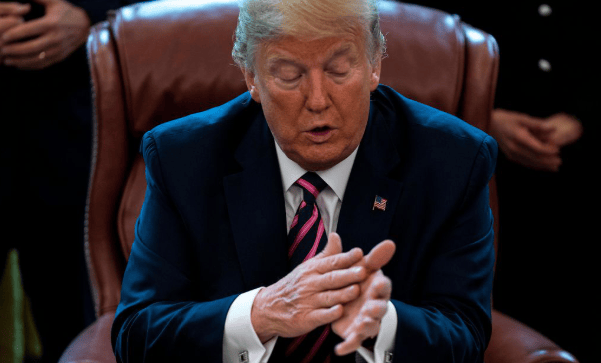
订单清零!特朗普是真没办法了,中方这次不买了,美国人很绝望:中国不买只能搅碎
Sou Hu Cai Jing· 2025-09-15 02:05
Core Insights - Trump's call for China to quadruple soybean orders is seen as unrealistic and disconnected from market realities, as China has shifted its procurement strategy away from the U.S. to countries like Brazil [1][3][5] - U.S. farmers are facing significant anxiety as they await orders from China, which has historically been a major buyer of U.S. soybeans, but is now delaying purchases, marking the latest order wait in nearly 20 years [1][5] - The trade war initiated by Trump has fundamentally altered the dynamics of the soybean market, with China diversifying its suppliers and reducing reliance on U.S. soybeans [3][5][7] Market Dynamics - The Chicago futures market saw a slight uptick in soybean prices following Trump's announcement, but this is viewed as a temporary reaction amidst deep concerns within the U.S. agricultural sector [3] - The U.S. Soybean Association has expressed strong dissatisfaction with Trump's tariff policies, indicating that the loss of China as a buyer poses a risk to the entire industry [3][5] - Brazil's soybean industry is experiencing growth due to improved infrastructure and logistics, allowing for efficient delivery to China, which has become a strategic partner beyond mere trade [5][7] Strategic Shifts - China's procurement strategy has evolved to include a variety of suppliers, indicating a significant shift in its approach to securing soybean imports [7] - Trump's proposal for increased orders lacks substantive backing and fails to address the underlying issues affecting U.S.-China trade relations [7] - The ongoing trade war has not only impacted tariffs but has also deeply affected the livelihoods of American farmers, highlighting the broader implications of the conflict [7]
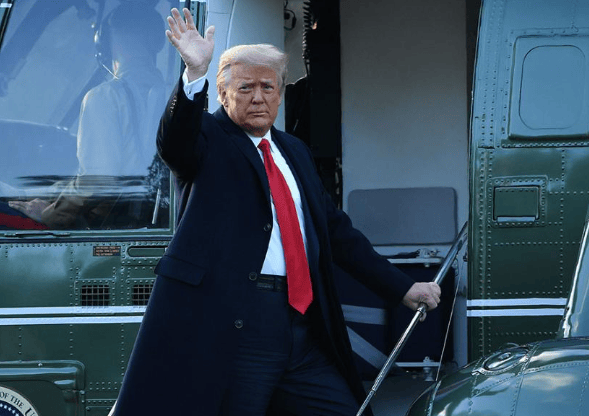
中美在西班牙举行经贸会谈
Huan Qiu Wang· 2025-09-15 01:24
Group 1 - The US and China held trade talks in Madrid on September 14, focusing on unilateral tariffs, export controls, and TikTok [1][3][8] - The US Department of Commerce added 32 entities to its export control list, including 23 from mainland China, with 13 related to semiconductors and integrated circuits [4][5] - China initiated two investigations against the US regarding discriminatory practices in the integrated circuit sector and anti-dumping measures on imported simulation chips [1][6] Group 2 - The trade talks in Madrid are seen as a significant diplomatic opportunity for Spain, enhancing its status as a strategic negotiation center [2][3] - The ongoing trade war has impacted global economic stability, with the US extending the tariff truce for another 90 days, set to expire in November [3][4] - The Chinese semiconductor industry is facing challenges due to US export restrictions and price undercutting from American firms in the simulation chip market [6][7]
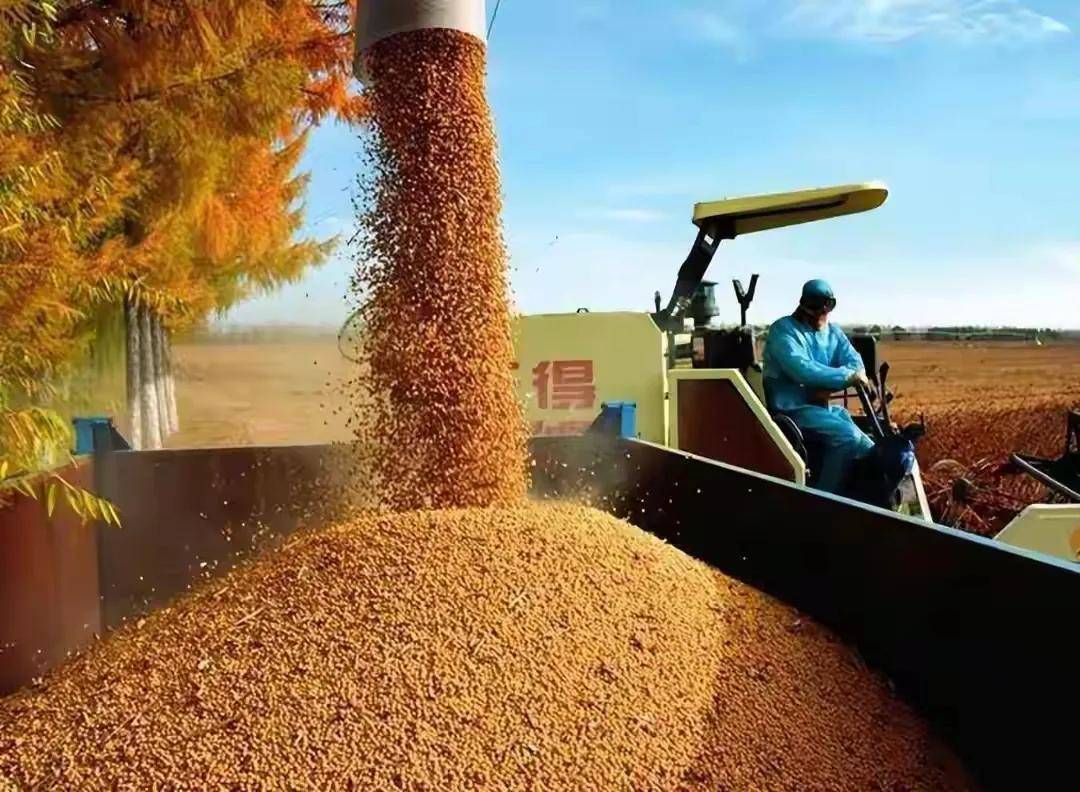
中国一单不下,美国大豆农民慌了!美国简直谷仓着火!这一次,美国大豆业大刀临头!
Sou Hu Cai Jing· 2025-09-14 23:08
Core Insights - The trade war initiated by the U.S. has adversely affected American farmers, particularly in the soybean sector, as China has ceased purchasing U.S. soybeans during the harvest season [1] - China's unique dietary habits and large population create a significant demand for soybeans, which has historically been met by U.S. imports [3][5] - The U.S. once supplied over 90% of China's soybean imports, but this figure has drastically dropped to below 30% due to China's search for alternative suppliers like Argentina and Brazil [7][9] Group 1: Soybean Demand in China - Soybeans are crucial for feeding pigs, which is significant given China's high pork consumption, making it the largest meat market [3] - Soybeans are also used to produce various food products such as soy milk, tofu, and cooking oil, which are integral to Chinese cuisine [3] - The large population of China, approximately 1.4 billion, drives a massive demand for soybeans that local production cannot satisfy [5] Group 2: Impact of Trade Policies - The imposition of tariffs by the Trump administration led to a significant reduction in U.S. soybean exports to China, disrupting the established supply chain [7][9] - The U.S. agricultural sector, particularly soybean farmers, is facing challenges as they cannot halt production despite the drop in Chinese demand [10] - The U.S. government and grain merchants are exploring various strategies to compel China to resume purchasing American soybeans, highlighting the economic stakes involved [12] Group 3: Historical Context and Future Outlook - The historical reliance on U.S. soybeans has created a robust agricultural industry in the U.S., which is now threatened by changing trade dynamics [7] - The shift in China's import strategy reflects a broader change in the global agricultural market, as China seeks to diversify its sources of soybeans [9] - The situation underscores the complexities of international trade and the interconnectedness of global agricultural markets [12]
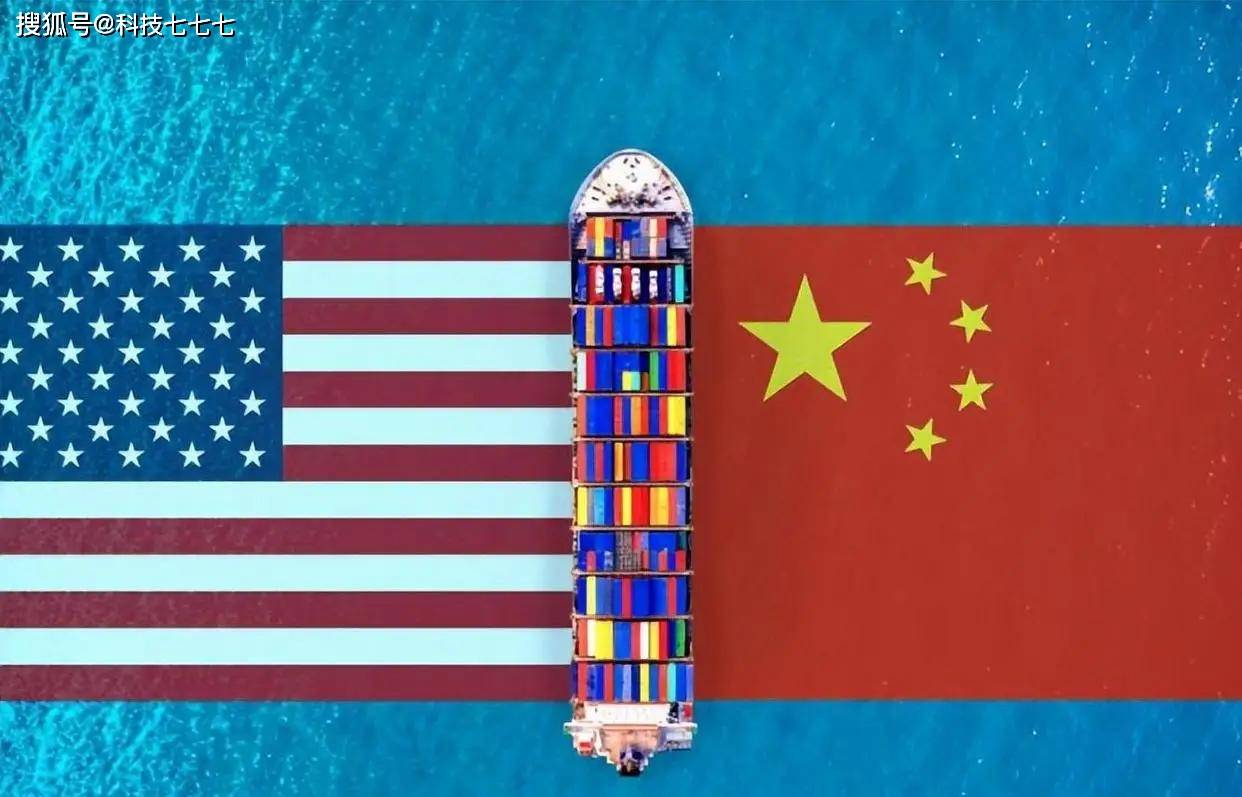
中美在西班牙举行经贸会谈,将讨论美单边关税措施、滥用出口管制及TikTok等问题
Huan Qiu Shi Bao· 2025-09-14 23:07
Group 1: US-China Trade Talks - The US and China held trade talks in Madrid on September 14, focusing on issues such as unilateral tariffs, export controls, and TikTok [1][2][3] - The talks are seen as an opportunity to extend the truce in the ongoing trade war, which has impacted the global economy [3] - The US announced sanctions against 32 entities, including 23 from mainland China, prior to the talks, indicating stricter export controls on advanced chips [4][5] Group 2: China's Response - China initiated two investigations against the US, including a discrimination investigation related to integrated circuits and an anti-dumping investigation on imported simulation chips from the US [6][7] - The anti-dumping investigation was prompted by a significant increase in imports from the US, with a reported cumulative growth of 37% from 2022 to 2024, while prices dropped by 52% [7][8] - The Chinese Ministry of Commerce emphasized that the US's actions are seen as a form of unilateralism and bullying, which distorts the global market and harms legitimate business interests [5][6] Group 3: Implications for Semiconductor Industry - The semiconductor industry is particularly affected, with the US imposing stricter controls on high-end chips while simultaneously engaging in price dumping of simulation chips [4][8] - The investigation into simulation chips highlights the significant market share of US imports in China, which rose from 47.81% in 2022 to 62.14% in 2024 [8] - The ongoing trade tensions and investigations are expected to impact the stability of the global semiconductor supply chain [6][8]
中国订单归零,美国豆农:中国不要,只能搅碎!贸易战反噬来了
Sou Hu Cai Jing· 2025-09-14 16:43
Core Viewpoint - The article highlights the severe impact of China's ban on U.S. soybean imports, leading to a crisis for American farmers during a record harvest season, with orders from China dropping to zero, resulting in significant financial losses for farmers [1][3]. Group 1: Current Situation of U.S. Soybean Farmers - U.S. farmers are facing a paradoxical situation where a record soybean harvest coincides with a complete lack of orders from China, their largest customer, leading to prices plummeting by 40% compared to three years ago [3][5]. - The cost of producing soybeans has exceeded $600 per acre, while current market prices in North Dakota are as low as $8.83 per bushel, far below the cost of production [3][5]. - Farmers are caught in a dilemma of either selling at a loss or incurring high storage costs if they wait until winter [3]. Group 2: China's Strategic Shift - China's decision to stop importing U.S. soybeans is not a sudden reaction but rather a result of years of strategic planning, with 71% of its soybean imports now sourced from Brazil [5]. - Brazil set a record by exporting 15.7 million tons of soybeans to China in March alone, indicating a significant shift in supply chains [5]. - Additionally, China's domestic initiatives to reduce reliance on soybean meal have led to an 8% decrease in usage over the first ten months of the year [5]. Group 3: Political Implications - The agricultural states that traditionally supported Trump are now feeling the brunt of the trade war, with significant backlash from farmers, including the Indiana Agricultural Association withdrawing sponsorship for the Republican midterm elections [7]. - Trump's attempts to negotiate with China have been met with silence, further exacerbating the situation for farmers [7]. Group 4: Global Trade Dynamics - The global soybean trade landscape has shifted, with Brazil expected to produce 169 million tons in 2024, capable of meeting China's demand without U.S. soybeans [9]. - The U.S. lacks a comparable buyer to China, highlighting the vulnerability of American farmers in the current trade environment [9]. Group 5: Broader Insights - The article emphasizes that in today's globalized economy, unilateral dominance is unsustainable, and proactive strategies are essential for resilience [11][12]. - The situation serves as a reminder that dependency poses significant risks, and maintaining control is crucial for both nations and individuals [11][12].
不止大豆,美国高粱也卖不动了!中国一纸批文改写贸易格局
Sou Hu Cai Jing· 2025-09-14 14:20
Core Viewpoint - The article highlights the significant impact of U.S.-China trade tensions on American farmers, particularly in the grain market, as China shifts its imports from the U.S. to Brazil, leading to a drastic decline in U.S. agricultural exports to China [1][3][5]. Group 1: Trade Dynamics - The U.S. has seen a dramatic drop in high-quality grain exports to China, with sorghum exports plummeting from over 1.4 million tons to 82,000 tons, a decline of 95% [3][5]. - China has officially approved the import of Brazilian sorghum, with shipments expected to begin in 2025, marking a significant shift in sourcing strategies [3][5]. - The U.S. soybean market is facing its coldest harvest season since the trade war began, with record imports of Brazilian soybeans by China, exacerbating the situation for American farmers [3][5]. Group 2: Market Adaptation - Brazil has capitalized on the opportunity to become a more reliable supplier for China, offering lower land costs, cheaper labor, and improved logistics, which has made it a more attractive partner [5][7]. - The article notes that China's agricultural import structure has diversified significantly in less than seven years, allowing it to find alternative suppliers like Brazil, Argentina, Canada, and Indonesia [7][8]. - The shift in sourcing reflects a broader trend in international trade where reliability and stability in supply chains are prioritized over traditional partnerships [8]. Group 3: Political and Economic Implications - The ongoing trade war has led to a situation where American farmers feel the brunt of political decisions, with calls for agriculture to remain free from political manipulation [7][8]. - The U.S. Supreme Court's upcoming review of the legality of Trump's tariff policies could have significant financial implications, potentially returning up to $1 trillion in taxes, but the lost market share may not be recoverable [7][8]. - The article emphasizes that the consequences of trade wars often fall on the most vulnerable, such as farmers, who are left to navigate the complexities of international trade without understanding the political landscape [7][8].
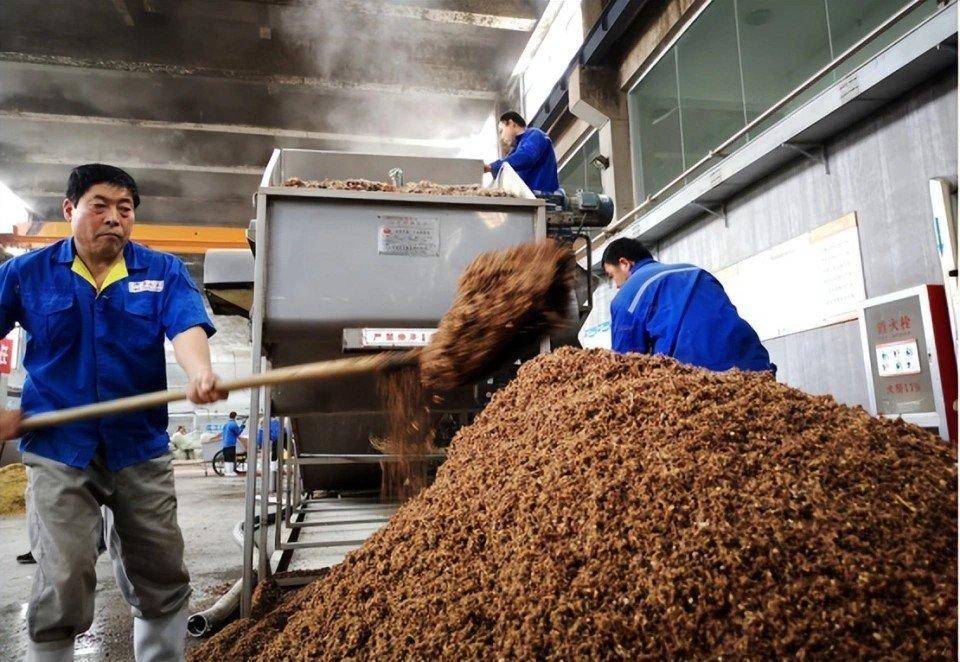
中国一单没下,美国大豆被判死刑,特朗普明白,要按中国规矩办事
Sou Hu Cai Jing· 2025-09-14 11:04
Core Viewpoint - The U.S. soybean industry is facing a severe crisis due to the lack of orders from China, which was previously its largest buyer, leading to potential unsold crops and financial distress for farmers [1][3][8]. Group 1: Impact of Trade War - The U.S. soybean industry relies heavily on exports, with approximately 50% of its production designated for international markets, and China accounting for more than the total of all other buyers combined [3][6]. - The Trump administration's aggressive trade policies, including a 34% tariff and subsequent increases to 145%, have not yielded positive results for U.S. farmers, who are now at risk of unsold crops [3][10]. - The ongoing trade war has led to a significant downturn in the U.S. soybean market, with farmers facing the prospect of crops rotting in the fields due to lack of sales [1][8]. Group 2: China's Position - China is the world's largest soybean buyer, responsible for approximately 60% of U.S. soybean exports prior to the trade tensions, and has diversified its sources of soybean imports, significantly reducing reliance on U.S. products [6][10]. - As of 2023-2024, China is projected to purchase 25 million tons of U.S. soybeans, while the European Union is expected to buy only 4.9 million tons, highlighting the disparity in demand [8]. - China's strategic shift towards sourcing soybeans from countries like Brazil and Russia has further diminished the U.S. market share, with imports from Brazil alone rising to 71% [10][12]. Group 3: Future Outlook - The future of U.S. soybean exports to China hinges on the U.S. government's willingness to reconsider its trade policies, including the potential removal of unreasonable tariffs [12][13]. - The restoration of trust and cooperation between the U.S. and China is essential for the U.S. soybean industry to recover, as China has multiple options for soybean sourcing and is no longer solely dependent on U.S. products [13]. - The ongoing negotiations and the U.S. administration's approach will determine whether the soybean market can stabilize or if the crisis will deepen [5][12].

特朗普亲自求情也没用,美国人这才明白,中方反制的时机已经来了
Sou Hu Cai Jing· 2025-09-14 04:43
中国对大豆进口策略的调整引发美国农业危机,贸易战反制效果显著 近期正值美国大豆出口的黄金季节,按照往年惯例,这本应是中美农产品贸易最繁忙的时期。然而令国际市场意外的是,中国采购商并未如预期般大规模 购入美国大豆,而是将订单转向了巴西、阿根廷等南美主要大豆生产国。这一战略性调整直接导致美国中西部农业带出现大规模大豆滞销,芝加哥期货交 易所大豆期货价格持续走低,大量收割完毕的豆子积压在谷仓无法变现。美国农业部的数据显示,仅9月份美国大豆对华出口量同比骤降72%,这让高度 依赖中国市场的美国豆农陷入前所未有的困境。 这场精准的贸易反制行动,其根源要追溯到特朗普政府单方面挑起的中美贸易摩擦。作为全球最大的大豆消费国,中国每年需要进口近1亿吨大豆以满足 国内食用油压榨和饲料生产需求,而美国长期以来都是中国最主要的大豆供应国之一。这种紧密的供需关系使得美国农业带形成了对中国市场的深度依 赖,仅2017年对华大豆出口额就高达120亿美元。特朗普政府却误判形势,将中美贸易逆差简单归咎于农产品贸易,并在2018年对中国商品加征高额关 税,最终招致中国的对等反制。 值得注意的是,在贸易战初期,美国大豆协会就曾发出预警。该组织主席 ...
美国逼G7对中国下战书,自己却准备派人到北京,要谈一件大事
Sou Hu Cai Jing· 2025-09-14 04:14
Group 1 - The core viewpoint of the articles highlights the U.S. government's pressure on G7 and EU to impose punitive tariffs on China and India due to their continued purchase of Russian oil, which the U.S. views as supporting Russia's war efforts [1][3] - The U.S. strategy to form an anti-China alliance is driven by its inability to confront China alone, as China controls critical strategic resources like rare earths, leading to setbacks for the U.S. in trade negotiations [3] - The inclusion of India in the U.S. sanctions list indicates a shift in U.S.-India relations, as India has begun to lean towards China and Russia after feeling slighted by previous U.S. demands [5] Group 2 - Economically, the U.S. request for China and India to abandon Russian oil in favor of more expensive U.S. energy contradicts market principles, as both countries prioritize their economic interests [7] - The U.S. has been engaging in diplomatic gestures towards China, such as sending a high-level congressional delegation to Beijing, which marks the first visit in six years, indicating a desire to stabilize military relations [8] - The U.S. military's recent actions suggest an intention to add safeguards to U.S.-China military relations, but true improvement in bilateral relations requires more than just symbolic gestures [8]
