自动驾驶

Search documents
平头哥芯片卖爆了!
国芯网· 2026-01-30 13:58
Core Viewpoint - The article highlights the advancements and market position of Alibaba's chip business, particularly the "Zhenwu" PPU chip, which has surpassed competitors in China's GPU market and is gaining traction in various applications, including AI and autonomous driving [2][4]. Group 1: Product Performance and Features - Alibaba's "Zhenwu" PPU chip has achieved a shipment volume of several hundred thousand units, surpassing competitors like Cambricon and establishing itself as a leader among domestic GPU manufacturers [2]. - The "Zhenwu" PPU chip features a self-developed parallel computing architecture and inter-chip communication technology, with a memory capacity of 96G HBM2e and an inter-chip bandwidth of 700 GB/s, making it suitable for AI training, inference, and autonomous driving applications [4]. - The chip has been deployed in large-scale for training and inference of the Qianwen large model, optimized with Alibaba Cloud's complete AI software stack, serving over 400 clients including State Grid of China, Chinese Academy of Sciences, XPeng Motors, and Sina Weibo [4]. Group 2: Market Reception and Competitive Edge - Industry insiders report that the overall performance of the "Zhenwu" PPU exceeds that of NVIDIA's A800 and is comparable to NVIDIA's H20, indicating a strong competitive position [4]. - The "Zhenwu" PPU is noted for its excellent stability and cost-effectiveness, receiving positive feedback in the industry, with a market showing signs of supply exceeding demand [4]. - The company, PingTouGe, was established in September 2018 as Alibaba's wholly-owned semiconductor chip business to advance its integrated cloud chip strategy [4].


丰田全方位战略:保留内燃机的觉悟
36氪· 2026-01-30 13:35
Group 1 - Toyota is committed to maintaining the total number of internal combustion engines until 2030, emphasizing the continued relevance of engines in the automotive industry [4][10] - The company plans to develop various high-power engines and increase local production of core components in the U.S. to meet rising demand for hybrid vehicles [10][13] - In response to stringent environmental regulations, Toyota's upcoming GR GT supercar will feature a 4-liter V8 engine and will be developed independently, marking a shift from previous collaborations [6][9] Group 2 - In the U.S., hybrid vehicles accounted for approximately 13% of new car sales from July to September 2025, indicating strong market demand [13] - Toyota's new SUV, RAV4, will be produced locally in North America, with plans to increase the production of hybrid models and components domestically [14][15] - The company is facing challenges in the Chinese market, where it plans to focus on developing models specifically for local consumers, such as the bZ3X electric SUV [17][18] Group 3 - Toyota's R&D expenses for the fiscal year 2024 are projected to be 1.3 trillion yen, reflecting the increased costs associated with a comprehensive power source strategy [21] - The company is collaborating with NTT on AI and communication infrastructure to enhance safety and with Waymo for advancements in autonomous driving technology [21] - A new business model is necessary for Toyota to navigate the evolving automotive landscape and maintain competitiveness [22]

政校企研共筑自动驾驶 行业生态交流大会在粤举办
Zhong Guo Xin Wen Wang· 2026-01-30 13:04
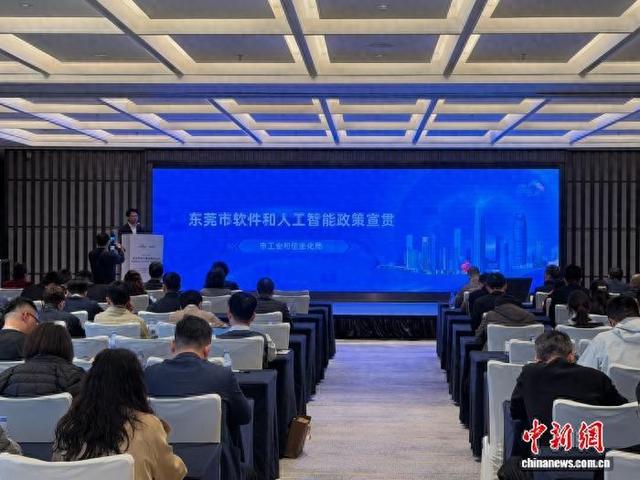
中新网东莞1月30日电 (记者 方伟彬)东莞自动驾驶行业生态交流大会30日在广东东莞举办。本次大会 以"开源聚力 智绘山海"为主题,汇聚了40余位政府嘉宾、超100家企业、30余所高校和6家行业协会, 共同探索开源新路径,开启自动驾驶新征程。 东莞自动 驾驶行业生态交流大会现场。方伟彬 摄 东莞市工业和信息化局副局长曾庆云表示,大会不仅是行业前沿成果的展示窗口,更是凝聚政、产、 学、研、用多方力量,共筑开源生态、共谋未来发展的关键平台。 百度智能驾驶事业群运营管理总经理、自动驾驶产品负责人李涛表示,当前,自动驾驶技术进入从可用 到可信的关键阶段,行业迎来大规模化落地。用户对自动驾驶的期待,早已超越炫技式的功能演示,转 而聚焦于稳定、安全、高效且富有温度的服务体验。 会上,百度Apollo正式发布开放平台的全新升级版本——Apollo开放平台11.0。据悉,作为全球首个自 动驾驶开放平台,百度Apollo开放平台自2017年发布以来,持续聚焦自动驾驶前沿技术探索与应用场景 落地,推动开源社区治理与生态伙伴机制双环驱动,形成"技术驱动场景落地、场景反哺技术迭代"的产 学研生态模式。截至目前,平台已经汇聚26万开发 ...

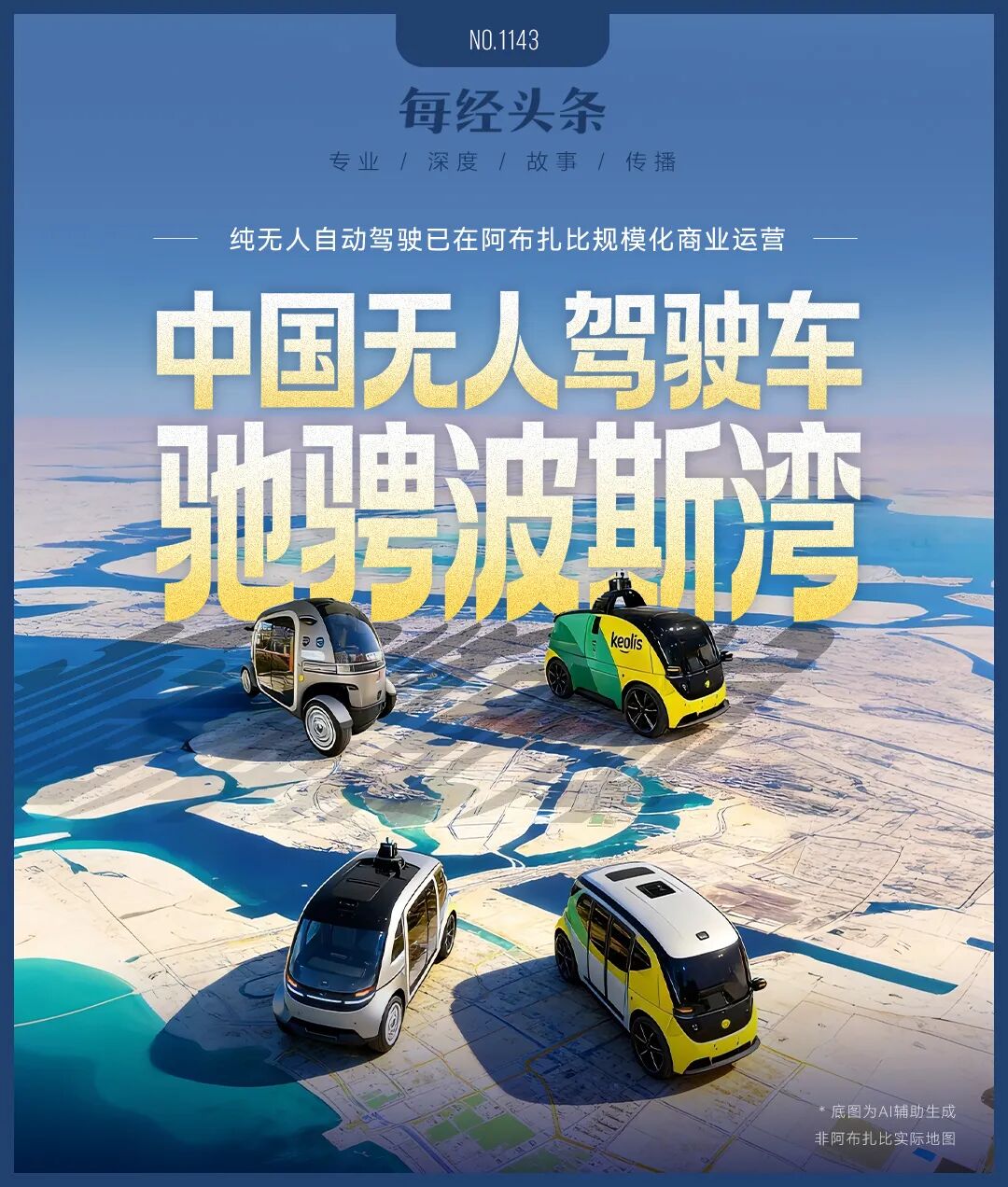
中国无人驾驶“军团”,“武装”阿布扎比
Mei Ri Jing Ji Xin Wen· 2026-01-30 11:48
Core Insights - The article highlights the rapid development and commercialization of autonomous driving technology in Abu Dhabi, driven primarily by Chinese companies [5][24]. - The collaboration between Chinese enterprises and the Abu Dhabi government has created a conducive environment for the deployment of autonomous vehicles, including the world's first Robotaxi service integrated with Uber outside the US [3][7]. Group 1: Autonomous Driving Developments - In November 2025, Abu Dhabi will host the first global Robotaxi service connected to Uber, operated by the Chinese company WeRide [3]. - The autonomous driving trend in Abu Dhabi is a result of years of collaboration between Chinese firms and the local government, with WeRide obtaining the first autonomous driving road test license in the UAE in July 2023 [5]. - WeRide's Robotaxi service has achieved a daily order volume of 15 to 21 rides, which is over 60% of the average daily rides of conventional taxis in the area [5]. Group 2: Government Support and Ecosystem - The Abu Dhabi government has transitioned from a regulatory role to an ecosystem builder, integrating various stakeholders to support the growth of autonomous driving technology [13][14]. - During the Abu Dhabi Smart and Autonomous Technology Week, 29 commercialization agreements were signed, with over 70% involving Chinese companies [7]. - The local government's support has significantly reduced operational costs for autonomous vehicles, allowing for a lower threshold for profitability compared to other markets [14]. Group 3: Market Potential and Investment - The UAE's investment commitments in AI and autonomous driving exceeded $2 billion in the first half of 2025, with a projected market size of $2.73 billion for autonomous driving by 2030, growing at a CAGR of 19.2% [18]. - The unique social structure in Abu Dhabi, with a high percentage of expatriates, minimizes resistance to job displacement concerns associated with autonomous driving [15]. - The establishment of a comprehensive ecosystem in Abu Dhabi is aimed at reducing reliance on oil and fostering a "smart manufacturing" economy, with significant investments planned for AI technologies [18][20]. Group 4: Chinese Companies' Role - Over 6,000 Chinese companies are operating in the UAE, with 72% reporting profitability in 2023, indicating a strong presence and growth potential in the region [24]. - Chinese firms are not only bringing advanced technology but also replicable operational models, positioning Abu Dhabi as a hub for autonomous driving technology in the Middle East [24]. - The successful integration of autonomous driving technology in Abu Dhabi reflects the robust capabilities of China's autonomous driving industry and its potential for global expansion [24].


上汽集团:AI4S主要应用在智能驾驶与自动驾驶研发过程中
Zheng Quan Ri Bao Wang· 2026-01-30 11:42
Group 1 - The core viewpoint of the article is that SAIC Motor Corporation (600104) is actively utilizing AI4S technology primarily in the development of intelligent driving and autonomous driving [1]

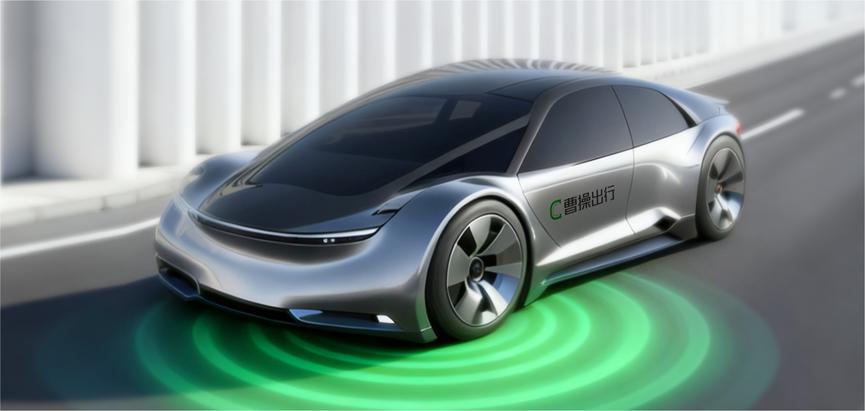
网约车业务突围无望,曹操出行想靠Robotaxi翻身
3 6 Ke· 2026-01-30 11:12
Core Viewpoint - Companies that occupy a core position in the capital market or accumulate strong growth momentum in emerging sectors are worthy of attention. Caocao Travel, currently in a loss-making situation, is targeting the ambitious Robotaxi narrative with plans to deploy 100,000 fully customized Robotaxis globally by 2030 [1][3]. Group 1: Business Strategy and Market Position - Caocao Travel has set a strategic goal of "Ten Years, One Hundred Cities, One Hundred Billion," aiming to establish five operational centers globally and promote Robotaxi services to 100 cities, with a cumulative GTV (Gross Transaction Value) of 100 billion RMB over the next decade [3]. - Despite being one of the first ride-hailing platforms in China, Caocao Travel has struggled to gain a competitive edge, ranking second in market share with 5.4% compared to Didi's 70.4% as of 2024 [4][6]. - The company has been forced to invest heavily to retain drivers and attract users due to its lack of market influence, leading to significant financial strain [6][10]. Group 2: Financial Performance and Challenges - Caocao Travel's financial reports indicate a continuous loss, with net losses of 2.007 billion RMB, 1.981 billion RMB, 1.246 billion RMB, and 495 million RMB from 2022 to the first half of 2025, totaling 5.729 billion RMB [9][14]. - The company's gross margin is low, with a projected gross margin of only 8.1% for 2024, compared to Didi's 14.5% [9]. - The reliance on aggregation platforms has increased, with the share of orders from these platforms rising from 51.4% in 2022 to 85.7% in 2024, which has also led to higher commission costs that erode profit margins [10][12]. Group 3: Research and Development Limitations - Caocao Travel's R&D spending has been limited, with annual expenditures of 225 million RMB, 339 million RMB, 234 million RMB, and 117 million RMB from 2022 to the first half of 2025, resulting in a declining R&D expense ratio [19]. - The company is attempting to pivot towards Robotaxi technology, but its limited R&D budget hampers its ability to compete effectively in the autonomous driving sector [15][19]. - The market has reacted negatively to Caocao Travel's financial instability and limited R&D investment, with its stock price dropping significantly from a high of 92.5 HKD to 35.66 HKD, indicating a lack of confidence from investors [19].
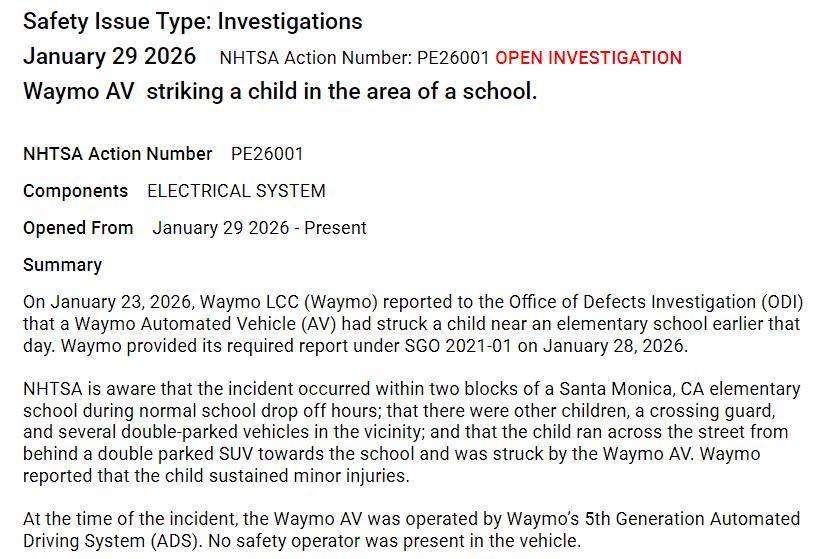
Waymo遭遇鬼探头,Robotaxi在校门口把儿童给撞了
3 6 Ke· 2026-01-30 11:06
Core Viewpoint - Waymo's autonomous vehicle was involved in an accident where it struck a child near a school, raising concerns about the safety of self-driving technology, but the company argues that human drivers would have likely caused more severe injuries in a similar situation [1][2][6]. Group 1: Accident Details - The incident occurred during peak school hours when a child unexpectedly ran into the street from behind a parked SUV, leading to the collision with Waymo's fifth-generation autonomous vehicle, which had no safety driver onboard [2][5]. - Waymo reported that the vehicle's system detected the child and initiated emergency braking, reducing the speed from approximately 27.4 km/h to below 9.7 km/h before impact [5]. - Following the accident, the child was able to stand and walk to the sidewalk, and Waymo contacted law enforcement to report the incident [5]. Group 2: Safety Assessment - Waymo conducted a review using a "peer-reviewed model" to assess the safety of its autonomous driving system, concluding that a focused human driver would have collided with the child at a higher speed of 22.5 km/h, more than double the speed at which the Waymo vehicle struck [6][8]. - The National Highway Traffic Safety Administration (NHTSA) is currently evaluating whether Waymo's vehicles take appropriate precautions when encountering vulnerable road users like children [5]. Group 3: Public Perception and Future Plans - Despite the accident, some public sentiment suggests that Waymo's technology may be safer than human driving, as it aims to minimize injury in such incidents [7][11]. - Waymo is expanding its operations, recently launching Robotaxi services in Miami, marking its sixth city in the U.S. and planning to enter 12 more cities this year [12][15]. - The company is also introducing a new model of autonomous vehicle equipped with advanced sensors and technology, enhancing its service offerings [17]. Group 4: Competitive Landscape - Waymo's expansion includes entering the airport transportation sector, a lucrative market traditionally dominated by ride-hailing companies like Uber and Lyft [15]. - The company is set to launch Robotaxi services in London by the end of 2023, positioning itself against other leading players in the autonomous vehicle market [19][21]. - Comparatively, Tesla's Robotaxi service has faced scrutiny due to a significantly higher accident rate, with incidents occurring at a rate nine times greater than that of human drivers [22][24][25].
特斯拉自动驾驶出租车事故率是人类司机9倍?美监管机构数据曝光
Sou Hu Cai Jing· 2026-01-30 10:28
Core Insights - Tesla's Robotaxi fleet reported 9 low-speed collision incidents over approximately 500,000 miles driven from July to November 2025, resulting in an accident rate 9 times higher than that of human drivers [1][2] - The transparency of Tesla's Robotaxi accident reporting has raised concerns, as all accident narratives submitted to NHTSA are redacted, limiting external understanding of the incidents [1] Group 1: Accident Data - Between July and November 2025, Tesla reported 9 crashes involving its Robotaxi fleet in Austin, Texas [2] - Specific incidents included a right turn collision, a collision with an SUV in a construction zone, and hitting a cyclist, among others, with speeds ranging from 6 mph to 27 mph [2] Group 2: Comparison with Competitors - Waymo, an earlier entrant in the autonomous driving space, has accumulated over 25 million miles with a significantly lower accident rate than human drivers and does not redact accident information [2] - The data indicates that autonomous driving systems still face significant challenges in complex urban environments, particularly in dynamic situations involving intersections and non-motorized vehicles [2]

净利腰斩、市值万亿,特斯拉在涨什么?
创业邦· 2026-01-30 10:18
以下文章来源于定焦One ,作者定焦One团队 定焦One . 深度影响创新。 来源丨定焦One(dingjiaoone) 作者丨金玙璠 编辑丨魏佳 图源丨Midjourney 一边是净利润腰斩,一边是股价创新高。 这就是特斯拉2025年的 状 况 。1月29日,其披露的2025年第四季度及全年财报 显示, 核心的汽 车业务完全失速:全年交付163.6万辆,连续第二年下滑;全球电动车销冠的宝座被比亚迪夺走;汽 车业务全年营收(695.3亿美元)同比下降10%, 毛利率跌至15.4% ( 剔除监管积分收入后 ) , 单车毛利润为4742美元 (约合3.3万人民币) 。 马斯克在财报会上宣布,停产Model S和Model X,产品线收缩。 价格战的阴影下,特斯拉全年总收入948.3亿美元,同比下降3%; 净利润 (GAAP) 近乎腰斩,从 2024年的70.9亿美元跌至37.9亿美元。 Q4表现更加惨淡,营收249亿美元,净利润仅8.4亿美元,同比暴跌61%。 但资本市场却将特斯拉的股价推到了历史新高。从2025年年初到4月,因公司基本面承压、马斯 克"沉迷"政治,股价一度跌至221美元的低点。 但从4月马斯克 ...
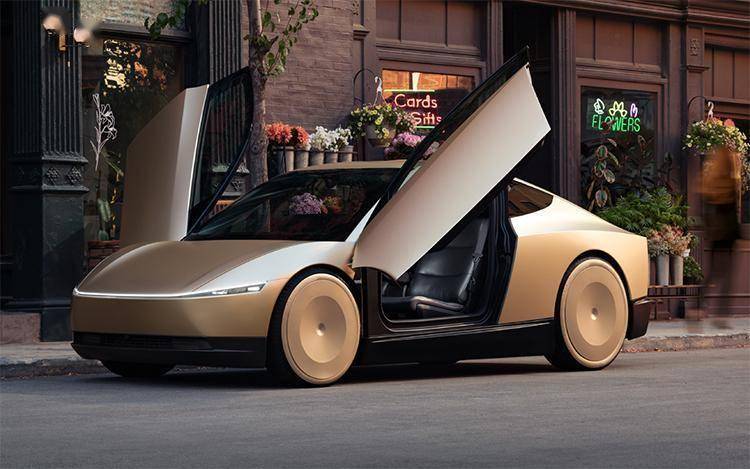
豪掷200亿美金,特斯拉悄悄开始新一轮「创业」
3 6 Ke· 2026-01-30 10:15
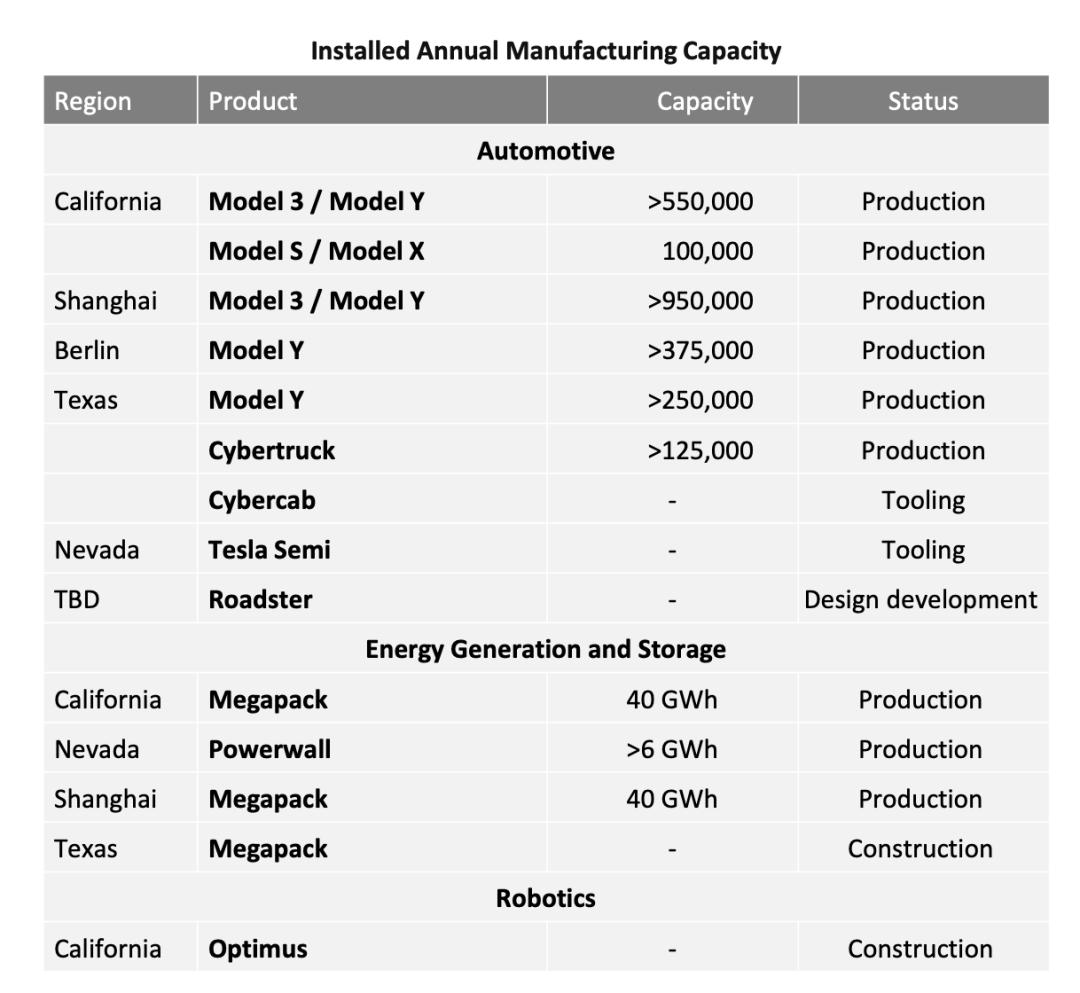
Group 1 - Tesla's automotive business has seen a decline for two consecutive years, with a total delivery drop of 153,000 vehicles in 2025 and a 10% decrease in automotive revenue [1][2] - Despite the downturn, CEO Elon Musk announced a significant capital expenditure plan of $20 billion for 2026, focusing on new production lines for humanoid robots, autonomous vehicles, and computational power for model training [1][16] - The automotive gross margin for Tesla remained stable at 15.4% for the year, with total automotive gross profit reaching $12.38 billion, indicating that the automotive sector will continue to be Tesla's largest business segment financially [6][12] Group 2 - Tesla's energy business experienced substantial growth, with a 49% increase in storage deployment, reaching 46.7 GWh in 2025, and total revenue of $12.8 billion, a 27% increase from the previous year [8][10] - The Megapack product has driven this growth, benefiting from increased demand and favorable policies, making it more cost-effective for U.S. customers compared to competitors [11][12] - Tesla's energy production capacity from its California and Shanghai facilities can contribute 80 GWh annually, suggesting continued growth potential in the energy sector through 2026 [12] Group 3 - Tesla is shifting its focus away from traditional automotive sales, as indicated by the decision to stop producing high-end models and prioritize the development of the Optimus robot and Cybercab [2][5] - The company is not currently interested in competing in the "final circle" of the automotive market, as indicated by the management's limited bandwidth for developing new affordable models [2][5] - Tesla's approach is more technology-driven rather than user-experience focused, which has allowed competitors to capitalize on product details and user needs [6][7] Group 4 - The development of Full Self-Driving (FSD) technology has not met expectations, with only 1.1 million active users and a penetration rate of approximately 12.3% [14][16] - Tesla plans to invest significantly in AI training and manufacturing capabilities, with a focus on addressing current bottlenecks in computational power for autonomous driving [16][20] - The next-generation AI chip, AI5, is designed to significantly enhance performance, indicating Tesla's commitment to advancing its technology in the autonomous driving space [17][20]