全国统一大市场

Search documents
对外经济贸易大学蓝庆新:树立“全国一盘棋”思维 以制度合力建设统一大市场
Xin Lang Cai Jing· 2025-12-11 14:05
Core Viewpoint - The central economic work conference emphasizes the need to formulate regulations for the construction of a unified national market and to deeply address "involutionary" competition [1][3]. Group 1: Unified National Market - The unified national market is a core support and key reform for the "dual circulation" new development pattern, particularly for domestic circulation [1][3]. - It aims to break local protectionism and market segmentation, allowing production factors to flow and allocate more freely and efficiently across the country, thereby enhancing the resilience to external shocks [1][3]. - Achieving this goal requires deep institutional reforms, including improving the fiscal and tax system and statistical accounting systems to address the underlying contradictions of local protection and market segmentation [1][3]. Group 2: Involutionary Competition - Distinguishing and addressing "involutionary competition" is crucial in the process of building a unified national market [2][4]. - "Healthy competition" drives companies to win markets through technological innovation and quality improvement, while "involutionary competition" leads to low-level repetitive construction and destructive price wars, ultimately undermining the industrial foundation [2][4]. - The key to balancing regulation and vitality lies in the better combination of "effective markets" and "proactive government," where the government enforces laws and unified standards to curb disorderly low-price competition and delineate competition boundaries [2][4].
中央经济工作会议解读:2026:“苦练内功”
Guotou Securities· 2025-12-11 14:02
Group 1 - The core viewpoint of the report emphasizes the need for a balanced approach to economic policy, focusing on both existing and new growth drivers rather than solely pursuing rapid growth through expansive measures [1][6] - The report highlights the importance of addressing risks in key areas such as real estate, local government debt, and finance, indicating that progress has been made in mitigating these risks [1][6] - The capital market's focus has shifted from stabilizing the real estate and stock markets to deepening comprehensive reforms in capital market investment and financing [1][6] Group 2 - Fiscal policy is transitioning from increasing deficits and spending to maintaining necessary deficits and focusing on effective implementation, with an emphasis on optimizing fiscal expenditure structure [7][8] - Monetary policy will continue to be moderately accommodative, with a focus on promoting stable economic growth and reasonable price recovery as core KPIs [9][10] - The report stresses the need to enhance domestic demand by optimizing consumption and stabilizing investment, with specific actions to boost consumer spending and improve investment conditions [10][11] Group 3 - The technology sector remains a priority, with a focus on fostering innovation and emphasizing the "Artificial Intelligence +" initiative as a key area for development [12][13] - The report identifies the need to address "involution" competition through reforms, indicating that tackling this issue will be a policy focus in 2026 [13][14] - Risk mitigation strategies are shifting from prevention to active resolution, particularly in the real estate and local government debt sectors, indicating a more proactive approach to managing these risks [16][17]
坚定不移贯彻落实中央经济工作会议精神 以高质量发展为服务中国式现代化贡献更多期货力量
Xin Lang Cai Jing· 2025-12-11 13:48
文:中信期货有限公司董事长 窦长宏 中央经济工作会议12月10日至11日在北京举行。会议为新形势下经济工作制定了蓝图,凝聚了共识,也 为期货行业的高质量发展指明了方向。会议指出要持续扩大内需、优化供给,做优增量、盘活存量,因 地制宜发展新质生产力,纵深推进全国统一大市场建设。期货行业深刻领悟会议精神,自觉将行业发展 融入国家大局,牢牢把握金融工作的政治性、人民性,以服务实体经济为根本宗旨,充分发挥风险管理 专业优势。作为市场重要参与者,中信期货积极践行使命担当,将政策导向转化为发展动能,以实际行 动将国家战略蓝图转化为高质量发展的生动实践。 责任编辑:李铁民 文:中信期货有限公司董事长 窦长宏 中央经济工作会议12月10日至11日在北京举行。会议为新形势下经济工作制定了蓝图,凝聚了共识,也 为期货行业的高质量发展指明了方向。会议指出要持续扩大内需、优化供给,做优增量、盘活存量,因 地制宜发展新质生产力,纵深推进全国统一大市场建设。期货行业深刻领悟会议精神,自觉将行业发展 融入国家大局,牢牢把握金融工作的政治性、人民性,以服务实体经济为根本宗旨,充分发挥风险管理 专业优势。作为市场重要参与者,中信期货积极践行使 ...


破除地方保护和市场分割,山东四措并举护航全国统一大市场
Qi Lu Wan Bao· 2025-12-11 12:21
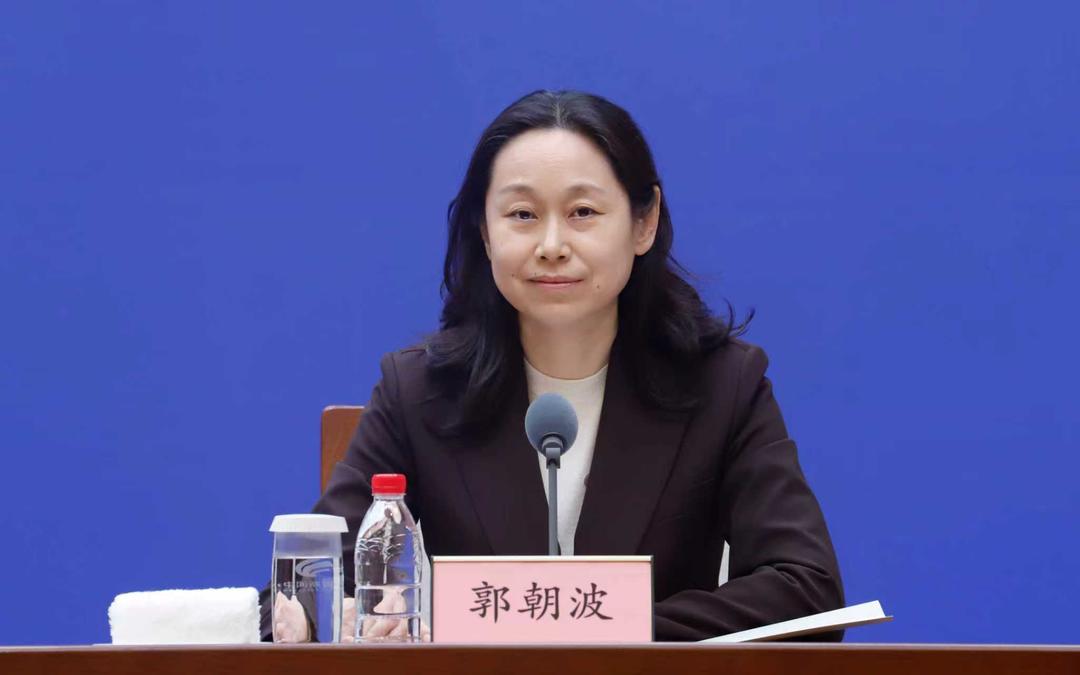
齐鲁晚报.齐鲁壹点张唯 建设全国统一大市场在高质量发展和国际竞争中具有重要意义。12月11日下午,在山东省政府新闻办举行的"'十四五'时期山东扎实推进市场监管现代化 建设情况"新闻发布会上,围绕山东在加力破除地方保护和市场分割、服务和融入全国统一大市场建设方面采取了哪些措施、取得了哪些成效等问题,山 东省市场监督管理局副局长、新闻发言人郭朝波作出回应。 郭朝波介绍,地方保护和市场分割是影响要素资源高效配置、制约国内市场畅通循环的卡点堵点。省市场监管局高度重视服务和融入全国统一大市场建设 工作,深入推进公平竞争政策实施,坚决破除地方保护和市场分割,有力维护了全省公平竞争市场秩序。 在完善审查路径方面,认真总结我省承担的国家公平竞争审查会同审查试点经验,出台《山东省重大政策措施公平竞争审查会同审查工作办法》,制定自 我审查、审查抽查、举报处理、第三方评估等制度规定,构建"审查+监督+评估"全流程工作闭环,有效提升了我省公平竞争审查质效。实现省、市、县 三级政府文件审查全覆盖,近三年各级市场监管部门共审查重大政策措施2800余件,有效防止含有影响公平竞争内容的政策措施出台。 在日常监测和政策清理方面,山东加强监测抽 ...
定调2026年经济工作,十大要点全解读
Zhong Guo Zheng Quan Bao· 2025-12-11 11:42
新华社12月11日消息,中央经济工作会议12月10日至11日在北京举行。 会议强调,做好明年经济工作,要实施更加积极有为的宏观政策,增强政策前瞻性针对性协同性,持续 扩大内需、优化供给,做优增量、盘活存量,因地制宜发展新质生产力,纵深推进全国统一大市场建 设,持续防范化解重点领域风险,着力稳就业、稳企业、稳市场、稳预期,推动经济实现质的有效提升 和量的合理增长,保持社会和谐稳定,实现"十五五"良好开局。 要点一:加大逆周期和跨周期调节力度 会议指出,明年经济工作在政策取向上,要坚持稳中求进、提质增效,发挥存量政策和增量政策集成效 应,加大逆周期和跨周期调节力度,提升宏观经济治理效能。 申万宏源证券(000562)首席经济学家赵伟预计,后续政策更加注重财政与货币、总量与结构、存量盘 活与增量优化的协同发力,通过强化政策协同与存量增量联动,实现稳增长与提质增效的双重目标。 明年政策节奏值得关注。国金证券首席经济学家宋雪涛认为,如果外部环境相对平稳,则以用好存量政 策空间为主;如果外部环境发生变化,更大力度的增量政策可以相机而动。 要点二:保持必要的财政赤字、债务总规模和支出总量 会议指出,要继续实施更加积极的财政 ...
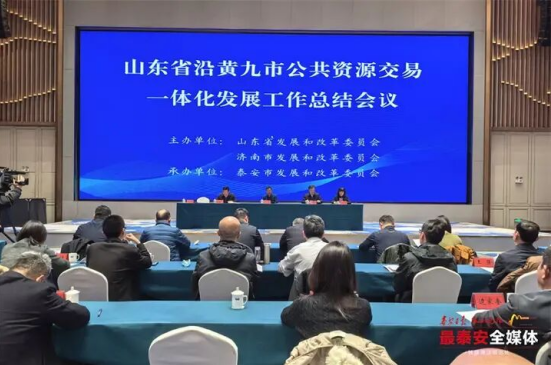
服务黄河国家战略,山东沿黄九市公共资源交易一体化发展再提速
Zhong Guo Fa Zhan Wang· 2025-12-11 11:25
Core Viewpoint - The integration of public resource trading among the nine cities along the Yellow River is a key initiative by Shandong Province to support the national strategy, enhance efficient flow of resources, and contribute to the establishment of a unified national market [3]. Group 1: Achievements and Developments - The meeting reviewed the achievements of the past three years, highlighting the establishment of a basic system for integrated public resource trading and initial formation of cross-regional collaborative supervision [3]. - The integration has led to deepening information sharing and increasing the level of intelligence in public resource trading platforms [3]. - Over the past three years, a total of 9,691 trading projects have been completed in the city, with a total transaction value of 1,465.27 billion yuan, significantly supporting high-quality economic and social development [6]. Group 2: Future Directions - The meeting emphasized the need for deeper integration, enhanced development capabilities, upgraded services, innovative platform reforms, and strengthened collaboration to clarify practical paths for continuous integration [3]. - The city of Tai'an has actively participated in improving trading efficiency, regulating market order, and expanding trading areas, including the trial operation of remote evaluation and shared expert databases [6]. - Innovative measures such as blind bid evaluations, intelligent assistance in evaluations, and online services by agencies have been effectively implemented, leading to new breakthroughs in areas like water rights trading and social project participation [6].
明年经济工作怎么干?中央最新定调
财联社· 2025-12-11 11:16
C 则联社 一图看懂 2025年 中央经济工作会议 · 在政策取向上,要坚持稳中求进、提质增效,发挥存 量政策和增量政策集成效应,加大逆周期和跨周期调 节力度,提升宏观经济治理效能。 lll 当前经济形势研判 我国经济发展中老问题、新挑战仍然不少,外部环境 变化影响加深,国内供强需弱矛盾突出,重点领域风 险隐患较多。这些大多是发展中、转型中的问题,经 过努力是可以解决的,我国经济长期向好的支撑条件 和基本趋势没有改变。 ■ 明年工作要求 · 完整准确全面贯彻新发展理念,加快构建新发展格局, 着力推动高质量发展,坚持稳中求进工作总基调,更 好统筹国内经济工作和国际经贸斗争,更好统筹发展 和安全,实施更加积极有为的宏观政策,增强政策前 瞻性针对性协同性,持续扩大内需、优化供给,做优 增量、盘活存量、因地制宜发展新质生产力、纵深推 进全国统一大市场建设,持续防范化解重点领域风险, 着力稳就业、稳企业、稳市场、稳预期、推动经济实 现质的有效提升和量的合理增长,保持社会和谐稳定, 实现"十五五"良好开局。 中央经济工作会议12月10日至11日在北京举行。中共中 央总书记、国家主席、中央军委主席习近平出席会议并 发表重要 ...
明年经济工作重点任务来了!关于消费有以下提法
Nan Fang Du Shi Bao· 2025-12-11 10:57
12月10日至11日,中央经济工作会议在北京举行。 南都湾财社记者注意到,会议再次重点提到消费。对于明年经济工作重点,会议提出要坚持内需主导, 建设强大国内市场,深入实施提振消费专项行动,制定实施城乡居民增收计划。扩大优质商品和服务供 给。优化"两新"政策实施。清理消费领域不合理限制措施,释放服务消费潜力。此外,对于社会各界关 注的地产市场、反内卷等议题,本次经济工作会议内容也均有所涉及。 加大逆周期和跨周期调节力度 据新华社报道,会议指出,今年是很不平凡的一年。"十四五"即将圆满收官,第二个百年奋斗目标新征 程实现良好开局。 会议强调,做好明年经济工作,要加快构建新发展格局,着力推动高质量发展,坚持稳中求进工作总基 调,更好统筹国内经济工作和国际经贸斗争,更好统筹发展和安全,实施更加积极有为的宏观政策,增 强政策前瞻性针对性协同性,持续扩大内需、优化供给,做优增量、盘活存量,因地制宜发展新质生产 力,纵深推进全国统一大市场建设,持续防范化解重点领域风险,着力稳就业、稳企业、稳市场、稳预 期,推动经济实现质的有效提升和量的合理增长,保持社会和谐稳定,实现"十五五"良好开局。 会议指出,明年经济工作在政策取向上 ...
中央最新部署!明年经济工作抓好8大重点任务
财联社· 2025-12-11 10:39
据央视新闻,中央经济工作会议12月10日至11日在北京举行。中共中央总书记、国家主席、中央军委主席习近平出席会议并发表重要讲 话。中共中央政治局常委李强、赵乐际、王沪宁、蔡奇、丁薛祥、李希出席会议。 会议确定,明年经济工作抓好以下重点任务。 一是坚持内需主导,建设强大国内市场 深入实施提振消费专项行动,制定实施城乡居民增收计划。 扩大优质商品和服务供给。 优化"两新"政策实施。 建设北京(京津冀)、上海(长三角)、粤港澳大湾区国际科技创新中心。 强化企业创新主体地位,完善新兴领域知识产权保护制度。 制定服务业扩能提质行动方案。 清理消费领域不合理限制措施,释放服务消费潜力。 推动投资止跌回稳,适当增加中央预算内投资规模,优化实施"两重"项目,优化地方政府专项债券用途管理,继续发挥新型政策性金 融工具作用,有效激发民间投资活力。 高质量推进城市更新。 二是坚持创新驱动,加紧培育壮大新动能 制定一体推进教育科技人才发展方案。 实施新一轮重点产业链高质量发展行动。 深化拓展"人工智能+",完善人工智能治理。 创新科技金融服务。 三是坚持改革攻坚,增强高质量发展动力活力 制定全国统一大市场建设条例,深入整治"内卷式" ...

中央经济工作会议举行 习近平发表重要讲话
清华金融评论· 2025-12-11 10:06
中央经济工作会议在北京举行 习近平发表重要讲话 李强作总结讲话 赵乐际王沪宁蔡奇丁薛祥李希出席会议 中央经济工作会议12月10日至11日在北京举行。中共中央总书记、国家主席、中央军委主席习近平出席会议并发表重要讲话。中共中央政治 局常委李强、赵乐际、王沪宁、蔡奇、丁薛祥、李希出席会议。 习近平在重要讲话中总结2025年经济工作,分析当前经济形势,部署2026年经济工作。李强作总结讲话,对贯彻落实习近平总书记重要讲话 精神、做好明年经济工作提出要求。 会议指出,今年是很不平凡的一年。以习近平同志为核心的党中央团结带领全党全国各族人民迎难而上、奋力拼搏,坚定不移贯彻新发展理 念、推动高质量发展,统筹国内国际两个大局,实施更加积极有为的宏观政策,经济社会发展主要目标将顺利完成。我国经济顶压前行、向 新向优发展,现代化产业体系建设持续推进,改革开放迈出新步伐,重点领域风险化解取得积极进展,民生保障更加有力。过去5年,我们有 效应对各种冲击挑战,推动党和国家事业取得新的重大成就,"十四五"即将圆满收官,第二个百年奋斗目标新征程实现良好开局。 会议认为,通过实践,我们对做好新形势下经济工作又有了新的认识和体会:必须充分挖 ...