云计算

Search documents
新股消息 | 澜起科技(688008.SH)港股IPO招股书失效
智通财经网· 2026-01-12 02:39
Group 1 - The company, Lattice Semiconductor Corporation, submitted its Hong Kong IPO application on July 11, 2025, which will expire on January 12, 2026, with CICC, Morgan Stanley, and UBS as joint sponsors [1] - The company is a global leader in fabless integrated circuit design, focusing on innovative, reliable, and high-performance interconnect solutions for cloud computing and AI infrastructure [2] - The company provides interconnect chips, including memory interconnect chips and PCIe/CXL interconnect chips, with applications across a wide range of end-user fields, including data centers, servers, and computers [2] - According to Frost & Sullivan, the company is projected to be the largest supplier of memory interconnect chips globally in 2024, with a market share of 36.8% based on revenue [2]



爱司凯跌2.00%,成交额9324.65万元,主力资金净流入5.16万元
Xin Lang Cai Jing· 2026-01-12 02:28
Group 1 - The core viewpoint of the news is that Aisike's stock has experienced fluctuations, with a recent decline of 2.00% and a current price of 32.75 CNY per share, while the company has shown significant growth in stock price over the past year [1] - As of January 12, Aisike's market capitalization stands at 4.904 billion CNY, with a trading volume of 93.2465 million CNY and a turnover rate of 1.85% [1] - The company has seen a net inflow of main funds amounting to 51,600 CNY, with large orders contributing to a total buy of 20.4296 million CNY and a sell of 17.8830 million CNY [1] Group 2 - For the period from January to September 2025, Aisike reported an operating income of 120 million CNY, reflecting a year-on-year decrease of 2.24%, while the net profit attributable to shareholders was -19.8452 million CNY, a decline of 106.60% [2] - The number of Aisike's shareholders as of September 30 is 10,300, which is a decrease of 10.48% compared to the previous period, while the average circulating shares per person increased by 15.73% to 14,534 shares [2] - Since its A-share listing, Aisike has distributed a total of 26.72 million CNY in dividends, with 5.76 million CNY distributed over the past three years [2]

ETF盘中资讯|AI赋能金融科技!拓尔思领涨超10%,金融科技ETF(159851)放量涨超2%创阶段新高!
Sou Hu Cai Jing· 2026-01-12 02:01
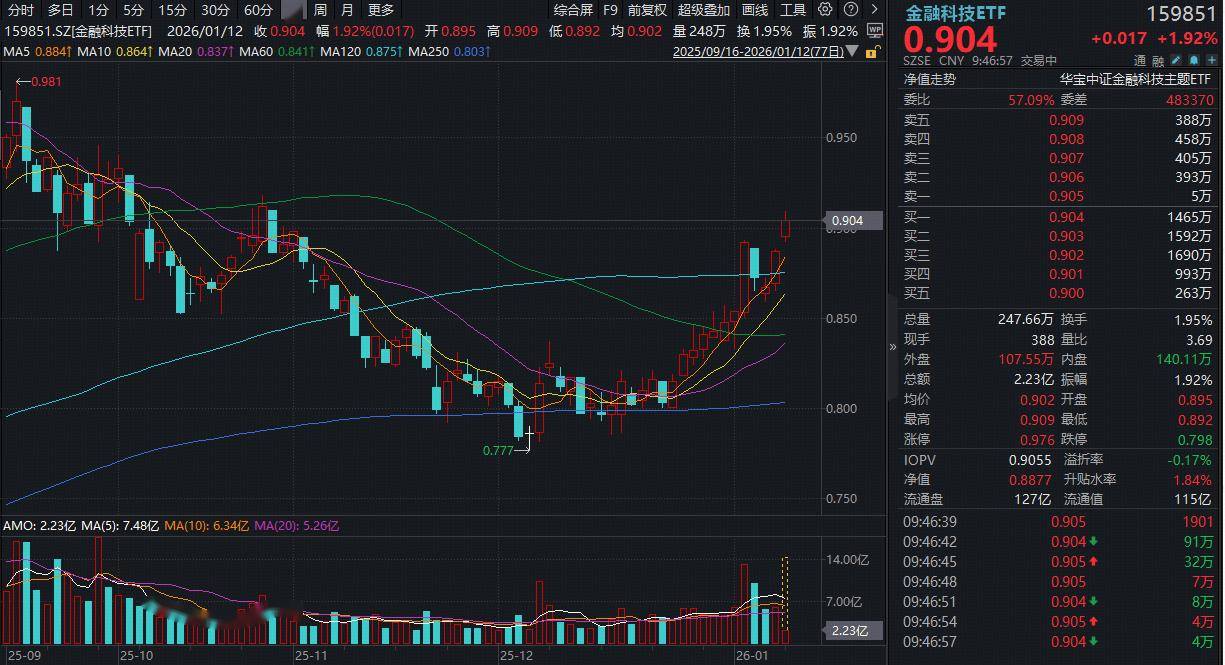
Core Insights - The financial technology sector is experiencing significant growth, with the China Securities Financial Technology Theme Index rising over 1.5% as of January 12 [1] - AI financial concept stocks are leading the gains, with companies like Tuolisi and Puyuan Information increasing by over 10% [1] - The best-performing financial technology ETF (159851) has seen its price rise over 2%, reaching a new high since November 2025, with trading volume exceeding 200 million yuan [1] Policy, Technology, and Business Dynamics - Current trends indicate a threefold resonance of policy, technology, and business reshaping the growth logic of the financial technology industry [3] - Policy drivers are shifting from compliance to self-control, with the deepening of the "Financial Technology Development Plan (2022-2025)" promoting the domestic replacement of core systems, databases, and middleware [3] - Technological innovation is leading to a transformation in underlying architecture, with a significant increase in cloud computing adoption among financial institutions; by 2025, approximately 75%, 85%, and 90% of institutions are expected to complete cloud deployment for core business systems, office systems, and peripheral business systems, respectively [3] - AI is rapidly penetrating core business areas, driving the industry from rule-based operations to intelligent decision-making, with brokerages accelerating the construction of high-speed trading and GPU-accelerated systems to achieve microsecond-level latency control [3] - The upgrade in business demand is becoming a value creation engine, with emerging business scenarios like wealth management and inclusive finance pushing IT investment from "rigid expenditure" to "structural growth" [3] Investment Opportunities - The financial technology ETF (159851) and its linked funds (Class A 013477, Class C 013478) are recommended for investment, covering a wide range of themes including internet brokerages, financial IT, cross-border payments, AI applications, and Huawei's HarmonyOS [3] - The financial technology ETF (159851) has an average daily trading volume of 800 million yuan over the past six months, indicating strong liquidity, which is the highest among eight ETFs tracking the same index [3]


AI赋能金融科技!拓尔思领涨超10%,金融科技ETF(159851)放量涨超2%创阶段新高!
Xin Lang Cai Jing· 2026-01-12 01:57
Core Insights - The financial technology sector is experiencing significant activity, with the CSI Financial Technology Theme Index rising over 1.5% as of January 12 [1][7] - AI financial concept stocks are leading the gains, with notable increases in stocks such as Tuolisi and Puyuan Information, which rose over 10% [1][7] - The best-performing financial technology ETF (159851) has seen its price increase by over 2%, reaching a new high since November 2025, with trading volume exceeding 200 million yuan [1][7] Policy, Technology, and Business Dynamics - Current policies, technology advancements, and business needs are reshaping the growth logic of the financial technology industry [3][9] - The implementation of the "Financial Technology Development Plan (2022-2025)" is accelerating the domestic replacement of core systems, databases, and middleware [6][12] - Financial institutions are increasingly adopting cloud computing, with projections indicating that by 2025, approximately 75%, 85%, and 90% of institutions will have completed cloud deployment for core business systems, office systems, and peripheral business systems, respectively [6][12] Investment Opportunities - Investors are encouraged to focus on the financial technology ETF (159851) and its associated funds (Class A 013477, Class C 013478), which cover a wide range of sectors including internet brokerage, financial IT, cross-border payments, AI applications, and Huawei's HarmonyOS [4][10] - The financial technology ETF (159851) has an average daily trading volume of 800 million yuan over the past six months, indicating strong liquidity compared to other ETFs tracking the same index [4][10]
数据中心光纤
Sou Hu Cai Jing· 2026-01-10 10:50
Core Insights - Data center optical fibers are essential infrastructure for high-speed data transmission, supporting technologies like cloud computing, big data, and artificial intelligence [1][4] - The data center optical fiber market is projected to reach $60.75 billion by 2032, with a compound annual growth rate (CAGR) of 12.99%, driven by the proliferation of cloud computing, surging demand for AI model training, and the explosion of data traffic from 5G networks [4] Group 1: Types of Optical Fibers - Data center optical fibers are mainly categorized into single-mode and multi-mode fibers [1] - Single-mode fibers (e.g., OS2) have a small core diameter (approximately 9 microns) and are suitable for long-distance, high-bandwidth applications, supporting transmission over distances greater than 10 kilometers with losses as low as 0.2 dB/km [1] - Multi-mode fibers (e.g., OM3/OM4) have a larger core diameter (50 or 62.5 microns) and are designed for short-distance connections (up to 300 meters), offering lower costs and compatibility with VCSEL laser technology [3] Group 2: Technological Trends - Data center optical fibers are evolving towards higher bandwidth and lower latency [3] - High-speed optical modules like QSFP28 and QSFP-DD support transmission rates from 100 Gbps to 400 Gbps, utilizing PAM4 modulation technology to enhance spectral efficiency for massive data interactions in 5G and AI scenarios [3] - Optimized cabling architectures, such as the Leaf-Spine architecture, separate spine and leaf switches to achieve low-latency east-west traffic, accommodating thousands of servers and becoming the preferred choice for large data centers [3] Group 3: Emerging Technologies - New fiber technologies, such as hollow-core fibers, transmit light signals through an air core, achieving losses below 0.1 dB/km and theoretically supporting full-band transmission with low latency and non-linearity [4] - Microsoft plans to deploy 15,000 kilometers of hollow-core fiber for interconnecting intelligent computing centers, indicating a significant shift in optical fiber technology [4]

研判2025!中国BOSS系统行业发展历程、产业链、市场规模、重点企业及未来展望:电信业务收入稳健增长与数字化转型,推动BOSS系统市场规模持续扩大[图]
Chan Ye Xin Xi Wang· 2026-01-10 02:13
Core Insights - The BOSS (Business Operation Support System) is crucial for telecom operators, integrating business and operational support systems, and is evolving rapidly with the advent of 5G and cloud services [1][12] - The market size of China's BOSS system industry is projected to grow from 177.1 billion yuan in 2014 to 255.43 billion yuan in 2024, with a compound annual growth rate (CAGR) of 3.73% [1][12] - By 2025, the market size is expected to reach 264.14 billion yuan, emphasizing the increasing investment in BOSS systems by telecom operators [1][12] Industry Overview - The BOSS system encompasses customer service, business operations, and management, focusing on key operational tasks like customer service and billing [4] - The system consists of four main functional modules: billing and settlement, business accounting, customer service, and decision support [4] Industry Development History - The BOSS system has evolved since the 1980s, initially focusing on basic billing and user management, and has integrated more functionalities over the decades [8][9] - The introduction of cloud computing and SaaS models from 2005 to 2010 significantly impacted the architecture and service delivery of BOSS systems [9] Market Size and Growth - The BOSS system market in China is expected to grow significantly, with the operational maintenance segment accounting for 207.1 billion yuan of the 255.43 billion yuan market size in 2024 [13] - Telecom business revenue in China is projected to increase from 1.13 trillion yuan in 2015 to 1.74 trillion yuan in 2024, with a CAGR of 4.91% [10] Key Players - Major companies in the BOSS system industry include AsiaInfo Technologies, Oriental Communications, Tianyuan Dike, and China Mobile, among others [2][11] - AsiaInfo Technologies is a leading provider in the sector, focusing on digital transformation and cloud services [14] Future Trends - The BOSS system is expected to transition towards a platform-based model, enabling telecom operators to quickly deploy new services and integrate with third-party applications [16] - AI and big data analytics will play a crucial role in enhancing real-time decision-making capabilities within BOSS systems [17] - The cloudification of BOSS systems will lead to a unified operational framework, breaking down silos and improving operational efficiency [18]

国资接盘!国产 ARM 大芯片转机来了?
是说芯语· 2026-01-10 01:05
Core Viewpoint - The article discusses the recent developments of Borui Jinxin, a chip company that faced financial difficulties but is now reportedly recovering with new investments and support from state-owned enterprises, raising questions about the potential resurgence of ARM CPU manufacturers and the broader chip industry in China [1][2]. Group 1: Borui Jinxin's Recovery - Borui Jinxin has reportedly cleared previous debts and resumed operations after receiving new investments, indicating a potential recovery from its financial troubles [1][2]. - The company has received strategic support from the Zhuhai State-owned Assets Supervision and Administration Commission, marking a significant turnaround [1][2]. Group 2: Chip Industry Trends - The Chinese chip design industry has seen substantial growth, with the number of chip design companies increasing from 1,780 in 2018 to an expected 3,901 by 2025, driven by domestic policies and the rise of AI and ARM technology [2]. - ARM architecture has gained recognition across various applications, including embedded systems, mobile devices, PCs, and servers, particularly in the context of AI and cloud computing [2][3]. Group 3: ARM Server Chip Market - IDC predicts a 70% increase in ARM-based server shipments by 2025, with ARM aiming for nearly 50% of computing power in top-tier data centers to be based on its architecture [3][4]. - AWS has significantly integrated ARM-based Graviton chips into its infrastructure, with 50% of new AWS instances running on these custom ARM chips, highlighting the growing acceptance of ARM in the server market [4][11]. Group 4: Challenges and Opportunities - The challenges faced by companies like Borui Jinxin include high design costs for advanced SoCs, with costs rising dramatically as technology nodes shrink, making it difficult for startups to secure funding [9][10]. - Despite past difficulties, the demand for ARM server chips is increasing in China, driven by the need for efficient, low-power solutions in data centers, presenting opportunities for companies like Borui Jinxin [10][11]. Group 5: Competitive Landscape - ARM's licensing model offers significant advantages, with companies able to develop custom CPUs through instruction set licensing, which can lead to superior performance compared to standard ARM designs [12]. - The current lack of a robust RISC-V ecosystem provides Borui Jinxin with a unique opportunity to leverage its ARM instruction set authorization to compete effectively in the server chip market [11][12].

数智化管理让数据互联互通
Xin Lang Cai Jing· 2026-01-09 21:49
Core Viewpoint - The Sichuan Provincial Government has issued the "Implementation Measures for Emergency Response Plan Management" to enhance the management of emergency response plans across various levels, emphasizing practicality and operability [1][2] Group 1: Emergency Response Plan Management - The new measures consist of 9 chapters and 41 articles, set to take effect on January 1, 2026, with a validity of five years [1] - The emergency response plan management encompasses the entire process, including planning, formulation, coordination, approval, filing, training, drills, evaluation, and revision [1] Group 2: Structure and Focus of Emergency Plans - The emergency response plan system is divided into two main categories: government and departmental plans, and plans for units and grassroots organizations, with specific content tailored to different levels and scenarios [1] - Provincial plans focus on organizational command and regional coordination, while city and county plans detail disposal processes and responsibilities [1] - Township (street) plans emphasize initial response, and village (community) plans can utilize simplified formats like "one-page plans" and emergency response cards to enhance practicality [1] Group 3: Technological Integration and Drills - The measures highlight a smart management approach, requiring the use of big data, cloud computing, and artificial intelligence to promote data interconnectivity and dynamic updates of emergency plans across all levels [2] - Specific drill requirements include at least one drill every three years for specialized and departmental plans, one targeted drill annually for disaster-prone areas, and semi-annual drills for mining, hazardous chemicals, and densely populated venues [2] - After drills, organizations at the county level and above must submit evaluation reports and related materials to the emergency management department and relevant authorities within 30 working days [2]
深化提升行动收官 新一轮国企改革蓄势起航
Zhong Guo Zheng Quan Bao· 2026-01-09 20:52
● 本报记者 刘丽靓 国有企业改革深化提升行动迎来阶段性收官。1月9日,国务院国资委副主任李镇在国有企业改革深化提 升行动经验交流会上表示,截至目前,深化提升行动主体任务已基本完成,布局结构、科技创新、公司 治理、监管机制等方面向前迈出新的步伐。 "深化提升行动在时间上已经'收官',但深化改革不能'收兵'。"李镇表示,在进一步深化国资国企改革 方案下发前,各单位要认真做好深化提升行动的总结,继续推动改革任务的深化,认真谋划好下一步改 革。 重组整合持续发力 改革深化提升行动的成效,首先体现在国有经济布局优化和结构调整上,近年来,国有经济向新质生产 力布局明显提速。 一方面,战略性重组和专业化整合持续发力。组建中国雅江集团、中国资环集团、中国长安汽车、中国 数联物流……一批服务国家战略全局的新央企应运而生。同时,一系列央企专业化整合也纵深推进,如 中国石油、南方电网整合涉及资产规模超千亿元;中国一汽、中国旅游集团完成动力电池、邮轮运营资 源整合;华润集团完成康佳集团专业化整合;中国五矿重组设立我国最大的钾盐企业等,着力推动产业 向重点领域、优势赛道集中。 地方国资同步发力,如河北、重庆、辽宁、内蒙古等地通过专业 ...
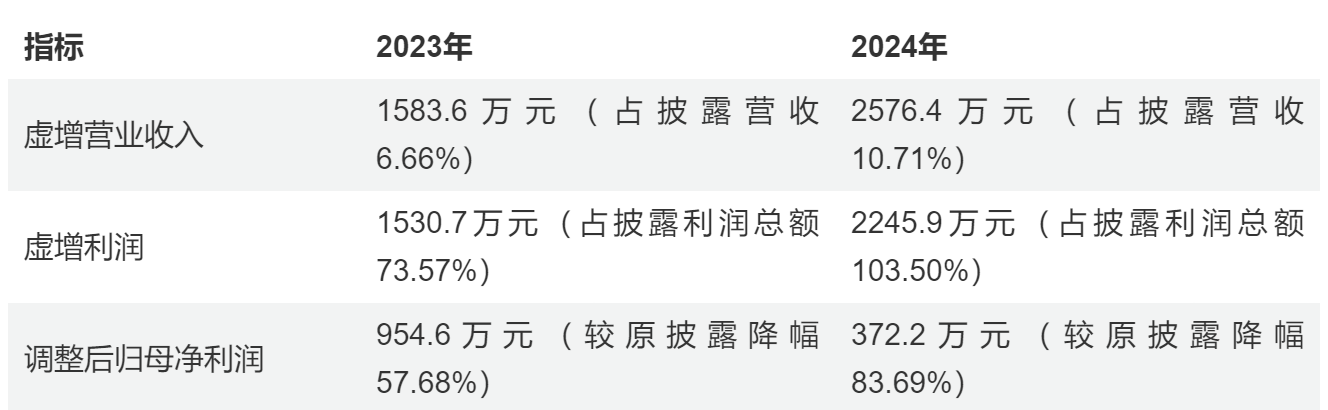
上市一年就“裸泳”,路桥信息为何敢在刀尖上跳舞?
Quan Jing Wang· 2026-01-09 14:13
Core Viewpoint - The company, Luqiao Information, which was celebrated as a "pioneer in smart transportation," has been exposed for significant financial fraud, leading to a drastic decline in its reported profits and revenues within a year of its IPO [2][9][27]. Group 1: Financial Fraud and Impact - Luqiao Information inflated profits by over 37 million and revenue by more than 40 million over two years, with net profit plummeting from 22.81 million in 2024 to just 3.72 million in 2025 [2][6]. - The company's financial manipulation involved false contracts, fictitious sales, and premature revenue recognition, resulting in a total inflated profit of 37.76 million [6][8]. - Following the exposure of the fraud, the company faced a fine of 6 million, and key executives were penalized, highlighting a complete collapse of internal controls and raising serious doubts about the authenticity of its financial data and governance [9][25]. Group 2: Business Performance and Structure - Luqiao Information's revenue has stagnated between 200 million to 300 million over the past seven years, indicating a lack of market expansion and reliance on a limited customer base, with nearly 90% of revenue coming from Fujian province [14][10]. - The company's three main business segments experienced severe declines, with rail transit revenue dropping by 85%, smart parking by 36%, and highway traffic by 67% in the first half of 2025 [15][19]. - The company's financial performance has deteriorated significantly, with a non-recurring net profit of only 42,540 in 2024, a 91% year-on-year drop, and a 50% reduction in revenue in the first three quarters of 2025 [15][17]. Group 3: Future Prospects and Challenges - The financial fraud has severely damaged the company's credibility, making future financing and new orders, especially from outside its home province, highly challenging [25][21]. - The company raised 97.68 million during its IPO for projects like smart parking, but by September 2025, only 41% of the overall investment had been utilized, with less than 10% for the smart parking project [22][23]. - The ongoing legal repercussions, including potential investor lawsuits and the risk of being delisted, pose significant threats to the company's future operations and viability [25][26].