
粮食安全

Search documents
国家发改委:扎实维护粮食、能源、产业链供应链等重点领域安全 加大民生商品保供稳价工作力度
news flash· 2025-07-31 11:17
Core Viewpoint - The National Development and Reform Commission emphasizes the importance of maintaining the safety of key areas such as food, energy, and supply chains while enhancing efforts to stabilize prices and ensure the supply of essential goods [1] Group 1: Economic Stability Measures - The commission highlights the need for comprehensive coordination and balance to stabilize employment [1] - There is a focus on strengthening the safety of food, energy, and supply chains [1] - Efforts will be made to ensure energy and electricity supply during peak summer and winter seasons [1] Group 2: Public Safety and Support Policies - The safety of people's lives is prioritized, with an emphasis on enhancing production safety and disaster prevention [1] - There is a commitment to addressing risks and hidden dangers in key industries [1] - The implementation of policies to assist enterprises and improve basic public services, particularly for vulnerable groups, is reinforced [1] Group 3: Price Stabilization Efforts - The commission plans to increase efforts in ensuring the supply and stabilizing the prices of essential goods [1] - There is a focus on improving services for the elderly and children as part of the broader public welfare initiatives [1]
端牢中国饭碗不惧极端天气
Jing Ji Ri Bao· 2025-07-30 22:17
Core Viewpoint - A systematic approach is essential to build a comprehensive multi-level agricultural disaster prevention and mitigation system to ensure food security in China during extreme weather events [1][5]. Group 1: Agricultural Challenges and Strategies - Extreme weather has become a significant variable affecting food security, with China facing severe challenges in grain production due to droughts and floods this year [1]. - Summer grain production has managed to achieve stable yields despite local droughts, but challenges remain for autumn grain and overall annual production [1]. - Continuous efforts in disaster prevention, pest control, and enhancing agricultural climate resilience are necessary [1]. Group 2: Infrastructure and Technological Advancements - The strategy of "storing grain in the ground" is being implemented through high-standard farmland construction and improved water conservancy infrastructure to provide foundational support for disaster prevention [2]. - Over 1 billion acres of high-standard farmland have been established, ensuring resilience against droughts and floods [2]. - Agricultural technology has contributed over 63% to agricultural productivity, with a mechanization rate exceeding 75%, enhancing disaster response capabilities [3]. Group 3: Agricultural Insurance and Risk Management - Agricultural insurance serves as a protective measure for farmers, helping to stabilize income against natural disasters [4]. - Comprehensive cost insurance and income insurance for major crops like rice, wheat, and corn have been rolled out nationwide, covering various risks [4]. - Despite the effectiveness of agricultural insurance, challenges such as loss assessment difficulties and subsidy delays remain [4]. Group 4: Food Supply and Emergency Response - Extreme weather can lead to regional and temporary imbalances in food supply and demand, causing market fluctuations [5]. - A reserve system has been established, primarily government-led, supplemented by corporate and household reserves to ensure food supply stability during emergencies [5]. - The emergency response system for food supply has shown resilience in facing natural disasters and other significant challenges [5].
联合国粮农组织总干事屈冬玉访问马达加斯加
Shang Wu Bu Wang Zhan· 2025-07-30 15:29
Core Insights - The Director-General of the Food and Agriculture Organization (FAO), Qu Dongyu, visited Madagascar to discuss deepening cooperation on food system transformation [1] - Key topics included food security, climate-resilient agriculture, and sustainable development [1] - Plans were made to enhance agricultural capacity through irrigation system expansion, resilient production system construction, and localized agricultural input production, aiming to ensure food security while increasing farmers' income [1]
政治局会议强调夯实“三农”基础,催化粮食安全主题,粮食ETF(159698)单日涨1.39%
Xin Lang Cai Jing· 2025-07-30 06:37
Group 1 - The core viewpoint emphasizes the importance of strengthening the agricultural foundation and maintaining reasonable prices for grain and important agricultural products, as highlighted in the Central Political Bureau meeting on July 30 [1] - The Grain ETF (159698.SZ) rose by 1.39%, with its associated index, the National Grain Index (399365.SZ), increasing by 1.41%. Key constituent stocks such as Beidahuang, Longping High-Tech, and others showed significant gains [1] - The policy direction reinforces the strategic positioning of food security, creating positive expectations for the grain industry chain and providing fundamental support for related constituent stocks [1] Group 2 - The food and beverage index is highly concentrated, with the liquor sector accounting for over 50% in most indices. The performance of the China Securities Liquor and China Securities White Liquor indices is particularly notable, with high annualized returns [1] - The National Food Index has its top five constituent stocks limited to a combined weight of 60%, primarily featuring leading liquor brands like Kweichow Moutai and Wuliangye, along with dairy companies like Yili [1] - The pet food sector in China shows a growth rate exceeding 60% for dry baked grain products, with a CR5 brand concentration of nearly 60%, indicating an upgrade in consumer demand for deep-processed grain products [1]
华农首席科学家罗利军:节水抗旱稻让农民种田有动力
Nan Fang Nong Cun Bao· 2025-07-29 07:37
Core Viewpoint - The introduction of drought-resistant and water-saving rice varieties is transforming previously abandoned farmland in Guangdong into productive agricultural land, providing new solutions for food security and sustainable farming practices [4][5][39]. Group 1: Agricultural Innovation - The drought-resistant rice variety has achieved a yield of 611.9 kg per mu, surprising local farmers [4][39]. - This innovation addresses the issue of abandoned farmland in Guangdong, with the potential to expand arable land [5][39]. - The research team has integrated drought-resistant traits into high-quality rice varieties, marking a significant breakthrough in agricultural science [6][19]. Group 2: Environmental Impact - The drought-resistant rice can save 50% of water and reduce carbon emissions by 90% [11][16]. - It can be cultivated in various terrains, including dry and hilly areas, without the need for flooding or transplanting [12][16]. - The rice variety has shown resilience against flooding, maintaining good growth even after severe waterlogging [42][46]. Group 3: Economic Viability - The simplicity of planting and stable yields significantly reduce labor costs for farmers [55][59]. - In areas like Huizhou, farmers can achieve a net profit of over 600 yuan per mu from cultivating this rice [60][61]. - The "Drought-Resistant 73" variety has been recognized for its quality, competing well in the market [61][62]. Group 4: Strategic Goals - The research team aims to increase rice planting area by 100 million mu and produce an additional 50 billion kg of rice while reducing irrigation water usage and carbon emissions by 20 billion kg each [66][68].


全力实现粮食产量500亿斤目标
Liao Ning Ri Bao· 2025-07-29 01:07
Core Viewpoint - The provincial agricultural department has initiated a 100-day action plan to ensure a grain production target of 50 billion pounds this year, focusing on increasing yield, preventing flooding, and controlling pests [1] Group 1: Grain Production Strategy - The province aims to enhance grain yield through specific measures such as improving single crop yield, flood prevention, and pest control [1] - Last year, the province achieved a grain yield of 931.88 pounds per acre, ranking second among major grain-producing provinces in the country [2] - The focus will be on large-scale single crop yield improvement actions, emphasizing the integration of good seeds and farming practices, and promoting high-yield cultivation techniques [2] Group 2: Infrastructure and Drainage Management - Continuous efforts will be made to repair and improve farmland drainage systems, addressing issues like missing, broken, shallow, and blocked drainage channels [2] - Timely drainage of water from flooded areas will be prioritized, along with the application of fertilizers and nutrient solutions to enhance soil conditions [2] Group 3: Pest Control and Emergency Preparedness - The province will combine green pest control with scientific pesticide use, enhancing field monitoring and pest trend analysis [3] - Emergency disaster response will be supported by regional agricultural machinery service centers, ensuring the availability of essential equipment for disaster relief [3]
生猪高质量发展会召开,反内卷政策基调延续
Huafu Securities· 2025-07-28 03:41
Investment Rating - The industry rating is "Outperform the Market" [4] Core Insights - The report highlights the ongoing challenges in the pig farming sector, with prices experiencing fluctuations due to increased slaughtering and seasonal demand [10][21]. - The poultry sector, particularly white-feathered chickens, is seeing price increases driven by stocking up in anticipation of better market conditions [35][39]. - The report emphasizes the importance of policy measures aimed at stabilizing production capacity in the pig industry, which could lead to long-term price improvements [10][31]. Summary by Sections Pig Farming - The average price of pigs on July 25 was 14.10 CNY/kg, down 0.09 CNY/kg week-on-week [10]. - Slaughtering volumes remain low due to hot weather and weak market demand, with an average daily slaughter of 134,700 pigs, up 1.44% week-on-week [14]. - The average weight of pigs at market decreased to 128.48 kg, with group farms averaging 124.27 kg and smallholders at 141.92 kg [21]. - Recent policy discussions emphasize strict production capacity controls, including the reduction of breeding sows and the encouragement of large enterprises to collaborate with smaller farms [31]. Poultry Sector - The price of white-feathered chickens rose to 6.70 CNY/kg, an increase of 0.30 CNY/kg week-on-week, while chicken seed prices reached 1.93 CNY/bird, up 0.56 CNY/bird [35]. - Egg prices also showed strength, with an average of 6.73 CNY/kg, up 0.90 CNY/kg week-on-week [35]. - The ongoing avian influenza situation is affecting supply, with restrictions on imports from certain countries potentially leading to further price increases [39]. Agricultural Products - Soybean meal futures saw a decline, with the DCE soybean meal contract closing at 3,021 CNY/ton, down 35 CNY/ton week-on-week [48]. - The report notes that downstream feed enterprises are increasing purchases due to concerns over rising prices, while domestic oil mills maintain high processing volumes [50]. - The report anticipates limited downward price adjustments for soybean meal in the short term, with a gradual upward shift in price levels expected [50]. Industry Performance - The agricultural sector saw a 3.62% increase over the past week, outperforming major indices such as the Shanghai Composite Index, which rose by 1.67% [55]. - Within the agricultural sub-sectors, the livestock industry led with a 5.27% increase, followed by planting and aquaculture [55].
压责任 稳面积 提单产 山西粮食综合生产能力全面提高
Zhong Guo Chan Ye Jing Ji Xin Xi Wang· 2025-07-28 00:18
Group 1 - The core viewpoint emphasizes the successful implementation of agricultural techniques and government support in enhancing grain production in Shanxi Province, achieving a grain output of 293.7 billion jin, exceeding the national target of 289.6 billion jin for 2024 [1][2] - The province has adopted water-saving drip irrigation technology and optimized planting techniques, which are expected to increase crop yields by over 20% [1] - A comprehensive action plan has been established to improve grain yield, involving the application of new technologies and practices across 626 million mu of farmland, resulting in an average yield increase of over 10% in project areas [2] Group 2 - The province has developed a four-tier disaster prevention network to address extreme weather events, significantly reducing disaster losses and enhancing resilience against adverse conditions [3] - Specific measures such as early warnings and coordinated responses to cold snaps and droughts have been implemented, including the use of smoke, irrigation, and anti-freeze agents [3] - The government has taken a proactive approach to ensure food security, with a strong emphasis on responsibility at all levels of administration, contributing to a remarkable harvest in Shanxi [3]
粮食有增产 企业能增收 合作在深化——2025年国际粮食减损大会观察
Xin Hua Wang· 2025-07-27 08:56
Core Insights - The 2025 International Food Loss Reduction Conference highlighted the importance of technological innovation in enhancing food security and reducing food loss, with around 300 participants from various sectors sharing experiences and strategies [1][8]. Group 1: Food Production and Loss Reduction - The Weifang Green Wild Agricultural Machinery Cooperative reported significant increases in crop yields, with wheat production rising from 6 tons to 9 tons per hectare and corn from 7.5 tons to 9.7 tons since its establishment in 2013 [2]. - The mechanization of harvesting is crucial for minimizing food loss, with advancements in intelligent control models and automated harvesting machinery being emphasized [2][4]. - In 2024, the loss rates for major grains during harvesting were reported at 0.93% for wheat, 1.76% for rice, and 2.06% for corn, reflecting a reduction of 1 to 2 percentage points compared to 2021, resulting in a total loss reduction of over 50 billion jin [4]. Group 2: Technological Contributions - The application of the "Sky-Ground Network" AI integration platform at the Zhongke Beidou Digital Agriculture Demonstration Base has led to a 5% reduction in annual corn planting losses through efficient decision-making and early warnings [4]. - The Beijing Huinong Engineering Technology Co., Ltd. showcased integrated grain collection and storage solutions, having established over 3,000 steel silo systems globally, enhancing the entire grain supply chain [5][6]. Group 3: Industry Innovations - Shandong Jinsheng Grain and Oil Food Co., Ltd. developed a new processing technique that increased the average price of peanut cake from approximately 3,000 yuan per ton to about 7,000 yuan per ton, demonstrating the economic benefits of food loss reduction [7]. - The conference emphasized the role of food loss reduction as a new productive force in agricultural governance, with companies actively participating in innovative technologies for social and economic benefits [7]. Group 4: International Cooperation - The conference's youth forum resulted in the "New Food Fashion" initiative, promoting the reshaping of food value perceptions and the innovation of loss reduction technologies among youth from various countries [8][11]. - The "South-South Cooperation Action Plan" was released, calling for collaborative actions in policy research, digital technology, and experience sharing in food loss reduction over the next three years [11].
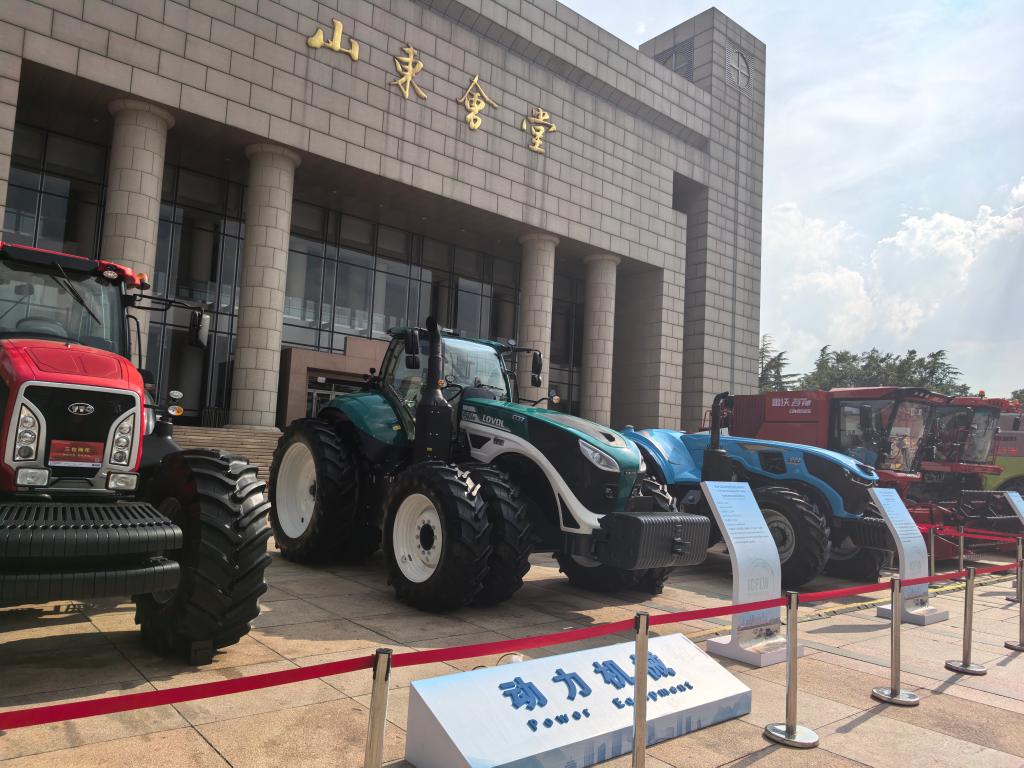
金融持续加力 护航粮食安全
Zheng Quan Ri Bao· 2025-07-26 22:23
Core Viewpoint - The National Bureau of Statistics reported that China's summer grain production is expected to reach 299.48 billion jin in 2025, maintaining stability and providing a solid foundation for overall grain production and economic recovery amidst complex international conditions [1] Group 1: Financial Support for Grain Production - Financial institutions have been actively supporting the entire grain production chain, including farmland construction and grain purchasing, contributing to stable summer grain production [1] - In Shandong, the Agricultural Development Bank provided a credit line of 10 million yuan to a grain purchasing company, ensuring timely funding for grain collection [2] - The People's Bank of China in Shandong facilitated loans totaling 13.59 billion yuan to 18,779 grain purchasing entities, a year-on-year increase of 24.5% [2] Group 2: Regional Financial Initiatives - The People's Bank of China in Henan allocated 37.74 billion yuan in re-loans to support agricultural financing, reducing costs for financial institutions and promoting low-interest loans for summer grain purchases [3] - In Hebei, the Agricultural Development Bank provided 4.454 billion yuan in loans for wheat purchases, supporting the acquisition of 3.23 billion jin of wheat [3] Group 3: Enhancing Financial Services - Financial institutions are optimizing services to improve payment and settlement efficiency, ensuring stable operation of funding settlement systems for summer grain transactions [4] - The Agricultural Bank of China in Shandong launched a "chain service" model to meet the urgent funding needs of grain purchasing enterprises, with a loan balance of 26.03 billion yuan in key agricultural sectors, an increase of 9.29 billion yuan since the beginning of the year [4] Group 4: Supporting Agricultural Infrastructure - Financial institutions are focusing on supporting farmland protection and grain production, with initiatives to provide targeted financial support for farmland restoration and high-standard farmland construction [5] - In Sichuan, the Agricultural Development Bank allocated 84 million yuan for farmland restoration projects, aiming to restore over 50,000 acres of farmland [5] Group 5: Agricultural Insurance and Risk Management - Agricultural insurance plays a crucial role in protecting high-standard farmland, with products designed to cover damages from natural disasters and accidents [6] - The insurance model combines pre-assessment, in-process prevention, and post-compensation to support the effective functioning of high-standard farmland and enhance food security [6]