
风险管理

Search documents
胶版印刷纸期货和期权将上市
Jing Ji Ri Bao· 2025-08-25 21:59
Core Viewpoint - The China Securities Regulatory Commission has approved the registration of futures and options for coated printing paper, fuel oil, asphalt, and pulp at the Shanghai Futures Exchange, marking the introduction of the world's first financial derivatives for cultural paper [1][2]. Industry Overview - China is the largest producer and consumer of coated printing paper globally, with a projected production of 9.48 million tons and apparent consumption of 8.71 million tons in 2024 [2]. - The coated printing paper industry is facing significant revenue growth pressures due to complex domestic and international market conditions, leading to a high demand for risk management tools [2]. Risk Management Tools - The introduction of coated printing paper futures and options will fill the gap in domestic financial derivatives for cultural paper, providing enterprises in the cultural paper industry with tools to manage price volatility effectively [2]. - The futures and options are expected to create a complete risk management chain in the pulp and paper industry, enhancing the management of exposure risks from raw materials to finished products [2][3]. Market Impact - The new financial instruments are anticipated to serve as a "price anchor" for the industry, improving pricing efficiency in spot trading and guiding enterprises in formulating production plans [2]. - The launch of these derivatives is expected to enhance China's influence in the international paper and paper products market, promoting the export of Chinese standards and attracting foreign brand certifications [3]. Environmental Considerations - The coated printing paper industry is characterized by strong circular economy features, with a comprehensive system for renewable raw materials and recyclable products already in place [3]. - The Shanghai Futures Exchange plans to promote green and low-carbon transformation in the paper industry through contract arrangements that prioritize environmentally certified enterprises [3]. Additional Developments - The approval of options for fuel oil, asphalt, and pulp is expected to enhance the risk management capabilities of related industries, allowing for more refined hedging strategies [4].
【银行观察】优化银行风险管理落实好并购贷款政策
Zheng Quan Shi Bao· 2025-08-25 18:27
Core Viewpoint - The National Financial Supervision Administration has released a draft for the "Management Measures for Mergers and Acquisitions Loans by Commercial Banks," marking the first comprehensive upgrade of the regulatory framework since 2015, focusing on "optimizing services and preventing risks" [1][2] Group 1: Regulatory Changes - The new measures introduce a balanced approach of "moderate looseness and strictness," allowing for financial support in industrial integration while setting clear risk boundaries for commercial banks [1][2] - The inclusion of equity-based mergers in the support scope breaks the previous limitation of only covering controlling mergers, aligning with current industrial chain collaboration needs [1][2] - The upper limit for controlling merger loan ratios has been raised from 60% to 70%, and the maximum loan term extended from 7 years to 10 years; for equity-based mergers, the loan ratio is capped at 60% with a maximum term of 7 years [1][2] Group 2: Enhanced Risk Management - Banks engaging in merger loans must meet basic conditions such as "good regulatory ratings and compliance with key prudential indicators," along with asset size thresholds to prevent smaller banks from engaging in high-risk activities [2][3] - The measures emphasize a closed-loop risk management process throughout the loan lifecycle, requiring thorough pre-loan assessments of borrowers' repayment capabilities and post-loan vigilance against fund misappropriation and fraudulent mergers [2][3] - Quantitative risk boundaries are established through prohibitive clauses, such as ensuring that the total balance of merger loans does not exceed 50% of the bank's tier 1 capital and that equity-based loans do not exceed 30% of total merger loans [2][3] Group 3: Operational Requirements for Banks - Banks are required to develop specialized management mechanisms and systems to comply with the new measures, including defining business processes, risk assessment standards, and approval authority, along with establishing dedicated information systems for real-time monitoring [2][3] - The establishment of a professional team is mandated, comprising merger experts, credit analysts, industry researchers, lawyers, and accountants to enhance risk identification accuracy [3] - A multi-dimensional repayment capability assessment system is to be constructed, analyzing both financial and non-financial factors to evaluate the ongoing profitability and debt repayment ability of acquired companies [3]
昊华能源: 北京昊华能源股份有限公司关于对京能集团财务有限公司的风险持续评估报告
Zheng Quan Zhi Xing· 2025-08-25 17:26
Core Viewpoint - The report evaluates the financial risk management of Beijing Jingneng Group Financial Co., Ltd. (Jingneng Finance) and concludes that it has a sound internal control system and effective risk management practices, with no significant risk events reported as of June 30, 2025 [1][6]. Group 1: Basic Information of Jingneng Finance - Jingneng Finance is a non-bank financial institution approved by the National Financial Regulatory Administration, with a registered capital of 5 billion RMB, where Beijing Energy Group holds a 60% stake [1]. - The company’s business scope includes accepting deposits, providing loans, handling bill discounting, and offering financial advisory services among others [1]. Group 2: Internal Control Overview - Jingneng Finance has a robust governance structure with a clear division of responsibilities among its shareholders, board of directors, supervisory board, and senior management [2]. - The company has established a comprehensive risk management system covering liquidity, credit, market, compliance, and operational risks, with a structured approach to risk identification, assessment, and monitoring [2][3]. Group 3: Operational and Risk Management Status - As of June 30, 2025, Jingneng Finance reported total assets of 50.08 billion RMB, with cash and loans making up a significant portion of its assets [6][7]. - The company adheres to relevant laws and regulations, ensuring compliance in its financial operations and maintaining a strong internal control and risk management framework [7]. Group 4: Regulatory Compliance and Risk Assessment - Jingneng Finance meets the regulatory indicators set by the Enterprise Group Financial Company Management Measures, indicating compliance with national financial supervision [7][8]. - The company has not identified any significant defects in its risk control systems related to financial reporting, lending, investment, and information systems as of the evaluation date [7].

保利发展: 保利发展控股集团股份有限公司关于对保利财务有限公司2025年上半年关联交易的风险持续评估报告
Zheng Quan Zhi Xing· 2025-08-25 17:05
Core Viewpoint - Poly Development Holdings Group Co., Ltd. is conducting a continuous risk assessment of its related transactions with Poly Finance Co., Ltd., ensuring compliance with regulatory requirements and maintaining effective internal controls [1][11]. Basic Information - Poly Finance Co., Ltd. was established on March 11, 2008, and is a non-bank financial institution under China Poly Group, aimed at enhancing fund management and efficiency for group members [1]. - The company is registered with the Beijing Market Supervision Administration and holds a financial business license approved by the National Financial Supervision Administration [1]. Internal Control Overview - Poly Finance has established a governance structure that complies with state-owned and financial regulatory requirements, enhancing decision-making efficiency through various committees [2]. - The company has nine functional departments and conducts annual reviews of its regulations to ensure they remain relevant and effective [2]. Risk Management - A comprehensive risk management system is in place, with committees overseeing compliance and risk management activities [3]. - The company conducts annual risk preference statements to guide its business operations and implements a three-tier review mechanism for compliance [3]. Important Control Activities - Poly Finance has developed management measures for fund settlement and credit business, ensuring compliance with regulatory requirements [4][5]. - The company employs advanced technology for secure transaction processing and has established a robust internal control system for fund safety [4][6]. Financial Data - As of June 30, 2025, total assets amounted to approximately 9.73 billion, with total equity at about 641.56 million [9]. - The company reported total revenue of approximately 200.14 million and a net profit of around 61.61 million for the audited period [9]. - The capital adequacy ratio stands at 14.06%, exceeding the regulatory minimum of 10.5% [10]. Risk Assessment Opinion - The board of directors believes that Poly Finance operates within legal frameworks and has established effective internal controls to manage risks [11]. - The company’s deposit and loan activities with Poly Finance are deemed manageable and do not pose significant operational risks [11].

珠免集团: 珠海华发集团财务有限公司2025年半年度风险持续评估报告
Zheng Quan Zhi Xing· 2025-08-25 16:52
Core Viewpoint - The report evaluates the financial status and risk management of Zhuhai Huafa Group Financial Co., Ltd., highlighting its compliance with regulatory requirements and effective internal control systems [1][12][14]. Group 1: Company Overview - Zhuhai Huafa Group Financial Co., Ltd. is a non-bank financial institution established to provide financial management services to Zhuhai Huafa Group and its subsidiaries, with an initial registered capital of RMB 1 billion [1][2]. - The company was approved by the China Banking and Insurance Regulatory Commission and has undergone changes in its business license and shareholder structure since its establishment in 2013 [2][4]. Group 2: Internal Control and Risk Management - The company has established a robust governance structure with clear responsibilities among the shareholders, board of directors, and management, ensuring effective risk management [6][7]. - A comprehensive internal control management system has been implemented, including various risk management policies and procedures to identify, assess, and mitigate risks [7][8][9]. Group 3: Financial Performance - As of June 30, 2025, the company reported total assets of RMB 4,323.6 million and net assets of RMB 22.2 million, with cash and deposits at central banks amounting to RMB 187.9 million [11][12]. - The company has maintained a stable operating principle, with no significant financial distress or regulatory penalties reported since its inception [12][13]. Group 4: Regulatory Compliance - The company meets all regulatory financial indicators as per the "Enterprise Group Financial Company Management Measures," including a capital adequacy ratio of 17.44% and a liquidity ratio of 34.16% as of June 30, 2025 [13][14]. - The company has established a mechanism for continuous risk assessment to ensure compliance with legal and regulatory requirements [14]. Group 5: Business Objectives and Advantages - The company's mission is to leverage its group structure to provide efficient financial management services, enhancing capital utilization and operational efficiency for the Huafa Group [12][14]. - The financial company aims to build a comprehensive financial platform for capital operations within the group, emphasizing centralized fund management [14].


氯碱化工: 氯碱化工关于对上海华谊集团财务有限责任公司的风险评估报告
Zheng Quan Zhi Xing· 2025-08-25 16:13
Core Viewpoint - The risk assessment report on Shanghai Huayi Group Financial Co., Ltd. indicates that the company has a sound risk management framework and operates within regulatory requirements, with no significant deficiencies identified in its risk control systems [16]. Group 1: Company Overview - Shanghai Huayi Group Financial Co., Ltd. was established in August 2012 with an initial registered capital of 300 million RMB, which has been increased to 1 billion RMB through several rounds of capital increases [2]. - The company is a limited liability company that provides various financial services, including deposit acceptance, loan processing, and financial consulting [2]. Group 2: Risk Management Framework - The company has established a comprehensive risk management structure that includes a board of directors, supervisory board, and senior management, ensuring clear responsibilities and effective governance [3][4]. - A multi-layered risk management system is in place, with various departments acting as first, second, and third lines of defense against risks [5]. Group 3: Risk Identification and Monitoring - The main risks faced by the company include credit risk, market risk, and interest rate risk, particularly in its lending and investment activities [5][6]. - As of June 30, 2025, all self-operated credit assets were classified as normal, indicating effective risk monitoring and management [6]. Group 4: Operational Performance - As of June 30, 2025, the total assets of the company amounted to 24.16 billion RMB, a decrease of 4.56% from the beginning of the year [14]. - The total liabilities were reported at 15.25 billion RMB, with a profit of 88.64 million RMB, down from 98.45 million RMB in the same period of the previous year [14]. Group 5: Regulatory Compliance - The company meets all regulatory requirements, with a capital adequacy ratio of 14.39% and a loan provision coverage ratio of 2.98%, both of which satisfy regulatory standards [15][14]. - The company has not identified any significant deficiencies in its risk control systems related to financial reporting, credit, or information management as of June 30, 2025 [14]. Group 6: Financial Transactions with Related Parties - As of June 30, 2025, the company had a deposit balance of 683.68 million RMB and a loan balance of 976.28 million RMB with Huayi Financial, which complies with the agreed limits [16]. - The company has not experienced any delays in payments due to insufficient cash or credit positions, indicating good liquidity and financial service support from Huayi Financial [16].

财经深一度|上市满一年,鸡蛋、玉米淀粉、生猪期权为产业链带来了哪些变化?
Sou Hu Cai Jing· 2025-08-25 12:23
Core Viewpoint - The introduction of egg, corn starch, and live pig options on the Dalian Commodity Exchange has provided the related industry chain with refined and flexible risk management tools, enhancing stable production and operation for enterprises [1][7][10]. Group 1: Option Market Performance - The trading volume of egg options has rapidly increased, surpassing 170,000 contracts, with the main option trading volume reaching 65% of the main futures trading volume [7]. - The trading volume of live pig options has grown from 2,700 contracts at the beginning to approximately 13,000 contracts, with the ratio of main option trading volume to main futures trading volume rising from 7% to 45% [7]. - The trading volume of corn starch options has increased from 5,000 contracts to a peak of 45,000 contracts, maintaining a volatility level of 10% to 15%, consistent with the price fluctuation of the spot market [7]. Group 2: Industry Adoption and Strategies - Some industry chain enterprises are actively utilizing options to lock in profits, reduce costs, and enhance returns, demonstrating the unique value of options in volatile markets [8][9]. - Sichuan Lvkex Poultry Industry Co., Ltd. employs strategies such as selling call options to generate income and purchasing corresponding options to hedge against extreme market conditions, ensuring low-risk operations while generating returns [8]. - Zhu Cheng Xingmao Corn Development Co., Ltd. utilizes corn starch options to create various hedging strategies, including selling call options to reduce inventory costs and selling put options to hedge against risks from unexecuted locked-price orders [8]. Group 3: Importance of Options in Risk Management - For many related enterprises, options have become a necessary tool for hedging against uncertainties in the agricultural product market [10]. - The Dalian Commodity Exchange aims to continuously optimize option contract rules and enhance industry client participation through training and promotional activities, fostering a stable and healthy development of the options market [10].

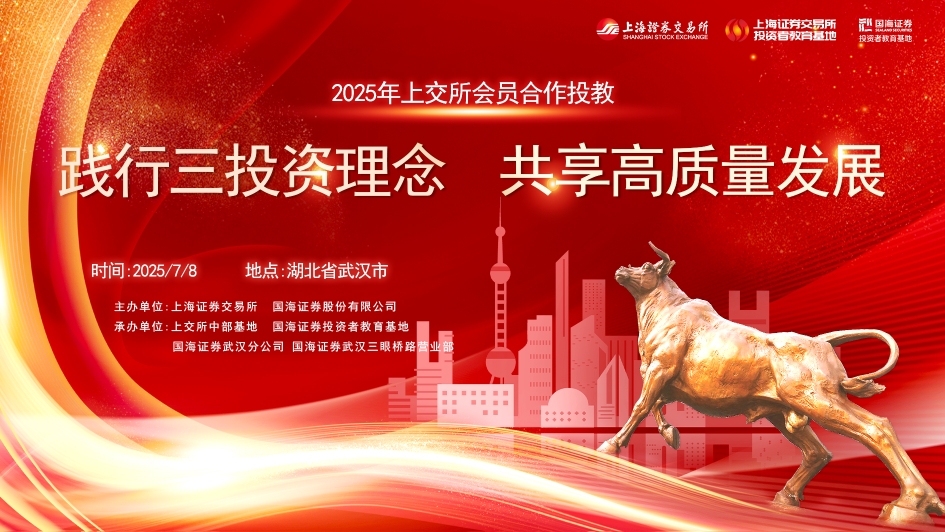
践行三投资理念 共话高质量发展——国海证券与上交所合作投教活动在武汉成功举办
Quan Jing Wang· 2025-08-25 07:27
互动问答环节中,投资者围绕"ETF行业轮动策略""期权组合风控技巧"等实务问题与讲师热烈交流。营业部工作人员在现场积极引导,确保互动环节有序进 行,让每位有疑问的投资者都能得到充分解答。 深挖期权市场功能,解析专业化风险管理工具 国海证券武汉分公司总经理瞿冉随后带来《高质量发展的上交所期权市场》主题分享,从市场定位、发展现状及实战应用三个维度展开深度解读。他介绍, 上交所期权市场通过持续优化制度设计与产品供给,已发展成为专业化、规范化的风险管理核心平台。"期权不仅是高效的价格发现工具,更能为投资者提 供对冲市场波动、增强投资收益的多元化策略选择。"瞿冉结合详实数据分析期权市场参与要点,特别提醒投资者需充分认知风险收益特征,坚决避免盲目 跟风操作。 互动答疑深化认知,投教服务持续赋能投资者 由上海证券交易所和国海证券联合主办,上海证券交易所中部基地、国海证券武汉分公司、国海证券武汉三眼桥路营业部协办的上交所会员合作投教活动, 在上海证券交易所中部基地圆满举行。,作为资本市场服务实体经济的重要实践,本次活动聚焦上交所期权与ETF市场创新成果,活动吸引力60余名投资者 参与,成为金融投资者教育下沉地区的生动范例。 ...

远期点价成为中小纸企锁利“护甲”
Qi Huo Ri Bao Wang· 2025-08-24 16:22
Core Viewpoint - The article discusses how a paper manufacturing company in Shandong, China, successfully utilized financial innovation solutions from Yong'an Futures to manage price risks associated with raw material procurement, specifically paper pulp, amidst a volatile market environment. Group 1: Market Conditions - In the first half of 2024, the global pulp and paper market faced significant disruptions due to supply chain issues, including limited wood supply, production equipment failures, and transportation obstacles, leading to a rising pulp price of 6400 yuan/ton [1] - Domestic demand for finished paper products, particularly cultural and packaging paper, has weakened, with order volumes significantly declining compared to the same period last year [1] Group 2: Challenges Faced by Companies - Many small and medium-sized paper companies in Shandong, including Company A, lack professional futures teams and comprehensive risk management systems, leaving them uncertain on how to hedge against price fluctuations [2] - Companies are often trapped in a passive procurement model, suffering from profit erosion due to pulp price volatility without the knowledge or experience to engage in futures trading [2] Group 3: Financial Solutions Provided - Yong'an Futures, through its risk management subsidiary Yong'an Capital, provided tailored financial solutions to help the company lock in pulp procurement costs and mitigate future market risks [2] - A customized forward pricing model was developed, allowing the company to secure a pulp price of 6250 yuan/ton, thus stabilizing procurement costs and ensuring profitability on existing orders [2][3] Group 4: Supply Chain Coordination - Yong'an Capital ensured stable supply of the specified brand of bleached softwood pulp by coordinating closely with upstream suppliers and managing logistics effectively [3] - The company utilized its own and partnered storage facilities to optimize warehousing and ensure timely delivery of raw materials [3] Group 5: Impact on Business Operations - The comprehensive service provided by Yong'an Capital improved the operational efficiency and risk resilience of the entire paper industry chain, facilitating collaborative development [3] - The successful implementation of the forward pricing model transformed the company's perception of the futures market from a high-risk tool to a manageable and effective means of addressing operational challenges [4] Group 6: Long-term Benefits - The new risk management approach allows companies to proactively establish operational safety margins, laying a foundation for sustainable growth [4] - The use of standardized pulp futures contracts through the forward pricing model enables companies to transfer price volatility risks to the futures market without directly engaging in complex derivative transactions [4][5]

格林美: 外汇衍生品交易业务管理制度
Zheng Quan Zhi Xing· 2025-08-24 16:13
Core Viewpoint - The company has established a comprehensive management system for foreign exchange derivative trading to mitigate investment risks and ensure asset safety, adhering to relevant laws and regulations [1][2][3]. Group 1: Foreign Exchange Derivative Trading Business - The foreign exchange derivative trading business is defined as operations conducted to hedge against exchange rate or interest rate risks, including various financial instruments such as forward contracts, swaps, and options [1][2]. - The company will not engage in foreign exchange derivative trading for profit-making purposes; all transactions must be based on normal business operations [2][3]. - Transactions are only permitted with qualified financial institutions approved by the State Administration of Foreign Exchange and the People's Bank of China [2]. Group 2: Approval and Management Structure - All foreign exchange derivative trading activities require prior approval from the company's general manager, deputy general manager, or financial director, regardless of the transaction amount [3]. - The board of directors serves as the decision-making body for foreign exchange derivative trading, while the general manager's office manages daily operations within the authorized scope [2][3]. Group 3: Risk Management and Compliance - The company must establish a strict risk management mechanism to prevent and mitigate credit, market, operational, and legal risks associated with foreign exchange derivative trading [6][7]. - Any significant losses or risks must be reported immediately to the board of directors, and the company is required to disclose relevant information in accordance with regulatory requirements [8]. - All personnel involved in foreign exchange derivative trading must adhere to confidentiality agreements to protect sensitive information [6][7]. Group 4: Documentation and Record Keeping - The financial department is responsible for maintaining records of trading plans, transaction documents, and delivery materials for a minimum of 10 years, while original agreements and authorization documents must be kept for at least 15 years [8].
