数字化

Search documents
梁冬:用黄金做Labubu,是加速主义与减速主义并存的结果
Feng Huang Wang Cai Jing· 2025-09-27 10:02
著名经济学家付鹏(左一)、正安康健创始人、正安中医教育基金会创始人梁冬(左二) 针对黄金价格的飙升,著名经济学家付鹏与正安康健创始人、正安中医教育基金会创始人梁冬在论坛对话环节进行探讨。 凤凰网财经讯 9月23-24日,由凤凰卫视、凤凰网主办的"凤凰湾区财经论坛2025"在广州举行。本届论坛以"新格局·新路径"为主题,汇聚全球政商学界精 英,共同洞察变局脉络、探寻发展新机。 付鹏认为,黄金强势背后是受跨越历史文化的价值储存共识影响,但他提醒,价值共识会随着人群和时间的变化而发生变化。他提到,"我们家就做过试 验。我给孩子留了一些钱币、邮币卡,还有一些珠子、串子、玛瑙、翡翠、木头。" 他指出,老一辈认为有价值、可以作为传家宝的物品,在年轻人眼中可 能并非如此。比如"我们认为红木家具可以当传家宝,你认为现在年轻人会认同这个价值吗?他不认为的,搞不好认为买的Labubu更值钱。" 而梁冬则将黄金与时下兴起的数字货币并行讨论,他认为,这表面上是两种资产,但背后反映的是一个故事线——加速主义与减速主义的并存。 一方面,"加速主义" 体现在一部分人正快速拥抱人工智能、数字化等前沿科技领域,并投资于数字货币这样的新兴资产。 ...


山东移动淄博公司织就高速信息网络,筑牢“数字淄博”智慧生命线
Qi Lu Wan Bao Wang· 2025-09-27 04:42
Group 1 - The core viewpoint emphasizes the critical role of information transmission networks as the backbone of smart cities, with Shandong Mobile Zibo Company ensuring the safety, stability, and efficiency of the transmission network in Zibo [1] - Shandong Mobile Zibo Company conducts 30 routine inspections monthly and processes over 200 real-time performance alerts daily, maintaining a network availability rate of over 99.99% to provide a reliable internet environment for users [1] Group 2 - In terms of network security, Shandong Mobile Zibo Company organizes over 20 emergency drills annually, covering all critical scenarios, and conducts up to 10 inspections daily during major event security periods, involving over 500 personnel [3] - The company is transitioning its operation and maintenance model towards intelligent automation by utilizing big data analytics for precise fault location and risk prediction, and employing new devices to enhance inspection efficiency in remote and complex terrains [3] - Future plans include continuing to enhance network performance through intelligent and efficient operational methods to support the high-quality development of "Digital Zibo" [3]

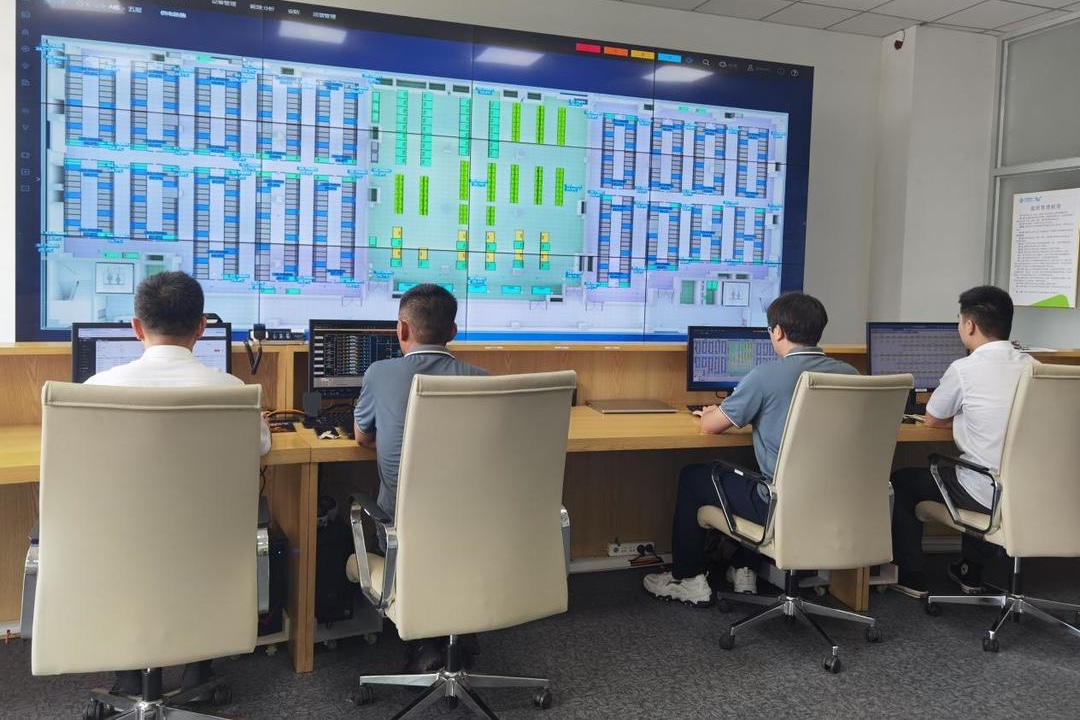
豫联集团举行五十周年庆典活动
Zheng Quan Ri Bao Zhi Sheng· 2025-09-27 04:13
Core Insights - Henan Yulian Energy Group, the controlling shareholder of Zhongfu Industrial, celebrated its 50th anniversary, highlighting its evolution from a local small thermal power plant to an international high-end aluminum alloy new materials enterprise [1][2] - The company has established a green low-carbon circular industry layout, focusing on the development of hydropower aluminum, recycled aluminum, and wind-solar new energy [2] - Yulian Group ranked 278th in the 2025 China Manufacturing Enterprises Top 500 list, with a revenue of 44.7 billion yuan, marking a 26-place improvement from the previous year [2] Company Development - Zhongfu Industrial has a production capacity of 690,000 tons of deep-processed aluminum, 750,000 tons of electrolytic aluminum, 500,000 tons of recycled aluminum (under construction), 150,000 tons of carbon products, 900,000 kilowatts of electricity, and 2.25 million tons of raw coal [2] - The company is committed to enhancing production efficiency and quality control through the introduction of digital management systems and smart devices [2] Future Strategy - The chairman of Yulian Group emphasized the importance of maintaining profitability and low debt while expanding core business [3] - The company aims to strengthen organizational and cultural development, optimize governance structures, and explore new growth areas for sustainable development [3]
海螺新材下属公司年产15万平方米铝合金智能门窗项目投产
Xin Jing Bao· 2025-09-27 04:09
Core Viewpoint - Conch New Materials (海螺新材) has successfully launched its annual production project for 150,000 square meters of aluminum alloy smart doors and windows, marking a significant step towards digital and intelligent transformation in the door and window industry [1] Group 1: Project Details - The project is operated by Ningbo Conch Plastic Profile Co., Ltd. and features advanced automation equipment including laser sawing and milling processing centers, intelligent storage for components, and a finished product sorting center [1] - The production process is fully integrated with cloud servers, enabling digital networking between software and equipment, which enhances the overall efficiency and control of the manufacturing process [1] Group 2: Industry Implications - This initiative is expected to drive the company's transition towards a more digital and intelligent manufacturing approach, aligning with broader industry trends towards automation and smart production [1]

中国气候变化事务特使刘振民莅临佳华科技考察 深度关切“双碳”领域数字化创新实践
Zheng Quan Shi Bao Wang· 2025-09-27 02:33
Core Insights - The visit by Liu Zhenmin, China's Special Envoy for Climate Change, to Jiahua Technology's IoT Big Data Center highlights the government's emphasis on digital development in the context of the "dual carbon" strategy [1][2] - Jiahua Technology has been recognized for its advanced technological capabilities and extensive data reserves, which are crucial for supporting the national "dual carbon" goals [1][2] Group 1: Company Achievements - Jiahua Technology has actively participated in the national "dual carbon" initiative, managing three core systems that cover the entire lifecycle of carbon dioxide and non-carbon greenhouse gases [2] - The company has launched a green low-carbon enterprise empowerment platform, which has been selected as one of the first national data projects by the National Development and Reform Commission, providing SaaS-based services to thousands of government departments and key enterprises [2] Group 2: Technological Innovations - Jiahua Technology's "data factory" system integrates five core technologies: AI, blockchain, cloud computing, big data, and IoT, offering comprehensive solutions for carbon monitoring, management, trading, and data asset management [1][2] - The company aims to enhance its role in digital and green transformation, contributing to the national strategy of "green development, digital economy, and new productivity" [2]

Electrification Drives Eaton Corporation plc (ETN)’s $3.4B Electrical Americas Surge
Yahoo Finance· 2025-09-26 14:25
Core Insights - Eaton Corporation plc (NYSE:ETN) reported record-breaking second-quarter 2025 results, with earnings per share at $2.51 and adjusted EPS at $2.95, reflecting an 8% increase from the previous year [2] - Sales reached $7.0 billion, an 11% year-over-year growth driven by 8% organic growth, acquisitions, and favorable currency impacts [2] - The Electrical Americas segment generated $3.4 billion in sales, a 16% increase from Q2 2024, driven by strong demand in electrification markets [3] Financial Performance - Earnings per share (EPS) reached $2.51, with adjusted EPS at $2.95, marking an 8% increase year-over-year [2] - Total sales climbed to $7.0 billion, reflecting an 11% growth compared to the previous year [2] - Segment margins achieved a record high of 23.9%, indicating improved profitability [2] Market Dynamics - The backlog increased by 17%, signaling sustained demand across Eaton's offerings [2] - Key growth drivers identified include digitalization, electrification, reindustrialization, and rising defense spending [3] Strategic Moves - In July, Eaton announced the acquisition of Resilient Power Systems Inc., enhancing its capabilities in solid-state transformer technology [4] - This acquisition is expected to strengthen Eaton's position in the electric vehicle ecosystem and expand applications in data centers, port electrification, and battery energy storage [4]

中国制造业升级,为何能打破“产业转移魔咒”?
Hu Xiu· 2025-09-26 13:16
Core Insights - The manufacturing sectors in the Yangtze River Delta and the Pearl River Delta have distinct developmental timelines, with the former being about 5 to 10 years behind the latter in terms of industrialization and investment attraction [1][2] - The Pearl River Delta has a higher concentration of labor-intensive industries, while the Yangtze River Delta has more advanced manufacturing processes and larger industrial parks [2][3] - The automation wave, referred to as "machine replacement," has affected both regions similarly, driven by national policies and the need for labor due to workforce shortages [3][5] Group 1: Regional Differences - The Pearl River Delta began its industrialization earlier, attracting significant investment in the 1980s, while the Yangtze River Delta saw large-scale industrialization in the 1990s [1] - Industrial parks in the Pearl River Delta are often smaller and less organized, leading to a predominance of small, labor-intensive factories [2] - In contrast, the Yangtze River Delta has larger, more modern industrial parks with better living conditions for workers, reflecting a higher level of land development [2] Group 2: Automation and Labor Dynamics - The automation trend began around 2014-2015, influenced by both government policies and the internal drive of companies facing labor shortages [3][5] - Despite the rise of automation, there has not been a significant increase in layoffs; instead, workforce reductions have occurred through natural attrition [6][7] - The labor force in manufacturing has decreased significantly over the past decade, with many workers transitioning to the service industry, particularly after 2015 [10][11] Group 3: Global Context and Future Trends - Developed countries experienced automation earlier, but faced limitations due to high labor costs and technological bottlenecks, leading to industrial transfers to China [12][13] - China's labor costs have risen, making automation more economically viable, while the country has also begun transferring labor-intensive industries to Southeast Asia [14][15] - The automation rate in low-end, repetitive tasks has reached 80-90%, particularly in the automotive sector, while assembly processes remain around 70% automated [21][22] Group 4: Labor Market Shifts - Workers displaced by automation have often transitioned to new roles within companies or returned to rural areas where industrial development has increased [24][25] - The shift from manufacturing to service industries has been significant, with many workers finding opportunities in sectors like ride-sharing and delivery services [10][11] - The future of automation in manufacturing may plateau, with more focus shifting towards artificial intelligence in service-oriented roles [38]
石油和化工勘察设计领域这一盛会在武汉召开时
Sou Hu Cai Jing· 2025-09-26 12:47
Core Insights - The conference focused on innovation, digital transformation, and international development in the petroleum and chemical engineering sectors, celebrating the 40th anniversary of the China Petroleum and Chemical Survey and Design Association [2][3][4]. Group 1: Association Development - The association has grown from 20 member enterprises at its inception to 344 unit members and 338 individual members, becoming a core organization in the petroleum and chemical engineering design field [3]. - The association has played a crucial role in promoting technological advancement, regulating market order, and facilitating international exchanges over the past 40 years [3]. Group 2: Innovation Focus - Innovation is a key theme, with the association emphasizing the importance of surveying and design as the "front-end engine" for the petrochemical industry's innovation and high-quality development [4]. - A multi-dimensional communication system was established at the conference, featuring specialized reports, enterprise practices, and results showcases [4]. - Notable discussions included the industry development outlook during the 14th Five-Year Plan and the anticipated direction for the 15th Five-Year Plan, as well as the latest applications of artificial intelligence in the industrial sector [4]. Group 3: International Development - The association reported a 64% year-on-year increase in new overseas contracts signed by member units for 2024, indicating strong momentum in international development [5]. - The need for standard internationalization was highlighted as essential for enhancing China's petrochemical industry's global competitiveness [5]. - Several companies shared their experiences in overseas business practices, discussing pathways for high-quality development and sustainable cooperation in international markets [5]. Group 4: Future Directions - The association aims to continue building high-level communication platforms, promoting joint innovation, and strengthening standard leadership to enhance core competitiveness among enterprises [5]. - There is a collective commitment among representatives to drive the petrochemical industry towards high-end, intelligent, and green transformation, injecting new momentum into the construction of a strong petrochemical nation [5].
名雕股份:拟投资3.2亿元设立全资子公司
Mei Ri Jing Ji Xin Wen· 2025-09-26 10:37
Group 1 - The core point of the article is that Mingdiao Co., Ltd. plans to invest a total of 3.2 billion yuan to establish two wholly-owned subsidiaries aimed at enhancing competitiveness through digitalization in the construction and home decoration sectors [1] - The company will invest 1.2 billion yuan to set up Guangdong Yaobang Digital Home Co., Ltd. and 2 billion yuan for Guangdong Ruiju Supply Chain Co., Ltd. [1] - The investments are intended to strengthen the company's core business areas, including supply chain management, and promote long-term development [1]
美国造船业绞索已套上中国企业脖子:一场关乎全球海运的生死博弈
Sou Hu Cai Jing· 2025-09-26 09:43
Core Viewpoint - The U.S. has implemented a new policy targeting China's shipbuilding industry, imposing additional service fees on Chinese-built ships entering U.S. ports, aiming to curb China's dominance in shipbuilding and support its own shipyards [2][3]. Group 1: U.S. Policy and Its Implications - The U.S. Trade Representative's office announced a policy on February 21, 2025, requiring additional fees for Chinese-built ships, starting from October 14, with fees set at $50 per ton for Chinese ships and $18 per ton or $120 per container for non-Chinese ships [2]. - The policy stems from a Section 301 investigation initiated on April 17, 2024, which highlighted China's subsidies and market practices, leading to significant cost increases for Chinese ships entering U.S. ports [3]. - The average cost for a large Chinese-built ship could double, resulting in an increase of $200 per TEU (Twenty-foot Equivalent Unit) for shipping costs, which poses challenges for global trade [3]. Group 2: China's Shipbuilding Industry Performance - China's shipbuilding industry has been performing exceptionally well, with a completion rate of 55.7% of global shipbuilding, 74.1% of new orders, and 63.1% of hand-held orders as of January 16, 2024 [5]. - China leads in 14 out of 18 major ship types, including bulk carriers, oil tankers, and container ships, and has captured over 70% of global orders for green ships in the first three quarters of 2024 [5]. Group 3: Impact on Global Shipping and Competitors - Following the U.S. policy announcement, Chinese ship orders plummeted, with Norwegian and European shipping giants redirecting 30% of their orders to South Korean shipyards, which are now benefiting from the situation [6]. - South Korean shipyards, such as Hyundai Heavy Industries and Samsung Heavy Industries, have introduced "zero-risk compensation clauses" to attract clients and have seen a 25% increase in order tonnage by July [6]. - The global shipping chain has been disrupted, leading to increased shipping costs for high-value goods and a significant drop in shipping stocks on Wall Street [9]. Group 4: China's Countermeasures - In response to the U.S. policy, China has initiated reciprocal measures, including additional fees on Boeing aircraft entering Chinese ports and antitrust investigations into Qualcomm, impacting U.S. companies heavily reliant on the Chinese market [11]. - Chinese shipyards are upgrading their equipment and improving efficiency to capture markets in Southeast Asia and India, maintaining their leading position in global orders [11]. Group 5: Long-term Industry Dynamics - The ongoing trade conflict represents a struggle for global maritime influence, with shipping accounting for over 90% of world trade, and future trends leaning towards green transformation and digitalization [12]. - Despite U.S. efforts to regain its shipbuilding industry, analysts suggest that China's market share will remain above 60%, as the resilience of its industrial chain and international cooperation will enable it to adapt [12][14].