特朗普关税政策

Search documents
突然暴雷,美联储9月降息概率陡升
Di Yi Cai Jing Zi Xun· 2025-08-02 00:32
Core Viewpoint - The unexpected decline in the U.S. non-farm payroll report for July raises concerns about the current state of the labor market, prompting speculation about potential actions by the Federal Open Market Committee (FOMC) in September [2][5]. Employment Growth - In July, non-farm employment increased by 73,000, significantly below the market expectation of 115,000 [2]. - The unemployment rate rose to 4.2%, reflecting a decrease in household employment volatility [2]. - Job growth was primarily concentrated in the healthcare sector, which added 55,000 positions, while federal government employment decreased by 12,000 [2]. Data Revisions - Previous months' data were significantly revised downwards, with June's job additions revised down by 133,000 to just 14,000, marking a near five-year low [3]. - May's job additions were also revised down by 125,000, resulting in a total downward revision of 258,000 jobs over the two months [3]. - The average monthly job growth from May to July fell to approximately 35,000, the slowest pace since the onset of the COVID-19 pandemic [3]. Labor Market Dynamics - The number of job openings in June dropped from 7.7 million to 7.4 million, the lowest level in a year [4]. - Despite the decline in job openings, layoffs remain at historically low levels, with a layoff rate of 1%, below the average of 1.4% from 2010 to 2019 [4]. - The current labor market situation is characterized as "no extra hiring, lukewarm" by analysts [4]. Monetary Policy Outlook - The Federal Reserve decided to maintain the interest rate range at 4.25%-4.50%, with Chairman Powell emphasizing the need to stabilize long-term inflation expectations [4][5]. - The personal consumption expenditures (PCE) index, the Fed's preferred inflation measure, rose by 0.3% in the previous month, with the year-on-year growth increasing from 2.4% to 2.6% [4]. - Analysts suggest that the Fed may consider rate cuts if labor market weakness persists, similar to the previous year when a key recession indicator was triggered [5][6]. Market Expectations - Market expectations for rate cuts have increased, with an 82% probability of a rate cut in September according to futures pricing [6]. - Wells Fargo anticipates consecutive rate cuts in the remaining meetings of the year, reflecting a shift towards a more neutral monetary policy stance [6].

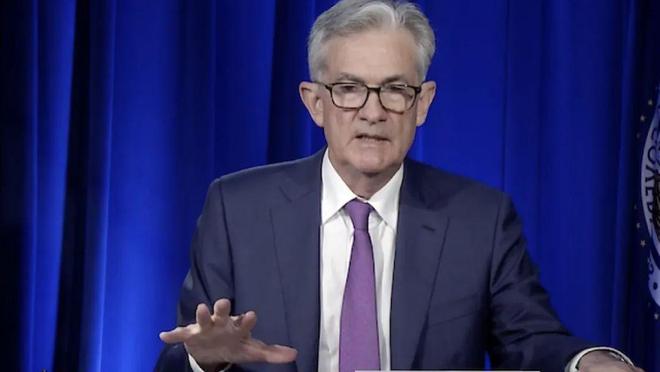
突然暴雷,美联储9月降息概率陡升
第一财经· 2025-08-02 00:28
Core Viewpoint - The unexpected decline in the U.S. non-farm payroll report for July raises concerns about the labor market, prompting speculation about potential interest rate cuts by the Federal Reserve in September [3][5][6]. Employment Data Summary - The U.S. non-farm payroll increased by only 73,000 jobs in July, significantly below the market expectation of 115,000 [3]. - The unemployment rate rose to 4.2%, with job growth primarily concentrated in the healthcare sector, which added 55,000 positions [3]. - Job data for the previous two months was revised downwards, with June's jobs cut by 133,000 to 14,000, marking a near five-year low [4]. - The average monthly job growth from May to July dropped to approximately 35,000, the slowest pace since the onset of the COVID-19 pandemic [4]. Economic Implications - The U.S. economy requires the creation of about 100,000 jobs per month to keep pace with the growth of the working-age population [4]. - Job openings fell from 7.7 million in June to 7.4 million, the lowest level in a year and the second-lowest since the pandemic began [4]. - Despite the decline in job openings, layoffs remain at historical lows, with a layoff rate of 1%, significantly lower than the average of 1.4% from 2010 to 2019 [4]. Federal Reserve's Position - The Federal Reserve decided to maintain the interest rate range at 4.25%-4.50%, with Chairman Powell emphasizing the need to stabilize long-term inflation expectations [5]. - The preferred inflation measure, the Personal Consumption Expenditures (PCE) index, rose by 0.3% in the previous month, the largest increase since February, with the year-on-year growth rate climbing from 2.4% to 2.6% [5]. - Market expectations for a rate cut in September have increased, with an 82% probability priced in for the first cut [7]. Future Outlook - Analysts suggest that if the labor market continues to show signs of weakness, the Federal Reserve may opt for preemptive rate cuts, similar to the actions taken last year [6][8]. - The upcoming non-farm payroll report will be crucial in confirming or alleviating concerns regarding the current employment data's weakness [8].
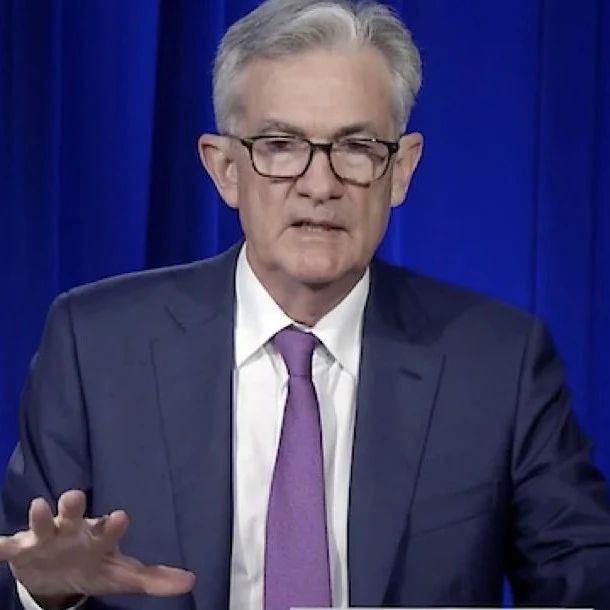
最新民调:特朗普支持率跌至40%
财联社· 2025-07-30 00:44
Core Viewpoint - The article discusses the decline in President Trump's approval ratings, highlighting concerns among the American public regarding his handling of economic and immigration policies [1][5]. Group 1: Approval Ratings - A recent poll indicates that Trump's approval rating has dropped to 40%, marking a new low during his second term [1]. - The poll, conducted over three days, surveyed 1,023 adults across the U.S. with a margin of error of ±3 percentage points [2]. - Trump's approval ratings show significant polarization, with 83% of Republicans approving of his performance, compared to only 3% of Democrats [2]. Group 2: Economic Policy - Approximately 38% of respondents approve of Trump's economic management, an increase from 35% in a previous poll [3]. - Trump's aggressive tariff policies aim to reduce trade deficits and promote manufacturing in the U.S., but have introduced considerable uncertainty into the economy [3]. - In April, Trump signed executive orders establishing a 10% "minimum baseline tariff" on trade partners, later extending a negotiation period for higher tariffs [3]. Group 3: Immigration Policy - Trump's administration has implemented strict immigration policies, which have sparked controversy and raised concerns about potential impacts on the labor market [4]. - About 43% of respondents support Trump's immigration policies, a slight increase from 41% in earlier polling [3]. Group 4: Overall Approval Trend - Since January, Trump's overall approval rating has decreased by approximately 12 percentage points, from 56% to 44% [5].

13年新低,美国楼市旺季“爆冷”,释放什么信号
Di Yi Cai Jing· 2025-07-29 10:31
Redfin华盛顿特区市场高级经理帕克(Marshall Park)认为,联邦政府裁员是当地房价承压的因素之 一,除此以外,"我们还看到高利率迫使买家重新评估什么是负担得起的,从而表现出价格敏感的迹 象。" 根据房地美数据,美国30年固定利率抵押贷款利率为6.74%,自2024年11月以来就从未回落至6.5%以下 的区间。 美国房地产市场传统上最为活跃的交易周期如今却异常冷清。根据美国人口普查局最新发布的数据,美 国新建单户住宅销售持续放缓,市场库存与供应量持续攀升,房价呈现下行趋势。 美国房地产经纪公司Redfin的统计进一步印证了这一趋势,今年4至6月的春季销售季期间,全美签署的 房屋销售合同数量创下自2012年以来的新低。 "近期我在曼哈顿完成的几笔交易,成交价格都处于低位。目前曼哈顿市场正处于低谷期,确实存在不 少优质的交易机会。"纽约知名地产经纪公司Serhant的资深经纪人艾米·王(Amy Wang)对第一财经记 者表示,不少卖家都表现出较强的出售意愿,在新泽西地区,优质社区仍然需要加价竞购,但普通社区 的交易节奏明显放缓。整体而言,市场降温的趋势已经十分明显。 为何放缓 根据美国人口普查局数据, ...

13年新低!美国楼市旺季“爆冷”,释放什么信号
Di Yi Cai Jing· 2025-07-29 09:59
美国房地产市场传统上最为活跃的交易周期如今却异常冷清。根据美国人口普查局最新发布的数据,美 国新建单户住宅销售持续放缓,市场库存与供应量持续攀升,房价呈现下行趋势。 美国房地产经纪公司Redfin的统计进一步印证了这一趋势,今年4至6月的春季销售季期间,全美签署的 房屋销售合同数量创下自2012年以来的新低。 春季销售季期间,全美签署的房屋销售合同数量创下自2012年以来的新低。 张东云举例称:"以尔湾高端社区波托拉泉(Portola Springs)的Cielo山景楼盘为例,该项目在2024年最 高报价超过500万美元,如今开发商已将价格下调至300余万美元。即便在这样的调整下,潜在买家仍在 观望,我的一位客户向我询问是否可能有更低的价格,期待更好的入市时机。" 对于未来的房价趋势,总部在吉隆坡的全球房产集团居外IQI (Juwai IQI)联合创始人兼集团首席执行 官安萨里(Kashif Ansari)对第一财经记者称,美国有些楼市可能进一步降价。"目前市场上20%左右的 房源降价,卖家需紧跟市场趋势,避免房源长时间滞留。"他建议,对买家而言,尽管2025年抵押贷款 利率预计将维持在6.5%-6.7%的高 ...

美国经济与美债分析手册——宏观利率篇
2025-07-29 02:10
Summary of Key Points from the Conference Call Industry or Company Involved - The discussion primarily revolves around the **U.S. economy** and **U.S. Treasury market** analysis, with a focus on macroeconomic indicators and fiscal policies. Core Insights and Arguments 1. **Macroeconomic Shifts**: The global macro trading narrative in 2025 has shifted multiple times, influenced by factors such as Trump's policies and trade disputes, with a need to monitor the potential reversal risks associated with "Taco trading" [1][5][6]. 2. **Impact of Trump's Policies**: The passage of the "Big Beautiful Plan" has enhanced Trump's negotiation flexibility, particularly as the August 1 tariff deadline approaches, which could influence market dynamics [1][8]. 3. **Consumer Spending as Economic Indicator**: Personal consumption accounts for over 60% of U.S. GDP, making it a critical focus for assessing economic trends through retail sales and consumer confidence indices [1][12][16]. 4. **Real Estate Market Challenges**: The U.S. real estate market is currently facing high interest rates and reduced housing demand, with new and existing home sales being key indicators to monitor [1][24][25]. 5. **Federal Reserve's Role**: The Federal Reserve's monetary policy is primarily driven by inflation and employment factors, with potential interest rate cuts expected in response to labor market weaknesses [3][9][44]. 6. **Treasury Market Dynamics**: The U.S. Treasury market serves as a global asset pricing anchor, with significant portions held by international investors, impacting global interest rates and capital flows [10][11][38]. 7. **Trade Policy Implications**: Trump's trade policies are a significant variable in macro trading for 2025, with the U.S. experiencing trade deficits while maintaining a surplus in services [26]. 8. **Labor Market Resilience**: The labor market shows signs of resilience, with non-farm employment data and unemployment rates being crucial metrics for understanding economic health [27][28]. Other Important but Potentially Overlooked Content 1. **Consumer Confidence and Retail Data**: Retail sales and consumer confidence indices are vital for gauging economic performance, with soft data sometimes conflicting with hard data [20][21]. 2. **Inflation Indicators**: Recent increases in core consumer prices suggest that tariff policies may be influencing inflation, which could affect future Federal Reserve decisions [33][34]. 3. **Market Reactions to Economic Data**: The relationship between stock and bond markets indicates that rising yields can negatively impact equity valuations, highlighting the interconnectedness of asset classes [14]. 4. **Federal Budget Concerns**: The U.S. fiscal budget process is complex, with recent spending levels raising concerns about fiscal sustainability, particularly with the "Big Beautiful Plan" increasing the deficit ceiling [36]. 5. **Investment Strategies in Treasury Market**: Current strategies suggest a focus on short-term Treasury securities due to anticipated interest rate cuts, while long-term securities face greater uncertainty due to inflation risks [47].
特朗普关税和全球经济放缓背景下 印度警告称存在贸易风险
news flash· 2025-07-28 11:07
金十数据7月28日讯,印度财政部表示,由于美国总统特朗普的关税政策持续存在不确定性,印度的贸 易表现可能在未来几个季度受到影响。商务部在周一发布的月度经济报告中表示,全球经济放缓,尤其 是美国经济放缓,可能抑制对印度出口的需求。"美国关税方面的持续不确定性可能会在未来几个季度 拖累印度的贸易表现。" 特朗普关税和全球经济放缓背景下 印度警告称存在贸易风险 ...
国金地缘政治周观察:展望特朗普关税的司法博弈
SINOLINK SECURITIES· 2025-07-27 12:25
Group 1: Geopolitical Developments - The U.S. has made progress in trade negotiations with Japan, the Philippines, and Indonesia, with agreements expected before the August 1 deadline[1] - A key event is the third round of U.S.-China trade talks scheduled for July 28 in Stockholm, which may yield new outcomes regarding export controls[1] - The U.S. Federal Circuit Court will rule on July 31 regarding the legality of Trump's tariffs under the International Emergency Economic Powers Act (IEEPA), impacting global trade dynamics[1] Group 2: Tariff Analysis - Trump's tariffs can be categorized into three types: a 20% tariff on fentanyl-related products from China, a 25% tariff on goods from Mexico and Canada, and a 10% tariff on various imports based on trade deficits[2] - The International Trade Court ruled on May 28 that Trump's global and retaliatory tariffs were invalid, asserting that tariff authority lies with Congress, not the President[2] - The upcoming court ruling on July 31 could result in four scenarios, including upholding the International Trade Court's decision, which would invalidate Trump's tariffs[3] Group 3: Implications for China - If the court rules against Trump's tariffs, China may gain leverage in future negotiations with the U.S.[4] - Conversely, if the court supports Trump's tariffs, negotiations may become more challenging, requiring further concessions from China[4] - The potential for Trump to utilize other administrative measures to impose tariffs remains if the court ruling is unfavorable[4] Group 4: Upcoming Events and Risks - Key upcoming events include the U.S.-China trade talks from July 27 to 30 and the court debate on July 31, which will influence tariff policies[4] - Risks include the possibility of U.S. trade negotiations introducing terms detrimental to China's interests and the potential for increased geopolitical tensions in the South China Sea region[5]
美国的九大关税
Hu Xiu· 2025-07-19 02:31
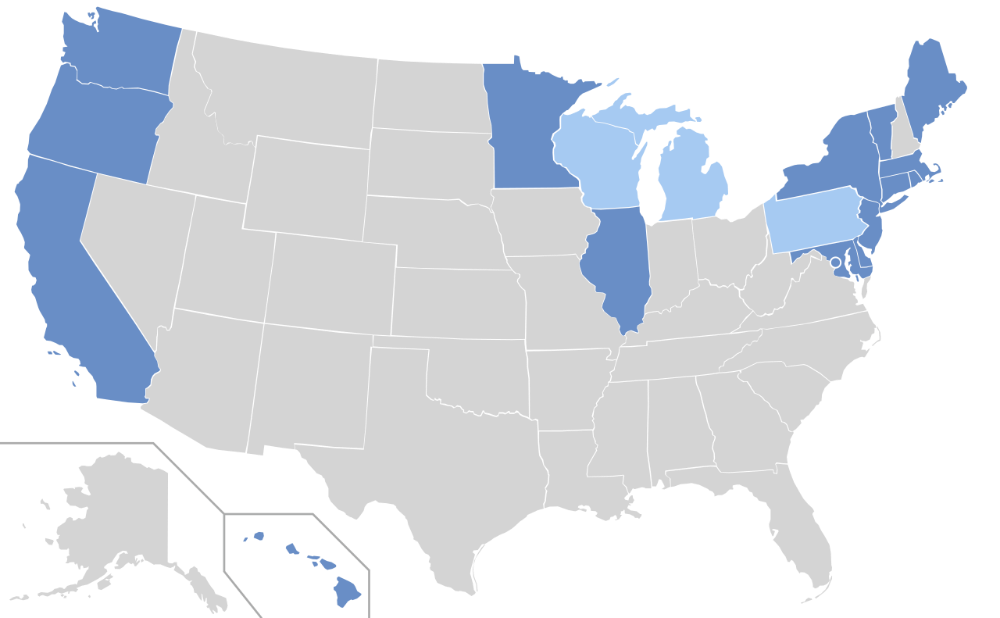
Core Viewpoint - The article discusses the impact of Trump's tariffs, particularly the nine industry-specific tariffs based on national security concerns, which are more stringent than reciprocal tariffs based on trade deficits [1][3]. Group 1: Steel and Aluminum - Trump announced a 25% tariff on steel and a 10% tariff on aluminum in 2018, which were later reinstated and increased to 50% in 2025 [4][6][7]. - The tariffs primarily target Canada, which accounts for over 20% of U.S. steel imports and nearly half of aluminum imports, followed by the EU and Japan [9]. - The tariffs have significant political implications, especially in key swing states like Wisconsin, Michigan, and Pennsylvania, which are crucial for elections [13][14][15]. Group 2: Copper - A 50% tariff on copper was announced, affecting various copper products, with the U.S. relying on imports for about half of its copper needs [16][17]. - Chile is a major copper supplier, contributing to a quarter of global supply, while China and other Asian countries hold significant copper reserves [18][19]. Group 3: Automotive and Parts - A 25% tariff on imported cars and parts was implemented, impacting a market where the U.S. imports over $300 billion worth of vehicles annually [22][23]. - The primary countries affected include Mexico, Japan, South Korea, Germany, Canada, and the UK, with Mexico being the most impacted [24][25]. - The tariffs are expected to influence U.S. automakers significantly, as they rely heavily on imported parts, with nearly 60% of parts being imported [25][32]. Group 4: Commercial Aircraft and Jet Engines - The U.S. imports more commercial aircraft and jet engines than it exports, with a trade deficit of $33 billion in 2024 [40]. - Nearly 50% of these imports come from the EU, with significant contributions from Canada and the UK [41]. Group 5: Wood Products - The U.S. is investigating tariffs on imported wood products, citing national security concerns due to military construction needs [43][45]. Group 6: Pharmaceuticals - The U.S. imports about 80% of its generic drugs and half of its brand-name drugs, with significant imports from Ireland and China [46][48]. - The U.S. has raised concerns about trade imbalances with Ireland, where many pharmaceutical companies have established operations [48]. Group 7: Semiconductors - The semiconductor industry is under scrutiny for potential tariffs, as the U.S. imports $200 billion more in semiconductors than it exports [51]. - Major suppliers include mainland China, Taiwan, and Mexico, with a significant reliance on foreign production [52]. Group 8: Critical Minerals - The U.S. is heavily reliant on imports for critical minerals, with 12 out of 50 minerals fully imported and 28 more than half imported [53][54]. - South Africa and Canada are the largest suppliers, while China dominates the rare earth imports [55]. Group 9: Manufacturing Employment - The article notes a decline in U.S. manufacturing jobs from 17 million to 13 million over the past 30 years, with tariffs aimed at bringing jobs back to the U.S. [58]. - The transition of supply chains is complex and varies by industry, with manufacturing sectors like automotive facing longer timelines for relocation [59][60].
美国通胀的领先指标——出口深度思考系列之二
一瑜中的· 2025-07-18 15:36
Core Viewpoint - The report emphasizes that "quantity" is more important than "price" this year, focusing on the impact of inflation risks on the U.S. economy and its implications for exports and employment [2][11]. Group 1: Impact of Inflation on U.S. Economy - Inflation may erode the real income and consumption capacity of U.S. consumers, particularly among low- and middle-income groups, negatively affecting their purchasing power and increasing wealth disparity [3][12]. - A significant rise in inflation could suppress risk appetite, leading to a decline in U.S. stock markets, which would adversely affect the wealth effect for high-income groups and consequently impact service consumption [3][18]. - Rising inflation, combined with tax cuts, may raise concerns about the sustainability of U.S. public debt, potentially keeping long-term U.S. Treasury yields high and constraining fiscal expansion [4][26][27]. - If inflation rises significantly, it could limit the Federal Reserve's ability to cut interest rates, reducing the effectiveness of monetary policy in countering potential economic and employment downturns [4][32]. Group 2: Observing Short-term Inflation Risks - Various dimensions indicate short-term inflationary pressures, particularly in price expectations and surveys, while actual prices and economic indicators suggest a more stable inflation trajectory [5][35]. - Consumer inflation expectations tend to synchronize with U.S. CPI year-on-year changes but may lead actual inflation trends by 1-2 quarters during significant inflationary periods [5][36]. - Price surveys from businesses generally lead U.S. CPI changes by 2-5 months, indicating potential inflation trends [5][37]. - Financial market indicators, such as implied inflation rates from U.S. Treasury bonds, also lead CPI changes by about 2 months [5][46]. Group 3: Constructing a Leading Index for U.S. Inflation - A comprehensive leading index for U.S. inflation has been constructed using various dimensions, showing a correlation with U.S. CPI changes, leading by approximately 2 months [8][61]. - The leading index indicates that inflationary pressures are primarily driven by cost factors, with other dimensions showing limited upward pressure [8][68]. - The recent rise in the comprehensive leading index suggests a potential increase in U.S. CPI, with predictions indicating a possible rise to around 3.2% in July [8][69].