
票根经济

Search documents
成都消费“热辣滚烫”!人大代表带来这些好点子
Sou Hu Cai Jing· 2026-01-29 14:28
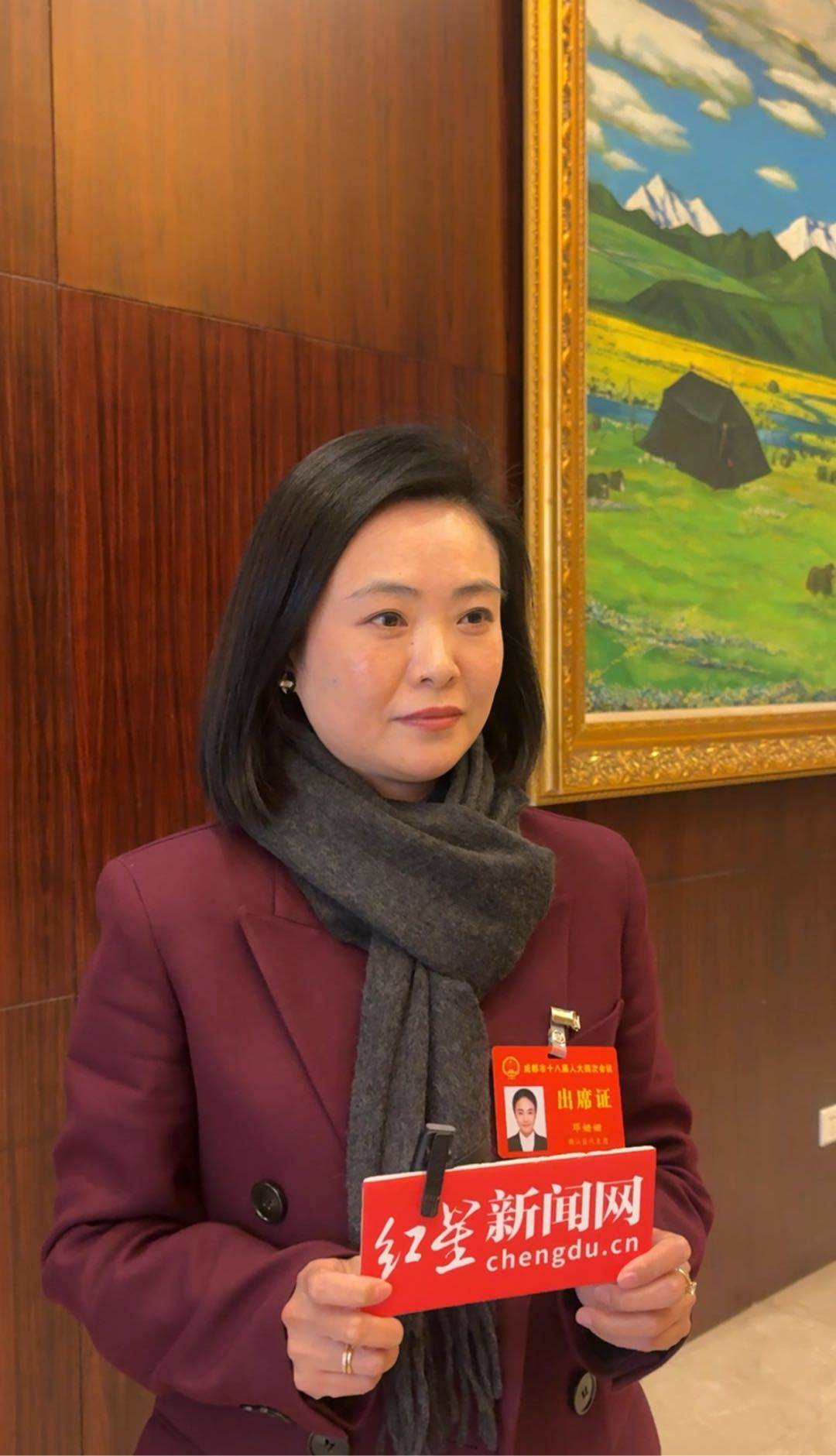
红星新闻网(记者 宋雅婷 但唐文)1月29日报道在2026年成都市政府工作报告中,这座万亿级消费城市的"成绩单"格外亮眼:2025年社会消费品零售总额增 长5.5%,总量稳居副省级城市首位。 回望2025年,成都已通过系列举措激活消费潜力:出台提振消费26条政策举措,先后举办成都首发季、服务消费季、"村糖会"等主题消费活动。全年成都兑 现消费品以旧换新补贴超870万件。同步发展"跟着演展赛剧游成都"票根经济,1035场重大会展活动、360场文博艺术展览、134场大型演唱会带动作用明 显。 当前,成都正乘势而上,谋划新一轮的消费升级。报告提出,2026年将从提振线下消费、擦亮新"十二月市"等特色品牌,提升春熙路、交子公园等重点商圈 能级,大力发展晨间经济、夜间经济等多元业态,落地首店850家以上;还将促进融合消费,推动票根串联"吃住行游购娱"全链条。 首发经济玩出新花样 从"一家"到"全域" 市人大代表、牛市口街道党工委书记邓姗姗对报告中"挖掘消费潜力,以小切口场景实现百花齐放"的部署深感振奋。邓姗姗说道,下一步,将紧扣报告要 求,通过文化挖掘、场景换新、产业赋能、社区共治的组合举措,推动老城区、老院落、老场景 ...

透过报告新鲜词,看懂福建“新意”
Xin Lang Cai Jing· 2026-01-28 23:06
Core Insights - The government work report emphasizes practical measures and innovative concepts to drive economic development in Fujian, showcasing a commitment to integrating new ideas with local realities [1][2]. Group 1: Industry Development Strategies - The report outlines the "Four Chains" integration strategy, focusing on the synergy between innovation, industry, finance, and talent to enhance the entire industrial process [3]. - The "555X" industrial development framework aims to establish a robust industrial pyramid with five trillion-level clusters, five five-hundred billion-level clusters, five hundred billion-level clusters, and X future industries, promoting a strong manufacturing province [4]. - The report highlights the importance of digital transformation and the integration of digital and real economies, positioning Fujian as a leader in digital economic development [6]. Group 2: Business Environment and Support - The "Four Connections and Four Arrivals" mechanism is introduced to optimize services for enterprises, ensuring efficient communication and support while maintaining a clean and cooperative government-business relationship [5]. - The report emphasizes the development of the "Ticket Root Economy" and "Night Economy," leveraging consumer experiences to stimulate economic activity through interconnected consumption scenarios [7]. Group 3: Cultural and Social Initiatives - The report discusses the "Four No Separation" mutual assistance elderly care model, which focuses on providing care in familiar environments, addressing emotional needs while ensuring quality care [11]. - It also emphasizes the continuation and innovative development of Fujian's diverse cultural heritage, aiming to integrate cultural assets into contemporary life and industry, enhancing the region's soft power [12]. Group 4: Infrastructure and Connectivity - The report mentions the initiation of 33 "Two Connections" projects, enhancing transportation links and benefiting nearly 300 million people, thereby facilitating rural revitalization and regional economic growth [10]. - The establishment of cross-strait standardization aims to reduce barriers for Taiwanese businesses, promoting closer economic cooperation and integration between the two regions [9].
票根经济将成为提振消费的重要驱动
Bei Jing Shang Bao· 2026-01-28 16:20
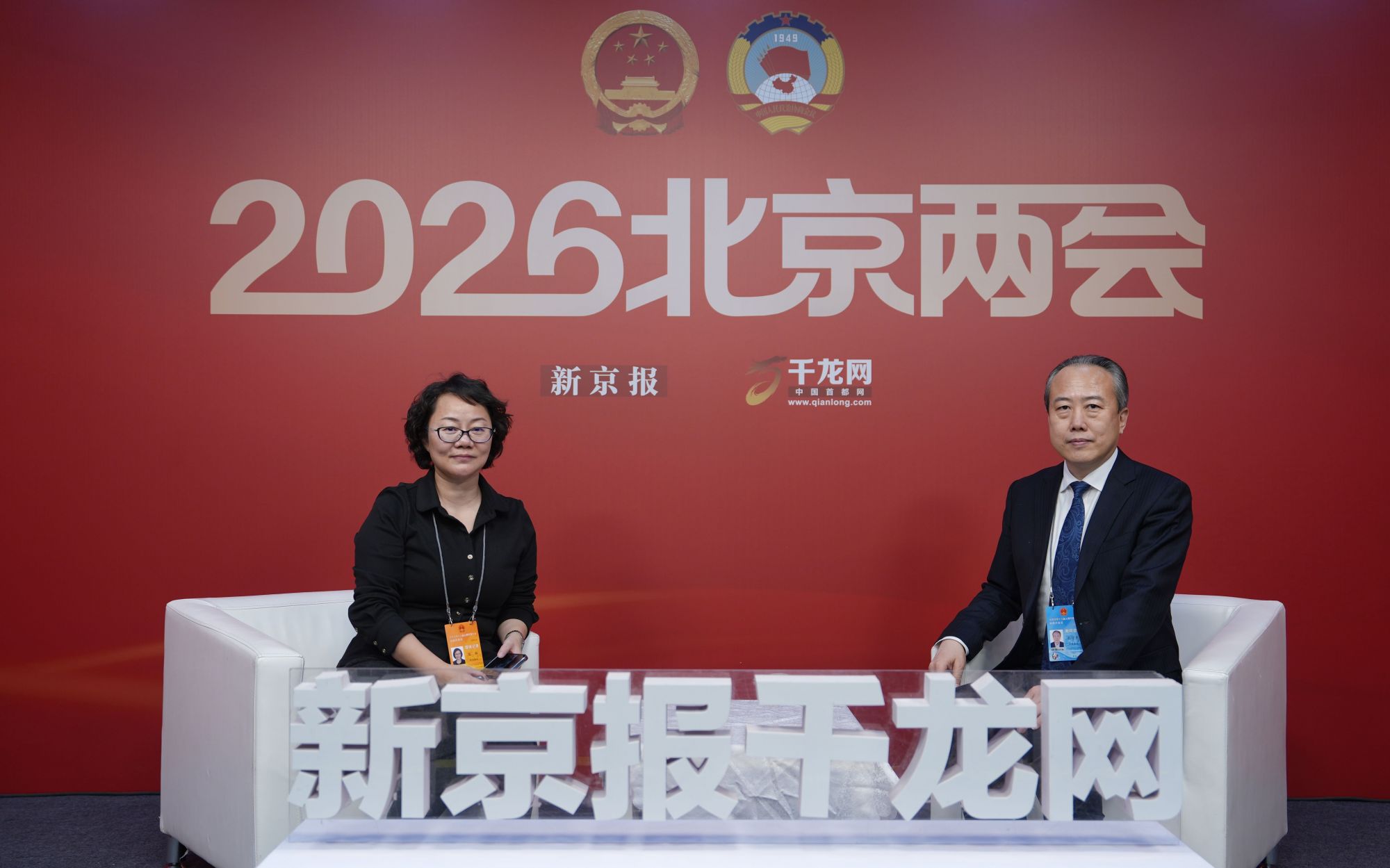
消费场景迭代上新,北京老字号也焕发新活力。1月26日,在北京市十六届人大四次会议间隙,市人大 代表、北京宏源餐饮集团有限公司董事长马龙在接受北京商报记者专访时表示,越来越多的国内外游客 来到北京,怎样向他们更好地展示北京文化、北京历史、北京底蕴,是每一位从业者都需要重视的课 题。 马龙理解的新消费不止于创新,还有一个全面升级的概念。"作为一名餐饮从业者,不论创新还是革 新,安全都是要始终放在第一位的。从业这么多年,如果我不能保障食品安全,我连觉都是睡不踏实 的。安全,是从业者承诺给消费者的基本保障,也是一个企业最应该、必须履行的社会责任。" 其次,就是传承创新。"举例来说,在对铜锅的技术改造过程中,曾经走访了很多材料方面的专家,得 到了很多解决方案。但在实践过程中,我们发现技术革新和传统传承存在着难以消弭的矛盾。假如只是 单纯地使用不锈钢,底下做个燃料,那它就不是北京传统的铜锅涮肉。后来,我们也经过很长时间的探 索与尝试,才将这个问题彻底解决。" 传统行业既要给顾客更新的体验、更安全的保障,也要更好地把传统继承下去。 北京商报记者 卢扬 在马龙看来,提振消费不止需要创新,还需要革新。当下的老字号该如何融合发展 ...
2026北京两会|对话市人大代表、北京宏源餐饮集团有限公司董事长马龙:票根经济将成为提振消费的重要驱动
Bei Jing Shang Bao· 2026-01-28 01:47
消费新场景迭代上新,北京老字号也焕发新活力。1月26日,在北京市十六届人大四次会议间隙,市人大代表、北京宏源餐饮集团有限公司董事长马龙在接 受北京商报记者专访时表示,越来越多的国内外游客来到北京,怎样向他们更好地展示北京文化、北京历史、北京底蕴,是每一位从业者都需要重视的课 题。 在马龙看来,提振消费不止需要创新,还需要革新。当下的老字号该如何融合发展?未来的老字号又该如何链接新消费?他给出了四个字的答案:票根经 济。 马龙:以食品安全与传统工艺革新为例,传统铜火锅存在氧化、锡层脱落导致的安全风险,尤其与酸性食物接触时。我们所研制的新型火锅材料,经国家权 威部门检测,安全标准远高于现有标准20倍以上,并已在多家门店应用,并会进行开源推广。 在日常管理方面,通过引入科技手段进行多方面升级,现阶段我们不仅实现了肉品切配标准化检测,并与收银系统打通实现质量与服务追踪;此外,通过引 入面部识别技术进行员工仪容仪表和在岗区域管理,优化工作流程;通过FRID技术实现中央厨房食材自动扫描记录与先进先出管理,提升效率与安全性。 北京商报:您是如何定义新消费的?您认为老字号企业做新消费的关键是什么? 北京商报:餐饮让一座城市有 ...

山东:燃动促消费和扩投资“双引擎”
Feng Huang Wang Cai Jing· 2026-01-28 00:14
扎根零售行业10余载,徐瑞泽对消费市场的变化有着直观感受。在她看来,当前,我国正处于消费结构 加速升级的关键期,居民消费从量的满足迈向质的提升,消费形态更加个性化、多元化、品质化。"在 这一背景下,以提振消费为重点扩大内需,既是回应群众诉求的现实举措,也是遵循经济规律的主动选 择。" 精准有效的政策撬动是提振消费的重要路径。徐瑞泽对政府工作报告提出的"优化以旧换新政策"等具体 举措充满期待。"去年,借家电国补品类扩围东风,利群集团用1.6亿元国补带动了超8亿元家电销售 额。"她希望推出更多增量政策,提高政策的针对性和落地效率,为消费市场注入持久动力。 逛街时偶遇崭新的品牌旗舰店、朋友圈刷到的热门艺术首展、社交媒体上讨论的新剧目首演……这些带 着"首"字的新体验,正越来越多地融入日常生活,成为拉动消费、引领供给升级的一股新鲜力量。 "我们创新发展'IP+消费'模式,在重点商圈、特色街区打造首发经济集聚区,去年引入首店首牌店铺20 余家,推动演艺、赛事、研学等新兴业态蓬勃发展。"日照市委常委、副市长滕厚军代表介绍。日照在 港口枢纽、旅游资源、体育赛事和生态宜居等方面优势叠加,消费场景丰富,去年一大批首发项目落地 ...
北京市商务局局长:发力创新消费,一批新消费地标将亮相
Xin Lang Cai Jing· 2026-01-27 13:43
Core Viewpoint - Beijing is focusing on enhancing its open economy and service industry, aiming to establish itself as an international consumption center while promoting cross-border e-commerce and high-quality consumption experiences [1][5][9]. Group 1: Open Economy Development - Beijing is developing an open economy plan for the "14th Five-Year Plan" period, with a focus on the "Two Zones" initiative to drive key breakthroughs [3][4]. - The city plans to implement a 3.0 version of the service industry opening-up comprehensive demonstration zone, aligning with international trade rules and introducing high-quality policy measures [4]. - Beijing aims to enhance its free trade zone construction and support innovative development in service trade and digital trade, providing a "Beijing experience" for national institutional exploration [4][9]. Group 2: International Consumption Center - The city will accelerate the construction of an international consumption center, enriching consumer supply and optimizing the consumption environment [5][6]. - Key initiatives include promoting high-quality outdoor sports destinations and enhancing cultural and entertainment consumption experiences [5][6]. - New consumption landmarks like Beijing Taikoo Li will emerge, and traditional commercial facilities will undergo upgrades to improve consumer experiences [6][8]. Group 3: New Consumption Models - Beijing has been approved as a pilot city for "Three New" (new formats, new models, new scenarios) and plans to release supportive policies before the Spring Festival [7][8]. - The focus will be on developing a first-release economic system and creating diverse service consumption scenarios, integrating culture, tourism, and commerce [8][9]. - The city will support the cultivation of local IPs and leverage digital technologies to create immersive consumption experiences [8][12]. Group 4: Cross-Border E-Commerce - The city has issued an action plan for promoting high-quality development in cross-border e-commerce, aiming to gather significant platform headquarters and brand merchants by 2027 [9][10]. - The "京品出海" (Beijing Products Going Global) initiative will leverage the advantages of the capital's airports to optimize logistics and attract leading cross-border e-commerce platforms [10][11]. - The plan includes promoting "experience consumption" and enhancing the quality of imports and exports to establish Beijing as a significant cross-border e-commerce hub [12]. Group 5: Quality of Life Improvements - The city aims to enhance the quality of life for residents by improving daily service quality and ensuring stable supply and pricing of essential goods [13][14]. - Initiatives include building a convenient living circle and promoting high-quality development in the home service industry [14][15]. - The city will ensure a stable supply of essential goods through market monitoring and emergency response mechanisms [14][15].
山东将构建票根经济生态圈
Qi Lu Wan Bao· 2026-01-27 10:55
Core Insights - The Shandong provincial government report emphasizes the construction of a "ticket root economy" ecosystem, which has been recognized as one of the "Top Ten New Terms of 2025" [1] - The "ticket root economy" in Shandong has evolved beyond a mere "one-time consumption voucher" to a new value that connects diverse consumption scenarios, effectively transforming traffic into retained traffic [1] Group 1: Economic Impact - In 2025, Shandong is expected to host 5,690 performances, including 97 large-scale commercial shows, which have sparked a "ticket root economy" trend [1] - During the Jay Chou concert, Jinan offered numerous discounts, allowing attendees to use their concert tickets for benefits across various sectors, resulting in over 1 billion yuan in cultural tourism consumption and over 3 billion yuan in total consumption [1] Group 2: Policy Initiatives - In September 2025, Shandong released a plan to enhance cultural and tourism consumption, focusing on strengthening the "ticket root economy" linkage model, including special performance checklists and tourism guides [2] - Various regions have introduced multiple initiatives under the "ticket root economy," such as Qingdao's establishment of a "ticket root economy merchant alliance" and exclusive discounts for travelers arriving within seven days [2] Group 3: Expert Opinions - Experts indicate that the "ticket root economy" is closely related to expanding domestic demand and stimulating consumption, allowing various ticket types to serve as consumption carriers [3] - The "ticket root economy" revitalizes traditional ticketing, benefiting tourists while increasing visitor numbers for attractions and hotels, thus unlocking potential chain consumption [3]
贵州促消费新举:落实带薪错峰休假 发展谷子经济、悦己经济
Zhong Guo Xin Wen Wang· 2026-01-27 07:21
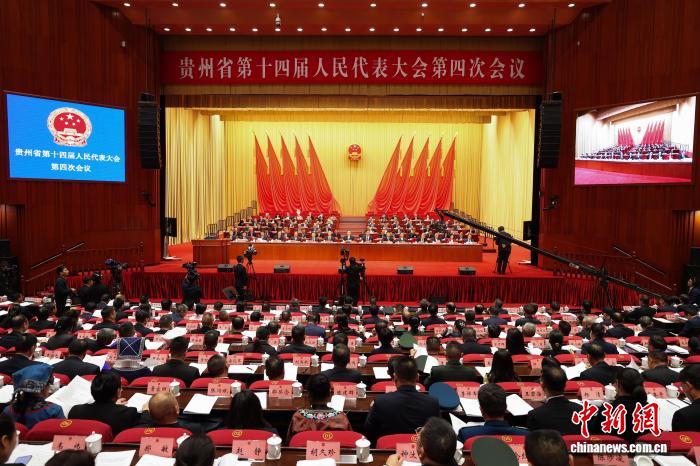
贵州将清理消费领域不合理或"一刀切"限制性措施,落实职工带薪错峰休假制度,让大家有时间、有场 景、有意愿消费。 为着力优化消费供给,贵州将强化品牌引领、标准升级,适应消费新趋势,挖掘服务消费潜力,大力发 展首发经济、银发经济、演艺经济、票根经济、谷子经济、悦己经济等,因地制宜打造玩具手办、国潮 IP等年轻化消费产品,推出一批非遗夜市、中医药文化夜市等主题消费场景,培育更多消费增长点。 贵州在政府工作报告中首次明确提出带薪错峰休假,发展演艺经济、票根经济、谷子经济、悦己经济 等,目标直指"有意愿消费"的人群。官方公布,2026年上半年贵州将围绕"跟着赛事来贵州、参赛观赛 享健康"专项行动举办640项、1800场体育赛事活动。被誉为"爱乐之城"的贵州省会贵阳计划在2026年举 办大型演唱会及音乐节45场以上、路边音乐会200场以上。贵州将以演艺经济等为支点,撬动文旅消费 市场全面升级,实现从"流量聚集"到"消费赋能"的质变,让文化资源转化为经济动能。(完) 贵州促消费新举:落实带薪错峰休假 发展谷子经济、悦己经济 中新网贵阳1月27日电 (记者 张伟)贵州省第十四届人民代表大会第四次会议27日在贵阳开幕,贵州省政 ...
贵州2026年将大力发展悦己经济
Zhong Guo Xin Wen Wang· 2026-01-27 03:12
贵州2026年将大力发展悦己经济 本文为转载内容,授权事宜请联系原著作权人 中新经纬版权所有,未经书面授权,任何单位及个人不得转载、摘编或以其它方式使用。 关注中新经纬微信公众号(微信搜索"中新经纬"或"jwview"),看更多精彩财经资讯。 编辑:付健青 广告等商务合作,请点击这里 中新网1月27日电 27日,贵州省第十四届人民代表大会第四次会议开幕。谈及2026年工作安排,贵州省 政府工作报告提出,着力优化消费供给。强化品牌引领、标准升级,适应消费新趋势,挖掘服务消费潜 力,大力发展首发经济、银发经济、演艺经济、票根经济、谷子经济、悦己经济等,因地制宜打造玩具 手办、国潮IP等年轻化消费产品,推出一批非遗夜市、中医药文化夜市等主题消费场景,培育更多消费 增长点。 来源:中国新闻网 ...
广东:围绕个性化需求拓展服务消费场景,大力发展赛事经济、演艺经济、会展经济
Jin Rong Jie· 2026-01-26 02:31
Group 1 - The Guangdong Provincial Government is focusing on expanding service consumption scenarios around personalized needs, emphasizing the development of event economy, performing arts economy, and exhibition economy [1] - There is a strong push to develop online consumption, aiming to cultivate and attract more platforms and leading enterprises that cater to national and global markets, facilitating transactions through online platforms to increase the scale of online transactions [1] - The tourism industry is expected to play a significant role in driving economic growth, with targeted initiatives to launch more high-quality sightseeing and leisure vacation products, as well as new tourism formats such as inter-provincial travel, surrounding travel, industrial tourism, educational tourism, and technology tourism [1]