行为金融学

Search documents
50年铁律或成牛市最大障碍,降息后会跌到你出局再涨!
Sou Hu Cai Jing· 2025-08-25 13:52
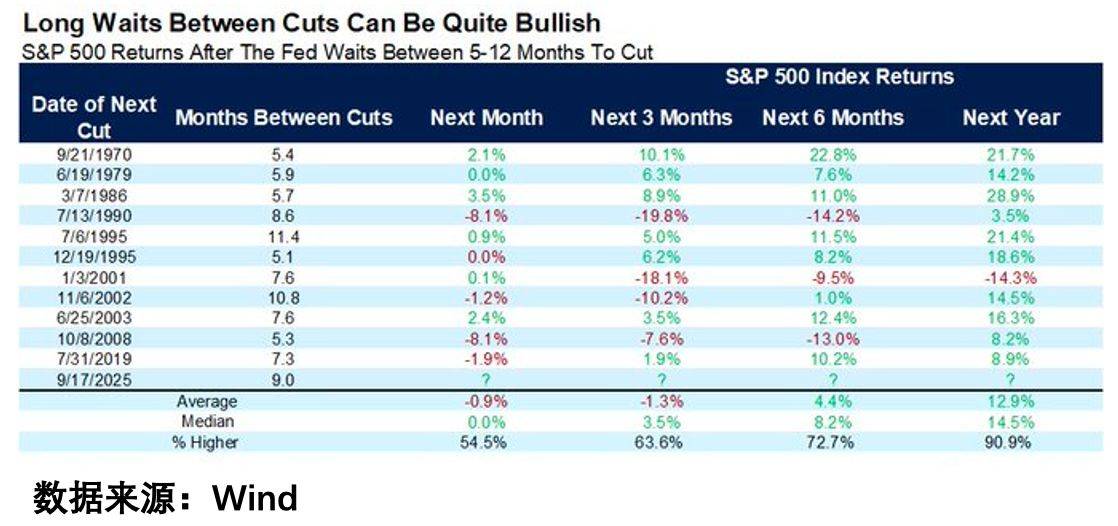
Group 1 - The Federal Reserve's dovish stance has led to an 85% probability of a rate cut in September, reminiscent of the market dynamics before the 2019 rate cut cycle [1] - Historical data shows that after the Fed pauses rate cuts for 5-12 months, there is a 90% chance that the S&P 500 will rise in the following year, with an average increase of 12.9% [2] - The S&P 500 index has shown varied returns in the months following rate cuts, with an average return of -0.9% in the next month but a median return of 14.5% in the following year [1] Group 2 - Many retail investors failed to outperform the index during the 2019-2020 global easing cycle due to poor timing in their trades, often buying high and selling low [3] - The market tends to punish those who believe they can outsmart it, as evidenced by instances where technical analysis led to incorrect predictions [3] Group 3 - The second quarter of 2025 saw significant market activity, with notable stocks experiencing rapid price movements [4] - Quantitative data has revealed that institutional and retail investors often act in concert, leading to price increases when both types of capital are active [16] Group 4 - The use of quantitative data is becoming increasingly important for retail investors in a market dominated by algorithmic trading, as traditional indicators may no longer suffice [18] - Historical patterns remain relevant, and understanding real-time buying and selling activity can provide a competitive edge for retail investors [19]

美联储鹰王改弦更张,降息或远超预期,A股燃爆了!
Sou Hu Cai Jing· 2025-08-22 12:56
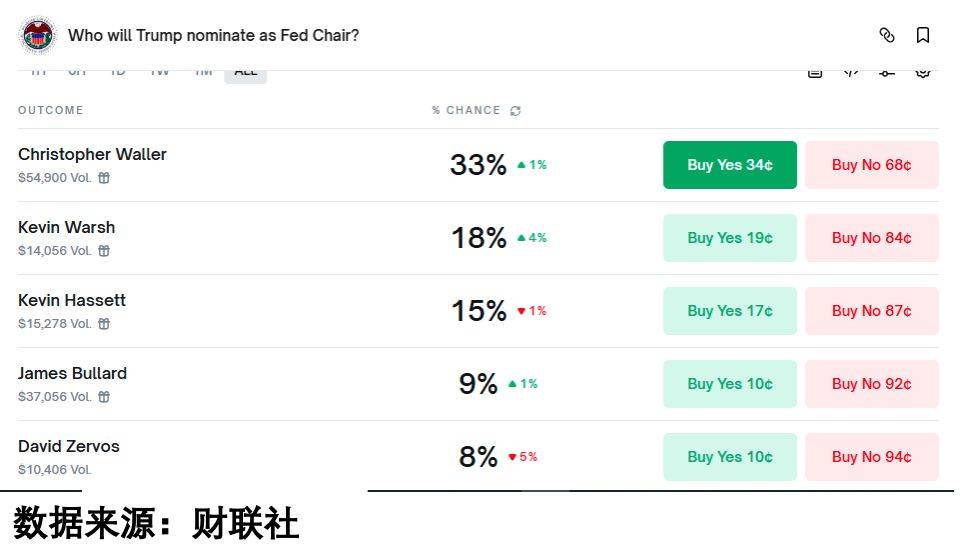
Group 1 - The core viewpoint of the news is that the comments made by Fed Chair candidate Brad regarding a potential 100 basis point rate cut have significantly influenced global markets, particularly causing a surge in A-shares, which reflects heightened expectations for interest rate cuts [1][3]. - The phenomenon of "buy the rumor, sell the news" is highlighted, indicating that true market opportunities often slip away by the time news is widely disseminated, especially in the A-share market where participants tend to act preemptively [3][15]. - The article emphasizes that institutional investors do not wait for news releases to enter the market, as evidenced by the early movements in oil stocks during the 2025 Israel-Iran conflict, suggesting that significant price movements often precede major news events [3][5]. Group 2 - Behavioral finance principles suggest that irrational behaviors among market participants create specific patterns, with institutional investors often accumulating positions through small trades to avoid drawing attention [7][15]. - The article points out that certain stocks exhibit a common characteristic of having institutional activity prior to significant news, indicating a "preparatory" state that is more valuable than the news itself [15]. - The focus is on identifying which assets have shown unusual fund movements before the Fed takes action, highlighting the importance of data analysis in understanding current market dynamics rather than merely predicting future events [15].
量化专题报告:基金经理进化迭代能力刻画与选基
Minsheng Securities· 2025-08-21 10:19
1. Report Industry Investment Rating No information provided regarding the report's industry investment rating. 2. Core View of the Report - Academic research shows that the experience level of fund managers significantly impacts investment decision - making characteristics, and the investment behavior mapping based on experience affects fund performance to some extent. The report aims to dig for excess returns from the perspective of behavioral finance in the areas of fund managers' investment experience and decision - making behavior [1][54]. - Domestic public fund managers are less affected by negative psychology, and their response methods when facing losses are relatively balanced. Active equity fund heavy - position stocks have a lower win - rate but higher odds compared to their industry returns. Fund managers tend to hold stocks when losses are low and reduce positions when losses are high. Those who reduce positions and then re - heavy - position stocks may be able to learn and improve from past experiences [1][18][54]. - By constructing "mistake correction" and "iteration efficiency" factors and combining them, funds that can iterate and improve from negative feedback experiences can be found. A "fund experience iteration" portfolio strategy is constructed, which can outperform the benchmark in the long - term with stable excess returns mainly relying on stock - selection ability and balanced industry allocation [2][3][55][56]. 3. Summary According to the Directory 3.1 Investment Experience's Impact on Investment Decision - Making Analysis 3.1.1 Historical Research Conclusions - Different academic papers have different views on the relationship between fund managers' experience and investment behavior. One paper finds that inexperienced fund managers are more likely to take higher risks and get higher returns, and herd behavior decreases with experience [8]. - Another paper shows that more experienced fund managers are over - confident due to their experience, which distorts performance evaluation and makes them less likely to change investment decisions when facing negative performance feedback, leading to poorer future fund performance [9]. 3.1.2 Behavioral Finance Perspective Analysis - When facing losses, fund managers may show "loss aversion" (avoiding buying or holding stocks that have caused losses even if fundamentals improve) and "over - confidence" (refusing to sell losing stocks). These psychological phenomena may negatively affect fund performance, and the report aims to find product portfolios that can reduce the impact of negative psychology and iterate and improve from past experiences [14][17]. 3.2 Which Funds Can Benefit from Past Experiences? 3.2.1 Analysis of Fund Managers' Heavy - Position Loss Experiences - Active equity fund heavy - position stocks have an average excess return of - 2% compared to their industries in the next quarter, with a win - rate of about 41.75% and odds of about 1.02. The probability of heavy - position losses is between 30% - 50%, and the average under - performance is higher when there are strong - rising industries in the market [18]. - Fund managers tend to hold stocks when losses are low and reduce positions when losses are high. For those who reduce positions, if they re - heavy - position stocks, it helps to find funds that can improve from past experiences. Repeated losses of re - heavy - positioned stocks often occur in leading stocks with an interval of 2 - 5 quarters [20][23]. - Domestic public fund managers are less affected by negative psychology, and the probabilities of different investment decisions when facing losses are relatively balanced. The probability of turning losses into profits for stocks held after losses is relatively high [27]. 3.2.2 Construction of the "Mistake Correction" Factor - The "mistake correction" factor is constructed to measure whether fund managers can create higher alpha in the same sub - industry after heavy - position stock negative feedback. The factor's initial grouping has good monotonicity, and its effectiveness mainly comes from learning and improvement from past experiences [32][33]. 3.2.3 Construction of the "Iteration Efficiency" Factor - Considering different learning efficiencies of fund managers from past experiences, the "iteration efficiency" factor is constructed based on the improvement of the stability of the fund's actual excess return. The overall effectiveness of this factor is relatively weak due to the influence of luck. By double - sorting the "mistake correction" and "iteration efficiency" factors, funds that can actively correct and improve strategy efficiency can be selected [34][36][38]. 3.3 Construction of the Fund Experience Iteration Portfolio Strategy - Based on the double - sorting results of the "mistake correction" and "iteration efficiency" factors, funds with a scale of more than 100 million yuan and an average heavy - position exposure of less than 50% in a single sector in the past year are selected. The top 10 or 20 funds with the highest "mistake correction" factor values are further selected to construct the fund experience iteration portfolio [43]. - The portfolio has a high annual win - rate, stable excess returns, mainly relying on stock - selection ability. It has balanced industry allocation, with relatively balanced market - capitalization styles and high momentum, liquidity, and profitability of held stocks [44][47].
“亏30%能扛,赚1%却慌” 基民赎回困局与基金增值考验
Di Yi Cai Jing· 2025-08-21 00:05
Group 1 - The current market recovery has led to a redemption dilemma for many investors, with a significant number of active equity funds reaching new net asset value highs [2][3] - As of August 19, 2023, nearly 1300 funds have returned to a net value above 1 yuan, compared to over 2300 funds that were below this threshold last year [5] - The psychological impact of previous losses is causing investors to feel anxious about redeeming their funds, even when they are finally seeing some gains [6][7] Group 2 - Fund companies are experiencing increased redemption pressure, with many investors opting to "cash out" as the market rises [8][9] - Despite the redemption pressures, many equity funds are still seeing net inflows, indicating a complex market dynamic where new investors are entering while existing ones are redeeming [8][9] - The industry is shifting its focus from merely controlling redemptions to providing tailored product solutions that meet the current market conditions and investor needs [9]
亏30%能扛,赚1%却慌:基民赎回心态为何总“反着来”?
Di Yi Cai Jing· 2025-08-20 14:01
Core Insights - The article highlights the psychological struggle of investors as the market rebounds, with many feeling anxious about whether to redeem their funds or hold on for potential further gains [2][3][8] - The current market environment has led to a significant number of active equity funds reaching new net asset value highs, creating a complex situation for both individual and institutional investors [4][6][11] Investor Behavior - Investors who were previously "lying flat" during prolonged losses are now frequently checking their fund values, reflecting a shift in behavior as they grapple with the fear of missing out on gains versus the anxiety of losing their recently gained profits [4][5][8] - The phenomenon of "loss aversion" is prevalent, where investors are more sensitive to potential losses than to equivalent gains, leading to impulsive redemption decisions when funds return to break-even [9][12] Market Dynamics - As of August 19, nearly 1,300 funds have returned to a net value above 1 yuan, with a significant portion of active equity funds showing positive returns since last year [7][11] - The market has seen a structural shift where redemption pressures are increasing, yet new inflows are also occurring, indicating a mixed sentiment among investors [10][12] Institutional Response - Fund companies are recognizing the need to adapt to changing investor sentiments, focusing on providing tailored product solutions that align with current market conditions and investor needs [12][13] - There is a shift from merely trying to prevent redemptions to understanding and addressing the underlying motivations of investors, emphasizing the importance of communication and customized offerings [12][13]
大佬高喊逢高减磅,其实是诱敌深入!
Sou Hu Cai Jing· 2025-08-18 07:21
Group 1 - The core viewpoint is that the market is reacting to potential dovish signals from the Federal Reserve, which may lead to profit-taking in the stock market despite recent inflows into equity funds [2][4] - The phenomenon of "herding behavior" is highlighted, where investors tend to follow the crowd, often leading to market turning points [2][4] - The disparity between expert opinions and actual market movements is noted, emphasizing that institutional investors hold the real pricing power in the market [4][10] Group 2 - Data indicates that institutional funds were actively participating in the market even during periods of low sentiment, suggesting a strategic accumulation of positions [5][9] - The analysis of quantitative indicators reveals that institutions often make moves quietly, without public announcements, which can lead to missed opportunities for retail investors [7][9] - The importance of focusing on actual fund flows rather than speculative predictions from experts is stressed, as real market behavior often provides clearer insights [10][11] Group 3 - Ordinary investors are encouraged to develop their own quantitative analysis systems to better navigate the market and understand institutional behaviors [11][12] - The article emphasizes that in an era of information overload, the ability to interpret data behind news is more valuable than merely knowing the news itself [12]

平台化投研体系下的量化实践:如何实现长期超额收益的“可复制性”?
Xin Lang Ji Jin· 2025-08-12 08:43
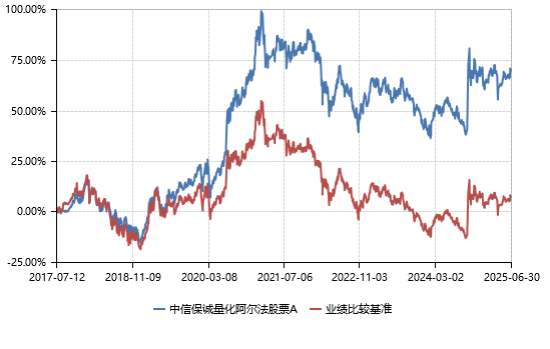
Group 1 - The core consensus in the current market is the search for certainty, with a focus on stable dividends and continuous returns, highlighting the scarcity of quantitative products that can provide long-term excess returns and stability [1][2] - The CITIC Prudential Quantitative Team has developed a series of solid products centered around fundamental factors, achieving significant excess returns over the CSI 300 Index for 7.5 years with the CITIC Prudential Quantitative Alpha [1][3] - The CITIC Prudential CSI 500 Index Enhanced has outperformed the CSI 500 Index by nearly 12% in the past year, showcasing the team's ability to deliver consistent performance [1][11] Group 2 - The CITIC Prudential Quantitative Alpha Stock A has a performance benchmark of 95% of the CSI 300 Index return plus 5% of the after-tax bank demand deposit rate, demonstrating stable excess output across various market conditions since its inception [3][4] - The performance data for CITIC Prudential Quantitative Alpha Stock A shows a net value growth rate of 15.58% in 2024 and a significant outperformance against its benchmark and the CSI 300 Index [4][6] - The CITIC Prudential CSI 300 Index Enhanced A has achieved a net value growth rate of 18.98% since its inception, consistently outperforming its benchmark and the CSI 300 Index [7][8] Group 3 - The CITIC Prudential CSI 500 Index Enhanced A has shown a strong performance since its establishment, with a return of 31.65% over the past year, significantly exceeding its benchmark [11][12] - The CITIC Prudential CSI 500 Index (LOF) has maintained excellent performance for 12 consecutive years, reflecting its status as a key player in the market [14][15] - The CITIC Prudential Quantitative Team integrates AI and behavioral finance into its models, enhancing its competitive edge in a complex market environment [2][18]
美联储转向,A股早有预兆!
Sou Hu Cai Jing· 2025-08-11 13:56
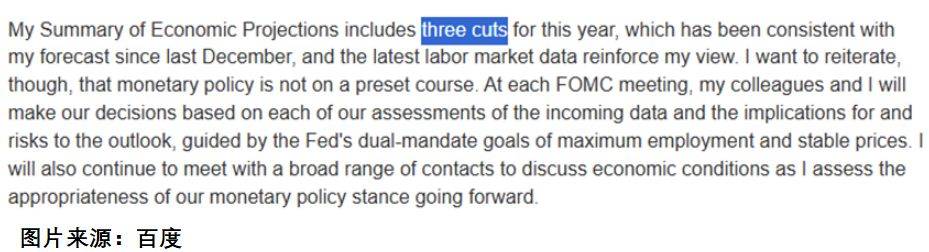
Group 1 - The Federal Reserve's signals for interest rate cuts have sparked market reactions, but underlying data suggests caution [1][2] - Michelle Bowman's support for three rate cuts this year is based on weak labor market data and reduced inflationary pressures [1] - The upcoming community bank reform meeting on October 9 highlights concerns for the survival of small financial institutions [1] Group 2 - The A-share market often reacts before news is officially released, leading to a "buy the rumor, sell the news" phenomenon [2][3] - Institutional investors have an information advantage, allowing them to anticipate policy shifts and economic trends before retail investors [3][6] - The "institutional inventory" indicator reveals the true movements of institutional funds, indicating active accumulation before price increases [5][8] Group 3 - The case of Tongyuan Petroleum illustrates how institutional activity can precede significant market events, with stock prices nearly doubling before the Israel-Palestine conflict [6][17] - A consistent pattern across various industries shows that active institutional inventory often correlates with stagnant stock prices, challenging traditional technical analysis [17] Group 4 - Quantitative analysis provides a more reliable method for retail investors to understand market dynamics, focusing on current trading behaviors rather than predictions [18] - Investors should consider which sectors may have already priced in rate cut expectations and whether institutional inventory is showing signs of activity [18]
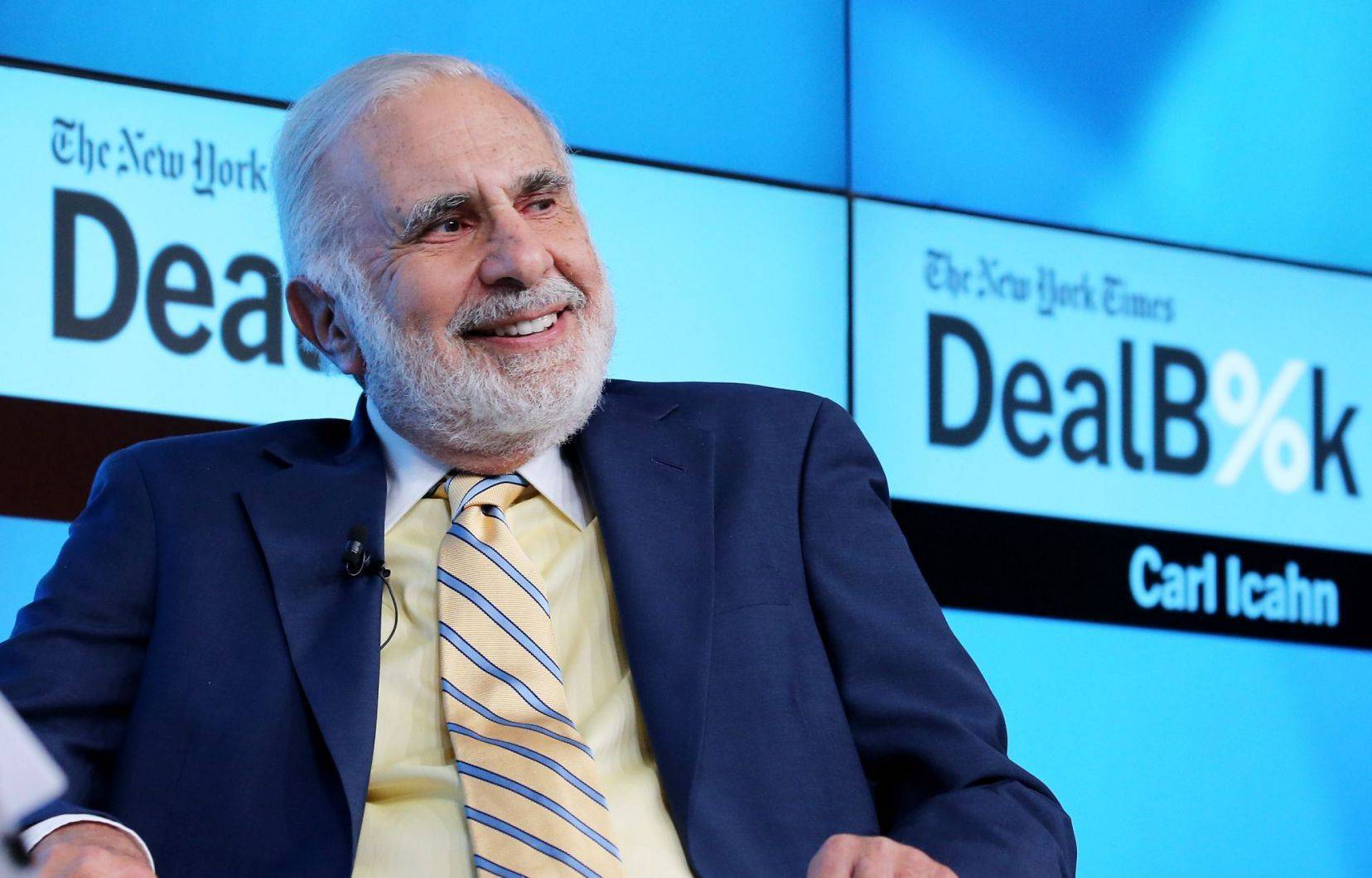
从8000美元到74亿,他的投资法则你敢学吗?
Sou Hu Cai Jing· 2025-08-09 09:27
Core Insights - Carl Icahn is a legendary figure in the investment world, achieving an average annual return of 25.3% over 40 years, accumulating a wealth of $7.4 billion by transforming struggling companies into multi-billion dollar enterprises [2] Investment Principles - The first principle of Icahn's investment strategy is to buy stocks that others have discarded, based on the insight that the market often overreacts, leading to significant undervaluation of certain companies [3] - The second principle emphasizes skepticism towards company management, as their interests may not align with those of shareholders, prompting Icahn to intervene and push for decisions that benefit shareholders [3] - Icahn's third principle involves the cautious use of leverage; while it can amplify returns, it also increases risk, as demonstrated by his acquisition of TWA, which left the company with substantial debt [4] - A unique negotiation strategy employed by Icahn involves personally engaging in negotiations for extended periods, showcasing his determination and willpower to gain favorable conditions for his investments [5] - The principle of selling decisively when others are buying aligns with the contrarian investment approach, requiring strong judgment and emotional resilience to avoid being swayed by market euphoria [5] - Icahn advocates for independent judgment in investment decisions, warning against excessive reliance on others' opinions, which can cloud one's own judgment [5] - Actively pushing for company reforms is a core aspect of Icahn's investment strategy, as he believes that external intervention can drive necessary changes and unlock potential value [6] - The importance of setting clear investment goals and exiting promptly upon achieving them is highlighted, as it helps avoid pitfalls of greed and indecision [6] Conclusion - Icahn's investment principles, rooted in deep economic, investment, and financial theories, provide valuable insights for investors, emphasizing the need for adaptability and strategic involvement in investments [7]
育儿补贴制度来啦,如何给孩子做一个“成长帐户”?|投资小知识
银行螺丝钉· 2025-08-02 13:43
Core Viewpoint - The article discusses a specialized investment account designed for children, which encourages long-term investment through a structured plan that includes contributions to an S&P 500 index fund and a mandatory investment period until the child turns 18 [4][6]. Group 1 - The account is centered around index funds, with an initial government contribution of $1,000, similar to previous "education savings" plans. Over an 18-year period, the expected returns from index funds are likely to exceed those from traditional savings accounts [4]. - The account enforces a long-term investment strategy, preventing premature withdrawals, which aligns with behavioral finance principles that suggest most investors struggle with self-discipline [6]. - Starting from January 1, 2025, a new subsidy program will provide annual financial support of 3,600 yuan per child for those under three years old, which can be utilized to fund this investment account [6][8]. Group 2 - The account can be opened in the parent's name until the child turns 18, allowing for contributions from various sources such as subsidies, gifts, and allowances [8]. - The investment strategy emphasizes the advantage of time, as an 18-year investment horizon can mitigate market volatility and enhance overall returns [9].