
财富传承

Search documents
黄金突遭抛售!但仍坚守3300美元,普通人配置黄金的三种姿势!
Sou Hu Cai Jing· 2025-07-09 06:22
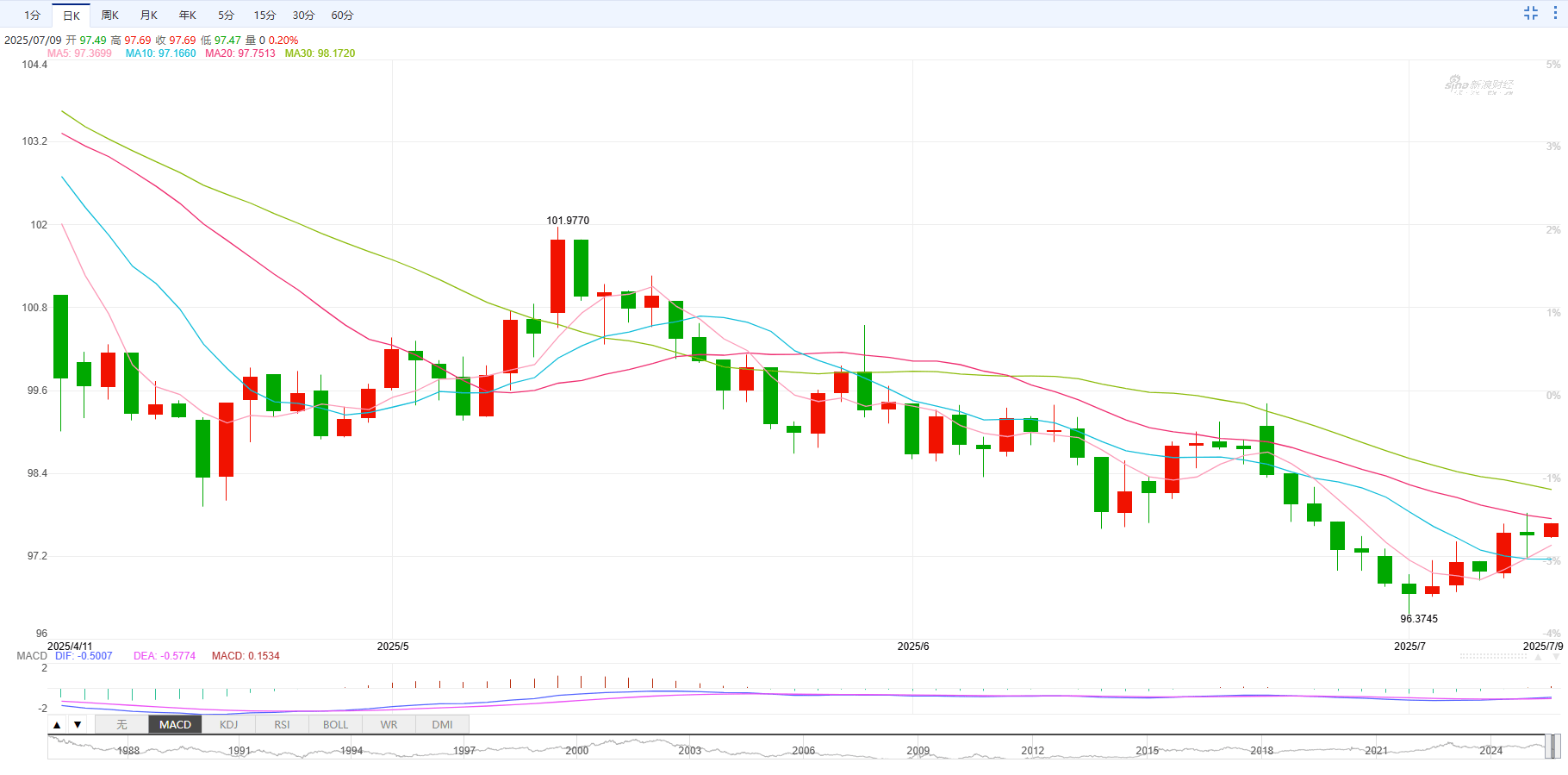
Core Viewpoint - The recent fluctuations in the international gold market, with prices rising to $3452 per ounce due to expectations of interest rate cuts by the Federal Reserve and then dropping back to around $3300 due to a strong dollar, highlight the dual support for domestic gold prices, which have remained stable around 980 RMB per gram [1][3]. Group 1: Market Dynamics - The global central banks continue to accumulate gold, with the World Gold Council reporting that 290 tons were purchased in the first quarter of this year, and China's central bank has been increasing its gold reserves for 18 consecutive months, with gold now accounting for nearly 15% of its foreign exchange reserves [3]. - The recent geopolitical tensions, including conflicts in the Middle East and Ukraine, have reinforced gold's role as a "hedge against panic," as investors tend to flock to gold during times of uncertainty [6]. Group 2: Inflation and Asset Stability - Despite a decrease in global inflation, the volatility in energy and food prices suggests that gold remains a valuable asset, capable of withstanding the long-term dilution of currency due to its status as a physical asset [7]. - Gold serves as a stabilizer for household assets, providing a safety net during market downturns, and can be a means of wealth transfer across generations, as it retains value over time [7][8]. Group 3: Investment Strategies - Various methods for investing in gold are available, including physical gold, gold ETFs, and gold stocks, each catering to different risk appetites and investment strategies [10][11][12]. - Physical gold is suitable for conservative investors who prefer tangible assets, while gold ETFs offer low entry barriers and liquidity for those seeking convenience [10][11]. - Gold stocks and thematic funds can provide higher returns during price increases but come with greater volatility and risks associated with company performance and market conditions [12].

最好的增额寿?最好只当做增额寿来用!养老还得选国华乐享丰泰
和讯· 2025-07-08 10:25
Core Viewpoint - The article emphasizes that the primary function of participating whole life insurance (增额寿险) is wealth transfer rather than providing retirement income, suggesting that individuals should not rely on it for pension needs [1][3]. Group 1: Core Positioning of Participating Whole Life Insurance - The main purpose of participating whole life insurance is to ensure that the death benefit can withstand inflation, making it suitable for families looking to leave a stable asset for their descendants [1]. - The article compares participating whole life insurance to a family treasure chest, where the principal is stored and grows with interest over time, ultimately benefiting heirs [1]. Group 2: Comparison with Pension Annuities - A comparison between the top participating whole life insurance product (复星保德信星盈家) and a professional pension annuity (国华人寿乐享丰泰) shows that the latter provides significantly better cash flow for retirement [5]. - Key data indicates that before age 65, the cash value of the pension annuity consistently exceeds that of the participating whole life insurance, allowing for better access to funds when needed [5][6]. - After retirement begins, the cash value of the participating whole life insurance diminishes significantly compared to the pension annuity, which guarantees a fixed annual payout [6]. Group 3: Longevity and Retirement Planning - The article warns against underestimating longevity in retirement planning, emphasizing that relying on average life expectancy can be misleading [8][9]. - It highlights that advancements in medicine may increase the likelihood of living longer, making it crucial to have a reliable source of retirement income rather than depending on the cash value of a life insurance policy [9]. Group 4: Distinction Between Wealth Transfer and Retirement Income - Participating whole life insurance is likened to a "treasure chest" for wealth transfer, while pension annuities are described as a "money tree" providing consistent income during retirement [10]. - The article stresses that these two financial tools serve different purposes and should not be confused; wealth transfer should be managed with participating whole life insurance, while retirement income should be secured with pension annuities [10].

门槛降到30万,信托如何满足家庭财富需求?|第394期直播回放
银行螺丝钉· 2025-07-04 13:59
Core Viewpoint - The article discusses the concept of trusts, their origins, functions, and how they can be utilized for wealth management, risk isolation, and inheritance planning, particularly highlighting the recent introduction of pension trusts with a lower entry threshold of 300,000 yuan [1][84]. Group 1: Origin and Nature of Trusts - Trusts originated as a legal framework rather than a financial product, with early examples found in ancient Egypt and Rome where wealthy individuals entrusted their assets to third parties for management [4]. - The essence of a trust is that it functions as an account where funds can be injected for investment in various assets, allowing for the distribution of principal and earnings to designated beneficiaries [5][6]. Group 2: Legal Structure of Family Trusts - In a family trust, the individual (settlor) transfers family wealth to a trustee (trust institution) while designating beneficiaries, allowing the trustee to manage the trust assets according to the trust agreement [12]. Group 3: Core Functions of Trusts - Trusts serve three main functions: - Risk isolation, creating a "firewall" for assets [14]. - Wealth transmission, breaking the "wealth does not last three generations" curse [14]. - Asset management, with professionals managing the assets [14]. Group 4: Risk Isolation Scenarios - Common scenarios for risk isolation include: - Pre-marital asset protection for children to prevent division in case of divorce [16][17]. - Arrangements for assets in remarriages to protect the rights of children from previous marriages [18][19]. - Separation of personal and business assets to safeguard family wealth from business liabilities [20][21]. Group 5: Wealth Transmission - Trusts allow for flexible wealth transmission plans, ensuring assets are passed on to designated beneficiaries smoothly and without disputes [38]. - Common scenarios for wealth transmission include setting up pension trusts for regular cash flow during retirement and pre-arranging estate distribution [40][42]. Group 6: Asset Management Function - Trusts are not idle; they require investment to enhance asset value, similar to funds, but with greater flexibility in asset types [66][68]. - The safety of a trust is contingent on the quality of the underlying investments [69]. Group 7: Future Directions for Trusts - The trust industry is evolving, with a focus on returning to core functions like wealth management and risk isolation, while professional investment management is increasingly being outsourced [75][79]. - The introduction of pension trusts with a lower threshold aims to make trust services more accessible to the general public [84]. Group 8: Types of Trusts - Trusts are categorized into three main types: family trusts, household trusts, and pension trusts, each with different thresholds and service scopes [82][83].
消失的亿万富翁启示录
Hu Xiu· 2025-07-03 06:11
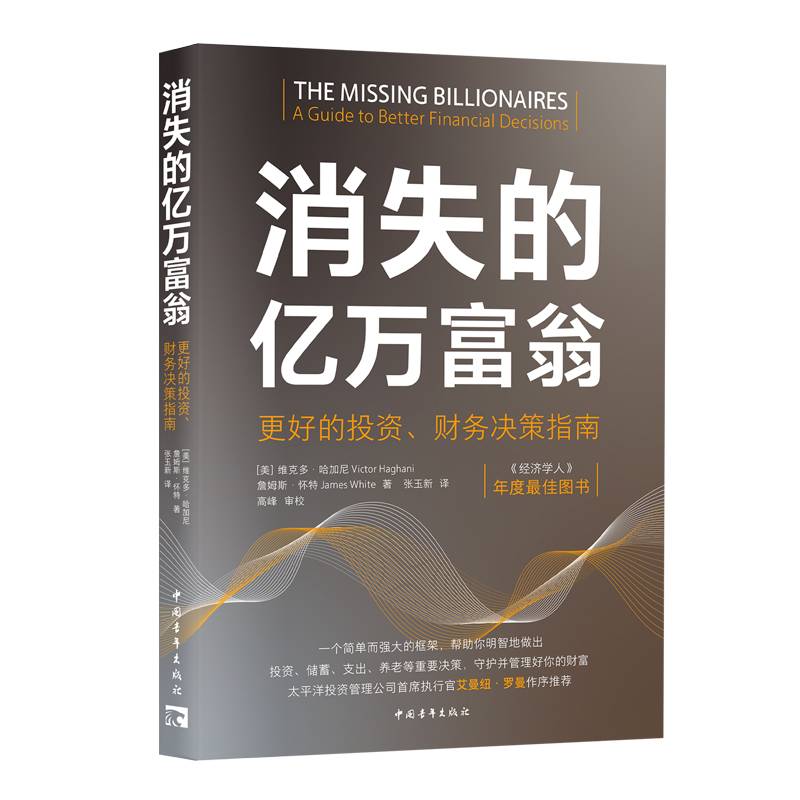
Core Insights - The article discusses the historical decline of the Vanderbilt family's wealth, illustrating the common phenomenon of wealth dissipating over generations, encapsulated in the saying "wealth does not last beyond three generations" [3][4] - It highlights that many of today's billionaires do not come from old money, indicating a lack of financial decision-making skills among wealthy families [3][4] - The article emphasizes the importance of making sound financial decisions regarding the scale of investments and expenditures to preserve wealth over time [6][7] Wealth Preservation - The Vanderbilt family, despite inheriting a fortune of $100 million, failed to maintain their wealth due to a lack of guidance on long-term investment strategies [2][3] - If the Vanderbilt heirs had invested in a diversified portfolio of U.S. stocks and spent only 2% of their wealth annually, they would each have over $5 billion today [2] - The article suggests that a significant number of potential billionaires have been lost due to poor financial management and decision-making over generations [3][4] Financial Decision-Making - The article argues that the focus should not solely be on what investments to make, but rather on how much to invest, which is crucial for risk management [7][8] - It points out that even successful investors often make poor financial decisions regarding the scale of their investments, leading to significant losses [9][11] - The authors propose a framework for making better financial decisions by focusing on the "how much" aspect of investments and expenditures [7][9] Investment Environment - The U.S. stock market has provided substantial returns over the past century, with a pre-tax annual return rate of 10%, indicating a favorable investment environment [6][10] - The article notes that many wealthy families have not capitalized on this environment due to poor financial decision-making rather than bad investment opportunities [6][10] - It highlights the need for a consistent decision-making framework to avoid chasing trends and making impulsive financial choices [6][19] Practical Applications - The article outlines the importance of understanding personal utility functions to make informed financial decisions that align with individual preferences [20][25] - It emphasizes the need for a structured approach to financial planning, including investment, savings, and expenditure strategies [20][21] - The authors provide tools and resources to help individuals apply these concepts in their financial decision-making processes [22][24]
孩子的财商教育该怎么做:4个阶段,培养孩子理财观 | 螺丝钉带你读书
银行螺丝钉· 2025-06-28 14:02
Group 1 - The article discusses the importance of financial literacy education for children, emphasizing that it differs significantly from adult financial education [2][5] - It categorizes children's financial education into four developmental stages: 0-2 years, 2-7 years, 7-11 years, and 11 years to adulthood [6][31] Group 2 - In the 0-2 years stage, the focus is on establishing object permanence, where children learn that things they cannot see still exist [7][8] - From ages 2-7, children are self-centered and tend to spend money quickly; the goal is to instill good spending habits rather than savings [12][18] - The 7-11 years stage sees children developing empathy and basic mathematical skills, allowing them to understand concepts like saving and investment [23][26] - From ages 11 to adulthood, children can grasp abstract concepts and develop systematic thinking, making it a suitable time to introduce value and index investing [31][33] Group 3 - The article suggests specific books for each age group: "小狗钱钱" for ages 2-7, "蓝筹孩子" for ages 7-11, and "富爸爸穷爸爸" for ages 11 to adulthood [43] - It emphasizes that financial education should not solely focus on immediate financial gains but rather on cultivating a good consumption and investment mindset [45][46] Group 4 - Additionally, parents should consider planning for education funds, retirement, and wealth transfer to reduce future burdens on children [47][48]

中华遗嘱库丰台分库正式启动,为市民家财安全保驾护航
Cai Fu Zai Xian· 2025-06-26 08:47
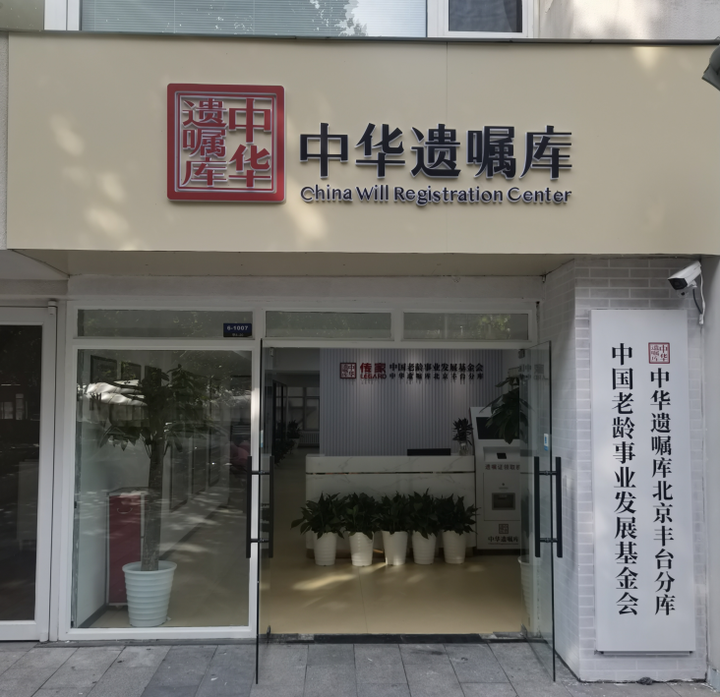
Core Viewpoint - The establishment of the Fengtai branch of the China Will Library aims to provide professional and standardized will services to residents, addressing the gap in will services in the Fengtai area and promoting wealth inheritance awareness among the community [3][4]. Group 1: Establishment and Purpose - The Fengtai branch officially opened on June 26, located at No. 6 Fengtai District, Beijing, and is now accepting appointments for will services [1]. - The branch's establishment is expected to reduce inheritance disputes within families and promote social harmony by guiding residents to understand the importance of wealth inheritance [3]. Group 2: Community Engagement and Awareness - The Fengtai branch collaborates with local communities to conduct public legal education activities, enhancing residents' legal awareness [3]. - Interviews with elderly residents revealed a growing acceptance of wills, with many acknowledging the potential for inheritance disputes and preferring to take preventive measures [3][4]. Group 3: Growth of Will Services - The China Will Library, initiated by the China Aging Development Foundation, is a nationwide public welfare project aimed at promoting the concept of wills and their role in family harmony and filial piety [4]. - Since its establishment in 2013, the number of people making wills through the library has been rapidly increasing, reflecting a shift in societal attitudes towards wills [4].
为什么大东方保险能成为财富规划的可靠伙伴
Zhong Guo Chan Ye Jing Ji Xin Xi Wang· 2025-06-25 12:02
Group 1 - The core viewpoint emphasizes the increasing recognition of insurance's unique role in asset allocation and wealth transfer amidst a complex economic environment, with Great Eastern Insurance emerging as a reliable choice for many families and entrepreneurs [1][3] - Great Eastern Insurance, headquartered in Singapore, benefits from the country's strict financial regulations and stable economic environment, contributing to the company's solid and robust characteristics [1][3] - The company has a long history of over a century, demonstrating a commitment to long-term strategies rather than short-term gains, which has built customer trust through stable performance during various global crises [3] Group 2 - High-net-worth individuals are attracted to Great Eastern Insurance for its comprehensive solutions aimed at wealth transfer and long-term asset protection, addressing a growing global concern [3] - The company adheres to principles of authenticity and transparency in client communication, avoiding exaggerated marketing tactics and instead sharing real customer stories, which fosters trust [3] - Backed by the strong resources of OCBC Bank, Great Eastern Insurance can offer a more integrated wealth management experience, effective risk management solutions, and personalized wealth planning services [3]


美国私人财富管理协会|浅析企业家常见家企风险以及风险隔离筹划
Sou Hu Cai Jing· 2025-06-23 03:21
Group 1 - The article discusses the importance of risk isolation and asset protection for entrepreneurs and their families, emphasizing that proper planning can enhance asset resilience and support business expansion [1] - Common risks affecting entrepreneurs include personal guarantees for corporate financing, unlimited liability due to improper corporate governance, and risks associated with sole proprietorships [3][4] - Criminal risks arising from non-compliance in business operations can lead to severe consequences for entrepreneurs, including potential criminal liability [4] Group 2 - Personal liabilities of entrepreneurs can impact their businesses and families, such as asset disposal due to personal debts or criminal involvement [5] - Changes in marital relationships can lead to disputes over shared assets and debts, complicating family and business stability [5] - Unexpected personal incidents can result in inheritance issues, potentially destabilizing family businesses if not properly planned [6] Group 3 - Entrepreneurs' irresponsible behaviors, such as excessive spending or gambling, can jeopardize their assets [6] - Legal asset protection strategies are necessary for entrepreneurs facing criminal risks, ensuring that legitimate assets are safeguarded [6] - Wealth transfer planning is crucial, particularly for family businesses, to ensure smooth transitions and maintain asset value [7] Group 4 - The risk of entrepreneurs becoming incapacitated due to unforeseen circumstances necessitates careful planning for guardianship and asset management [8] - Entrepreneurs must recognize the interconnected risks between personal and business domains and engage professional assistance for effective risk isolation and asset protection strategies [8]

争夺千万富豪
投资界· 2025-06-13 07:22
Core Viewpoint - The article discusses the increasing popularity of family trusts among wealthy individuals in China, highlighting the shift in private banking services from asset accumulation to providing unique non-financial services and emotional value to retain high-net-worth clients [3][8][10]. Group 1: Private Banking Landscape - Private banking clients in China typically have investable assets exceeding 6 million yuan, with some banks setting higher thresholds, such as 10 million yuan at China Merchants Bank [3][5]. - The number of high-net-worth individuals in China with investable assets over 10 million yuan reached 3.16 million by the end of 2022, with an average investable asset of approximately 31.83 million yuan [5]. - The private banking sector has transitioned from "land grabbing" to "stock competition," focusing on existing clients as the market matures [3][20]. Group 2: Non-Financial Services - Non-financial services have become a core competitive advantage for private banks, with offerings including private jet bookings, Antarctic travel, and exclusive medical consultations [3][6][7]. - High-net-worth clients are increasingly attracted to unique experiences, such as customized concerts and exclusive travel opportunities, which enhance emotional value and client loyalty [4][6][7]. - Banks are investing heavily in providing high-end, scarce services to differentiate themselves in a competitive market [6][7]. Group 3: Family Trusts and Wealth Management - Family trusts and family offices are becoming focal points for private banks, especially for ultra-high-net-worth clients with assets exceeding 20 million yuan [10][11]. - Over 70% of high-net-worth individuals are preparing for wealth transfer, driven by concerns over asset protection and family dynamics [10][11]. - The family trust market in China is growing, with a reported balance of 643.58 billion yuan by the end of 2024 [11]. Group 4: Investment Trends - Wealthy clients are increasingly allocating assets to insurance products and precious metals like gold, especially in response to market volatility [15][19]. - The demand for exclusive investment products from top international asset management firms is rising among private banking clients, with minimum investment thresholds often set at 2 million yuan [14][19]. - Private banks are tailoring investment solutions to meet the specific needs of high-net-worth clients, often collaborating with various financial institutions [14][15]. Group 5: Client Retention and Competition - The private banking sector is experiencing a slowdown in client growth, leading to a focus on retaining existing clients and preventing asset outflows [20]. - The contribution of private banking clients to overall bank assets is significant, with a small percentage of clients holding a large portion of wealth [16][19]. - Banks are recognizing the comprehensive value of private banking clients, who often bring additional business opportunities through their enterprises [19][20].




不动产信托向养老等更多普惠领域拓展
Jin Rong Shi Bao· 2025-06-12 03:23
Core Insights - The establishment of real estate trust registration in Shanghai marks a significant advancement following Beijing's earlier initiatives, with both cities showcasing different practical applications in the sector [1][2] - The Shanghai pilot program highlights a comprehensive process involving various property types and purposes, emphasizing the inclusivity of real estate trusts in wealth management and social welfare [2][3] Group 1: Real Estate Trust Registration - Shanghai's real estate trust registration was initiated by multiple regulatory bodies, indicating a coordinated effort to enhance the financial landscape [1] - The pilot program in Shanghai has resulted in the registration of both residential and commercial properties, showcasing a diverse application of trust mechanisms [2][3] Group 2: Social and Economic Implications - Real estate trusts are emerging as innovative tools for wealth management and inheritance, particularly beneficial for elderly individuals seeking to maintain property rights while ensuring financial security [4] - The integration of real estate into trust structures reflects a broader trend of addressing comprehensive financial needs within families, including elder care and wealth transfer [3][4] Group 3: Industry Trends - The trust industry is expanding its focus beyond real estate to include management of liquid assets, responding to the increasing demand for comprehensive financial services among households [5][6] - As personal wealth accumulates, the demand for diversified wealth management solutions is expected to grow, shifting from high-yield aspirations to more holistic financial strategies [7]