超级周期

Search documents
存储价格狂飙,手机要越来越贵?
Guan Cha Zhe Wang· 2025-10-24 07:21
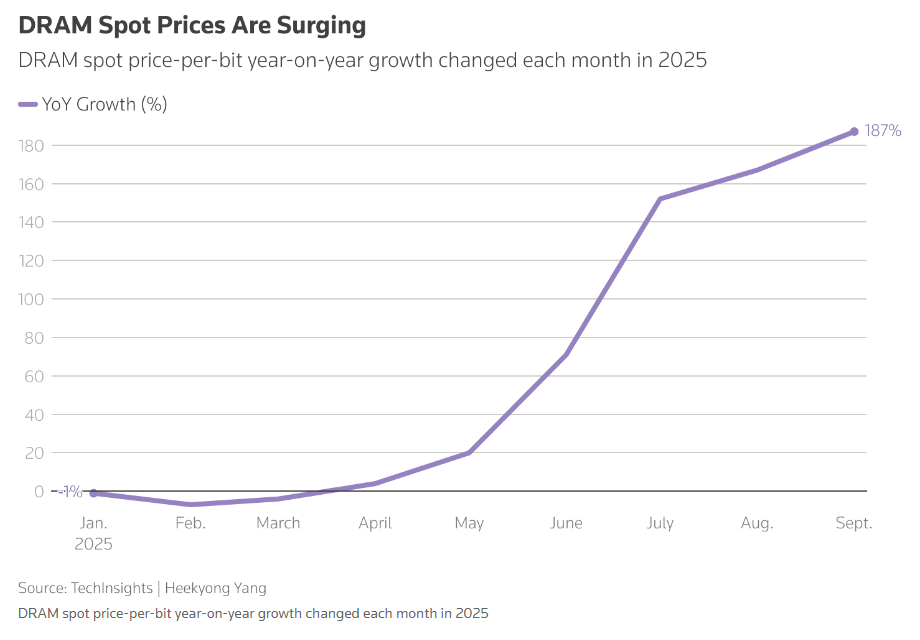
Core Insights - Redmi officially launched its flagship K90 series on October 23, featuring the fifth-generation Snapdragon 8 processor and AI dedicated chip D2, with prices starting at 2599 yuan, reflecting a price increase of 100 to 500 yuan compared to the previous generation [1] - The price gap between different storage versions has widened, with the 12GB+512GB version priced 600 yuan higher than the 12GB+256GB version, compared to a 400 yuan difference in the previous generation [1] - Xiaomi's president, Lu Weibing, attributed the price increases to upstream cost pressures, particularly rising storage costs, which are expected to continue escalating [1][3] Pricing Strategy - The K90 standard version's price was adjusted down by 300 yuan to 2899 yuan during the first month of sales to address customer dissatisfaction regarding the price differences between storage versions [1] - Other smartphone brands have also raised prices for their flagship and mid-range products, with increases ranging from 100 to 500 yuan across various models [5] Market Dynamics - The price of DRAM chips has surged by 171.8% year-on-year in Q3 2023, driven by increased demand from AI infrastructure investments and supply constraints [3][4] - Major manufacturers like Samsung have notified clients of expected price increases for DRAM and NAND flash memory in Q4 2023, with anticipated hikes of 15% to 30% for DRAM and 5% to 10% for NAND [3] Industry Trends - The global storage chip industry is entering a "super cycle," characterized by tight supply and increased procurement by device manufacturers, leading to significant price hikes for memory products [4][10] - The transition of major manufacturers towards high-end memory products, such as HBM and DDR5, is reshaping the market landscape, with a notable reduction in DDR4 production capacity expected by 2026 [4] Cost Pressures - The rising costs of key components, including processors and screens, are impacting the pricing strategies of smartphone manufacturers, with flagship processors experiencing price increases of 16% to 24% [8] - The overall cost pressures are expected to affect the sales lifecycle of new products, limiting the potential for price reductions during promotional periods [7][10]


存储价格狂飙,手机被逼全面涨价?
Guan Cha Zhe Wang· 2025-10-24 06:54
Core Insights - Redmi officially launched its flagship K90 series on October 23, featuring the fifth-generation Snapdragon 8 processor and AI independent graphics chip D2, with prices starting at 2599 yuan, an increase of 100 to 500 yuan compared to the previous generation [1][3] - The price gap between different storage versions has widened, with the 12GB+512GB version priced 600 yuan higher than the 12GB+256GB version, compared to a 400 yuan difference in the previous generation [1] - Xiaomi's president, Lu Weibing, attributed the price increase to upstream cost pressures, particularly rising storage costs, which are expected to continue escalating [1][5] Pricing Strategy - The K90 standard version's price was adjusted down by 300 yuan to 2899 yuan within the first month of sales to address consumer dissatisfaction over pricing [1] - Other smartphone brands have also raised prices due to similar cost pressures, with vivo X300 series increasing by 100 to 300 yuan, OPPO Find X9 series by 200 to 300 yuan, and iQOO 15 series starting at 4199 yuan, a 5% increase [6][10] Market Dynamics - The price of DRAM chips has surged, with a reported year-on-year increase of 171.8% in Q3, driven by demand from AI infrastructure investments and supply constraints [3][5] - Major manufacturers like Samsung and SK Hynix are shifting focus to high-end chips, reducing production of DDR4 memory, which is expected to lead to a significant supply shortage [4][5] Industry Trends - The smartphone industry is entering a "super cycle" due to tight supply of ordinary storage chips, with manufacturers stockpiling components, leading to a projected price increase of over 200% for DDR4 memory by 2025 [5][12] - The rising costs of flagship processors and custom screens, along with increased R&D investments, are contributing to overall product cost increases [8][10] Future Outlook - The storage chip price increases are expected to continue, with predictions of a 20-30% rise in memory prices for new flagship models next year [12] - The industry is moving towards a "high investment, high pricing, high experience" phase, where companies must enhance product quality to cope with rising costs [12]

活久见,内存条涨成“理财产品”
3 6 Ke· 2025-10-22 02:21
Core Insights - The memory chip prices are expected to surge in 2025, with DDR4 prices more than doubling, as demand increases due to the AI chip manufacturing boom [1][2] - The global memory chip industry is entering what analysts describe as a "super cycle," driven by tight supply and increased demand from various sectors [1][2] - Major manufacturers like Samsung and SK Hynix are shifting production towards higher-margin products like DDR5 and HBM chips, reducing their focus on DDR4 [2][9] Industry Trends - The demand for DRAM chips has surged, with reports indicating that the average inventory cycle for DRAM chips has dropped to eight weeks, significantly lower than previous periods [6][8] - The average price of DDR5 server memory modules has skyrocketed, indicating a shift in market dynamics favoring memory manufacturers [3][9] - The AI infrastructure investments by major tech companies are projected to reach $400 billion this year, further fueling demand for memory chips [2][9] Company Performance - Memory chip manufacturers are experiencing significant profit margins, with Samsung's DRAM business operating at a 40% profit margin and HBM at 60% [9] - The stock prices of memory manufacturers have seen substantial increases, with Samsung's stock rising over 80%, and SK Hynix and Micron's stocks increasing by 170% and 140%, respectively [9][10] - The current shortage of memory chips is leading to price hikes in consumer electronics, with companies like Raspberry Pi announcing price increases due to rising memory costs [9][10]

四大证券报精华摘要:10月22日
Zhong Guo Jin Rong Xin Xi Wang· 2025-10-22 00:09
Group 1: Fund Industry Adjustments - The fund industry is experiencing concentrated adjustments in product risk levels, with many funds seeing their risk ratings increased since October 15 [1] - Notably, 15 out of 17 asset management products sold by CITIC Bank had their risk levels raised, alongside similar adjustments by other public fund institutions [1] - Key factors for the risk level increases include rising volatility, increased maximum drawdown multiples, and declining fund sizes, particularly affecting bond funds [1] Group 2: Insurance Asset Management Performance - As of October, 92.7% of insurance asset management products reported positive returns this year, with equity products averaging a return of 28% [1] - Insurance institutions are increasingly focusing on long-term investments and diversifying their revenue sources through alternative investments [1] Group 3: Agricultural Bank Stock Performance - Agricultural Bank's stock has seen a 13-day consecutive rise, reaching a new high, with a closing price of 7.88 yuan per share [3] - The bank's market-to-book ratio has surpassed 1, indicating a positive valuation recovery for state-owned banks [3] - High dividend yields and stable performance are attracting significant capital inflows into bank stocks [3] Group 4: Lithium Market Dynamics - The price of lithium hexafluorophosphate has surged by 44% since September 15, driven by strong demand recovery and supply constraints [3] - The utilization rate of lithium iron phosphate production has reached 73.46%, indicating a thriving market environment [3] Group 5: Storage Chip Market Trends - The storage chip market is entering a "super cycle" driven by AI, with significant demand for data center storage and smart devices [4] - Analysts predict that the price increase for AI server storage products may continue until 2026, benefiting domestic storage companies [4] Group 6: Third Quarter Earnings Reports - Over 70% of the 360 listed companies that have disclosed their third-quarter earnings reported profit growth compared to the previous year [5][6] - The electronics sector has the highest number of companies reporting growth, driven by advancements in AI technology and expanding application scenarios [6] Group 7: Commercial Aerospace Industry Growth - The commercial aerospace industry in China is experiencing unprecedented growth, transitioning towards scale, marketization, and capitalization [7] - Several leading companies are initiating listing guidance, indicating strong interest from the capital market [7] Group 8: E-commerce and Logistics Developments - The "Double 11" shopping festival has begun, with e-commerce platforms launching promotional strategies to boost consumer engagement [8] - Major logistics companies are enhancing their operations through smart upgrades to meet the anticipated surge in demand [8] Group 9: Smart Glasses Market Forecast - The global smart glasses market is projected to reach 4.065 million units shipped by mid-2025, with a 64.2% year-on-year growth [9] - China's market share is expected to grow significantly, with a compound annual growth rate of 55.6% from 2024 to 2029 [9]

存储芯片,太热了
半导体芯闻· 2025-10-21 10:43
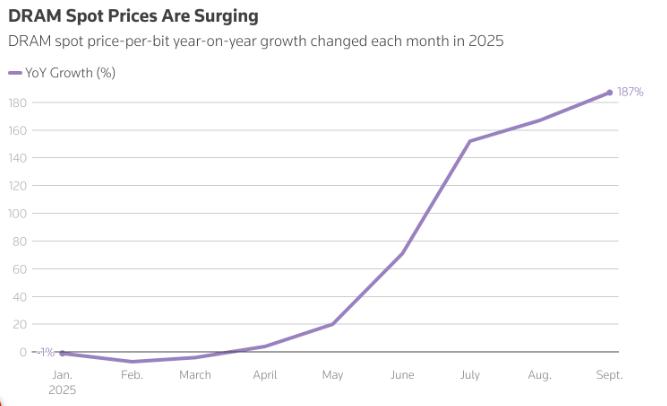
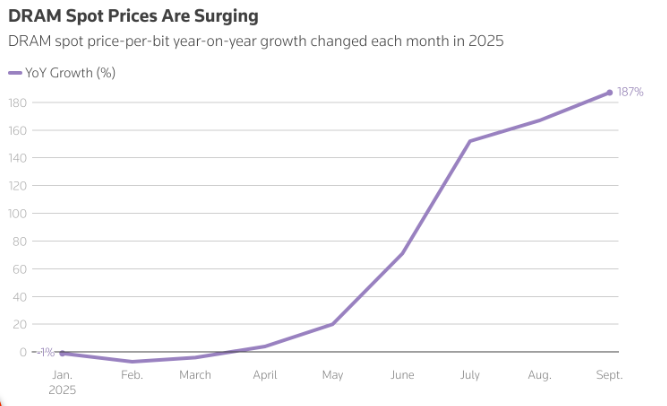
Core Insights - The global chip manufacturers are racing to produce AI chips, leading to a supply crunch for less prominent chips used in smartphones, computers, and servers, causing panic buying and soaring chip prices [1] - The AI boom has unexpectedly boosted memory chip manufacturers like Samsung Electronics, which is lagging behind competitors in advanced AI chip offerings, resulting in a rise in its stock price [1] - Analysts predict that the memory chip industry is entering a "super cycle" due to the intense demand for memory chips driven by equipment manufacturers hoarding them [1] Group 1 - The demand for memory chips has surged in the past couple of months, with orders doubling or tripling, reminiscent of previous shortages [1] - Major tech companies, including Alphabet, Amazon, Meta, Microsoft, and CoreWeave, are expected to invest $400 billion in AI infrastructure this year [2] - The upgrade cycle for traditional data centers and better-than-expected smartphone sales are exacerbating the supply tightness for non-HBM memory chips, driving up their prices [2] Group 2 - The average price of DDR5 server memory modules has skyrocketed, benefiting companies like Micron, SK Hynix, and Samsung [3] - DRAM spot prices have nearly doubled year-on-year as of September, following a 4% increase in April [3] - Samsung's standard DRAM operating profit margin is estimated at around 40%, while HBM's is about 60% for the July to September period [3] Group 3 - The surge in chip prices may pressure consumer electronics and server manufacturers, who are already facing cost increases due to U.S. tariff hikes and potential supply chain disruptions from China's rare earth export restrictions [4] - Some companies are passing on cost pressures to consumers, with Raspberry Pi announcing a price increase due to a 120% rise in memory costs compared to a year ago [5] - The profitability of non-HBM chips is driving up stock prices for memory chip manufacturers, with Samsung's stock rising over 80%, SK Hynix's by 170%, and Micron's by 140% this year [5] Group 4 - There are concerns about the sustainability of the current boom, with some analysts cautioning that the term "super cycle" may be exaggerated, predicting a typical shortage lasting one to two years, followed by a downturn in the chip industry by 2027 [5][6] - Samsung's significant investment in non-HBM chips positions it to benefit from the current trend, but there are cautious sentiments regarding its ability to close the gap with SK Hynix in the HBM sector and TSMC in semiconductor foundry services [5][6]
16GB条突破500元,内存条涨成“理财产品”
Guan Cha Zhe Wang· 2025-10-21 10:08
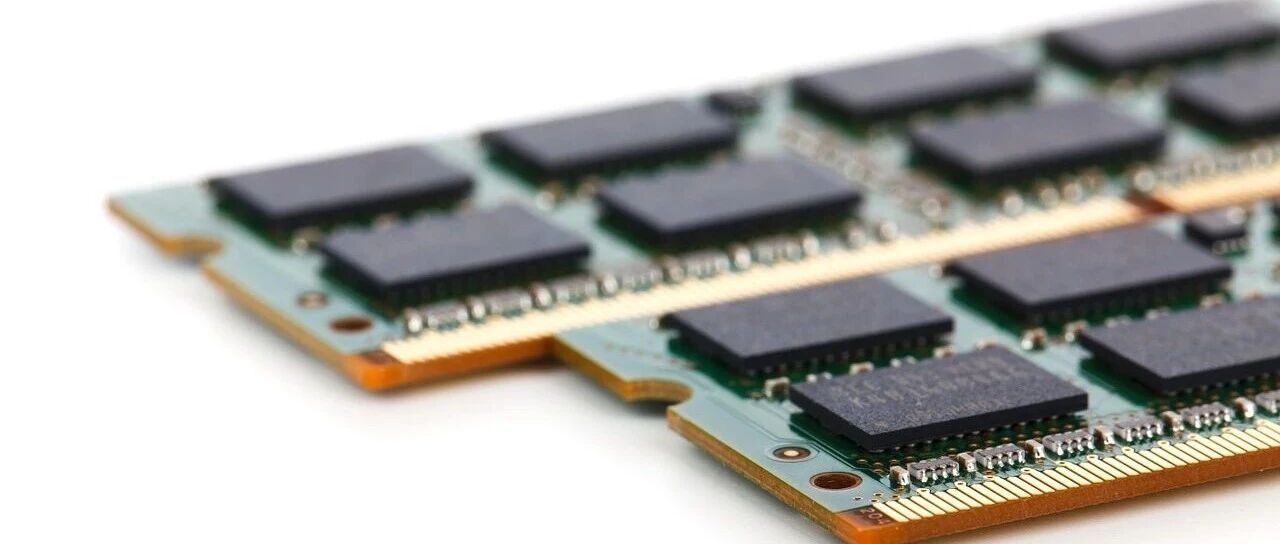
Core Insights - The price of DDR4 memory has surged over twofold, with 16GB modules exceeding 500 yuan, leading industry professionals to humorously label it as one of the best investment products of the year [1] - The global demand for memory chips is tightening due to the AI chip manufacturing boom, causing panic buying among customers and further driving up prices [1] - Major memory manufacturers like Samsung are experiencing a significant stock price rebound as they shift focus towards high-bandwidth memory (HBM) production in response to the AI and high-performance computing demand [1][2] Industry Trends - The global DRAM market is witnessing a shift as companies like Samsung and SK Hynix plan to reduce production of DDR4 chips and transition to higher-margin products like DDR5 and HBM starting in early 2025 [2] - The AI infrastructure investment from tech giants is projected to reach $400 billion this year, coinciding with a new upgrade cycle for traditional data centers and personal computers, exacerbating the supply tightness of non-HBM memory chips [2] - The average inventory cycle for DRAM chips has dropped to eight weeks, significantly lower than the ten weeks from the previous year and 31 weeks at the beginning of 2023 [6] Market Dynamics - The current shortage and price increase of DRAM, NAND flash, SSD, and mechanical hard drives are unprecedented in the industry, with expectations of a significant market upturn starting in Q4 [7] - If the current price trend continues, the profitability of non-HBM memory chips may surpass that of HBM next year, with Samsung's DRAM operating profit margin around 40% and HBM at 60% for the July-September period [8] - Memory chip manufacturers have seen substantial stock price increases this year, with Samsung's stock rising over 80%, SK Hynix by 170%, and Micron by 140% [8] Cautionary Notes - Some analysts caution against overhyping the "super cycle," suggesting that the industry is currently experiencing a classic shortage cycle that typically lasts one to two years, with a predicted downturn in the chip industry by 2027 [9]
活久见!内存条涨成“理财产品”
Guan Cha Zhe Wang· 2025-10-21 08:46
Core Insights - The memory prices are expected to surge in 2025, with DDR4 prices more than doubling, as demand increases due to the AI chip manufacturing boom [1][2] - The global memory chip industry is entering what analysts refer to as a "super cycle," driven by tight supply and increased demand from various sectors [1][2] - Major memory manufacturers like Samsung and SK Hynix are shifting production capacity towards higher-margin products like DDR5 and HBM chips, moving away from DDR4 [2][8] Industry Trends - The demand for DRAM chips has surged, with reports indicating that the average inventory cycle for DRAM chips has dropped to just eight weeks, significantly lower than previous periods [7] - The average price of DDR5 server memory modules has skyrocketed, indicating a shift in market dynamics favoring memory manufacturers [3][8] - The AI boom is coinciding with a new upgrade cycle for traditional data centers and personal computers, further tightening the supply of non-HBM memory chips [2][3] Financial Performance - Memory chip manufacturers are experiencing significant profit margins, with Samsung's standard DRAM business operating profit margin around 40% and HBM at 60% [8] - Stock prices for major memory manufacturers have surged, with Samsung's stock up over 80%, SK Hynix up 170%, and Micron up 140% year-to-date [8] - The current shortage and price increases in memory chips are leading some companies to pass on costs to consumers, as seen with Raspberry Pi's recent price hike [8] Market Outlook - The current market conditions are being described as a classic short supply cycle, with some analysts cautioning against overhyping the "super cycle" narrative [9] - Predictions indicate that the chip industry may enter a recession by 2027, suggesting that the current boom may not be sustainable in the long term [9]

内存条涨成“理财产品”
财联社· 2025-10-21 05:20
Core Viewpoint - The memory chip market is experiencing a significant price surge, particularly for DDR4 memory, driven by increased demand from AI chip manufacturers and panic buying from customers [2][3]. Group 1: Market Dynamics - The supply of ordinary storage chips is tightening, leading to what analysts describe as a "super cycle" in the global memory chip industry, with manufacturers ramping up purchases [3][4]. - Recent months have seen a surge in demand, with customers adopting double or triple ordering strategies reminiscent of previous shortages [3][4]. - Major tech companies are expected to invest $400 billion in AI infrastructure this year, further driving demand for memory chips [4]. Group 2: Production Shifts - Since the launch of ChatGPT in November 2022, memory chip manufacturers have been shifting production capacity towards high-bandwidth memory (HBM) chips to meet the rising demand from AI and high-performance computing [3][4]. - Companies like Samsung and SK Hynix are transitioning away from DDR4 production to focus on more profitable and advanced products like DDR5 and HBM, with plans to cease DDR4 production by late 2025 to early 2026 [3][4]. Group 3: Price Trends - DRAM spot prices have nearly doubled year-on-year by September, following a modest 4% increase in April [5]. - The average inventory cycle for DRAM chips has dropped to eight weeks, significantly lower than the ten weeks from the previous year and 31 weeks at the beginning of 2023 [8]. - The current shortage and price increases in DRAM, NAND flash, SSDs, and mechanical hard drives are unprecedented in the industry [11]. Group 4: Profitability and Stock Performance - If the current price trends continue, the profitability of non-HBM memory chips may surpass that of HBM chips next year, with Samsung's DRAM business operating profit margin around 40% and HBM at 60% for the July-September period [13]. - The rising memory chip prices are exerting additional cost pressures on consumer electronics and server manufacturers, leading some to pass these costs onto consumers [13]. - Memory chip manufacturers' stock prices have surged this year, with Samsung up over 80%, SK Hynix up 170%, and Micron up 140% [13]. Group 5: Market Outlook - Some investors are cautious about signs of an AI bubble, with predictions that the chip industry may enter a recession by 2027 [14].
20cm速递|全球抢购存储芯片!创业板50ETF华夏(159367)上涨3.1%,同类产品最低费率档
Mei Ri Jing Ji Xin Wen· 2025-10-21 03:12
Group 1 - The core viewpoint of the news highlights that the global storage chip industry is entering a "super cycle" due to tight supply and increased demand driven by artificial intelligence (AI) applications, with expectations for the market size to reach $300 billion by 2027 [1] - The 50 ETF of the ChiNext market, which includes the top 50 stocks by market capitalization and liquidity, reflects strong growth potential and focuses on sectors such as batteries, securities, and communication equipment, embodying innovation and new technologies [1] - Morgan Stanley predicts that the supply-demand imbalance in the storage industry will intensify, marking the beginning of a new industrial cycle [1] Group 2 - The ChiNext 50 ETF (159367) offers two main advantages: a 20% price fluctuation limit providing greater trading flexibility compared to traditional indices, and low management fees of 0.15% and custody fees of 0.05%, which effectively reduce investment costs [2]

“芯片荒”再现!这次,全球抢购存储芯片
Zhi Tong Cai Jing· 2025-10-21 02:01
Core Insights - The global chip manufacturers are increasingly focused on producing AI chips, leading to a tightening supply of traditional chips used in smartphones, computers, and servers, which has caused panic buying and significant price increases [1][2] - The AI boom has unexpectedly benefited storage chip manufacturers, such as Samsung Electronics, as price fluctuations have boosted their stock prices [1][2] - The supply of conventional semiconductors has become critically tight, with equipment manufacturers hoarding storage chips, pushing the global storage chip industry into what some analysts call a "super cycle" [1][2] Supply Chain Dynamics - Since the launch of ChatGPT in November 2022, storage chip manufacturers have been reallocating capacity to produce high-bandwidth memory (HBM) chips for NVIDIA's powerful AI chipsets, leading to supply shortages [1][2] - The average inventory cycle for DRAM chips has decreased from 10 weeks last year and 31 weeks at the beginning of 2023 to just 8 weeks [3] Market Trends - Major tech companies, including Google, Amazon, Meta, Microsoft, and CoreWeave, are expected to invest $400 billion in AI infrastructure this year, driving demand for chips [2] - The price of DRAM chips has nearly doubled year-on-year as of September, compared to a mere 4% increase in April [2] Profitability Outlook - If the current price increase trend continues, non-HBM storage chips are expected to become more profitable than HBM chips next year, with Samsung's ordinary DRAM chip operating profit margin estimated at 40% and HBM chips at 60% for Q3 [6] - The stock prices of storage chip manufacturers have surged this year, with Samsung's stock rising over 80%, SK Hynix's by 170%, and Micron's by 140% [9] Consumer Impact - The soaring chip prices may increase profit pressures on consumer electronics and server manufacturers, who are already facing cost hikes due to U.S. tariffs and potential supply chain disruptions from China's rare earth export restrictions [7][8] - Some manufacturers are passing cost pressures onto consumers, as seen with Raspberry Pi announcing a price increase due to storage costs rising by approximately 120% compared to last year [8] Cautious Sentiment on "Super Cycle" - While the profitability of non-HBM chips is rising, there is caution regarding the sustainability of the "super cycle," with some analysts suggesting that the industry is experiencing a typical shortage period that may last one to two years [9] - Investors remain wary of potential AI bubble signs, and while Samsung is expected to benefit from the current trend, there are concerns about its ability to close the gap with competitors in the HBM chip sector [9]