
关税

Search documents
特朗普一句话,黄金再次暴涨,能否打破三角区间?
Sou Hu Cai Jing· 2025-08-26 01:57
行情回顾 上周五美联储主席鲍威尔讲话释放降息信号后,黄金大涨,日线以大阳线收盘。而本周一黄金开盘后并没有延续多头,日内亚盘震荡回落,欧盘和美盘上午 盘震荡反弹,美盘下午盘则再次下跌;整个交易日运行在上周五高点3379之下,日线最终以小阴线收盘。美元指数在上周五暴跌后,昨天直接单边上涨,日 线以中阳线收盘,大有V型反转的意思,美元指数上周五的暴跌后,低位扫荡开启。 当前行情 黄金中期我们坚持看跌,月线连续4根上影线是空头的基础;并且基本面上,关税已经被完全计价,接下来即便新的关税也难以有特朗普重返白宫初期阶段 那种冲击力;全球地缘局势,影响力也在大打折扣,毕竟都是小打小闹,没有像样的实力国家;美联储降息,我们不止一次说过,已经炒作2年之久,狼来 了的故事一直在重复,并且特朗普时代,美联储本来存在感就不强。 所以,这是中期看空黄金的底层逻辑,后市黄金逐步跌破3120和3268连线支撑以及最终跌破3268和3245,去测试3150~3120区域,终极目标回到关税前起涨 点3000只2950区域。只是,当前中短期,不好确定,黄金是站上3400~10区域阻力,突破一次新高再跌,还是压制在3400~10之下直接扫荡式下跌 ...

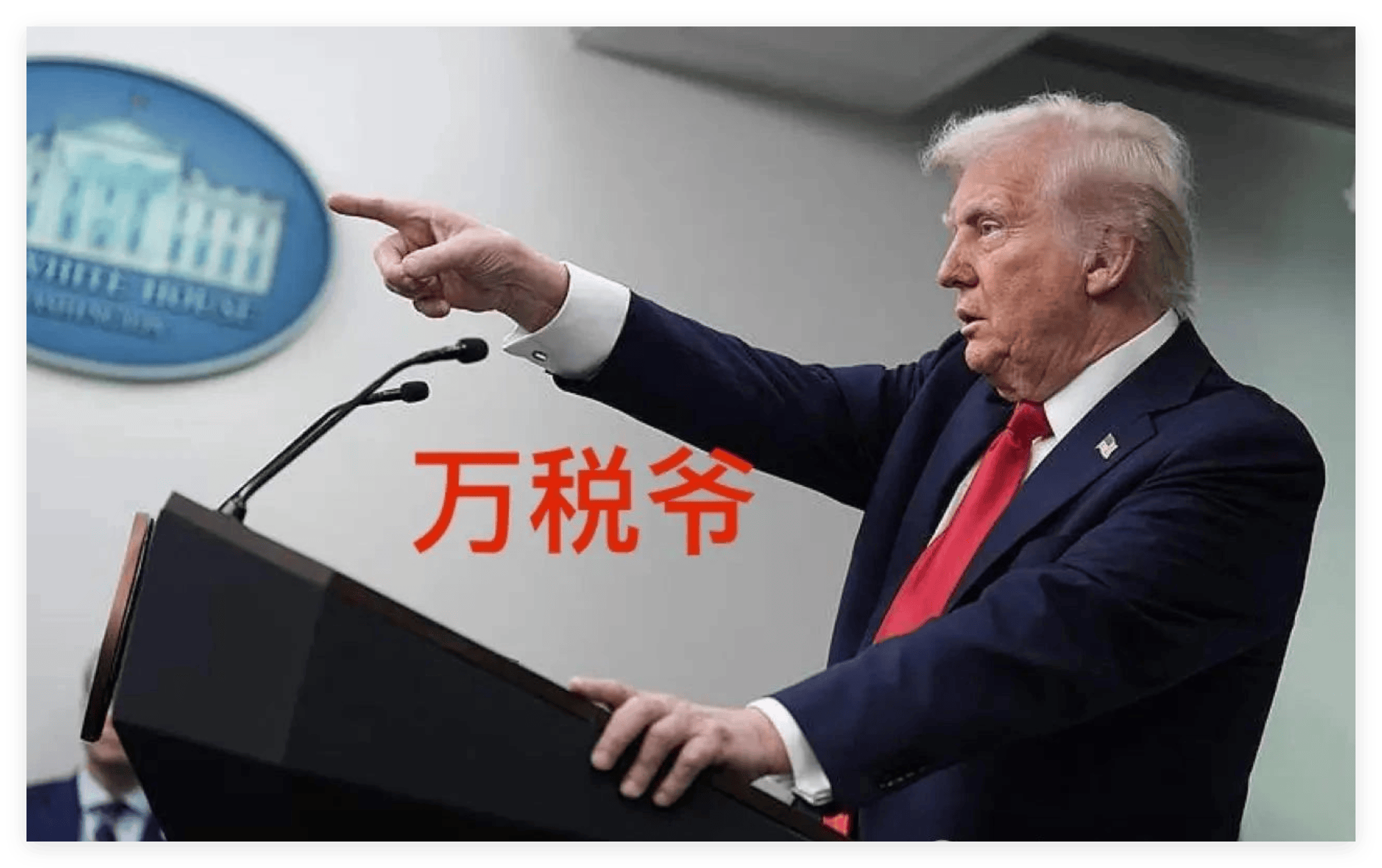
降息大变数,引爆行情!
Sou Hu Cai Jing· 2025-08-25 23:22
上周五,现货黄金大涨1%,盘中一度创两周新高至3378.69美元,最终收报于3371.78美元。随着金价周五飙升,本周现货黄金价格收盘大涨35.77 美元,涨幅约1.1%。今日欧市盘中,黄金小幅下跌,目前在3363美元附近徘徊。 美联储重大变数! 上周五,美股三大指数全线收涨,截至收盘,道琼斯工业指数大涨846.24点,涨幅为1.89%,创历史新高,纳斯达克指数涨1.88%,标普500指数涨 1.52%。 消息面上,美印关税谈判的前景不容乐观。 再过几天,美国向印度大幅加征的额外关税,即将正式生效。不过,印度外长8月23日强硬表态称,与美国的贸易谈判仍在继续,但印度有需要坚 守的底线。此前,有外媒报道称,美国贸易谈判代表团原定于8月25日至29日前往新德里的访问已经取消,这使得美国对印关税可能下调或推迟的 希望进一步破灭。 在美国关税压力加剧之际,印度总理莫迪日前宣布,将下调日常消费品的商品与服务税(GST),以提振印度国内需求。 不过,受关税打压,近期市场对印度大中型企业的预期收益下调,大量外资从印度股市撤出。美国银行本月发布的一项调查显示,约30%的受访 基金经理近期减持了印度股票,印度股市受青睐程度在亚 ...

隔夜美股 | 三大指数收跌 Circle(CRCL.US)跌超7%
智通财经网· 2025-08-25 22:26
Market Overview - Major U.S. indices closed lower, with the Dow Jones down 349.27 points (0.77%) at 45282.47, Nasdaq down 47.24 points (0.22%) at 21449.29, and S&P 500 down 27.59 points (0.43%) at 6439.32, as investors await Nvidia's earnings report and reassess tariffs' impact on inflation and corporate profits [1] - European markets also saw declines, with Germany's DAX30 down 118.91 points (0.49%) at 24251.83, France's CAC40 down 126.65 points (1.59%) at 7843.04, and Spain's IBEX35 down 157.50 points (1.02%) at 15253.50 [1] Cryptocurrency and Commodities - Bitcoin fell over 3% to $110,157.4, while Ethereum dropped more than 8.7% to $4,360.95 [3] - Gold prices decreased slightly, with spot gold at $3,365.59 per ounce, and COMEX gold futures at $3,409.90 per ounce [3] Macroeconomic Developments - The Federal Reserve's Logan suggested improvements in communication regarding interest rate targets and economic forecasts, emphasizing the need to convey diverse viewpoints and response mechanisms [4] - The U.S. government announced plans to impose a 50% tariff on certain Indian products, signaling a potential escalation in trade tensions [6] Company-Specific News - Intel warned that the U.S. government's 10% stake in the company poses a risk to its business, with the possibility of the stake increasing to 15% if specific manufacturing thresholds are not met [7] - Warren Buffett denied any intention for Berkshire Hathaway to acquire a railroad company, clarifying previous speculation regarding BNSF's negotiations with CSX [7] - Elon Musk's X company and xAI filed a lawsuit against Apple, claiming that Apple's integration of OpenAI into iPhone OS harms competition and limits consumer choice [8]
特朗普关税击中黄瓜、海鲜
Di Yi Cai Jing· 2025-08-25 22:22
Core Viewpoint - The U.S. food industry is seeking exemptions from tariffs that have reached the highest levels in decades, impacting prices and supply chains [2][3]. Group 1: Tariff Impact on Food Industry - Approximately 20% of food consumed in the U.S. is imported, with significant reliance on imports for various products, including cucumbers and seafood [3][4]. - The average effective tariff rate on imported goods faced by U.S. consumers is 18.6%, the highest since 1933, potentially increasing average household spending by $2,400 by 2025 [3]. - The U.S. seafood trade deficit was $24 billion in 2022, with 90% of shrimp supply being imported, primarily from India [5][6]. Group 2: Industry Responses and Concerns - Food industry associations are warning that tariffs could lead to significant price increases, particularly for products like cucumbers, which have seen import levels rise from 35% in 1990 to nearly 90% [4]. - Major retailers like Walmart and Target have reported rising costs due to tariffs, with Walmart's same-store inflation rate increasing by 1.1% year-over-year as of early August [10]. - Target's sales have slowed, and the company is negotiating with suppliers to avoid passing on tariff-related price increases to consumers [11]. Group 3: Economic Projections - Economists predict that overall U.S. inflation could rise from 2.5% in the second quarter to around 3.5% by the end of the year, influenced by tariff impacts on retail prices [13].


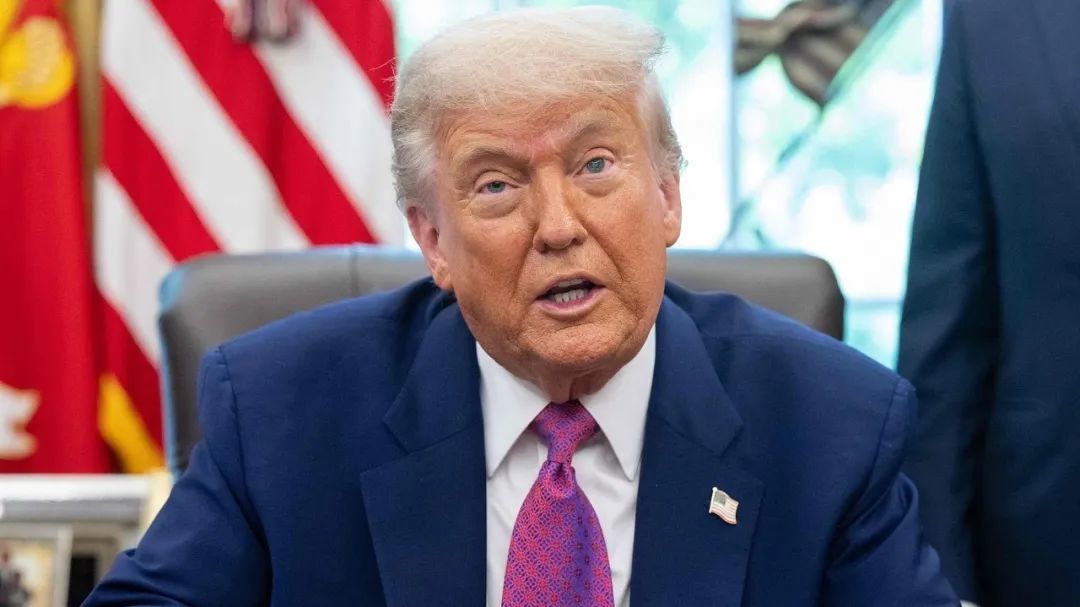
特朗普关税击中黄瓜、海鲜
第一财经· 2025-08-25 15:51
Core Viewpoint - The article discusses the impact of rising tariffs on the U.S. food industry, highlighting the industry's push for exemptions from the Trump administration's tariffs due to potential price increases for consumers and challenges for domestic producers [2][3]. Group 1: Tariff Impact on Food Prices - Approximately 20% of food consumed in the U.S. is imported, and the average effective tariff rate on imported goods has reached 18.6%, the highest since 1933, potentially increasing average household spending by $2,400 by 2025 [3][4]. - The U.S. food industry is particularly concerned about tariffs on seasonal fresh produce, which could lead to significant menu price increases [3][4]. - The U.S. seafood industry relies heavily on imports, with 85% of seafood consumption dependent on foreign sources, and the shrimp supply is 90% imported, primarily from India [6][4]. Group 2: Industry Responses and Financial Implications - Major retailers like Walmart and Target have reported rising costs due to tariffs, with Walmart's same-store inflation rate increasing by 1.1% year-over-year, which is more than double the previous quarter [7][8]. - Target's sales have slowed, and the company is negotiating with suppliers to avoid passing on tariff-related price increases to consumers [8][7]. - Economists predict that overall inflation in the U.S. could rise from 2.5% in the second quarter to around 3.5% by the end of the year, influenced by the rising costs of imported goods [9].
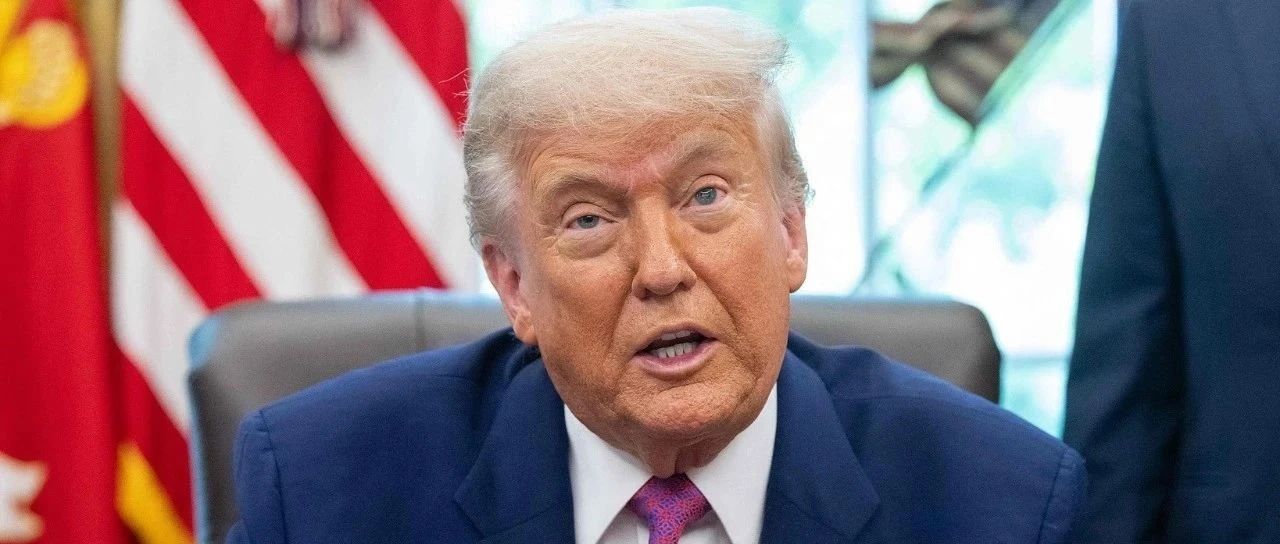
美国消费行业7月跟踪报告:非农前值大幅下修,整体继续谨慎
Haitong Securities International· 2025-08-25 14:42
Investment Rating - The report maintains a cautious investment stance on the consumer sector, particularly highlighting concerns over low-income consumer behavior and the impact of tariffs on essential goods [4]. Core Insights - The consumer confidence index has declined, with the Michigan Consumer Sentiment Index dropping to 58.6 in August from 61.7 in July, marking a 5% decrease and falling below market expectations [7]. - Retail sales data remains resilient, with July retail sales reaching $726.28 billion, a year-on-year increase of 3.9% [7]. - Inflation remains moderate, with the Consumer Price Index (CPI) rising 0.2% month-on-month and 2.7% year-on-year in July, slightly below expectations [9]. - Employment data shows a significant downward revision, with only 73,000 non-farm jobs added in July, far below the expected 110,000 [14]. Macroeconomic Overview - Consumer confidence has weakened, with inflation concerns rising. The short-term inflation expectation increased from 4.5% to 4.9% [7]. - Retail sales growth is dependent on policy incentives and promotional activities, while consumer concerns about prices and unemployment persist [7]. - The CPI is influenced by declining energy prices and initial tariff effects, with core CPI reaching 3.1%, the highest this year [9]. Essential Consumption Insights - Beverage sales show marginal weakness, while tobacco data has rebounded. Alcohol and dairy sectors continue to exhibit weakness [27]. - Alcohol retail sales in June were $5.95 billion, down 3.3% year-on-year, indicating limited resilience in sales [27]. - Dairy product shipments totaled $13.61 billion in June, with a year-on-year increase of 1.6%, reflecting a relatively flat performance [31]. - Tobacco shipments reached $6.05 billion in June, up 7.3% year-on-year, with a CPI increase of 6.5% [33]. Discretionary Consumption Insights - Restaurant and department store sales show marginal weakness, while clothing sales have improved [35]. - Restaurant retail sales in July were $98.3 billion, a year-on-year increase of 5.6%, but a month-on-month decline of 0.4% [35]. - Department store sales reached $77.39 billion in July, up 2.3% year-on-year, but still below overall retail sales growth [38]. - Clothing retail sales in July were $26.63 billion, up 5.0% year-on-year, with expectations of price increases due to tariffs [40]. Market Performance and Valuation - The discretionary consumption sector performed well, with an 8.2% increase, while the essential consumption sector declined by 1.7% [4]. - The essential consumption ETF saw a net inflow of $120 million, while the non-essential consumption ETF experienced a net outflow of $650 million [4]. - The median valuation for leading food and beverage companies in the U.S. stock market was 24x at the end of July, indicating a relatively high valuation level [4].
Home Depot Or Lowe's: The Better Buy?
Forbes· 2025-08-25 11:50
Core Viewpoint - Home Depot's stock remains attractive despite a slight earnings miss, supported by a maintained full-year forecast and strategic initiatives aimed at growth [2][5]. Group 1: Financial Performance - Home Depot's revenue increased by over 7% in the last twelve months, while Lowe's saw a 3% decrease, with Home Depot reporting approximately $85 billion in sales in the first half of fiscal 2025, nearly double that of Lowe's [6]. - Home Depot's trailing twelve-month margin exceeded 13%, with a 13.7% operating margin in the first half of fiscal 2025, compared to Lowe's 12.4% and 13.3% respectively, indicating higher efficiency [6]. Group 2: Strategic Initiatives - Home Depot is focusing on penetrating the professional market through investments in digital tools, Pro Desk services, and in-store enhancements, which are expected to drive customer engagement and growth [5]. - The company benefits from a balanced customer base of DIY enthusiasts and professionals, with professionals contributing significantly to sales, representing about 30% of Lowe's sales [5]. Group 3: Market Position and Risks - Both Home Depot and Lowe's face similar trade risks due to their reliance on imports, but Home Depot's stronger margins allow it to pass on costs more effectively than Lowe's, which is more sensitive to price changes [6]. - Historical performance indicates that Home Depot is not immune to market downturns, having experienced drops of over 35% during the inflation-driven downturn of 2022 and about 38% during the pandemic in 2020 [3][8].



特朗普关税击中黄瓜、海鲜,美国食品业疾呼:豁免!
Di Yi Cai Jing· 2025-08-25 10:57
Group 1 - The average American household is projected to face an increase in spending of $2,400 due to tariffs, which are at their highest effective rate since 1933 at 18.6% [1][2] - The U.S. food industry is seeking exemptions from tariffs, particularly for fresh produce, as the industry warns that menu prices will rise if tariffs are imposed on seasonal ingredients [2][4] - The seafood industry is heavily reliant on imports, with 85% of seafood consumption in the U.S. coming from foreign sources, and 90% of shrimp supply being imported, primarily from India [4][6][7] Group 2 - The U.S. seafood trade deficit reached $24 billion in 2022, highlighting the significant reliance on imported seafood [5] - The American Food Industry Association has indicated that without tariff exemptions, prices for various food products will rise significantly, affecting major retailers like Walmart [9] - Walmart's CEO noted that costs are increasing weekly due to tariffs, with a same-store inflation rate of 1.1% reported, which is more than double the previous quarter [10] Group 3 - Target has experienced a sales slowdown and acknowledges the challenges posed by tariffs, indicating a reluctance to raise prices but recognizing the difficulties in managing costs [10] - Economic analysts predict that overall inflation in the U.S. will rise from 2.5% in the second quarter to around 3.5% by the end of the year, driven by increasing prices of imported goods [11]

再次“打脸”特朗普!高盛、哈佛得出结论:美国消费者在为关税买单
Jin Shi Shu Ju· 2025-08-25 08:52
AI播客:换个方式听新闻 下载mp3 音频由扣子空间生成 当许多进口商品被加征关税时,总得有人来买单。 据美国总统特朗普称,是外国和海外企业在承担这笔费用。但证据显示,是美国消费者和企业在为本届 政府实施的关税买单。 "事实已经证明,即使在这么晚的阶段,关税除了为我们的财政部金库带来源源不断的大量现金外,并 未给美国造成通胀或任何其他问题,"特朗普本月早些时候发帖说。"而且已经表明,在大多数情况下, 消费者甚至没有在支付这些关税,主要是公司和政府,其中许多是外国的,在买单。" 特朗普的帖子并未为其说法提供任何证实,但越来越多的证据指向了相反的方向:经济数据、学术研 究、企业开支以及人们的第一手经验都表明,正是美国公司和消费者因关税而面临越来越高的成本。 随着更多关税生效,以及其他关税更深地渗透到供应链中,预计未来几个月甚至几年,这一负担只会变 得更重。 截至6月份,美国消费者承担了22%的关税成本,但据高盛经济学家8月10日的估算,到10月份,这一比 例预计将上升至67%。这一评估曾导致特朗普要求这家投资巨头解雇其首席经济学家。 高盛的经济学家表示,他们预计约70%的直接关税成本最终将落在消费者身上,如果算上 ...
