
产业升级

Search documents
以旧换新相关商品销售额超2.6万亿元
Xin Lang Cai Jing· 2026-01-01 21:51
Core Insights - The sales volume of products related to the trade-in program is expected to exceed 2.6 trillion yuan by 2025, benefiting over 360 million people [1] Group 1: Trade-in Program Impact - By 2025, over 11.5 million vehicles will be traded in, along with more than 129 million home appliances, 91 million digital products, 12 million home renovation items, and 1.25 million electric bicycles [1] - The trade-in program is projected to contribute over 1 percentage point to the growth of total retail sales of consumer goods, which increased by 4.0% year-on-year from January to November [1] Group 2: Industry Upgrades - Nearly 60% of traded-in vehicles will be new energy vehicles, with the retail market share of new energy passenger cars exceeding 50% for nine consecutive months, reaching 59.4% in November [1] - Over 90% of home appliances traded in will be first-class energy efficiency products, indicating a significant upgrade in product quality [1] - Sales of communication equipment have maintained growth for 11 consecutive months [1] Group 3: Economic and Environmental Benefits - The volume of scrapped vehicles is expected to increase by 24.5% year-on-year by 2025, leading to the recycling of approximately 9.6 million tons of steel and 1.3 million tons of non-ferrous metals [1] - The program is anticipated to reduce carbon emissions by approximately 24.5 million tons, promoting a green economic transition [1]
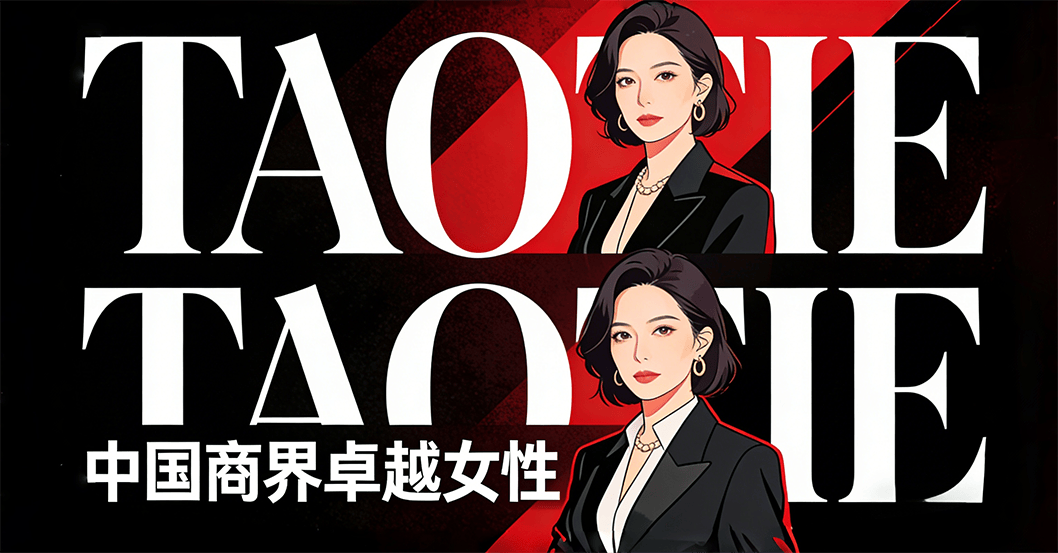
2025TAOTIE中国商界卓越女性榜:柔性力量与产业韧性
Sou Hu Cai Jing· 2026-01-01 20:51
Core Insights - The article highlights the transition of China's manufacturing sector towards high-quality development, emphasizing the role of female leaders in driving this transformation [2][4] - The 2025 TAOTIE list showcases 50 outstanding female leaders who are pivotal in various key industries, including advanced manufacturing, new energy, biomedicine, technology services, and modern consumption [2][4] Group 1: Female Leadership Characteristics - The top three leaders, Dong Mingzhu, Wang Laichun, and Zhou Qunfei, exemplify essential leadership traits needed for industrial challenges: strategic vision, operational precision, and technological depth [5][6] - Dong Mingzhu represents "strategic decisiveness and problem-solving," pushing Gree Electric towards core technology R&D and green transformation [6] - Wang Laichun embodies "precision operation and systematic evolution," leading Luxshare Precision in complex system capabilities and efficient manufacturing [6] - Zhou Qunfei showcases "technological depth and long-termism," guiding Lens Technology in vertical integration from consumer electronics to smart automotive components [6] Group 2: Evolution of Female Leadership Roles - The list indicates a shift in female leadership from traditional management roles to innovation leaders and ecosystem builders, with over 40% of honorees directly involved in core technology advancements [7][8] - Notable figures like Guo Xinjie and Qiu Yujing are leading innovations in AI chips and automotive-grade chips, respectively, showcasing their deep involvement in technology selection and industry standards [7][8] Group 3: Cross-Industry Integration and Collaboration - Many honorees demonstrate exceptional resource integration and ecosystem connectivity, essential in today's converging industries [9][10] - Leaders like Meng Wanzhou and Xu Ran are noted for their ability to align financial strategies with global business expansion and drive strategic transformations within their companies [9][10] Group 4: Generational Transition in Leadership - The list reflects a clear generational transition, with established leaders like Dong Mingzhu and emerging entrepreneurs like Zong Fuli and Yang Tao, each contributing unique strengths to the industry [11] - This generational relay supports the continuous evolution of China's industry from catching up to leading in certain sectors [11] Group 5: Regional Economic Synergy - The geographical distribution of the honorees illustrates a close relationship between female leadership and local industrial clusters, with Shanghai and Guangdong being prominent regions for female executives [12][14] - Shanghai, with 17 honorees, is a hub for modern services and multinational companies, while Guangdong, with 12 honorees, focuses on manufacturing and global supply chain integration [14] Group 6: Value Assessment of Female Leadership - The evaluation criteria for the TAOTIE list emphasize three emerging value anchors: industry leadership and upgrade capability, cross-industry integration and ecosystem shaping, and sustainable growth and value inclusivity [18][19][20] - These leaders are evolving from mere corporate stewards to co-creators of industry value and promoters of business civilization [20]






我市80个集体和个人荣获2025年江苏省五一系列表彰
Zhen Jiang Ri Bao· 2026-01-01 19:35
Group 1 - The article highlights the recognition of 80 collectives and individuals in Jiangsu Province for their contributions to high-quality development, with awards including "Jiangsu Province May Day Labor Award" and "Jiangsu Province Worker Pioneer" [1] - The selection process emphasized grassroots participation and excellence, with a significant representation of non-public enterprises and frontline workers, including migrant workers and technical personnel [1][2] - The awarded individuals and teams span various sectors such as public service, advanced manufacturing, ecological protection, and education, showcasing the diverse contributions of modern laborers [1][2] Group 2 - Notable awardees include Chen Weilian from Jiangsu Shanshui Environmental Construction Group, who has focused on ecological governance for 14 years, and Yuanta from Zhenjiang Maritime Bureau, who pioneered a "drone+" smart supervision model [2] - The article mentions the achievements of teams like Hengbao Co., which innovated biodegradable materials, and the Zhenjiang 12345 hotline, which has handled over 10 million public requests with a satisfaction rate of 98.49% [2] - The Zhenjiang Municipal Federation of Trade Unions plans to promote the spirit of labor through various activities, encouraging workers to draw inspiration from awardees and contribute to the modernization of Zhenjiang [3]
2026白银出口管制,白银已经上升为战略资源地位,与稀土一个级别
Sou Hu Cai Jing· 2026-01-01 14:25
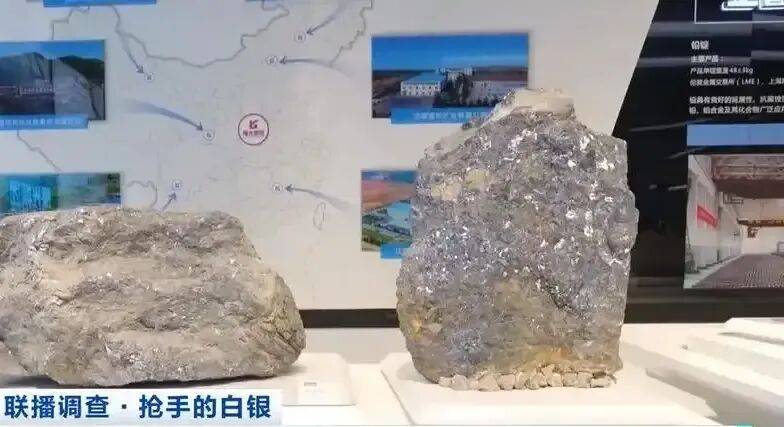
Core Viewpoint - The new silver export control policy in China, effective from January 1, 2026, elevates silver export management to the same level as rare earths, reflecting a strategic shift in China's approach to global resource competition and aiming to secure national resource safety, promote industrial upgrades, and enhance international discourse power [1][8]. Group 1: Strategic Value of Silver - Silver's strategic value has fundamentally transformed, evolving from a commodity associated with jewelry and currency to an essential component in emerging industries, often referred to as "industrial vitamins" [3]. - In industrial applications, silver consumption in photovoltaic cell silver paste accounts for 29% of total industrial demand, with significant roles in 5G communication and electric vehicles [3]. - In critical sectors such as defense, aerospace, and nuclear industries, military usage of silver may exceed total civilian consumption, highlighting its strategic importance beyond that of ordinary precious metals [3]. Group 2: Domestic Supply and Demand Imbalance - China's silver supply is heavily reliant on lead-zinc-copper associated mines, with only 13% of global production in 2024, while industrial demand reaches 8,567 tons, resulting in a significant supply gap [5]. - The global silver supply-demand gap has been expanding for five consecutive years, expected to exceed 7,000 tons by 2026, necessitating the new export controls to prevent exacerbating domestic raw material shortages [5]. - The transition from a quota system to a "one order, one review" management approach aims to ensure resource allocation aligns with domestic industrial development needs [5]. Group 3: Global Market Impact - Following the policy announcement, China's silver exports dropped by 85% in November 2025, with exports to Europe and the U.S. declining by over 39%, indicating a restructuring of the global silver trade chain [7]. - China accounts for 23.4% of global silver exports, and the new policy is projected to reduce global supply by over 4,500 tons annually, prompting countries like the U.S. and India to consider silver as a strategic reserve [7]. - The shift in silver supply chains has significant implications for global industrial production, as highlighted by comments from industry leaders like Tesla's CEO Elon Musk [7]. Group 4: Domestic Industrial Upgrades - The export control policy serves as a catalyst for domestic industrial upgrades by prioritizing high-end raw material supply and pushing companies towards higher value-added sectors [7]. - Under the policy's guidance, domestic firms have achieved breakthroughs in core technologies, such as 99.999% high-purity silver powder and low-temperature sintering silver paste, with over 70% market share in photovoltaic silver paste [7]. - In the short term, the policy may pressure small and medium enterprises, accelerating the elimination of outdated capacities and concentrating resources among leading firms, fostering a healthier industrial ecosystem [7]. Group 5: China's Role in Global Resource Governance - The upgrade of silver export controls reflects China's evolving role in global resource governance, transitioning from a passive recipient to an active participant in rule-making [8]. - This strategic shift is driven by the need to secure resources for domestic development while enhancing international bargaining power through industrial advantages [8]. - The focus on strategic resource management is seen as essential for maintaining economic security amid increasing geopolitical tensions and resource competition [9].
首次世界五百强断崖差距:中国3家,日本149家,美151家,现在呢
Sou Hu Cai Jing· 2026-01-01 09:24
Historical Context - The Fortune Global 500 list began in 1955, initially limited to U.S. companies, expanding globally in 1990, with a focus on sectors like energy, finance, technology, and manufacturing [2] - In the early years, the list reflected the dominance of developed countries, with the U.S. having 151 companies, Japan 149, and China only 3, indicating the economic landscape post-World War II [4][6] - The fluctuations in the number of companies from different countries on the list correlate with policy changes and market competition, showcasing the evolution of global trade and technology transfer [4] Analysis of Disparities - The significant gap in the number of companies in 1995, with the U.S. and Japan leading, was due to differing economic foundations and stages of industrial development [6] - Japan's economic boom in the late 1980s, driven by an export-oriented economy, led to a surge in corporate numbers, particularly in manufacturing sectors like automotive and electronics [6][8] - The Japanese asset bubble, characterized by soaring stock and real estate prices, facilitated corporate expansion but ultimately led to a severe economic downturn in the 1990s [8][9] Current Landscape and Future Outlook - By 2024, the number of Chinese companies on the list has surged to 133, while the U.S. has 139 and Japan only 41, reflecting China's rapid industrialization and investment in technology [13][15] - China's economic growth has been marked by significant advancements in various sectors, with state-owned enterprises like State Grid and private firms like Huawei and Tencent making notable appearances on the list [13][15] - The future outlook suggests that Chinese companies will continue to improve in quality and social responsibility, while Japan may struggle with its economic legacy from the 1990s [17]
并购贷款新规落地!
券商中国· 2026-01-01 01:23
Core Viewpoint - The Financial Regulatory Bureau has released the "Commercial Bank M&A Loan Management Measures," which expands the scope of M&A loans to include equity investments and optimizes loan conditions, allowing for a maximum of 70% of the transaction price to be financed through loans for controlling acquisitions, with a maximum loan term extended to 10 years [1][5]. Group 1 - The new measures allow M&A loans to be used for equity investments, with specific conditions such as acquiring at least 20% of the target company's shares in a single transaction [3][4]. - The measures set differentiated operational qualification requirements for banks providing controlling and equity investment M&A loans, emphasizing the assessment of the borrower's repayment ability [2][6]. - The adjustments aim to support the integration and upgrading of traditional industries while fostering the growth of emerging industries, thereby enhancing the quality of financial services to the real economy [4][6]. Group 2 - The maximum proportion of controlling M&A loans relative to the transaction price has been increased from 60% to 70%, and the loan term has been extended from 7 years to 10 years [5][6]. - The implementation of these measures is expected to increase the supply of M&A funds, optimize resource allocation, and facilitate the transformation of traditional industries and the development of new industries [5][6]. - Existing M&A loan businesses that meet the new qualification requirements will not need to re-register after the implementation of the measures, while those that no longer meet the requirements will cease operations after settling existing contracts [6].
时光向前 辽宁向上
Liao Ning Ri Bao· 2026-01-01 00:53
Core Viewpoint - The year 2025 has been a period of significant achievements and progress for Liaoning, with a focus on agricultural production, industrial transformation, and cultural development as the region prepares for the new opportunities in 2026 [3][6]. Group 1: Economic and Industrial Development - Liaoning's grain production reached a historical high in 2025, showcasing the region's agricultural strength [3]. - The traditional industries in Liaoning are accelerating their digital transformation, while emerging sectors such as high-tech shipbuilding and aerospace are rapidly developing [3]. - Major breakthroughs have been made in fields like new energy and new materials, contributing to the resilience and innovation of Liaoning's industries [3]. - The construction of high-energy scientific and technological innovation platforms is progressing quickly, indicating a strategic focus on enhancing technological capabilities [3]. Group 2: Cultural and Social Achievements - The acrobatic drama "First Sound" won the prestigious Wenhua Award, highlighting the cultural achievements of Liaoning [3]. - Liaoning's sports teams, such as the Iron Man football team, have achieved significant milestones, contributing to the region's vibrant sports culture [3]. - The integration of culture, tourism, and commerce has gained momentum, with local specialties like ice and snow activities, seafood, and barbecues becoming popular attractions [3]. Group 3: Future Outlook and Strategic Goals - The year 2026 marks the beginning of the "14th Five-Year Plan" period for Liaoning, which is crucial for consolidating advantages and addressing bottlenecks in development [6]. - The focus will be on internal strengthening and innovation to navigate the complex international landscape and ensure sustainable growth [6]. - Emphasis on reform and innovation is essential for overcoming challenges in industrial upgrades and fostering a competitive environment [7]. - The commitment to practical action and continuous effort is highlighted as vital for achieving long-term success and development in the region [8].
奋楫扬帆,共赴蒸蒸日上的明天
Xin Lang Cai Jing· 2025-12-31 21:06
本报记者 当岁末的钟声还在山河间回响,新年的晨曦已然照耀于奋进者的征程之上! "大家拼搏进取、耕耘奉献,铸就了欣欣向荣的中国……"一份蕴含千钧之力的新年贺词,激荡起中华儿 女心中的波澜。在"十四五"辉煌答卷与"十五五"壮阔蓝图交汇之际,"实干"铸就的过去、"奋进"直指的 未来,与每个人心中对先辈、对祖国、对盛世的"感恩"之情深深共鸣,汇聚成推动"中国号"巨轮破浪前 行的磅礴力量。 此刻,从沿海到高原,从实验室到生产线,贺词中的一字一句正在各行各业、各界群众中引发热烈反 响,激发起对祖国伟大成就的自豪、对宏伟目标的憧憬与团结一心的炽热情怀。 礼赞实干成就 汇聚中国力量 冬日的玉树藏族自治州结古镇,宛如一幅冷峻而壮丽的高原画卷。寒风如冰刀般割面,但是结古街道两 边的住户家里暖意融融,吃着刚出锅的手抓肉,一家人其乐融融守在电视机前。 "习近平主席在新年贺词中提到'民生无小事,枝叶总关情',这正是基层工作的根本遵循。"玉树市结古 街道党工委书记久美丁增欣慰地说,过去一年,我们实干笃行,解决道路破损、垃圾堆放等2589个民生 难题,让爱心厨房的热饭暖了老人心,托管教室里传出孩童朗朗的笑声。 久美丁增说,新的一年,我们将 ...
2026年新年献词 | 潮涌两江 奔赴新程
Xin Lang Cai Jing· 2025-12-31 15:54
Core Insights - The article highlights the growth and development of Chongqing, emphasizing its transformation through hard work and innovation, particularly in industries such as intelligent connected vehicles and high-end equipment manufacturing [4][5][12] - It underscores the city's commitment to enhancing its infrastructure and connectivity, including the launch of the T3B terminal and the establishment of the Western Land-Sea New Corridor, which facilitates global trade [8][12] - The narrative reflects on the cultural and social vibrancy of Chongqing, showcasing various events and community activities that foster a sense of unity and pride among its residents [10][12] Industry Developments - Chongqing is advancing from traditional manufacturing to intelligent manufacturing, with significant investments in high-tech industries and innovation platforms [5] - The city is experiencing a surge in infrastructure projects, including the expansion of transportation networks and the development of high-quality living service areas, enhancing overall urban livability [8][10] - The successful implementation of the China-Singapore Connectivity Initiative marks a decade of fruitful collaboration, contributing to economic growth and cultural exchange [8] Community and Cultural Engagement - The article emphasizes the importance of community involvement in the city's development, highlighting various cultural events and sports activities that engage residents and promote local pride [10][12] - Initiatives such as the "15-minute high-quality life service circle" aim to improve daily living conditions for citizens, reflecting a focus on enhancing the quality of life [8][10] - The narrative illustrates how digital empowerment is transforming urban governance, making services more efficient and responsive to community needs [10]

——12月PMI数据点评:PMI重回荣枯线上,出口拉动高技术生产
Changjiang Securities· 2025-12-31 12:45
Group 1: PMI Performance - December manufacturing PMI rose to 50.1%, marking an 8-month high and exceeding Bloomberg and Reuters' consensus estimate of 49.2%[2] - The PMI increase is characterized by strong structural certainty, although total economic uncertainty remains[2] - High-tech manufacturing PMI surged by 2.4 percentage points to 52.5%, indicating positive growth trends in the sector[7] Group 2: Demand and Production - New orders contributed 53% to the PMI increase, while production contributed 47%[7] - New orders index rose by 1.6 percentage points to 50.8%, and new export orders increased by 1.4 percentage points to 49.0%, reaching a new high since April[7] - Production index significantly improved by 1.7 percentage points to 51.7%, indicating strong expansion momentum[7] Group 3: Price and Inventory Trends - Main raw material purchase price index slightly decreased to 53.1%, while the factory price index rose to 48.9%[7] - Raw material inventory index increased to 47.8%, and finished goods inventory index rose to 48.2%, reflecting synchronized supply and demand improvements[7] Group 4: Non-Manufacturing Sector - Non-manufacturing PMI increased to 50.2%, returning to expansion territory, primarily driven by a 3.2 percentage point rise in construction PMI to 52.8%[7] - The construction sector's improvement is attributed to favorable weather conditions and accelerated project progress, although funding and project availability remain concerns[7] Group 5: Future Outlook - The sustainability of the manufacturing PMI increase is uncertain, with potential risks in demand and external economic conditions[6] - The need for stable growth remains significant as 2026 marks the beginning of the "14th Five-Year Plan," indicating potential policy support to stabilize the economy[2]