贸易保护主义

Search documents
吃饭又砸锅?欧洲可不干!对华加税200%,G7跟不跟?美财长话音刚落,在座6国无一敢应声
Sou Hu Cai Jing· 2025-08-19 06:32
Group 1 - The article discusses the U.S. Treasury Secretary's push for European allies to prepare for higher tariffs on countries buying Russian energy, which is seen as a strategy targeting China rather than Russia [1][3][5] - European leaders' silence during the G7 meeting indicates their reluctance to engage in a trade war with China, as their economies are closely tied to Chinese markets, particularly in sectors like automotive and electronics [3][6] - The U.S. has a history of using its allies as tools in trade disputes, and the current situation reflects a growing awareness among European nations of the risks involved in aligning too closely with U.S. policies against China [6][8] Group 2 - The article highlights that the U.S. is unlikely to achieve favorable outcomes in a trade war with China without the support of its allies, and the recent G7 meeting showcased a lack of consensus on this issue [5][8] - The potential for retaliatory measures from China could negatively impact American companies that rely on the Chinese market, such as Apple and Tesla, leading to domestic discontent [8] - The dynamics of global trade are shifting, with countries recognizing the interconnectedness of their economies, making it increasingly difficult for the U.S. to impose unilateral trade measures without facing backlash [8]

特朗普对华妥协了!中美成了“最大赢家”?欧盟加拿大日本,被中方下重手反制
Sou Hu Cai Jing· 2025-08-19 06:23
Group 1 - The core point of the article is the extension of the suspension of tariffs on China by the Trump administration for an additional 90 days, indicating a potential shift in U.S. trade policy towards China [1][3] - The U.S. agreed to cancel 91% of the additional tariffs and reduce tariffs on Chinese goods to 10%, reflecting a compromise in the trade negotiations [3] - The extension of the suspension may be a tactical delay for the Trump administration, as the long-term implications remain uncertain [3] Group 2 - In response to the EU's sanctions on Chinese financial institutions, China has placed two EU banks on a countermeasure list, indicating a retaliatory stance [4] - Canada faces anti-dumping investigations, with findings showing a 75.8% dumping margin on canola oil imports, highlighting trade tensions between China and Canada [6] - The anti-dumping measures against Canada and Japan are part of China's strategy to protect its domestic industries from perceived unfair trade practices [6][8]
【环球财经】欧洲专家:美国关税冲击欧洲出口
Xin Hua She· 2025-08-19 06:15
Core Viewpoint - The latest trade data indicates that the high tariff policies of the United States have negatively impacted European exports [1] Group 1: Trade Data and Impact - The European Union's statistics show that in June, eurozone exports decreased by 2.4% month-on-month, while imports increased by over 3% [1] - The seasonally adjusted trade surplus narrowed from €15.6 billion in May to €2.8 billion in June [1] - Year-on-year, EU exports to the United States fell by more than 10% in June [1] Group 2: Factors Affecting European Exports - Since the beginning of the year, a stronger euro, U.S. tariff measures, and uncertainties in global trade have contributed to a potential ongoing decline in European exports [1] - European exporters are facing intense competition, which may further exacerbate the challenges in maintaining export levels [1] Group 3: U.S. Tariff Measures - The U.S. has progressively increased tariffs on EU goods, with many European exporters facing a 10% "reciprocal tariff" in June, while automotive manufacturers face a 25% tariff and steel and aluminum producers face tariffs as high as 50% [1] - In August, a 15% "reciprocal tariff" on most EU goods entering the U.S. came into effect, significantly higher than the previous average tariff rate of less than 5% between the U.S. and EU [1]
欧洲专家:美国关税冲击欧洲出口
Xin Hua Wang· 2025-08-19 05:15
Core Insights - The latest trade data indicates that the high tariff policies of the United States have negatively impacted European exports [1] - The fluctuations in European industrial data are attributed to pre-tariff export surges followed by declines due to high tariffs [1] - Factors such as a stronger euro, U.S. tariff measures, global trade uncertainties, and intense competition are expected to continue to weigh on European exports [1] Trade Data Summary - In June, eurozone exports decreased by 2.4% month-on-month, while imports increased by over 3% [1] - The seasonally adjusted trade surplus narrowed from €15.6 billion in May to €2.8 billion in June [1] - Year-on-year, EU exports to the U.S. fell by more than 10% in June [1] Tariff Impact - Since the beginning of the year, U.S. tariffs on the EU have been rising, with many European exporters facing a 10% "reciprocal tariff" in June [1] - Automobile manufacturers are subject to a 25% tariff, while steel and aluminum producers face tariffs as high as 50% [1] - In August, a 15% "reciprocal tariff" on most EU goods entering the U.S. came into effect, significantly higher than the previous average tariff rate of less than 5% between the U.S. and EU [1]
印度双标操作!中国PVC税率不降反升,而美国等获得关照
Sou Hu Cai Jing· 2025-08-19 04:33
Group 1 - The Indian Ministry of Commerce has imposed anti-dumping duties on PVC suspension resin from China, the US, Japan, South Korea, and other regions, with a maximum tax of $284 per ton [1] - The tax rates for Chinese PVC are set between $122 and $232 per ton, which is an increase of $40 from the preliminary ruling, while the US rate has decreased by $32, indicating a double standard in the application of tariffs [3] - India relies on China for 42% of its PVC imports, and the new tariffs will force local companies to either pay higher prices or face production shortages, which could harm the domestic industry [3] Group 2 - The tax rates for South Korea range from $0 to $169 per ton, while Japan's rates are between $49 and $148 per ton, suggesting a targeted approach against Chinese companies [3] - The Indian construction and agriculture sectors are heavily dependent on PVC, and the imposition of tariffs will lead to increased costs for downstream industries, ultimately affecting Indian consumers [3] - The situation illustrates that trade wars do not yield winners, and aggressive tariff measures may backfire, jeopardizing local industries and employment [3]
国际观察丨美关税政策加剧德国经济复苏之困
Xin Hua Wang· 2025-08-19 02:51
Economic Overview - Germany's GDP decreased by 0.1% in Q2, reversing earlier growth and falling short of market expectations, indicating ongoing economic decline after two years of contraction [1] - The unemployment rate is approaching 3 million, with significant layoffs announced by major companies such as Audi, Deutsche Bank, and Siemens, reflecting the impact of the economic downturn [2] Industry Impact - The number of bankruptcies reached a record high of 4,524 in Q2, the highest since Q3 2005, with manufacturing, trade, and hospitality sectors being particularly affected [2] - The automotive industry, a key sector for Germany, is experiencing significant profit declines among major players like BMW and Volkswagen, with industrial output hitting its lowest level since May 2020 [2][4] Consumer Confidence - Consumer confidence index fell by 1.2 points to -21.5, indicating a decline in purchasing willingness and an increase in saving intentions due to high prices and economic uncertainty [3] External Pressures - U.S. tariffs and trade policies are exerting severe pressure on Germany's export-driven economy, with predictions that these policies could lead to a 0.2% decline in GDP [4] - The automotive sector faces additional burdens from tariffs, with companies incurring billions in extra costs despite recent tariff reductions [4] Structural Challenges - Germany's economic recovery is hindered by structural issues such as lengthy project approval processes and high energy costs, which have led to a nearly 20% production drop in energy-intensive industries [5] - Digitalization lag and an aging population further complicate recovery efforts [5] Government Response - The German government is implementing a comprehensive economic plan focusing on military industry investments to stimulate growth, alongside a significant public investment initiative aimed at infrastructure and research [7][8] - Despite these efforts, experts express skepticism about the sustainability of growth without structural reforms, emphasizing the need for a balanced approach that includes fiscal policy and systemic reforms [8]

国际观察|美关税政策加剧德国经济复苏之困
Xin Hua She· 2025-08-19 02:11
Economic Overview - Germany's GDP decreased by 0.1% in Q2 2023, reversing earlier growth and falling short of market expectations, indicating ongoing economic decline after two years of contraction [1] - The unemployment rate is approaching 3 million, with significant layoffs announced by major companies such as Audi, Deutsche Bank, and Siemens, reflecting the impact of the economic downturn on the labor market [2] Industry Impact - The automotive industry, a key sector in Germany, is facing substantial profit declines among major manufacturers like BMW and Volkswagen, with industrial output hitting its lowest level since May 2020 [2] - Over one-third of companies report insufficient orders, particularly in the automotive, machinery, and electrical equipment sectors, highlighting a critical lack of demand [2] Consumer Confidence - Consumer confidence has dropped, with the leading index falling to -21.5 points, indicating a shift towards saving rather than spending due to high prices and economic uncertainty [3] External Pressures - U.S. trade policies and tariffs are significantly impacting Germany's export-driven economy, with predictions that these could reduce Germany's GDP by 0.2% in the medium term [4] - The automotive sector is particularly affected by U.S. tariffs, which impose additional costs on German car manufacturers despite recent reductions in tariffs on EU imports [4] Structural Challenges - Germany faces long-standing structural issues, including slow infrastructure investment and lengthy project approval processes, which hinder economic competitiveness [4] - Rising energy costs have also severely impacted manufacturing profits, with energy-intensive industries experiencing production declines of nearly 20% [5][6] Government Response - The German government is implementing a comprehensive economic plan, focusing on boosting the defense industry to stimulate growth, alongside a significant public investment initiative aimed at infrastructure and research [7] - Despite these efforts, experts express skepticism about the sustainability of growth without structural reforms, emphasizing the need for a balanced approach that includes fiscal policy and systemic reforms [8]
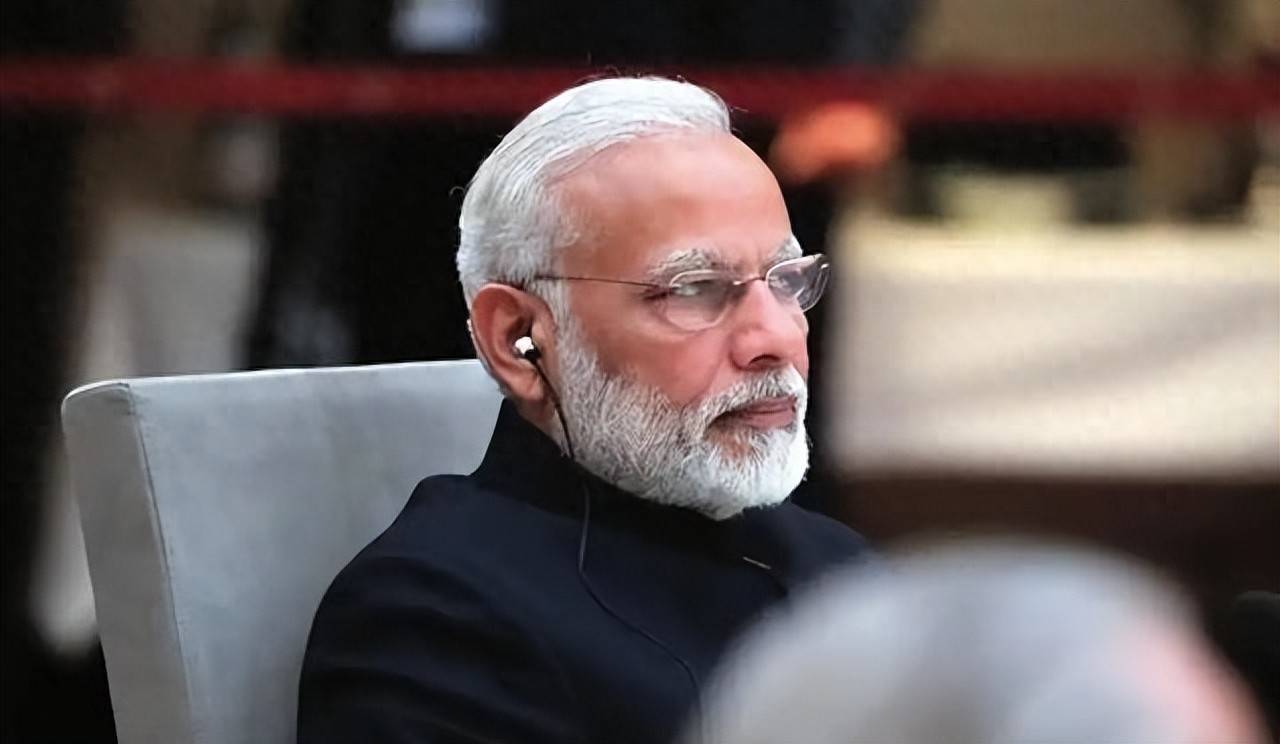
特朗普一句话,让莫迪心碎了!中俄的反应,让印度彻底凉凉!
Sou Hu Cai Jing· 2025-08-18 17:01
Group 1 - Trump's executive order on August 6, 2025, imposed a 25% tariff on Indian oil imports from Russia, raising the total tariff to 50%, which is expected to reduce India's exports to the US by 80% [1][4][8] - India's exports to the US account for approximately 17% of its total exports, leading to significant economic pressure on Indian businesses and employment [1][4] - The Indian government is facing challenges as it attempts to balance its energy security needs with the economic impact of the tariffs, emphasizing the importance of continuing to purchase Russian oil [3][8] Group 2 - Modi's government is implementing tax reforms to stimulate the economy in response to the tariffs, but these measures are seen as temporary solutions [3][4] - The geopolitical dynamics are shifting, with China continuing to import Russian oil significantly, while India feels isolated due to the US's selective enforcement of tariffs [4][8] - The Indian economy is projected to suffer a loss of over a hundred billion dollars in exports due to the tariffs, exacerbating the trade deficit [4][8] Group 3 - The response from China and Russia indicates a strengthening of their energy alliance, with Russia prioritizing oil exports to China, further sidelining India [3][6] - India's attempts to collaborate with South Korea on steel production are limited in scale compared to its needs, highlighting the challenges it faces in diversifying its trade partnerships [6][8] - The overall sentiment is that India's position in the global trade landscape is becoming increasingly precarious, necessitating a reevaluation of its foreign relations strategy [6][10]
全球关税地震!巴西印度重灾区!50%重压下全球贸易战一触即发
Sou Hu Cai Jing· 2025-08-18 13:30
Core Viewpoint - The implementation of the global tariff policy by the Trump administration marks a significant shift in U.S. trade policy, leading to widespread implications for global trade dynamics and economic conditions [1][6]. Group 1: Impact on Specific Countries - Brazil faces severe consequences with tariffs as high as 50%, leading to a drastic reduction in orders for export-oriented factories [3][5]. - India's traditional export sectors, such as textiles and jewelry, are also under pressure as tariffs approach 50%, prompting companies to reassess their global market strategies [3][11]. - Southeast Asian countries like Thailand and Indonesia are subjected to a 19% tariff, negatively impacting their agricultural and manufacturing sectors, particularly affecting Thailand's fruit exports [3][5]. Group 2: Reactions from Affected Countries - Many countries are sending delegations to negotiate tariff exemptions, with Brazil's orange juice industry successfully obtaining a waiver, allowing continued access to the U.S. market [7][10]. - Chile's copper industry has also secured special exemptions, leading to a rise in market confidence and stock prices for copper companies [7]. - Japan and South Korea are actively negotiating to protect their automotive and electronic sectors, with Japan particularly focused on the timing of reduced tariffs on cars [9][11]. Group 3: Broader Economic Implications - The average effective tariff rate in the U.S. has surged to its highest level in nearly a century, indicating a major shift in trade policy that could lead to increased consumer prices and a rise in protectionism globally [5][6]. - The uncertainty surrounding the U.S. tariff policy is prompting multinational companies to reevaluate their global supply chains, with some considering relocating production to other regions [12][14]. - The potential for a restructuring of global supply chains may lead to market volatility and economic disruptions in the short term, particularly affecting Southeast Asian economies that are integral to the electronics supply chain [14].
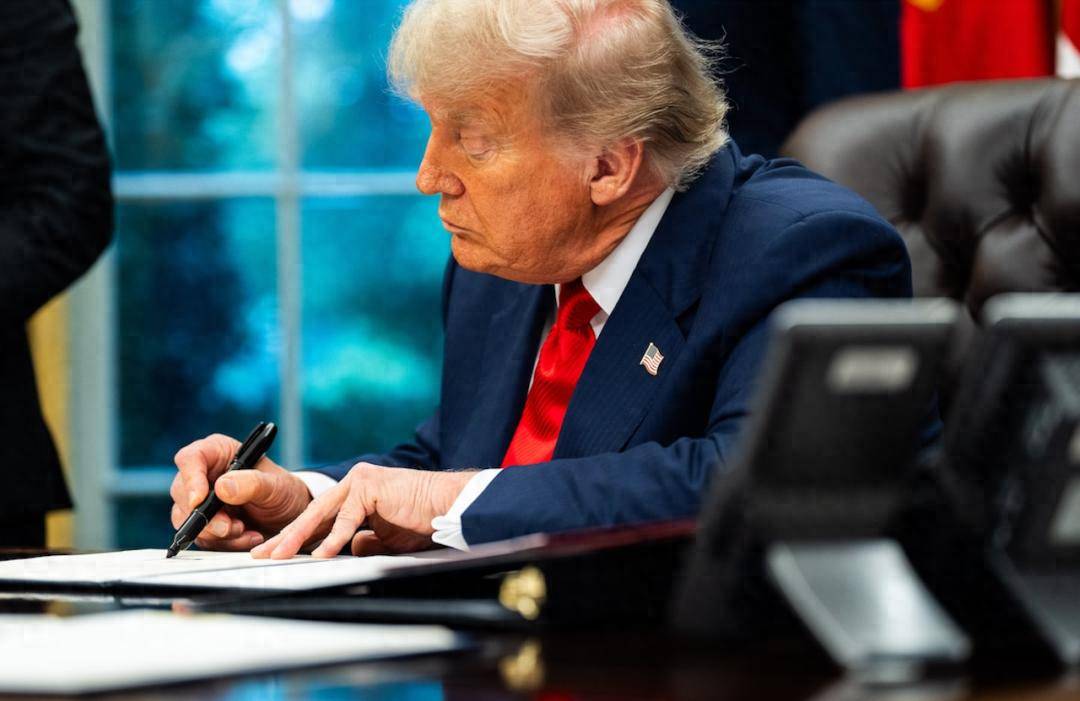
求中国也没用,眼看丢掉数十亿美元大单,特朗普追悔莫及
Sou Hu Cai Jing· 2025-08-18 10:22
Group 1 - The core issue is that the U.S. soybean industry is facing significant losses as China shifts its purchases to Brazil, resulting in billions of dollars in missed orders for American farmers [3][5][11] - In September and October, China purchased 8 million tons and 4 million tons of soybeans from South America, respectively, compared to 7 million tons from the U.S. during the same period last year [3] - The price of soybeans at the Chicago futures exchange has dropped to a five-year low, reflecting the dire situation for U.S. farmers [3] Group 2 - President Trump has called for China to quadruple its soybean orders to reduce the trade deficit, but analysts believe this is unrealistic given the 23% tariffs on U.S. soybeans [5][7] - The Chinese government has indicated that the resolution of trade issues requires the U.S. to reconsider its tariff policies, emphasizing that there are no winners in a trade war [7][9] - The U.S. soybean export association reports that many farmers are struggling due to inventory buildup and are urging the government to negotiate a new agreement with China [11] Group 3 - China's diversification strategy has led to a decrease in the share of U.S. soybeans in its imports, with a 5.7% reduction and an increase in Brazilian soybeans by 6.7% [9] - The ongoing trade tensions have created chaos in the U.S. soybean industry, with political decisions overshadowing the livelihoods of farmers [11] - As the midterm elections approach, the impact of these trade policies on votes in agricultural states remains a concern for the Trump administration [11]