
碳达峰碳中和

Search documents
工行河北省分行:以绿色金融书写美丽河北答卷
Xin Hua Cai Jing· 2025-07-31 07:41
Core Viewpoint - The Industrial and Commercial Bank of China (ICBC) Hebei Branch is actively promoting green development through green finance, aiming to support the economic and social development of Hebei Province and contribute to the construction of a beautiful Hebei [1][7]. Group 1: Green Loan Initiatives - As of June 30, 2025, the green loan balance of ICBC Hebei Branch reached 174 billion yuan, an increase of 30.3 billion yuan from the beginning of the year, with a growth rate 12 percentage points higher than the overall loan growth [1]. - In Xiong'an, the green loan balance reached 33.3 billion yuan, leading the industry and demonstrating the branch's commitment to green finance [2][3]. Group 2: Innovative Financial Products - The branch has introduced various innovative financial products, including the "Xiong'an Development Loan" and "Meteorological Assistance Loan," to support green projects and enhance agricultural resilience against natural disasters [4][3]. - ICBC Hebei Branch has provided a total of 16.9 billion yuan in loans for green building projects, including zero-carbon buildings and ecological restoration projects [3][4]. Group 3: Support for Renewable Energy Projects - The branch has established a "Carbon Peak and Carbon Neutrality" special loan and low-carbon transition fund, financing 16.3 billion yuan for 32 environmentally friendly enterprises [4]. - As a joint lead underwriter for green bonds, the branch successfully completed the issuance of 450 million yuan in green perpetual bonds, with all funds allocated to clean energy projects [4]. Group 4: Commitment to Sustainable Practices - ICBC Hebei Branch is implementing ten special actions to reduce its operational carbon footprint, including energy efficiency improvements and promoting green office practices [6]. - The establishment of the first green low-carbon bank outlet in Xiong'an reflects the branch's commitment to sustainable banking practices and community engagement [6].

广东新能源产业产值规模已达1.1万亿元
Nan Fang Nong Cun Bao· 2025-07-30 09:31
Core Viewpoint - The development of the green low-carbon industry in Guangdong is crucial for achieving carbon peak and carbon neutrality goals, and it serves as a new driving force for high-quality development in the province, with significant strategic importance and market potential [2][3][4]. Group 1: Industry Scale and Achievements - The total output value of the new energy industry in Guangdong is projected to reach 1.1 trillion yuan in 2024 [14]. - Guangdong has created 400 national-level green factories and established the country's first 1 million-ton hydrogen-based vertical furnace project [10][9]. - The total area of green buildings in the province has exceeded 1 billion square meters, with over 95% of new buildings being green [11]. Group 2: Renewable Energy Development - Guangdong has developed a complete industrial chain for offshore wind power, with an installed capacity exceeding 12 million kilowatts, ranking first in the country [13]. - The province's nuclear power installed capacity is also the highest in the nation [13]. - The new energy sector includes offshore wind power, new energy storage, photovoltaics, and hydrogen energy [14]. Group 3: Electric Vehicle and Battery Industry - The automotive industry in Guangdong is expected to achieve revenue exceeding 1.28 trillion yuan in 2024 [16]. - The province is nurturing globally competitive companies in electric and intelligent vehicles, including BYD, GAC Group, and Xpeng Motors, as well as battery manufacturers like Yiwei Lithium Energy and Xinwanda [17][19]. Group 4: Energy Storage and Recycling - The revenue of the new energy storage industry in Guangdong is projected to be around 400 billion yuan in 2024, with an installed capacity of 3.5 million kilowatts, a year-on-year increase of 114% [21]. - The province's energy-saving and recycling technology and service industry accounts for about 10% of the national scale, with several companies recognized in the top 50 environmental enterprises in China [22][24]. Group 5: Future Development Strategies - Guangdong aims to leverage the opportunity to build a world-class green low-carbon industrial cluster in the Greater Bay Area, enhancing its development capabilities and promoting a comprehensive green transformation of the economy and society [29][31]. - The province plans to improve the policy framework for green low-carbon industry development and focus on high-growth and strategic industries [32][34]. - There will be an emphasis on technological innovation and demonstration applications in the green low-carbon sector [35][36].





国家发改委宏观经济研究院白泉:节能增效成为绿色转型升级的金钥匙
Jing Ji Ri Bao· 2025-07-30 08:23
Core Viewpoint - Energy conservation and efficiency enhancement have become strategic choices for sustainable economic development and the future of humanity, rather than mere environmental initiatives [1] Group 1: Energy Consumption and Challenges - In 2024, China's primary energy consumption reached 5.96 billion tons of standard coal, with oil and natural gas import rates exceeding 70% and 40% respectively, indicating increasing energy security risks [2] - Energy consumption intensity in China decreased by 3.8% year-on-year in 2024, with a cumulative reduction of 11.6% over the first four years of the 14th Five-Year Plan [2] - The focus on energy conservation and efficiency is essential for alleviating energy supply pressure, reducing carbon emissions, and promoting industrial upgrades [2] Group 2: Policy Initiatives and Economic Impact - In 2024, a new round of large-scale equipment updates and consumer product exchanges was initiated, with the aim of enhancing standards for technology, energy consumption, and emissions [3] - The "Two New" policy, which includes subsidies for various household appliances and digital products, is expected to accelerate the green transformation of society [3][4] - By May 31, 2025, the consumer product exchange program generated sales of 1.1 trillion yuan, with approximately 1.75 billion subsidies distributed to consumers [3] Group 3: Investment and Industrial Upgrades - Equipment investment grew by 15.7% in 2024, contributing 2.2 percentage points to overall investment growth [4] - The manufacturing sectors related to the "Two New" policy saw significant growth, with the equipment manufacturing industry's added value increasing by 7.7% in 2024 [4] - New technologies and equipment are rapidly replacing traditional equipment, with notable growth in sectors such as new energy vehicles and solar cells [4] Group 4: Environmental Impact and Future Outlook - The "Two New" policy is projected to save approximately 28 million tons of standard coal and reduce carbon dioxide emissions by about 73 million tons in 2024 [5] - The transition from energy consumption control to carbon emission control is set to occur during the 14th Five-Year Plan, with a target to peak carbon emissions before 2030 [6] - The vision for the future includes transforming factories into resource-recycling "green gardens" and cities into eco-friendly habitats, promoting a lifestyle of simplicity and low carbon [6]
北京绿色交易所举办2025年参与人大会
Zhong Guo Jing Ji Wang· 2025-07-30 08:17
Core Insights - The Beijing Green Exchange hosted the 2025 Participant Conference with over 200 representatives from the voluntary carbon market in attendance [1] - The Chairman of the Beijing Green Exchange emphasized the importance of diverse services to promote green and low-carbon development, aligning with national carbon peak and carbon neutrality goals [1] - The conference featured discussions on the potential and development paths of the voluntary carbon market, climate governance trends, CCUS technology innovations, and carbon reduction practices in waste-to-energy projects [1][2] Group 1 - The Beijing Green Exchange is committed to providing diversified services to support the national carbon neutrality objectives [1] - The China Postal Savings Bank's Beijing branch showcased its innovative practices in green finance across five dimensions, highlighting its role in promoting high-quality green finance development [1] - Key speakers at the conference included experts from various sectors discussing the evolution of global climate governance and the application prospects of RWA technology in carbon credit [1] Group 2 - A roundtable discussion focused on the opportunities and challenges in the voluntary carbon market, sharing experiences from companies participating in carbon market transactions [2] - The conference also recognized 18 outstanding participants for their contributions, awarding them in categories such as Best Trading Award and Best Service Award [2] - Discussions included the role of green finance in supporting the development of green industries and future directions for green technology innovation [2]
中央结算公司:以标准体系及数据为抓手,助力做好绿色金融大文章
Zhong Guo Jin Rong Xin Xi Wang· 2025-07-29 12:55
Core Viewpoint - The Central Securities Depository Company is actively promoting green finance initiatives to support the construction of a beautiful China, focusing on standardizing environmental benefit disclosures for green bonds [1][2]. Group 1: Green Bond Standards - The Central Securities Depository Company is leading the development of a financial industry standard for environmental benefit disclosure in green bonds, set to be officially released in December 2024, covering over 200 sub-projects and 40 environmental benefit indicators [2][3]. - The company has also published local standards for green financing in Shenzhen, contributing to the "Greater Bay Area Common Execution Standards" [2][3]. - Xiamen Bank has become the first to apply the new disclosure standard with its green financial bond, which is expected to achieve an annual carbon reduction of 3,288.77 tons [2]. Group 2: Data and Database Development - The Central Securities Depository Company has created the first database for displaying bond environmental benefit information, which will expand to include social responsibility and sustainable development bonds by June 2025 [4]. - As of June 2023, the database has identified over 10,000 GSS+ bonds with a total issuance scale exceeding 22 trillion yuan, covering more than 2,100 issuers [4][5]. - The database provides multi-dimensional environmental benefit data, supporting market tracking and research on theme bonds [5]. Group 3: Environmental Benefit Measurement Tools - The company has developed a measurement tool for assessing environmental benefits of green projects, covering 154 green industries and supporting 22 core environmental benefit indicators [6]. - The company plans to continue enhancing green standards and database construction to improve the quality and efficiency of green financial services [6].
城市24小时 | 中西部非省会第一城,GDP总量负增长了
Mei Ri Jing Ji Xin Wen· 2025-07-25 16:19
Economic Performance of Yulin - Yulin's GDP for the first half of the year reached 348.74 billion yuan, with a year-on-year growth of 5.4% [1] - The primary industry added value was 5.53 billion yuan, growing by 2.4%; the secondary industry added value was 253.52 billion yuan, increasing by 7.0%; the tertiary industry added value was 89.52 billion yuan, also growing by 2.4% [1] - In comparison to the previous year, Yulin's economic total experienced negative growth [1] Coal Industry Dependency - Yulin's economic trajectory is closely tied to coal market conditions, with a notable GDP decline in 2020 and a significant nominal growth of 33% in 2021 due to rising coal prices [2] - The coal market is currently under pressure, with coal prices hitting a five-year low and significant declines in prices for coking coal and coke [2] - Yulin's economy, heavily reliant on coal, faces challenges similar to other coal-dependent cities like Ordos and Shanxi, which also reported negative GDP growth [2] Industrial Transition Efforts - Yulin is actively pursuing industrial restructuring, focusing on emerging sectors such as hydrogen energy, modern coal chemical industry, and new energy equipment [2] - Despite these efforts, traditional industries remain dominant, making it difficult for new sectors to offset the downturn in traditional industries in the short term [2][3] - The local government acknowledges the challenges of transitioning to a low-carbon economy while managing price volatility in energy and commodities [3][4]
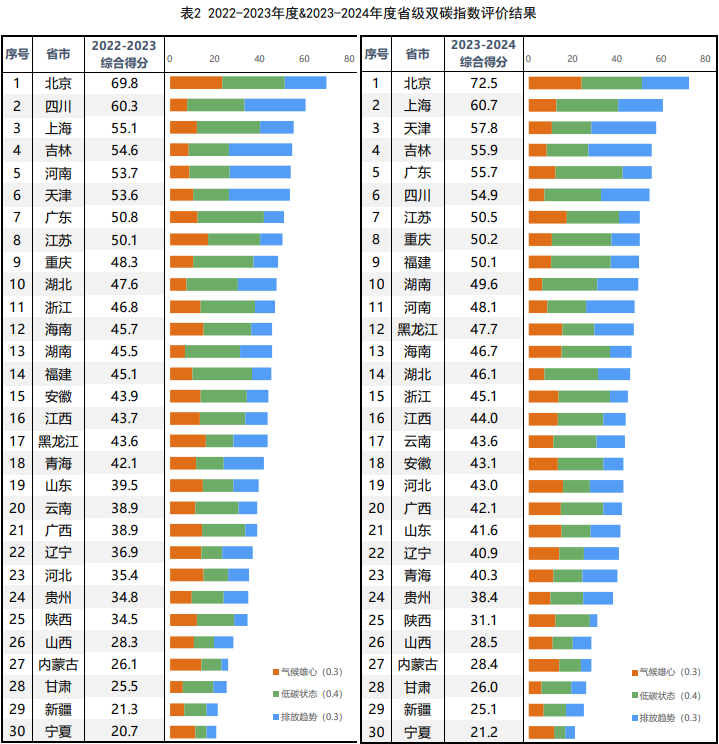
四川加快构建碳足迹管理体系
Zhong Guo Hua Gong Bao· 2025-07-25 02:11
Core Viewpoint - The Sichuan Provincial Ecological Environment Department and 14 other departments have jointly issued the "Implementation Plan for the Construction of Carbon Footprint Management System in Sichuan Province," which outlines a timeline and roadmap for establishing a product carbon footprint management system to promote green and low-carbon supply chain development and achieve carbon peak and carbon neutrality goals [1][3]. Group 1: Carbon Footprint Management System - The product carbon footprint connects production enterprises and consumers, facilitating greenhouse gas emission reduction across the entire lifecycle [2]. - The management system will consist of "two major cornerstones" (carbon footprint accounting standards and carbon footprint factor database) and "three systems" (product carbon labeling certification, carbon footprint grading management, and information disclosure) [2][3]. - By 2027, the initial establishment of the carbon footprint management system is targeted, with further improvements and expanded application scenarios by 2030 [3]. Group 2: Key Tasks and Focus Areas - The plan includes multiple petrochemical products in its scope, emphasizing the establishment of accounting rules and standards for products such as natural gas, fuel, fertilizers, hydrogen, and lithium batteries [4]. - Priority will be given to carbon footprint accounting for key products in sectors like decoration materials, lithium batteries, and clean energy equipment [4]. - The plan supports the development of low-carbon supply chains, particularly in the fields of power batteries, new energy vehicles, and photovoltaics [4]. Group 3: Preparation for Enterprises - Enterprises are advised to enhance their management systems by integrating carbon footprint factors into their supply chain management and establishing monitoring and reporting mechanisms [5][6]. - Strengthening accounting applications is crucial, including collaboration with certification bodies and adherence to various standards for carbon footprint assessment [6]. - Companies should focus on energy-saving and carbon reduction strategies, targeting major emission sources and promoting relevant technologies [6]. - Capacity building is essential, involving talent acquisition, foundational research, and training on carbon footprint management [6].
从标准到应用 构建企业碳管理体系助力“双碳”目标落地
Zhong Guo Xin Wen Wang· 2025-07-24 15:44
Group 1 - The core viewpoint emphasizes that corporate carbon management has become a central task for achieving China's "dual carbon" goals and promoting a comprehensive green transformation of the economy and society [1][2] - The establishment of a multi-layered carbon management policy system is highlighted, which includes local carbon assessments, industry carbon controls, corporate carbon management, project carbon evaluations, and product carbon footprints [2] - Experts noted that while a preliminary carbon management policy framework has been formed, specific details still need to be expedited, with existing regulations facing challenges in practical implementation [2][3] Group 2 - There is a significant differentiation in carbon management across various industries, with high-carbon sectors like thermal power, steel, cement, and aluminum smelting accelerating the establishment of their carbon management systems [3] - The impact of international trade rules is increasing carbon management costs for industries such as photovoltaics and electric vehicles, despite their relatively advanced carbon management frameworks [3] - Recommendations for enhancing corporate carbon management include creating unified national standards, activating green financial tools, and developing a green supply chain to strengthen responsibility and set emission reduction standards [3]
用你的方式讲述世界的奥秘!第八届山东省科普创作大赛正式启动
Qi Lu Wan Bao· 2025-07-23 10:23
齐鲁晚报·齐鲁壹点记者 闫聪 7月22日,由山东省科协、省教育厅、省科技厅、省工信厅、省文旅厅主办,齐鲁晚报·齐鲁壹点承办的第八届山东省科普创作大赛正式启动。为提升科普 作品传播力和影响力,本次科普创作大赛征集作品形式为视频。包括但不限于短视频、动画、微短剧、实验演示、专家讲解等。大赛将持续至9月30日, 快来扫码参赛,等你把科学写成诗、画成光,让更多人爱上科学! 据悉,本次大赛根据参赛作品的质量和数量,分别设置一、二、三等奖、优秀奖,颁发获奖证书。即日起至2025年9月30日,按照通知要求,作者在相应 投稿系统提交作品。主办方邀请科技、教育、文化、传媒等领域的专家组成评审委员会,对参赛作品进行评审。专家评审结果经公示无异议后,向获奖作 者和获奖单位颁发奖励证书。大赛结束后,主办方有选择地将参赛佳作展览、展示、推广,让科普创作成果惠及公众。 值得注意的是,作品须为完全原创作品,不得抄袭或侵犯他人版权且作者未将版权、改编权、开发权出让给第三方,主办方不对因作品参赛引发的版权纠 纷负责。 以下为通知原文: 承办单位:齐鲁晚报·齐鲁壹点 二、征集要求 (一)作品主题 坚持面向世界科技前沿、面向国家和山东省重大战略需 ...
清洁技术热泵减排潜力超15亿吨,多元工业应用场景有待激发
2 1 Shi Ji Jing Ji Bao Dao· 2025-07-23 09:31
Core Insights - The core viewpoint of the articles emphasizes the significant potential of heat pump technology in China, particularly in reducing carbon emissions in industrial applications, with a reduction potential exceeding 1.5 billion tons [1][2]. Group 1: Heat Pump Technology Potential - Heat pump technology is recognized as a key player in achieving deep decarbonization in the industrial sector, moving beyond its traditional role in household energy savings [1][2]. - The International Energy Agency lists heat pump technology among the six major clean energy technologies, alongside solar, wind, and electric vehicles [1]. - The estimated carbon reduction potential of heat pump technology in China ranges from 1.5 billion to 2 billion tons, accounting for approximately 15% to 20% of the country's total carbon emissions [2]. Group 2: Industrial Applications and Development - Industrial heat pump technology is rapidly advancing, with breakthroughs in core technologies such as high-power high-temperature heat pumps and efficient compressors [2]. - The application of industrial heat pumps spans multiple sectors, including petrochemicals, textiles, food processing, papermaking, pharmaceuticals, and building materials, showcasing adaptability and efficiency improvements [2]. - The unique feature of industrial heat pumps is their ability to recover and reuse waste heat, significantly enhancing the quality of this heat for further use [3]. Group 3: Policy and Market Dynamics - The Chinese government has launched initiatives to promote high-quality development in the heat pump industry, aiming for a 20% increase in energy efficiency of key heat pump products by 2030 [2]. - There is a cautious attitude among enterprises regarding large-scale investments in technology upgrades, although awareness of industrial heat pumps is increasing [4]. - The industry is projected to achieve a compound annual growth rate of 20% to 30% over the next five years, necessitating the establishment of benchmark cases and more supportive policies [4]. Group 4: Challenges and Opportunities - The promotion of industrial heat pumps faces challenges due to varying temperature requirements across industries and the need for tailored energy conversion technologies [5]. - Successful case studies in industries such as textiles demonstrate the feasibility and economic viability of heat pump applications, with projects already implemented in regions like Shanghai [6][7]. - The transition to heat pump technology requires a collaborative effort from government, customers, and industry stakeholders to address knowledge gaps and external constraints [8].