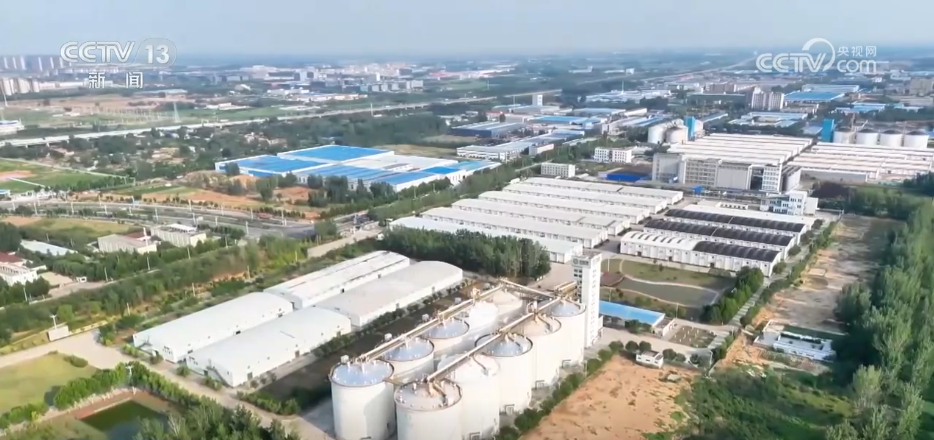
粮食安全

Search documents
《国家安全法》10年来如何为国家“保驾护航”?个人如何维护好国家安全?一文速览↓
Yang Shi Wang· 2025-07-01 02:22
Core Points - The new National Security Law, implemented on July 1, 2015, serves as a foundational and comprehensive legal framework guiding various aspects of national security, including political, territorial, military, cultural, technological security, and more [1][3] - Over the past decade, the National Security Law has led to the establishment of a legal system with over 40 laws related to national security, including the Anti-espionage Law, National Intelligence Law, and Cybersecurity Law, among others [5] - The law has played a crucial role in ensuring food security, energy resource security, and the stability of supply chains, thereby supporting high-quality economic development and providing legal tools to counter external pressures and internal risks [8][9] Industry Impacts - The National Security Law has been instrumental in addressing threats to food security, particularly in light of increased espionage activities targeting China's agricultural sector, leading to significant legal actions against individuals and companies involved in such activities [11][13] - The law also emphasizes the importance of protecting strategic resources like rare earth elements, which are vital for high-end manufacturing and national defense, highlighting the need for vigilance against foreign exploitation [15][17] - Citizens are encouraged to actively participate in maintaining national security by reporting suspicious activities, with a structured reward system in place for those who contribute to national security efforts [22][24]


让农业“压舱石”分量越来越足(人民时评)
Ren Min Ri Bao· 2025-06-30 21:54
今年入夏以来天气多变,集中开镰后,全国麦区先后出现多轮大范围降雨天气。麦收速度持续刷新,很 大程度上得益于成熟的区域互助合作、应急响应机制。 夏收顺利收官,夏种、夏管压茬推进,为完成全年粮食生产目标任务奠定了基础,也为经济持续回升向 好、应对外部风险争取了主动。从长远看,确保农业稳产稳收,除了加强指挥调度和区域协作,还需要 多在培育农业新质生产力上做文章、找潜能。 促进农业新质生产力进一步释放,有待更多新农人主动适应现代农业规模化、智能化和专业化趋势,在 广袤沃野发挥才干、展现作为 今年的夏收迎来尾声,不少乡亲在朋友圈晒出一捧捧新麦。对农民来说,大半年的辛劳有了着落;对国 家而言,夏粮丰收了,全年经济就托底了。 近年来,国际粮食及重要农产品供应格局持续动荡,凸显粮食安全重要性。夏收是全年粮食生产的重头 戏,夏粮产量约占全年粮食总产量1/5,其中九成以上是小麦。有人疑惑,年年夏收,为何年年都在"抢 收"?要看到,我国小麦产区分布较广,麦子由南往北梯次成熟,时空跨度大。而且小麦从蜡熟到完 熟,不过三五日,适收窗口期极短。打赢夏收这场硬仗,必须快马加鞭。 "看不见"的变化,还体现在粮食全链条减损意识上。近年来,全国 ...
农林牧渔行业周报:猪价继续反弹,关注种植链投资机会-20250630
Yong Xing Zheng Quan· 2025-06-30 07:54
Investment Rating - The industry investment rating is maintained as "Add" [6] Core Views - The agricultural sector underperformed the market by 1.15 percentage points during the week of June 23-27, 2025, with the Shenwan Agricultural Index closing at 2,661.46, reflecting a weekly increase of 0.80% [1][16] - The pig farming sector shows a bullish sentiment with pig prices continuing to rebound, reaching an average price of 14.72 CNY/kg, a week-on-week increase of 3.52% [2] - The poultry sector is facing downward pressure, with broiler prices remaining low due to high inventory levels in the downstream slaughtering sector [2] - Grain prices such as wheat and corn have seen slight increases, while soybean meal prices have decreased due to increased supply from oil mills [3] Summary by Sections 1. Market Review - The agricultural sector's weekly performance ranked 25th among 31 Shenwan first-level industries, with the fishery sector performing the best with a 4.90% increase [1][18] - The animal health, agricultural product processing, planting, and breeding sectors also saw increases of 3.13%, 2.10%, 1.44%, and 0.28% respectively, while the feed sector declined by 0.32% [1][18] 2. Industry Key Data 2.1 Pig Farming - The average profit for self-bred pigs is 50.25 CNY/head, up 30.84 CNY/head week-on-week, while the profit for purchased piglets is -131.71 CNY/head, an increase of 55.08 CNY/head week-on-week [2][24] 2.2 Poultry - The average price of broiler chicks is 1.70 CNY/chick, down 8.60% week-on-week, and the average price of white feather broilers is 7.01 CNY/kg, down 1.54% week-on-week [2][32] 2.3 Agricultural Products - The average price of wheat is 2,446.39 CNY/ton, up 0.19% week-on-week, and corn is 2,352.86 CNY/ton, up 0.43% week-on-week. Soybean meal prices have decreased to a range of 2,900-3,100 CNY/ton [3][35] 3. Investment Recommendations - The report suggests focusing on investment opportunities in the planting industry chain due to increasing geopolitical tensions affecting food security [4] - For pig farming, companies with strong cost control or clear cost reduction paths are recommended, including Muyuan Foods, Wens Foodstuff Group, and others [4] - In the poultry sector, attention is drawn to integrated industry leaders like Shengnong Development and Lihua Stock for their stable capacity expansion and cost advantages [4] - The feed sector is expected to benefit from the recovery of livestock inventory, with recommendations for industry leaders like Haida Group and Hefeng Stock [4] - For agricultural products, companies like Suqian Agricultural Development and Beidahuang are highlighted for their relevance to food security [4]


农林牧渔行业2025年中期投资策略:政策加码产能调控,重视粮食安全
CMS· 2025-06-30 03:33
Group 1: Core Insights - The report emphasizes the importance of policy measures to regulate breeding sow capacity, which may elevate the price center for pigs in 2025-2026, benefiting the poultry sector and leading feed companies [1][38]. - The report highlights the increasing focus on food security amid frequent extreme weather events and trade tensions, suggesting a strategic shift in the agricultural sector [1]. Group 2: Swine Farming - In the first half of 2025, pig prices remained strong, influenced by slow recovery in breeding sow capacity and proactive market behavior before holidays, leading to a stable price range of 14.0-15.0 yuan/kg [12][15]. - The report anticipates limited growth in pig supply for 2025 due to cautious replenishment by producers, with expectations for pig prices to remain favorable in the second half of 2025 [15][31]. - Key companies recommended for investment in the swine sector include Muyuan Foods and WH Group, noted for their cost advantages and strong performance [38]. Group 3: Poultry Farming - The report is optimistic about the white-feathered chicken breeding sector, expecting a tightening supply of parent stock in the second half of 2025, which will positively impact the market [40][58]. - For yellow-feathered chickens, the report indicates that the current low inventory of parent stock, combined with reduced production costs, sets the stage for potential price recovery and profit expansion [52][58]. - Recommended companies in the poultry sector include Lihua Agricultural and Dekang Agriculture, which are expected to benefit from improving market conditions [58]. Group 4: Feed and Veterinary Services - The report notes a recovery in demand for feed products as the breeding sector improves, with a positive outlook for companies like Haida Group, which is well-positioned to capitalize on this trend [6][38]. - The veterinary services sector is also expected to see a recovery in demand, with a focus on leading companies in the animal health space [38]. Group 5: Seed Industry - The report highlights the rising importance of food security, with a focus on the seed industry, particularly in rice and corn, as the sector enters a phase of recovery and growth [38]. - The hybrid rice seed industry is expected to see improved supply-demand dynamics, while corn prices are rebounding, encouraging farmer planting enthusiasm [38][58]. - Recommended companies in the seed sector include Longping High-Tech and Dabeinong, which are anticipated to benefit from these trends [38].


农发行章丘区支行:金融护航,助力夏粮收购稳行致远
Qi Lu Wan Bao· 2025-06-29 09:56
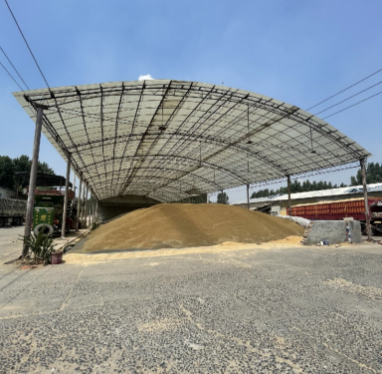
盛夏六月,麦浪滚滚,丰收在望。作为农业政策性银行,农发行章丘区支行以服务国家粮食安全为己 任,擦亮农地银行招牌,积极作为,多管齐下,为夏粮收购工作保驾护航。 根据调研结果,支行提前谋划,主动推进办贷进程,开辟绿色审批通道,优先办理,提高效率,确保收 购资金及时足额到位。目前,已为济南臻金粮食有限公司授信1000万元并全额实现投放,切实做到 了"钱等粮",让企业安心收粮,让农户放心卖粮。 风险防控,守护粮食安全 在全力支持夏粮收购的同时,支行强化风险防控意识。加强对贷款资金的监管,严格监控资金流向,确 保专款专用,防止资金挪用。建立健全粮食库存监管机制,定期与不定期地对企业库存粮食进行核查, 通过实地测量、账实核对等方式,确保粮食数量真实、质量良好、储存安全。 农发行章丘区支行将继续坚守政策性银行的职责与使命,以更有力的举措、更优质的服务,持续为夏粮 收购工作提供坚实的金融保障。助力章丘区夏粮收购工作顺利进行,确保颗粒归仓,为维护国家粮食安 全和农民利益贡献农发行力量 ,在服务乡村振兴的道路上书写更加精彩的篇章。 精准调研,摸清需求底数 早在夏粮收获前,章丘区支行已深入粮食收购企业以及粮食储备库点,与农户、企业 ...
研判2025!中国高标准农田行业建设现状、运行模式及未来趋势分析:我国高标准农田建设规模持续扩大、布局不断优化[图]
Chan Ye Xin Xi Wang· 2025-06-29 01:18
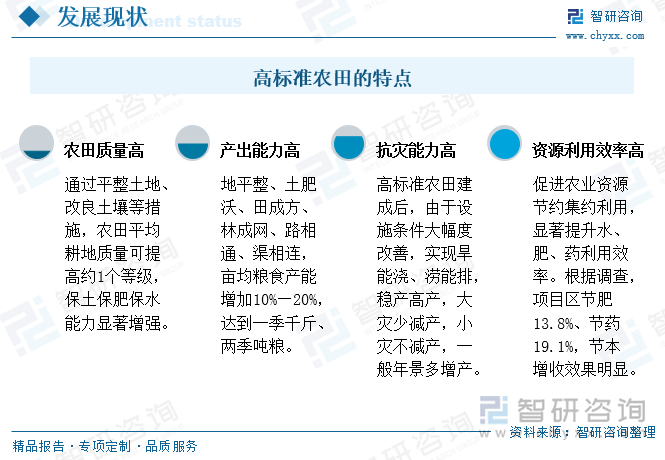
Core Viewpoint - The construction of high-standard farmland is crucial for enhancing national food production capacity, transforming agricultural production methods, improving farmland ecological environment, and broadening farmers' income channels. The initiative is supported by government policies and aims to ensure food security and ecological protection simultaneously [1][4][6]. Summary by Sections High-Standard Farmland Overview - High-standard farmland is characterized by well-structured, contiguous plots with efficient water-saving facilities, suitable for cultivation, fertile soil, ecological friendliness, and strong disaster resistance. It embodies four high features: high quality, high output capacity, high disaster resistance, and high resource utilization efficiency [1][2]. Importance of High-Standard Farmland - The construction of high-standard farmland significantly enhances national food production capacity, with an average increase in grain yield per mu (0.067 hectares) of 10% to 20%. This supports stable grain production and encourages farmers to cultivate more [4]. - It promotes the transformation and upgrading of agricultural production methods by addressing issues like land fragmentation and declining quality, thus enhancing agricultural efficiency and competitiveness [4]. - The ecological environment of farmland improves through integrated measures, reducing soil erosion and agricultural pollution, and promoting sustainable agricultural practices [4]. Current Status and Achievements - As of the end of 2024, over 100 million acres of high-standard farmland have been established in China, with more than 10 million kilometers of irrigation channels and over 27 million small-scale water conservancy facilities built [1][13]. - Provinces like Heilongjiang, Henan, and Shandong have made significant contributions, with Heilongjiang leading at nearly 12 million acres [15] . Policy Framework - The Chinese government emphasizes high-standard farmland construction as a key strategy for food security. Recent policies aim to optimize construction content, enhance farmer participation, and ensure quality supervision throughout the process [8][10]. - The 2025 Central Document No. 1 outlines plans to build 1.2 billion acres of high-standard farmland by 2030, with a focus on efficient water-saving irrigation [10]. Future Trends - The future of high-standard farmland construction will focus on a three-pronged approach of quantity, quality, and ecology, with an emphasis on digital technology, ecological protection, and sustainable development [23].
陈刚:坚决扭转三种错误倾向,努力闯出广西“三农”高质量发展新路子
Guang Xi Ri Bao· 2025-06-28 03:00
Core Points - The meeting emphasized the importance of consolidating and expanding poverty alleviation achievements while effectively connecting with rural revitalization efforts [1][2] - The focus is on developing county economies and promoting the integration of primary, secondary, and tertiary industries [4] Group 1: Achievements and Strategies - The region has made significant progress in consolidating poverty alleviation and implementing rural revitalization strategies, with this year marking the final year of a five-year transition period [2] - There is a strong emphasis on addressing feedback from national assessments and ensuring food security while preventing large-scale poverty [2][5] Group 2: Action Plans - A structured approach is proposed, including creating a rectification plan, a task list for rural revitalization, and fostering collaboration among various levels of government [3] - The development of county economies is highlighted as a foundational work, focusing on industry development, investment attraction, and ecological protection [4] Group 3: Food Security and Resource Management - The meeting underscored the need for strict adherence to food security responsibilities and the implementation of the "store grain in the land, store grain in technology" strategy [5] - Emphasis is placed on protecting arable land and managing forest and grassland resources effectively [5] Group 4: Implementation and Oversight - The importance of rigorous implementation of rural revitalization responsibilities across all levels of government is stressed, with a focus on avoiding formalism and bureaucratic practices [6] - The meeting was conducted via video conference, involving various local leaders and departments to ensure comprehensive participation [6]
陕西宝鸡:以秋补夏提产能 打好粮食生产主动仗
Shan Xi Ri Bao· 2025-06-27 13:41
Core Viewpoint - The city of Baoji in Shaanxi Province is implementing measures to stabilize annual grain production by focusing on autumn planting to compensate for summer losses due to high temperatures and drought conditions. Group 1: Grain Production Expansion - As of June 20, Baoji has completed summer planting on 1.2067 million acres, an increase of 322,900 acres compared to last year [1] - The city has established a "three-level linkage" work mechanism to ensure accountability for expansion tasks, integrating these tasks into special supervision and assessment [1] - Baoji is actively promoting the planting of autumn crops such as corn and soybeans immediately after summer harvests to maximize land use [1] Group 2: Strategies for Expansion - The city employs three main strategies for expansion: collective planting by village groups, maximizing planting by large grain producers with differentiated subsidy policies, and encouraging small farmers with direct funding support [1] - A total of over 30 million yuan has been allocated for subsidies on seeds and agricultural machinery, facilitating the expansion of 40,000 acres [1] Group 3: Yield Improvement Initiatives - Baoji is focusing on promoting high-quality crop varieties that are resistant to density and lodging, achieving a variety coverage rate of over 97% [1] - The introduction of advanced planting machinery equipped with Beidou navigation systems, with nearly 5,000 high-performance corn planters in use [1] - Key agricultural techniques such as precision planting, integrated water and fertilizer management, and increased planting density are being promoted to enhance crop yield stability [1] Group 4: Support and Training - The Baoji municipal government has allocated no less than 50 million yuan in special funds for grain production, supporting the establishment of 20 grain towns and 41 grain villages [2] - A total of 32 technical guidance teams have been formed, with 6,700 technical personnel dispatched for on-site support [2] - Over 60,000 individuals have been trained through new media platforms to enhance agricultural practices [2]
国家发改委:加快规划建设新型能源体系 加强能源产供储销体系建设
news flash· 2025-06-26 22:59
Core Viewpoint - The National Development and Reform Commission emphasizes the need to strengthen the energy supply, storage, and sales system while accelerating the construction of a new energy system to ensure economic security and resilience in supply chains [1] Group 1: Energy Security - The commission aims to enhance energy resource security and ensure a stable supply of coal by implementing a coal production capacity reserve system [1] - There is a focus on constructing a new power system and developing supportive adjustable power sources, as well as cross-provincial and cross-regional transmission channels [1] Group 2: Agricultural Security - The initiative includes reinforcing food security by protecting arable land and enhancing high-standard farmland construction [1] - A new round of actions is planned to increase grain production capacity by a target of one billion jin (approximately 500 million kg) [1] Group 3: Supply Chain Resilience - The establishment of a comprehensive risk assessment and response mechanism for industrial and supply chains is prioritized [1] - The commission plans to promote major technological equipment breakthroughs and the reconstruction of industrial foundations to improve the resilience and security of supply chains [1]
“坐”电梯、“穿”新衣、“住”楼房 “大国粮仓”里藏着多少“科技密码”↓
Yang Shi Wang· 2025-06-26 07:44
Core Viewpoint - The article highlights the advancements in grain storage technology in China, showcasing various modern storage facilities that utilize automation and innovative materials to enhance grain safety and efficiency. Group 1: Modern Grain Storage Technologies - The new shallow round silos in Zhengzhou can store 9,800 tons of wheat each, occupying only a quarter of the space of traditional flat warehouses, allowing one person to manage multiple silos remotely through an automated control system [3][6] - The work tower associated with the shallow round silos has a processing capacity of 200 tons per hour, enabling the storage of 10,000 tons of grain in just three to four days [6] - The gas membrane silos under construction in Changsha can hold 9,000 tons of grain and are designed to maintain optimal storage conditions, significantly improving grain preservation in humid southern climates [7][9] Group 2: Historical Context of Grain Storage - The article references the historical significance of the Liyang granary, established in 583 AD, which could store over 30 million jin (approximately 15 million kg) of grain, sufficient for 80,000 people for a year [13] - The evolution of grain storage from traditional earth round granaries to modern flat warehouses illustrates the advancements in technology and efficiency in grain management [17][19] Group 3: Comparison of Storage Structures - The article compares cylindrical silos (shallow round and upright) with flat warehouses, noting that cylindrical structures distribute internal pressure evenly, making them more stable [21] - Flat warehouses, while easier to construct and maintain, offer more organized internal space for grain management, making them suitable for different grain types [23]