
人民币国际化

Search documents
抛售千亿人民币,俄罗斯被刺中国?两件事连起来看,普京送来神助攻
Sou Hu Cai Jing· 2025-12-05 17:55
俄罗斯突然抛售1234亿卢布的人民币,是国内没钱了还是给中国送来的神助攻? 这个消息让不少人直呼看不懂。 有人说俄罗斯这个资源大国怎么说穷就穷了,甚至有人调侃这是"俄罗斯开始卖中国了"。 数据显示,俄罗斯12月的石油和天然气收入预计骤减1376亿卢布。 能源一直是俄罗斯的"钱袋子",占财政收入的半壁江山。 但如今全球油价疲软,加上西 方制裁导致出口受阻,这头"现金牛"终于扛不住了。 另一方面,战争每天烧掉的钱像无底洞。 军费开支激增,而财政部口袋见底,只能动用老本,国家福利基金。 俄罗斯的困境在2025年变得更加严峻。 有分析警告,若油价持续低迷,俄罗斯的国家福利基金可能在2026年中期耗尽。 抛售黄金储备是俄罗斯现代金融史 上罕见的行为,这说明常规手段已无法填补财政窟窿。 为什么偏偏是人民币和黄金? 答案很简单:因为没得选。 俄乌冲突后,西方冻结了俄罗斯约3000亿美元的外汇储备,美元、欧元都成了"死钱"。 俄罗斯早就未雨绸缪,把国家福利基金的资产换成了人民币和黄 金。 其中人民币占比最高(约60%),黄金约占40%。 所以现在急用钱,能快速变现的"硬通货"就是这两样。 俄罗斯外长曾在2023年初的记者会上 ...


特讯,中俄通告全球,去美元化第一枪打响,中方减持美债至7005亿,俄发二百亿人民币债,人民币或重回6时代
Sou Hu Cai Jing· 2025-12-05 17:26
Core Insights - Recent events in the global financial market have been likened to a "Pearl Harbor attack" for the financial system, with significant implications for the dominance of the US dollar [1] Group 1: US Debt and Economic Concerns - As of October 2025, the total US federal debt has reached an alarming $38 trillion, with a fiscal deficit of $1.3 trillion halfway through the fiscal year [3] - The yield on 10-year US Treasury bonds has surpassed 4.5%, leading to substantial interest payment obligations for the government [3] - Moody's has downgraded the US sovereign credit rating from the highest Aaa level, reflecting growing market concerns about the world's largest debtor nation [3] Group 2: China's Strategy and Gold Reserves - China has been reducing its holdings of US Treasury bonds, viewed as a precautionary measure, while simultaneously increasing its gold reserves, which reached 74.02 million ounces by the end of August 2025 [5] - The global central bank gold buying trend is evident, with over 90% of central banks indicating plans to continue purchasing gold [5] Group 3: Russia's Move Towards Yuan Bonds - Russia plans to issue its first sovereign bond denominated in yuan, with attractive interest rates between 6.25% and 6.5%, as a response to being excluded from the SWIFT system [7] - The issuance of yuan-denominated bonds serves dual purposes: providing necessary funding for the Russian government and utilizing excess yuan held by exporters [7] Group 4: Implications for Currency Dynamics - Russia's actions symbolize a significant shift away from dollar reliance, showcasing the potential for other currencies, like the yuan, to be used for sovereign financing [9] - The internationalization of the yuan is gaining momentum, with countries like Hungary, Indonesia, and the UAE issuing yuan bonds, indicating a growing presence of the yuan in global finance [9] Group 5: Market Reactions and Currency Strength - China's sovereign bonds have been well-received in Europe, with a recent issuance in Luxembourg attracting over 26 times the subscription amount, highlighting a preference for different credit foundations [11] - The yuan has strengthened against the dollar, with the exchange rate surpassing 7.07, driven by improvements in China's economic fundamentals [11] Group 6: Strategic Implications of China's Debt Holdings - China's gradual reduction of its US Treasury holdings is seen as a strategic move, maintaining leverage while minimizing risks associated with a sudden sell-off [13] - The current holdings of over $700 billion in US debt act as a financial deterrent, potentially impacting US financing costs if liquidated abruptly [13] Group 7: Future Currency Landscape - Morgan Stanley's 2025 report predicts a future where the global currency landscape will feature a tripartite system of dollar dominance, euro stability, and yuan diversification [14] - The issuance of yuan-denominated bonds by Russia marks a critical milestone in this evolving trend towards a multipolar currency system [14]
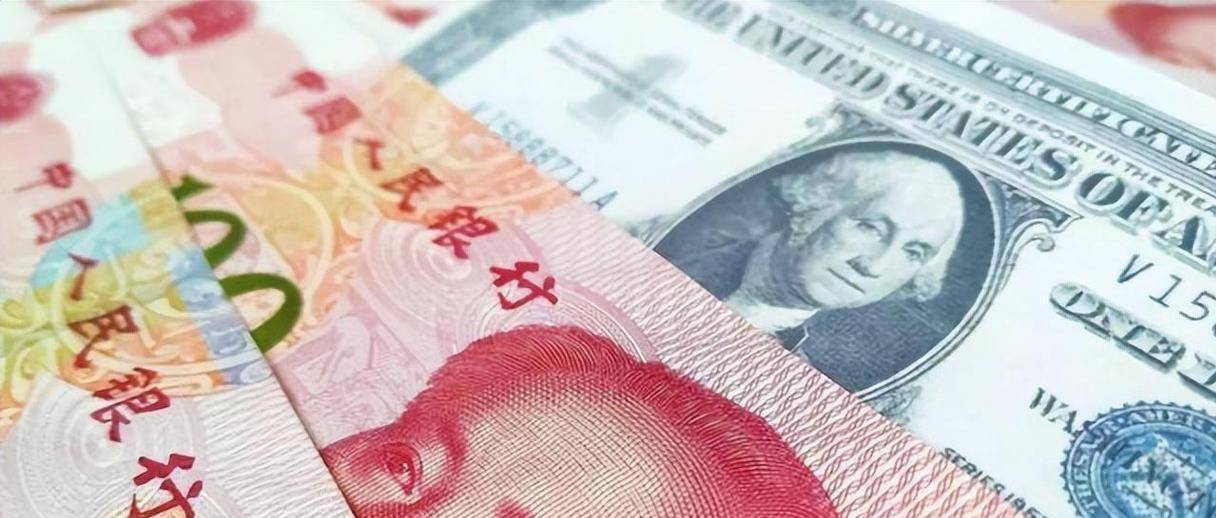
人民币,大消息!
凤凰网财经· 2025-12-05 12:35
12 月 5 日,中国人民银行官网显示,中国人民银行与澳门金融管理局签署常备互换协议并扩大规模。 | | র | | 中国人民银行 THE PEOPLE'S BANK OF CHINA | | | | | | | | | --- | --- | --- | --- | --- | --- | --- | --- | --- | --- | --- | | 信息公开 | 新闻发布 | 法律法规 | 货币政策 | 宏观审慎 | 信贷政策 | 金融市场 | 金融稳定 | 调查统计 | 银行会计 | 支付体系 | | | 金融科技 | 人民币 | 经理国库 | 国际交往 | 人员招录 | 学术交流 | 征信管理 | 反洗钱 | 党建工作 | | | 服务互动 | 政务公开 | 政策解读 | 公告信息 | 图文直播 | 央行研究 | 音频视频 | 市场动态 | 网上展厅 | 报告下载 | 报刊年鉴 | | | 网送文告 | 办事大厅 | 在线申报 | 下载中心 | 网上调查 | 意见征集 | 金融知识 | 关于我们 | | | | | | 2025年12月5日 星期五 我的位置:首页 > 沟通交流 > 新闻 | | | ...
从“试验田”到“出海口”,北京银行以金融创新服务上海自贸区建设
新浪财经· 2025-12-05 10:55
Core Viewpoint - The article highlights Beijing Bank's rapid response and innovative approach in securing a significant cross-border merger loan, showcasing its evolution into a key player in facilitating international business for Chinese enterprises [2][12]. Group 1: Achievements and Milestones - In 2025, Beijing Bank's Shanghai Free Trade Zone (FTZ) Business Management Center became the first bank to secure approval for a cross-border loan, amounting to 1.395 billion RMB, amidst intense competition [2]. - The establishment of the FTZ center marked a decade of growth, transforming Beijing Bank into a pioneer in supporting enterprises' cross-border development [4]. - The bank's journey began in 2013 with the launch of the Shanghai FTZ, where it aimed to explore new financial services and management systems [6][7]. Group 2: Strategic Initiatives and Innovations - The bank undertook a comprehensive system overhaul to obtain FT business qualifications, involving the modification of over 100 core systems to ensure compliance and security in cross-border transactions [8]. - In 2016, the Shanghai FTZ center was officially established, creating a specialized team that gained valuable experience in financial service innovation and risk management [8]. - Beijing Bank's innovative "internal memory FT loan" model allowed clients to secure cross-border loans by depositing RMB, enabling it to stand out in a competitive market [12]. Group 3: Global Expansion and Support - The bank aims to be an essential "outbound port" for Chinese enterprises seeking to enter global markets, aligning its strategy with national initiatives for high-level openness [13]. - Beijing Bank has expanded its service network in line with the Belt and Road Initiative, providing significant financial support for key projects in countries like Pakistan and Indonesia [13][14]. - The bank has established stable partnerships with over 60 international financial institutions, facilitating comprehensive cross-border financial services for enterprises [14].


人民币,大消息!
中国基金报· 2025-12-05 10:49
【导读】中国人民银行与澳门金融管理局签署常备互换协议并扩大规模 中国基金报记者 晨曦 经国务院批准,近日中国人民银行与澳门金融管理局续签双边货币互换协议并升级为常备互 换安排,协议长期有效。互换规模由原来的 300 亿元人民币 /340 亿澳门元扩大至 500 亿 元人民币 /570 亿澳门元,以进一步维护两地金融稳定,更好支持双边经贸往来,推动澳门 离岸人民币市场稳健发展。 回顾来看,中国人民银行于 2019 年 12 月 5 日首次与澳门金融管理局签署双边货币互换协 议,互换规模为 300 亿元人民币 /340 亿澳门元,有效期为 3 年。协议在 2022 年 12 月 5 日续签,直至此次升级为常备互换。 澳门金融管理局称,此次协议的续签及优化,将为澳门金融市场提供更加坚实的人民币流动 性支持,有利于澳门金融机构拓展人民币业务。澳门金融管理局将持续推动澳门金融机构善 用货币互换机制和人民币清算优势,吸引葡语国家的政府和企业来澳进行投融资,进一步巩 固澳门特区作为 " 中国 — 葡语国家金融服务平台 " 的作用。 据了解, " 常备 " 主要指协议长期有效,无需定期续签,同时互换流程也会进一步优化,资 金 ...
琴澳举办研讨会聚焦人民币离岸市场应用
Xin Lang Cai Jing· 2025-12-05 10:40
Core Viewpoint - The development of the offshore RMB market is a crucial pillar for the internationalization of the RMB, with future efforts aimed at better serving the real economy and supporting the construction of the offshore market [1] Group 1 - The seminar titled "Gathering Macao and Connecting Portuguese and Spanish-speaking Countries: Deepening the Application of the Offshore RMB Market and Multilateral Financial Cooperation" was held in the Hengqin Guangdong-Macao Deep Cooperation Zone [1] - The seminar was co-hosted by the Bank of China Macao Branch and the China-Portuguese (Spanish-speaking) Countries Economic and Trade Service Center [1] - The Deputy Director of the Macro-Prudential Management Bureau of the People's Bank of China, Xi Yu, delivered a video speech emphasizing the importance of the offshore RMB market [1]
中方运回黄金,人民币债券将发行,种种迹象表明,美国已濒临崩溃
Sou Hu Cai Jing· 2025-12-05 09:12
Group 1 - China is significantly increasing its gold reserves, with a projected 25-fold increase by 2025, indicating a strategic move to detach from US hegemony and the dollar trade system [1][3] - The accumulation of gold serves multiple purposes: optimizing reserve structure to hedge against dollar risks, enhancing financial risk management amid global uncertainties, and solidifying the credit foundation of the renminbi [3][4][6] - The issuance of Russia's first renminbi-denominated sovereign bond is a response to its financing challenges and a step towards de-dollarization, reflecting a high level of trust in the renminbi's credit [6][8] Group 2 - The combined actions of China and Russia signal a deepening global trend of de-dollarization, challenging the dominance of the US dollar and indicating a shift towards a multipolar international monetary system [8][10] - These moves provide a reference for other countries facing Western sanctions or seeking to reduce dollar dependency, potentially expanding the use of the renminbi in global financial markets [8][10] - The essence of these initiatives is a pursuit of financial "deweaponization," demonstrating that strengthening local currency cooperation and increasing gold reserves can reduce reliance on hegemonic currencies [8][10]
德银报告预计明年中国出口将保持强劲
Zhong Guo Xin Wen Wang· 2025-12-05 08:14
德银报告预计明年中国出口将保持强劲 中新社北京12月5日电 (记者 王恩博)德意志银行研究部5日公布的2026年中国宏观经济展望报告预计, 2026年中国出口将保持强劲,人民币汇率或稳中有升。 德银这份报告认为,明年消费将继续作为中国经济增长的主要引擎。已实施超过一年的"以旧换新"补贴 对耐用消费品的提振或逐渐趋于平稳,商品消费或将录得温和增长;服务消费在政策支持下预计将逐步 改善。 编辑:王永乐 广告等商务合作,请点击这里 本文为转载内容,授权事宜请联系原著作权人 中新经纬版权所有,未经书面授权,任何单位及个人不得转载、摘编或以其它方式使用。 关注中新经纬微信公众号(微信搜索"中新经纬"或"jwview"),看更多精彩财经资讯。 今年以来,中国固定资产投资同比增速走低。报告表示,"十五五"规划重大项目陆续开工,将为基础设 施投资提供有力支撑,2026年投资增速对中国国内生产总值(GDP)增长的贡献度将较今年回升。 出口方面,报告表示,主要得益于中国出口商在非美市场、特别是发展中市场的份额不断提升,以及中 美贸易紧张关系的进一步缓和,2026年中国出口将保持强劲,实现稳健增长。 得益于强劲出口和较高的经常账户 ...
刘世锦:金融强国是实现制造强国和消费强国目标的桥梁
Xin Lang Cai Jing· 2025-12-05 03:23
Core Insights - The "Southern Finance Forum 2025" held in Guangzhou focuses on the theme "The Power of Consensus - Innovation Surge, China's Asset Revaluation" [1][7] - Liu Shijun, a key speaker, highlighted three major advantages of China's economy: catch-up potential, new technology revolution, and super-large market economy [3][10] Economic Advantages - **Catch-up Potential**: This refers to opportunities in areas where developed economies have already advanced, such as service industry development driven by consumption structure upgrades and the transformation of traditional manufacturing and agriculture [3][9] - **New Technology Revolution**: Emphasis on digital and green technologies as focal points for economic advancement [3][9] - **Super-large Market Economy**: While China has 400 million middle-income groups, there are 900 million low-income individuals who could transition to middle-income status, potentially creating a consumption market of 800 to 900 million [3][10] Strategic Goals - **Manufacturing Power**: Aim to cultivate large innovative enterprises at the global forefront [10] - **Consumer Power**: Target to become the largest consumer market globally [10] - **Financial Power**: Financial strength is essential for achieving the first two goals, acting as a bridge for development [10] Financial Development - Liu emphasized the need for a robust capital market and strong currency to support high-quality development, focusing on selecting viable projects to enhance resource allocation efficiency [10][11] - The importance of a strong currency is highlighted, with historical examples of the British pound and the US dollar being tied to strong economic and financial systems [11] Currency Internationalization - Current GDP contribution of China's economy is 18% globally, with manufacturing at 30%, but the currency's functional role is below 10% [11] - Liu proposed increasing offshore RMB supply to achieve scale economy and enhance RMB's international use [11][12] - Suggested adjustments to foreign trade strategy to balance imports and exports while using RMB for transactions, potentially converting a trade surplus of nearly $1 trillion into offshore RMB [12] Recommendations for RMB - Advocated for RMB appreciation to allow consumers to access more international products at better prices, supporting the goal of becoming a consumer powerhouse [12] - Suggested expanding the ecosystem of offshore RMB financial products to improve liquidity and convenience, accelerating the process of RMB internationalization [12]
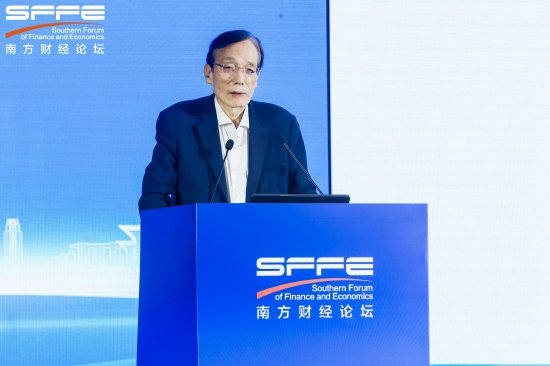
如何解决人民币“不匹配”问题?刘世锦:大幅增加离岸人民币数量,加快人民币国际化进程
Xin Lang Cai Jing· 2025-12-05 03:23
Core Insights - The "Southern Finance Forum 2025" held in Guangzhou focuses on the theme "The Power of Consensus - Innovation Surge, China's Asset Revaluation" [1][7] Economic Advantages - China has three major economic advantages: 1. Catch-up potential, which includes upgrading consumption structures and transforming traditional manufacturing and agriculture [3][9] 2. New technological revolution focused on digital and green technologies [3][9] 3. Super-large market economy, emphasizing the potential of 9 billion low-income individuals transitioning to the middle-income group, creating a larger consumer market [3][10] Strategic Goals - China aims to implement strategies to become a manufacturing powerhouse, a consumer powerhouse, and a financial powerhouse. The manufacturing goal is to cultivate leading large-scale innovative enterprises, while the consumer goal is to become the largest global consumer market. The financial goal is to support the other two objectives, as finance acts as a bridge [3][10] Financial Development - High-quality development requires a strong capital market and robust currency. Financial services should focus on selecting viable projects that enhance resource allocation efficiency [3][10] Currency and Internationalization - The importance of a strong currency is highlighted, with historical examples of the British pound and the US dollar being tied to strong economic and financial systems. Currently, China's GDP accounts for 18% of the global economy, with manufacturing at 30%, but its currency functions are below 10% [4][11] - To address the mismatch between economic strength and currency function, China aims to significantly increase the offshore RMB supply and promote its international use [4][11] Trade Strategy - China's trade strategy needs adjustment to balance imports and exports while using RMB for settlements. For instance, last year's trade surplus was nearly $1 trillion, which could be redirected towards imports paid in RMB, potentially generating over 7 trillion RMB in offshore currency [5][12] - The goal is to enhance the offshore RMB ecosystem, including bonds, stocks, and derivatives, to improve liquidity and facilitate the RMB's internationalization [5][12]