
国企改革

Search documents
天目药业涨停,4天2板,中报业绩预增156%+国企改革+大健康
Sou Hu Cai Jing· 2025-08-25 05:52
Core Viewpoint - Tianmu Pharmaceutical has experienced a significant stock price increase, with a 10.00% rise and two trading halts within four days, driven by strong performance expectations and strategic developments in its business segments [1] Group 1: Financial Performance - The company anticipates a substantial increase in net profit for the first half of 2025, projected to grow by 145.94% to 156.75% year-on-year, primarily due to enhanced sales in pharmaceuticals, health products, and medical devices [1] - The latest stock price is 19.80 yuan, with a total market capitalization of 2.411 billion yuan, and a trading volume of 2.57 billion yuan, reflecting a turnover rate of 11.23% [1] Group 2: Strategic Developments - Fourteen products from the company's subsidiary have received re-registration approval, including items like kidney-strengthening tablets, which will positively impact future production and sales [1] - The company is collaborating with Qingdao Huadong Grape Wine to innovate traditional Chinese medicine formulas for beverage derivatives [1] - Tianmu Pharmaceutical is establishing a wellness and retirement industry park focused on hot spring health services, indicating a diversification into the wellness sector [1] Group 3: Market Position and Ownership - The actual controller of the company is the Finance Bureau of Laoshan District, Qingdao, which has sparked market interest regarding potential state-owned enterprise reforms [1] - The company operates in several key sectors, including traditional Chinese medicine, health products, medical devices, state-owned enterprise reform, and the broader health and wellness industry [1]

普华永道:今年上半年中国并购市场交易额同比增长45%
Zheng Quan Shi Bao Wang· 2025-08-25 05:20
报告显示,2025年上半年境内战略投资者并购活动显著增强,交易额规模突破千亿美元大关,同比增长 逾一倍。尤为引人注目的是,上半年共达成20宗超大型并购交易(单宗交易金额超过10亿美元),远超去 年同期。从行业分布看,高科技尤其是半导体、大健康和工业领域成为超大型并购的主要赛道,与国家 战略导向相呼应。 8月25日,普华永道发布的《2025年中国企业并购市场年中回顾及展望》指出,在境内战略投资强劲带 动下,今年上半年中国企业并购市场披露交易总额超过1700亿美元,较去年同期大幅增长45%;同期交 易数量延续过去两年半的稳步回升态势。普华永道预计,在国企改革、跨国公司资产优化、私募股权集 中退出等多重因素共振下,2025年全年的并购交易额或将有望实现较高的两位数增长。 普华永道中国交易服务部市场主管合伙人吴可表示:"战略投资者并购的持续升温是多重积极因素共同 作用的结果,特别是2025年初DeepSeek AI的推出,不仅为高科技行业注入了新的活力,也带动了整体 经济环境的积极变化。此外,香港资本市场的估值回升和IPO市场的恢复,为并购活动提供了良好的金 融环境。同时,一些核心行业A股上市国企的价值链整合,也进一 ...
中药行业周报:关注中报业绩超预期标的-20250824
Xiangcai Securities· 2025-08-24 13:49
Investment Rating - The industry maintains an "Overweight" rating, suggesting a positive outlook for investment opportunities in the sector [6]. Core Insights - The Chinese herbal medicine sector has shown strong performance, with the sub-sector index rising by 2.86%, outperforming other pharmaceutical sub-sectors [2]. - The price governance policies are expected to create a more pronounced differentiation within the industry, favoring companies with competitive advantages [6]. - The upcoming disclosure period for mid-year reports from herbal medicine companies is anticipated to provide insights into their performance, with 43 companies set to report [5]. Market Performance - The Chinese herbal medicine index closed at 6973.18 points, reflecting a 2.86% increase over the past week, while the overall pharmaceutical index rose by 1.05% [2][12]. - The performance of individual companies varied, with ST Xiangxue and Renhe Pharmaceutical leading, while Weikang Pharmaceutical and Xinguang Pharmaceutical lagged [2][17][19]. Valuation Metrics - The price-to-earnings (PE) ratio for the herbal medicine sector is currently at 30.11X, up by 0.85X week-on-week, indicating a relatively high valuation compared to historical levels [3]. - The price-to-book (PB) ratio stands at 2.5X, also reflecting an increase, suggesting that the sector is trading at a premium compared to its historical averages [3]. Supply Chain Insights - The herbal medicine raw material market is experiencing significant inventory pressure, with a slight decline in prices due to weak demand [4]. - The price index for herbal materials has decreased by 0.8% week-on-week, indicating a potential ongoing downward trend in pricing [4]. Investment Recommendations - The report suggests focusing on three main investment themes: price governance, consumption recovery, and state-owned enterprise reform [6][9]. - Specific investment targets include companies with strong R&D capabilities, those less affected by price collection policies, and leading brand herbal medicine firms [10].
为什么是岚图?
汽车商业评论· 2025-08-24 01:46
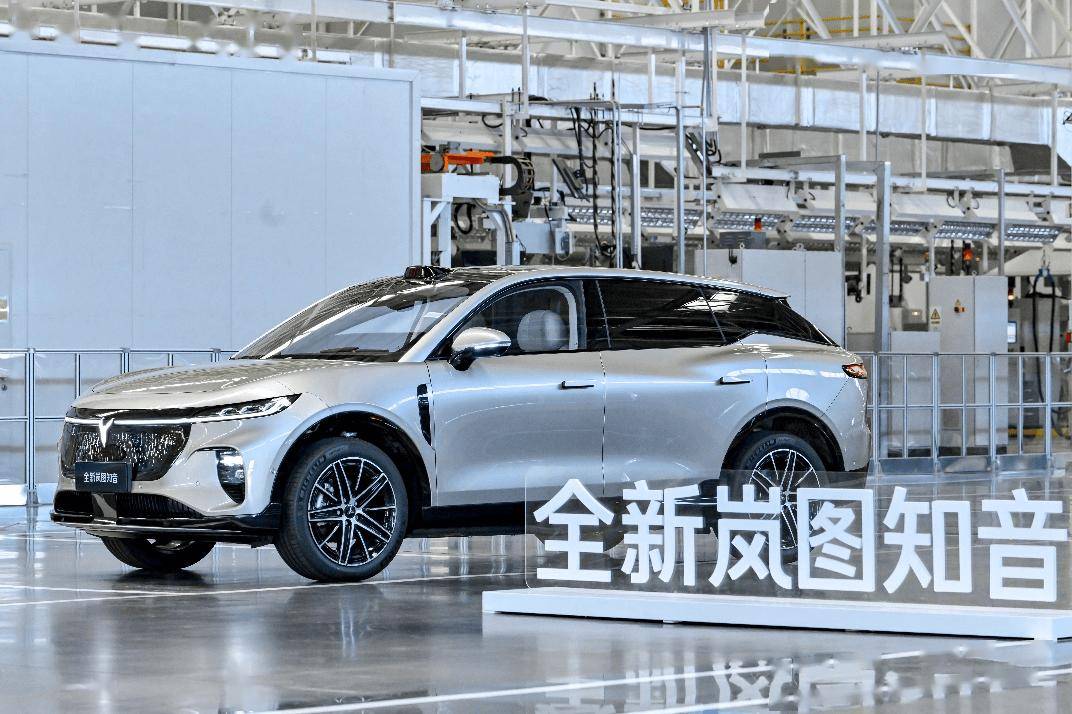
Core Viewpoint - Lantu Automotive is set to go public in Hong Kong through a unique method of introduction listing, while Dongfeng Group initiates a privatization process for its shares [4][5]. Group 1: Transaction Structure - The transaction involves a combination of "equity distribution + absorption merger," where both phases are interdependent and progress simultaneously [5]. - Dongfeng Group will distribute 79.67% of Lantu's shares to all shareholders, allowing Lantu to list on the Hong Kong Stock Exchange without issuing new shares or raising funds [8]. - The absorption merger will be conducted by Dongfeng's wholly-owned subsidiary, which will pay equity and cash compensation to achieve 100% control of Dongfeng Group [8][9]. Group 2: Financial Context - The total acquisition price is set at HKD 10.85 per share, comprising HKD 6.68 in cash and HKD 4.17 in equity [9]. - Dongfeng Group's market capitalization has significantly declined, with a current value of HKD 39.12 billion, ranking it at the bottom among Hong Kong-listed automotive companies [9]. - The company's stock has been undervalued, with a price-to-book ratio of 0.25, indicating a long-term market perception issue [10][11]. Group 3: Performance Metrics - Dongfeng's vehicle sales have dropped from a peak of 4.27 million in 2016 to 2.48 million in 2024, with a 10.8% year-on-year decline in the first half of 2025 [11]. - The net profit plummeted from HKD 10.2 billion in 2022 to just HKD 58 million in 2024, with a loss of HKD 3.89 billion in 2023 [11]. - In contrast, Lantu Automotive has shown strong growth, with deliveries increasing by 70% year-on-year in 2024 and a cumulative sales figure of 68,000 units in the first seven months of 2025 [12]. Group 4: Product Development and Market Position - Lantu has established a complete product matrix with competitive offerings in the SUV, MPV, and sedan segments, achieving significant market recognition [12]. - The company has seen a compound annual growth rate of 79% in revenue from 2022 to 2024, with sales rising from 19,400 units to 80,100 units [12]. - Lantu's pricing strategy has effectively improved the overall gross margin for the group, with an average vehicle price of HKD 280,000 [12]. Group 5: Market Reaction and Future Outlook - The announcement of Lantu's listing led to a positive market reaction, with Dongfeng's ADR surging by 87.69% on the day of the news [13]. - The transaction aims to consolidate resources towards emerging industries and achieve a valuation reconstruction, focusing on the transition to electric vehicles [14][15]. - Lantu's successful IPO is expected to enhance its financing channels and international brand influence, despite not raising new capital through this listing method [15].



寓监管于服务 以服务促监管(锲而不舍落实中央八项规定精神)
Sou Hu Cai Jing· 2025-08-23 23:11
Group 1 - The provincial government is increasing support for the Henan Agricultural Investment Group, injecting 30 million yuan for key agricultural projects and facilitating the issuance of 1 billion yuan in medium-term notes [1] - As of July, the total assets of provincial enterprises increased by 17% year-on-year, net assets grew by 7.2%, operating income rose by 3.1%, and total profit increased by 0.9% [1] - The "Learning, Checking, and Reforming" initiative has led to the identification of 83 issues across 25 provincial enterprises, with a focus on solving common problems and enhancing governance efficiency [2] Group 2 - The provincial government is implementing policies to enhance corporate governance and efficiency, including guidelines for long-term incentives and a procurement supervision management approach [2] - A technology innovation platform has been established, with 13 provincial enterprises signing cooperation agreements with industry leaders and research institutions to promote innovation [3] - The Henan Steel Group has accelerated the development of advanced steel materials, achieving a research and development investment ratio of 3.9% and exceeding profit targets for the first half of the year [4]
岚图汽车介绍上市,东风集团股份私有化退市,创新交易方案引关注
Sou Hu Cai Jing· 2025-08-23 12:54
Core Viewpoint - Dongfeng Group's significant corporate restructuring plan involves its subsidiary, Lantu Automobile, going public in the Hong Kong market through an introduction listing, while Dongfeng Group will complete its privatization and delisting, marking a new phase in its strategic transformation [1] Group 1: Corporate Restructuring - The restructuring plan includes a dual strategy of "equity distribution + absorption merger," where Dongfeng Group will distribute 79.67% of its shares in Lantu Automobile to all shareholders before Lantu officially lists on the Hong Kong Stock Exchange [1] - Following the listing, Dongfeng's wholly-owned subsidiary will act as the absorbing entity, paying equity consideration to Dongfeng Group's controlling shareholder and cash consideration to other minority shareholders, achieving 100% control over Dongfeng Group [1] Group 2: Market Valuation and Performance - Dongfeng Group has experienced low valuation in the Hong Kong market, with a total market value of HKD 39.12 billion and a price-to-book ratio of only 0.25 times, limiting its ability to effectively refinance since its listing [2] - In contrast, Lantu Automobile has shown strong growth as a high-end smart electric vehicle brand, becoming one of Dongfeng's most valuable assets, with increasing sales and successful models [2] Group 3: Shareholder Considerations - The transaction plan considers minority shareholders' rights by offering a "cash + equity" dual option, with an overall acquisition price of HKD 10.85 per share, comprising HKD 6.68 in cash and HKD 4.17 in Lantu equity [4] - This approach provides guaranteed cash returns for minority shareholders while allowing them to benefit from Lantu's future growth, enhancing the likelihood of successful privatization [4] Group 4: Strategic Implications - The listing of Lantu is expected to break Dongfeng Group's historical low valuation in the Hong Kong market, facilitating a shift in valuation logic and highlighting Lantu's investment value [4] - The innovative combination of Lantu's introduction listing and Dongfeng's privatization represents a significant corporate innovation, accelerating Dongfeng's transformation and allowing shareholders to share in Lantu's success [4]
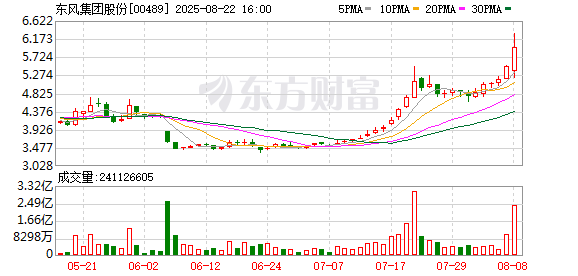
东风集团深夜重大公告 股价1小时大涨超91%
2 1 Shi Ji Jing Ji Bao Dao· 2025-08-23 00:36
Core Viewpoint - Dongfeng Group announced an innovative transaction plan involving the introduction of its subsidiary, Lantu Automobile, to the Hong Kong stock market while simultaneously privatizing and delisting Dongfeng Group itself, aiming to strengthen its strategic layout and set a new benchmark for reform and innovation [4][6]. Group 1: Transaction Details - The transaction will utilize a combination of "equity distribution + absorption merger," with both core components being interdependent and advancing simultaneously [5]. - In the first phase, Dongfeng Group will distribute 79.67% of its shares in Lantu Automobile to all shareholders, followed by Lantu's introduction to the Hong Kong Stock Exchange [6]. - In the second phase, Dongfeng's wholly-owned subsidiary will pay equity consideration to Dongfeng Group's controlling shareholder and cash consideration to other minority shareholders, achieving 100% control over Dongfeng Group [6]. Group 2: Financial Aspects - The total acquisition price is set at HKD 10.85 per share, comprising a cash consideration of HKD 6.68 per share and an equity consideration of HKD 4.17 per share [6]. - Dongfeng Group's stock market valuation has been low in recent years, with its market capitalization significantly below its net asset value [6]. Group 3: Lantu Automobile Performance - Lantu Automobile achieved a delivery of 12,135 vehicles in July, marking a year-on-year increase of 102% and a month-on-month increase of 21%, continuing a six-month growth streak [7]. - Cumulatively, Lantu's sales from January to July reached 68,263 vehicles, reflecting an 88% year-on-year growth [7]. Group 4: Market Reaction - Following the announcement, Dongfeng Group's ADR surged over 91% within an hour, closing with an increase of 87.69% at USD 61 [8].
重磅:岚图将介绍上市,东风集团股份私有化退市
Sou Hu Cai Jing· 2025-08-23 00:07
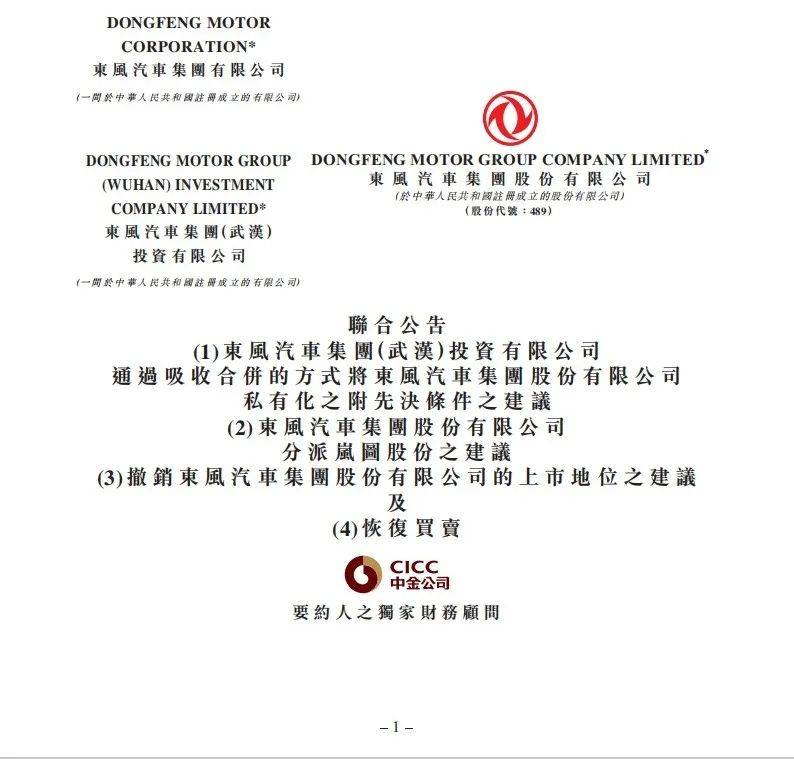
Core Viewpoint - Dongfeng Motor Group Co., Ltd. is implementing a combination of "equity distribution + absorption merger" to facilitate the listing of its high-end new energy brand, Lantu Automotive, on the Hong Kong Stock Exchange while simultaneously privatizing itself [1][5]. Group 1: Transaction Details - The transaction involves distributing 79.67% of Lantu Automotive's shares to all shareholders of Dongfeng Group, followed by Lantu's introduction listing on the Hong Kong Stock Exchange [1]. - The total acquisition price is set at HKD 10.85 per share, with a cash consideration of HKD 6.68 per share and an equity consideration of HKD 4.17 per share [3]. Group 2: Valuation and Performance - Dongfeng Group's valuation has been under pressure, with a market capitalization of HKD 39.12 billion and a price-to-book ratio (PB) as low as 0.25 times as of July 31, 2025 [5]. - In contrast, Lantu Automotive has shown strong growth, with projected deliveries of 85,697 vehicles in 2024, representing a year-on-year increase of approximately 70% [5]. Group 3: Strategic Developments - Lantu Automotive recently completed a strategic capital increase, with Dongfeng Asset Management investing HKD 1 billion, raising its stake from 0.85% to 3.3% [6]. - The ownership of Lantu by Dongfeng Group increased from 78.88% to 79.69% following this capital adjustment [6]. Group 4: Innovation and Reform - The innovative approach of "Lantu listing + Group delisting" sets a new benchmark for state-owned enterprise reform, allowing Lantu to access independent financing and enabling Dongfeng Group to focus on strategic transformation [7]. - This transaction is expected to help Lantu expand its technological advantages and international market presence, while Dongfeng Group can integrate resources for strategic realignment [7].
中红医疗跌0.06%,成交额1.57亿元,后市是否有机会?
Xin Lang Cai Jing· 2025-08-22 09:54
Core Viewpoint - The company, Zhonghong Medical, is primarily engaged in the export of medical devices and consumables, utilizing an ODM direct sales model, which allows it to design and produce products for overseas brand owners [2][4]. Group 1: Business Overview - Zhonghong Medical's main business includes the research, production, and sales of high-quality nitrile gloves, PVC gloves, and other disposable protective gloves, with health protection products accounting for 87.33% of revenue [9]. - The company has a significant overseas revenue share of 81.56%, benefiting from the depreciation of the RMB [4]. - The company is state-owned, with its ultimate control held by the Xiamen Municipal Government State-owned Assets Supervision and Administration Commission [5]. Group 2: Product Innovation and Market Presence - Zhonghong Medical showcased its products at the 12th Beijing Pet Expo, highlighting its veterinary infusion pumps, which feature IP34 waterproof design and dual CPU architecture, providing multiple infusion modes and safety [2]. - The company emphasizes innovation through digital technology, aiming to develop high-quality, innovative medical consumables and equipment, positioning itself as a leading provider of intelligent medical solutions [3]. Group 3: Financial Performance - For the first quarter of 2025, Zhonghong Medical reported a revenue of 629 million yuan, representing a year-on-year growth of 15.45%, and a net profit of 18.92 million yuan, up 1369.95% year-on-year [10]. - The company has distributed a total of 1.251 billion yuan in dividends since its A-share listing, with 501 million yuan in the last three years [11]. Group 4: Market Activity - On August 22, Zhonghong Medical's stock price decreased by 0.06%, with a trading volume of 157 million yuan and a turnover rate of 2.52%, bringing the total market capitalization to 6.84 billion yuan [1]. - The stock has seen a net outflow of 20.0854 million yuan from main funds today, indicating a trend of reduced holdings by major investors [6][7].
粤高速数字化转型助力国企改革深化提升
Zhong Guo Xin Wen Wang· 2025-08-22 06:33
Core Insights - Guangdong Provincial Highway Co., Ltd. is advancing the digital transformation of maintenance for key routes, including the Fokai Expressway, to meet safety management needs [1][2] Group 1: Infrastructure and Technology - The Fokai Expressway is a critical segment of the Shenhai Expressway, featuring 439 bridges and culverts, 15 interchanges, and 5 navigable bridges, with over 360,000 vessels passing annually [1] - An intelligent monitoring platform has been established for the Jiujiang Bridge, integrating video surveillance and collision warning systems for 24/7 real-time monitoring and dynamic alerts [1] - The navigation bridge collision warning system has achieved full coverage, utilizing laser radar to accurately scan vessel movements even in adverse weather conditions [1] Group 2: Safety and Emergency Management - A comprehensive emergency response system has been developed, enhancing disaster detection capabilities through various technologies such as fiber optic monitoring stations and gyroscopes [2] - The system includes variable information boards and the "Yue Tongxing" app to disseminate risk information, optimizing the critical five-minute rescue window [2] - The project is part of a national key research and development program, significantly improving the ability to prevent bridge collisions with vessels [2]
