
梦想家

Search documents
岚图汽车完成上市全部前置监管审批,即将正式登陆香港联交所
Nan Fang Du Shi Bao· 2026-02-12 03:43
Core Insights - Lantu Automotive has received principal approval for its Hong Kong listing, completing all preliminary regulatory processes, which confirms the certainty of its listing [2] - The company submitted its prospectus to the Hong Kong Stock Exchange on October 2 last year and completed compliance preparations in just four months, setting a high-efficiency example for state-owned enterprises in the new energy sector [2] - Lantu has rapidly developed over the past year, launching several models and establishing a comprehensive product matrix covering high-end SUVs, MPVs, and sedans, with significant sales and quality advantages [2] Financial Performance - In Q4 2024, Lantu achieved its first quarterly profit, which expanded to 479 million yuan from January to July 2025, marking it as a rare profitable new energy vehicle company before its IPO [3] - The listing is expected to broaden Lantu's financing channels and optimize its capital structure, providing financial support for technology development, capacity expansion, and global layout, thus aiding its transition to a new stage of high-quality development [3] Product Development - Lantu plans to launch four new models in 2026, all equipped with L3-level intelligent driving assistance hardware, including the Lantu Taisan Ultra, which is set to be the first commercially produced vehicle designed with L3 architecture [2]

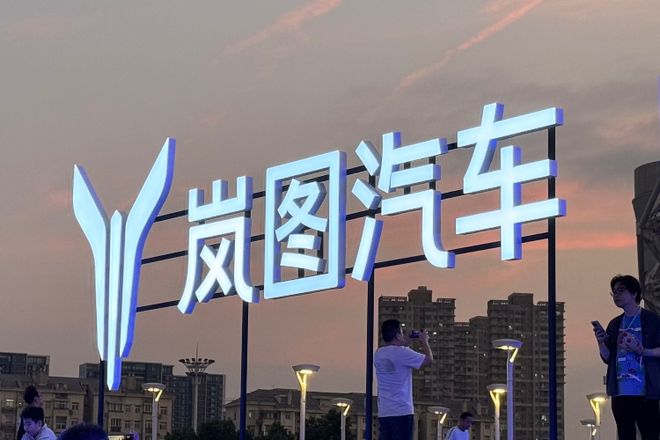
半年完成核心流程,岚图获港股上市“通行证”
Sou Hu Cai Jing· 2026-01-29 08:10
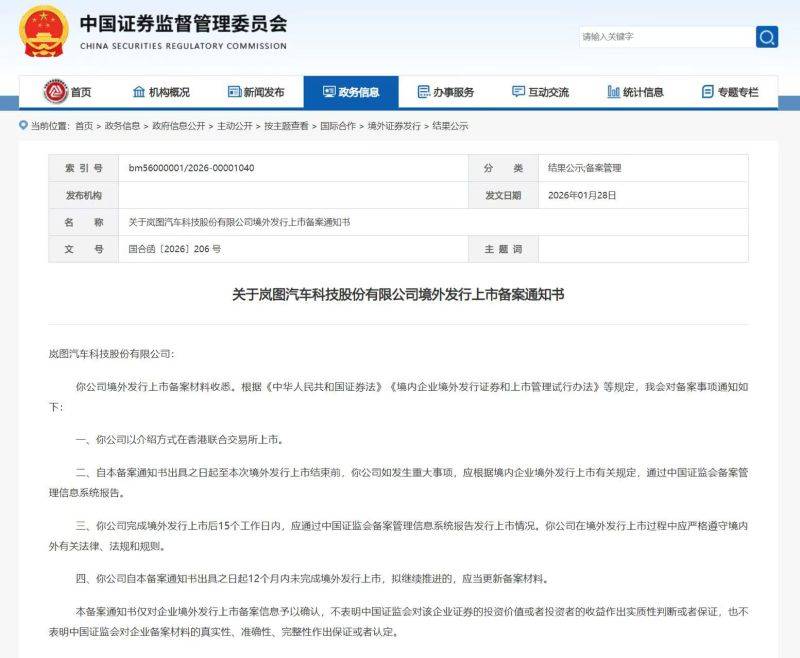
Core Viewpoint - Lantu is making a strong push into the high-end new energy vehicle market with a dual strategy of "capital foundation building + product showcasing" [1] Group 1: Listing Process - Lantu has received the overseas listing approval from the China Securities Regulatory Commission (CSRC) for its introduction listing on the Hong Kong Stock Exchange [1] - The listing process has been efficient, with key steps completed in under six months, including the restructuring into a joint-stock company and obtaining necessary approvals from various government bodies [1][2] Group 2: Listing Methodology - The introduction listing method does not involve new share issuance, avoiding dilution of equity and aligning with Lantu's current shareholder structure [2] - This approach supports Dongfeng Group's capital strategy, optimizing resource allocation and reshaping valuation logic [2] Group 3: Product Planning - Lantu announced its product plan for 2026, which includes four new models: the Lantu Taishan Ultra (China's first mass-produced L3-level SUV), the five-seat SUV Lantu Taishan X8, a new FUV (code-named "FE"), and an MPV (code-named "Zhu Feng") [2] - The product lineup aims to cover various segments, including SUVs, MPVs, and FUVs, addressing market gaps and reinforcing existing advantages [4] Group 4: Technological Strategy - Lantu's advancement relies on a "self-research + collaboration" technology strategy, with 2,692 patents showcasing its R&D capabilities [5] - Collaboration with Huawei enhances Lantu's access to advanced driving and cabin technologies, creating a synergistic effect [5] Group 5: Global Expansion - Lantu has exported products to over 40 countries and is actively penetrating the European market, achieving compliance with stringent EU certifications [5] - The upcoming listing on the Hong Kong Stock Exchange is expected to enhance Lantu's international brand influence, positioning it favorably in the global high-end new energy market [5] Group 6: Market Challenges - The challenge for Lantu will be to continuously realize value in the Hong Kong market and convert its new product matrix into tangible market share [7] - The company is recognized for its combination of systemic advantages and technological vitality, aiming to reshape the competitive landscape of the high-end new energy market [7]
【联合发布】2025年12月价格/优惠指数走势报告
乘联分会· 2026-01-28 08:30
Core Viewpoint - The article provides an analysis of the December 2025 automotive market, highlighting price changes and discount trends across different vehicle segments, indicating a general upward trend in market prices and discounts. Overall Market Price Changes - The overall market price change index for December is 4.84, with an average transaction price of 166,200 yuan, reflecting an increase of 8,277 yuan or 5.24% month-on-month [4] - All market segments experienced price increases, with the sedan market showing the largest growth at 8.05% [4] Sedan Market Analysis - The sedan market price change index is -0.76, with an average transaction price of 132,500 yuan [3] - The overall transaction price for sedans increased by 9,872 yuan, or 8.05% month-on-month [5] - The A00 segment saw the largest price increase at 8.65%, while the B and C segments experienced declines of 1.52% and 2.29% respectively [5] SUV Market Analysis - The SUV market price change index is 8.13, with an average transaction price of 186,100 yuan, reflecting a month-on-month increase of 2,574 yuan or 1.4% [10] - The B segment within SUVs showed significant price growth, while the A0 segment experienced a decline of 1.43% [10] MPV Market Analysis - The MPV market price change index is -1.79, with an average transaction price of 269,100 yuan, which increased by 8,805 yuan or 3.38% month-on-month [10] - The market saw a notable increase in sales share for models priced above 200,000 yuan [10] Overall Market Discount Changes - The overall market discount change index for December is 0.45, with an average discount of 28,500 yuan, which increased by 2,775 yuan or 10.8% month-on-month [4] - Discounts increased across all segments, with the MPV market showing the largest growth at 21.7% [4] New Energy Market Overview - The overall new energy market price change index is 7.68, with an average transaction price of 175,500 yuan, reflecting an increase of 13,863 yuan or 8.58% month-on-month [10] - The new energy sedan market saw a price increase of 11,325 yuan, or 10.58%, with the A00 segment experiencing a significant rise of 8.7% [12] New Energy Market Discounts - The overall new energy market discount change index is 0.81, with an average discount of 11,300 yuan, which increased by 1,531 yuan or 15.74% month-on-month [12] - Discounts in the MPV segment increased significantly by 35.4% [12]
中国豪华轿车的故事,总得有中国品牌来书写
远川研究所· 2025-12-15 13:08
Core Viewpoint - The article discusses the current state of the luxury car market in China, highlighting the challenges faced by traditional luxury brands (BBA) from domestic electric vehicle manufacturers, particularly in the context of the newly launched Lantu Chasing Light L, which aims to penetrate the luxury sedan segment [2][4]. Market Overview - The penetration rate of new energy vehicles in the domestic passenger car market approached 60%, with domestic brands capturing around 70% market share, both reaching historical peaks [2]. - The luxury sedan market shows a mixed performance, with the Lantu Chasing Light L achieving over 2,000 deliveries last month, surpassing the combined sales of Porsche Panamera and BMW 7 Series [2]. Competitive Landscape - Despite the rise of domestic new energy brands, there is still a lack of competitive domestic electric sedans that can rival traditional luxury models like BMW 5 Series, Mercedes-Benz E-Class, and Audi A6L [2][5]. - The entry-level models of BBA have seen a price drop from 300,000 to the 200,000 range, indicating a shift where Chinese consumers are beginning to replace traditional luxury with domestic new energy vehicles [5]. Barriers to Entry - The luxury sedan market remains dominated by traditional fuel vehicles due to several barriers, including brand heritage, product quality, and consumer perceptions [6]. - Brand loyalty and the social value associated with BBA vehicles create a significant barrier for new entrants [6]. - The requirements for luxury sedans, such as design, comfort, and convenience, are higher than for regular models, posing challenges for new energy vehicles [6]. Technological Challenges - The range-extended electric vehicle (REEV) approach has its drawbacks, including noise and vibration issues, which can detract from the luxury experience [7]. - The current technological limitations hinder domestic new energy vehicles from effectively competing in the luxury sedan market [7]. Strategic Positioning of Lantu Chasing Light L - The launch of Lantu Chasing Light L represents a strategic attempt by Chinese brands to redefine luxury in the new energy era, addressing high-end user demands [4]. - The vehicle incorporates advanced technologies from Huawei, establishing a competitive edge in the smart technology domain [9]. - Lantu's design philosophy, rooted in Eastern aesthetics, differentiates it from traditional Western luxury brands, enhancing its market identity [11]. Product Features and Innovations - The Chasing Light L features a high-performance chassis and advanced suspension systems, aiming to deliver a luxury driving experience comparable to high-end models [12]. - It utilizes a cutting-edge hybrid system that offers a pure electric range of 410 km and a comprehensive range of 1,400 km, addressing range anxiety effectively [14]. - The vehicle's fast-charging capabilities significantly reduce charging time, further bridging the gap with traditional fuel vehicles [14]. Market Positioning and Future Outlook - The introduction of Chasing Light L completes Lantu's high-end product matrix, which includes offerings in the MPV and SUV segments, positioning the brand as a comprehensive player in the high-end new energy market [16][18]. - The successful launch of Chasing Light L signifies Lantu's commitment to competing in the luxury sedan market, reflecting a broader trend of Chinese brands striving for higher market positions [20].

11月汽车销量放榜,理想跌倒、零跑吃饱,最残酷战事还在26年
3 6 Ke· 2025-12-02 00:17
Core Insights - The Chinese electric vehicle market is witnessing a clear shift in dynamics, with BYD solidifying its position as the sales leader, while new entrants like Hongmeng Zhixing and Leap Motor are making significant strides [3][5][7] - The competition among new energy vehicle manufacturers is intensifying, with companies needing to adapt quickly to maintain their market positions [20][27] Group 1: Sales Performance - BYD achieved a remarkable monthly sales figure of 480,200 units in November, securing its status as the annual sales champion with a cumulative total of 4.18 million units for the year [7][9] - Hongmeng Zhixing led the new force segment with 81,864 units sold in November, marking a year-on-year increase of 89.61% [3][5] - Leap Motor also reported a record high of 70,327 units sold in November, reflecting a growth of over 75% year-on-year [3][5] - NIO's sales reached 36,275 units in November, up 76.3% year-on-year, indicating a recovery in its performance [5][9] - Li Auto's sales fell by 31.92% year-on-year to 33,181 units, placing it at the bottom among the "Wei Xiaoli" trio [5][9] Group 2: Market Dynamics - The market is shifting from a focus on sales volume to standard-setting, with companies like Hongmeng Zhixing leading in technology adaptation [20][23] - The competition is expected to intensify in 2026, with survival depending on achieving significant sales volumes, with 30,000 units as the survival line and 100,000 units as the development line [26][27] - The landscape is changing, with the narrative evolving from "the market can accommodate everyone" to "your growth is my decline" [23][27] Group 3: Challenges for Traditional Automakers - Traditional automakers like SAIC and Geely are facing challenges in brand differentiation and market positioning, despite reporting growth in sales [7][9][12] - SAIC's various brands are struggling with resource allocation and market competition, while Geely's sales have surged post "Taizhou Declaration" but still lag behind BYD in the new energy segment [9][12] - The mid-tier brands are caught in a dilemma, unable to scale up to compete with top players while reluctant to sacrifice their established brand recognition [17][18]



30万辆岚图汽车下线背后 以自研合作并举破解技术路线之争
Zheng Quan Ri Bao Wang· 2025-11-11 11:56
Core Insights - Lantu Automotive has officially become the first high-end new energy brand among central state-owned enterprises in China to reach the production milestone of 300,000 vehicles, achieving this in just seven months, which sets a new growth record for the high-end new energy sector [1] Technology Strategy - The market performance of range-extended technology has sparked widespread discussion, with Lantu's chairman emphasizing that the key lies in whether technology can translate into user-recognized product value, rather than simply viewing sales declines as negative [2] - Lantu's range-extended model, FREE+, is experiencing rapid sales growth, indicating that technology aligned with user needs can gain market acceptance [2] - The competition in the future will not be about the superiority of different technology routes but about effectively addressing user pain points [2] Battery Safety - Battery safety remains a core concern for new energy vehicle users, and Lantu has established a "full-dimensional safety" concept since its inception, exceeding industry standards for battery safety [3] - Lantu's battery pack has successfully passed extreme tests without thermal runaway, showcasing its commitment to safety [3] - The company calls for the industry to invest more in foundational technology research to enhance safety standards [3] Intelligent Technology - Lantu adopts a dual-path strategy of "full-stack self-research + open cooperation" in the intelligent technology field, balancing user needs with technological innovation [4] - The collaboration with Huawei in smart driving and smart cockpit technologies has been well received, with self-researched versions also gaining high user ratings [4] Production and Quality Control - Achieving 300,000 vehicles is not only a sales milestone but also a validation of Lantu's manufacturing and quality control capabilities [5] - Lantu operates two production bases, with the Golden Factory at full capacity and the Yunfeng Factory set to double production capacity [5] - The Yunfeng Factory features a fully domestic production line for rear doors, marking a significant innovation in smart manufacturing [5] Quality Management - Lantu's quality control system encompasses the entire lifecycle of the vehicle, utilizing IoT technology for real-time monitoring and predictive analysis [6] - Each vehicle undergoes extensive testing post-production, and a quality traceability mechanism is in place to monitor vehicle performance after delivery [6] - The company emphasizes a culture of quality awareness across all dimensions, driven by a net promoter score (NPS) as a core quality target [6] Supply Chain Development - Lantu has increased its local supply chain ratio from 20% to 30%-40%, fostering local suppliers' transition from contract manufacturing to innovation [7] - The company is also building a regional software industry base to enhance supply chain resilience and efficiency [7] - Lantu aims for sustainable development across the entire industry chain through initiatives like material recycling and green energy applications [7] Future Outlook - The milestone of 300,000 vehicles lays a solid foundation for Lantu's future focus on intelligent, connected, and green manufacturing [7] - The company aims to achieve 500,000 and 1,000,000 vehicles in a shorter timeframe, emphasizing a commitment to long-term principles and user-centric innovation [7] - As a central enterprise, Lantu is dedicated to driving technological breakthroughs and contributing to the high-quality development of China's new energy vehicle industry [7]
旗舰SUV泰山上市在即 岚图汽车冲刺港股再添产品砝码
Zhong Guo Zheng Quan Bao· 2025-11-10 22:12
Core Insights - Lantu Automotive is preparing for the launch of its flagship SUV, Lantu Taishan, which aims to demonstrate its technological strength and market potential to the capital market [1] - The company has achieved a significant milestone with a year-on-year delivery increase of 82% in the first ten months of this year, reaching the 300,000 vehicle mark in just seven months [1][3] - Lantu Taishan is expected to redefine the high-end new energy SUV market with a focus on top-tier safety and genuine luxury [1][2] Group 1: Safety and Technology - Lantu emphasizes safety as the highest luxury and user benefit, with a commitment to ensuring vehicle and battery safety [2] - The manufacturing process at Lantu's Yunfeng factory has seen substantial investments in digitalization, automation, and localization, achieving a 16% rate of intelligent assembly [2] - Lantu Taishan features advanced safety systems, including a 500-line high-definition lidar technology and the Lanhai super hybrid technology with an 800V platform [2] Group 2: Product Strategy and Market Positioning - Lantu attributes its success to technological innovation, a new user relationship system, and leveraging traditional automotive industry experience [3] - The company is advancing its Hong Kong stock listing to support future R&D and market expansion [3] - Lantu's unique "listening to advice" culture allows it to quickly respond to market changes and optimize product experiences [3] - Despite a slowdown in the market share growth of range-extended vehicles, Lantu FREE+ is experiencing rapid sales growth, indicating market acceptance [3] Group 3: Growth and Future Outlook - Lantu is positioned as a key player in Dongfeng Group's goal of achieving 1 million new energy vehicle sales this year [4] - The company is committed to long-term and high-quality development, focusing on mastering core technologies to drive industry chain development [4] - With the launch of Lantu Taishan and the upcoming Hong Kong listing, Lantu Automotive is entering a new growth phase, potentially reshaping the high-end hybrid market landscape [4]
上市却不融资,岚图图什么?
Hu Xiu· 2025-10-15 05:20
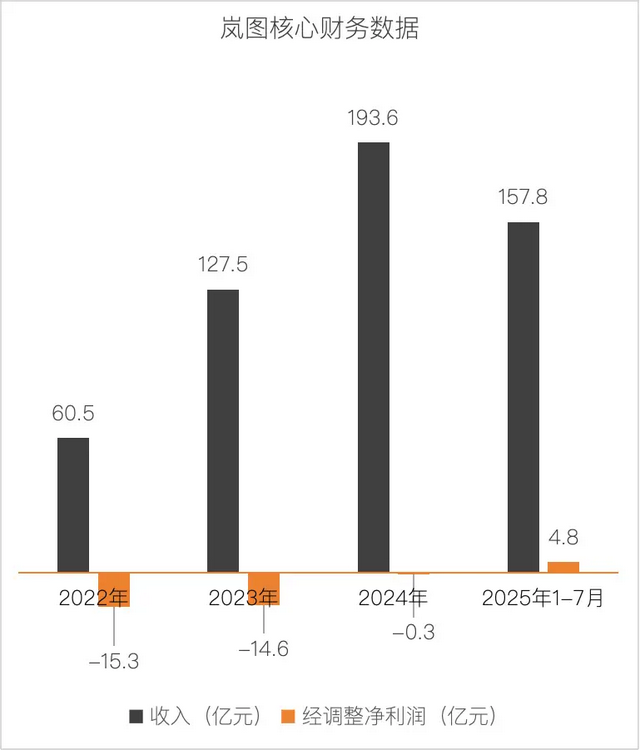
Core Viewpoint - Two domestic electric vehicle companies, Seres and Lantu, are simultaneously attempting to enter the Hong Kong stock market, with Lantu opting for a non-fundraising listing approach while Seres plans to raise approximately HKD 15.6 billion through an IPO [2][3][26]. Company Overview - Seres, in collaboration with Huawei, aims for a sales target of 430,000 units in 2024 [2]. - Lantu, a high-end electric vehicle brand under Dongfeng, targets 80,000 units in 2024, ranking 12th in the industry [3]. - Lantu's flagship model, the MPV "Dreamer," is expected to sell 47,000 units in 2024, making it the second in the new energy MPV market [3]. Financial Performance - Lantu reported a revenue of CNY 15.78 billion in the first seven months of 2025, with a year-on-year growth rate exceeding 90% [6]. - The gross profit margin for Lantu reached 21.3%, second only to Seres in the industry [6][16]. - Lantu achieved an adjusted net profit of CNY 479 million in the first seven months of 2025, marking it as the fastest electric vehicle company to reach quarterly profitability [7][15]. Government Subsidies - Lantu received CNY 640 million in government subsidies in the first seven months of 2025, raising questions about the sustainability of its profitability without these funds [8][9]. Sales Challenges - Lantu set a sales target of 200,000 units for 2025 but only sold 97,000 units in the first nine months, achieving less than half of its goal [10][41]. - The sales structure is heavily reliant on the "Dreamer" model, with other models like "Chasing Light" and "FREE" not contributing significantly to overall sales [11][42]. Market Positioning - Lantu focuses on the high-end market segment priced between CNY 300,000 to 400,000, avoiding intense competition in the sub-CNY 200,000 range [6][20]. - The company’s sales strategy emphasizes high average selling prices and profit margins despite lower overall sales volume compared to competitors [20][21]. Technological Advantages - Lantu utilizes the ESSA architecture, allowing for a 90% commonality in hardware across different models, which helps reduce costs [22][23]. - The support from Dongfeng's supply chain enhances Lantu's cost control and operational efficiency [25]. Listing Strategy - Lantu chose a non-fundraising introduction listing to leverage its existing cash reserves and positive cash flow, indicating confidence in its profitability [36][38]. - The decision to list without raising funds is seen as a strategic move to gain market valuation without the pressures of traditional IPO fundraising [30][49]. Future Growth Prospects - Lantu plans to launch 1-3 new models annually and expand its sales network to 1,000 outlets by 2026, with a focus on overseas markets [46][47]. - The company aims to address its sales structure imbalance by enhancing its product lineup and marketing strategies to compete effectively in the crowded market [45][50].
深蓝点名27家同行,外交官不够用了,魏建军撸起袖子上场……
汽车商业评论· 2025-10-03 23:06
Core Viewpoint - The article highlights various marketing strategies and initiatives taken by different automotive brands in China during September 2025, showcasing how they leverage significant events and collaborations to enhance brand visibility and consumer engagement [4][5][6]. Group 1: Red Flag's Marketing Strategy - Red Flag's actions during the 93rd National Day parade included returning nearly 80 ceremonial cars to their owners, accompanied by a thank-you letter and a detailed vehicle inspection, which fostered a sense of pride among car owners [4][5]. - The brand's approach of combining emotional marketing with tangible actions has created a strong connection between the owners and the Red Flag brand, setting it apart from competitors who also attempted to capitalize on the event [5][6]. Group 2: Deep Blue's Brand Positioning - Deep Blue launched a promotional video titled "Running Chinese Cars," which honored 27 automotive brands while subtly positioning itself, emphasizing the collective growth of the Chinese automotive industry [6][9]. - The marketing strategy reflects a shift from aggressive competition to a more collaborative approach, aligning with the brand's new identity as a state-owned enterprise [9][10]. Group 3: Zeekr's Global Outreach - Zeekr hosted a "Global First Luxury Electric Car Diplomat Experience" event, inviting diplomats from 40 countries to experience its vehicles, aiming to establish a strong association with luxury and enhance its global presence [11][12]. - The event generated significant online engagement, with related topics on social media reaching over 210 million views, indicating a successful branding effort [14]. Group 4: NIO Day 2025 - NIO Day 2025 focused on the theme of "Growth," involving extensive user participation in creating a song and documentary, which reflects the brand's commitment to community and user engagement [15][17]. - The event was strategically timed to address year-end sales pressures and improve brand perception amidst challenges faced earlier in the year [17][18]. Group 5: Lantu's Cultural Integration - Lantu's "Era Fashion Night" showcased its vehicles in a culturally rich setting, emphasizing the integration of Chinese aesthetics with modern technology, aiming to establish a unique brand identity [19][20]. - The event highlighted Lantu's commitment to creating a luxury brand that resonates with Chinese cultural values, which is crucial in a competitive high-end market [22]. Group 6: Li Auto's Brand Evolution - Li Auto announced a partnership with celebrity Yi Yangqianxi, marking a shift in its marketing strategy from product-driven to a dual approach that includes brand ambassadors to attract younger consumers [23][26]. - This change comes in response to declining sales and aims to reposition the brand in the eyes of a younger demographic, enhancing its appeal [26][27]. Group 7: Leap Motor's Innovative Collaboration - Leap Motor collaborated with IKEA for a pop-up event, focusing on the concept of "space" in automotive design, which aligns with contemporary consumer preferences for lifestyle-oriented products [28][31]. - The event successfully increased foot traffic and sales, demonstrating the effectiveness of experiential marketing in the automotive sector [31]. Group 8: Great Wall's Endurance Race - Great Wall Motors' founder participated in a challenging endurance race, showcasing the reliability of its vehicles and reinforcing the brand's commitment to quality and performance [32][36]. - This hands-on approach by the founder enhances brand credibility and connects with consumers on a personal level, promoting a culture of adventure and resilience [36][37]. Group 9: BYD's Youth Engagement - BYD's "I Di New Generation 2025" event aimed to reshape its image by highlighting the talents of its young employees, fostering a connection with the younger audience [38][41]. - The initiative reflects BYD's strategy to engage with younger consumers through innovative and entertaining formats, moving away from traditional marketing methods [41]. Group 10: Xiaomi's Strategic Shift - Xiaomi's founder delivered a speech outlining the company's strategic shift towards becoming a "hardcore technology company," aiming to redefine its market position amidst challenges in the automotive sector [42][45]. - The speech, however, faced criticism for lacking substance and failing to address product-related issues, which negatively impacted investor confidence [45][46].



东风私有化退市、力捧岚图港股上市 国资车企资本棋局生变
Sou Hu Cai Jing· 2025-08-29 07:03
Group 1 - Dongfeng Motor Group Co., Ltd. announced that its high-end new energy brand, Lantu Motors, will be listed on the Hong Kong Stock Exchange through an introduction listing, while simultaneously initiating a privatization process [1][2] - The market reacted positively, with Dongfeng Group's stock price soaring nearly 70% upon resumption of trading after a suspension [1] - The introduction listing is designed to enhance liquidity and brand credibility without raising new funds, which may affect investor interest [2] Group 2 - The transaction involves a "share distribution + absorption merger" model, where Dongfeng Group will distribute 79.67% of Lantu's shares to its shareholders before Lantu's listing [2] - Lantu Motors has shown strong growth, with vehicle deliveries increasing by approximately 70% in 2024 and 88% in the first seven months of 2025 [4][5] - Dongfeng Group's overall performance has been declining, with a 14.7% drop in vehicle sales in the first half of 2025, while Lantu's sales of new energy vehicles grew by 33% [3][4] Group 3 - Lantu Motors aims to broaden its financing channels, enhance international presence, and improve corporate governance through this listing [3][7] - The financial performance of Dongfeng Group has been underwhelming, with a market capitalization below net asset levels and a price-to-book ratio of approximately 0.24 [3] - The listing of Lantu is expected to provide a clearer independent valuation, potentially attracting more investors and breaking the low valuation trend of Dongfeng Group [7][8] Group 4 - The transaction is seen as a strategic move to accelerate the transition to new energy vehicles, allowing Dongfeng to focus resources on Lantu and other new energy brands [7][8] - The privatization of Dongfeng Group may lead to a restructuring of valuation logic for undervalued state-owned enterprises in the automotive sector [8] - Lantu's operational strategy includes integrating supply chains and enhancing product quality to respond quickly to market changes [5][6]