消费升级

Search documents
武汉:打造国家商贸物流中心 重塑“货到汉口活”新时代荣光
Yang Guang Wang· 2025-12-10 02:30
Core Viewpoint - The successful hosting of the 2025 Wuhan (Hankou North) Commodity Fair highlights Wuhan's ambition to become a new highland for inland openness, attracting global attention and showcasing its commercial vitality [1] Group 1: Transportation Empowerment - Wuhan is transforming its geographical advantages into a modern multi-dimensional transportation system, aiming to establish itself as an international comprehensive transportation hub [3] - Tianhe Airport's passenger throughput has increased from 15.7 million in 2013 to over 30 million in 2024, with the introduction of a third runway and an expansion of international routes to 70 [3] - The approval of the Central European Railway's collection center in Wuhan is a milestone, with over 1,000 trains operating in 2024, connecting to 40 countries and 120 cities across Eurasia [4] Group 2: Logistics Upgrade - The logistics sector in Wuhan is undergoing a smart transformation, with remote control systems at Yangluo Port increasing container handling efficiency from 20 to 40 containers per hour [6] - The logistics industry has saved over 5 billion yuan annually through smart upgrades, reflecting the new meaning of "goods arrive at Hankou" in the modern logistics system [6][7] - The value added by Wuhan's logistics industry surpassed 193.3 billion yuan in 2024, contributing 9.5% to the GDP, with over 16,000 logistics companies operating in the city [7] Group 3: Consumption Transformation - Wuhan's retail sales reached 629.97 billion yuan in the first three quarters of the year, with a year-on-year growth of 5.5%, ranking third among 19 sub-provincial cities [9] - The city has seen the opening of over 750 large commercial outlets, with a significant influx of new brands, including 289 new first stores and 26 recognized "Wuhan old brands" [9][10] - Innovative consumption scenarios, such as seasonal events and cultural activities, have significantly boosted consumer engagement and spending [10]
研判2025!中国铅笔行业发展历程、产业链图谱、销售规模、竞争格局及发展趋势分析:消费升级重塑市场格局[图]
Chan Ye Xin Xi Wang· 2025-12-10 01:50
Overview - The core demand for pencils in China's market is driven by the daily writing needs in basic education, while the demand for safe and easy-to-hold pencil products in preschool education continues to expand [1][9] - Despite a decline in birth rates and a decrease in the number of students entering primary school, leading to a reduction in school procurement and household stock, the sales revenue of pencils is still on the rise due to price increases [1][9] - In 2024, China's pencil sales are projected to drop to 943 million units, but the sales revenue is expected to reach 1.67 billion yuan, a year-on-year increase of 1.1% [1][9] Industry Development - The pencil industry in China began industrialization in 1935 with the establishment of the first domestic pencil factory, breaking the import monopoly [5] - After the reform and opening up, the market saw increased competition with the entry of private and foreign enterprises, leading to a rapid expansion of production capacity and product variety [6] - Recent years have seen a shift towards environmentally friendly products due to stricter environmental regulations, with a growing demand for high-end art pencils and cultural creative pencils [6][14] Market Structure - The pencil industry has a highly fragmented market with many small-scale participants, where over 70% of pencil-related companies have registered capital under 2 million yuan [10] - Major players in the market include Shanghai Fulemeng New Trend Cultural Supplies Co., Ltd., and China First Pencil Co., Ltd., which is recognized as a leading manufacturer with well-known brands [10][11] Consumer Demographics - Students represent the core consumer group for pencils in China, accounting for over 60% of the market in 2024, with a significant number of students in various educational stages [8][9] - The demand for pencils is expected to evolve as the consumer base expands beyond students to include adults, driven by trends such as hand account culture [14] Future Trends - The pencil industry is expected to move away from traditional wood dependency, with green innovation becoming a core competitive advantage [14] - The rise of design aesthetics and emotional resonance in branding is anticipated to reshape market dynamics, making pencils fashionable items for younger consumers [14]


2025年中国黄金珠宝行业市场研究报告
硕远咨询· 2025-12-09 14:15
Investment Rating - The report does not explicitly state an investment rating for the gold and jewelry industry. Core Insights - The gold and jewelry industry is defined as a comprehensive sector that includes the extraction, refining, and manufacturing of precious metals and gemstones, culminating in products with aesthetic, investment, and cultural value [4][5]. - The industry has a well-established supply chain and is increasingly moving towards high-end branding and innovation, driven by consumer demand for personalized and high-quality products [5][6]. - The market size of the gold and jewelry industry in China has reached several hundred billion RMB, with a stable growth trend, particularly in first-tier cities and emerging second-tier cities [15][16]. Summary by Sections 1. Industry Overview - The gold and jewelry industry encompasses various products, including gold jewelry, diamond jewelry, jade, and other precious stones, each with unique materials and market positioning [6][7]. - The industry chain is complex, involving raw material extraction, processing, design, manufacturing, and retail, with a focus on collaboration and information sharing across all stages [9]. 2. Industry Development History - The development of the gold and jewelry industry in China can be divided into three main stages: the nascent period, rapid development period, and transformation and upgrading period, reflecting changes in economic structure and consumer behavior [12]. 3. Current Industry Analysis - The market scale of the gold and jewelry industry is substantial, with annual output value in the thousands of billions RMB, driven by rising consumer income and demand for wealth preservation [15][16]. - Gold jewelry remains the dominant product category, while demand for high-end jewelry products like diamonds and jade is increasing, particularly among younger consumers [17][19]. 4. Consumer Behavior Analysis - The primary consumer demographic for gold jewelry is aged 25 to 45, with a significant proportion being female, who value aesthetics and emotional significance [20][22]. - Higher-income consumers tend to purchase luxury and customized products, while middle-income consumers focus on practicality and value [26][27]. 5. Competitive Landscape Analysis - Leading companies in the gold and jewelry industry, such as China Gold Group and Chow Tai Fook, maintain significant market positions through strong brand influence and efficient supply chains [41][42]. - New emerging brands are gaining traction by focusing on unique designs and leveraging digital marketing strategies, including social commerce and live streaming [43][45]. 6. Market Channels and Marketing Strategies - Traditional retail channels remain crucial, but the rise of e-commerce has transformed sales dynamics, with online platforms becoming significant sales drivers [54][56]. - Brands are increasingly adopting cross-industry collaborations and IP marketing strategies to enhance brand visibility and consumer engagement [66].
2025年中国亲子游乐行业市场研究报告
硕远咨询· 2025-12-09 14:05
Investment Rating - The report does not explicitly state an investment rating for the industry Core Insights - The parent-child entertainment industry in China is defined as a collection of services and products aimed at meeting the diverse needs of children and their parents for leisure, education, and interaction, emphasizing emotional communication and promoting children's physical and mental health development [4][5] - The industry has seen significant growth in recent years, driven by factors such as the two-child policy, rising consumer spending, and increasing demand for high-quality parent-child experiences [11][12] - The market is expected to continue expanding rapidly, with a projected compound annual growth rate (CAGR) exceeding 20% and a market size surpassing 100 billion yuan by 2024 [13] Summary by Sections 1. Industry Overview - The parent-child entertainment industry encompasses various formats, including indoor amusement parks, outdoor theme parks, parent-child education centers, and interactive experience venues [6][7] - The industry is closely related to tourism, education, and cultural entertainment, leveraging resources from these sectors to enhance user experience and drive collaborative development [8] 2. Market Demand Analysis - Modern families exhibit high-frequency, diverse, and experience-focused consumption habits in parent-child entertainment, with safety and hygiene being top priorities [18][19] - Consumers are increasingly willing to pay for high-quality, innovative parent-child entertainment products, particularly in first- and second-tier cities [27][28] - There are significant differences in demand between urban and rural families, with urban families favoring high-quality, diverse offerings while rural families focus on basic entertainment needs [32] 3. Competitive Landscape Analysis - Leading domestic companies in the parent-child entertainment sector are rapidly developing, focusing on product diversity and customer service to enhance brand loyalty [44][46] - International brands are entering the Chinese market, adapting their offerings to local preferences and cultural nuances [47] 4. Product and Service Analysis - Indoor amusement facilities prioritize safety and fun, featuring soft play equipment and interactive areas designed to foster parent-child interaction [49] - Outdoor amusement parks and theme parks aim to create immersive experiences by integrating natural landscapes and cultural elements [50] - Educational parent-child activities are innovating by combining early education concepts with experiential learning to enhance children's overall development [52] 5. Policy Environment - The government has implemented supportive policies to promote the healthy growth of the parent-child entertainment industry, including financial subsidies and tax incentives [56][57] - Local governments are also introducing specific measures to support the development of parent-child entertainment projects [59] 6. Future Development Trends - The market is expected to continue expanding, driven by rising consumer income and changing family structures, leading to increased demand for personalized and educational entertainment products [61][62] - The trend towards consumer upgrade and diversification is evident, with families seeking high-quality, educational experiences in their entertainment choices [63]
邢自强谈“十五五”:“星辰大海”与“柴米油盐”的双向奔赴
2 1 Shi Ji Jing Ji Bao Dao· 2025-12-09 11:03
Core Insights - China is leveraging its unique industrial chain, engineer dividend, and large-scale market advantages to position itself as a global leader in cutting-edge technology [1][4] - The "14th Five-Year Plan" emphasizes technological innovation, consumer upgrades, and social welfare, with a focus on transforming the blueprint into sustained consumer potential through effective implementation of key tasks [1][7] Group 1: Advantages Driving China's Competitive Edge - China's competitive edge is attributed to three main advantages: industrial chain clustering effects, engineer dividends, and a policy framework supported by a vast domestic market [4] - The integration of industrial policy with market mechanisms allows Chinese companies to achieve better pricing and support R&D investments, particularly in sectors like artificial intelligence [4] - Despite the U.S. having approximately ten times the capital expenditure in AI, China demonstrates comparable efficiency in practical application scenarios, showcasing its first-mover advantage in several key sectors [4][5] Group 2: Strategies for Boosting Consumption - To break the weak economic cycle, broader reforms and economic support are necessary beyond just technological innovation, as highlighted in the "15th Five-Year Plan" [7] - Strengthening the social security system is crucial for addressing low-price cycles and increasing consumer spending, with proposals to raise monthly social security subsidies for farmers and migrant workers from approximately 220 yuan to 1,000 yuan by the end of the "15th Five-Year Plan" [8] - If social security reforms are successfully implemented, it is projected that the share of household consumption in GDP could rise from about 40% to 45% within five years, potentially leading to a domestic consumption market exceeding $10 trillion by 2030 [8] Group 3: Real Estate Market Stabilization - To stabilize the real estate market, three policy directions are suggested: inventory reduction through government acquisition of properties for affordable housing, debt restructuring for certain real estate companies to prevent risk spread, and mortgage interest subsidies to encourage home purchases [9][10] - The effectiveness of these measures hinges on addressing concerns about public resource allocation for historical issues, with the mortgage subsidy approach being more operationally feasible [10]
文旅赋能消费升级 创新激活冬日经济
Xin Hua She· 2025-12-09 07:45
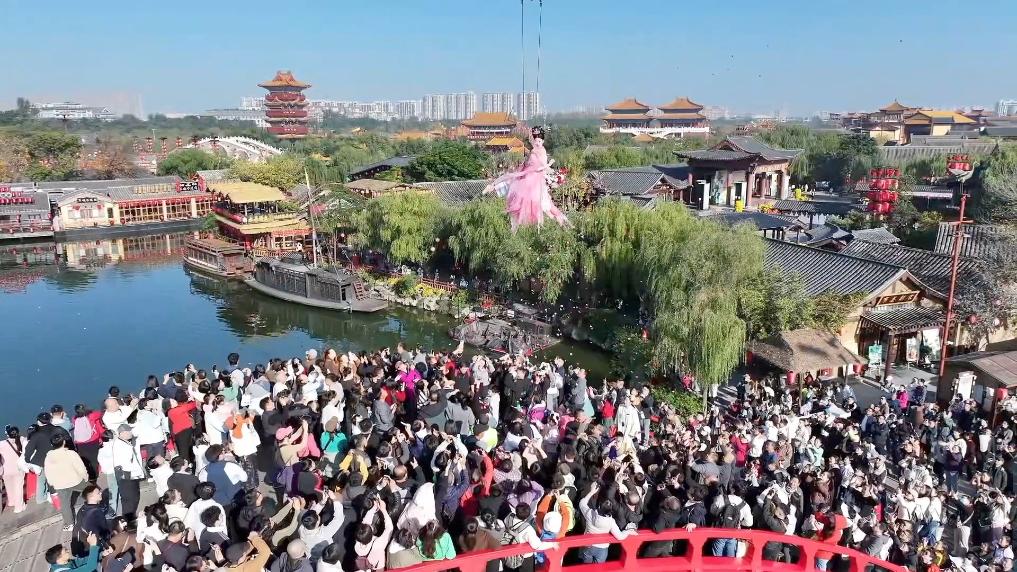
Group 1 - The core viewpoint of the articles emphasizes the integration of culture and tourism as a strategy to enhance consumer spending and stimulate economic growth through innovative experiences and upgraded business models [1][2][8] Group 2 - In Zibo, Shandong Province, the local government is driving consumption upgrades by innovating consumer scenarios, leading to significant visitor numbers, such as a bakery attracting 15,000 visitors in a single day and selling an average of 1,500 units of a popular product [2] - Guizhou's Libo County is attracting tourists with its warm climate and beautiful scenery, contributing to the travel economy [3] - The artistic and scenic environment of Hongjiang Village in Chaoyang Town has made it a popular destination for travelers [4] - Kunming, Yunnan Province, is leveraging its favorable climate and rich health resources to draw a large number of visitors for wellness tourism [5] - Kaifeng, Henan Province, is enhancing cultural tourism by creating immersive experiences, such as interactive projects in the Qingming Riverside Landscape Garden, allowing visitors to engage dynamically with historical narratives [6] - In Zhenping County, Shaanxi Province, the local government is promoting rural tourism by transforming local homes into guesthouses, providing diverse options for visitors [7] - The deep integration of cultural tourism and consumer spending is injecting sustainable momentum into urban and rural economic growth, leading to improved livelihoods [8]
视频丨“中国游”“中国购”体验感拉满 外国游客表示“还会再来”
Yang Shi Xin Wen Ke Hu Duan· 2025-12-09 06:30
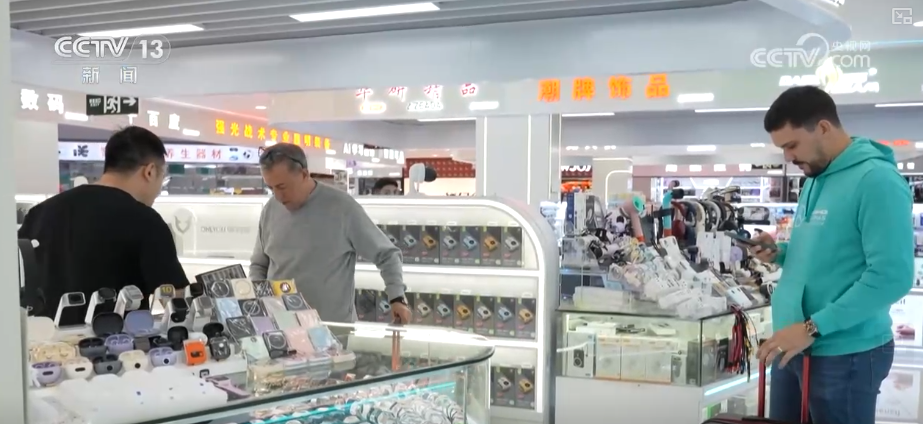
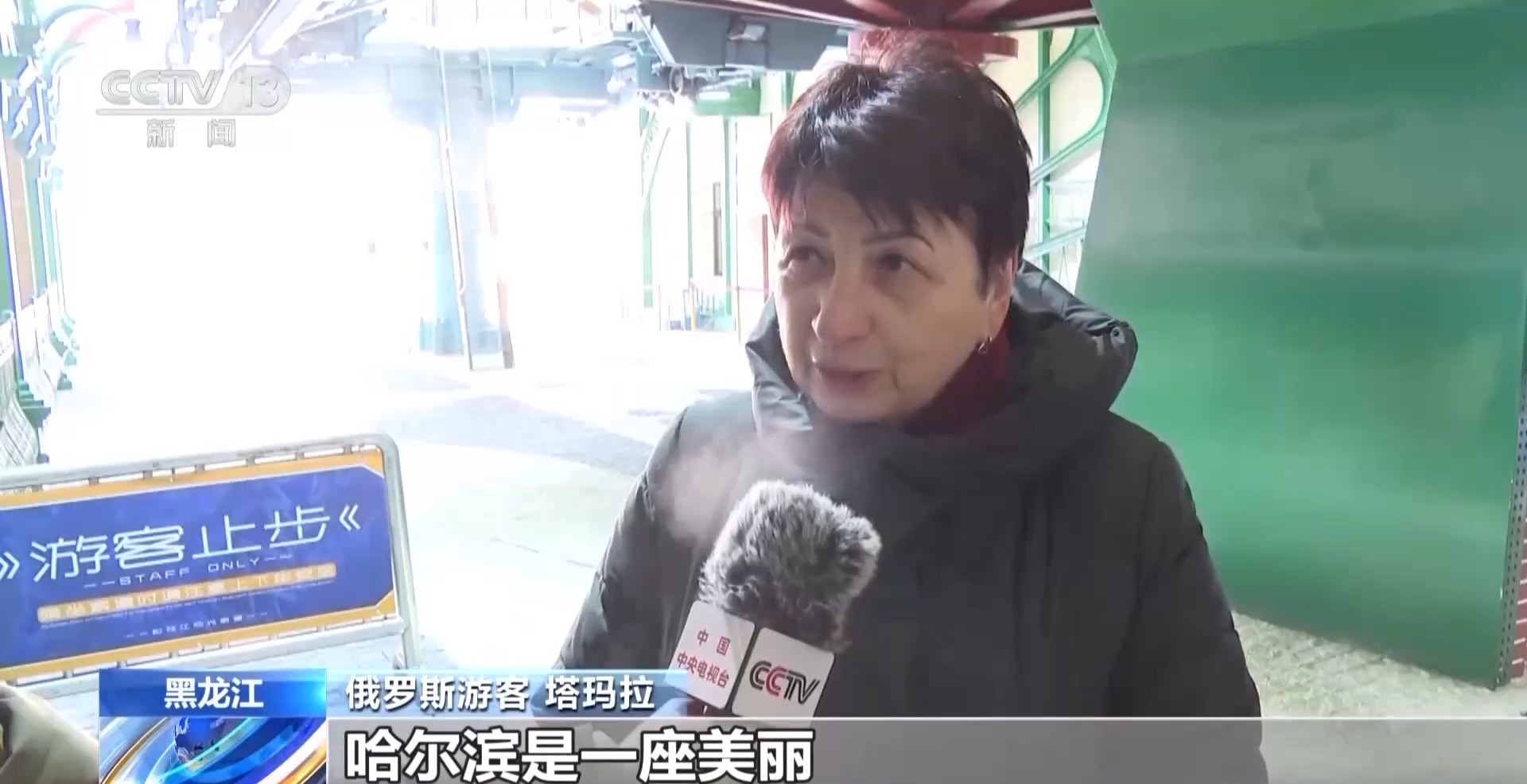
Core Insights - The inbound tourism market in China is experiencing significant growth, with cities like Beijing, Shanghai, and Chengdu seeing over 90% increase in foreign visitors this year, driven by the appeal of cultural and immersive travel experiences [1] - The current winter season has seen a 13.58% year-on-year increase in non-Chinese passport holders booking domestic flights, with Harbin, Dalian, and other northern cities becoming popular destinations [4] - The trend of "China Tour" and "China Purchase" is gaining momentum, with foreign tourists increasingly coming to China for shopping, supported by favorable tax refund policies and simplified visa processes [18][21] Inbound Tourism Growth - Major cities such as Harbin and Xinjiang have become popular among foreign tourists, with Harbin recently hosting a Russian study group [4][6] - The "Haya Snow" tourism route connecting Harbin, Yabuli, and Snow Town has attracted over 3,700 foreign visitors since its opening on November 17 [8] - In Fujian, approximately 590,000 foreign travelers have entered through the port this year, marking a 16.7% increase compared to the same period in 2024 [15] Cultural and Technological Engagement - Tourists from Malaysia have engaged with AR technology at the Liangzhu Museum, enhancing their cultural experience [11][13] - The integration of AI and interactive technology in cultural sites is making ancient civilizations more accessible and engaging for foreign visitors [11][13] Shopping Trends - The trend of bringing empty suitcases to China for shopping is becoming popular among foreign tourists, with a significant increase in the number of travelers participating in this trend [18][25] - The number of foreign travelers utilizing tax refunds has surged by 285% this year, with sales and refund amounts also seeing substantial growth of 98.8% [25] - The average daily reception of foreign tourists in Huaqiangbei has doubled compared to 2024, indicating a robust increase in shopping tourism [21] Policy and Market Dynamics - The expansion of the 240-hour visa-free transit policy to 55 countries and 65 entry ports is facilitating easier access for foreign tourists [27] - Experts suggest that the combination of simplified visa processes, cultural tourism projects, and improved airport efficiency is driving the resurgence of inbound tourism [27] - The increasing global competitiveness of Chinese products is reflected in the shopping preferences of foreign tourists, with a growing interest in high-tech and innovative goods [28][30]
新华视点|文旅赋能消费升级 创新激活冬日经济
Xin Hua Wang· 2025-12-09 05:59
Core Insights - The integration of culture and tourism is being leveraged to enhance consumer spending and stimulate economic growth through innovative scenarios, upgraded business formats, and optimized experiences [1] Group 1: Innovative Consumption Scenarios - Shandong's Zibo City is focusing on diverse consumer needs, driving upgrades in consumption scenarios in scenic spots and retail through "cultural tourism integration" and "business innovation" [3] - A tavern in the Zhoucun Ancient Mall combines beer culture, live performances, and homestay experiences, creating an immersive consumption space that blends retro charm with modern trends [5] - A bakery in Zibo achieved a record of 15,000 visitors in a single day and an average daily sales of 1,500 units for its popular products, showcasing the impact of scenario innovation and product advantages [8] Group 2: Revitalizing Travel Economy - Guizhou's Libo County attracts tourists nationwide with its warm climate and beautiful scenery, contributing to the travel economy [7] - Kunming's Jinning District, known for its spring-like climate and rich wellness resources, draws a significant number of visitors for travel and residence [9] - In Chaoyang Town's Hongjiang Village, picturesque fields and artistic residences have made it a popular travel destination [10] Group 3: Technology-Enabled Interactive Experiences - Henan's Kaifeng City is accelerating cultural tourism integration, with more scenic spots relying on cultural heritage to create immersive service projects [12] - The interactive experience at the ball-screen cinema brings to life the Northern Song painter Zhang Zeduan's "Along the River During the Qingming Festival," allowing visitors to feel as if they are exploring ancient Bianliang [14] - At the Qingming Riverside Landscape Garden in Kaifeng, interactive experiences transition visitors from passive observation to active participation in vibrant urban legends [15] Group 4: Rural Transformation and Tourism - In Shanxi's Zhenping County, local government initiatives are promoting livable and workable beautiful rural construction, with villagers operating homestays to provide diverse options for tourists [17] - The development of the tourism and wellness industry in Zhenping County has enabled more villagers to benefit economically from tourism [17] Conclusion - The deep integration of cultural tourism and consumption is injecting lasting momentum into urban and rural economic growth, painting a vivid picture of stable economic development and continuous improvement in people's livelihoods [19]
“中国游”“中国购”体验感拉满 外国游客表示“还会再来”
Yang Shi Xin Wen· 2025-12-09 04:45
Core Insights - The inbound tourism market in China is experiencing significant growth, with traditional destinations like Beijing, Shanghai, and Chengdu seeing over 90% increase in foreign visitors this year, driven by the appeal of cultural and immersive travel experiences [1] - The "China Tour" and "China Shopping" trends are gaining momentum, with foreign tourists increasingly visiting China for both travel and shopping, indicating a robust recovery in the tourism economy [9] Group 1: Inbound Tourism Growth - Inbound tourist numbers for the ice and snow season have increased by 13.58% year-on-year, with cities like Harbin and Dalian becoming popular destinations [2] - The "Haya Snow" tourism route connecting Harbin, Yabuli, and Snow Town has attracted over 3,700 foreign visitors since its opening, showcasing the appeal of China's winter tourism [4] - Approximately 590,000 foreign travelers entered through Fujian port this year, marking a 16.7% increase compared to the same period in 2024, supported by new themed travel routes [4] Group 2: Shopping Trends - The trend of "bringing an empty suitcase to China" has gained popularity among foreign tourists, indicating a strong interest in shopping during their visits [6] - The average daily foreign visitor count at Huaqiangbei has doubled compared to 2024, with enhanced tax refund policies making shopping more attractive [8] - The number of foreign travelers applying for tax refunds has increased by 285% this year, with sales and refund amounts also seeing significant growth of 98.8% [8] Group 3: Policy and Market Dynamics - The expansion of the 240-hour visa-free transit policy to 55 countries and 65 entry ports has facilitated easier access for foreign tourists [9] - Experts highlight that the simplification of visa processes and improved airport efficiency are key factors driving the resurgence of inbound tourism [11] - The increasing global competitiveness of Chinese products, particularly in electronics, is reflected in the shopping preferences of foreign tourists, showcasing a shift towards diverse and upgraded consumption patterns [11]

来华“淘好物”火爆出圈 外国游客“购物车”凸显“中国制造”全球竞争力
Yang Shi Wang· 2025-12-09 03:06
央视网消息:从北到南,不仅"中国游"热度持续攀升,"中国购"也火爆出圈。近期,"一定要带空箱子去中国!"这个实用小贴士在海外社交平 台讨论火热。空箱而来、满载而归,外国人来华买买买正成为跨境旅游新潮流。 在深圳华强北,巴西游客卢卡斯和父亲开启"采购模式"。除了刚刚拿下的这款搭载AI助手和GPS导航的智能眼镜,在两个大大的行李箱里,他 们还有不少收获,从物美价廉的日用品到技术领先的科技产品一站购齐。 不仅如此,2025年,离境退税便利化水平全面提升,让"中国购"不仅体验感拉满,而且性价比飙升。"即买即退"服务在全国推广,退税起征点 由500元下调至200元,手续极大简化。在杭州,离境"一键退税"服务让外国游客只需用手机"碰一下",最快2分钟即可完成退税。 目前,我国240小时过境免签适用国家范围增至55国,适用240小时过境免签的入境口岸总数增加至65个。专家表示,从简化签证流程、延长免 签停留时间到优化机场口岸通关效率,一系列举措让外国游客"说走就走"的中国行成为可能,不断吸引外国游客走进中国、感受中国。 中国旅游研究院院长戴斌表示,签证的便利化是入境旅游最大的动力。其次还有一些文化旅游项目推广活动,也营造了 ...