
脑机接口

Search documents
“纤维芯片”来了
财联社· 2026-01-22 03:26
Core Viewpoint - The development of "fiber chips" by Fudan University addresses the long-standing challenge of integrating flexible electronics, providing a new pathway for the "flexibilization" of smart devices [1][5]. Group 1: Innovation in Chip Design - Traditional chip manufacturing relies on flat, stable silicon wafers, while the Fudan team proposes a "multi-layer stacked architecture" that allows for high-density integration within the confines of a fiber [3][4]. - The design metaphorically compares the process to embedding a detailed circuit diagram into a thin line, maximizing space utilization within the fiber [3]. Group 2: Manufacturing Challenges and Solutions - Creating high-precision circuits in soft, deformable fibers is likened to building skyscrapers in "soft mud," presenting significant manufacturing challenges [4]. - The team developed a preparation route compatible with existing photolithography processes, achieving a surface roughness of less than 1 nanometer on the elastic polymer, meeting commercial photolithography standards [4]. Group 3: Future Applications and Impact - The protective layer of polystyrene not only shields the circuit from solvents used in photolithography but also buffers the circuit layer against strain, ensuring stability after repeated bending and stretching [4]. - This innovative manufacturing method lays a solid foundation for scaling up production and application, potentially transforming fields such as brain-machine interfaces, electronic textiles, and virtual reality [5].


“头发丝里实现大规模集成电路”
Di Yi Cai Jing Zi Xun· 2026-01-22 03:08
Core Insights - A Chinese research team has developed a groundbreaking technology called "fiber chip," which constructs high-density integrated circuits within a fiber thinner than a human hair, marking a significant advancement beyond traditional silicon-based chips [2][3]. Group 1: Technological Breakthrough - The "fiber chip" has comparable information processing capabilities to some commercial chips and offers unique advantages such as high flexibility, adaptability to complex shapes, and the potential for applications in brain-machine interfaces, electronic textiles, and virtual reality [2][4]. - The research team has previously introduced the concept of "fiber devices" and created over 30 types of fiber devices, with some technologies transferred to leading domestic companies, establishing production lines for light-emitting fibers and fiber lithium-ion batteries [2][3]. Group 2: Integration and Manufacturing - The team utilized a spiral multi-layer circuit design, significantly enhancing space utilization, allowing for the integration of approximately 10,000 transistors in a 1mm long fiber, which can reach the integration level of classic computer CPUs in a 1-meter long fiber [3][4]. - The manufacturing process is compatible with existing mature photolithography techniques, laying the groundwork for large-scale production, with surface roughness reduced to below 1 nanometer to meet commercial photolithography standards [3][4]. Group 3: Future Applications - The "fiber chip" is not intended to replace traditional silicon chips but to open new application pathways, with exceptional flexibility allowing it to withstand extreme conditions while maintaining performance [4]. - The design concept of "one fiber as a micro-electronic system" enables the integration of power supply, sensing, display, and signal processing functions within a single fiber, paving the way for innovative commercial applications such as smart clothing and advanced telemedicine tools [4][5].
“头发丝里实现大规模集成电路”
第一财经· 2026-01-22 02:53
Core Viewpoint - A Chinese research team has developed a groundbreaking technology called "fiber chips," which integrates high-density circuits into fibers thinner than a human hair, potentially revolutionizing industries such as brain-machine interfaces, electronic textiles, and virtual reality [3]. Group 1: Research Breakthrough - The research was conducted by the Polymer Molecular Engineering National Key Laboratory and Fudan University's Fiber Electronic Materials and Devices Research Institute, achieving a significant milestone in chip technology [3]. - The "fiber chip" has comparable information processing capabilities to traditional commercial chips while offering unique advantages such as flexibility and adaptability to complex shapes [3][4]. Group 2: Technical Details - The team has created over 30 types of fiber devices and has published results in "Nature" seven times, with some technologies transferred to leading domestic companies [3]. - A 1mm long fiber can integrate approximately 10,000 transistors, and a 1m long fiber can reach integration levels comparable to classic computer CPUs, achieving a transistor density of 100,000 per centimeter [5]. Group 3: Manufacturing Compatibility - The fabrication process of the fiber chip is compatible with existing mature lithography techniques, laying the groundwork for large-scale manufacturing [5]. - The surface roughness of the fibers has been reduced to below 1 nanometer, meeting commercial lithography standards and challenging the notion that chips can only be made on silicon substrates [5]. Group 4: Future Applications - The design concept of "one fiber as a micro-electronic system" allows for the integration of power supply, sensing, display, and signal processing functions within a single fiber, enabling the creation of soft, breathable electronic textiles [6]. - Potential applications include smart clothing that can display dynamic pixels and intelligent tactile gloves for remote medical surgeries, enhancing human-machine interaction [6]. Group 5: Industry Impact - The development of fiber chips is expected to transform the rules for implantable medical devices by integrating circuits and signal transmission into fiber materials, significantly reducing their size [6].

北交所定期报告20260121:服务器CPU面临提价,北证50上涨0.14%
Soochow Securities· 2026-01-22 02:50
Market Performance - On January 21, 2026, the North Exchange 50 index rose by 0.14%, while the ChiNext index increased by 0.54% and the Shanghai Composite index rose by 0.08%[11] - As of January 21, 2026, the North Exchange had 289 constituent stocks with an average market capitalization of 3.224 billion, and a trading volume of 23.299 billion, which decreased by 3.330 billion compared to the previous trading day[11] Capital Market News - The Shanghai "14th Five-Year Plan" outlines six key future industry directions, including manufacturing, information, materials, energy, space, and health, signaling a shift towards accelerated industrialization[7] - Due to surging AI demand, server CPU supply is tight, with Intel and AMD's 2026 server CPU capacity fully booked, leading to planned price increases of 10%-15%[8] Industry News - In 2025, China's manufacturing sales revenue growth outpaced the national average, with its sales share rising to 29.7%, reflecting a solidifying role as an economic "ballast"[9] - By the end of December 2025, China's electric vehicle charging infrastructure surpassed 20 million units, marking a 49.7% year-on-year increase, with private charging stations growing by 56.2%[10] Company Announcements - Shandong Agricultural University Technology announced a public stock issuance at 25.00 yuan per share, raising a total of 400 million yuan, with a subscription rate of approximately 2,582.89 times[21] - Hefei Kobalt New Materials announced delays in certain fundraising projects, including a polymer composite materials project and a research center, now expected to be completed by December 31, 2026[21] Risk Warnings - Potential risks include individual stock earnings falling short of expectations, intensified industry competition, increased trade frictions, and policy outcomes not meeting expectations[22]
医疗创新ETF(516820)连续4天净流入,机构称医疗器械迎来行业性投资机遇
Xin Lang Cai Jing· 2026-01-22 02:35
Group 1 - The core viewpoint of the news highlights the performance of the medical and medical device innovation index, with Inke Medical leading the gains at 3.98% and a notable inflow of funds into the medical innovation ETF [1][2] - The medical innovation ETF has seen continuous net inflows over the past four days, with a maximum single-day net inflow of 40.54 million yuan, totaling 51.78 million yuan, averaging 12.95 million yuan per day [1] - A breakthrough by a Fudan University team in developing a "fiber chip" is noted, which has comparable information processing capabilities to traditional commercial chips and offers unique advantages for future industries such as brain-machine interfaces and virtual reality [1] Group 2 - Citic Securities reports that the National Healthcare Security Administration has released new policies to accelerate the promotion and popularization of surgical robots and related consumables, indicating a favorable environment for innovative medical devices [2] - The report emphasizes two investment themes: focusing on the surgical robot industry and its supply chain, and recommending attention to high-value consumables in minimally invasive surgery, orthopedics, gastroenterology, cardiovascular, and neurology [2] - The CSI Medical and Medical Device Innovation Index comprises 30 profitable and growth-oriented companies, with the top ten stocks accounting for 63.75% of the index [2]
中国研制纤维芯片成果再登顶刊!“头发丝里实现大规模集成电路”
Di Yi Cai Jing· 2026-01-22 02:10
过去的芯片开发依托于硅基,如何在高分子材料上开发出芯片?为此,研究人员另辟蹊径,参考了"卷寿司"的想法,不局限于纤维表面, 构建了螺旋式多层电路,极大提升了空间利用率。按实验室1微米光刻精度推算,1毫米长的纤维目前可集成1万个晶体管,与一些商业医 用植入芯片相当;1米长纤维的晶体管集成量,可达到经典计算机中央处理器水平。在纤维内部构建螺旋式多层电路,理论上,1毫米长的 纤维可集成约1万个晶体管。经过多年攻关,团队最终实现了每厘米10万个晶体管的集成密度。 1月22日,国际权威学术期刊《自然》发表了一项来自中国研究团队的原创技术突破。研究人员突破传统硅基芯片范式,在一根比头发丝 更细的纤维里构建起高密度集成电路,在国际上率先研制出"纤维芯片"。 这项原创研究成果来自聚合物分子工程全国重点实验室,复旦大学纤维电子材料与器件研究院、高分子科学系、先进材料实验室彭慧胜、 陈培宁团队。该"纤维芯片"的信息处理能力与一些经典商业芯片相当,且具有高度柔软、适应拉伸扭曲等复杂形变、可编织等独特优势, 有望为脑机接口、电子织物、虚拟现实等未来产业提供关键支撑。 此前,研究团队已经在国际上率先提出"纤维器件"新概念,并已创建30 ...
1.22犀牛财经早报:国际金价屡创新高 回调风险需警惕
Xi Niu Cai Jing· 2026-01-22 02:08
Group 1: Gold Market - International gold prices have reached a historic high, surpassing $4800 per ounce, driven by geopolitical concerns and increasing volatility risks [1] - The Shanghai Gold Exchange also saw record prices during the same period, indicating strong demand [1] Group 2: Bond Market - The 30-year treasury futures have rebounded significantly, supported by institutional demand and foreign capital inflows, reaching new highs for the year [1] - However, experts suggest that the bond market may face short-term fluctuations rather than a clear trend due to stabilizing policy expectations [1] Group 3: Banking Sector - Major banks have seen large-denomination deposit rates drop into the "0" range, with many products offering rates below 1% for one-year terms [1] - This structural change is a response to ongoing pressure on net interest margins and aims to align with the declining financing costs for the real economy [1] Group 4: ETF Market - According to a report by CICC, the ETF market is expected to grow significantly by 2025, with an increase in market share within the public fund sector [2] - However, the growth rate may slow down this year, and asset management institutions need to focus more on attracting institutional funds [2] Group 5: Insurance Sector - The latest research value for the standard interest rate of ordinary life insurance products is set at 1.89%, indicating no immediate need for adjustments [3] - The insurance industry is expected to maintain its current interest rate levels throughout the year [3] Group 6: Corporate Performance - Over 600 listed companies have issued performance forecasts for 2025, with emerging industries like semiconductors and AI showing strong growth [4] - Companies attribute their performance to technological innovations and improvements in industry chain conditions [4] Group 7: Regulatory Environment - The China Securities Regulatory Commission has signaled an upgrade in its "zero tolerance" approach to financial fraud and market manipulation [4] - This shift aims to enhance the effectiveness and deterrent power of regulatory enforcement [4] Group 8: Automotive Industry - Ford is recalling over 119,000 vehicles in the U.S. due to a fire risk associated with engine block heaters [7] - This recall highlights ongoing safety concerns within the automotive sector [7] Group 9: Quantum Computing - Quantum computing company Liangxuan Technology has completed a multi-billion C round financing, indicating strong investor confidence in the sector [8] - The company aims to expand its global reach and enhance its product reliability [8]
重大突破!复旦团队:世界首款纤维芯片问世!
是说芯语· 2026-01-22 02:03
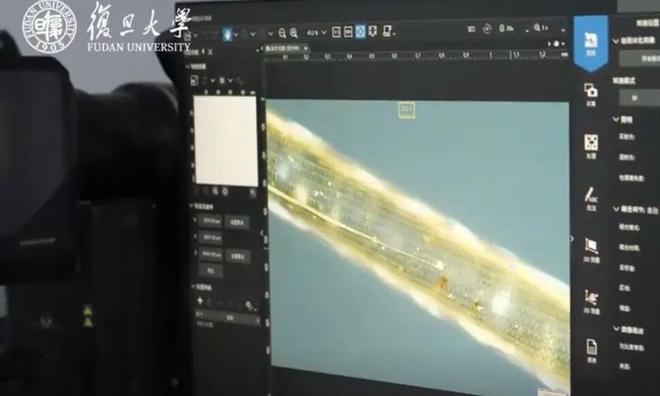
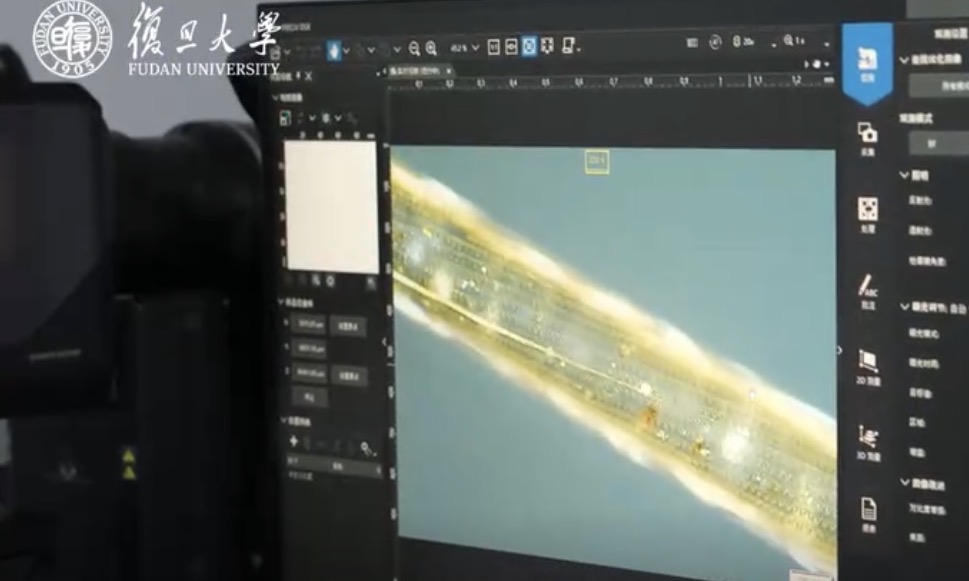
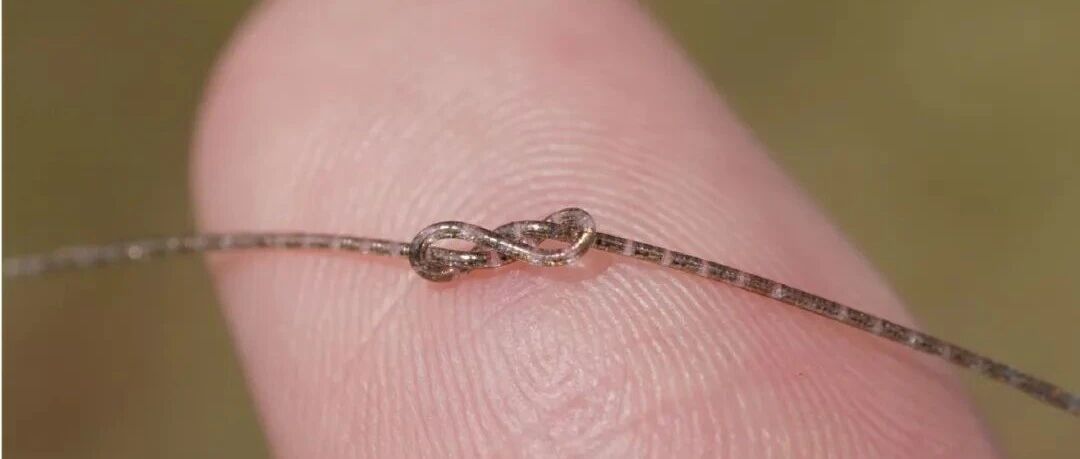
1月22日消息,据复旦大学公众号介绍,今天凌晨,国际顶级学术期刊《自然》主刊发表了复旦大学彭慧胜/陈培宁团队的最新研究成果《基于多层旋叠 架构的纤维集成电路》, 团队成功在柔软的高分子纤维内制造出大规模集成电路,创造出世界首款"纤维芯片"。 有望为脑机接口、电子织物、虚拟现实等新兴产业提供强有力的技术支撑。 "纤维芯片"概念图 柔软的"纤维芯片"在手指上打结照片 经过近五年时间,团队先后攻克了高分子表面平整化、耐溶剂侵蚀、形变下电路稳定等多个技术难题,最终成功制备出具有信息处理功能的"纤维芯 片"。 该"纤维芯片"不仅保持了纤维柔软、可编织的本征特性, 更实现了电阻、电容、二极管、晶体管等电子元件的高精度互连,光刻精度达到了实验室级光 刻机最高水平。 "纤维芯片"及其内部局部电路光学照片 这意味着,基于"纤维芯片", 未来可将发光、传感等模块直接集成在一根纤维上,形成无需外接设备的全闭环系统,甚至实现自供能。 据介绍,传统芯片的光刻工艺普遍依赖平整的硅晶圆衬底,而纤维不仅具有曲面结构,表面积极小,用于制备纤维器件的弹性高分子基底,也很难耐受光 刻过程中的各类极性溶剂。 同时还要保证在拉伸、扭转等变形中保持电路 ...
医保新规发布,手术机器人收费有了“国家标准”!医疗设备ETF(159873)昨日净流入近200万元,近10日累计“吸金”1.2亿元
Sou Hu Cai Jing· 2026-01-22 01:55
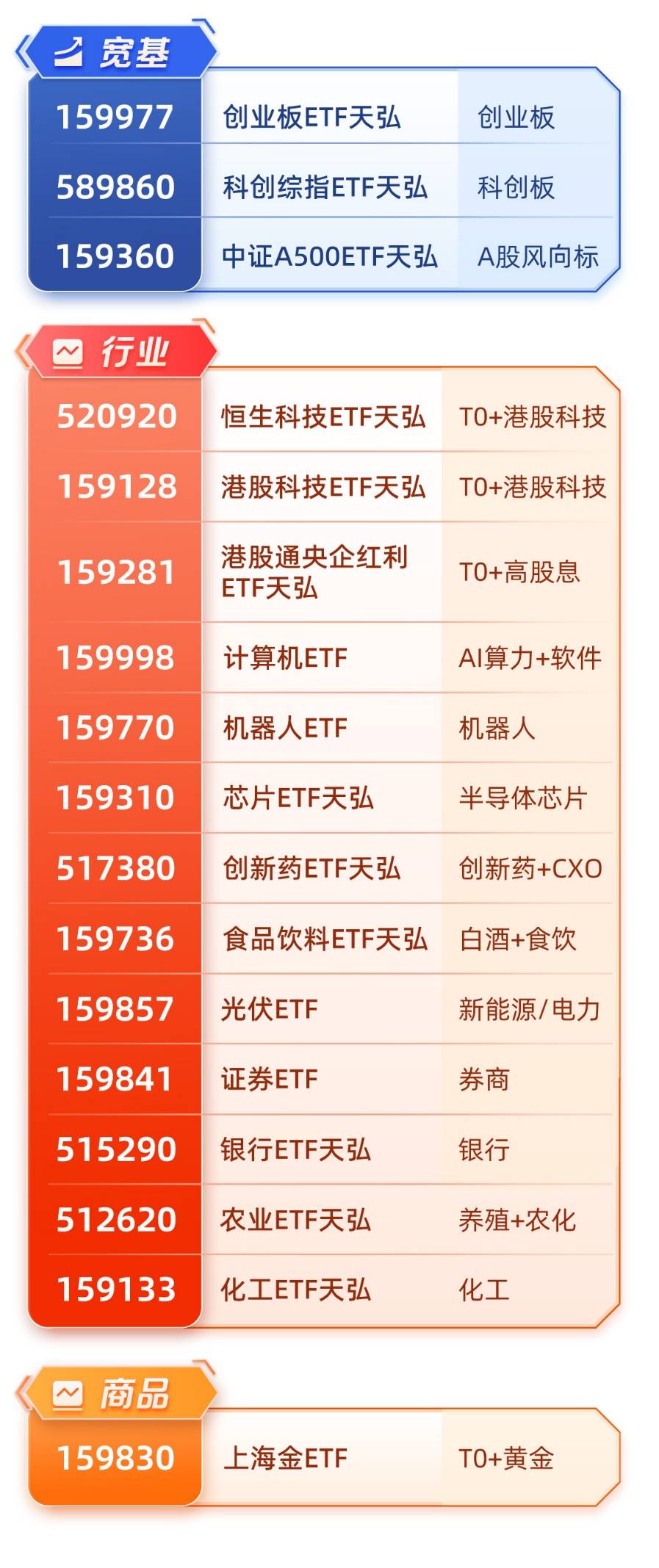
Group 1: ETF Performance - As of January 21, the Medical Equipment ETF (159873) saw a net subscription of 3 million units, with a turnover rate of 8.04% and a transaction volume of 18.88 million yuan [1] - The Medical Equipment ETF reached a new high with a total size of 379 million units [1] - The Medical Equipment ETF has experienced continuous net inflows over the past 10 days, totaling 119 million yuan [1] Group 2: Innovation Drug ETF Highlights - The Innovation Drug ETF Tianhong (517380) achieved a new size of 1.88 billion yuan and a total of 2.36 billion units, both marking new highs since its inception [2] - The Innovation Drug ETF has seen continuous net inflows for 12 days, accumulating 426 million yuan [3] Group 3: Market Trends and Events - A new guideline was released by the National Healthcare Security Administration on January 20, focusing on pricing for surgical robots and other medical services, establishing 37 pricing projects and 5 additional items [6] - The JPM 2026 conference highlighted the strength of Chinese innovative drugs, with significant collaborations between Chinese companies and multinational giants, indicating a shift from asset export to global participation [7] Group 4: Institutional Insights - According to Founder Securities, the implementation of the new pricing guideline will promote the clinical adoption of innovative technologies and drive demand for terminal equipment and surgical assistance [8] Group 5: Product Features - The Medical Equipment ETF (159873) has a high content of brain-computer interface stocks, accounting for over 19%, and includes nearly 80% of stocks from the Sci-Tech Innovation Board and the Growth Enterprise Market [4]

趋势研判!2026年中国智能设备行业发展历程、政策、发展现状、重点企业及未来趋势:全场景智能化生态加速形成,引领智能设备规模达万亿级别[图]
Chan Ye Xin Xi Wang· 2026-01-22 01:07
Core Insights - The smart device industry is experiencing significant growth driven by increasing consumer demand and advancements in technology, with the market size in China projected to grow from 5,133 billion yuan in 2018 to 17,157 billion yuan by 2024, representing a compound annual growth rate (CAGR) of 22.28% [1][14][15] - The industry is categorized into three main segments: smart home, smart wearables, and smart mobility, each with distinct applications and market dynamics [3][16][17] Industry Overview - Smart devices integrate hardware, software, and internet technologies, enabling them to perform tasks such as data collection and self-optimization [1][14] - The market is expected to reach 20,979 billion yuan by 2025, indicating continued growth and innovation in the sector [1][14] Industry Development Stages - The smart device industry in China has evolved through three phases: the initial stage (1990s to early 2000s), the development stage (2000 to 2015), and the explosive growth stage (2015 to present), with significant technological advancements and market expansion occurring in the latter two phases [6][8] Industry Policies - The Chinese government has implemented various policies to support the smart device industry, including initiatives to promote digital transformation and the development of smart products across multiple sectors [8][9] Industry Value Chain - The smart device industry value chain consists of upstream raw materials, hardware, and software systems; midstream manufacturing; and downstream applications in sectors such as healthcare, education, and transportation [10][11] Market Segmentation - The smart home market is characterized by diverse competition among traditional appliance manufacturers and tech companies, with a focus on integrated solutions and consumer experience [15] - The smart wearable segment includes products like smart glasses and smartwatches, with significant growth potential driven by consumer acceptance and technological advancements [16][17] - The smart mobility sector, particularly smart cars, is rapidly expanding, with the market size projected to grow from 777 billion yuan in 2020 to 2,152 billion yuan by 2024, reflecting a CAGR of 29% [17][18] Competitive Landscape - The smart device industry is marked by an ecosystem of competition, with leading companies leveraging core technologies and brand advantages to create comprehensive solutions across various applications [18][19] Future Trends - The industry is expected to see innovations in human-computer interaction, moving towards more natural and multi-modal interfaces [21] - There will be a shift from single-product intelligence to integrated scene intelligence, enhancing cross-device collaboration and user experience [22] - Smart devices will increasingly focus on personalized health management, evolving into digital health assistants capable of providing tailored recommendations [24]





