多边贸易体系

Search documents
中国的金句,巴西学到了精华,卢拉称与美国谈判,须坚持一个原则
Sou Hu Cai Jing· 2025-07-16 00:21
Core Viewpoint - Brazil's unexpected strong response to the 50% tariffs imposed by the Trump administration reflects a strategic approach rooted in historical lessons learned from China's past negotiations with the U.S. [1][2] Group 1: Brazil's Trade Strategy - President Lula emphasized two principles for trade negotiations with the U.S.: "firmness" in resisting tariff pressures and "caution" in protecting national interests [1][2]. - Brazil's approach contrasts sharply with Japan and the EU, which opted for compromise in the face of U.S. tariff threats, positioning Brazil as a more assertive player [1][2]. Group 2: Historical Context and Lessons - Lula's confidence is derived from historical experiences, particularly China's strong stance during tariff negotiations with the U.S., which ultimately led to a more favorable outcome for China [2]. - The lesson learned is that showing weakness invites further pressure, while a strong stance can lead to negotiations [2]. Group 3: Trade Deficits and Countermeasures - Brazil has a significant trade deficit with the U.S., importing $40.4 billion worth of goods while exporting only $15 billion, which provides leverage for retaliatory measures [4]. - Potential countermeasures could include imposing a 50% tariff on U.S. soybeans, reflecting Brazil's ability to respond effectively to U.S. tariffs [4]. Group 4: Impact on U.S. Stakeholders - The U.S. agricultural sector may face increased costs, with warnings that Brazilian countermeasures could raise U.S. soybean meal prices by 15%, impacting livestock producers [6]. - Historical precedents show that previous compromises by other nations led to further U.S. tariff escalations, highlighting the risks of a non-confrontational approach [6]. Group 5: Support from BRICS and Global Implications - Brazil's firm stance has garnered support from BRICS nations, which collectively oppose unilateral tariffs and advocate for a multilateral trade system [7]. - Lula's declaration of needing equal partners rather than a "world police" reflects a broader sentiment among developing nations regarding trade equity [7][8]. Group 6: U.S. Internal Divisions - The U.S. government is experiencing internal divisions regarding how to respond to Brazil's countermeasures, with some officials concerned about the electoral implications of escalating tensions [7]. - Brazil's agricultural sector remains confident in its food reserves and alternative markets, reducing the impact of potential U.S. sanctions [7].

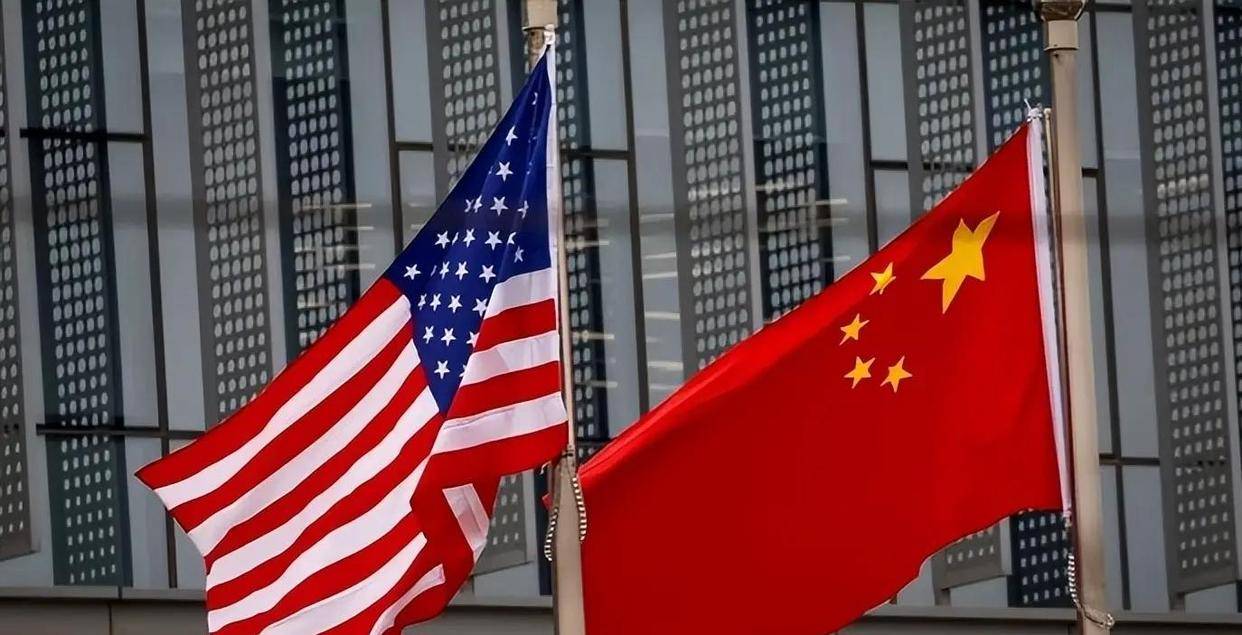
关税博弈加剧 多国努力应对
Xin Hua She· 2025-07-15 15:16
Core Viewpoint - The Trump administration's strategy of imposing tariffs is increasingly ineffective, as evidenced by the lack of substantial trade agreements and the growing resistance from trade partners [2][3]. Group 1: U.S. Tariff Strategy - The Trump administration announced new tariffs ranging from 20% to 50% on various trade partners, extending the deadline for "reciprocal tariffs" to August 1 [1][2]. - Despite threats, the U.S. has only reached framework agreements with the UK and Vietnam, failing to secure comprehensive trade deals [2][3]. - The U.S. is perceived to be losing its negotiating power, with countries like Japan and Canada responding to tariff threats with their own countermeasures [2][3]. Group 2: Global Economic Resilience - Countries are enhancing their economic resilience through infrastructure improvements and industry competitiveness to counter U.S. tariff pressures [3][4]. - Germany has approved a €460 billion corporate tax reduction plan and a €500 billion public investment initiative to stimulate its economy [3]. - Japan has introduced measures to support corporate financing and consumer spending, while also providing energy subsidies [3]. Group 3: Trade Diversification Efforts - Many countries are seeking new trade partnerships to mitigate the impact of U.S. tariffs, leading to a more diversified international trade landscape [6][7]. - The EU is actively pursuing free trade agreements with various countries, including those in the Global South, to strengthen its trade network [6][7]. - ASEAN countries are focusing on regional economic integration and leveraging multilateral agreements to counteract tariff impacts [6][7]. Group 4: Responses from Emerging Markets - Emerging markets like Malaysia and Brazil are resisting U.S. pressure by refusing to compromise on national interests and implementing their own industrial plans [3][5]. - Brazil's government is advancing a "New Industrial Plan" to enhance manufacturing competitiveness through financing and tax incentives [5]. - African nations are accelerating regional market integration under the African Continental Free Trade Area agreement to build resilience against global trade shocks [7].
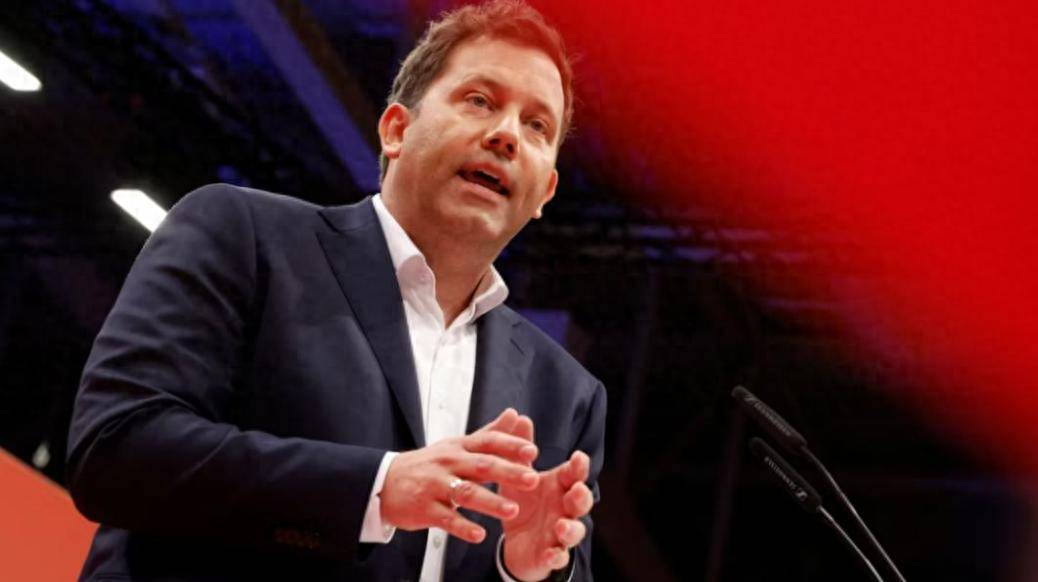
最后通牒已发出,面对美国关税,德国副总理强硬表态
Sou Hu Cai Jing· 2025-07-15 05:02
Core Viewpoint - The article highlights the strong stance of Germany's Vice Chancellor and Finance Minister Lars Klingbeil against the escalating trade protectionism from the United States, indicating that the EU will take "decisive" measures in response to failed negotiations [1][3]. Group 1: EU's Response to US Trade Policies - The EU has extended an olive branch for negotiations but will not accept unilateral pressure from the US [3]. - Klingbeil warns of "decisive countermeasures," emphasizing that the EU will not tolerate being in a weak or passive position during tariff negotiations [3][6]. - The EU's response is framed as a necessary action to maintain the stability of the multilateral trade system against US unilateralism [3][6]. Group 2: Economic Implications - The trade conflict is not just a matter of numbers and tariffs but reflects deeper economic hegemony and strategic competition [3][6]. - An escalation of the trade war could lead to higher costs and uncertainties for businesses and consumers on both sides, potentially destabilizing global supply chains [4]. - The EU's financial and market strength may not fully shield it from the negative impacts of trade tensions [4]. Group 3: Strategic Choices and Future Outlook - The EU's shift towards a more aggressive stance indicates a need to actively defend its economic interests rather than relying solely on dialogue and compromise [6][8]. - The trade policies of the US and EU will significantly influence global supply chains and market confidence, with any concessions or hardline stances likely to trigger chain reactions [6][8]. - The article suggests that the EU's "decisive countermeasures" could compel the US to reconsider the costs of its unilateral actions, potentially leading to renewed negotiations [8].
美国铜关税或导致多输局面
Jing Ji Ri Bao· 2025-07-14 22:05
Core Viewpoint - The U.S. government's decision to impose a 50% tariff on all copper imports starting August 1 is expected to lead to increased domestic copper prices, higher manufacturing costs, disrupted global trade flows, and long-term negative impacts on global economic growth and sustainability [1][4]. Group 1: Impact on U.S. Manufacturing - The tariff will significantly raise copper prices in the U.S., benefiting a few domestic mining companies in the short term, but will impose substantial cost increases on industries such as automotive, electronics, and construction [2][4]. - Strategic industries like electric vehicles and data centers, which require significantly more copper than traditional sectors, will face pronounced cost pressures, potentially delaying critical infrastructure projects [2][3]. Group 2: Global Trade Dynamics - The tariff is likely to reshape global copper trade patterns, with major suppliers like Chile and Mexico considering redirecting their exports to other markets, indicating a shift from efficiency-based global trade to regionally protective measures [2][3]. - The imposition of tariffs undermines the authority of the World Trade Organization and disrupts the established global division of labor, leading to a cycle of tariffs, countermeasures, and regionalization of supply chains [3][4]. Group 3: Economic and Environmental Consequences - The tariff could exacerbate inflationary pressures in the U.S., prompting the Federal Reserve to reassess its monetary policy, which complicates global monetary policy coordination [3][4]. - The copper tariff poses a threat to global green transition efforts, as increased costs for essential materials like copper may delay the construction of clean energy infrastructure, hindering progress on climate change initiatives [3][4].
第15届东亚峰会外长会在吉隆坡举行
news flash· 2025-07-11 12:01
Group 1 - The 15th East Asia Summit Foreign Ministers' Meeting was held in Kuala Lumpur on July 11, 2025, marking the 20th anniversary of the East Asia Summit [1] - Wang Yi emphasized the need for dialogue, development, and openness among member countries to enhance mutual understanding and cooperation [1] - China proposed three key suggestions: returning to dialogue, focusing on development, and maintaining an open regionalism to counter unilateralism and protectionism [1] Group 2 - Wang Yi highlighted that the root cause of tensions in the Taiwan Strait is the increasing separatist actions of "Taiwan independence" and the support from external forces [2] - He called for a firm stance against any form of "Taiwan independence" and emphasized the importance of maintaining China's sovereignty and territorial integrity [2] - Wang Yi also reiterated China's serious position on the South China Sea issue [3] Group 3 - On the same day, Wang Yi attended the ASEAN Regional Forum Foreign Ministers' Meeting and continued to meet with foreign ministers from relevant countries [4]
东盟外长联合公报:我们强调预测性、透明性、包容性、自由、公平、可持续和以规则为基础的多边贸易体系的重要性。
news flash· 2025-07-11 07:31
Group 1 - The ASEAN Foreign Ministers' Joint Communique emphasizes the importance of a predictive, transparent, inclusive, free, fair, sustainable, and rules-based multilateral trading system [1]
特朗普赚大了,对20个国家加征关税!美联储提前上演下任主席之争
Sou Hu Cai Jing· 2025-07-11 02:44
Group 1 - Trump's announcement on July 7 to impose high tariffs on 14 countries, including Japan and South Korea, with rates ranging from 25% to 40% [1][4] - On July 9, Trump extended tariffs to an additional 6 countries, totaling 20 nations affected by the new measures [2][4] - The tariffs will not take effect immediately but are set to begin on August 1, allowing countries time to negotiate [4][6] Group 2 - Business leaders in Los Angeles expressed strong concerns about the tariffs, highlighting the negative impact on trade, budgeting, and investment expansion [4][6] - The closure of a century-old restaurant in California exemplifies the adverse effects of the tariffs on American businesses [6] - The tariffs have led to significant market reactions, indicating a backlash against protectionist policies [6][9] Group 3 - Notably, India, Canada, and EU countries were excluded from the tariff list, as they had previously taken countermeasures against the U.S. [6][9] - The EU plans to initiate countermeasures on July 14, emphasizing the need to rebuild partnerships and respect multilateral trade systems [6][9] - The strong stance of the Trump administration has complicated negotiations with countries like Japan, which remains firm on protecting its agricultural interests [8][9] Group 4 - Trump's proposal to impose a 50% tariff on copper raises concerns about the impact on U.S. industries reliant on copper for electronics and infrastructure [11][13] - The U.S. currently meets only 50% of its copper demand domestically, indicating a significant supply gap that could lead to increased prices and costs for consumers [13] - The potential for rising copper prices could affect various sectors, including infrastructure investment and employment [13] Group 5 - The ongoing discussions regarding the appointment of a "shadow Federal Reserve chairman" have raised concerns about the independence of the Federal Reserve and its implications for the dollar and bond markets [13][14] - Two prominent Republican candidates for the position are Kevin Hassett and Kevin Walsh, both of whom have close ties to the Trump administration [14][16] - The actions of the Trump administration, from tariffs to potential changes in Federal Reserve leadership, are expected to have profound impacts on the market [16]
准备好反制!欧盟官员称特朗普政府没诚意
Zheng Quan Shi Bao· 2025-07-09 12:31
Group 1 - The core issue of the trade dispute between the EU and the US is centered around tariffs in specific industries, particularly steel, automobiles, copper, and potentially pharmaceuticals [1] - The EU is eager to reach an agreement with the US, as it primarily exports pharmaceuticals, automobiles, and machinery, but the US has not committed to lowering tariffs or accepting the EU's proposed "freeze clause" [1] - The EU is prepared to implement countermeasures, with the first phase set to automatically take effect on July 14 [1] Group 2 - President Trump announced a new 50% tariff on all copper imports to the US, without specifying the effective date [1] - Trump has threatened 25% tariffs on various countries, including Japan and South Korea, and warned that if these countries respond with increased tariffs, the US will match those increases [1] - US Treasury Secretary Mnuchin indicated that countries failing to reach a trade agreement by August 1 could see tariffs revert to previously announced levels [2]
已准备好反制!欧盟官员称特朗普政府未表现出贸易谈判诚意
第一财经· 2025-07-09 12:23
Core Viewpoint - The ongoing trade dispute between the EU and the US is primarily focused on tariffs in specific industries, particularly steel, automobiles, copper, and potentially pharmaceuticals [1]. Group 1: Trade Dispute Details - The EU exports mainly pharmaceuticals, automobiles, and machinery, highlighting the urgency for a trade agreement with the US to achieve clear outcomes [1]. - The US has not committed to lowering tariffs or accepted the EU's proposal for a "freeze clause," which would prevent new trade restrictions before a final agreement is reached [1]. - The EU is prepared to implement countermeasures, with the first phase set to automatically take effect on July 14 [1]. Group 2: Political Context - The current US administration, under President Trump, is perceived as lacking sincerity in negotiations, focusing more on power dynamics rather than fostering a partnership [1]. - The EU is advocating for the rebuilding of a genuine partnership and promoting a global cooperation framework that respects the multilateral trade system [1]. Group 3: Recent Developments - President Trump announced a new 50% tariff on all copper imports to the US, although the specific effective date for this tariff has not been disclosed [1].
欧盟:已准备好反制美国
财联社· 2025-07-09 10:00
Core Viewpoint - The ongoing trade dispute between the EU and the US is primarily focused on tariffs in specific industries, particularly steel, automobiles, copper, and potentially pharmaceuticals [1] Group 1: Trade Dispute Details - The EU exports mainly pharmaceuticals, automobiles, and machinery, highlighting the urgency for a trade agreement with the US to achieve clear outcomes [1] - The US has not committed to lowering tariffs or accepted the EU's proposal for a "freeze clause," which would prevent new trade restrictions before a final agreement is reached [1] - The EU is prepared to implement countermeasures, with the first phase set to automatically take effect on July 14 [1] Group 2: Political Context - The current US administration, under President Trump, is perceived as lacking sincerity in negotiations, focusing more on "language of power" rather than fostering a partnership [1] - Trump announced a new 50% tariff on all copper imports to the US, although the specific effective date for this tariff has not been disclosed [1]