太空算力

Search documents
合康新能(300048.SZ):目前没有规划布局商业航天、太空算力等业务
Ge Long Hui· 2026-02-06 07:23
Group 1 - The company, Hekang New Energy (300048.SZ), has stated that it currently has no plans to venture into commercial aerospace or space computing businesses [1]

单笔最大融资,北京、广州投了国内激光通信黑马
3 6 Ke· 2026-02-06 01:46
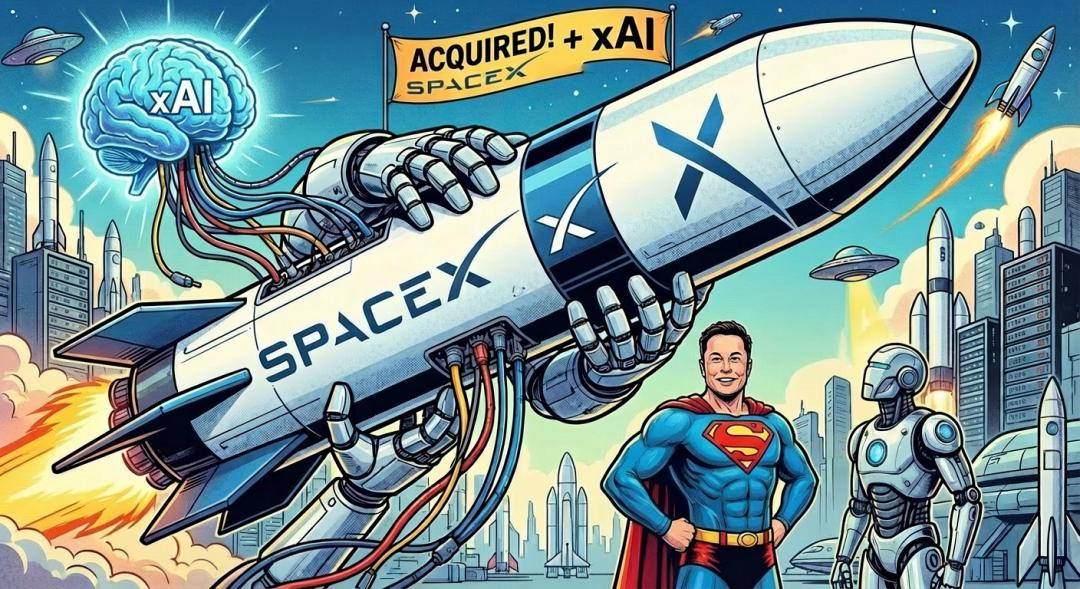
Group 1 - Elon Musk has announced plans to deploy and operate up to 1 million satellites and has acquired xAI to integrate AI with commercial space, marking a significant development in the industry [1] - The Chinese National Space Administration has established a Commercial Space Administration and released a plan for high-quality and safe development of commercial space from 2025 to 2027, indicating a systematic approach to industry growth [1] - The plan includes launching over 10,000 low-orbit satellites between 2026 and 2030, accelerating market maturity [1] Group 2 - Beijing Aurora Starlink Technology Co., Ltd. has completed a Series A4 financing round, raising nearly 300 million RMB, setting a record for the largest single financing in China's space laser communication sector [2] - The funds will be used for the R&D of next-generation space laser communication products, automation production line construction, and upgrading on-orbit technology verification capabilities [2] Group 3 - The founder of Aurora Starlink, Wu Shaojun, transitioned from a stable career in aerospace research to entrepreneurship, recognizing the historic opportunity in commercial space [3] - The company aims to provide affordable and effective space laser communication products, facilitating the construction of a space-based communication network [5] Group 4 - Aurora Starlink's technology team comprises experts from prestigious institutions, enhancing its competitive edge in the laser communication market [4] - The company has developed a full autonomous technology system covering all aspects of laser communication product R&D and production capabilities [6] Group 5 - The competition in the laser communication field has shifted from pure research to commercial viability, with Aurora Starlink positioned to capitalize on the growing demand for laser communication technology [4][6] - The company has launched multiple satellite terminal products and is focusing on high-value starborne applications, with over 80% of resources dedicated to satellite-based solutions [7] Group 6 - Local governments are increasingly investing in commercial space, with various regions establishing funds and policies to support the industry, indicating a strategic focus on space technology [9][10] - Beijing's investment fund is actively supporting Aurora Starlink, recognizing the strategic importance of space laser communication for national infrastructure [10]
马斯克团队秘密接触光伏企业?业内:短期没有实际性帮助
Xin Lang Cai Jing· 2026-02-06 01:30
Core Viewpoint - Recent rumors indicate that Elon Musk's SpaceX team has been visiting multiple Chinese photovoltaic companies to explore solar equipment, silicon wafers, and battery cells, with a focus on heterojunction and perovskite technology [2][3][10]. Group 1: Market Reactions - On February 5, photovoltaic concept stocks experienced a significant downturn, with companies like Jiejia Weichuang and Maiwei shares dropping over 10%, while Jingao Technology fell by 7.3% and Longi Green Energy by 5.59% [2][3]. - Prior to this, from February 3 to 4, stocks such as Jingsheng Electromechanical surged over 30%, with Oriental Sunrise and Jinko Solar seeing increases of nearly 15% and 36%, respectively [2][3]. Group 2: Company Responses - Jingsheng Electromechanical stated they were unaware of the SpaceX team's activities, emphasizing that space photovoltaics are still in the exploratory phase [2][10]. - Oriental Sunrise confirmed they had not received any communication from SpaceX, noting their primary business focus is on ground-based photovoltaics [2][10]. - Jinko Solar issued a notice regarding unusual stock trading, clarifying that their main business remains focused on ground photovoltaics and that they have not received any orders related to space photovoltaics [11]. Group 3: Technological Insights - Musk has highlighted the importance of solar energy, aiming for SpaceX and Tesla to achieve an annual solar manufacturing capacity of 100GW within three years, intended for ground data centers and space AI satellites [11][12]. - The potential applications of space photovoltaics are categorized into three stages: the first involves solar wings for low Earth orbit satellites, the second focuses on powering space computing centers, and the third envisions solar power stations in space [12][13]. - The first stage is seen as the most feasible within five years, while the second stage is projected to take 5-10 years, and the third stage is considered far off due to significant technical challenges [12][13].

季昕华代表:希望云计算成为企业出海的“底座”
Guo Ji Jin Rong Bao· 2026-02-05 15:24
Core Viewpoint - Shanghai is a leader in computing power and artificial intelligence (AI) in China and is also competitive globally, supported by a strong integrated circuit industry and numerous AI application scenarios [1] Group 1: AI Industry Strength - Shanghai's AI industry benefits from a robust integrated circuit industry, attracting top AI model companies and providing rich application scenarios for AI [1] - Companies like Yuke Technology, which integrate computing power services, have a competitive advantage in Shanghai [1] Group 2: Global Expansion Support - Shanghai is positioned as a global hub for Chinese companies going abroad, with significant emphasis on digital empowerment for international expansion [1] - The city offers various supportive policies for cross-border investment and legal regulations to facilitate Chinese companies' overseas operations [1] Group 3: Recommendations for Internationalization - It is suggested that Shanghai should establish an international rule adaptation service system to address common legal, policy, and data compliance needs faced by Chinese companies going abroad [1] - Strengthening the role of overseas service hubs and ecosystem integration, particularly in the digital domain, is recommended, with cloud computing serving as a foundational platform for international expansion [2] Group 4: Future Development Focus - There is a focus on the construction of Shanghai's "five centers," particularly the international science and technology innovation center, to enhance technological capabilities [3] - Attention is drawn to "space computing," which represents a typical model of industry-academia-research collaboration, laying the groundwork for future advancements in space computing [3]

季昕华代表:希望云计算成为企业出海的“底座”|上海两会
Guo Ji Jin Rong Bao· 2026-02-05 15:12
Core Insights - Shanghai is recognized as a leader in computing power and artificial intelligence (AI) in China and is also competitive globally [1] - The city's strong integrated circuit industry supports the development of top AI model companies and provides rich application scenarios for AI [1] - Shanghai is positioned as a global hub for Chinese enterprises going abroad, with significant support policies for cross-border investment and legal frameworks [1] Group 1 - The integration of computing power services by companies like UCloud provides a competitive advantage for development in Shanghai [1] - There is a strong emphasis on digital empowerment for enterprises going abroad, particularly in the Hongqiao area, with various supportive measures in place [1] - A recommendation is made to establish an international rule adaptation service system to address common legal, policy, and data compliance needs for Chinese enterprises going abroad [1][2] Group 2 - The suggestion to enhance the role of outbound service hubs and ecosystem integration, particularly in the digital domain, is highlighted [2] - The establishment of local data centers is proposed to meet data compliance requirements for Chinese enterprises operating abroad [2] - The focus on the construction of Shanghai's "five centers" and the international science and technology innovation center is emphasized, with a specific interest in "space computing" as a model for industry-academia collaboration [3]
2026小红书商业快消行业节点营销情绪洞察图鉴—CNY专题
Sou Hu Cai Jing· 2026-02-05 13:47
Group 1 - The core viewpoint of the report is that fast-moving consumer goods (FMCG) marketing is shifting from "rational persuasion" to "emotional resonance," particularly during high-emotion periods like the Chinese New Year (CNY) [1][8] - The report identifies seven core emotions associated with CNY, including surprise and anticipation, and highlights five major trends such as the emphasis on family reunions and local flavors [1][11] - Emotional marketing strategies should be tailored to different demographics and product categories, as emotional responses vary across urban and rural areas, life stages, and FMCG sectors [1][11] Group 2 - The report emphasizes that traditional marketing assumptions about consumer behavior are being challenged, as emotional triggers often drive purchasing decisions more than rational evaluations [8][19] - It introduces a systematic methodology for capturing and analyzing emotions in the FMCG sector, aiming to make emotions visible and applicable for brand growth [9][27] - The report outlines the importance of understanding emotional dynamics during key marketing nodes, such as CNY, to effectively engage consumers and enhance brand resonance [23][24] Group 3 - CNY is characterized as a peak emotional period, where collective emotions are amplified, providing brands with a unique opportunity to connect with consumers [23][24] - The emotional landscape during CNY is complex, with varying expressions of emotions based on social relationships and individual experiences, making it essential for brands to navigate these nuances [42][58] - The report identifies seven representative emotions during CNY, including surprise, anticipation, and appreciation, which reflect deeper cultural meanings and consumer expectations [45][46] Group 4 - The report discusses emerging trends in CNY celebrations, such as the rise of playful and interactive experiences, local cultural expressions, and personalized gifting, indicating a shift in consumer preferences [62][65] - It highlights the significance of emotional connections in marketing, suggesting that brands should focus on creating meaningful interactions that resonate with consumers' emotional states [19][21] - The analysis of emotional data from social media platforms like Xiaohongshu provides insights into consumer sentiment and behavior, enabling brands to tailor their marketing strategies effectively [34][35]

受中国刺激了?马斯克公司申请发射100万颗卫星打造“太空大脑”
Sou Hu Cai Jing· 2026-02-05 12:35
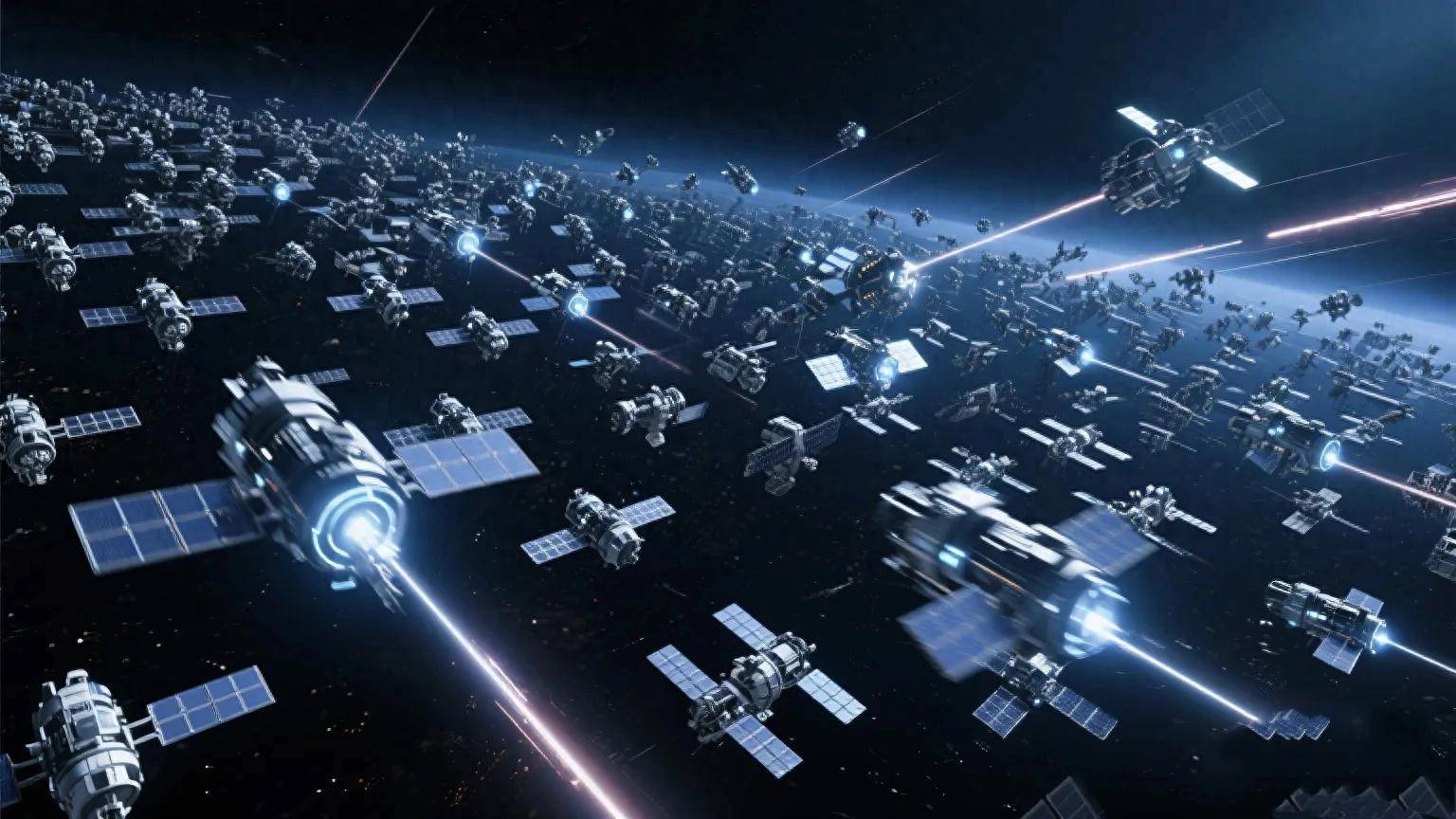
2026年1月底,马斯克主导的SpaceX公司向美国联邦通信委员会(FCC)提交申请,计划部署至多100万颗具备计算能力的卫星,意欲打造"轨道数据中心"以 支撑全球AI算力需求;而且大约一个月前,我国一些公司向国际电信联盟(ITU)申报约20.3万颗低轨卫星,目前来看中美之间一场围绕太空资源与未来算 力的全球竞赛,正以"卫星数量竞赛"的热闹形式拉开序幕,后续欧洲、俄罗斯、日本、印度等国家和地区也会参与进来。 要理解这场太空较量,得先把双方的"手牌"摊开看——毕竟卫星数量不是"报菜名",每一个数字背后都是战略盘算。 马斯克的SpaceX这次玩得相当"激进"。根据FCC文件,这100万颗卫星要部署在500-2000公里轨道,挤在宽度仅50公里的"轨道壳层"里,用太阳能供电、激 光链路连星链,最终目标是成为"太空AI数据中心"。用马斯克的话说,这是迈向"卡达尔舍夫2型文明"(能充分利用太阳能)的第一步,可谓是把"狂想+务 实"的反差感拉满。 而中国这边的操作更像"精准卡位"。2025年12月底,我国一次性向ITU申报20.3万颗低轨卫星,覆盖14个星座,其中无线电创新院一家就申报了近19.4万 颗。这不是"拍脑袋报 ...
马斯克掀起“风浪”搅动A股市场!他的故事很“贵”,中国光伏真正底气是产业化能力
Mei Ri Jing Ji Xin Wen· 2026-02-05 11:02
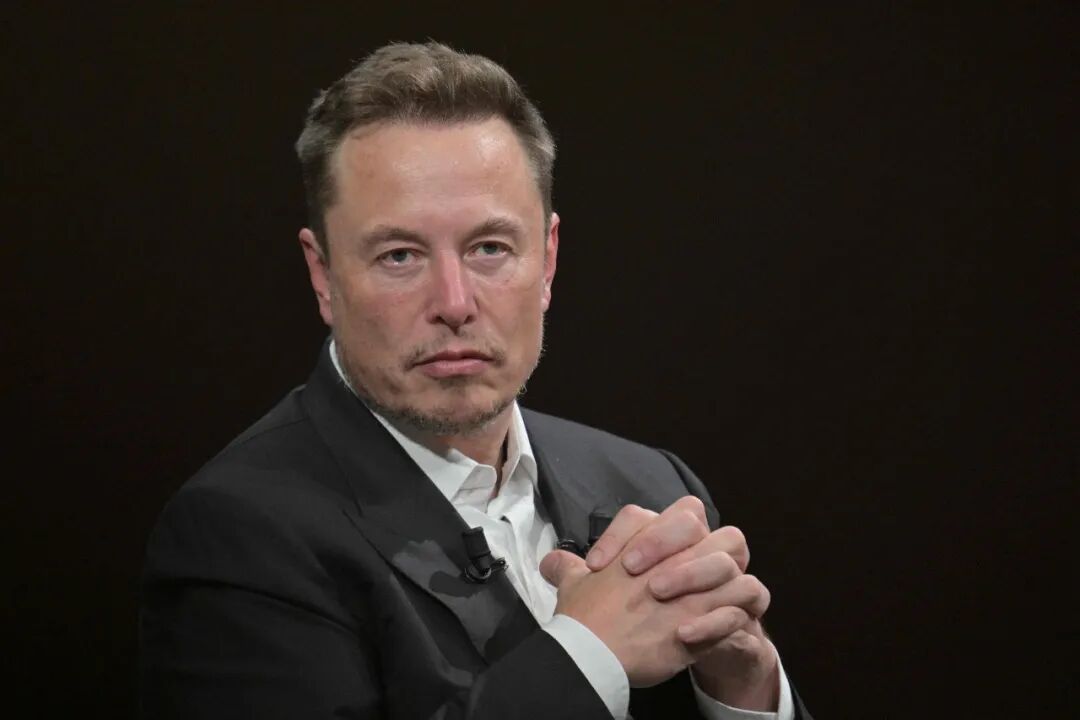
每经编辑|段炼 埃隆·马斯克每开一次"脑洞",似乎都能在资本市场激起层层涟漪。 2026年伊始,SpaceX以2500亿美元估值并购AI(人工智能)公司xAI的消息刚刚出炉,紧接着就是马斯克旗下SpaceX团队走访中国光伏企业的消息不胫而 走。 图片来源:视觉中国(资料图) 然而,在理性地观察后,我们须分清"理论上限"与"工程下限"的区别。一方面是散热的难题,要在太空维持GPU(图形处理器)集群的高负荷运转,卫星 可能需要拖曳着面积惊人的散热阵列;另一方面是环境的残酷,太空中的高能粒子辐射、超过200摄氏度的极致温差,对光伏组件和芯片的稳定性提出了 极为严苛的要求。这意味着,目前的技术储备距离马斯克所描绘的"每年100GW(吉瓦)太空算力"的商业化落地,可能还有5年、10年甚至更长的路要 走。 第二,中国光伏产业之所以能引起马斯克的注意,恰恰不是因为我们善于讲故事,而是因为我们在泥泞中练就了极致的"落地能力"。 马斯克团队为何在这个时间点考察中国光伏?答案很简单:他的故事太贵了,只有中国制造能让它变得便宜。 中国光伏产业的崛起从来不是靠PPT画出来的,而是在残酷的市场竞争中杀出来的。在过去二十年里,中国企业在 ...
马斯克的故事很“贵”,中国光伏真正底气是产业化能力
Mei Ri Jing Ji Xin Wen· 2026-02-05 08:09
Core Viewpoint - The recent news surrounding Elon Musk's SpaceX and its acquisition of AI company xAI, along with the exploration of solar power companies in China, has sparked significant interest in the market, particularly regarding the concept of "space solar power" and "space computing" [1][2]. Group 1: SpaceX and AI Acquisition - SpaceX has a valuation of $250 billion following its acquisition of xAI, indicating a strategic move towards integrating AI into its operations [1]. - The narrative of "space computing" aims to transform SpaceX from a traditional space transportation company into a "interstellar technology infrastructure giant," potentially leading to a higher valuation premium [3]. Group 2: Solar Power Industry in China - The interest from Musk's team in Chinese solar companies is driven by the cost-effectiveness of Chinese manufacturing, which is essential for making ambitious projects financially viable [2]. - The Chinese solar industry has achieved significant advancements in reducing the cost of solar power generation, making it cheaper than coal power, through rigorous competition and innovation over the past two decades [2]. Group 3: Investment Considerations - Investors are advised to differentiate between Musk's visionary concepts and the current performance of companies, as the realization of "space solar power" may take 5 to 10 years or longer [2]. - The focus for investors should be on companies that can deliver stable performance in technology development, cost control, and market expansion, regardless of Musk's influence [3].
太空数据中心,如何散热?
3 6 Ke· 2026-02-05 04:47
Core Viewpoint - Elon Musk's plan to integrate SpaceX, Tesla, and xAI to deploy one million satellites for a "orbital data center system" aims to provide computational power for future artificial intelligence [1][3]. Group 1: Feasibility and Challenges - The concept of space computing is not new, with similar projects proposed in the US, Europe, and China, but Musk's plan is significantly larger in scale [3]. - Space data centers can utilize solar energy, greatly reducing energy costs, but face numerous engineering and commercialization challenges, including rocket launch capabilities, satellite lifespan (approximately 5 years), radiation issues, on-orbit maintenance, communication bandwidth, and business model concerns [3][19]. - A critical challenge is heat dissipation, as a large-scale data center will generate substantial heat, requiring advanced thermal management solutions [3][5]. Group 2: Thermal Management Techniques - Heat collection at the chip level involves using high-performance thermal interface materials and microchannel liquid cooling to efficiently transfer heat away from chips [6][10]. - Internal heat transfer can utilize heat pipes for passive heat transfer, while active thermal control systems like mechanical pump fluid loops (MPFL) are necessary for managing large thermal loads [11][13]. - Heat radiation is the final method for heat dissipation, relying on radiators that emit heat as infrared electromagnetic waves, with efficiency dependent on the radiator's area and surface properties [14][16]. Group 3: Innovative Cooling Solutions - New thermal management technologies proposed for space data centers include phase change materials for thermal buffering, spectrally selective radiators to enhance radiation efficiency, and evaporative cooling methods for extreme conditions [20][21][22]. - AI-driven systems can optimize thermal management by predicting heat loads and dynamically adjusting cooling mechanisms [23]. - The potential scale of Musk's space data center could provide 100 gigawatts (GW) of AI computing power, equivalent to the capacity of approximately 4.5 Three Gorges Dam power stations, presenting significant engineering challenges for heat dissipation [19]. Group 4: Industry Implications - As space computing becomes a trending topic, thermal control technologies for space data centers are expected to gain more attention, leading to accelerated innovation and development in this field [30].