
民间投资

Search documents
国家统计局:2025年全年全国固定资产投资(不含农户)485186亿元
Guo Jia Tong Ji Ju· 2026-01-19 02:15
Core Insights - The total fixed asset investment in China for 2025 is projected to be 48,518.6 billion yuan, reflecting a decrease of 3.8% compared to the previous year [1] - Excluding real estate development investment, the overall fixed asset investment has decreased by 0.5% [1] Investment Breakdown - Infrastructure investment has declined by 2.2% [1] - Manufacturing investment has seen a slight increase of 0.6% [1] - Real estate development investment has significantly decreased by 17.2% [1] Real Estate Market - The sales area of newly built commercial housing reached 88,101 million square meters, down by 8.7% [1] - The sales revenue from newly built commercial housing amounted to 83,937 billion yuan, a decline of 12.6% [1] Sector Performance - Investment in the primary industry has increased by 2.3% [1] - Investment in the secondary industry has grown by 2.5% [1] - Investment in the tertiary industry has decreased by 7.4% [1] Private Investment Trends - Private investment has decreased by 6.4% [1] - Excluding real estate development investment, private investment has declined by 1.9% [1] High-Tech Industry - In high-tech industries, investment in information services has surged by 28.4% [1] - Investment in aerospace and aircraft manufacturing has increased by 16.9% [1] Monthly Trends - In December, fixed asset investment (excluding rural households) experienced a month-on-month decline of 1.13% [1]
国家统计局:2025年全国固定资产投资(不含农户)485186亿元,比上年下降3.8%
Zheng Quan Shi Bao Wang· 2026-01-19 02:13
Core Insights - The National Bureau of Statistics reported a decline in national fixed asset investment (excluding rural households) to 48,518.6 billion yuan in 2025, a decrease of 3.8% compared to the previous year [1] - Excluding real estate development investment, national fixed asset investment fell by 0.5% [1] Investment by Sector - Infrastructure investment decreased by 2.2% [1] - Manufacturing investment saw a slight increase of 0.6% [1] - Real estate development investment experienced a significant decline of 17.2% [1] Real Estate Market - The sales area of newly built commercial housing reached 88,101 million square meters, down 8.7% [1] - The sales value of newly built commercial housing was 83,937 billion yuan, a decrease of 12.6% [1] Investment by Industry - First industry investment grew by 2.3% [1] - Second industry investment increased by 2.5% [1] - Third industry investment declined by 7.4% [1] - Private investment fell by 6.4%, and when excluding real estate development investment, private investment decreased by 1.9% [1] High-tech Industry - In high-tech industries, investment in information services and aerospace equipment manufacturing grew by 28.4% and 16.9%, respectively [1] Monthly Trends - In December, fixed asset investment (excluding rural households) decreased by 1.13% month-on-month [1]
云南向民间资本推介今年首批16个项目
Xin Lang Cai Jing· 2026-01-18 22:34
Group 1 - Yunnan Province Development and Reform Commission has introduced the first batch of projects for private capital promotion in 2026, totaling 16 projects with a planned investment of 5.26 billion yuan [1] - The projects cover key sectors including industry, agriculture, manufacturing, social, municipal, and environmental protection, with an initial focus on social, cultural, tourism, health, and sports sectors [1] - Two projects in Kunming include the "Red Land" rural revitalization project in Dongchuan District with a total investment of 264 million yuan and the cultural block construction project in Guandu District with a total investment of 100 million yuan [1] Group 2 - Private investment is an important indicator of economic activity, playing a positive role in stabilizing growth, employment, and expectations [2] - Yunnan has implemented a series of practical measures to expand private investment space, optimize the investment environment, and enhance investment confidence, leading to a steady increase in the proportion of private investment [2] - As of November 15, 2025, Yunnan has promoted 323 projects through the national investment project online approval and supervision platform, with a total investment of 221.59 billion yuan, covering key areas such as warehousing, logistics, and urban construction [2]
潜心补短板 着力优结构
Xin Lang Cai Jing· 2026-01-18 17:24
Group 1 - The core viewpoint emphasizes the importance of investment as both current demand and future supply, with a focus on expanding effective investment to stabilize growth and enhance domestic demand [1] - The "Two Major" construction projects, which include significant water conservancy projects, are highlighted, with a total investment of approximately 134.07 billion yuan aimed at irrigating 1.85 million acres and providing stable water sources for about 230,000 people [2] - The National Development and Reform Commission (NDRC) plans to allocate around 295 billion yuan for the "Two Major" construction projects in 2026, accelerating the pace of fund disbursement and utilization [2] Group 2 - Various regions are integrating project construction with supporting reforms to ensure the sustainability and effectiveness of the "Two Major" construction initiatives, particularly in urban wastewater management [3] - The role of private investment in stabilizing growth and employment is underscored, with government investment funds being utilized to stimulate private sector participation, including the establishment of over 600 sub-funds to support emerging industries [4] - Recent government meetings have proposed measures to create a favorable investment environment for private capital, including loan interest subsidies and risk-sharing mechanisms for private enterprise bonds [5] Group 3 - The focus on improving investment in human capital is evident, with projects like urban renewal in Guangzhou aimed at enhancing living conditions and consumer environments [7] - Investment in human capital is seen as essential for driving high-quality economic development, with various initiatives targeting healthcare, elderly care, and childcare services to meet public needs [7][8] - The integration of investment in both physical infrastructure and human resources is crucial for generating new supply and stimulating demand, thereby enhancing the internal dynamics of the domestic economy [8]
潜心补短板 着力优结构——开年以来各地各部门稳投资观察
Xin Hua Wang· 2026-01-18 10:38
Group 1 - The core viewpoint emphasizes the importance of investment as both current demand and future supply, with a focus on expanding effective investment to support domestic demand and stabilize growth [1] - The "Two Major" construction projects, which include significant water conservancy projects, are highlighted as a means to address infrastructure shortfalls and enhance investment structure, with a total investment of approximately 295 billion yuan planned for 2026 [2] - Various regions are accelerating "Two Major" construction projects, focusing on urban-rural integration, regional coordination, and energy security, which will further highlight the role of these projects in addressing weaknesses [2][3] Group 2 - The activation of private investment is crucial for stabilizing growth and employment, with government investment funds playing a key role in guiding and increasing private investment [4] - Policies to support private investment include loan interest subsidies for small and micro enterprises and the establishment of special guarantee plans, aimed at reducing financing barriers and costs for businesses [5] - The ongoing efforts to stimulate private investment are showing positive trends, with a focus on practical and innovative approaches [6] Group 3 - Investment in human capital is being prioritized alongside physical investment, with various urban renewal projects underway to enhance living conditions and consumer environments [7] - The investment in human capital reflects the objective of transforming economic development and aligns with the people-centered development philosophy, focusing on sectors like health, elderly care, and childcare [8] - The integration of investment in both physical and human capital is seen as essential for creating new supply and stimulating new demand, which is critical for enhancing the internal dynamics of the domestic economy [8]
持续增强民间投资信心和活力
Xin Lang Cai Jing· 2026-01-17 04:23
Core Viewpoint - The Chinese government emphasizes the importance of stimulating private investment to enhance effective investment and contribute to high-quality economic development [1] Group 1: Importance of Private Investment - Private investment has become a crucial force supporting economic development in China, growing from less than 15% of total investment in 1980 to over 50% in recent years [1][2] - Since the 18th National Congress, private investment has shown a high growth trend, playing a significant role in stabilizing the economy [1][2] Group 2: Characteristics and Trends of Private Investment - Private investment is characterized by flexibility, high risk tolerance, and strong innovation awareness, particularly in strategic emerging industries [2][4] - In the first 11 months of 2025, private investment in the automotive manufacturing sector grew by 18.8%, indicating a shift towards high-growth sectors like new energy vehicles and artificial intelligence [2][4] Group 3: Role in Employment and Social Development - Private investment is vital for job creation, accounting for over 80% of urban employment in China, and has significantly contributed to improving living standards [5] - In the first 11 months of 2025, private investment in public management and social security sectors increased by 31.9%, highlighting its role in meeting the growing needs of the population [5] Group 4: Challenges and Opportunities - The real estate sector, a significant area for private investment, has faced negative growth, with a 15.9% decline in investment in the first 11 months of 2025 [6] - Despite challenges, there is substantial potential for private investment in infrastructure, manufacturing, and high-tech industries, supported by favorable government policies [7][10] Group 5: Policy Support and Market Access - The Chinese government has implemented measures to enhance market access for private investment, reducing the negative list from 328 to 106 items since 2016 [10][13] - In 2025, private investment accounted for 21.8% of total infrastructure investment, reflecting increased participation in major projects [11][13] Group 6: Enhancing Confidence and Vitality - To boost private investment, the government aims to address barriers in competitive sectors and optimize the investment environment [14][15] - Continuous improvement of market access and legal protections for private investment is essential for fostering a stable investment climate [18][19]

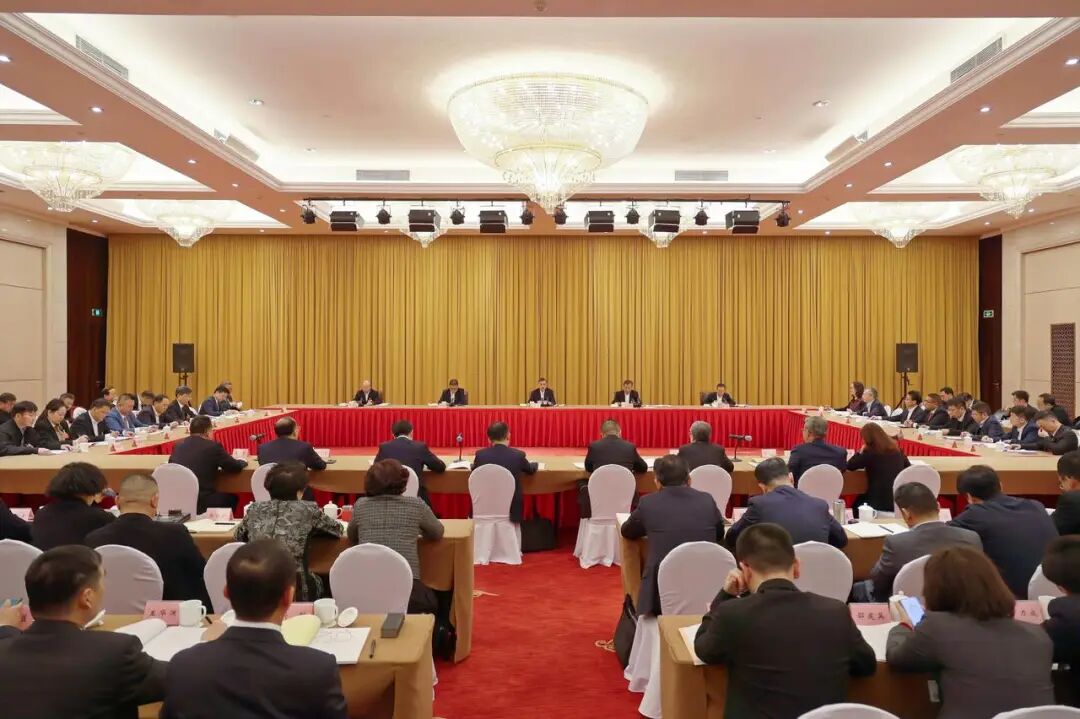
刘捷参加浙江省政协十三届四次会议联组讨论
Xin Lang Cai Jing· 2026-01-16 12:57
Group 1 - The provincial government emphasizes the importance of collaboration among various sectors to promote high-quality economic and social development in Zhejiang [4] - The government aims to achieve the 2026 and "14th Five-Year" development goals with the support of the provincial political consultative conference and various sectors, including the business community [4] - Key strategies include enhancing the technology innovation investment mechanism, fostering artificial intelligence development, and strengthening the foundation of advanced manufacturing [4] Group 2 - The government plans to prioritize private investment, industry projects, and technological innovation while optimizing the investment structure and protecting the rights of private enterprises [4] - There is a focus on open cooperation to enhance the province's global competitiveness and improve the overseas service system to help enterprises expand their markets [4] - The provincial government encourages the political consultative conference members to actively contribute ideas and suggestions to promote economic stability and quality improvement [4]
央地政策持续加码 民间投资高质量发展提速
Sou Hu Cai Jing· 2026-01-15 08:39
Core Viewpoint - In 2026, China's private investment is entering a period of intensive policy support, transitioning from "scale expansion" to "quality improvement," which is expected to inject internal momentum into high-quality economic development [1][9]. Policy Framework - The State Council's meeting on January 9 focused on consumer and investment as key drivers of domestic demand, launching a comprehensive set of policies aimed at addressing the pain points of private investment [3]. - Specific measures include implementing interest subsidies for loans to small and medium-sized enterprises, establishing a special guarantee plan for private investment, and optimizing financial support for equipment upgrades [3][4]. Risk Mitigation - The special guarantee plan is designed to alleviate risks for private investors, particularly in emerging industries and infrastructure projects, which typically involve high investment scales and long return periods [4]. - A risk-sharing mechanism for bond financing is expected to lower costs and enhance the success rate of bond issuance for private enterprises, thereby expanding their financing channels [4]. Local Implementation - Various provinces, including Jiangxi, Guizhou, and Zhejiang, have introduced tailored policies to translate central directives into actionable practices, promoting precise implementation of private investment [6][7]. - Jiangxi's measures focus on innovation and industry upgrades, while Guizhou aims for a 42% share of private investment in total fixed asset investment by 2027 [7]. Investment Trends - The private sector is increasingly active in high-growth areas such as commercial aerospace and smart transportation, with significant investments being made in technology and infrastructure [9]. - The expected recovery in private investment growth is projected to shift from a decline of approximately -3.0% in 2025 to an increase of about 2.5% in 2026 [9]. Future Outlook - Experts suggest that establishing a more open and transparent participation mechanism for private capital in major projects will enhance predictability and decision-making for investors [10]. - The ongoing implementation of supportive policies is anticipated to further highlight the role of private capital in stabilizing growth and optimizing economic structure, laying a solid microeconomic foundation for China's long-term economic stability [10].
政策协同发力 为民间投资提质增效添动能
Ren Min Wang· 2026-01-15 02:08
Group 1 - The core viewpoint emphasizes the importance of private investment in stabilizing growth, adjusting structure, and promoting employment, highlighting the need for coordinated efforts between fiscal and financial sectors [1] - The State Council meeting proposed several measures to support private investment, including implementing interest subsidies for loans to small and micro enterprises, establishing special guarantee plans for private investment, and optimizing fiscal interest subsidies for equipment updates [1] - Experts suggest that the interest subsidy policy will alleviate the burden on enterprises, allowing more funds to be directed towards operations and development, particularly in high-tech and high-employment sectors [1] Group 2 - Local governments have introduced supporting policies since 2025 to promote private investment by broadening investment fields, optimizing financing environments, and removing entry barriers [2] - The National Development and Reform Commission reported that as of October 29, 2025, 500 billion yuan of new policy financial tools had been fully allocated, effectively supporting eligible private investment projects [2] - The new policy financial tools are designed to supplement project capital, reducing initial investment pressure on private capital and enhancing project financing qualifications through government-backed funding [2] Group 3 - The measures also focus on improving financing coordination for small and micro enterprises, with banks required to set annual service targets for private enterprises and enhance credit access [3] - A specialized work mechanism has been established to facilitate financing connections, with banks receiving lists of eligible private investment projects to guide their financing services [3] - Some regions have successfully created online platforms for project information sharing, allowing banks to efficiently match funding with projects using big data technology [3] Group 4 - A series of policies have shown significant results, with private project investments (excluding real estate) growing by 2.1% year-on-year in the first three quarters of 2025, indicating stable growth [4] - Infrastructure private investment increased by 7% year-on-year, while manufacturing private investment grew by 3.2%, reflecting a positive development trend [4]
力争到2027年民间投资占比达42%
Xin Lang Cai Jing· 2026-01-14 21:48
Core Viewpoint - The Guizhou Provincial Government has issued a three-year action plan aimed at expanding private investment, targeting a growth rate of private investment that exceeds the overall fixed asset investment growth rate by 2027, with private investment accounting for approximately 42% of total fixed asset investment [1][2]. Group 1: Key Tasks and Focus Areas - The plan prioritizes enhancing industrial private investment, focusing on six major industrial clusters including smart industries, new energy materials, and the sauce-flavored liquor industry, as well as three characteristic industries: textiles and apparel, ecological food, and health medicine [1]. - Private investment is encouraged in key sectors such as textile and apparel industry transfer from the East, increased pharmaceutical R&D, and investment in agricultural specialty industries and tourism projects, including well-known scenic spots and new business formats [1][2]. Group 2: Infrastructure and Energy Projects - The plan specifies promoting private capital participation in profitable infrastructure projects such as railways, highways, hydropower, and energy pipelines, with a potential private capital share of over 10% in eligible projects [2]. - Private investment is also encouraged in renewable energy projects like wind and solar power, new energy storage, and pumped storage [2]. Group 3: Policy Measures and Support - A comprehensive set of policy measures is proposed to ensure private capital can enter, stabilize, and develop, including the elimination of market access barriers and the promotion of electronic bidding processes [2][3]. - Financial support will be strengthened, with banks encouraged to increase credit and industry funds required to allocate at least 50% of their resources to private investment projects annually [2]. Group 4: Efficiency and Service Improvements - The plan commits to streamlining the approval process for key private investment projects, reducing the total approval time to within 35 working days [3]. - Regular promotion of high-quality projects with total investments exceeding 50 million yuan to private capital is also included [3].