
海洋经济高质量发展

Search documents
海洋经济何以成为广西高质量发展“蓝色引擎”|一线调研
Di Yi Cai Jing· 2025-10-30 05:47
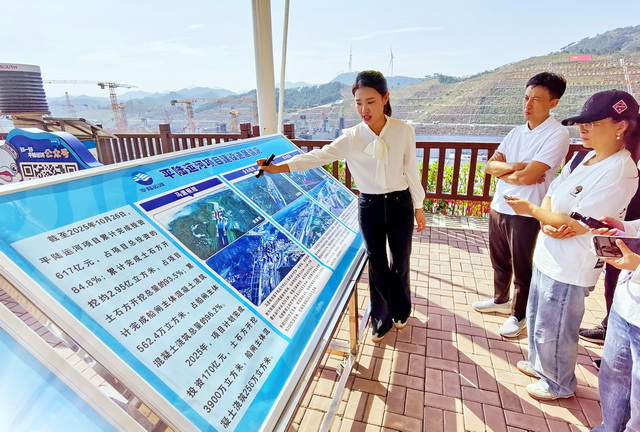
Core Viewpoint - Guangxi is optimizing its marine ecological protection policies while prioritizing ecological preservation, aiming to expand marine economic development space and enhance the region's economic growth through marine resources [1][2]. Marine Economic Growth - The marine production value in Guangxi is projected to grow from 137.7 billion yuan in 2017 to 258.09 billion yuan in 2024, with an average annual growth rate of 9.4%, surpassing the overall GDP growth rate of the region [1]. - It is estimated that from January to September 2025, the marine production value will reach approximately 204.3 billion yuan, reflecting a year-on-year increase of 5.4% [1]. Strategic Initiatives - Guangxi is focusing on major strategies such as the Western Land-Sea New Corridor and the Beibu Gulf International Gateway Port to effectively support significant projects [1]. - The region has released 2,419 square kilometers of marine space for development, nearly doubling the area available for marine economic activities [2]. Project Approvals and Investments - From 2017 to 2024, Guangxi has approved 785 projects involving a marine area of 792,700 acres, with a total investment of approximately 262.93 billion yuan [2]. - In the first nine months of this year, 38 marine projects were approved, covering an area of 5,849.16 hectares, with a total investment of 93.66 billion yuan [2]. Ecological Restoration Efforts - Guangxi has completed the restoration of 195 kilometers of coastline, 3,324 hectares of coastal wetlands, and 1,366 hectares of mangroves, contributing to the ecological health of the region [1][8]. - The Beibu Gulf has implemented 10 marine ecological protection and restoration projects with a total investment of nearly 4 billion yuan, focusing on estuaries, mangroves, and coral reefs [8]. Pollution Control and Environmental Management - The city of Beihai has initiated pollution control and ecological restoration projects, including a 2.3 billion yuan investment in the Fengjia River basin to improve water quality and restore ecosystems [6]. - The Fengjia River basin has seen significant improvements, with the water quality upgraded from a long-term inferior level to meeting or exceeding Class IV surface water standards [6]. Infrastructure Development - The Pinglu Canal, a key project in the Western Land-Sea New Corridor, is expected to reduce the shipping distance for the upper reaches of the Xijiang River by approximately 560 kilometers upon completion [5]. - The project has initiated land reclamation efforts across 101 sites, covering a total area of 37,600 acres, with significant progress in land restoration activities [5]. Policy and Monitoring Initiatives - Guangxi has become the first province in China to release a provincial-level marine ecological early warning monitoring report, enhancing the monitoring capabilities of its coastal waters [9]. - The region is implementing a comprehensive marine disaster prevention system with an investment of nearly 1 billion yuan, establishing a real-time observation network covering 14,280 square kilometers of marine area [9].

深圳涉海企业发明专利超过82000项
Sou Hu Cai Jing· 2025-10-29 23:21
Core Insights - The report indicates that China's marine economy is projected to reach a gross production value of 10.5 trillion yuan in 2024, reflecting continuous expansion and structural adjustment within the marine industry [1] - Significant advancements in marine technology innovation and enhanced resource utilization are highlighted, alongside improved ecological protection and monitoring efforts [1] - The three major marine economic zones (Northern, Eastern, and Southern) are expected to see substantial nominal growth from 2020, with respective production values of 31,899 billion yuan, 33,446 billion yuan, and 37,858 billion yuan, marking increases of 33.1%, 37.7%, and 33.3% [1] Group 1 - The report emphasizes the deepening of international cooperation and openness in the marine economy, with local regions actively exploring marine resource potential [1] - The construction of marine strong provinces and modern marine cities is accelerating, with Guangdong's marine equipment and offshore wind power industries emerging as significant clusters [1] - Cities like Shanghai, Shenzhen, and Qingdao are enhancing their international competitiveness in the marine economy [1] Group 2 - The report notes that 16 marine economic development demonstration zones are achieving notable results in promoting high-quality marine economic development [2] - Innovations include the establishment of China's first domestically produced seawater desalination production line in Tianjin and the creation of the first county-level marine carbon sink trading service platform in Fuzhou [2] - Shenzhen has seen over 82,000 invention patents related to marine enterprises, showcasing a strong focus on innovation [2]
中国海洋经济规模持续扩大 三大海洋经济圈持续扩能
Zhong Guo Xin Wen Wang· 2025-10-29 09:25
Core Insights - The scale of China's marine economy continues to expand, with the marine GDP projected to reach 10.5 trillion yuan in 2024, indicating a significant growth trajectory [1][2] - The report highlights the acceleration of marine industry structural adjustments and notable enhancements in marine technological innovation capabilities [1] Group 1: Marine Economic Growth - The three major marine economic zones (Northern, Eastern, Southern) are expected to achieve marine GDPs of 31,899 billion yuan, 33,446 billion yuan, and 37,858 billion yuan respectively in 2024, reflecting nominal growth rates of 33.1%, 37.7%, and 33.3% compared to 2020 [1] - Coastal regions are actively exploring marine resource potential, stimulating economic vitality and contributing to the development of significant marine economic growth poles [1] Group 2: Marine Industry Development - The construction of marine strong provinces and modern marine cities is accelerating, with Guangdong developing billion-level industrial clusters in marine engineering equipment and offshore wind power [1] - Notable projects include the "Dream" deep-sea drilling vessel launched in Guangzhou, showcasing advancements in marine technology [1] Group 3: Innovation in Marine Economic Development Zones - The 16 marine economic development demonstration zones are achieving significant results in promoting high-quality marine economic development through innovative explorations [2] - Examples of innovation include Tianjin's establishment of the first domestically produced seawater desalination production line and Fuzhou's creation of the first county-level marine carbon sink trading service platform [2]
《中国海洋经济发展报告2025》发布:全国海洋生产总值超10万亿元
Zhong Guo Xin Wen Wang· 2025-10-29 08:08
Core Insights - The "China Marine Economy Development Report 2025" highlights significant advancements in China's marine economy, with a national marine production value reaching 10.5 trillion yuan in 2024, indicating continuous expansion and structural adjustment in the marine industry [1] Group 1: Marine Economic Circles - The northern, eastern, and southern marine economic circles are experiencing sustained growth, with marine production values of 31,899 billion yuan, 33,446 billion yuan, and 37,858 billion yuan respectively in 2024, representing nominal growth rates of 33.1%, 37.7%, and 33.3% compared to 2020 [1] Group 2: Marine Strong Provinces and Modern Marine Cities - Shandong has enhanced its marine technology capabilities, utilizing the world's fastest supercomputer "Shenwei·Marine Light" [2] - Zhejiang's port integration reforms have led to significant growth, with Ningbo-Zhoushan Port achieving its highest container throughput growth in seven years [2] - Guangdong is developing billion-level industrial clusters in marine engineering equipment and offshore wind power, with the successful operation of the world's first megawatt-level seawater electrolysis hydrogen production facility [2] Group 3: Marine Economic Development Demonstration Zones - Sixteen marine economic development demonstration zones are making notable progress in high-quality marine economic development, with Tianjin establishing the first domestically produced seawater desalination production line [3] - The national distant-water fishery base in Weihai has achieved a 90% return rate for self-caught aquatic products [3] - Shenzhen has over 82,000 invention patents related to marine enterprises, indicating a strong innovation capacity in the marine sector [3]
去年全国海洋生产总值达到10.5万亿元
Xin Jing Bao· 2025-10-29 07:18
Core Insights - The "China Marine Economy Development Report 2025" indicates significant growth in the marine economy, with the national marine production value reaching 10.5 trillion yuan last year [1] - In 2024, the northern, eastern, and southern marine economic circles are projected to have marine production values of 31,899 billion yuan, 33,446 billion yuan, and 37,858 billion yuan respectively, reflecting nominal growth of 33.1%, 37.7%, and 33.3% compared to 2020 [1] Group 1: Marine Economic Development - The report highlights breakthroughs in marine economic activities, with coastal regions actively exploring marine resource potential and enhancing economic vitality [1] - Key marine provinces such as Shandong, Zhejiang, and Guangdong have shown remarkable performance, with Shandong enhancing its marine technology capabilities and Zhejiang achieving record container throughput at its ports [1] Group 2: Modern Marine City Construction - Cities like Shanghai, Shenzhen, and Qingdao have improved their international competitiveness in marine sectors, while others like Tianjin and Dalian have focused on integrating port, industry, and city development [2] - The report notes that 16 marine economic development demonstration zones have made significant progress in high-quality marine economic development, with initiatives such as the establishment of a domestic seawater desalination production line in Tianjin and the launch of a large-scale deep-sea microorganism library in Xiamen [2]
国资赋能助力产业升级 国联水产前三季度实现营收25.82亿元
Zheng Quan Shi Bao Wang· 2025-10-28 13:47
Core Insights - Guolian Aquatic announced a revenue of 2.582 billion yuan and a net loss of approximately 800 million yuan for the first three quarters of 2025, primarily impacted by international tariff policies, weak domestic consumption, and low shrimp prices [1] - Despite short-term performance pressures, the company secured a strategic investment of nearly 100 million yuan from the Zhanjiang Ocean No.1 Industry Development Investment Fund, enhancing its operational capabilities [1][2] - The company has established a significant partnership with Yum China and received the Tmall Super Navigator Award, indicating strong market recognition of its brand and product quality [1] Strategic Investment - The Zhanjiang Ocean No.1 Industry Development Investment Fund completed a strategic investment of 95 million yuan in Guolian's core subsidiary, Guangdong Guomei Aquatic Food Co., Ltd [2] - This investment not only provides financial support but also enhances the company's risk resilience and long-term competitiveness through policy collaboration and resource integration [2] - The fund's involvement is expected to accelerate Guolian's transition to high-value products and expansion in both domestic and global markets [2] Product Innovation - In response to rising consumer demand for health and quality, Guolian has launched a revamped shrimp product matrix, emphasizing "0 additives" and low-phosphorus options [3] - The company is advancing its "321 big product strategy" and automating production processes to enhance efficiency and reduce energy consumption [3] - Initiatives like the "dark factory" concept, integrating AI and automation, reflect the company's commitment to higher standards and transparency in food production [3] Strategic Partnerships - Guolian signed a cooperation agreement with Yum China to shift the focus of its previously exported tilapia products to the domestic market [4] - Leveraging Yum China's extensive network of over 16,000 restaurants, Guolian aims to enhance the accessibility of its high-quality aquatic products to domestic consumers [4] - The collaboration is expected to increase product value and profit margins, supporting the company's recovery efforts [4] Commitment to Development - As a key player in agricultural industrialization, Guolian is enhancing product value through deep processing and global supply chain strategies, aligning with national goals for high-quality marine economic development [4] - The company is committed to providing healthy marine food and driving technological innovation to build an industry ecosystem [4] - Guolian's efforts contribute positively to regional economic development and employment stability [4]

国联水产三季报:营收25.82亿元,海洋产业基金助推产业升级,引领海洋食品高质量发展
Sou Hu Wang· 2025-10-28 13:37
Core Insights - The company reported a revenue of 2.582 billion yuan for the first three quarters of 2025, but faced a net loss due to international tariff policies, weak domestic consumption, and low shrimp prices [1] - Despite short-term performance pressures, the company secured a strategic investment of nearly 100 million yuan from the Zhanjiang Ocean No.1 Industry Development Investment Fund, enhancing its operational capabilities [1][2] - The company has established a significant partnership with Yum China and received the Tmall Super Navigator Award, indicating strong market recognition of its brand and products [1] Group 1: Strategic Investment - The Zhanjiang Ocean No.1 Industry Development Investment Fund completed a strategic investment of 95 million yuan in the company's core subsidiary, Guangdong Guomei Aquatic Food Co., Ltd [2] - This investment not only provides financial support but also enhances the company's risk resilience and long-term competitiveness through policy collaboration and resource integration [2] - The fund's involvement is expected to accelerate the company's transition to high-value products and expansion in both domestic and global markets [2] Group 2: Product Innovation - In response to rising consumer demand for health and quality, the company has launched a revamped shrimp product matrix, focusing on high-quality offerings [3] - The company is implementing a "321 big product strategy" and advancing automation technology to enhance production efficiency and reduce energy consumption [3] - The quality upgrade reflects a precise response to industry pain points, aiming to provide higher quality marine protein options and promote a healthier, standardized food supply chain [3] Group 3: Strategic Partnerships - The company signed a cooperation agreement with Yum China to shift the strategic focus of its previously exported tilapia products to the domestic market [4] - Leveraging Yum China's extensive network of over 16,000 restaurants, the company's premium aquatic products will more efficiently reach domestic consumers [4] - This collaboration aims to enhance product value and profit margins, supporting the company's recovery and aligning with national strategies for high-quality marine economic development [4]
抓好冲刺全年和“十四五”收官 龚正主持市政府常务会议
Jie Fang Ri Bao· 2025-10-28 01:41
Group 1 - The Shanghai government aims to consolidate the positive economic recovery observed in the first three quarters of the year and focus on achieving annual goals and the successful conclusion of the 14th Five-Year Plan [1] - The city is committed to enhancing the quality and efficiency of economic growth by strengthening key industries, regions, and policies, while expanding effective demand through foreign trade, consumption, and investment [1] - The government emphasizes the importance of state-owned, private, and foreign enterprises in driving growth and encourages collaboration among various business entities to stabilize and boost economic performance [1] Group 2 - The Shanghai government has approved the "Shanghai Marine Industry Development Plan (2026-2035)" which focuses on strengthening leading industries such as shipbuilding and marine engineering, and enhancing the core competitiveness of emerging marine industries [2] - The plan aims to optimize spatial layout along coastal and river areas, linking the Yangtze River Delta and Hangzhou Bay to better serve urban functions and national strategies [2] - Measures will be taken to address challenges in resource allocation and planning innovation to support the high-quality development of the marine industry [2]
21世纪海上合作委员会“海洋气候变化与高质量发展”论坛在福州举办
Huan Qiu Wang· 2025-10-23 03:59
Core Viewpoint - The forum on "Marine Climate Change and High-Quality Development" held by the 21st Century Maritime Cooperation Committee focused on marine resource protection, disaster reduction, marine technology, international cooperation, and the integration of digital and marine economies, aiming to explore effective paths for promoting marine ecological civilization and high-quality marine economic development [1][3]. Group 1: Forum Highlights - The forum provided an important platform for deepening cooperation in marine climate governance, with representatives emphasizing the need for enhanced communication and collaboration to improve overall capabilities in addressing marine climate change [3]. - Key discussions highlighted the severe challenges posed by climate change, pollution, and over-exploitation of marine ecosystems, with proposed solutions including the establishment of an integrated offshore meteorological navigation system and the development of offshore wind power [3]. - The dialogue emphasized the interconnection between the future of the ocean and urban development, advocating for enhanced connectivity and collaborative efforts to effectively address challenges and achieve harmonious coexistence between the ocean and humanity [3]. Group 2: Strategic Initiatives - The 21st Century Maritime Cooperation Committee aims to consolidate wisdom from various parties and deepen practical cooperation to contribute to the protection of the "blue home" [5]. - During the forum, participants will also engage in activities related to the 2025 World Maritime Equipment Conference and conduct field investigations to further promote exchange and cooperation [5].
以法治护航“海上新广东”建设——《广东省促进海洋经济高质量发展条例》发布
Sou Hu Cai Jing· 2025-10-22 10:54
Core Viewpoint - Guangdong Province is a leading marine economy in China, with a marine GDP of 2002.25 billion yuan in 2024, accounting for 14.1% of the regional GDP and 18.9% of the national marine GDP. The province has faced challenges in industrial coordination, technological innovation, resource assurance, and environmental governance, prompting the introduction of the "Regulations on Promoting High-Quality Development of the Marine Economy" as a key legislative project for 2024 [1] Industry Development - Establishing a modern marine industry system is essential for transforming and upgrading marine industries, requiring coordinated land-sea spatial planning and targeted policies for emerging and traditional marine industries [2] - The regulations outline specific development measures for major marine industries in Guangdong, focusing on optimizing spatial layout, nurturing emerging industries, enhancing traditional industries, and improving marine service levels [2] Spatial Layout Optimization - The regulations emphasize the need for integrated land-sea planning and protection, requiring local governments to coordinate the development of land and sea resources and optimize marine economic spatial layout [3] - Measures include supporting the construction of marine economic demonstration zones and encouraging marine enterprises to cluster in economic and technological development zones [3] Emerging Industry Development - The regulations promote the growth of emerging marine industries, including marine electronic information, marine engineering equipment manufacturing, marine pharmaceuticals, and marine renewable energy [4] - Specific provisions include enhancing R&D capabilities in high-end marine electronic equipment and supporting the development of new marine equipment such as submersibles and underwater robots [4] Traditional Industry Enhancement - The regulations aim to modernize traditional marine industries, particularly marine fisheries, by supporting the construction of cold chain logistics bases and optimizing near-sea aquaculture layouts [5][6] - Measures include simplifying approval processes for deep-sea aquaculture and enhancing the management of aquatic resources [5] Marine Service Industry Improvement - The regulations focus on enhancing the marine service industry, including transportation, shipping services, and marine tourism, by improving infrastructure and promoting regional port cooperation [7] - Specific initiatives include supporting the development of high-quality coastal tourism areas and enhancing the management of marine cultural resources [7] Technological Innovation - The regulations highlight the importance of technological innovation in driving high-quality marine economic development, establishing a collaborative innovation system that integrates enterprises, academia, and research institutions [8][9] - Measures include supporting marine technology research and development, enhancing the commercialization of technological achievements, and promoting the protection of intellectual property rights [9] Green Development - The regulations advocate for a green development approach, emphasizing ecological protection and sustainable resource utilization in marine economic activities [10][11] - Specific provisions include enhancing marine ecological environment protection, promoting blue carbon economy initiatives, and ensuring compliance with ecological safety standards [11][12] Open Cooperation - The regulations encourage international cooperation and regional collaboration, particularly within the Guangdong-Hong Kong-Macao Greater Bay Area, to enhance marine industry development and resource protection [13][14] - Initiatives include promoting cross-border marine tourism and facilitating investment in overseas marine economic sectors [13] Service Assurance - The regulations stress the need for a coordinated approach to marine economic development, clarifying departmental responsibilities and enhancing resource support systems [15][16] - Measures include improving data collection and monitoring, ensuring funding and talent support, and enhancing infrastructure for marine economic activities [17][18]