
科技赋能农业

Search documents
让农业尽显科技范儿 ——记江西省葛溪正太禽业开发有限责任公司董事长韩纯
Jing Ji Ri Bao· 2025-09-06 22:11
Core Viewpoint - The article highlights the entrepreneurial journey of Han Chun, the chairman of Jiangxi Gexi Zhengtai Poultry Development Co., Ltd., who has successfully transformed a small-scale poultry operation into a modern agricultural enterprise while promoting local economic development and community welfare [1][7]. Group 1: Entrepreneurial Journey - Han Chun started his career with humble beginnings, working in a printing factory before returning to his hometown to start a small supermarket and later venturing into poultry farming [2]. - In 2005, he began raising chickens, initially experimenting with different types to determine which was most profitable, ultimately focusing on egg production [2][3]. - Despite facing significant setbacks, including a devastating building collapse and the impact of avian influenza, Han Chun persevered and adapted his business model to survive [2][3]. Group 2: Innovation and Technology - Han Chun emphasizes the importance of technology in modern agriculture, believing it enhances efficiency and productivity [5]. - He invested in advanced poultry farming equipment from abroad, overcoming initial challenges related to local environmental conditions through persistent adaptation and learning [4][5]. - The company has implemented a smart farming system that significantly increases operational efficiency, allowing one worker to manage 12.5 times more chickens than before [6]. Group 3: Community Development - The company has grown from a small workshop to a leading agricultural enterprise with 137 employees and an annual output of over 10,000 tons of eggs, generating more than 100 million yuan in revenue [7]. - Han Chun has established a support mechanism for local farmers, helping them improve their livelihoods through shared resources and training [7]. - The cooperative model has successfully increased the income of over 530 local households by an average of nearly 20,000 yuan per year [7]. Group 4: Social Responsibility - Han Chun actively engages in social responsibility initiatives, including educational support for underprivileged children and community development projects [8]. - The company is also exploring rural tourism opportunities, enhancing local economic activity and attracting youth back to the area [9]. - Future plans include developing an ecological circular agriculture demonstration park that integrates smart farming, organic planting, and educational experiences [9].
科技赋能浆果“蓝”——辽宁持续推动蓝莓产业高质量发展
Zhong Guo Chan Ye Jing Ji Xin Xi Wang· 2025-09-04 01:44
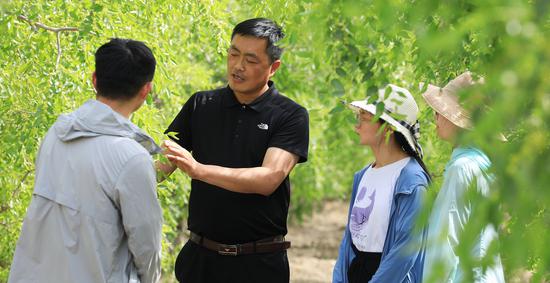
Core Insights - The blueberry industry in Liaoning Province has seen significant growth, with planting area reaching 205,000 acres and production hitting 110,000 tons by the end of 2024, generating over 8 billion yuan in value [1][2][8] - Technological advancements have played a crucial role in the development of the blueberry industry, enabling innovations in cultivation, processing, and marketing [2][7][8] Industry Development - Liaoning Province has established a collaborative innovation network involving research institutions, universities, and enterprises to enhance the blueberry industry from genetic innovation to deep processing [2][3] - The province has developed several new blueberry varieties, breaking the long-standing foreign monopoly and providing suitable alternatives for both northern and southern high-altitude regions in China [2][3] Technological Empowerment - A dedicated team has been formed to provide on-site technical guidance to blueberry farmers, focusing on the promotion of new varieties and improving cultivation techniques [4][6] - The application of facility agriculture technology has allowed for off-season production, significantly increasing yields and fruit quality [6][7] Value Chain Expansion - The industry is shifting from simple cultivation to a comprehensive value chain approach, integrating tourism, processing, and e-commerce to enhance market reach [7][8] - Innovations in processing technology have improved the retention of anthocyanins in blueberries, increasing the profitability of processing enterprises by 15% to 30% [8] Future Outlook - The province aims to strengthen its blueberry industry by focusing on the development of more adaptive and high-quality varieties, as well as implementing digital management practices in cultivation [8] - The establishment of a global blueberry industry belt is underway, leveraging the unique climatic conditions of the region to enhance production and market presence [8]
浒墅关用“黑科技”保障水稻丰收
Su Zhou Ri Bao· 2025-09-01 00:43
Group 1 - The article highlights the integration of technology in agriculture, specifically in rice cultivation in Suzhou High-tech Zone, where drones and smart devices are used for pest control and crop management [1][2] - The use of drones for pesticide application significantly increases efficiency, covering 80 to 100 acres in one hour compared to traditional methods that require four to five workers for an entire day [1] - The expected yield from the rice cultivated by a local farmer is approximately 180 million pounds, indicating a successful harvest due to the effective management practices [1] Group 2 - Green pest control devices, referred to as "little lanterns," have been installed across various villages, improving pest control effectiveness by 30% and reducing pesticide usage [2] - Each 50 acres of rice field is equipped with a solar-powered insect trap that attracts harmful pests, enhancing the overall pest management strategy [2] - The combination of aerial and ground pest control methods demonstrates a commitment to sustainable agricultural practices and reinforces the foundation for a successful harvest [2]
科技扎根田野间 多地探索农业高质量发展新路径
Zhong Guo Chan Ye Jing Ji Xin Xi Wang· 2025-08-28 23:34
Group 1 - Various regions are exploring new paths for high-quality agricultural development by leveraging resource endowments and technological advantages [1] - The collaboration between universities, enterprises, and farmers is fostering an organic dry farming ecological cycle, enhancing agricultural waste treatment and resource utilization [2] - The establishment of a 6,000-acre high-quality sweet melon demonstration base in Hainan has generated over 12 million yuan in output value, showcasing successful agricultural transformation [3] Group 2 - The adoption of smart agriculture technologies, such as drones for pesticide spraying, is transforming traditional farming practices and enhancing rural revitalization [4] - The development of the yellow mushroom industry in Inner Mongolia is creating job opportunities and contributing to rural revitalization through sustainable farming practices [5] - Innovative approaches in saline-alkali land management, including the introduction of salt-resistant rice varieties, are significantly improving agricultural yields and farmer incomes [6] Group 3 - The focus on edible mushroom cultivation in Yunnan is leading to the establishment of a robust industry that enhances local economic development and food supply chains [7] - The collective efforts in exploring new agricultural development paths are yielding fruitful results, addressing traditional agricultural challenges, and invigorating rural economies [8]
“绿叶子”变“金叶子” 科技赋能撑起农户“钱袋子”
Yang Shi Wang· 2025-08-28 07:59
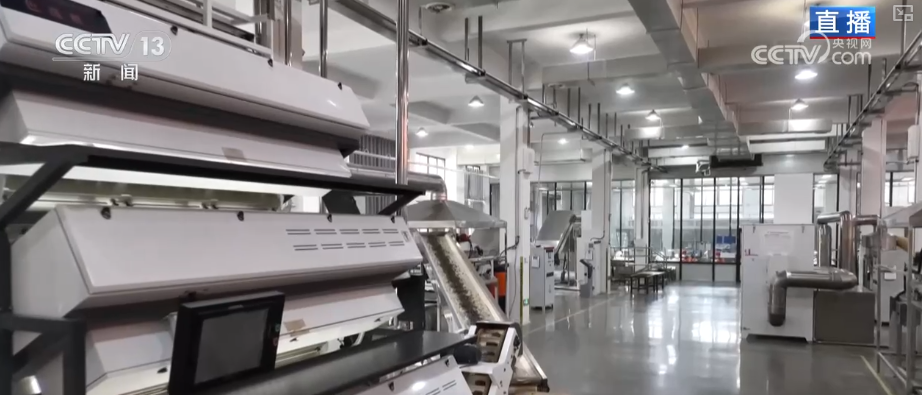
Core Viewpoint - Fujian Fuding is recognized as the "Hometown of Chinese White Tea," benefiting from a unique climate that enhances the flavor of white tea, with peak production occurring during the Mid-Autumn Festival and National Day [1] Processing and Production - White tea processing is divided into two main stages: initial processing in the tea garden, which includes withering and drying, followed by refining in a processing facility [4] - A fully automated white tea refining production line in Fuding operates continuously during the peak season, processing 6 tons of white tea daily for various markets [5] Quality Control - The refining process involves critical tasks such as sorting to remove impurities like old leaves, broken tea, and foreign materials [7] - The first step in sorting is "color selection," using infrared technology to identify and eliminate discolored tea leaves [9] - Following color selection, "shape selection" employs AI to assess the size and shape of tea leaves, removing stems and stones, while "high-pressure static electricity" removes fine hairs and feathers [11] - The final step, "air selection," uses airflow to separate lighter fragments from the quality tea leaves, which is more efficient than traditional manual methods [12][14] Integration of Tradition and Technology - The combination of traditional methods and modern technology enhances the quality of white tea while preserving its traditional flavor [16] Economic Impact - The "enterprise + union + farmer" model has been implemented to standardize tea cultivation and management, leading to improved quality and increased income for tea farmers [19] - The comprehensive output value of Fuding white tea is projected to reach 15.518 billion yuan in 2024, highlighting its significance as a source of income for local farmers [19]

科技赋能岭南特色现代农业,省农科院多领域发力支撑产业体系建设
Nan Fang Nong Cun Bao· 2025-08-25 10:30
Core Viewpoint - The article discusses the acceleration of agricultural modernization in Guangdong Province, driven by technological innovation and the establishment of a modern agricultural industry system focusing on Lingnan特色农业 [2][4]. Group 1: Policy and Strategic Initiatives - Guangdong Province has introduced action plans such as the "Guangdong Province Modernization Industry System 2025 Action Plan" and the "Modern Agricultural Industry Cluster Cultivation Action Plan (2025-2027)" to promote the development of Lingnan特色现代农业 [3][4]. - The goal is to create "千百十" billion-level industrial clusters, establishing a modern agricultural industry system that is structurally sound, complete in its supply chain, and has distinct advantages [5][6]. Group 2: Technological Innovation in Seed Industry - The Guangdong Academy of Agricultural Sciences emphasizes seed industry innovation as a key component of agricultural modernization, developing a comprehensive innovation system from variety cultivation to technical integration and deep processing [10][11]. - The Academy has achieved significant results in rice breeding, with 41 major rice varieties cultivated and promoted over an area exceeding 10 million mu, establishing Guangdong as a leader in rice seed innovation [15][16]. Group 3: Livestock and Aquaculture Innovations - The Academy has established a national key laboratory for pig and poultry breeding and has developed the "Lingnan Yellow Chicken No. 5," addressing critical industry challenges and achieving a market share of 15% [20][21]. - Innovations in ecological farming practices have led to the reconstruction of modern桑基鱼塘生态循环 systems, promoting sustainable aquaculture and enhancing resource utilization efficiency [24][31]. Group 4: Value Chain Extension in Specialty Agriculture - The Academy has made strides in the lychee industry by developing ultra-low temperature preservation technology, allowing for year-long storage and addressing seasonal sales issues [36][37]. - In the tea industry, the "Yinghong No. 9" variety has become the dominant cultivar, with a planting area of 154,400 mu, significantly increasing brand value and annual output per mu [42][44]. Group 5: Future Directions - The Academy plans to continue empowering Lingnan特色现代农业 through initiatives such as enhancing seed innovation capabilities, advancing digital agriculture, and supporting modern marine ranching construction [45][48].

红枣之都·麦盖提——甜蜜世界,从这里出发
Zhong Guo Xin Wen Wang· 2025-08-25 01:52
Core Insights - The article highlights the unique qualities and cultural significance of the Miqueti gray jujube, which thrives in the favorable climate of the Taklamakan Desert region, showcasing its sweetness and the natural conditions that contribute to its growth [1][6]. Group 1: Agricultural Practices - The cultivation of Miqueti gray jujube involves a meticulous process where local agricultural technicians monitor the trees and apply scientific pruning techniques to enhance sunlight exposure, ensuring the fruit matures naturally on the tree [3]. - The jujube is recognized as a "climate-special agricultural product," emphasizing its quality and the traditional methods employed by local farmers [3]. Group 2: Economic Impact - The jujube industry serves as a vital economic resource, with 300,000 acres of jujube orchards acting as both a protective barrier against wind and sand and a source of livelihood for many [5]. - Modernization efforts, including the establishment of a trading hub and the implementation of "insurance + futures" strategies, have improved pricing power and income stability for jujube farmers [5]. Group 3: Technological Integration - The integration of technology in jujube farming is evident through the use of slow-release fertilizers and IoT devices that monitor soil conditions and pest activity, enhancing agricultural efficiency [5]. - The cultivation of 262 rare jujube varieties in a resource nursery indicates a focus on future sustainability and innovation within the industry [5]. Group 4: Cultural Significance - The Miqueti gray jujube is not just a fruit but a cultural symbol, celebrated during the annual red jujube festival, which reflects the local community's pride and connection to their heritage [3]. - The jujube's journey from local farms to global markets illustrates its role as a cultural ambassador, linking the traditions of the oasis with international consumers [6].
全国主流媒体调研行走进海南 探访特色农业产业振兴实践
Ren Min Wang· 2025-08-18 09:11
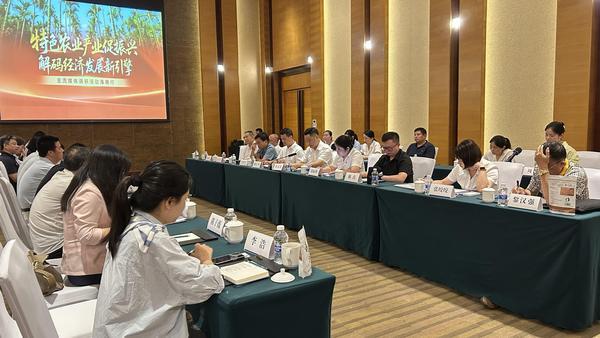
Group 1: Core Insights - The national media research event focused on "characteristic agricultural industry promoting revitalization and decoding new economic development engines" in Hainan, highlighting the role of technology in rural revitalization [1] - The Hainan betel nut industry is transitioning to a "green transformation" model, allowing farmers to share development benefits while protecting the ecosystem [2][7] - The complete industrial chain of Hainan's betel nut industry, from planting to processing and cultural tourism, has achieved an output value exceeding 20 billion yuan [7] Group 2: Betel Nut Industry Developments - The introduction of scientific planting techniques has increased betel nut yield by over 30%, with high-quality fruit rates rising from 60% to 90% [5] - The Hainan Huasheng Agricultural Development Company has invested 50 million yuan to upgrade processing facilities, achieving an annual processing capacity of 12,000 tons and creating jobs for local villagers, with 40% being poverty alleviation households [6] - The betel nut industry has significantly contributed to poverty alleviation, with over 30% of the county's poverty alleviation households benefiting from this sector [5][7] Group 3: Other Agricultural Industries - The East Star grouper industry is leveraging modern aquaculture technologies, including automated water supply and temperature control systems, to enhance production quality [8] - The coffee industry in Hainan is developing a multi-faceted cultural park that integrates art exhibitions, fresh bean processing, and coffee cultivation, aiming for a blend of agriculture and tourism [9] - Experts emphasize the need for increased technological investment, brand development, and international market expansion to overcome challenges faced by Hainan's characteristic agricultural industries [9]
解锁现代化农业发展“密码” “慧”种田为乡村振兴插上“科技翅膀”
Yang Shi Wang· 2025-08-17 05:44
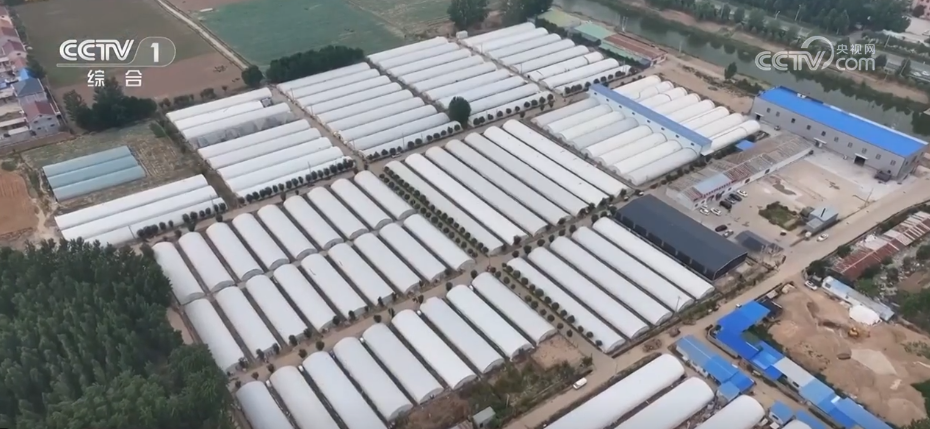
Group 1 - The core viewpoint is that technological advancements are transforming traditional agriculture, enabling the development of characteristic industries for rural revitalization [1] - In Shandong Heze, the "mushroom-vegetable rotation" model allows farmers to achieve "multiple uses from one greenhouse and multiple harvests from one land" [3] - The new model was invented by provincial experts, addressing the lack of agricultural technical talent in Dingtao, with support from 23 universities in Shandong province since last year [5] Group 2 - Dingtao has established 11 "Intelligent Rural" workstations, expanding income channels for farmers through various initiatives from mushroom-vegetable rotation to furniture design [5] - The agricultural bureau of Dingtao is implementing a strategy based on "six ones," focusing on a characteristic industry, a leading enterprise or cooperative, and collaboration with a university [7] - In Shaanxi Xunyi, modern facility agriculture is thriving, with a 40,000 square meter greenhouse producing abundant cherry tomatoes and other vegetables, meeting high demand [8][11]
科技赋能、全链增值,山东滨州—— 小麦“变身”600多种产品(深阅读)
Ren Min Ri Bao· 2025-08-15 21:48
Group 1: Agricultural Innovation - The transformation of saline-alkali land in Binzhou has led to the cultivation of high-yield wheat varieties, such as "Yutian Wheat 126," which has passed national approval in 2023 [4][6] - The local government and companies are actively promoting salt-alkali resistant seed varieties to enhance agricultural productivity [2][5] - Farmers initially showed skepticism towards new seed varieties but changed their attitudes after witnessing tangible high-yield results [5][6] Group 2: Food Processing and Value Addition - Binzhou's wheat can be processed into over 600 products, significantly increasing its economic value from approximately 3,700 yuan to around 9,140 yuan per ton [12] - The company has developed advanced processing techniques that have increased the value of by-products like wheat bran, which now sells for 30,000 yuan per ton compared to 1,800 yuan previously [8][12] - The company has achieved nearly 100% utilization of wheat, saving 500,000 tons of grain annually through efficient processing [13] Group 3: Waste Utilization and Sustainability - The company has developed a method to convert liquid waste from alcohol production into animal feed, improving feed efficiency by over 10% and increasing economic benefits by over 20% for pig farming [14][16] - The use of anaerobic fermentation for pig manure treatment has resulted in improved soil quality and increased crop yields in previously unproductive saline-alkali fields [15][16] - The overall approach emphasizes a circular economy, where waste products are transformed into valuable resources, contributing to significant cost savings and environmental benefits [14][16]