车路云一体化

Search documents
2026年汽车行业展望:稳内需主基调明确,出口贡献确定性增长亮点
Bank of China Securities· 2025-12-16 06:06
Investment Rating - The report maintains a positive outlook on the automotive industry, indicating a stable demand-driven growth trajectory for 2026, with expectations for government policies to further stimulate consumption [4][12]. Core Insights - The automotive market is expected to experience a "door-opening" effect in 2026, despite a slowdown in retail sales due to high base effects and the conclusion of local consumption subsidies [2][3]. - The report highlights a significant increase in passenger vehicle exports, with a year-on-year growth of 48.7% in November, indicating a strong potential for continued growth in 2026 [8][9]. - The introduction of advanced driver-assistance systems (ADAS) is anticipated to enhance consumer demand, with L2 features becoming more accessible in lower-priced vehicles [10]. - The automotive industry is entering a phase of systematic restructuring, focusing on quality and service over price competition, which is expected to drive high-quality development [11]. Summary by Sections Market Outlook - The automotive market in 2026 is projected to be driven by domestic demand, with government policies aimed at optimizing consumption incentives [4][5]. - The report anticipates that the "two new" subsidy policies will continue, shifting from broad-based incentives to more targeted support for high-value durable goods [4][5]. Export Growth - November saw a record high in passenger vehicle exports, with a total of 624,000 units, reflecting a robust growth trend that is expected to persist into 2026 [8][9]. - The report notes that the export of new energy vehicles has surged, accounting for 47% of total passenger vehicle exports, indicating a strong international market presence [8]. Technological Advancements - The report emphasizes the role of smart technology in driving new consumer demand, with advancements in ADAS expected to lower costs and improve accessibility for consumers [10]. - The integration of humanoid robots with intelligent driving systems is seen as a new growth point for automotive companies, expanding the market into various sectors [10]. Industry Restructuring - The automotive industry is undergoing a deep restructuring phase, with a focus on eliminating inefficient competition and promoting technological innovation [11]. - Regulatory measures are being implemented to ensure compliance with pricing standards, which is expected to enhance market stability and encourage high-quality development [11].
中美卫星惊险“擦肩”,仅200米;SpaceX启动华尔街投行竞标,为潜在IPO甄选承销商;我国首批L3级自动驾驶车型产品获得准入许可——《投资早参》
Mei Ri Jing Ji Xin Wen· 2025-12-15 23:09
Key Market News - SpaceX's Starlink project faced a near-miss incident with a Chinese satellite, which SpaceX claims was uncoordinated, while the Chinese company stated all launches are conducted with collision avoidance protocols [1] - U.S. stock markets saw a collective decline, with the Dow down 0.09%, Nasdaq down 0.59%, and S&P 500 down 0.16%. Notable movements included iRobot's stock plummeting 72.69% after filing for bankruptcy, leaving its market cap at approximately $0.4 billion [2] - International oil prices fell, with WTI crude at $56.58 per barrel and Brent crude at $60.32 per barrel, while gold prices saw a slight increase [2] Industry Insights - SpaceX is reportedly initiating a selection process for investment banks to assist with its potential IPO, with expectations of raising significant funds if market conditions are favorable [3] - The satellite internet sector is projected to grow significantly, with the satellite-ground communication industry expected to exceed 200-400 billion yuan by 2030, driven by technological advancements and cost reductions [4] - China's Ministry of Industry and Information Technology granted approval for the first L3-level autonomous driving vehicles, marking a significant step towards commercial application in urban and highway settings [4][5] - The brain-computer interface market is anticipated to reach $40 billion by 2030 and $145 billion by 2040, with significant advancements in medical applications for neurological disorders [6] Stock Movements - Several companies announced share reduction plans, including De Mei Chemical, Huafeng Aluminum, and Kehua Holdings, with intentions to reduce their holdings by up to 3% of total shares [7]
中央经济工作会议给汽车业划了6个重点
Zhong Guo Qi Che Bao Wang· 2025-12-15 08:23
12月10日至11日,中央经济工作会议在北京举行。会议总结2025年经济工作,分析当前经济形势,部 署2026年经济工作。在部署的8项重点任务中,有6项与汽车业息息相关。 1 坚持内需主导,建设强大国内市场 深入实施提振消费专项行动 扩大优质商品和服务供给 优化 " 两新 " 政策实施 清理消费领域不合理限制措施 解读 "国补"无疑是今年汽车消费的最大推手,让地方政府、车企和经销商实现联动;"地补"、"厂补"齐 上阵,进一步引爆汽车消费热潮。数据显示,1~11月,我国汽车销售3112.7万辆,同比增长11.4%;其中 新能源汽车销售1478万辆,同比增长31.2%,全年有望再创新高。 2026年,"两新"政策将进一步升级优化,给市场吃下"定心丸";限行限购等消费障碍也有望迎来新解,带 来增量。 2 坚持创新驱动,加紧培育壮大新动能 实施新一轮重点产业链高质量发展行动 深化拓展 " 人工智能+ " ,完善人工智能治理 解读 今年前三季度,我国具备组合驾驶辅助功能(L2)的乘用车新车销量同比增长21.2%,渗透率达到 64%。智驾功能已成为新车型的卖点和消费者选购的重要考量。 我国具备发展"人工智能+"产业链的市 ...


四川:2028年前建成省级干线物流自动驾驶示范网络
Ke Ji Ri Bao· 2025-12-15 05:54
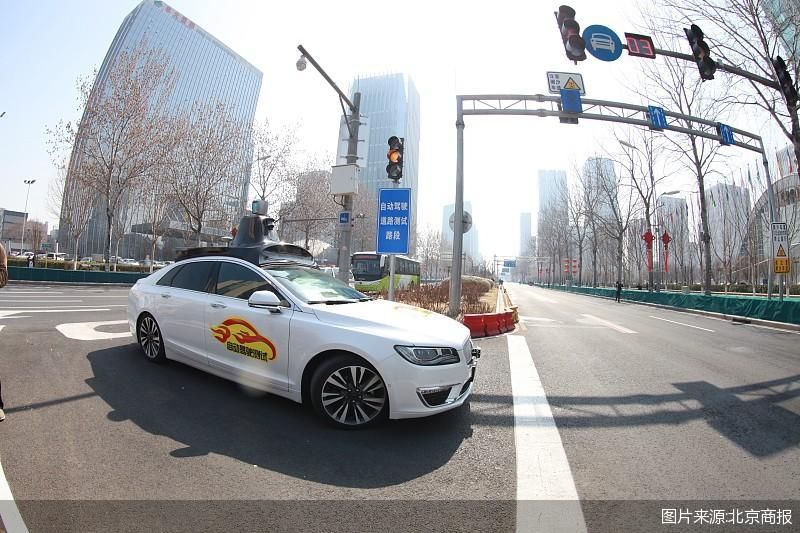
当前,自动驾驶发展进入深水区,干线物流因其场景相对规范、市场规模巨大,被公认为可能是最快实 现商业化的"黄金赛道"。 12月12日,旨在加速干线物流自动驾驶商业化落地的干线物流自动驾驶商业化路径研讨会暨四川省港投 集团干线物流自动驾驶"挑战赛"招募发布会在清华大学举办。该活动由四川省港航投资集团有限责任公 司(以下简称四川港投集团)、西部科学城智能网联汽车创新中心(以下简称西部智联)、清华大学智 能绿色车辆与交通全国重点实验室共同主办。 中国公路学会理事长翁孟勇会上表示,发展干线物流自动驾驶是解决行业结构性痛点的必由之路。目 前,在试验区、封闭场地开展试验的意义已经有限,应当在相对开放的场景中推动自动驾驶实践落地。 为深化战略布局与合作,四川港投经济技术研究有限公司与西部智联在会上签署战略合作协议,双方在 干线物流自动驾驶领域建立起紧密的生态合作伙伴关系。 清华大学车辆与运载学院教授、智能绿色车辆与交通全国重点实验室主任、西部科学城智能网联汽车创 新中心首席科学家李克强表示,交通系统智能化成为趋势,高速公路干线物流自动驾驶是技术进步和真 实需求共同驱动的成果,能带来巨大经济和社会效应。他认为,自动驾驶不是孤立 ...
剑指2028无人货运网络 全国干线物流自动驾驶“挑战赛”开启招募
Zhong Guo Qi Che Bao Wang· 2025-12-15 01:47
Core Insights - The autonomous driving industry is entering a critical phase, with trunk logistics recognized as the fastest path to commercialization due to its structured scenarios and large market size [1] - A seminar aimed at accelerating the commercialization of trunk logistics autonomous driving was held, marking a significant step in integrating various stakeholders [1][6] Group 1: Industry Trends - Developing trunk logistics autonomous driving is essential to address structural pain points in the industry, as road transport accounts for 73.6% of total freight volume but faces challenges like low efficiency and an aging workforce [2] - Experts emphasize the need for practical applications in open scenarios rather than limited testing environments to drive the adoption of autonomous driving technologies [2][4] Group 2: Collaborative Initiatives - The Sichuan Port Investment Group launched a "Trunk Logistics Autonomous Driving Challenge" to foster industry collaboration, inviting top autonomous driving technology companies to participate in a twelve-month practical action [8][10] - The challenge aims to create a comprehensive commercial closed loop by addressing technical, economic, policy, and ecological dimensions, with a goal to establish a provincial autonomous driving demonstration network by 2028 [10] Group 3: Core Consensus and Evaluation Framework - The challenge will focus on real application scenarios and high-value transport routes, ensuring alignment between the evaluation framework and actual commercial needs [11] - The evaluation system will reflect the comprehensive economic value created by autonomous driving technology and its positive impact on quality and efficiency [12] - Safety is highlighted as a cornerstone for healthy industry development, with the challenge aiming to establish a high-standard, trustworthy safety assurance system [13] Group 4: Industry Challenges and Solutions - Various stakeholders discussed the real challenges and potential solutions for the commercialization of autonomous driving, emphasizing the need for a coordinated approach across technology, intelligent transportation systems, and operational frameworks [17] - Recommendations include focusing on lightweight, high-value goods, enhancing operational supervision, and establishing a collaborative platform for cross-regional implementation [18]

探路干线物流自动驾驶 四川港投开启实证行动
Zhong Guo Xin Wen Wang· 2025-12-13 12:59
公安部交通管理科学研究所原副所长、二级研究员潘汉中认为,要丰富运输各阶段的安全保障系统,强 调跨区域协同平台的重要性,明确自动驾驶车道,并考虑气候因素和隧道等挑战。 据悉,为加速推动干线自动驾驶的规模化应用,四川省港航投资集团有限责任公司开启干线物流自动驾 驶"挑战赛"(实证行动),为期十二个月,面向全国顶尖自动驾驶技术企业招募并组成总规模达50台的验 证车队。 中新网北京12月13日电 (陶思阅)干线物流自动驾驶商业化路径研讨会12日在清华大学举办。干线物流因 其场景相对规范、市场规模大,与会者认为这是实现自动驾驶商业化落地的优选。 中国公路学会理事长、交通运输部原党组副书记、副部长翁孟勇认为,虽然公路运输在货运总量中占比 超七成,但行业面临运输效率低、劳动力老龄化等问题。此背景下,他认为,自动驾驶应当在试验场外 相对开放的场景加速落地。 四川港投陆港枢纽发展集团有限责任公司党委书记、董事长余曲波结合正在推进的"川西高原阿坝州(马 尔康)至成都(都江堰)零碳道路运输试点项目",分享高原地区实现自动驾驶商业化,主要面临环境适配 性挑战、国道交通情况复杂、商业回报周期长、标准与监管体系不健全等制约。 "推动干线 ...
北京未来产业图谱|“十五五”开局,北京如何下好未来产业先手棋
Xin Jing Bao· 2025-12-12 09:49
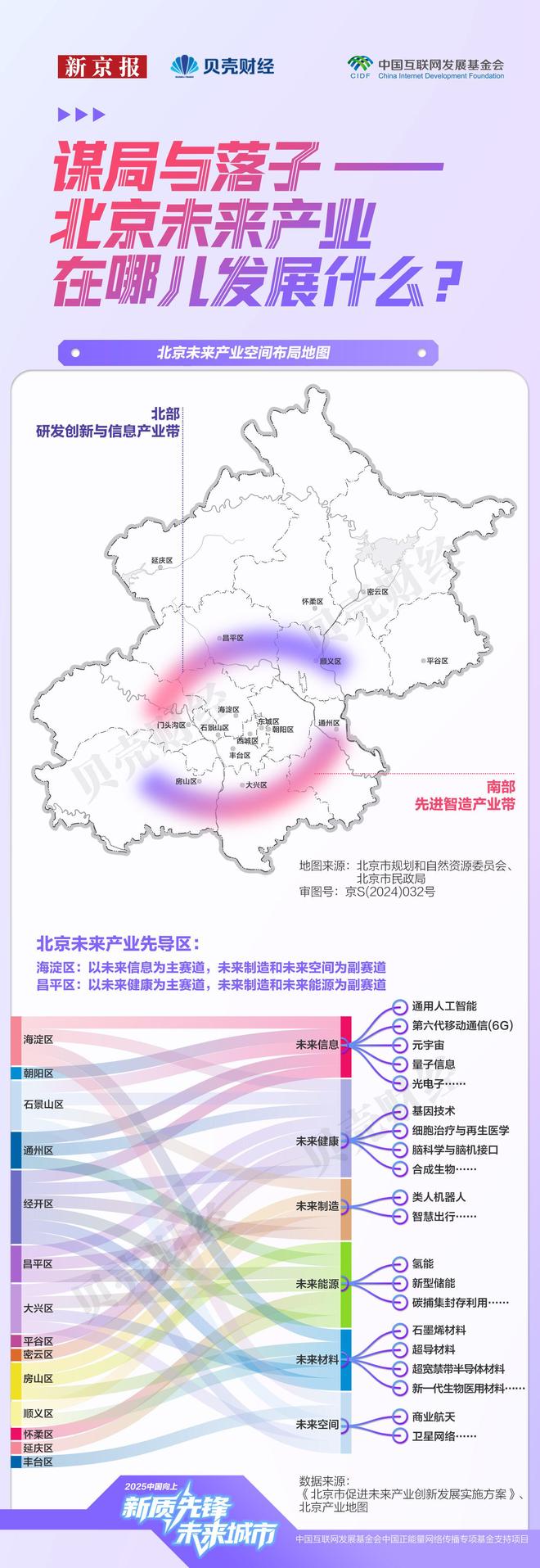
2026年是"十五五"开局之年,中央明确提出,要加快构建现代化产业体系、因地制宜发展新质生产力, 把发展未来产业作为抢占全球科技和产业竞争制高点的关键抓手。 在"十五五"规划建议中,量子科技、氢能、核聚变能、生物制造、脑机接口、具身智能、第六代移动通 信等被前瞻布局为未来产业重点方向,并提出探索多元技术路线、典型应用场景、可行商业模式和市场 监管规则,推动其成长为新的经济增长点。 12月11日发布的2025年中央经济工作会议文件进一步强调,要坚持创新驱动,加紧培育壮大新动能,强 化企业创新主体地位,实施新一轮重点产业链高质量发展行动,深化"人工智能+"行动。会议强调,要 因地制宜发展新质生产力,推动科技创新与产业创新深度融合。 在全球科技革命与产业变革进入关键窗口期的当下,未来产业不再只是技术想象,而正成为驱动经济增 长、塑造城市竞争力、重构产业格局的核心引擎。 双区引领 多极支撑 北京未来产业全景布局 在高质量发展成为中国经济主线的当下,未来产业正加速崛起为新质生产力的重要代表,也成为全球科 技竞争的高地。 中央经济工作会议提出,要建设北京(京津冀)、上海(长三角)、粤港澳大湾区国际科技创新中心。 北京市经 ...
IPO倒计时,解码希迪智驾“攻守道”
第一财经· 2025-12-11 03:14
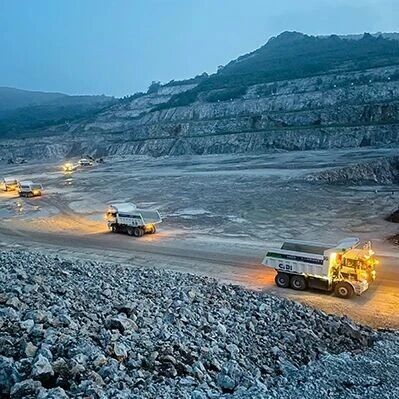
Core Viewpoint - The article discusses the accelerating trend of autonomous driving companies going public, highlighting the case of Xidi Zhijia, which has recently initiated its IPO process on the Hong Kong Stock Exchange [1][3]. Financial Performance - Xidi Zhijia's revenue is projected to grow from 31.1 million yuan in 2022 to 410 million yuan in 2024, representing a compound annual growth rate (CAGR) of 263.1% [3]. - The company's gross margin improved from -19.3% to 24.7%, indicating a significant turnaround in profitability [3]. - Adjusted net losses decreased from 159 million yuan to 127 million yuan, showing a continuous narrowing trend [3]. Business Model and Strategy - Xidi Zhijia focuses on a multi-faceted business model, targeting various scenarios in the commercial vehicle sector, including autonomous mining trucks and logistics solutions, as well as V2X products for smart cities [4][10]. - The company employs a strategy of "size and smallness" to address the challenges of operating in environments with both autonomous and human-driven vehicles [14]. - The founders leverage their extensive experience in technology and entrepreneurship to navigate the uncertainties in the autonomous driving industry [5][6]. Market Dynamics - The commercial vehicle sector presents unique challenges, requiring a clear value proposition that exceeds price considerations for customer acceptance [4]. - The autonomous mining truck market in China is rapidly evolving, with a projected total shipment of around 800 units in 2023, expected to rise to over 13,000 units by 2030 [15]. - Xidi Zhijia's autonomous mining trucks are positioned to capitalize on the growing demand for automation in mining operations, with significant orders already in place [12][16]. Future Outlook - The company aims to adapt to market dynamics and customer needs, emphasizing the importance of patience and strategic planning in achieving long-term growth [19]. - Xidi Zhijia is preparing for a potential market explosion in the autonomous mining sector, with ambitious targets set by clients for increased automation [16][19]. - The company’s vision includes expanding into various high-growth markets while maintaining a focus on core technologies and product adaptability [19].
技术驱动 北京交通系统加速演进
Bei Jing Shang Bao· 2025-12-10 15:25
Core Insights - The third Beijing Intelligent Transportation Conference highlighted the advancements in smart transportation, showcasing Beijing's achievements in intelligent connected roads and smart city networks, with over 600 square kilometers covered and more than 3,800 million kilometers of testing mileage [1][2][3] - The transition from "car sees light" to "light sees car" represents a significant evolution in traffic management, emphasizing the need for a more integrated and systematic approach to value realization in smart transportation [1][6] Group 1: Systematic Development - Beijing's smart transportation system is characterized by an integrated development model of "smart cars, intelligent roads, and collaborative cloud" [2] - The deployment of intelligent connected standards at intersections has significantly improved the integration and aesthetics of road facilities [3] - The collaboration between companies like Baidu and Pony.ai with roadside facilities enhances the safety and operational domain of autonomous vehicles [3] Group 2: Addressing Real-World Needs - There is a growing discussion on how to ensure that substantial technological investments effectively serve economic and social development, focusing on immediate public needs such as safety and efficiency [4][5] - Experts emphasize the importance of balancing forward-looking exploration with immediate empowerment to enhance road safety and alleviate congestion [4][5] Group 3: Future Pathways - The ultimate value of smart transportation lies in enhancing core capabilities, including precise service delivery, emergency response, and comprehensive scheduling based on big data [6] - A cost-effective technology path is gaining traction, focusing on leveraging existing data resources rather than solely investing in high-end hardware [6] Group 4: Role of Artificial Intelligence - AI is increasingly recognized as a powerful tool for enhancing core capabilities in transportation, with applications in anomaly detection and emergency response [7] - The consensus is that government investment remains crucial for basic safety services, while market-driven value-added services are also being explored [7] Group 5: Expansion of Autonomous Driving - The Beijing high-level autonomous driving demonstration zone has upgraded to version 3.0, expanding its coverage and testing scale [8] - The future focus will be on commercializing autonomous driving in specific scenarios such as logistics and transportation hubs [8]
从“车看灯”到“灯看车” 智慧交通的进化与冷思考
Bei Jing Shang Bao· 2025-12-10 14:18
Core Insights - The third Beijing Intelligent Transportation Conference highlighted the advancements in smart transportation, particularly in the Yizhuang area, which has become the world's first high-level autonomous driving demonstration zone, covering 600 square kilometers with over 1,000 vehicle-mounted units and more than 33 million kilometers of testing mileage [1][4][12] - The industry is shifting from a focus on single technological breakthroughs to a more complex and systematic approach to value realization in smart transportation [3] Smart Transportation Framework - Beijing's smart transportation system is characterized by an integrated development model of "smart vehicles, intelligent roads, and collaborative cloud" [4] - "Smart vehicles" utilize intelligent autonomous driving systems to perceive their environment and make decisions, while "intelligent roads" collect dynamic traffic data through traditional devices [4][5] - The "cloud" aspect encompasses various platforms for information construction, including cloud control platforms and applications, facilitating the "vehicle-road-cloud integration" [4][6] Achievements and Innovations - The demonstration zone has defined new standards for intelligent connected intersections, enhancing the integration and aesthetics of road facilities [5] - The development of the first domestic tri-mode communication vehicle-mounted terminal ensures reliable communication links, which is crucial for the safety of autonomous driving [5][6] Industry Challenges and Discussions - There is an ongoing discussion about aligning significant technological investments with the immediate needs of the public, focusing on basic safety and efficiency rather than advanced autonomous driving systems [7][8] - Experts emphasize the need for a balanced approach between forward-looking exploration and immediate empowerment, advocating for a multi-layered system that includes both public services and market-driven value-added services [8][9] Future Directions - The ultimate value of smart transportation lies in enhancing core system capabilities, including precise service capabilities, emergency response capabilities, and comprehensive scheduling based on big data [9][10] - Artificial intelligence is increasingly recognized as a powerful tool for improving these core capabilities, with applications in anomaly detection and emergency response [11] - A sustainable business model combining government-funded basic services with market-driven value-added services is seen as essential for the healthy development of the industry [11][12]