
通用人工智能(AGI)

Search documents
“美国一次次错过,再不长脑子,中国新惊喜又来了”
Guan Cha Zhe Wang· 2026-01-31 04:33
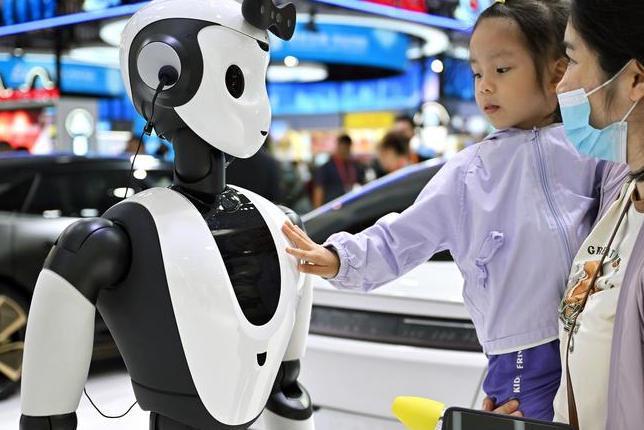
Group 1 - DeepSeek represents a significant advancement in China's AI capabilities, particularly in robotics and autonomous systems, prompting concerns in the West about China's technological leadership [1] - The U.S. is warned to take China's AI advancements seriously, as experts note that China's systematic efforts in AI research have been underestimated [1] - The article emphasizes that the same pattern of underestimation is repeating, indicating a potential for future surprises from China in the AI sector [1] Group 2 - China is focusing on "embodied AI," which integrates AI into hardware systems like robots and drones, allowing them to learn from physical interactions rather than just executing pre-programmed instructions [3] - The long-term benefits of embodied AI could provide China with significant economic and geopolitical advantages, particularly in enhancing military capabilities [3] - China aims to leverage its manufacturing strengths to become a global leader in embodied AI systems, which could automate physical tasks across multiple industries [3] Group 3 - Local Chinese governments are investing in embodied AI companies, while private sector firms like AgiBot, UBTech, and Unitree are emerging as global leaders in humanoid robotics [4] - By 2025, China is projected to dominate the global humanoid robot market, with AgiBot leading with approximately 5,100 units (39% market share), followed by Unitree with about 4,200 units (32%), and UBTech with around 1,000 units [4] Group 4 - Despite challenges such as limited access to advanced AI chips and reliance on Western suppliers for high-end sensors, China's ability to overcome early obstacles has been underestimated [6] - The U.S. is criticized for its strategic neglect of embodied AI, focusing resources on a few private companies and lacking a comprehensive government policy [6] - The article calls for the U.S. to enhance its analytical capabilities regarding China's AI policies and progress, emphasizing the need for urgent action to avoid missing future industrial waves [6]

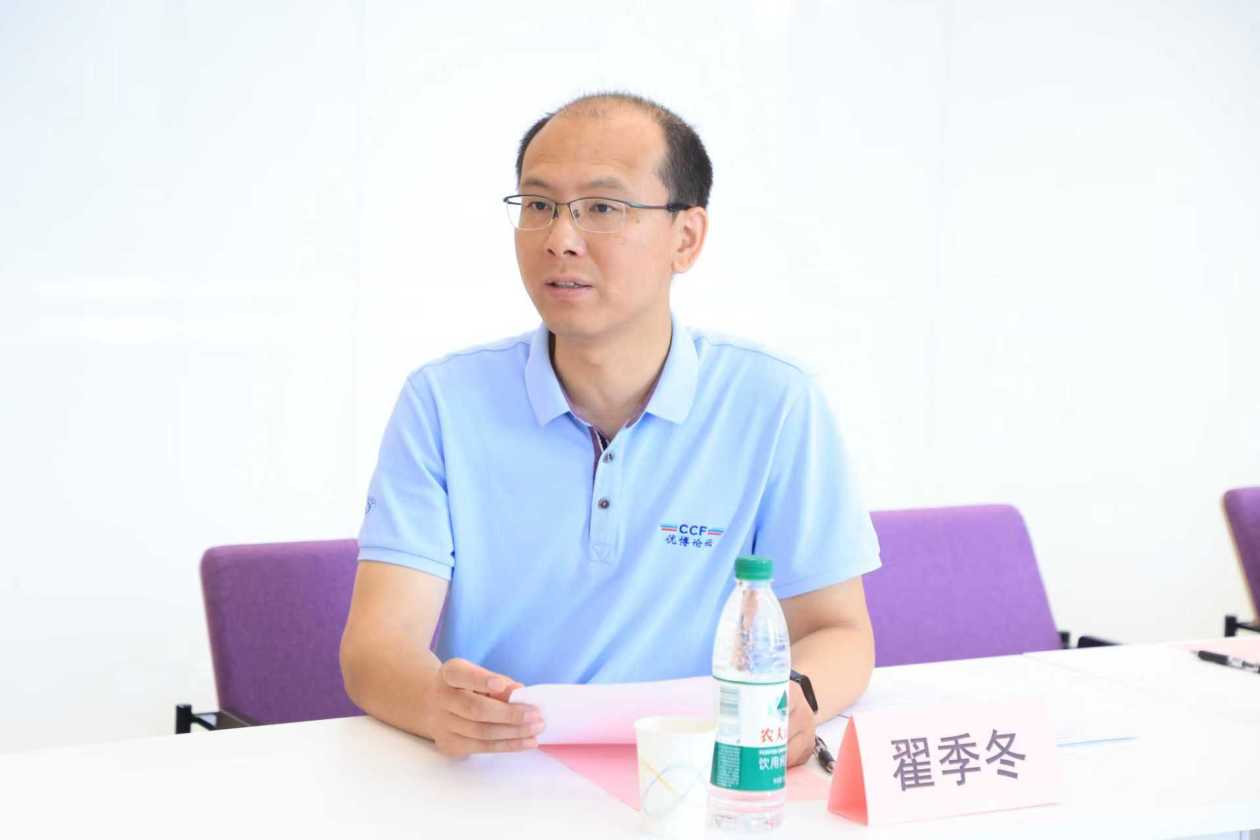
清华大学翟季冬:从“算得出”到“送得到”,“智能路由”打开 AI 基础设施新赛道
Huan Qiu Wang· 2026-01-30 11:06
Core Insights - The development of AI infrastructure (AI Infra) is crucial for the evolution and industrial application of artificial intelligence, transitioning from theoretical research to practical implementation across various industries [1][4] - The focus of AI Infra is shifting from merely enhancing computational power to optimizing the "routing" of AI services to meet specific industry needs, ensuring efficient and effective deployment [3][12] Group 1: AI Infrastructure Development - AI Infra has supported the rapid iteration and deployment of large models through breakthroughs in high-performance operators, optimized training frameworks, and efficient inference engines [1] - The current phase of AI development emphasizes the integration of AI into various sectors, requiring AI Infra to facilitate the seamless flow of intelligent services to end business scenarios [1][3] Group 2: Intelligent Routing - The concept of "intelligent routing" is proposed to address the challenges of selecting the most suitable models and services for specific tasks, enhancing efficiency and cost-effectiveness [3][7] - Two main challenges in intelligent routing are identified: model routing, which involves selecting the optimal model for a given task, and service routing, which matches the best API service provider based on safety, efficiency, and cost [3][9] Group 3: Market Dynamics and Opportunities - The Chinese government aims to promote the deep application of general large models in manufacturing by 2027, creating specialized industry models and high-quality datasets [5] - The service routing approach offers a new commercial opportunity by allowing users to access AI services without needing to directly engage with domestic computing hardware, thus simplifying the integration process [10] Group 4: Performance and Optimization - The performance of domestic computing power is sufficient to meet most intelligent service demands, but further optimization of inference engines designed for domestic architectures is necessary to enhance service delivery [10][11] - The open-source inference engine "Chitu" demonstrates significant advantages on domestic platforms due to its native development and optimization, highlighting the importance of tailored solutions for domestic computing environments [11] Group 5: Future Directions - The exploration of intelligent routing is seen as a key area for expanding the technical boundaries of AI Infra, supporting the efficient and stable circulation of intelligent services [12] - As intelligent routing becomes a standard configuration in AI Infra, it is expected to facilitate the integration of AI services into various sectors, contributing to the construction of a digital economy in China [12]
顶尖模型离“科学家”还差得远?AI4S亟待迈向2.0时代
机器之心· 2026-01-30 10:43
Core Insights - The article discusses the transition from AI for Science (AI4S) to AGI for Science (AGI4S), emphasizing the need for a specialized generalist model to enhance scientific discovery and reasoning capabilities [1][2][71]. Group 1: Current State of AI in Science - AI for Science, exemplified by AlphaFold, has achieved significant milestones in specific fields like protein folding and weather prediction, but reliance on existing deep learning models may limit the exploration of new knowledge and hinder innovation [1][71]. - A systematic evaluation involving 100 scientists from 10 different scientific fields revealed that cutting-edge models scored 50 out of 100 in general scientific reasoning tasks, but dropped to scores between 15 and 30 in specialized reasoning tasks [1][71]. Group 2: The Need for AGI4S - The transition from AI4S 1.0 to AGI4S 2.0 is necessary to integrate general reasoning with specialized capabilities, addressing the limitations of current models in scientific discovery [2][71]. - The concept of "Specialized Generalist" is proposed as a feasible path to achieve AGI, which combines deep specialization with general capabilities [2][90]. Group 3: Technological Framework - SAGE - The "SAGE" architecture is introduced as a synergistic framework for developing generalizable experts, consisting of three layers: foundational, collaborative, and evolutionary [3][18]. - The foundational layer focuses on decoupling knowledge and reasoning capabilities, while the collaborative layer employs reinforcement learning to balance intuitive and logical reasoning [27][28]. - The evolutionary layer aims to enable self-evolution of models through continuous interaction and feedback, addressing the challenges of adapting to complex tasks [55][56]. Group 4: Innovations in Reinforcement Learning - The article highlights the development of the PRIME algorithm, which provides dense rewards for reinforcement learning without the need for extensive manual labeling, significantly improving model performance [38][39]. - FlowRL is introduced to enhance the diversity of reasoning paths in models, allowing them to explore multiple solutions rather than converging on a single answer [47][50]. Group 5: Applications and Case Studies - The Intern-S1 model is designed to be a deep specialized generalist for scientific applications, demonstrating superior performance in various scientific domains compared to existing models [77][79]. - The Intern-Discovery platform integrates the Intern-S1 model with extensive data and tools, facilitating a closed-loop system for hypothesis generation and experimental validation [80][84]. Group 6: Future Directions - The article calls for collaboration among researchers to fill the gaps in the current framework and advance the development of AGI4S, emphasizing the potential for AI to revolutionize scientific research [89][90].

2026前沿科技趋势:塑造自己的下一个版本
3 6 Ke· 2026-01-30 09:58
Group 1 - The rapid evolution and application of artificial intelligence and cutting-edge technologies are causing societal adaptation challenges, leading to feelings of uncertainty among people [1][2] - The focus of technological advancement should be human-centered, with an emphasis on shaping a better future through technology by 2030 [2] Group 2 - The "third transformation" of human life aims to extend healthy lifespan rather than just lifespan, with significant implications for global health and economy [3][5] - Human life expectancy has doubled over the past century, but the growth rate has significantly slowed down, with some regions experiencing stagnation or decline [4] - By 2030, the quality of life is projected to be a major focus, with non-communicable diseases potentially costing the global economy up to $47 trillion if not addressed [5] Group 3 - Advances in gene therapy and artificial intelligence are expected to play crucial roles in extending healthy lifespan, with technologies like CRISPR and AI enhancing medical capabilities [9][17] - Clinical breakthroughs in preventive gene therapy and RNA therapies are showing promise in treating chronic diseases effectively [10][12] - Epigenetic reprogramming is emerging as a potential method to reverse aging, with ongoing research aiming for clinical trials by 2026 [15] Group 4 - Artificial intelligence is set to enhance medical efficiency and understanding of human health, with applications in drug development, disease screening, and personal health management expected to yield significant results by 2030 [17][18] - AI is accelerating drug development processes, reducing timelines from years to months, and improving the success rates of new treatments [18][19] Group 5 - The development of exoskeleton technology is enhancing human physical capabilities, with applications in medical rehabilitation, industrial safety, and personal use expected to expand significantly [24][25] - Innovations in exoskeletons are making them more adaptable and user-friendly, with advancements in sensor technology and materials [28][30] Group 6 - The eVTOL market is projected to grow significantly, with advancements in battery technology and noise reduction strategies being critical for its acceptance and integration into urban transportation [31][32] - The evolution of drones into autonomous aerial robots is enhancing their capabilities for both consumer and industrial applications [34] Group 7 - The development of brain-computer interfaces (BCIs) is transforming the treatment of neurological conditions and enhancing human capabilities, with both invasive and non-invasive technologies showing promise [51][54] - BCIs are moving from experimental to standard treatment options for conditions like paralysis, with significant advancements in technology and regulatory approval processes [52][53]
2026前沿科技趋势:塑造自己的下一个版本
腾讯研究院· 2026-01-30 08:18
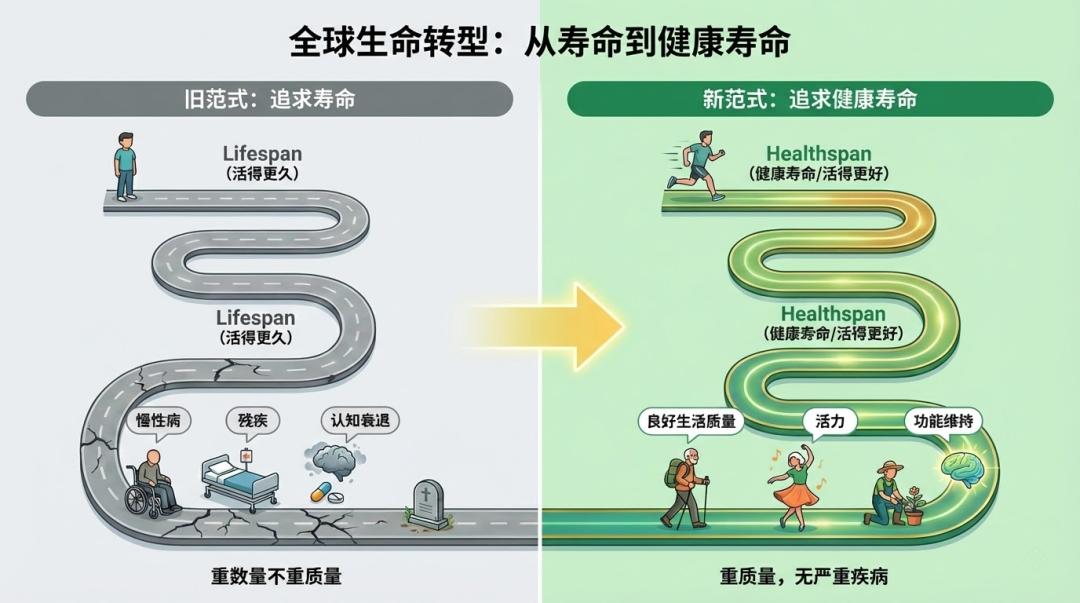
Core Insights - The article emphasizes the rapid evolution and application of artificial intelligence and cutting-edge technologies across various fields, urging a human-centered approach to technological advancement [3][4][5]. Group 1: Human Life's "Third Transformation" - Extending Healthy Lifespan - Human life expectancy has doubled over the past century, with significant improvements attributed to public health, antibiotics, and vaccines [7]. - Recent research indicates a dramatic slowdown in the growth rate of life expectancy, with the average increase dropping to below 0.25 years per decade in the last 30 years [8]. - A shift is occurring from merely extending lifespan to enhancing healthspan, which is the period of life spent in good health, with potential economic implications of up to $47 trillion in costs from non-communicable diseases by 2030 [9]. Group 2: Programmable Life - Gene Therapy - Gene therapy is moving towards optimizing the "life code," with advancements in CRISPR technology and delivery systems expected to mature by 2030 [11]. - Clinical breakthroughs in preventive gene therapy, such as Verve Therapeutics' treatment for cardiovascular disease, show promising results with significant reductions in LDL-C levels [12]. - The success of personalized CRISPR therapy in curing a fatal metabolic disease in a patient highlights the potential of gene therapy [14]. Group 3: Health Planning - AI Enhancing Medical Efficiency - AI is set to revolutionize drug development, disease screening, and personal health management by 2030, significantly reducing the time and cost associated with traditional drug development [21]. - AI combined with multi-omics technology is facilitating faster and more accurate disease screening, with notable advancements in cancer detection [23]. - Aging clock technology is evolving, enabling precise monitoring of aging processes and identifying underlying causes of aging [25]. Group 4: Enhancing Physical Capability - Exoskeleton Technology - Exoskeleton technology is advancing to enhance human physical capabilities, with applications in medical rehabilitation, industrial safety, and personal use [30]. - In the medical field, exoskeletons are evolving from mere mobility aids to intelligent devices that promote neurological recovery [31]. - Consumer-grade exoskeletons are expected to become popular for outdoor activities, significantly improving mobility for users [32]. Group 5: Flying Technology - eVTOL Development - The eVTOL market is projected to reach $41 billion in China by 2040, with significant advancements in battery technology expected to triple flight ranges [37]. - Noise reduction technologies are being explored to enhance social acceptance of eVTOLs, with strategies like "noise corridors" being implemented [38]. - The evolution of drones into aerial robots is enhancing capabilities in both consumer and industrial applications, with significant advancements in autonomous operations [40]. Group 6: Brain-Machine Interfaces - A New Era of Interaction - Brain-machine interfaces (BCIs) are transitioning from experimental therapies to standard treatment options for conditions like paralysis, with companies like Neuralink leading the way [61]. - Non-invasive BCIs are emerging, allowing for enhanced human-computer interaction, with applications in consumer technology [63]. - The integration of BCIs with AI could redefine human-AI collaboration, raising ethical considerations regarding privacy and data protection [64].

GPT-5.2破解数论猜想获陶哲轩认证,OpenAI副总裁曝大动作
3 6 Ke· 2026-01-29 13:24
Core Insights - OpenAI has launched a new AI research tool called Prism, powered by GPT-5.2, aimed at assisting scientists in writing and collaborating on research, now available for free to all ChatGPT personal account users [1] - The company aims to empower scientists with AI capabilities to accelerate research, with a vision to enable scientific advancements by 2030 that would typically be expected by 2050 [1][2] - OpenAI's entry into the scientific field comes after competitors like Google DeepMind have already established their presence with AI-for-science teams and groundbreaking models [2] Group 1: OpenAI's Strategic Goals - OpenAI's goal is to enhance the capabilities of scientists, allowing them to focus on more complex problems rather than previously solved issues, thereby accelerating research [2][3] - The company plans to optimize its models by reducing confidence levels in answers and implementing self-fact-checking mechanisms [3][15] - OpenAI's mission is to develop general artificial intelligence (AGI) that benefits humanity, with a focus on transforming scientific research through new drugs, materials, and instruments [3][4] Group 2: Model Performance and Capabilities - GPT-5 has shown significant improvements, achieving a 92% accuracy rate in the GPQA benchmark, surpassing the performance of 90% of graduate students [5] - The model has been recognized for its ability to assist researchers in finding connections between existing research and generating new insights, although it still makes errors [10][11] - OpenAI acknowledges that while the model can assist in research, it has not yet reached the level of making groundbreaking discoveries [6][8] Group 3: Industry Context and Competition - OpenAI's late entry into the AI-for-science domain is notable, as competitors like Google DeepMind have already made significant advancements [2][16] - The company is aware of the competitive landscape and aims to establish a strong foothold in the scientific research sector [16] - OpenAI's focus on optimizing model features and enhancing collaboration with researchers is part of its strategy to differentiate itself from other AI models in the market [15][16]

CSIWM个股点评:2026年关键里程碑
citic securities· 2026-01-29 12:23
Group 1: Company Overview and Market Position - SoftBank Group has achieved significant growth over the past 30 years through investments in mobile communications and internet assets[12] - The company maintains a strong market position in Japan's mobile communications and internet culture sectors, characterized by defensive strength and high profitability[12] Group 2: Key Financial Metrics - As of January 28, 2026, SoftBank's stock price was 4,201.0 JPY, with a market capitalization of 159.99 billion USD[13] - The stock has a 12-month high of 6,828.75 JPY and a low of 1,458.75 JPY[13] - Revenue breakdown shows 90.0% from SoftBank, 6.9% from Arm, and 0.0% from the Vision Fund and Delta Fund, with 91.8% of revenue generated in Asia[13] Group 3: Investment and Growth Drivers - Key catalysts for SoftBank's stock performance in 2026 include AI adoption speed, OpenAI financing progress, and the company's robot strategy[7] - SoftBank is reportedly considering a 30 billion USD investment in OpenAI, which could enhance market confidence in OpenAI's development[6] - The company is also involved in a commitment to invest 550 billion USD in the U.S., which could further drive growth[8] Group 4: Risks and Challenges - The CEO's involvement is critical; any change in management could lead to market concerns[11] - Increased competition in the telecommunications sector poses potential risks to SoftBank's business[11] - Rising interest rates could impact SoftBank's high debt levels, which are currently manageable due to Japan's low-interest environment[11]
GPT-5.2破解数论猜想获陶哲轩认证!OpenAI副总裁曝大动作:正改模型核心设计,吊打90%研究生但难出颠覆性发现
AI前线· 2026-01-29 10:07
Core Viewpoint - OpenAI has launched Prism, a new AI research tool powered by GPT-5.2, aimed at enhancing scientific research collaboration and efficiency, now available for free to all ChatGPT personal account users [2][3]. Group 1: OpenAI's Strategic Move - OpenAI's entry into the scientific research field is seen as a response to the growing importance of AI in academia, with the goal of empowering scientists to conduct advanced research by 2030 [2][3]. - The establishment of the OpenAI for Science team indicates a focused effort to explore how large language models (LLMs) can assist researchers and optimize tools for scientific support [2][3]. Group 2: Model Capabilities and Limitations - Kevin Weil, OpenAI's VP, acknowledges that while current models can accelerate research by preventing time wastage on solved problems, they are not yet capable of making groundbreaking discoveries [4][5]. - The latest version, GPT-5.2, has shown significant improvement, achieving a 92% accuracy rate in the GPQA benchmark, surpassing the performance of 90% of graduate students [7][8]. Group 3: Research Applications and Feedback - Researchers have reported that GPT-5 can assist in brainstorming, summarizing papers, and planning experiments, significantly reducing the time needed for data analysis [13][14]. - Feedback from various scientists indicates that while GPT-5 can provide valuable insights, it still makes basic errors, and its role is more about integrating existing knowledge rather than generating entirely new ideas [14][15]. Group 4: Future Directions and Enhancements - OpenAI is working on two main optimizations for GPT-5: reducing confidence in its answers to promote humility and enabling the model to fact-check its outputs [4][19]. - The goal is to create a collaborative workflow where the model can serve as its own verifier, enhancing the reliability of its contributions to scientific research [19][20].

专访|人工智能同样需要“终身”学习——访人工智能促进协会主席斯蒂芬·史密斯
Xin Hua She· 2026-01-29 04:13
Core Insights - The future development of artificial intelligence (AI) may hinge on the concept of "lifelong learning," similar to human learning methods [1] - The rise of large language models (LLMs) has been a significant breakthrough in AI, but they have limitations, including a lack of continuous updating and causal reasoning capabilities [1][2] - Achieving "lifelong learning" in AI presents technical challenges, particularly in fine-tuning existing LLMs without compromising their performance [2] Group 1 - The most notable breakthrough in AI is the emergence of large language models, which can understand and generate text based on extensive data training [1] - Current AI systems, primarily based on LLMs, are often "frozen" after initial training, lacking the ability to grow and adapt over time [1] - LLMs excel at identifying correlations but struggle with causal reasoning, which limits their planning abilities and can lead to nonsensical outputs [1] Group 2 - Implementing "lifelong learning" in AI could mimic human learning processes, relying on small samples and selective data rather than vast amounts of information [2] - Robotics and embodied intelligence may enhance AI development by allowing interaction with the physical world, thereby accumulating experience and understanding causal relationships [2] - The future direction of AI includes the development of autonomous agents that can make independent decisions and collaborate with other agents to solve complex problems [2]

2026年春节红包能救大厂AI 吗?
3 6 Ke· 2026-01-29 04:13
Core Viewpoint - The competition among major tech companies during the 2026 Spring Festival revolves around distributing cash rewards through AI, but this strategy reflects a deeper strategic anxiety rather than genuine innovation [2][8]. Group 1: Cash Incentives and User Engagement - The cash rewards being offered are seen as a form of "bribery" rather than a sustainable way to engage users with AI technology [5][6]. - Unlike the successful launch of WeChat red envelopes in 2015, which created a closed-loop system for mobile payments, the current AI cash incentives lack a similar follow-up mechanism to foster user habits [4][5]. - Users are unlikely to develop a dependency on AI simply because of small cash rewards, as the interaction may not lead to meaningful engagement with the technology [5][20]. Group 2: Strategic Competition and Market Positioning - The current battle among tech giants is described as a "sovereignty defense war," where companies are trying to maintain their market position against the backdrop of AI's transformative potential [8][9]. - The rise of AI threatens to diminish the importance of traditional apps, as users may prefer direct interactions with AI rather than navigating multiple applications [12][13]. - Companies are concerned about becoming mere conduits for AI services, losing their established market dominance [13][15]. Group 3: User Fatigue and Market Dynamics - Users in 2026 are more sophisticated and less impressed by cash rewards compared to 2015, leading to a sense of fatigue towards such incentives [17][18]. - The expectation that cash can drive user engagement with AI is flawed, as users prioritize functionality and effectiveness over monetary incentives [20][27]. - The current approach of using cash rewards is seen as a desperate measure by companies that have not yet found a viable strategy for engaging users in the AI era [22][28]. Group 4: Recommendations for Future Strategies - Companies should consider more innovative ways to engage users, such as creating interactive experiences that enhance AI's utility rather than relying solely on cash incentives [30][31]. - Fostering user-generated content and leveraging influencers could be more effective in demonstrating AI's capabilities and attracting users [31][32]. - The focus should shift from merely distributing cash to creating meaningful interactions that showcase the practical benefits of AI, thereby establishing a stronger user connection [32].

