智能网联汽车

Search documents
汽车新规要求强制安装AEBS,有望带动相关产业链发展
Mei Ri Jing Ji Xin Wen· 2025-05-19 06:14
Group 1 - The Hong Kong stock market indices showed a narrowing decline, with the Hang Seng Tech Index ETF experiencing a slight downturn, while stocks like Meituan and Xiaomi led the gains [1] - The new mandatory national standard for light vehicle automatic emergency braking systems (AEBS) is set to replace the current standard, expanding its applicability to light commercial vehicles [1] - The new standard requires M1 and N1 class vehicles to be equipped with automatic emergency braking systems, indicating a significant regulatory shift in the automotive industry [1] Group 2 - The implementation of the new automotive regulations is expected to enhance the market penetration of AEBS, creating growth opportunities for the related supply chain [2] - Short-term benefits are anticipated for AEBS component suppliers due to increased business volume, while mid-term advantages will accrue to automotive electronics and intelligent driving system integrators [2] - Long-term growth is expected for autonomous driving technology providers and vehicle manufacturers as they benefit from AEBS technology upgrades and the promotion of smart connected vehicles [2] Group 3 - The Smart Vehicle ETF focuses on significant AI applications, highlighting its strong technological attributes [3] - The Automotive Parts ETF is expected to perform well as the replacement process accelerates within the parts sector [4] - The Hong Kong Stock Connect Automotive ETF includes leading vehicle manufacturers such as BYD, Li Auto, and Xpeng [5]
智能网联汽车ETF(159872)受益政策与技术双驱动,盘中微涨0.11%
Xin Lang Cai Jing· 2025-05-19 05:52
Group 1 - The smart connected vehicle ETF (159872.SZ) increased by 0.11%, with its associated index CS Vehicle Networking (930725.CSI) rising by 0.17% [1] - Key component stocks such as Junsheng Electronics rose by 6.40%, OFILM by 1.84%, Beidou Star by 2.36%, Haon Electric by 10.38%, and Huayu Automotive by 0.76% [1] - NVIDIA's CEO Jensen Huang announced the application of AI models in autonomous vehicles, collaborating with Mercedes to launch an end-to-end autonomous fleet expected to be realized within the year [1] Group 2 - The Ministry of Industry and Information Technology is soliciting opinions on the technical requirements and testing methods for light vehicle automatic emergency braking systems, with the AEBS standard transitioning from recommended to mandatory [1] - This regulatory change is driving up the stock prices of related companies such as Wan'an Technology and Haon Electric, indicating a boost in industry sentiment due to both technological upgrades and mandatory policy requirements [1] - Northeast Securities highlighted the evolution of technology in the smart driving sector, emphasizing the importance of communication technologies like CAN bus and EtherCAT as core components of automotive electronic architecture [2] Group 3 - Guosen Securities noted a 7% year-on-year revenue growth and a 14% increase in net profit for the automotive parts sector in Q1 2025, reflecting the industry's resilience in profitability driven by scale effects and cost optimization [2] - This performance aligns with the strong showing of automotive electronic companies such as Junsheng Electronics and Haon Electric within the CS Vehicle Networking index [2] - Both research institutions pointed to structural opportunities in the smart connected vehicle industry chain driven by technological upgrades and profit recovery [2]
中国汽车制造第一省,安徽
AI研究所· 2025-05-16 18:00
Core Viewpoint - The article discusses the significant transformation of China's automotive industry, highlighting Anhui's rise to become the leading province in automotive production, surpassing traditional powerhouses like Guangdong and Jiangsu [1][2]. Group 1: Anhui's Automotive Industry Rise - Anhui achieved a remarkable automotive production of 761,700 vehicles in Q1 2025, outpacing Guangdong by nearly 100,000 vehicles [2]. - The province's automotive production has dramatically increased from 824,300 vehicles in 2018, when it ranked 14th nationally, to becoming the top producer in just a few years [3][4]. Group 2: Key Drivers of Growth - The rise of Anhui's automotive industry is attributed to strategic positioning by leading companies and effective government support through targeted investment and policy initiatives [6][14]. - Major automotive brands in Anhui include JAC Motors, NIO, Volkswagen Anhui, BYD, and Changan, with BYD's production base in Hefei expected to produce over 950,000 vehicles by 2024 [7][9]. - NIO's Hefei base has established a "dual factory + full industry chain" model, contributing to a significant market share in the high-end electric vehicle segment [9][10]. - Chery Automobile's sales reached 2.604 million units in 2024, marking a 38.4% year-on-year increase, solidifying its position as the fifth-largest automotive manufacturer in China [11]. Group 3: Technological Innovation - Anhui's automotive industry is transitioning from "technology following" to "independent breakthroughs," particularly in core technologies like solid-state batteries [15][16]. - Guoxuan High-Tech's solid-state battery, launched in 2024, boasts a 40% increase in energy density compared to traditional lithium batteries, with plans for models achieving over 1,000 km range by 2025 [16][17]. - iFlytek is enhancing the smart technology landscape in Anhui's automotive sector, integrating AI and voice recognition into vehicles, thus improving the overall smart capabilities of local automotive products [18][20]. Group 4: Challenges and Future Outlook - Despite its achievements, Anhui's automotive industry faces challenges such as reliance on imported high-end chips and competition in smart driving technologies [21][22]. - The province is well-positioned to overcome these challenges through its strong technological foundation, brand development, and global expansion strategies [22][23].

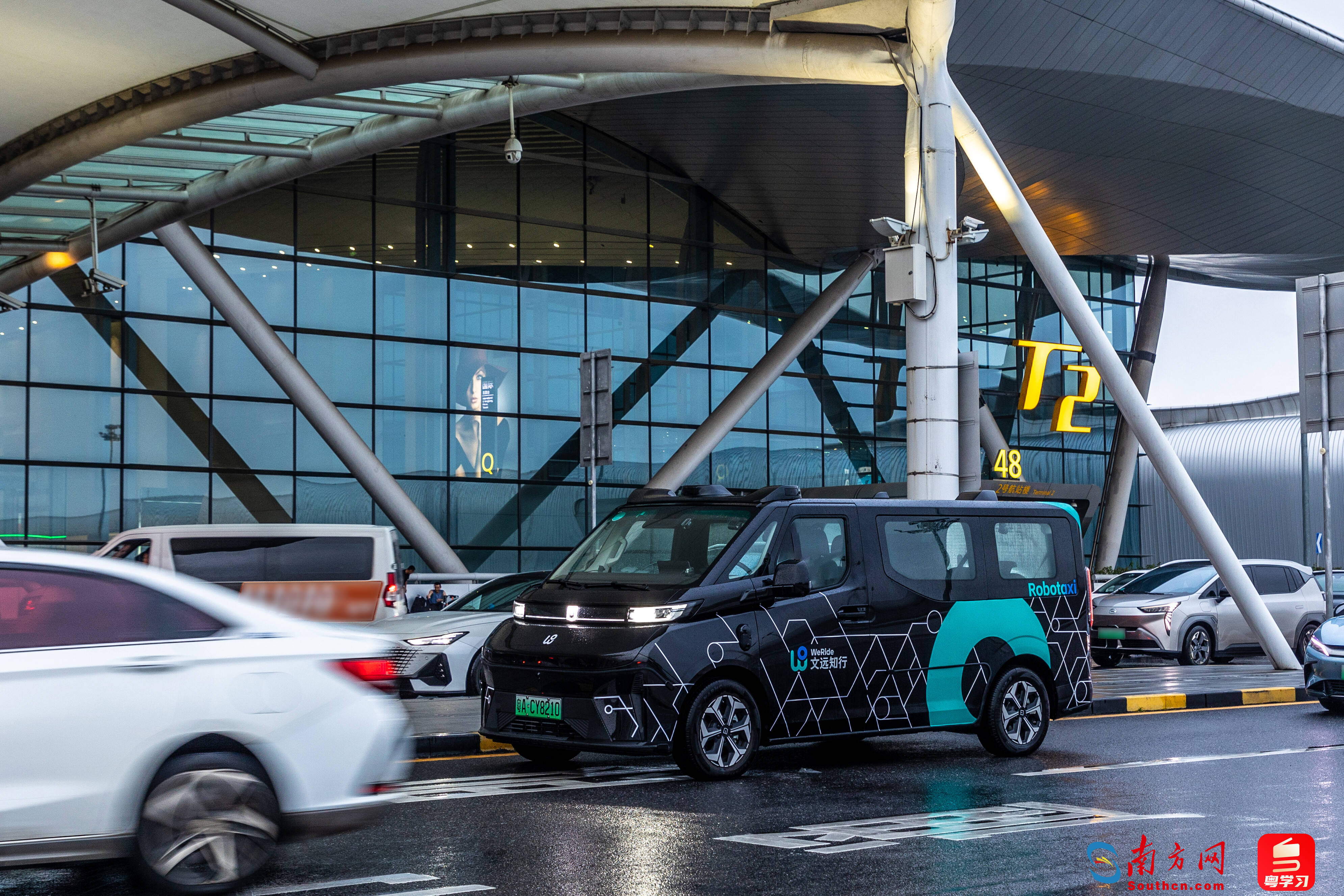
国内首个覆盖一线城市核心城区的24小时Robotaxi服务网络在广州开通
Sou Hu Cai Jing· 2025-05-16 16:19
Core Insights - Guangzhou Huangpu autonomous driving technology company WeRide has launched 8 autonomous driving service routes in downtown Guangzhou, establishing China's first 24-hour autonomous driving service network in a core urban area [1][4] - The service network connects major landmarks and national transportation hubs, showcasing WeRide's advanced autonomous driving technology and operational safety, stability, and reliability [1][4] Company Overview - WeRide is one of the earliest companies globally to achieve open-road commercial operation of autonomous driving services, having launched China's first paid autonomous ride-hailing service in Guangzhou in 2019 [4] - The company has established a service network across 8 cities in China, UAE, and Switzerland [4] Industry Development - Huangpu District has created a dual-driven development model for traditional and new energy smart connected vehicles, attracting major industry players like XPeng Motors, Hyundai, and Baidu Apollo [4] - The district has become a testing ground for intelligent connected vehicles, with 334 roads opened for testing, totaling 480.404 kilometers in one-way and 955.978 kilometers in two-way routes [5] Policy Support - In April 2025, Huangpu District will implement guidelines for the application of intelligent connected vehicles and autonomous driving equipment in transportation, simplifying approval processes for various autonomous vehicle types [9]
天有为IPO:发行价93.5元创14个月新高
Sou Hu Cai Jing· 2025-05-16 09:42
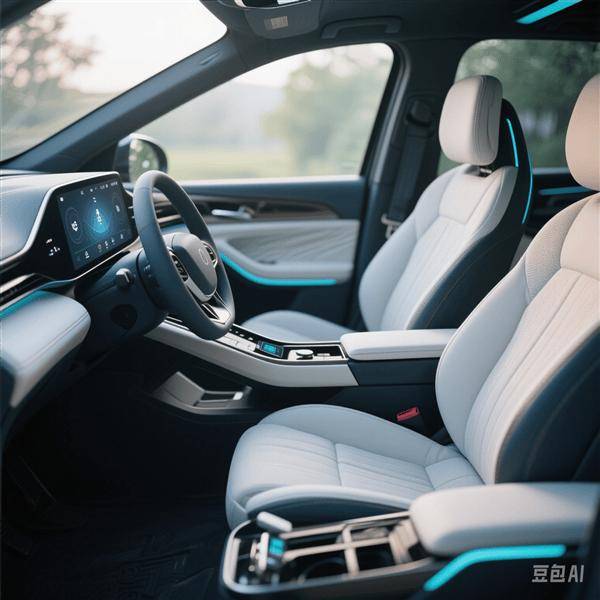
Group 1 - The company Tianyouwei plans to go public on the Shanghai Stock Exchange, marking a significant IPO in the A-share market after a year [2] - The IPO price is set at 93.5 yuan per share, the highest in 2023 and the highest in nearly 14 months, despite a low price-to-earnings ratio of 13.5 times, significantly below the industry average of 27 times [2] - Tianyouwei specializes in automotive instrument panels and is a core supplier for Hyundai Motor Group, also supplying to major brands like BYD, Changan Automobile, and Geely [2] Group 2 - The company is expanding into the smart cockpit sector, where in-car screens are becoming essential for user interaction, information display, and entertainment [3] - The automotive industry is moving towards reducing physical buttons and increasing the number of screens, promoting multi-screen and large-screen integration in vehicles [3] - The target audience for smart cockpits is expanding beyond drivers to include passengers, enhancing the demand for in-car entertainment features [4] Group 3 - The smart cockpit is a key strategic direction for connected vehicle companies, driving innovation in integrated hardware and software experiences [4] - The evolution of vehicles into a "third living space" is anticipated, providing users with new possibilities and experiences outside of home and office environments [4]
国内整车、零部件、后市场等投资并购活动2024年均放缓
Sou Hu Cai Jing· 2025-05-16 06:13
Group 1: Overall Market Trends - In 2024, the Chinese automotive industry is expected to show resilience amid geopolitical tensions, supply chain restructuring, and evolving consumer demand, with M&A activity projected at nearly 168.1 billion yuan and 528 transactions, reflecting a slowdown in decline compared to 2023 [1] - The overall M&A transaction value and volume in the automotive sector are expected to decrease by 32% and 3.6% respectively compared to the previous year [1] Group 2: Vehicle Manufacturing - The commercial vehicle manufacturing sector has become a new focus, with 54 M&A transactions totaling 47.8 billion yuan in 2024, marking a significant decline of nearly 52% from the previous year [3] - Investment and M&A activities are primarily centered around new energy vehicles, with the transaction value for new energy passenger vehicles rising from 89% to 100% of total investments [3] - Traditional fuel commercial vehicle transactions have seen a notable rebound, driven by energy transition and strategic upgrades, as exemplified by Guangqi Hino's increased investment in hydrogen fuel cell technology [3] Group 3: Auto Parts Sector - The auto parts sector is projected to have 404 transactions with a total value exceeding 105.9 billion yuan in 2024, reflecting a 16% decline from the previous year [4] - The electric vehicle parts segment has experienced a significant drop in both transaction volume and value, with average transaction values decreasing by 59% due to supply-demand imbalances [6] - The intelligent automotive parts segment has seen a substantial increase, with average transaction values rising by nearly 110%, driven by technological advancements and market expansion [6] Group 4: Aftermarket Services - The aftermarket service sector has seen a decrease in M&A activity, with transaction values dropping by 31% compared to the previous year, primarily due to reduced investment in automotive trading activities [7] - Despite the decline, areas such as vehicle maintenance and charging services remain active, with significant opportunities arising from the increasing number of vehicles on the road [7] - The charging and battery swap station markets continue to attract capital, supported by the development of new energy vehicle infrastructure [7]

上声电子: 苏州上声电子股份有限公司向不特定对象发行可转换公司债券募集资金使用的可行性分析报告
Zheng Quan Zhi Xing· 2025-05-12 13:09
Fundraising Plan - The company plans to raise a total of 330 million yuan through the issuance of convertible bonds, with a total investment of 445.55 million yuan allocated to various projects [1] - The company will initially invest using its own funds if the actual net amount raised is less than the planned investment amount, and will adjust the investment amounts accordingly [1] Market Background - The global electric vehicle (EV) market is experiencing rapid growth, with global sales expected to reach 18.24 million units in 2024, a year-on-year increase of 24.4% [2] - In China, EV production and sales are projected to reach 12.89 million and 12.87 million units respectively in 2024, with year-on-year growth rates of 34.4% and 35.5% [2] - The proportion of new energy vehicles in total new car sales is expected to rise to 40.9% in 2024, significantly exceeding the 20% target set for 2025 in the national development plan [2] Demand for Acoustic Products - The rapid development of the EV market is driving demand for automotive acoustic products such as speakers, subwoofers, and amplifiers [2][3] - Consumers are increasingly prioritizing in-car entertainment experiences, leading to higher expectations for sound quality and personalization in automotive acoustic systems [2][3] Project Details Speaker Intelligent Manufacturing Technology Upgrade Project - The project aims to invest 374.08 million yuan to upgrade outdated production lines at the company's Suzhou headquarters, enhancing automation and efficiency [4][5] - The company holds the leading market share in automotive speakers in China, with a global market share of 15.24% projected for 2024 [5][6] - Upgrading production lines is essential for maintaining competitiveness and meeting rising market demands for higher quality speakers [5][6] Vehicle Digital Audio-Video Technology Industrialization Project - An investment of 21.47 million yuan is planned for the development of new technologies such as AI amplifiers and digital speaker ASIC chips [9][10] - The project aims to enhance the company's R&D capabilities and align with the trend of increasing integration and intelligence in automotive systems [10][11] Industry Support and Technological Foundation - National policies are strongly supporting the development of the automotive acoustic industry, providing a solid foundation for project implementation [7][8] - The company has a rich technical reserve and a strong R&D framework, including multiple patents and research centers, which supports the project's success [7][8] Financial Impact - The fundraising will enhance the company's capital strength and improve its ability to respond to market demands, thereby increasing competitiveness and profitability [16][17] - The issuance of convertible bonds is expected to optimize the company's capital structure and reduce financial risks over time [16][17]

前4月中国汽车产销量首次双超千万辆,新能源汽车占比达到42.7%
Jing Ji Guan Cha Bao· 2025-05-12 13:02
汽车产业的繁荣带动了上下游产业链协同发展。钢铁、有色金属等原材料行业受益于稳定需求,一季度 钢铁产量同比增长9.2%,电解铝产能利用率提升至92%。汽车金融领域呈现创新态势,截至4月末汽车 消费贷款余额突破5万亿元,其中新能源汽车贷款占比达45%。维修保养市场同样快速增长,头部企业 通过数字化改造将服务效率提升30%。二手车交易市场活跃度显著提高,2025年前4个月交易量同比增 长18%,带动汽车金融、保险等衍生服务规模扩大。 当前全球汽车产业面临复杂挑战。欧美市场对中国新能源汽车发起的反补贴调查已涉及120亿美元规 模,芯片短缺、原材料价格波动等风险犹存。为应对这些挑战,中国车企正通过供应链多元化、海外建 厂等方式降低风险。比亚迪在泰国建成的首个海外工厂将于2025年三季度投产,规划年产能15万辆;上 汽集团在印尼的电池生产基地已进入试生产阶段。这种全球化布局既是对抗贸易壁垒的主动选择,也是 构建双循环发展格局的必然要求。 中国汽车产业的崛起深刻改变了全球产业格局。1980年中国汽车年产量仅为37万辆,2025年前4个月单 季产量已突破千万辆,相当于1980年全年的27倍。这种跨越式发展背后,是改革开放以来 ...

汽车行业2025年5月投资策略暨年报&一季报总结:2025Q1汽车板块营收同比增长6%,盈利能力同环比提升【国信汽车】
车中旭霞· 2025-05-12 09:29
Core Viewpoint - In 2024, CS Automotive achieved a revenue of 371.23 billion yuan, a year-on-year increase of 7%, and a net profit attributable to shareholders of 136.36 billion yuan, up 9% year-on-year [1][10]. Revenue and Profit Summary - In Q4 2024, CS Automotive reported a revenue of 111.76 billion yuan, a year-on-year increase of 13% and a quarter-on-quarter increase of 22% [1][10]. - The net profit for Q4 2024 was 30.9 billion yuan, reflecting a year-on-year increase of 26% but a quarter-on-quarter decrease of 9% [1][10]. - For Q1 2025, CS Automotive's revenue was 84.17 billion yuan, a year-on-year increase of 6% but a quarter-on-quarter decrease of 25% [1]. Sales Tracking - In April 2024, the retail market for narrow passenger cars was approximately 1.75 million units, a year-on-year increase of 14.4% but a month-on-month decrease of 9.8% [1]. - The penetration rate of new energy vehicles reached 51.4% in April 2024, with an estimated 900,000 units sold [1]. Market Performance - In April 2024, the CS Automotive sector declined by 3.24%, underperforming the CSI 300 index by 0.23 percentage points [2]. - The prices of float glass, aluminum ingots, and zinc ingots as of April 2025 showed year-on-year changes of -22%, -2.2%, and +1.5%, respectively [2]. Segment Performance - In 2024, the revenue for CS Passenger Vehicles was 2078.1 billion yuan, up 9% year-on-year, while the net profit was 59.8 billion yuan, up 1% [31]. - The CS Automotive Parts segment achieved a revenue of 962.9 billion yuan, a year-on-year increase of 6%, with a net profit of 46.4 billion yuan, up 10% [69]. Profitability Metrics - The overall sales gross margin for CS Automotive in 2024 was 16.22%, an increase of 0.81 percentage points year-on-year, while the net profit margin was 3.89%, up 0.2 percentage points [27]. - In Q4 2024, the sales gross margin was 15.55%, with a year-on-year decrease of 0.60 percentage points [27]. Industry Trends - The automotive industry saw a total vehicle sales volume of 31.44 million units in 2024, with a year-on-year growth of 4.5% [10]. - The penetration rate of new energy vehicles reached 40.9% in 2024, contributing to the industry's growth [27].







中国汽研:华东总部基地将在2025年底全面竣工验收投入试运行
Ju Chao Zi Xun· 2025-05-12 03:16
Group 1 - The East China headquarters project of China Automotive Research is in the final acceptance stage, with a 90% equipment procurement rate and 50% of the equipment already delivered for installation and debugging, expected to be fully completed and put into trial operation by the end of 2025 [2] - The project includes four major R&D centers focused on new energy vehicle testing, intelligent connected vehicle testing, electronic communication and software testing, and specialized parts and materials testing, enhancing the company's capabilities in intelligent, connected, electric, and low-carbon services [2] - The project aims to provide localized one-stop services for enterprises in East China, including standard formulation, common technology research, and third-party testing R&D services, becoming a public service platform for the development of the intelligent connected new energy vehicle industry in the region [2] Group 2 - The Southern (Shaoguan) Intelligent Connected New Energy Vehicle Testing Center, co-invested by China Automotive Research and China Quality Certification Center, is currently under construction, with an overall completion rate of 80%, expected to be completed and put into trial operation by the end of 2025 [2] - The Hydrogen Energy Quality Inspection and Testing Center has officially commenced operations in January 2024, running smoothly, and includes multiple laboratories for hydrogen vehicles, fuel cells, and powertrains [3] - The Hydrogen National Testing Center has established a testing system covering hydrogen vehicles, systems, and components, providing detection services for hydrogen fuel cell vehicles, key components, and hydrogen quality, encompassing the entire hydrogen energy industry chain [3]