
制度型开放

Search documents
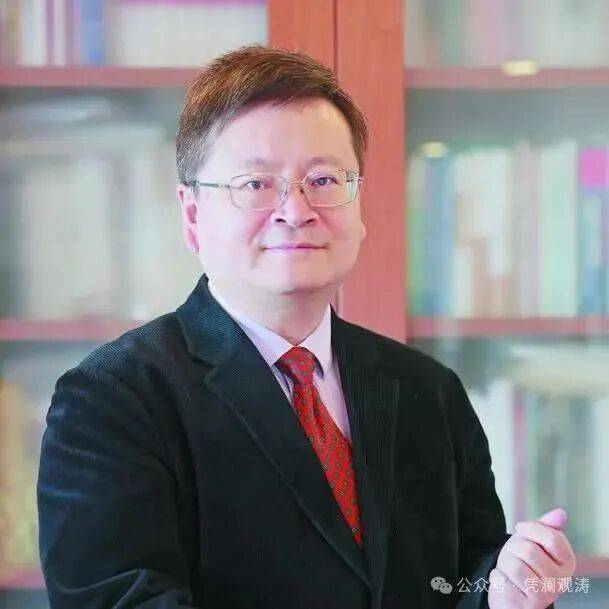
管涛:加快推进中国资本市场高水平制度型开放
Sou Hu Cai Jing· 2025-09-02 07:33
Group 1 - The core viewpoint emphasizes the necessity of advancing high-level institutional opening of China's capital market as a pathway to achieve high-quality development [1] - The article discusses the shift from traditional border opening to institutional opening, highlighting the importance of aligning domestic rules with international standards to enhance the competitiveness of China's capital market [5][6] - It identifies the strategic significance of institutional opening in the context of China's economic transition and the need for a robust market economy [10][11] Group 2 - The article outlines key principles for advancing institutional opening, including prioritizing domestic needs while being internationally oriented, and ensuring safety during the process [12][13][14] - It emphasizes the importance of a comprehensive approach to reforming the capital market, addressing structural contradictions while promoting institutional opening [17] Group 3 - The article details pathways for institutional opening in the stock market, focusing on areas such as stock issuance, trading, investment, and securities firms [19] - It suggests specific measures for enhancing the stock issuance process, including supporting domestic companies in overseas listings and facilitating foreign companies' access to the A-share market [20][21][22] Group 4 - The article discusses the need for improvements in the bond market, including enhancing the information disclosure mechanism and credit rating system to attract foreign investment [34][35] - It highlights the importance of developing a robust framework for investor protection and default resolution in the bond market [39][40] Group 5 - The article addresses potential risks associated with institutional opening, including the need to prevent issues such as regulatory misalignment, information leakage, external shocks, malicious attacks, and financial sanctions [42] - It emphasizes the importance of maintaining national security and stability while pursuing capital market opening [46][47]

广西自贸试验区成开放经济“高产田”
Guang Xi Ri Bao· 2025-08-30 03:22
Core Insights - The Guangxi Free Trade Zone (FTZ) has achieved significant development milestones in its six years of establishment, focusing on high-quality development and innovation in reforms [1][4] Group 1: Achievements and Innovations - The Guangxi FTZ has implemented 120 reform pilot tasks and introduced 214 institutional innovations, with 10 recognized by the General Administration of Customs and 2 selected as best practice cases nationally [1] - The FTZ has established a data exit negative list and a "micro-error" tolerance mechanism for certificates of origin, leading in the central and western regions [1] - A cross-border credit service platform has been built, serving over 9.12 million enterprises, and a cultural AIGC platform has been explored for ASEAN cooperation [1] Group 2: Investment and Trade Facilitation - The FTZ has introduced a "no review required" business registration system, reducing approval time by 80%, and has launched a QFLP pilot with a total investment of $415 million [2] - A comprehensive reform for the export of new energy vehicles has been implemented, enhancing trade facilitation [2] - The first "carbon reduction tool + sustainable development-linked + digital RMB" loan has been issued, showcasing financial innovation [2] Group 3: Industrial Development - The FTZ is focusing on six cross-border industrial chains, including digital economy and petrochemicals, to upgrade traditional industries and promote new ones [3] - The Nanning area is developing AI innovation centers and has nurtured 124 large-scale digital economy enterprises [3] - The FTZ has established a collaborative development matrix with multiple zones to ensure the benefits of the FTZ reach the entire region [3] Group 4: Economic Impact - Over 120,000 enterprises have been established in the FTZ, a 32-fold increase compared to before its establishment, with an average annual tax revenue growth of 29.5% [4] - The FTZ contributes 42% of the actual foreign investment and 39.6% of the foreign trade import and export volume in just 0.05% of the region's area [4]
高质量法治护航高水平开放 市人大常委会举行中心组学习会暨“上海人大讲坛”
Jie Fang Ri Bao· 2025-08-30 02:19
Group 1 - The core viewpoint emphasizes the importance of advancing high-level opening-up as a significant trend for development and a strong driving force for high-quality growth [1][2] - The discussion includes the evolution of the global economic and trade landscape and Shanghai's practical exploration in deepening high-level opening-up [1] - The need for a robust legal foundation to support high-level opening-up is highlighted, focusing on creating a market-oriented, law-based, and international business environment [1][2] Group 2 - The emphasis is placed on the responsibility of Shanghai to lead in reform and opening-up, leveraging the functions of the People's Congress to support innovative reforms and opening initiatives [2] - There is a call for continuous innovation and strengthening legal guarantees for high-level opening-up, including the development of legal frameworks for major open platforms [2] - Legislative efforts are aimed at enhancing the business environment and supporting the development of offshore bond markets and legal services for foreign-related matters [2]
广西自贸试验区设立六周年:成开放型经济“高产田”
Zhong Guo Xin Wen Wang· 2025-08-29 17:30
Core Insights - The Guangxi Free Trade Zone has achieved significant results in its six years of establishment, with 214 institutional innovations and over 120,000 enterprises established, leading to an average annual growth of 16.1% in foreign trade import and export volume [1] Group 1: Institutional Innovations - The Guangxi Free Trade Zone has released a negative list for data export and promoted a "micro-error" tolerance mechanism for certificates of origin, benefiting 507 enterprises with a tax reduction of 570 million yuan [1] - The zone has established cooperation mechanisms for standards and certification with Singapore and eight ASEAN countries, introducing 28 national standards [1] Group 2: Trade Facilitation - The Guangxi Free Trade Zone has launched an integrated reform for the iron-sea intermodal transport and maritime supervision of new energy vehicles, enhancing the export process [1] - The zone has developed new business models such as bonded warehousing for imported durians and exported engineering vehicles, achieving a cross-border e-commerce transaction volume of 15.09 billion yuan from January to July, a year-on-year increase of 26.4% [1]
(上合天津峰会)上合示范区预计今年带动相关产业产值突破1000亿元
Zhong Guo Xin Wen Wang· 2025-08-29 13:15
Core Points - The China-Shanghai Cooperation Organization Local Economic and Trade Cooperation Demonstration Zone (referred to as "SCO Demonstration Zone") is expected to drive the related industry output value to exceed 100 billion yuan this year [1] - The SCO Demonstration Zone has achieved significant development since its establishment in 2018, with 125 reform results and over 400 meetings held [1] - The total investment in industrial projects has surpassed 150 billion yuan, with an average annual growth of 56% in imports and exports to SCO countries [1] Group 1 - The SCO Demonstration Zone has established a partnership with 40 domestic and international parks to create the China-SCO Industrial Park Alliance [1] - Key industrial parks such as the Chaos Industrial Internet Ecological Park and the SCO Aerospace Industrial Park have been completed [1] - Industries such as smart home appliances, machinery manufacturing, green food, and electronic information are developing rapidly, contributing to the expected output value of over 100 billion yuan this year [1] Group 2 - The SCO Demonstration Zone utilizes its unique geographical advantages of "four-port linkage" to enhance connectivity with SCO countries and the Asia-Pacific market [2] - Over 4,600 China-Europe freight trains have been operated, and 42 maritime routes have been opened to SCO countries [2] - The zone is actively aligning with international high-standard economic and trade rules to improve logistics, trade, and investment facilitation [2]
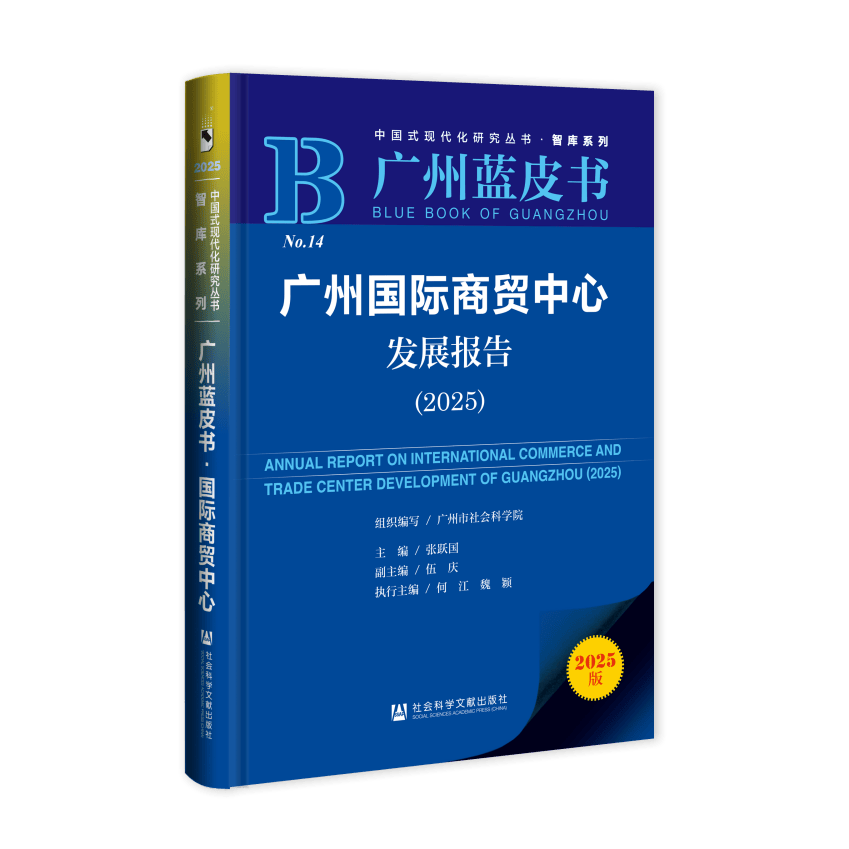
蓝皮书:广州国际消费中心城市建设取得新进展
Sou Hu Cai Jing· 2025-08-29 08:52
Group 1: Economic Performance - In 2024, Guangzhou's retail sales of consumer goods are projected to reach CNY 1,105.577 billion, and total import and export volume is expected to hit CNY 1,123.84 billion, marking the fourth consecutive year both figures exceed CNY 1 trillion [1] - The overall consumption market shows strong resilience, with notable growth in fashion, entertainment, home appliances, and health-related consumption [1] - By 2025, retail sales are expected to grow by 5.0%, while import and export volume is anticipated to increase by 4.8% [1] Group 2: International Consumption Center Development - Guangzhou has made significant progress in building an international consumption center, establishing a three-tiered commercial circle system and recognizing 15 metropolitan-level night market pilot areas [2] - The city has successfully launched various consumer promotion activities, including the second Global Consumer Conference and a trade fair featuring 435 new product launches [3] Group 3: Market Dynamics and Infrastructure - The number of market entities in Guangzhou reached 3.6707 million, reflecting an 8% year-on-year increase and a 36% increase since 2020 [3] - The city has improved its international consumption environment, with over 99% of foreign card merchants in key areas and a significant increase in foreign currency exchange facilities [3] Group 4: Recommendations for Future Growth - The blue paper suggests enhancing the quality and characteristics of commercial circles, promoting service consumption, and creating diverse high-quality consumption scenarios [4] - It emphasizes the importance of consumer rights protection and the development of city IP to highlight Guangzhou's unique characteristics [4] Group 5: Nansha Free Trade Zone Achievements - Since its establishment in 2015, the Nansha Free Trade Zone has seen a 17-fold increase in registered enterprises, with foreign trade volume rising from CNY 74.8 billion to CNY 191.36 billion by 2024 [5] - The region has become a pilot area for high-level institutional opening-up and has made significant advancements in various industries, including smart vehicles and integrated circuits [5][6] Group 6: Innovation and Technology Development - Nansha has successfully incubated AI applications and established a third-generation semiconductor industrial base, achieving breakthroughs in 6-inch wafer production [6] - The area is set to explore market access reforms in key sectors, including marine technology and green low-carbon initiatives, with 15 initial scenarios planned for 2024 [6]
探索制度型开放新路径,粤港澳大湾区法治论坛在广州举办
Ren Min Ri Bao· 2025-08-29 06:05
Core Viewpoint - The Guangdong-Hong Kong-Macao Greater Bay Area Legal Forum (2025) aims to explore new paths for institutional openness through legal frameworks, enhancing high-level external openness in the region [1] Group 1: Forum Overview - The forum was held in Guangzhou, focusing on the theme "Reform, Rule of Law, Bay Area: New Exploration of Institutional Openness" [1] - Key figures included representatives from the legal sectors of Guangdong, Hong Kong, and Macau, emphasizing collaboration in legal frameworks [1][2] - The forum resulted in the release of the "Tianhe Consensus," outlining collaborative legal efforts in the Greater Bay Area [4] Group 2: Key Discussions - Wang Yan's keynote highlighted legal challenges in market integration and the need for regulatory adjustments to facilitate "hard, soft, and emotional connections" among the three regions [2] - Zhang Guojun emphasized Hong Kong's role in leveraging common law advantages to foster legal cooperation and innovation in the Bay Area [2] - Keynote speeches addressed various topics, including legal integration, international dispute resolution, and the role of artificial intelligence in the judiciary [3] Group 3: Collaborative Initiatives - The forum saw the signing of cooperation agreements among various legal and commercial institutions to enhance legal services and data governance [4] - The closing ceremony highlighted the need for ongoing collaboration among legal academic bodies across the Greater Bay Area [5] - The forum also included awards for a thematic essay competition and a data compliance solution competition, promoting legal innovation [5]
粤港澳大湾区法治论坛(2025)在广州举办
Guang Zhou Ri Bao· 2025-08-29 02:09
Core Viewpoint - The Guangdong-Hong Kong-Macao Greater Bay Area Legal Forum (2025) aims to explore new paths for institutional openness through legal frameworks, enhancing high-level external openness in the region [1] Group 1: Forum Overview - The forum was held on August 28 in Tianhe, Guangzhou, with the theme "Reform, Rule of Law, Bay Area: New Exploration of Institutional Openness" [1] - Key figures included Jiang Hanchao, Vice President and Secretary-General of the China Law Society, and Wang Yanshi, Director of the Guangzhou Municipal People's Congress Standing Committee, who delivered keynote speeches [1] Group 2: Legal Cooperation and Challenges - Jiang Hanchao emphasized the significant achievements in deepening legal cooperation among the three regions, laying a solid legal foundation for high-level openness [1] - Wang Yanshi highlighted legal issues encountered in promoting market integration and achieving rule alignment and mechanism connectivity in the Greater Bay Area [1] - He called for legal experts to contribute ideas for resolving legal challenges in the construction of the Greater Bay Area [1]
紧握期市发展新机遇 打造金融开放新高地
Qi Huo Ri Bao Wang· 2025-08-29 01:43
Core Viewpoint - The event "High-Quality Development of the Futures Market in Nansha" highlights the significant opportunities for the futures market in Guangdong, particularly following the release of the "Nansha Financial 30 Measures" aimed at enhancing the region's financial infrastructure and international cooperation [1][4]. Group 1: Nansha's Strategic Importance - Nansha is positioned as a key area for global openness and cooperation, particularly in supporting Chinese manufacturing companies to expand internationally [2][3]. - The region's proximity to manufacturing hubs like Foshan and Guangzhou provides a unique supply chain advantage, enhancing its role as a core hub in the Guangdong-Hong Kong-Macao Greater Bay Area [2][3]. Group 2: Policy and Institutional Innovations - The "Nansha Financial 30 Measures" represent a significant breakthrough in financial openness, encouraging deep participation from Hong Kong and Macao financial sectors in Nansha's financial reforms [3][4]. - Nansha's policy innovations include allowing Hong Kong and Macao investors to hold controlling stakes in domestic futures companies and piloting cross-border regulatory cooperation [3][4]. Group 3: Development of the Nansha Futures Industry Park - The Nansha Futures Industry Park, set to be completed by September 30, will cover approximately 47,000 square meters and serve as a national hub for futures institutions and international financial services [6]. - The park aims to create a "financial + exhibition + business" ecosystem, enhancing the region's capacity for international financial cooperation and competition [6][8]. Group 4: Enhancing Risk Management and Financial Services - The establishment of the Nansha Futures Industry Park is expected to improve risk management for Guangdong's manufacturing sector, allowing better utilization of futures tools to stabilize the flow of raw materials and finished products [7][8]. - The park is seen as a "converter" and "amplifier" for the futures market, transforming it into a tangible service platform that enhances price discovery and risk management efficiency [8][9]. Group 5: Future Directions and Innovations - Nansha is encouraged to leverage technological innovations and financial policies to enhance its role in the global commodity market, similar to historical precedents set by other nations [10][11]. - The integration of stablecoins with the futures market is suggested as a potential area for exploration, aiming to facilitate cross-border settlements and enhance the internationalization of futures derivatives [11].
崔卫杰:以高水平对外开放赢得主动
Jing Ji Ri Bao· 2025-08-29 00:09
Group 1 - The core viewpoint emphasizes that expanding high-level opening-up is a necessary requirement for advancing Chinese-style modernization, as discussed in multiple writings of Xi Jinping [1][3] - Since the 18th National Congress, China has established 22 free trade pilot zones, contributing to about 20% of foreign investment and import-export trade with less than 0.04% of the country's land area [1][2] - High-level opening-up has significantly enhanced the well-being of the population, with foreign trade and investment directly or indirectly creating over 200 million jobs, including more than 80 million migrant workers [1][2] Group 2 - Promoting reform and development through opening-up is a key strategy for achieving new accomplishments in modernization, with the first batch of free trade pilot zones successfully aligning with international high-standard economic and trade rules [2][3] - China's goods trade scale has ranked first globally for eight consecutive years, with service trade exceeding $1 trillion, ranking second globally, and actual foreign investment usage nearing $3 trillion [2][3] - The commitment to a mutually beneficial opening strategy enhances the linkage effects of domestic and international markets, with initiatives like zero-tariff treatment for least developed countries and hosting import expos [3]