
循环经济

Search documents
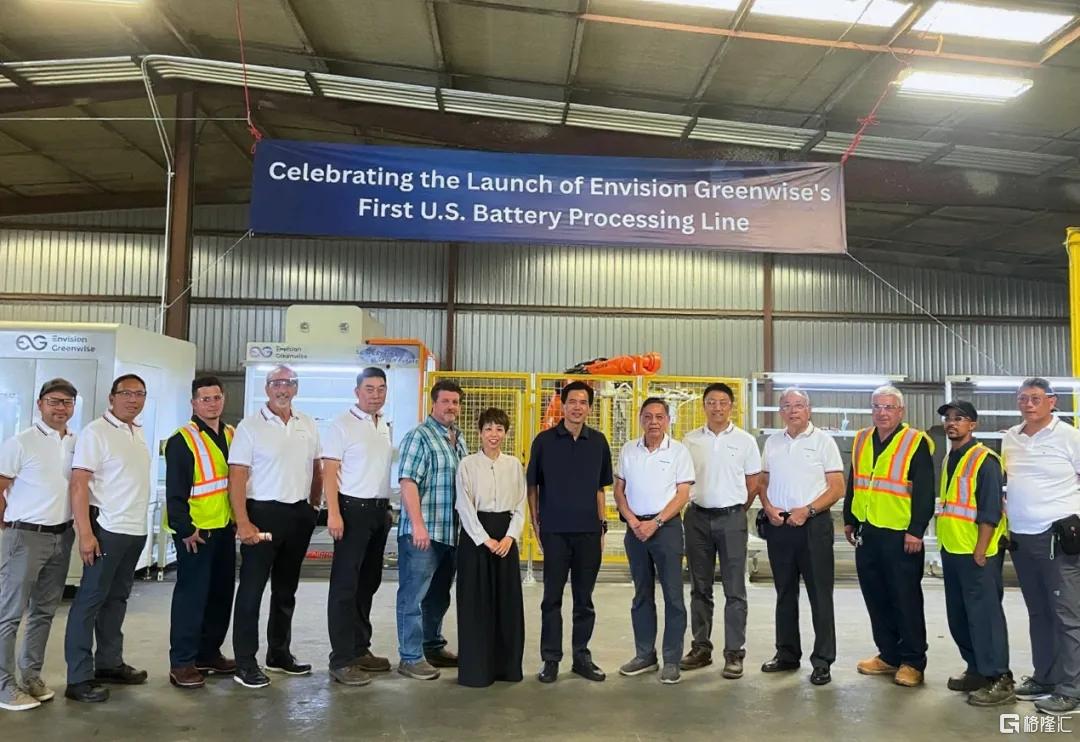
晋景新能(01783)美国首条电池处置产线于罗得岛州正式启动
智通财经网· 2025-08-27 07:41
Group 1 - The launch of the first power battery disposal demonstration line in Rhode Island marks a new phase for the company in the North American circular economy sector [1][3] - The Rhode Island facility will serve as a critical hub for building a power battery recycling industry chain in the U.S., providing end-to-end closed-loop solutions for automotive manufacturers and energy companies [3] - The company plans to upgrade multiple disposal centers in the U.S. based on the Rhode Island model, promoting local green employment and transportation initiatives [3] Group 2 - According to the International Energy Agency, U.S. electric vehicle sales are projected to exceed 1.6 million units in 2024, indicating significant growth potential in the battery recycling and reuse market [4] - The company aims to strengthen its presence in the U.S. green energy sector by localizing operations and collaborating with local supply chain partners to create a resource regeneration value network [4] - The company intends to provide a one-stop sustainable solution for global customers through its initiatives in the battery recycling market [4]

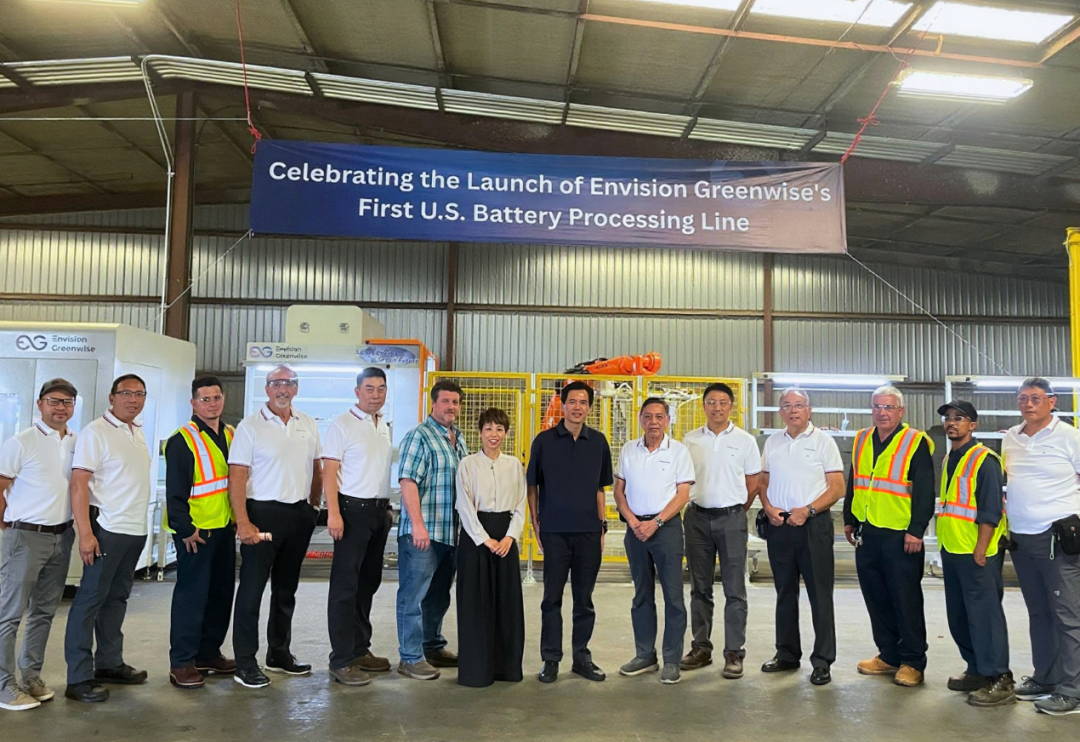
晋景新能美国首条电池处置产线于罗得岛州正式启动
Ge Long Hui· 2025-08-27 07:29
Group 1 - The launch of the first battery disposal demonstration line in Rhode Island marks a new phase for Jin Jing New Energy Group in the North American circular economy sector [1][3] - The Rhode Island service point will serve as a significant milestone and key hub for the company's battery recycling industry chain in the U.S., focusing on end-to-end closed-loop solutions for automotive manufacturers and energy companies [3] - The company plans to use the Rhode Island facility as a model to upgrade multiple disposal centers across the U.S., promoting local green employment and transportation initiatives [3] Group 2 - According to the International Energy Agency, U.S. electric vehicle sales are projected to exceed 1.6 million units in 2024, indicating a vast potential for battery recycling and reuse markets [5] - The company aims to strengthen its presence in the U.S. green energy sector through localized operations and collaboration with local supply chain partners, creating a resource regeneration value network [5]
7月化学原料和化学制品制造业工业增加值同比增长7.2%,硝酸、PTA价格上涨
Tianfeng Securities· 2025-08-27 07:15
Investment Rating - Industry Rating: Neutral (maintained rating) [6] Core Insights - In July, the industrial added value of the chemical raw materials and chemical products manufacturing industry grew by 7.2% year-on-year, while the overall industrial added value increased by 5.7% [1][13] - The basic chemical sector increased by 3.4% last week, underperforming the CSI 300 index, which rose by 4.18% [4][16] - Key chemical products such as nitric acid and PTA saw price increases, with nitric acid prices rising by 12.9% and PTA prices increasing by 4.62% [2][3][30] Summary by Sections 1. Key News Tracking - The industrial added value for the chemical raw materials and chemical products manufacturing industry increased by 8.0% from January to July [1][13] - The fixed asset investment in the chemical raw materials and chemical products manufacturing industry decreased by 4.7% year-on-year [13] 2. Key Chemical Product Price Monitoring - Among 345 tracked chemical products, 70 saw price increases, while 77 experienced declines [27] - The top five chemical products with the highest price increases included carbon dioxide (+18.4%), nitric acid (+12.9%), and butane (+8.9%) [2][30] 3. Sector Performance - The basic chemical sector ranked 13th among all sectors in terms of weekly performance, with significant gains in sub-sectors like other rubber products (+7.06%) and polyurethane (+6.37%) [4][17] - The PB ratio for the basic chemical sector is 2.35, compared to 1.68 for all A-shares, while the PE ratio stands at 28.08 versus 17.19 for all A-shares [25][26] 4. Focused Sub-industry Insights - The report highlights stable demand and global supply dominance in certain sub-industries, recommending companies like Jinhui Industrial and Wanhu Chemical [5] - It also emphasizes the importance of domestic demand in countering tariff impacts, particularly in fertilizers and refrigerants [5] 5. Investment Opportunities - The report identifies investment opportunities in companies like Lite Optoelectronics and Aolai Technology, focusing on supply replacement gaps [6]
调研速递|浙江富春江环保热电接受东吴证券等2家机构调研 业绩增长等要点披露
Xin Lang Cai Jing· 2025-08-27 04:53
Core Viewpoint - The company has demonstrated strong performance in the first half of 2025, driven by multiple factors including cost reductions in raw materials and expansion in production capacity across various segments [2][5]. Group 1: Performance Analysis - The company's profit growth is attributed to several factors: a decrease in raw material costs in the heat and power generation segment, an increase in sales volume from new projects, and government subsidies received during the reporting period [2]. - The solid waste (hazardous waste) resource utilization segment has seen a reduction in gross margin due to the addition of low-margin production lines, but this has diversified raw material sources and supported overall performance [4]. Group 2: Business Development - The new heat and power generation project at the Pluray Wanzai Industrial Park commenced operations in June 2025, adding 30 MW of installed capacity and a boiler evaporation capacity of 4,420 tons/hour [3]. - The company is focusing on its core business while exploring investment opportunities in the circular economy and is considering international expansion when conditions are favorable [3]. Group 3: Revenue Growth and Market Position - Unlike some competitors in the heat and power generation sector that reported a decline in revenue, the company achieved revenue growth primarily through its solid waste resource utilization business, which added approximately 360 million yuan in revenue due to increased production lines and rising commodity prices [5]. - The company plans to enhance its operational efficiency and production system by optimizing its industrial chain layout and increasing its self-control capabilities in the solid waste resource utilization segment [6].


富春环保(002479) - 002479富春环保投资者关系管理信息20250826
2025-08-27 03:56
Group 1: Financial Performance - The company reported excellent performance in the first half of 2025, with profit growth attributed to several factors: reduced raw material costs in the cogeneration sector, increased sales volume, and government subsidies [1] - Revenue growth of approximately 360 million CNY was driven by the expansion of the hazardous waste resource utilization business and rising commodity prices [3] Group 2: Business Development - The cogeneration business has a total production capacity of 358 MW and a boiler evaporation capacity of 4,420 tons/hour, with ongoing projects expected to add 25 MW and 180 tons/hour upon completion [2] - The company is focusing on its core business while exploring investment opportunities in the circular economy and considering overseas expansion when conditions are favorable [2] Group 3: Challenges and Strategies - The gross margin of the hazardous waste resource utilization business decreased due to the addition of low-margin production lines, but this strategy diversified raw material sources and ensured safety and performance growth [2] - Future plans for the hazardous waste resource utilization business include optimizing the industrial chain and enhancing self-control capabilities to improve operational efficiency and support long-term stable development [3]
一张发票带动资源回收产业“转起来”
Jin Rong Shi Bao· 2025-08-27 02:29
Core Viewpoint - The implementation of the "reverse invoicing" policy in the resource recovery industry has significantly improved the business environment, facilitating smoother transactions and increasing the volume of recycled materials sold by individuals and companies [1][2][3]. Group 1: Policy Impact on Business - The "reverse invoicing" policy, effective from April 29, 2024, allows resource recovery enterprises to issue invoices to individual sellers of waste products, addressing the long-standing issue of "missing source invoices" [1][2]. - Following the policy's implementation, the volume of waste materials sold by individuals has increased by over 40%, as reported by a local recycler [1]. - As of June 2023, 13,300 resource recovery enterprises issued invoices totaling 515.2 billion yuan to 1.67 million individuals, with 5.11 million invoices issued [2]. Group 2: Industry Growth and Economic Benefits - The policy has supported the resource utilization and harmless treatment of waste materials, with companies like Guangxi Guiwu Recycling Co., Ltd. recovering approximately 8.6 million old appliances and issuing over 56 million yuan in invoices since the policy's implementation [2]. - The policy has encouraged more participation in waste recovery, with companies like Wuhu Chery Resource Technology Co., Ltd. reporting a 100% increase in the number of scrapped vehicles processed, reaching an estimated 20,000 units this year [3]. - The smooth invoicing process has reduced financial costs for companies, allowing them to allocate saved funds towards resource deep processing [2][3]. Group 3: Environmental and Economic Development - The "reverse invoicing" policy has facilitated the development of a circular economy, as seen in Ningbo Supply and Marketing Recycled Resources Technology Co., Ltd., which has produced over 45 million eco-bricks from construction waste since the policy's implementation, with sales of recycled materials increasing by over 58% [4]. - The policy has also led to a significant increase in the application for vehicle replacements and scrapping in Wuhu, driving approximately 2 billion yuan in automotive consumption [3]. Group 4: Compliance and Awareness - The implementation of the "reverse invoicing" policy has enhanced tax compliance awareness among individuals and companies in the resource recovery sector, allowing for direct transactions and reducing tax risks associated with intermediary purchases [5][6]. - Tax authorities have increased outreach efforts to educate individuals on the policy, resulting in over 150 individuals in Miluo registering as individual businesses and obtaining tax registration since the policy's rollout [6].
千亿有色奇迹从何而来
Sou Hu Cai Jing· 2025-08-26 23:15
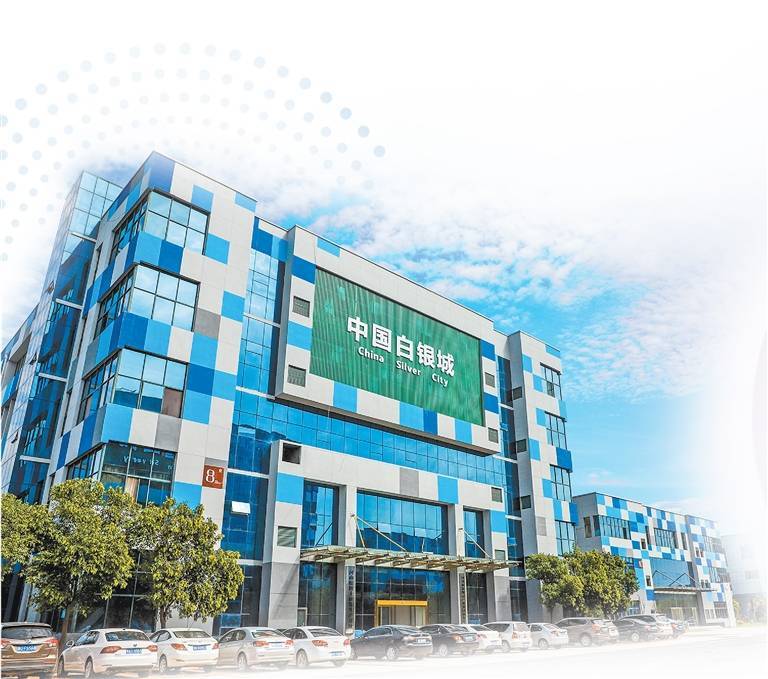
Core Viewpoint - The article highlights the transformation of Jiyuan into a leading green lead-zinc and silver production base in China, emphasizing its innovative approaches to overcome resource limitations and achieve sustainable development [10][31]. Industry Overview - Jiyuan is recognized as the largest green lead-zinc base and silver production base in China, with lead-zinc output accounting for 13% of the national total and mineral silver output exceeding 40% [9][24]. - The non-ferrous metal industry in Jiyuan has a production value of nearly 200 billion yuan, with three companies listed among China's top 500 manufacturing enterprises [9][24]. Technological Innovation - Jiyuan's non-ferrous industry has adopted advanced smelting technologies, such as the liquid high-lead slag direct reduction process, which has significantly reduced energy consumption and pollution [14][21]. - Companies like Yuguang Group and Jinli Group have pioneered new technologies that enhance metal recovery rates and reduce environmental impact, showcasing the region's commitment to innovation [14][21]. Circular Economy - Jiyuan has established a closed-loop lifecycle for its non-ferrous industry, integrating mining, green smelting, and recycling processes to maximize resource utilization [24][23]. - The city has been recognized as a national-level circular economy pilot, focusing on transforming industrial waste into valuable resources [23][24]. Economic Development Strategy - The local government emphasizes the importance of precise positioning and leveraging comparative advantages to drive high-quality development in traditional industries [10][31]. - Jiyuan's strategy includes enhancing the competitiveness of its industrial clusters and addressing challenges such as high raw material costs and environmental regulations [26][28]. Future Directions - Jiyuan aims to further integrate into the national market and enhance its global competitiveness by fostering innovation and collaboration across the non-ferrous metal industry [30][28]. - The city is focusing on building a comprehensive platform for the non-ferrous industry to streamline resources, technology, and talent, thereby promoting sustainable growth [30][29].

黄金“文章”怎么做?看安徽答卷
Sou Hu Cai Jing· 2025-08-26 23:06
Core Insights - The current gold industry is undergoing a critical transformation, focusing on developing new productive forces and promoting high-efficiency, high-quality development, while facing challenges in releasing potential and achieving significant upgrades [1] Group 1: Industry Development and Achievements - In the first half of 2025, Anhui province produced 13.822 tons of gold, with 15 large-scale enterprises achieving an industrial output value of 21.11 billion yuan, operating income of 20.94 billion yuan, and profits of 2.24 billion yuan, representing year-on-year growth of 18.0%, 11.1%, and 62.5% respectively [3] - In 2024, Anhui's gold production surpassed 30 tons for the first time, ranking 5th nationally and 1st in the Yangtze River Delta, with a cumulative production of 86.15 tons over the past three years, maintaining an annual growth rate of over 5% [3] Group 2: Innovative Practices and Technologies - The gold industry in Anhui has successfully transformed waste materials into valuable resources, exemplified by the Jin Guan Copper Industry's workshop, which achieved over 99.5% recovery rates of gold and silver from copper electrolytic waste, processing 5,000 tons of copper anode mud in 2024 to produce 13.5 tons of gold and 291 tons of silver, generating an annual output value exceeding 10 billion yuan [2] - The workshop also recovers 15,000 tons of copper concentrate annually from copper smelting slag, equivalent to the output of a medium-sized mine, and has implemented a project that produces 3 tons of rhenium ammonium sulfate per year, filling a strategic resource gap [2] Group 3: Training and Collaboration Initiatives - A specialized training and resource matching event was held in Anhui to address industry challenges and promote high-quality development, featuring expert discussions on smart transformation, safety production, green development, and resource security [4] - The event included a technical exchange segment where equipment manufacturers and technology institutions showcased advanced technologies such as intelligent mining equipment and green smelting processes, fostering innovation and industry demand alignment [5] - Participants from management departments and gold production enterprises identified specific needs for deep exploration breakthroughs, equipment efficiency improvements, and safety and environmental optimizations, laying the groundwork for future collaborations [6]
银河期货玻璃纯碱调研报告
Yin He Qi Huo· 2025-08-26 14:39
大宗商品研究所 能化研发报告 玻璃纯碱调研报告 2025 年 8 月 26 日 青海纯碱调研报告 第一部分 核心观点 1. 青海作为盐、煤、石灰石产地,原材料供应稳定性强、价格波动小。当地多数纯 碱企业自有盐湖及石灰石矿,仅部分未覆盖原材料需外采。据调研,当前核心原材料到厂价 约为:盐 81-96 元/吨,石灰石 56-64 元/吨;煤炭通过新疆或本地长期协议采购,到厂价 415 元/吨。青海纯碱企业生产成本相对稳定,生产成本推测在 800 元/吨上下(具体成本因企业 资源禀赋、生产规模各有差异)。企业在原材料采购与成本控制上自主权较高,其成本波动 风险主要集中于运输费用变化。 2. 青海纯碱企业虽具备显著成本优势,但需承担运输价格波动风险。预计四季度受 季节性因素影响,火运、汽运价格通常上涨,将直接抬升青海纯碱运至主销区的综合成本, 需重点关注青海纯碱价格走势。尤其 10 月之后,冬季西藏铁路完成年度运输指标后,运费 优惠政策将逐步收窄。从当前运价来看,青海至河北地区火运 260 元/吨、汽运 280-300 元 /吨(含税),发往西南地区汽运价格则在 300 元/吨左右;此外,汽运价格存在明显季节性 特征 ...
永兴股份:上半年营收净利双增 盈利能力持续提升
Zhong Zheng Wang· 2025-08-26 14:37
Core Insights - The company reported a revenue of 2.065 billion yuan for the first half of 2025, representing a year-on-year growth of 12.60% [1] - The net profit attributable to shareholders reached 461 million yuan, with a year-on-year increase of 9.32%, indicating sustained growth in performance and profitability [1] Financial Performance - The company achieved a total waste incineration of 5.3583 million tons and generated 2.576 billion kWh of electricity from waste incineration during the reporting period [1] - The company provided a total of 88,300 tons of steam to surrounding industrial enterprises, maintaining growth in its heating business [1][2] - A cash dividend of 540 million yuan was distributed, with a payout ratio of 65.81%, reflecting the company's commitment to providing reasonable returns to investors [2] Operational Highlights - The company increased its capacity for waste incineration by 2,600 tons per day and biomass treatment by 300 tons per day through the acquisition of a controlling stake in Xinzhou Jiejin Company [1] - The company has made significant investments in technology development, including smart power plants and new mobile energy heating equipment, which have improved operational efficiency [2] - The company is expanding its heating network to cover surrounding industrial areas, indicating potential for future growth in the heating business [1]