绿色发展

Search documents
全国公安机关生态警务工作会议举行
Ren Min Ri Bao· 2025-12-10 22:30
Core Viewpoint - The national public security agencies are enhancing their ecological policing efforts through a new operational model that integrates professionalism, mechanisms, and big data to combat environmental crimes effectively [1] Group 1: New Policing Model - The new policing model focuses on strengthening the environmental and food safety investigation units, improving work mechanisms, and increasing enforcement efforts [1] - The model aims to enhance professional capabilities and establish a comprehensive action framework involving professional leadership, police action, inter-departmental collaboration, and community engagement [1] Group 2: Crime Prevention and Law Enforcement - Public security agencies will maintain a high-pressure stance against various environmental crimes, employing stringent measures to protect ecological resources [1] - The initiative includes proactive prevention strategies and comprehensive governance to support green development and establish a new ecological policing framework [1]
“光伏+农业”赋能乡村振兴
Xin Hua Ri Bao· 2025-12-10 21:41
Core Viewpoint - The integration of photovoltaic (PV) technology with agriculture is emerging as a powerful driver for rural revitalization and achieving dual carbon goals in Nanjing National Agricultural High-tech Zone, showcasing innovative practices such as soil-less vegetable cultivation and fish farming under solar panels [1] Group 1: Photovoltaic and Agriculture - The "PV + agriculture" model allows for the cultivation of vegetables without soil or pesticides, with the ability to control humidity, light, and temperature, resulting in a growth cycle that is 20 days shorter than traditional farming [1] - The output from the plant factory can reach approximately 150 kilograms of vegetables and 20,000 ornamental flowers daily, generating an annual output value of around 1.8 million yuan [1] - The combination of glass and PV structures in flower-growing greenhouses enhances flower yield and optimizes land use efficiency [1] Group 2: Photovoltaic and Aquaculture - The "PV + fish farming" trend involves floating solar panels on fish ponds, which helps reduce water evaporation, suppress algae growth, and improve fish quality [1] Group 3: Environmental and Economic Impact - The synergy between "PV + agriculture" is contributing significantly to green development and rural revitalization, aligning with the dual carbon objectives [1]
深圳16项创新举措赋能港航发展 推进粤港澳游艇湾区自由行
Shen Zhen Shang Bao· 2025-12-10 17:31
【深圳商报讯】(记者陈发清)12月10日,深圳市政府新闻办举行新闻发布会,会上,深圳海事局介绍了 近期出台的《海事服务港航高质量发展若干举措》。该举措涵盖安全监管、绿色发展、智慧发展、营商 环境和产业高效发展5个方面的16项创新举措,聚焦解决港航发展"卡脖子"问题,助力深圳推进国际性 枢纽港建设,打造全球海洋中心城市和国际航运中心。 营商环境优化方面,推行船舶转籍"不停运办证",完善海事、交通、船检快速办理模式;全面实现游艇 驾驶证换证体检自助办理,增设船员培训项目,允许香港籍船员到深圳港籍船舶任职,健全港口配套服 务。 产业高效发展方面,推进粤港澳游艇自由行,建立港澳游艇"两套牌"管理模式,制定驾驶员持证管理办 法并扩大自由行水域范围;推进深圳国际船舶登记中心建设,提升深圳航运影响力。 绿色发展方面,积极争取国家级绿色燃料船舶安全监管和应急处置场景模拟实验室落户,拓展LNG多 方式加注业务,研究推进绿色甲醇、绿氨等船用绿色燃料加注。 智慧发展方面,联合交通、海洋等部门打破监管信息"孤岛",实现港口数据融合共享,支持盐田港 (000088)东港区、妈湾港等智慧港口建设,深化船舶交通组织一体化,实现抵港船舶"一 ...

江苏“十四五”地区生产总值连跨三个万亿元台阶
Zhong Guo Xin Wen Wang· 2025-12-10 10:52
江苏"十四五"地区生产总值连跨三个万亿元台阶 中新网南京12月10日电 (记者 徐珊珊)10日,江苏省政府举行首场"高质量完成'十四五'规划"系列主题新 闻发布会。会上公布,"十四五"以来,江苏地区生产总值连跨三个万亿元台阶。 美丽江苏彰显更绿底色。五年来,江苏在全国率先上线省级产品碳足迹公共服务平台。可再生能源装机 规模历史性超过煤电,成为第一大电源。PM2.5浓度连续四年达国家环境空气质量二级标准,长江干流 江苏段水质连续七年保持Ⅱ类。 编辑:王永乐 广告等商务合作,请点击这里 五年来,江苏消费拉动经济增长的基础性作用持续增强,社会消费品零售总额稳居全国前列。投资关键 作用更好发挥,江苏五年共实施超1600个省重大项目。轨道上的江苏加快建成,从南京坐高铁到省内所 有设区市不超过两个小时,长三角核心区(沪宁杭)已形成"一小时高铁圈"。 产业创新取得更大突破。五年来,江苏区域创新能力跃升至全国第二,全社会研发投入强度已经达到创 新型国家和地区中等水平。全省高新技术企业数量较"十三五"末增长超70%。制造业高质量发展指数连 续五年全国领先,高新技术产业产值占规上工业产值比重突破50%,国家先进制造业集群数量居全 ...
专访松下赵炳弟:打造14家零碳工厂,锁定绿色、智能等新赛道
2 1 Shi Ji Jing Ji Bao Dao· 2025-12-10 10:06
Core Viewpoint - The transition to zero-carbon parks is becoming a crucial strategy for multinational companies to support China's dual carbon goals, with Panasonic actively investing in carbon reduction initiatives in its manufacturing processes [1][6]. Group 1: Corporate Strategy and ESG Integration - Panasonic has established 14 "zero carbon factories" in China, with a goal to achieve substantial carbon reduction by 2030, contributing to a reduction of approximately 100 million tons of CO2 [5][6]. - The company emphasizes that competition has evolved from price to technology, models, and sustainability, making ESG a core competitive advantage [1][2]. - Panasonic's strategy is shifting from "in China, for China" to "in China, for the world," necessitating higher standards in R&D and supply chain management [2]. Group 2: Green Development Opportunities - Panasonic sees significant opportunities in China's green development, particularly in energy-saving and low-carbon transitions across various sectors, including home appliances and smart manufacturing [3]. - The company is focusing on renewable energy, including solar, storage, and hydrogen, while ensuring that its products meet international environmental standards [3][4]. - Panasonic aims to enhance battery safety and longevity to support the sustainable development of the new energy industry, particularly in the electric vehicle sector [3]. Group 3: Energy Management and Cost Efficiency - Panasonic is implementing distributed solar power stations in its factories, expecting to generate approximately 10.86 million kWh by the end of the year, which will significantly reduce CO2 emissions and save on energy costs [7]. - The company has developed an energy visualization system in its Qingdao factory, achieving a 5.2% energy saving and reducing energy costs by approximately 250,000 yuan annually [8]. - Panasonic is promoting circular economy practices among its suppliers to drive green transformation across the supply chain [8].
五大重点机遇!瑞再展望“十五五”中国财险市场趋势
券商中国· 2025-12-10 09:55
Core Insights - The insurance industry in China is poised for growth aligned with the "14th Five-Year Plan," focusing on five key areas: disaster prevention and reduction, green development, rural revitalization, enterprises going global, and industrial modernization [1] Group 1: Disaster Prevention and Reduction - The natural disaster insurance protection gap in China is estimated at 90%, compared to a global average of 50%, indicating significant market potential [2] - Annual insurance losses from natural disasters have exceeded $100 billion, approaching $150 billion, with potential global losses reaching $300 billion [2] - The Chinese government is implementing measures to reduce this protection gap, emphasizing collaboration between insurance companies and government to enhance disaster risk management [2] Group 2: Green Development - China is actively promoting renewable energy and green transformation, with the energy-saving and environmental protection industry expected to reach 15 trillion yuan by 2030 [3] - The insurance penetration rate in green energy projects is already high, with most solar and wind facilities insured [3] - The green insurance sector is projected to experience high growth over the next five years, driven by the expansion of infrastructure rather than increased penetration rates [3] Group 3: Rural Revitalization - The focus on rural revitalization aims to enhance food security and agricultural modernization, which will lead to increased investment in agricultural assets and machinery [4] - Two growth directions for agricultural insurance are identified: natural growth due to increased risk awareness among larger farm operators and the need for simplified insurance products for smallholders [4] - Index insurance is highlighted as a promising solution for small farmers, offering a straightforward loss assessment mechanism [4] Group 4: Enterprises Going Global - More Chinese enterprises are expected to accelerate their overseas expansion, diversifying investments beyond traditional infrastructure projects [6] - The changing risk landscape presents opportunities for reinsurance companies to support these enterprises by addressing various overseas risks [6] Group 5: Industrial Modernization - China's push for technological self-reliance and industrial upgrading is creating new risk management demands in emerging technology sectors [7] - Insurance can provide targeted coverage for new risks associated with research, supply chains, and advanced operations, supporting industrial upgrades [7] - The insurance industry must adopt cautious underwriting strategies to adapt to the evolving risk landscape and ensure alignment with future client needs [7] Group 6: Market Growth Projections - The property and casualty insurance sector in China is expected to grow at a rate of 5%-6% from 2025 to 2030, outpacing GDP growth [8] - Non-auto insurance is anticipated to be the main growth driver, while auto insurance remains a stable support for the market [8] - The industry is focusing on improving underwriting quality and operational efficiency to achieve sustainable profitability [8]


侯孝海谈新时代最大挑战:市场进入“分而化之”时代,大单品打天下的时代已终结
Xin Lang Cai Jing· 2025-12-10 09:22
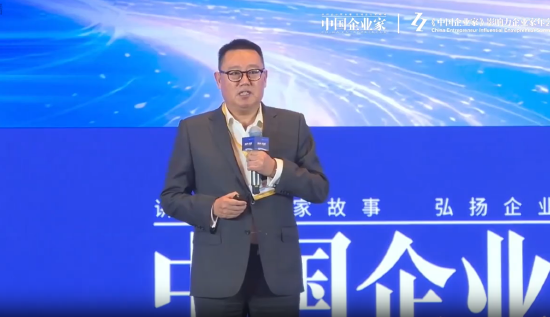
Core Insights - The core theme of the conference is "Emergence·Infinity - Co-creating a New Form of Intelligent Business" [1][7] - The speaker, Hou Xiaohai, emphasizes the challenges and opportunities in the current business landscape, particularly in the beer industry [3][5] Group 1: Challenges - The first challenge identified is differentiation, which is seen as the biggest challenge in the new era, affecting demand, products, and consumer experiences [3][9] - The second challenge is the restructuring of the commercial foundation, where traditional distribution channels are being disrupted by instant retail, changing the entire industry chain [3][9] - The third challenge is internal competition (involution), which arises from supply-demand imbalances and has led to significant capacity reductions in the beer industry, with companies like China Resources Beer closing 40 factories and reducing over 5 million tons of capacity [4][10] Group 2: Opportunities - Opportunities arise from product iteration, driven by technology and quality improvements, which can lead to significant market advantages [5][10] - The development of digital intelligence (digitalization) is expected to play a crucial role in the recovery and growth of Chinese consumer goods companies over the next five years [5][10] - A focus on personalized strategies is necessary to meet the evolving consumer demands in the differentiation era [5][10] Group 3: New Management Concepts - The concept of co-integration and co-existence within the industry chain and value chain is emphasized, advocating for collaboration rather than competition among companies [6][11] - The "three precision management" approach—lean, streamlined, and detailed management—is recommended for companies to navigate tighter economic conditions [6][11] Group 4: Green Development - Green development should be viewed as a driving force and competitive advantage rather than a mere obligation, influencing industry structure and brand value [6][12]

吉布提能源部长:中资企业投资将进一步填补吉布提工业空白
人民网-国际频道 原创稿· 2025-12-10 09:21
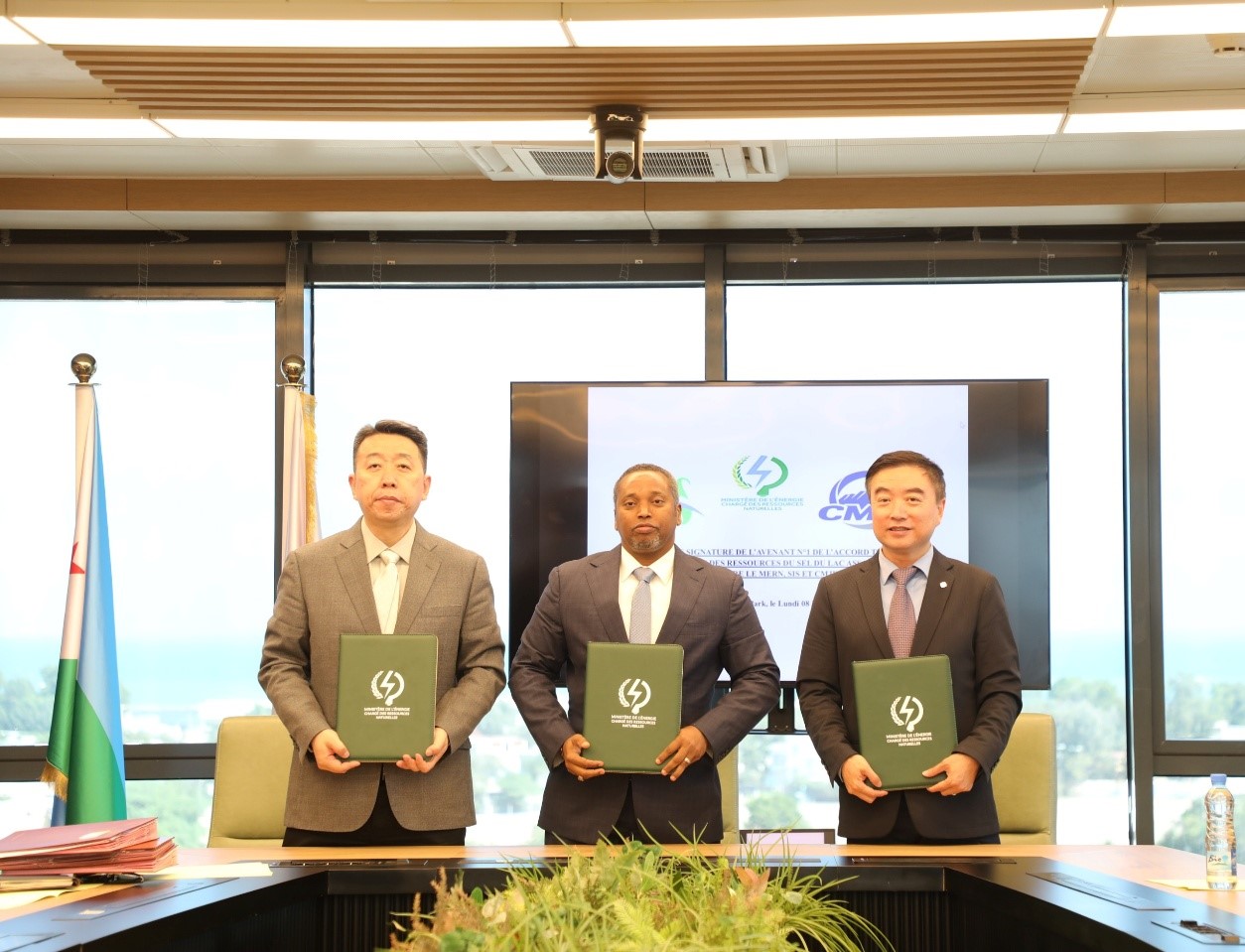
Core Points - The signing of the supplementary agreement for the development of the Assal Lake salt resources in Djibouti marks a significant step in enhancing economic cooperation between China and Djibouti [1][2] - The project aims to create substantial employment opportunities and drive industrialization in Djibouti, filling existing industrial gaps [2][3] Group 1: Project Development - The Assal Lake salt resource development project is expected to achieve an annual production capacity of 200,000 tons of industrial salt and 50,000 tons of edible salt through a phased approach [3] - The project will establish a resource-based industrial park focusing on salt and bromine chemical industries, supported by energy, logistics, and comprehensive services [3] Group 2: Economic Impact - The project is anticipated to significantly contribute to the economic diversification of Djibouti, aligning with the country's Vision 2035 plan [2][3] - The involvement of Chinese enterprises is expected to enhance local economic development while adhering to green and sustainable practices [2][3]
慈善信托3383天深耕首破百亿规模
Jin Rong Jie· 2025-12-10 08:41
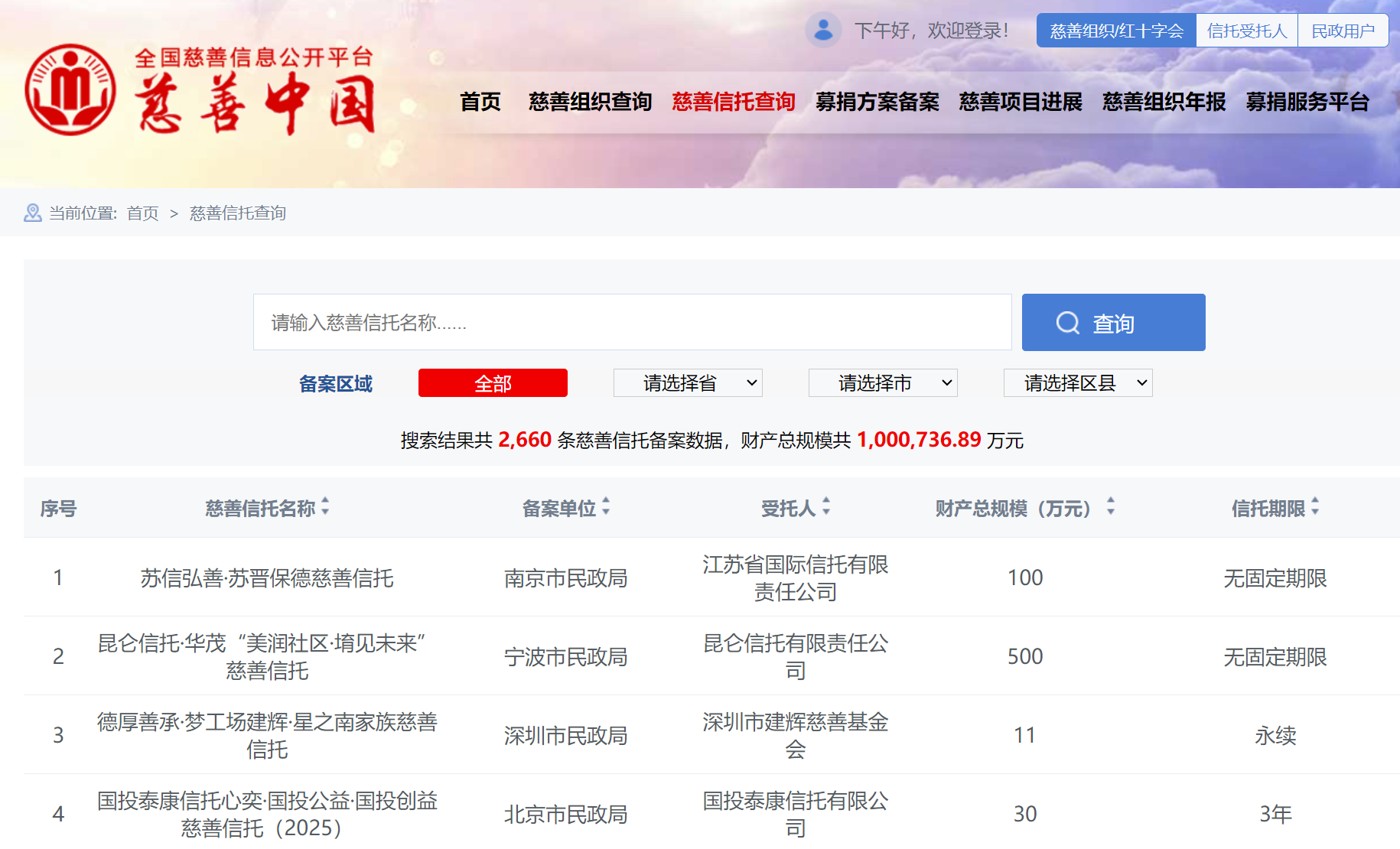
从区域分布看,浙江、北京、广东等六地领跑全国,其中浙江省以845个备案数量居首,北京、广东分别以246个、188个紧随其后,甘肃、江苏、陕西则分 别备案177个、159个、131个。 在公益领域布局上,慈善信托呈现多元化特点:以"乡村振兴"为名的项目达178个,总规模12.34亿元,聚焦生活水平提升;"教育"类项目150个、规模9.31亿 元,侧重教育帮扶与基建;"共同富裕""绿色"主题项目也分别实现8141.97万元、1946.18万元的规模,覆盖扶危济困、生态保护等方向,养老、医疗、文化 等领域也均有布局。 自2016年《慈善法》确立慈善信托制度以来,历经3383天发展,这一连接社会资本与公益需求的载体迎来里程碑:据全国慈善信息公开平台"慈善中国"数 据,截至2025年12月5日16时,全国慈善信托已备案2661个,财产总规模约达100.07亿元,正式突破百亿元大关。 而这一跨越式发展,离不开政策体系的持续完善——2023年3月,信托业务新三类新规发布,将信托业务划分为资产服务信托、资产管理信托和公益慈善信 托三大类共25个业务品种,推动信托业进入转型升级时代,也为慈善信托的规范扩容提供了制度支撑。 随着 ...
“十四五”收官 中国一汽拿下“关键之年”
Zhong Guo Qi Che Bao Wang· 2025-12-10 04:05
Core Insights - The article highlights the significant achievements of China FAW Group (China First Automobile Works) in the automotive industry as it approaches the end of the 14th Five-Year Plan, showcasing its sales growth and strategic advancements in technology and product innovation [1][2][24]. Sales Performance - In November, China FAW sold 306,000 vehicles, with 85,000 from its own brands, and a total of 2.995 million vehicles sold from January to November, marking a 4.8% year-on-year increase [1]. - The Hongqi brand achieved notable success, selling 40,506 units in November, with a 60.8% year-on-year increase in sales of its new energy products [1]. Strategic Development - China FAW is committed to the "SUCCEED (成事) 531" strategic plan, focusing on deep integration into the domestic and international dual circulation development pattern, emphasizing self-innovation, product iteration, digital transformation, and green development [2][24]. - The company aims to transition from "scale expansion" to "quality improvement" in the automotive industry, positioning itself as a leader in the sector [2]. Technological Innovation - China FAW emphasizes self-innovation as a core strategy to overcome international technological barriers, focusing on key areas to build a complete innovation chain [3][6]. - The company has made significant advancements in technology, including the development of the first domestically produced automotive-grade advanced process chip and a hydrogen engine with a thermal efficiency exceeding 55% [4][6]. Collaborative Ecosystem - China FAW has established a global R&D network with a "1+12+X" model, enhancing collaboration with universities and research institutions to foster innovation [5][23]. - The company has engaged in partnerships to develop core components and technologies, contributing to a collaborative innovation ecosystem [23]. Product Development - During the 14th Five-Year Plan, China FAW has expanded its product matrix across various segments, including passenger and commercial vehicles, to meet changing consumer demands [7][27]. - The Hongqi brand is set to achieve significant sales milestones, with plans to sell over 400,000 units in 2024 and expand its presence in the European market with new electric models [11][17]. International Expansion - China FAW actively participates in the "Belt and Road" initiative, with overseas operations covering over 100 countries and regions, enhancing its global supply chain [17][29]. - The company has successfully launched the "Changchun-Manzhouli-Europe" international freight train service, improving delivery times for its products to Europe [19][29]. Sustainable Development - China FAW is committed to green development, implementing strategies to reduce carbon emissions and enhance energy efficiency in its manufacturing processes [22][28]. - The company has integrated low-carbon practices into its operations, with several factories recognized as national green factories [22][28].