
数字化转型

Search documents
步长制药遭遇“中概股破发”冲击 投资七乐康浮亏2.93亿元
Xi Niu Cai Jing· 2026-01-13 08:45
Core Viewpoint - The investment in Qilukang Digital Healthcare by Buchang Pharma has led to significant financial losses, highlighting challenges in the digital transformation strategy and reliance on a single product for revenue generation [3][4]. Group 1: Investment Details - Buchang Pharma announced that its stake in Qilukang Digital Healthcare's controlling company, Shiliu Cloud Medical, went public on NASDAQ on October 8, 2025 [1]. - As of September 30, 2025, the book value of the investment in Qilukang Digital Healthcare was 326 million yuan, with a corresponding market value of 33.08 million yuan as of December 31, 2025 [1]. - The fair value change loss is expected to be 293 million yuan, which will reduce the net profit attributable to the parent company for 2025 by the same amount, although it will not affect the net profit after deducting non-recurring gains and losses [1]. Group 2: Strategic Challenges - The partnership between Buchang Pharma and Qilukang began in 2021 during the peak of internet healthcare, with hopes of leveraging Qilukang's digital platform to enhance sales channels for core products [3]. - Qilukang has faced challenges in its business model transition from B2C pharmaceutical e-commerce to internet hospitals, including unclear profitability and high customer acquisition costs [3]. - The market environment for Chinese concept stocks in the U.S. has deteriorated, particularly affecting healthcare technology stocks, which has compounded the difficulties for Shiliu Cloud Medical's NASDAQ listing [3]. Group 3: Broader Implications - Buchang Pharma's reliance on its core product, the Naoxin Tong capsule, which accounts for over two-thirds of its revenue, has become increasingly problematic due to ongoing healthcare cost control policies and centralized procurement of traditional Chinese medicine [4]. - The failure of the Qilukang investment poses a significant setback to Buchang Pharma's digital transformation strategy, which had positioned "building a digital Buchang" as a core objective [4]. - The company may need to reassess its growth direction amid sluggish core business growth and the lack of breakthroughs in innovative drug development [4].



三年首次!银行网点关停7871家但净增超600家!
Zhong Guo Jing Ying Bao· 2026-01-13 08:38
Core Insights - The article highlights a strategic restructuring in the banking sector, where despite the closure of 7,871 offline branches, there is a net increase of 623 branches in 2025, marking the first positive growth in three years [1][2]. Group 1: Branch Closures - The closed branches typically exhibit characteristics of "three lows and one high": low customer density, low daily productivity, low value business ratio, and high operational costs due to factors like lease expiration and aging properties [2]. - A significant portion of branch closures is attributed to passive shutdowns resulting from institutional consolidations, with 377 banks closing due to mergers or dissolutions, including 218 village banks and 79 rural commercial banks [2]. - The decision to close branches is a strategic response to the pressures of narrowing net interest margins and the acceleration of digital transformation, aiming to eliminate inefficiencies and redirect resources to more valuable areas [2]. Group 2: New Branch Openings - The increase in new branches reflects a structural re-evaluation of the value of offline channels, emphasizing that online services cannot fully replace the warmth and precision of in-person interactions [3]. - New branches are designed to meet specific customer needs and situational contexts, focusing on underserved areas and creating specialized branches for themes like elderly finance and technology finance [3][4]. - The growth in new branches is driven by regulatory requirements and regional rebalancing, with 63% of new branches located in rural areas, and the expansion of consumer finance licenses necessitating physical storefronts [4]. Group 3: Branch Transformation - The new generation of branches has undergone comprehensive upgrades in form, function, and technology, transitioning from "transaction counters" to "scene plugins" [5]. - New branches average 186 square meters, equipped with advanced technology such as 8.4 smart screens and 3.2 cash recycling machines, while staffing has been reduced from 9 to 3.5 employees [6]. - The selection logic for new branches has shifted to a "15-minute community living circle," enhancing customer flow conversion rates by 2.6 times, indicating a focus on integrating banking services into daily life [6].
证券公司学习宣传贯彻党的二十届四中全会精神 | 中信建投证券党委书记、董事长刘成:践行金融强国使命 谱写一流投行新篇
Zhong Guo Zheng Quan Bao· 2026-01-13 08:37
Group 1 - The core message emphasizes the importance of the securities industry in contributing to China's modernization and financial strength, as outlined in the 20th Central Committee's Fourth Plenary Session [1][4] - The China Securities Regulatory Commission (CSRC) chairman highlights the need for the securities industry to focus on its core responsibilities and improve governance to seize opportunities [1][4] - The article discusses the ongoing reforms in the capital market and the strategic opportunity for the securities industry to build first-class investment banks and institutions [1][4] Group 2 - CITIC Securities, as a core member of the capital market "national team," is committed to serving China's modernization as its core responsibility [5] - The company has successfully sponsored three IPO projects in Hong Kong, raising a total of 42.926 billion HKD, including the record-breaking IPO of CATL [7] - The chairman of CITIC Securities emphasizes the importance of integrating financial services with the real economy to support key sectors [7] Group 3 - CITIC Securities is focused on building a comprehensive risk management system and enhancing compliance culture to ensure financial safety [7][10] - The company aims to cultivate a talent pool that combines financial expertise with technological skills to support digital transformation and international development [8] - The integration of ESG principles into investment decisions is highlighted as a key strategy for long-term sustainable growth [9] Group 4 - The governance and risk control framework of CITIC Securities is designed to support its goal of becoming a leading investment bank by 2030 and achieving international competitiveness by 2035 [10][15] - The company is implementing a "three-in-one" collaborative model of research, investment, and banking to enhance service delivery across the entire lifecycle of enterprises [11][13] - The digital transformation strategy includes the development of a unified data platform and the adoption of AI technologies to improve operational efficiency [14] Group 5 - CITIC Securities aims to enhance its international presence and cross-border financial services while maintaining a focus on serving domestic enterprises [12][15] - The company plans to achieve new milestones in functional capabilities, professional services, differentiated development, compliance, and industry culture [15] - The overarching goal is to align with the spirit of the 20th Central Committee's Fourth Plenary Session and contribute to the construction of a financial powerhouse [16]

利比里亚启动海关现代化改革以提升财政收入,洛法州边境口岸将获升级
Shang Wu Bu Wang Zhan· 2026-01-13 08:29
利比里亚《新闻报》1月12日报道:利比里亚财政与发展规划部部长宣布,政府将推行一系列全国性改 革,旨在实现海关站点现代化并加强国内财政收入。在视察洛法州的蒙迪科玛海关时,他强调将改善全 国海关的基础设施、物流和数字化连接,尤其计划从2026年起为所有海关提供可靠互联网服务,以提升 实时数据传输和税收监管效率。他承认该海关目前面临交通、通讯及水电等挑战,并承诺分阶段解决。 此外,连接蒙迪科玛与沃因加马的道路工程即将启动,且政府将通过利比里亚税务局强化所有海关能 力。此次行动彰显了利比里亚通过加强边境管理、基础设施和数字化转型以推动经济增长的决心。 ...
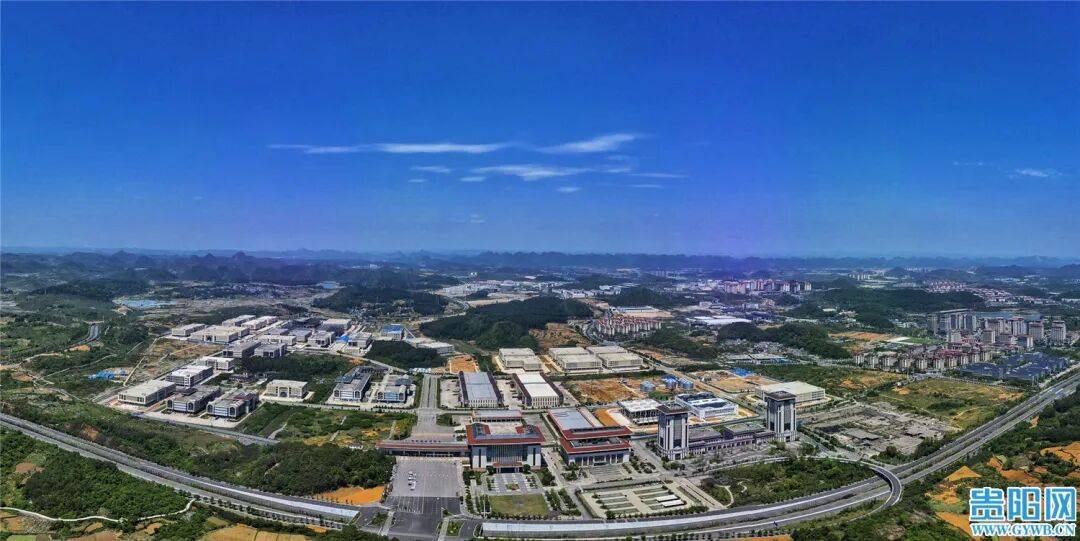
突破“四千亿量级”,贵阳“第一支撑”名副其实!
Sou Hu Cai Jing· 2026-01-13 08:27
Core Insights - The article emphasizes the transformation of Guiyang and Gui'an into a significant growth hub in Southwest China, driven by industrial change and open innovation, marking a new era of high-quality development [1][4]. Industrial Development - Guiyang and Gui'an's industrial economy has undergone a profound transformation, with total industrial output surpassing 400 billion, and the industrial value-added crossing the 100 billion mark, contributing over 31% to economic growth [4]. - Traditional industries like phosphate and aluminum processing are evolving towards high-end, refined production, while new industries such as new energy batteries and vehicles are rapidly developing, showcasing local supply chain capabilities [4][6]. - The region's industrial ecosystem includes leading enterprises with annual outputs exceeding 10 billion, specialized small giants, and numerous industrial entities, indicating a vibrant industrial landscape [6]. Open Economy - Guiyang and Gui'an have actively broken geographical constraints to enhance their open economy, becoming a crucial logistics and trade hub connecting ASEAN and Eurasia [7][9]. - The establishment of the Guiyang International Land Port and multiple international freight routes has significantly reduced logistics costs and improved global connectivity [7]. - High-level open innovation platforms and comprehensive bonded zones have attracted foreign trade and fostered industrial clustering, transitioning from a "channel economy" to an "industrial economy" [9]. Innovation and Digital Transformation - The region's industrial competitiveness is increasingly driven by innovation, with a focus on integrating technological advancements into traditional industries [10][11]. - Guiyang is recognized as a pilot city for the digital transformation of small and medium-sized enterprises, promoting the integration of digital technologies with traditional industries [11]. - The emphasis on green development is evident, with significant reductions in energy consumption and the emergence of national-level green factories, aligning economic growth with ecological protection [11]. Urban and Industrial Synergy - The development of industries has led to an influx of talent, capital, and technology, enhancing urban infrastructure and public services, which in turn supports further industrial upgrades [12]. - The continuous inflow of residents and the improvement of the urban environment are indicative of a positive cycle where industry drives urban development and vice versa [12]. Future Outlook - Guiyang and Gui'an are positioned to leverage their industrial advantages to enhance supply chain resilience and participate more deeply in global value chain restructuring [15]. - The region's future potential lies in its ability to foster core technologies and business models that define the future of industries [15].
广发银行上海分行以科技赋能精准破解民企融资难题
Sou Hu Cai Jing· 2026-01-13 07:18
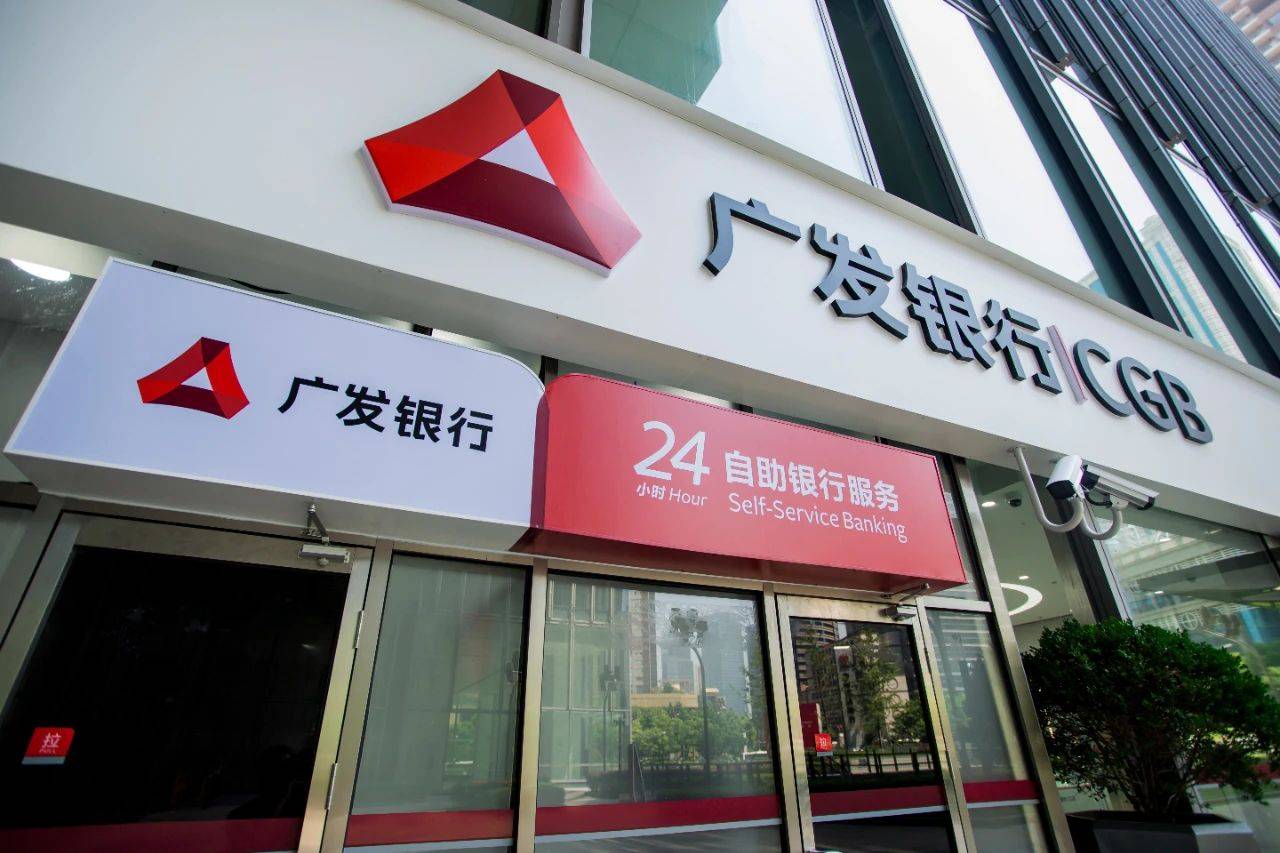
Core Viewpoint - The article emphasizes the importance of addressing the structural challenges faced by private enterprises, particularly asset-light and innovative companies, in securing financing, highlighting the role of digital transformation and technology empowerment in enhancing financial services for the real economy [1][2]. Group 1: Financing Challenges and Solutions - The current economic context necessitates solutions to the long-standing issues of "difficult and slow financing" for private enterprises [1]. - Guangfa Bank's Shanghai branch has introduced a series of innovative financing products, including "3+6" Sci-Tech Loans and "Hui Xintong" series, to provide efficient financial services tailored to the needs of enterprises [1]. - An example is provided of Company J, which faced limitations in traditional financing due to insufficient collateral; the bank's proactive approach led to the recommendation of the "Hui Xintong" products, significantly improving service efficiency and customer experience [1]. Group 2: Data-Driven Marketing and Future Plans - To enhance service precision and customer outreach, Guangfa Bank's Shanghai branch has developed a "Lighthouse" big data marketing service model, focusing on credit services for private enterprises [2]. - This model integrates public and internal data to create a credit qualification scoring model for private enterprises, effectively improving service efficiency and supporting innovative growth companies [2]. - Looking ahead to 2026, the bank plans to continue implementing national policies supporting the private economy, deepening technology empowerment, and optimizing service models to enhance the quality and effectiveness of financial services for private enterprises [2].
中环云鑫AI领航智慧营销 助力企业数字化转型
Sou Hu Cai Jing· 2026-01-13 07:06
Core Insights - The article emphasizes how Zhonghuan Yunxin leverages AI technology to facilitate efficient transformation for enterprises through its "three-dimensional + intelligent" marketing solutions [1] Group 1: AI-Driven Marketing - Zhonghuan Yunxin has developed a complete digital marketing closed loop using algorithms, cloud technology, and automation, providing one-stop services from strategy optimization to performance monitoring [1] - Through AI data analysis, Zhonghuan Yunxin can accurately identify user needs, optimize advertising strategies, significantly reduce operational costs, and enhance conversion rates [1] Group 2: Scenario-Based Solutions - Unlike traditional technology solutions, Zhonghuan Yunxin focuses on the deep integration of technology with real-life scenarios, offering customized services for home, office, and travel environments [3] - The company's self-developed intelligent recommendation system helps users quickly match their needs from vast information, greatly improving experience efficiency [3] Group 3: Customer Service and Trust - In terms of after-sales service, Zhonghuan Yunxin employs a digital complaint handling system that ensures rapid response through multiple channels, addressing user issues promptly [4] - The company values user feedback and builds strong customer relationships through proactive communication and precise compensation, laying the foundation for long-term cooperation [4] Group 4: Future Vision - Zhonghuan Yunxin aims to continuously promote the intelligent upgrade of life services, positioning technology as a core force for enhancing quality of life [6] - The company is committed to optimizing local service ecosystems and empowering merchants with intelligent operations, using technological innovation as a bridge to connect users with a more convenient future [6] - With its "three-dimensional + intelligent" marketing model, Zhonghuan Yunxin is becoming a trusted partner for enterprises in the digital transformation race, leading the way for more precise and efficient AI-enabled marketing [6]

一家奢侈品百年老店走向破产
投中网· 2026-01-13 07:01
Core Viewpoint - Saks Global, a century-old luxury retail giant, is on the brink of bankruptcy due to severe cash flow issues and mounting debt, marking a significant decline from its previous status as a leading luxury brand [4][5][20]. Group 1: Company Background and Recent Developments - Saks Global, known for its flagship store on Fifth Avenue in New York, has over 150 locations and partnerships with numerous luxury brands [4]. - In late 2024, Saks underwent a major capital restructuring, attracting investments from tech giants and private equity firms, aiming to modernize its operations [4][11]. - Despite initial success, within a year, Saks faced severe financial difficulties, including cash flow disruptions and supplier payment defaults [5][15]. Group 2: Financial Challenges and Debt Issues - By the end of 2025, Saks failed to pay $100 million in interest, leading to a default situation and ongoing negotiations with creditors [5][20]. - The company’s financial struggles were exacerbated by a $2.2 billion debt incurred from the acquisition of Neiman Marcus Group in 2024, which significantly increased interest expenses [22]. - Saks reported a revenue decline of approximately 10% in the 2024 fiscal year, with further losses in subsequent quarters, indicating a downward trend in performance [19][20]. Group 3: Operational Missteps and Market Conditions - The split of Saks' e-commerce business in 2021 created operational inefficiencies and increased costs, negatively impacting cash flow [23]. - The luxury retail market faced challenges post-pandemic, with a reported 2% decline in global luxury sales in 2024, affecting consumer spending patterns [25][26]. - Saks' aggressive capital operations, while initially promising, led to operational chaos and financial fragility, ultimately contributing to its impending bankruptcy [26].

「链式革新」破局传统产业转型,SHEIN携手服装工厂的数智化征途
3 6 Ke· 2026-01-13 02:38
Core Viewpoint - The textile and apparel industry in China is undergoing a significant transformation driven by cross-border e-commerce and the need for digitalization and green transformation, with SHEIN acting as a "chain leader" to empower traditional factories through technology and innovative business models [1][19]. Group 1: Industry Transformation - The textile and apparel industry is a pillar of China's economy, with 99.8% of enterprises being small and micro-sized, facing challenges such as low digitalization, fluctuating orders, and difficulties in green transformation [1]. - SHEIN, as a leading global fashion retailer and cross-border e-commerce company, is injecting transformation momentum into traditional factories through technological innovation and ecosystem building [1][19]. - The shift from "scale expansion" to "value enhancement" is evident as factories adapt to new market demands and digital tools [1]. Group 2: Case Studies of Transformation - Chen Di's factory, which became a SHEIN supplier, successfully adapted to the "small order fast response" model, overcoming initial challenges with the help of SHEIN's support team [6][9]. - Sun He, operating in Dongguan, transitioned to digital heat transfer printing technology, which has seen a significant increase in production from 400 million meters in 2015 to 3.7 billion meters in 2023, with an annual growth rate of 37.4% [11][12]. - Yao Yuan's factory shifted from producing bulk orders for delivery service uniforms to flexible production of outdoor apparel, successfully implementing SHEIN's model to meet diverse consumer demands [15][16]. Group 3: SHEIN's Empowerment Model - SHEIN's empowerment system is not limited to technical support but extends to comprehensive training and operational guidance, enabling factories to optimize processes and improve efficiency [19][21]. - The company has developed over 180 lean tools, aiming to enhance operational efficiency by an average of 35% by the end of 2025 [21]. - SHEIN's investment in upgrading factories and training has created a ripple effect, allowing successful transformations to serve as benchmarks for other factories in the industry [21][22]. Group 4: Industry Impact and Future Outlook - The agile supply chain model represented by SHEIN is becoming a trend in manufacturing, facilitating collaboration among small factories and enhancing China's influence in the global fashion industry [22]. - The transformation stories of Chen Di, Sun He, and Yao Yuan illustrate how individual factory upgrades can lead to broader industry advancements, contributing to a more resilient and competitive textile and apparel sector [19][22].
2026“穿粤时尚潮服荟”启幕 政企平台联动赋能服装产业出海
Guang Zhou Ri Bao· 2026-01-13 02:36
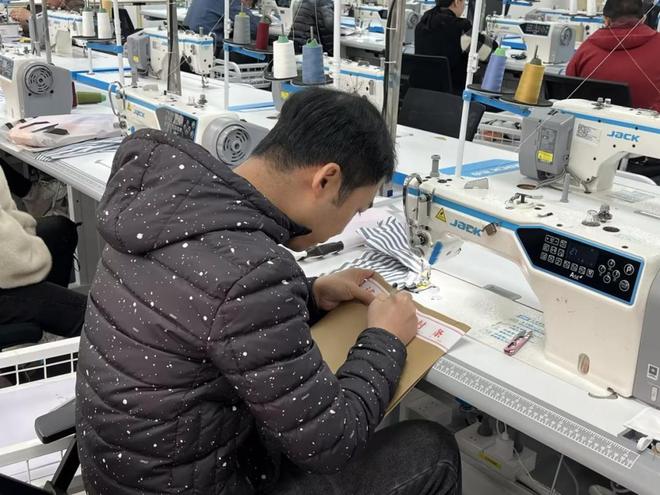
Group 1 - The event "Chuan Yue Fashion潮服荟" aims to empower the textile and apparel industry in Guangdong by utilizing new technologies, processes, materials, and equipment to help companies expand their markets [1] - Major e-commerce platforms such as Alibaba, Douyin, and Vipshop introduced their initiatives to empower apparel companies and engaged in direct communication with them during the event [2] - The event provided a valuable platform for companies to share information and resources, facilitating deep communication and practical cooperation among enterprises [2] Group 2 - The event highlighted the importance of digital transformation and globalization for participating companies, aiming to integrate platform resources and enhance technological empowerment [3] - Guangdong's apparel industry is characterized by strong foundations, cluster advantages, and significant supply capabilities, with over 2,500 regulated apparel enterprises, accounting for 18% of the national total [4] - Future promotional activities will include recommendations for high-quality Guangdong apparel and seasonal actions to meet diverse consumer needs, officially launching the series of events for 2026 [4]