绿色发展

Search documents
餐具还能吃?大学生做出环保新“食器”
Ren Min Wang· 2025-12-09 07:59
Core Viewpoint - The students from Yuxi Technician College and Yuxi Vocational Technical College have developed edible tableware to replace plastic utensils used in takeout, promoting environmental sustainability and enhancing the dining experience [1][3][4] Group 1: Product Development - The edible tableware includes bowls, spoons, and chopsticks, made from local agricultural products such as corn starch and konjac powder [3] - The production process involves mixing raw materials with water and edible oil, shaping them in molds, and sterilizing them through high-temperature baking [3] - The tableware has a similar size to traditional utensils, comes in three flavors (salty, sweet, and original), and has a shelf life of approximately six months [3] Group 2: Production and Cost - Currently, the edible tableware is handmade, with a production time of one hour for a set of 12 pieces, costing around 1 yuan per set [3] - The team aims to optimize the design to make the bowl base thinner and sturdier while improving taste and variety [3] Group 3: Environmental Impact and Future Plans - The initiative aims to promote "environmental protection on the plate" and hopes to spread the use of eco-friendly tableware nationwide [4] - The colleges plan to continue fostering awareness of environmental sustainability and cultivate talents equipped with sustainable development skills [4]
生态之心·长江的微笑
Xin Hua She· 2025-12-09 07:54
协助拍摄:马鞍山市新闻传媒中心 中共马鞍山市委 长江穿城而过,马鞍山——这座因钢而兴的工业重镇,正以一场全面而深刻的转型,书写高质量发展的 新时代答卷。五集城市主题片《生态之心·长江的微笑》《产业之心·智造之光》《活力之心·长三角 的"新坐标"》《融合之心·泥土的高歌》《幸福之心·智启未来》,从不同维度记录下这座城市的蜕变轨 迹,展现其从"工业锈带"到"生态秀场"、从"制造重镇"到"智造高地"的跨越式发展,生动诠释了"安徽 的'杭嘉湖'、长三角的'白菜心'"的战略定位。 第一集《生态之心·长江的微笑》聚焦马鞍山从"工业锈带"到"生态秀场"的转型之路。长江大保护实施 十年以来,当地以绿色发展为底色,通过退渔还湖、拆除非法码头、实施长江禁捕等举措,推动生态修 复与环境治理,以法治与科技为支撑,构建现代化环境治理体系,实现了从"滨江不见江"到"临水更亲 水"的巨变。 作者:曹力 叶柏海 陈邦兵 濮勇 马鞍山市人民政府 新华社安徽分社 联合出品 ...
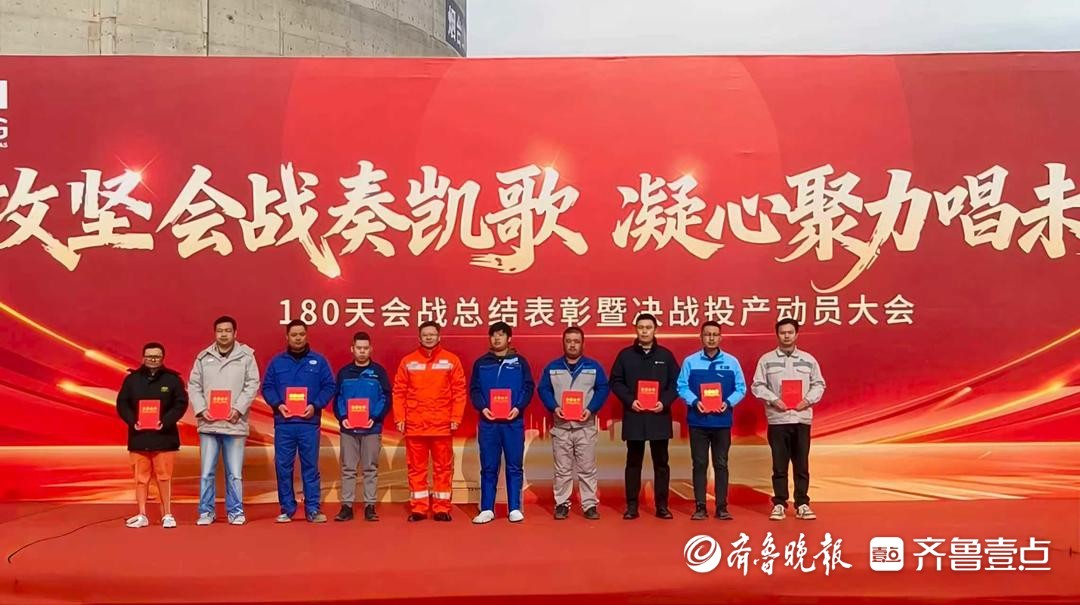
烟台LNG项目现场召开180天会战总结表彰暨决战投产动员大会
Qi Lu Wan Bao· 2025-12-09 07:41
Core Insights - The Yantai LNG project held a significant milestone event on December 5, marking the conclusion of a 180-day battle and mobilizing for production [1] - Over 200 representatives from the Shandong Provincial Energy Bureau, the owner, and participating units attended the event, highlighting the project's importance as a national energy strategy initiative [1] Group 1: Project Execution - China Communications Construction Company (Tianjin) Dredging Engineering Co., Ltd. was responsible for the construction of the terminal, emphasizing quality control during the construction process [3] - The project team focused on key processes and special procedures to enhance engineering quality and aesthetics, achieving a high standard of construction [3] - A strong safety culture was maintained, adhering to the principle of "safety first, prevention foremost," which resulted in zero safety incidents and the successful achievement of safety goals [3] Group 2: Team Performance - The project team implemented a detailed task breakdown and efficient information flow to ensure timely progress, demonstrating effective teamwork and collaboration [3] - The construction team was recognized as an "Outstanding Unit" for their exceptional performance during the 180-day campaign, showcasing their capability to tackle challenging tasks [3] - The project team expressed commitment to continue working diligently to ensure the project's successful production and contribute to the development of a green Yantai and beautiful Shandong [3]

聚力“四大工程”,山东发展投资集团全面激活绿色发展新动能
Qi Lu Wan Bao· 2025-12-09 06:49
Core Viewpoint - Shandong Development Group is actively fulfilling its social responsibilities and contributing to economic and social development through high standards in environmental responsibility, aligning with the national "dual carbon" strategy [1] Group 1: Environmental Responsibility - The company has integrated green and low-carbon development as a core strategy, achieving simultaneous economic and social benefits, with total assets of 249.66 billion yuan and revenue of 23.3 billion yuan in the first ten months of the year [1] - The group has successfully implemented the "Long Electric into Shandong" project, which can deliver over 9 billion kilowatt-hours of clean electricity annually, reducing carbon emissions by over 7.5 million tons [1] Group 2: Circular Economy Initiatives - The company has launched several demonstration projects for carbon reduction and pollution control, including the first low-temperature sludge incineration power generation project in Zhucheng, which has processed 270,000 tons of sludge and generated 33 million kilowatt-hours of electricity [2] - A major geothermal clean heating project in Dongying has been put into operation, providing heating for 25,000 households and reducing carbon emissions by approximately 70,000 tons annually [2] Group 3: Capital Empowerment - The company has invested over 6 billion yuan in 69 projects across sectors such as renewable energy, new materials, and environmental protection, leveraging its role as a state-owned capital investment platform [3] - The Shandong Green Development Fund, the first market-oriented private fund utilizing international financing, has supported projects that achieve annual carbon reductions of 1.48 million tons [3]
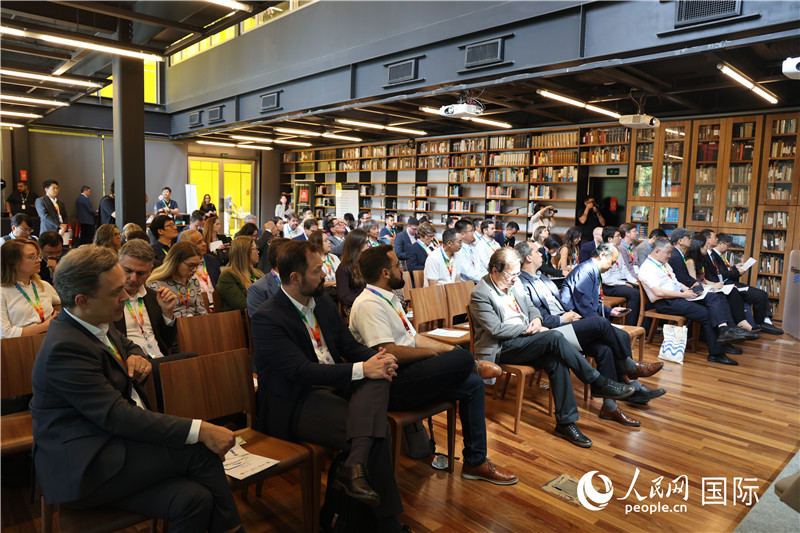
中巴可持续发展与低碳能源转型论坛在巴西里约热内卢举行
人民网-国际频道 原创稿· 2025-12-09 06:39
Core Insights - The China-Brazil Sustainable Development and Low-Carbon Energy Transition Forum opened in Rio de Janeiro, focusing on energy transition technologies and sustainable development cooperation [1][3] Group 1: Event Overview - The forum is co-hosted by Tsinghua University, Federal University of Rio de Janeiro, China-Brazil Power Innovation Consortium, Brazilian National Confederation of Industry, and Envision Technology Group [1] - The event features experts from multiple countries discussing the forefront of energy transition technologies [1] Group 2: Diplomatic and Collaborative Efforts - The Chinese Embassy in Brazil emphasized the forum as a significant step in deepening practical cooperation between China and Brazil, highlighting their roles as developing countries in addressing global challenges and leading green development [3] - The Brazilian National Service for Industrial Training (SENAI) expressed strong interest in collaborating with China, noting that technological innovation relies heavily on Chinese support [5] Group 3: Technical Discussions - A subgroup meeting titled "Empowering Energy Transition through Technological Innovation" was held, discussing Brazil's energy transition challenges and the prospects for China-Brazil energy cooperation [5][7] - Key topics included bioeconomy, biodiversity, biofuels, carbon capture and conversion, and carbon footprint calculation [7]
新泰市召开“收官‘十四五’,高水平生态保护助力新泰高质量发展”新闻发布会
Qi Lu Wan Bao· 2025-12-09 06:21
Core Viewpoint - The news conference highlighted the achievements of Xintai City in ecological environment protection during the 14th Five-Year Plan period, emphasizing the commitment to ecological priority and green development, resulting in significant improvements in environmental quality and public satisfaction with the ecological environment [1] Group 1: Environmental Quality Improvement - The city has implemented systematic measures to combat pollution, including three major campaigns targeting heavy pollution weather, ozone pollution, and diesel vehicle emissions, leading to the elimination of 9 coal-fired boilers and 1,386 outdated diesel trucks [2] - Infrastructure improvements have been made, including the completion of upgrades to sewage treatment facilities in rural areas, resulting in a 100% compliance rate for three centralized drinking water sources and a 27.38% improvement in water quality index compared to 2021 [2] - Monitoring data indicates that by the end of 2024, PM2.5 and PM10 annual average concentrations will improve by 24% and 21.8% respectively, with the proportion of good air quality days increasing by 9.2 percentage points [2] Group 2: Ecological Protection and Innovation - Xintai City has adhered to strict ecological zoning and control measures, leading to its selection as a pilot for collaborative innovation in pollution reduction and carbon neutrality, as well as the establishment of a provincial-level ecological civilization demonstration area [3] - The city has launched innovative projects such as the "Green Island" project for low-carbon industrial coating, which has been promoted nationwide, and has received recognition from the Ministry of Ecology and Environment for its exemplary practices [3] Group 3: Green Development and Industry Support - The city has initiated actions to support high-quality development through environmental protection, including the approval of 2,267 construction projects and the establishment of an environmental factor reserve database [4] - Collaborative efforts between governance and industrial transformation have led to the cultivation of 9 enterprises with high environmental performance ratings, and the implementation of a differentiated management approach for environmental credit ratings [4] - The "Environmental Steward" support model has been introduced, providing legal services to over 100 enterprises and addressing more than 230 practical issues to facilitate their green transition [4]
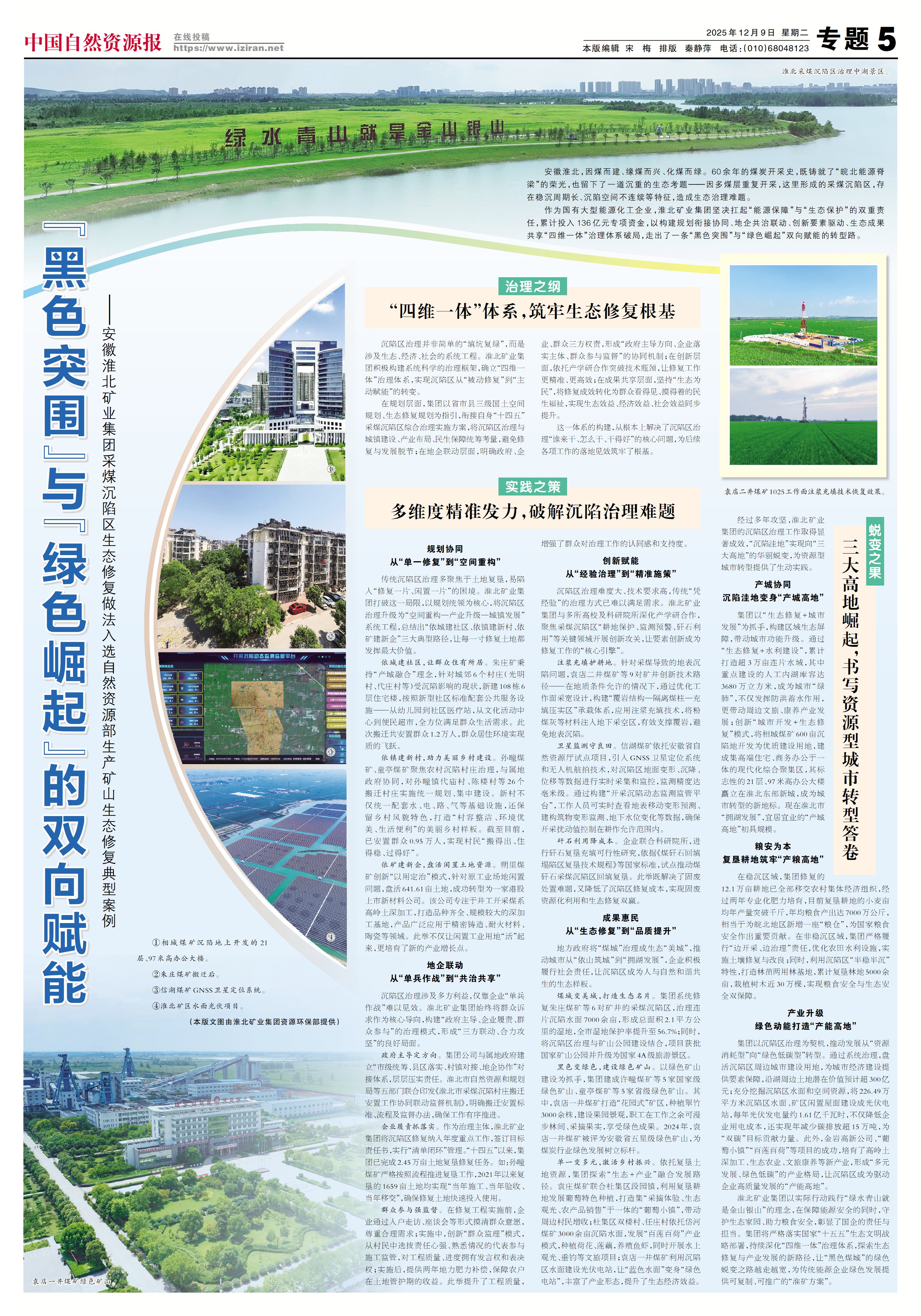
淮北矿业:“黑色突围”与“绿色崛起”的双向赋能
Zhong Guo Zi Ran Zi Yuan Bao· 2025-12-09 03:46
Core Viewpoint - The article discusses the dual responsibility of Huabei Mining Group in energy security and ecological protection, highlighting its investment of 13.6 billion yuan in a comprehensive governance system to address the ecological challenges posed by coal mining in the Huabei region [9]. Governance Framework - Huabei Mining Group has established a "four-dimensional" governance system that integrates planning, government-enterprise collaboration, innovation, and shared ecological outcomes to transition from passive restoration to proactive empowerment in subsidence area management [13]. - The governance framework addresses key questions of "who does it, how to do it, and how well it is done," laying a solid foundation for effective implementation of subsequent initiatives [13]. Practical Strategies - The company has shifted from traditional land reclamation to a comprehensive approach that includes spatial reconstruction, industrial upgrading, and urban development, ensuring that every restored land area maximizes its value [15]. - New residential communities have been built to accommodate 12,000 people affected by subsidence, significantly improving living conditions [20]. - The company has revitalized 641.61 acres of idle land by transforming it into a new materials company listed on the Hong Kong Stock Exchange, creating a new growth point for the industry [26]. Collaborative Efforts - A collaborative governance model has been established, involving government, enterprises, and the community to ensure effective management of subsidence areas [27]. - The company has completed the reclamation of 24,500 acres of land since the 14th Five-Year Plan began, ensuring rapid restoration and utilization of reclaimed land [27]. Innovation in Restoration - Huabei Mining Group collaborates with universities and research institutions to innovate in key areas such as farmland protection and monitoring, enhancing the precision and efficiency of restoration efforts [31]. - The introduction of GNSS satellite positioning systems and drone technology allows for real-time monitoring of ground deformation and subsidence, ensuring that mining activities remain within acceptable limits [34]. Ecological and Economic Benefits - The company has transformed subsidence areas into ecological parks, increasing wetland protection rates to 56.7% and enhancing the region's tourism appeal [39]. - The restoration of 121,000 acres of farmland has led to an annual grain output of 70 million kilograms, contributing significantly to regional food security [49]. Industry Transformation - Huabei Mining Group is transitioning from a resource-intensive model to a green, low-carbon approach, with an estimated potential land value exceeding 30 billion yuan from urban development around subsidence areas [50]. - The establishment of photovoltaic power stations on reclaimed land is expected to generate approximately 161 million kilowatt-hours of electricity annually, reducing carbon emissions by over 150,000 tons [51].

共话中国经济新机遇|专访:德中经济合作深度与广度持续升级——访上海德国中心董事长兼首席执行官夏建安
Xin Hua Wang· 2025-12-09 03:14
Core Insights - The economic cooperation between Germany and China is continuously upgrading in depth and breadth, with significant potential for further enhancement [1] Group 1: Investment Trends - German companies are increasingly upgrading their investment models in China due to strong market demand, robust supply chains, low industrial electricity costs, stable energy supply, and a rich pool of skilled labor [1] - The need for German companies to enhance competitiveness in the Chinese and Asia-Pacific markets is driving additional investment [1] - Many German firms are shifting from solely relying on exports to local production and operations to meet cost-effectiveness and rapid local service demands [1] Group 2: Local Operations and R&D - German companies are recognizing that local teams have a better understanding of the supply chain and consumer market compared to their headquarters in Germany, leading to strategic upgrades in local operations [2] - Some companies are transferring part of their R&D from Germany to China or allowing their Chinese subsidiaries to conduct independent research and development [2] Group 3: Green Development - Green development practices are seen as a crucial breakthrough for long-term cooperation between Germany and China, with China making significant progress in green low-carbon development over the past decade [2] - German representatives visiting China are often impressed by the rapid advancements in green technologies, such as solar energy, wind energy, and sustainable transportation [3] Group 4: Collaboration and Understanding - There is a call for German business leaders to visit China to gain a more accurate understanding of the local market and environment [3] - The importance of mutual understanding and respect for differences is emphasized as a foundation for successful cooperation between Germany and China [3]
2025年中国书写工具行业发展历程、产业链图谱、销售规模、竞争格局及发展趋势研判:晨光股份龙头优势明显[图]
Chan Ye Xin Xi Wang· 2025-12-09 01:53
Core Viewpoint - The Chinese writing instrument market is driven by a large student population and the deepening of quality education, leading to growth in specialized categories like calligraphy pens and art creation pens. The demand from professionals is shifting from mere functionality to quality and personalization, fueling the mid-to-high-end market. In 2024, the sales revenue of writing instruments in China is projected to reach 24.732 billion yuan, with a year-on-year growth of 1.8% [1][7]. Overview - Writing instruments are tools used for writing, drawing, and marking, categorized into pencils, fountain pens, colored pens, markers, highlighters, and writing aids. Notable products include the Chinese HB pencil, M&G 2B exam pencil, Hero 100 fountain pen, and various types of colored and marking pens [2][4]. Development History - The writing instrument industry in China began in the 1970s with state-owned pen factories focusing on essential categories like fountain pens and pencils. The 1980s and 1990s saw a surge in demand due to economic reforms, leading to the rise of private pen manufacturers and diversification of product categories. Since 2016, environmental sustainability has become a critical requirement, pushing companies to adopt biodegradable materials and eco-friendly practices [4][5]. Industry Chain - The upstream of the writing instrument industry includes suppliers of raw materials like plastics, metals, inks, and production equipment. The midstream involves research, design, and manufacturing, while the downstream consists of various sales channels including supermarkets, specialty stores, and e-commerce platforms [5][6]. Current Development - The student demographic remains the core consumer group for writing instruments in China, accounting for over 50% of the market in 2024. The demand for basic writing tools like gel pens and erasable pens is strong among students. The sales revenue for writing instruments in 2024 is expected to be 24.732 billion yuan, with fountain pens making up 45.8% of the market [7][8]. Competitive Landscape - The writing instrument industry in China exhibits a competitive landscape characterized by a leading player and several strong competitors. In 2024, the top 10 companies (CR10) hold a market share of 53.3%, with M&G leading at 25.8% and Deli at 7.3%. The market share of leading brands has been increasing, indicating a trend where the strong continue to dominate [9][10]. Company Analysis - Shanghai M&G Stationery Co., Ltd. integrates creative value and service advantages, focusing on providing solutions for learning and working environments. In the first half of 2025, M&G's total revenue reached 10.81 billion yuan, with writing instrument sales contributing 1.136 billion yuan [11][12]. - Deli Group, established in 1988, produces a wide range of stationery and office supplies, with its brand recognized as one of China's top stationery brands. Deli has received various certifications and accolades, enhancing its market presence [12][13]. Future Trends - The future of the writing instrument industry is driven by carbon neutrality policies and heightened environmental awareness. Leading companies are building green ecosystems throughout their supply chains, utilizing biodegradable materials and modular designs to extend product lifecycles. Additionally, writing instruments are evolving beyond mere functionality to become cultural and emotional carriers, reflecting a shift towards refined consumer experiences [14][15].


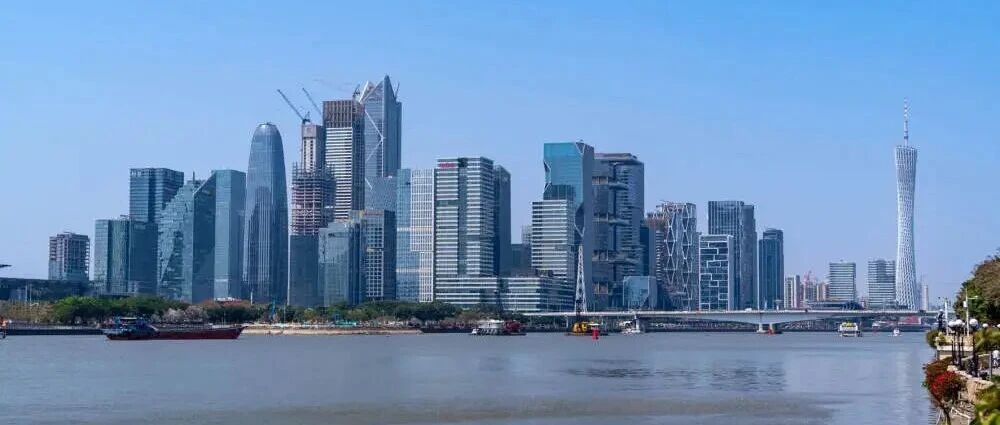
非凡五年,广东把“逆风局”打成“高端局”
21世纪经济报道· 2025-12-09 00:34
Core Viewpoint - The article discusses how Guangdong province has managed to maintain economic growth and resilience despite facing significant challenges over the past five years, including the pandemic and global trade tensions. The province's GDP has consistently surpassed key milestones, demonstrating its ability to adapt and innovate in a changing economic landscape [3][4]. Economic Performance - Guangdong's total economic output has crossed the thresholds of 12 trillion, 13 trillion, and 14 trillion yuan, maintaining its position as the largest economy in China for 36 consecutive years [3]. - The average annual GDP growth rate for Guangdong during the first four years of the 14th Five-Year Plan is 4.7%, which, while seemingly modest, represents a significant marginal increase compared to previous decades [6]. Industrial Transformation - The province is focusing on transforming traditional industries and fostering emerging sectors, having initiated digital transformation for over 44,000 industrial enterprises [7]. - Guangdong produces a quarter of the country's new energy vehicles and over a third of industrial robots, with its core AI industry accounting for one-third of the national total [9]. Technological Innovation - More than one-third of provincial funding for technological innovation has been directed towards basic research, leading to Guangdong's top ranking in regional innovation capabilities [10]. - Key technological breakthroughs include advancements in high-end chips and surgical robots, showcasing the province's commitment to innovation [10]. Reform and Openness - Guangdong leads in several indicators of private sector development and has been recognized for its favorable business environment for four consecutive years [10]. - The province's total import and export volume has exceeded 9 trillion yuan, with a diverse range of international trade partnerships [10]. Regional Development and Sustainability - Guangdong is implementing a "full map development" strategy to promote balanced regional growth, transferring over 300 manufacturing projects to less developed areas [12]. - The province has achieved significant improvements in environmental quality, with record levels of air quality and water quality [12]. Social Welfare - Over 6 million new urban jobs have been created in Guangdong during the 14th Five-Year Plan, with a 4.9% average annual increase in per capita disposable income [12]. - The province has achieved near-complete coverage of pension insurance and has facilitated educational access for children of migrant workers [12].