创业板

Search documents
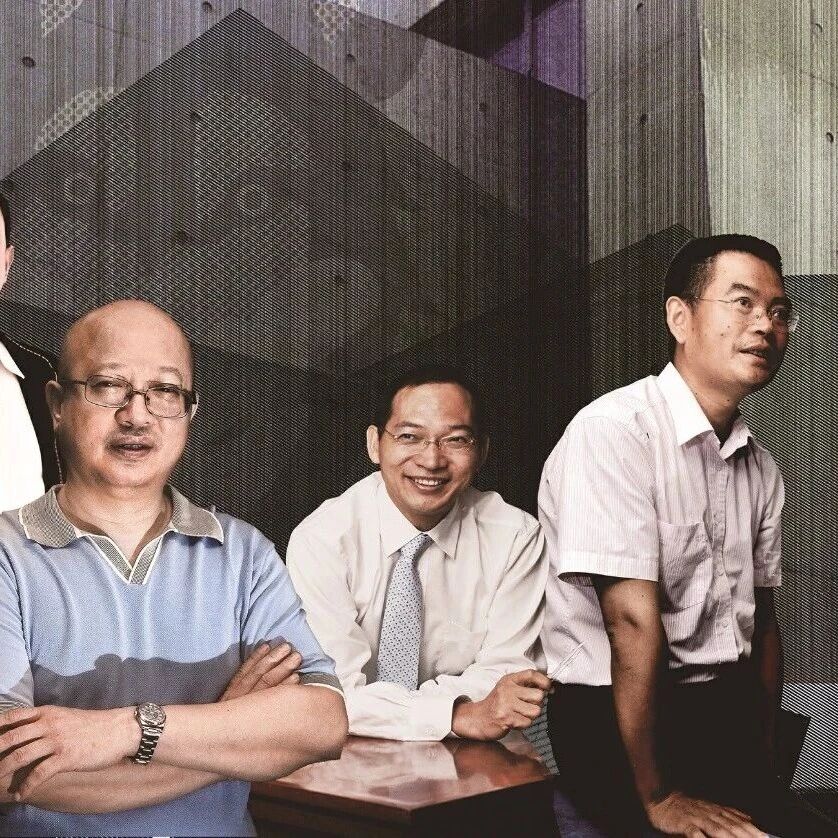
深圳创投帮:一群“土狼”的成长
创业家· 2026-02-28 10:28
Core Viewpoint - The article discusses the evolution and competitive strategies of local venture capital (VC) firms in Shenzhen, highlighting their unique approaches compared to foreign VC firms and the significant impact of historical and cultural factors on their development [3][5][39]. Group 1: Historical Context and Development - In 1999, Liu Zhou faced a decision on where to establish a new investment company, ultimately choosing Shenzhen due to its market potential and proximity to Hong Kong [3][4]. - By 2008, Shenzhen's venture capital firms, including Shenzhen Innovation Investment Group and Dacheng, ranked first and eighth respectively in China's VC landscape, surpassing many established foreign VCs [4][5]. - Today, over 200 VC firms are based in Shenzhen, accounting for one-third of the national market share, with significant participation in the first batch of companies applying for the Growth Enterprise Market [4][5]. Group 2: Competitive Strategies - Shenzhen's local VCs prefer investing in traditional enterprises with technological innovation capabilities, focusing on projects that drive domestic consumption, contrasting with foreign VCs that target high-tech startups [33][34]. - The investment philosophy of local VCs emphasizes patience and cost-effectiveness, often opting for lower P/E ratios compared to foreign counterparts [34][35]. - Local VCs employ a "wolf culture," characterized by teamwork and a focus on collective success rather than individual stardom, which is a departure from the celebrity-driven model of foreign VCs [36][39]. Group 3: Key Figures and Leadership - Wang Shouren, a prominent figure in Shenzhen's VC community, played a crucial role in advocating for the local VC ecosystem and was respected for his willingness to challenge government policies [2][39]. - Liu Zhou, the chairman of Dacheng, embodies the "hard-fighting" spirit of local VCs, emphasizing a strategic approach to investment that balances direction and cost [33][34]. - Jing Haitao, chairman of Shenzhen Innovation Investment Group, is recognized for his strategic vision and ability to navigate the complexities of managing a large investment team [18][22]. Group 4: Future Outlook - The future of Shenzhen's VC landscape will depend on the ability of firms like Shenzhen Innovation Investment Group to adapt to changing market conditions and government policies while maintaining a competitive edge [21][42]. - There is a growing recognition of the need for local VCs to develop their own identity and operational strategies that align with China's unique market environment [39][41].


创业板跌超1% 超2800股下跌
Jin Rong Jie· 2026-02-27 02:49
Core Viewpoint - The A-share market experienced a collective decline across the three major indices, with the ChiNext index falling over 1% and more than 2,800 stocks declining overall [1] Group 1: Market Performance - The three major A-share indices all closed lower, indicating a bearish trend in the market [1] - The ChiNext index, which focuses on growth enterprises, saw a drop of more than 1%, reflecting challenges in the technology and innovation sectors [1] Group 2: Sector Performance - The computing power hardware sector underwent adjustments, contributing to the overall market decline [1] - Specific sectors such as CPO (Chip-on-Board) and PCB (Printed Circuit Board) led the declines, indicating weakness in these areas [1]

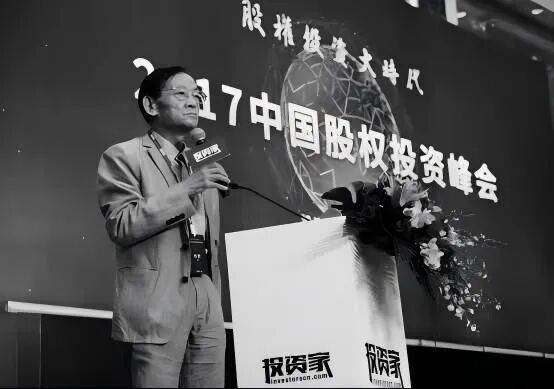
一代创投教父逝世
创业家· 2026-02-26 10:34
Core Viewpoint - The article commemorates Wang Shouren, a pivotal figure in China's venture capital industry, who passed away at the age of 84, highlighting his contributions to the development of the local venture capital ecosystem in Shenzhen and the broader Chinese market [4][5]. Group 1: Historical Contributions - Wang Shouren was born in 1942 in a poor family in Shanxi and later moved to Shenzhen in 1984 to help establish the first economic research institute in China's first special economic zone [9]. - In 1999, he joined the preparatory group for the Shenzhen Venture Capital Fund and played a key role in founding Shenzhen Innovation Technology Investment Co., the first venture capital firm in China [9]. - The establishment of the Shenzhen Venture Capital Association in 2000 marked a significant milestone, with Wang serving as its first leader [10]. Group 2: Challenges and Resilience - The venture capital industry faced its first major downturn after the dot-com bubble burst, leading to the closure of many firms due to lack of returns and exit opportunities [10]. - Wang emphasized the importance of the ChiNext board for guiding venture capital investments, arguing that it was essential for supporting emerging industries [10]. - The long-awaited launch of the ChiNext board in October 2009 marked the beginning of a new era for local venture capital, revitalizing the industry [10]. Group 3: Legacy and Influence - Wang Shouren is regarded as a spiritual leader in the venture capital community, having witnessed the rise of Shenzhen as a hub for venture capital, managing over one-third of the country's venture capital funds [12]. - He was instrumental in shaping policies and regulations for venture capital, actively promoting the launch of the ChiNext board, and authored over 200 research reports and papers on venture capital theory [13]. - The Shenzhen Venture Capital Association now has over 280 members and manages more than 7,500 funds with a total scale of 1.5 trillion yuan [13]. Group 4: Philosophy and Approach - Wang believed that the essence of venture capital lies not just in financial investment but in building deep relationships with entrepreneurs to create value together [15]. - He likened the investor-entrepreneur relationship to parenting, advocating for a nurturing approach to investment [15]. - His philosophy emphasized patience in venture capital, stating that it is about "planting trees, not harvesting leeks," highlighting the long-term nature of investments [15].

中国创投教父逝世
Sou Hu Cai Jing· 2026-02-25 13:50
Core Insights - The news highlights the passing of Wang Shouren, known as the "father of Chinese venture capital," who significantly contributed to the development of the venture capital industry in China [4][7]. Group 1: Wang Shouren's Contributions - Wang Shouren was instrumental in establishing Shenzhen Venture Capital Co., Ltd., the first venture capital institution in China, in 1999, marking the beginning of the local venture capital industry [5][6]. - He played a crucial role in the establishment of the Growth Enterprise Market (GEM) in China, which provided a vital exit channel for venture capital investments, significantly boosting the industry [7]. - Throughout his career, Wang advocated for the importance of venture capital in supporting high-tech industries and emphasized that venture capital should focus on helping businesses grow and create value, rather than merely investing funds [6][7]. Group 2: Legacy and Impact - Wang's efforts in policy formulation and industry self-regulation laid a solid foundation for the development of the venture capital sector in China, influencing the growth of numerous VC/PE institutions [6][7]. - His passing is seen as a significant loss for the Chinese venture capital industry, but his legacy and the principles he championed will continue to inspire future generations of investors [7][8]. - Wang's life and career reflect the evolution of the venture capital landscape in China, making him a pivotal figure in the history of Chinese equity investment [7].
一代创投教父逝世
投资界· 2026-02-25 08:07
Core Viewpoint - The article commemorates Wang Shouren, a pivotal figure in China's venture capital industry, who passed away at the age of 84, highlighting his contributions to the development of local venture capital in Shenzhen and the broader Chinese market [2][3]. Group 1: Wang Shouren's Early Life and Career - Wang Shouren was born in 1942 in a poor farming family in Shanxi and completed his education with the help of scholarships [3]. - In 1984, he moved to Shenzhen to help establish the first economic zone research institute, marking his entry into the burgeoning market economy [3]. - At the age of 57 in 1999, he joined the preparatory team for Shenzhen's first venture capital institution, Shenzhen Innovation Technology Investment Co., officially entering a nearly blank venture capital industry in China [3][4]. Group 2: Development of Venture Capital in Shenzhen - In 2000, the news of the upcoming ChiNext board led to a rapid increase in venture capital institutions in Shenzhen, with Wang becoming the first president of the Shenzhen Venture Capital Association [4]. - The establishment of Shenzhen Innovation Investment Group in 2002 was a significant milestone, with Wang recalling the excitement and passion of that era [4]. - The burst of the Nasdaq bubble and the delay of the ChiNext board led to a harsh winter for local venture capital, with half of the over 100 institutions in Shenzhen shutting down [4]. Group 3: Advocacy and Influence - Wang Shouren was seen as a spiritual leader in the venture capital community, advocating for the establishment of policies and regulations to support the industry [5][6]. - He played a crucial role in the launch of the ChiNext board in October 2009, which was anticipated for a decade and marked the beginning of a new era for local venture capital [4][6]. - Wang was known for his belief that venture capital is not just about financial investment but about building deep relationships with entrepreneurs, akin to nurturing children [8]. Group 4: Legacy and Impact - Under Wang's influence, the Shenzhen Venture Capital Association grew to over 280 members, with more than 1,600 venture capital institutions managing over 7,500 funds and a total fund size of 1.5 trillion [7]. - He was recognized for his contributions to the theoretical exploration of venture capital in China, authoring over 200 research reports and papers [6]. - Wang's philosophy emphasized patience in venture capital, likening it to planting trees rather than harvesting crops, which resonated with many in the industry [8].

多数保险机构对2026年A股市场持较乐观态度,计划小幅增配A股
Jin Rong Jie· 2026-02-25 03:58
Group 1 - The core viewpoint of the articles indicates that insurance institutions are optimistic about domestic investments in stocks and securities investment funds for 2026, with a tendency to slightly increase stock investments [1] - Most insurance institutions plan to maintain their allocation ratios for bank deposits, bonds, securities investment funds, and other financial assets similar to 2025, with some intending to moderately increase stock investments [1] - In the bond market, insurance institutions hold a neutral outlook for 2026, favoring high-grade corporate bonds, perpetual bonds, subordinated debt, and convertible bonds, primarily focusing on bonds with maturities between 10 to 30 years [1] Group 2 - Regarding the A-share market, insurance institutions are generally optimistic for 2026, favoring indices such as the Sci-Tech Innovation 50, CSI 300, and ChiNext, and industries like electronics, non-ferrous metals, and pharmaceuticals [1] - The main factors influencing the A-share market are expected to be corporate profit recovery and liquidity conditions, with most insurance institutions planning to slightly increase their allocation to A-shares [1] - In terms of fund investments, insurance asset management institutions prefer equity funds, secondary bond funds, and mixed equity funds, with nearly half planning to slightly increase their allocation to public funds [2] Group 3 - For overseas investments, Hong Kong stocks are the most favored by insurance institutions for 2026, with gold and US stocks also receiving attention [2] - About half of the insurance asset management institutions plan to slightly increase their allocation to Hong Kong stocks, while 40% of insurance companies intend to maintain their current allocation levels [2]
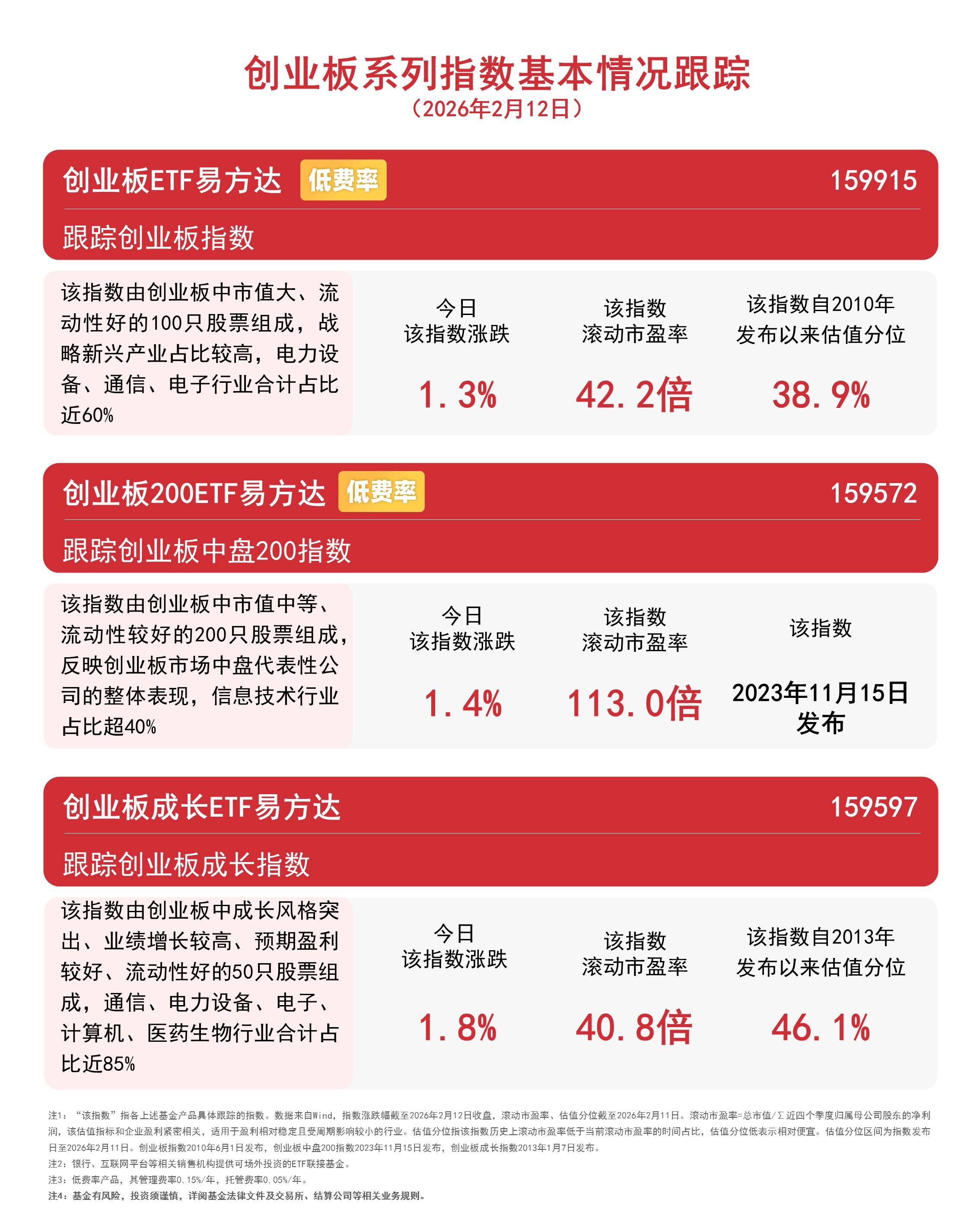
创业板指高开高走涨1.3%,创业板ETF易方达(159915)昨日“吸金”超10亿元
Sou Hu Cai Jing· 2026-02-12 10:30
Group 1 - The technology growth sector led the market on February 12, with various growth indices in the ChiNext board rising collectively [1] - The ChiNext Growth Index increased by 1.8%, the ChiNext Mid-cap 200 Index rose by 1.4%, and the overall ChiNext Index saw a 1.3% increase [1] - Related ETFs have gained market attention, with the E Fund ChiNext ETF (159915) experiencing a net inflow of over 1 billion yuan in a single day [1]
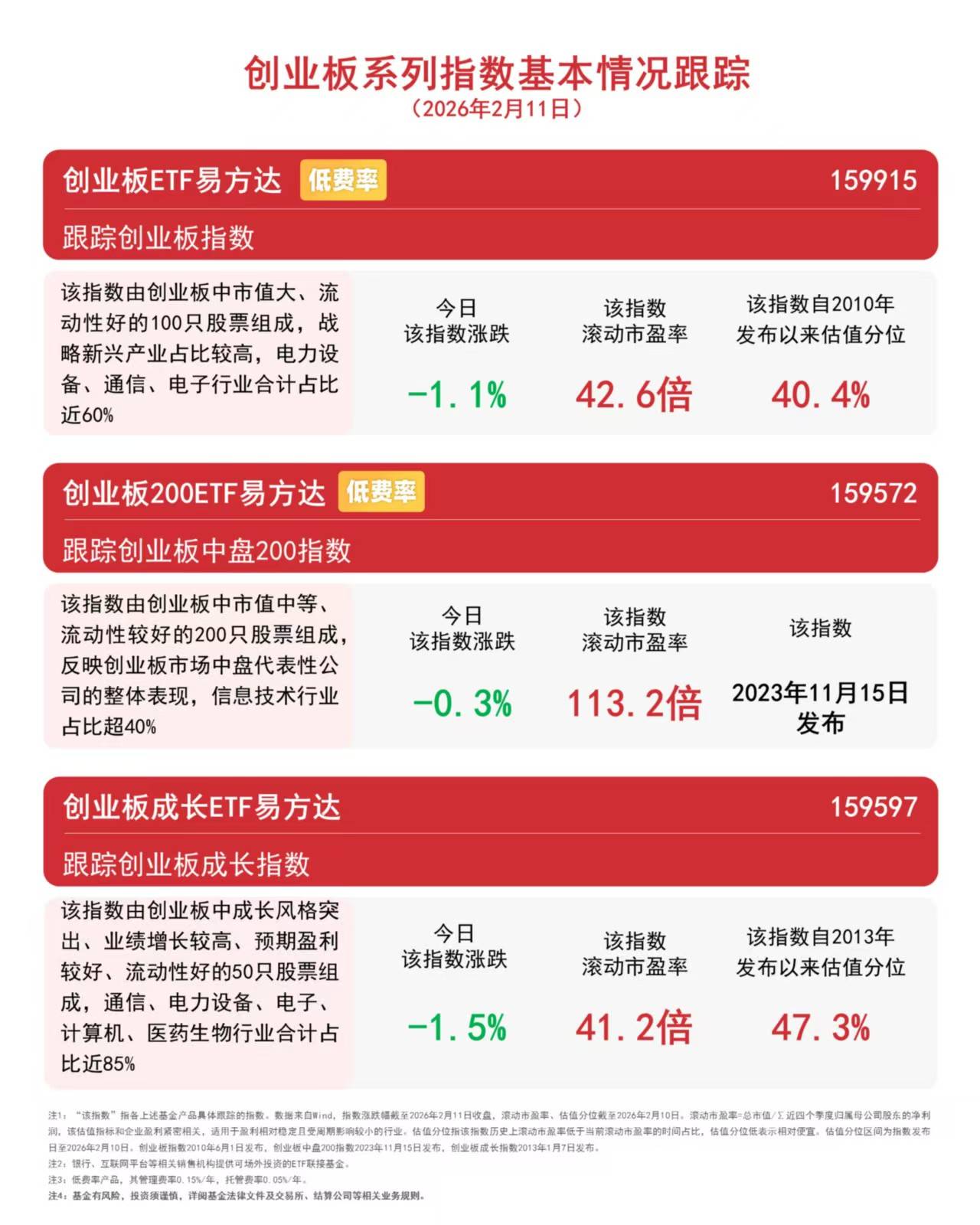
创业板指震荡回调跌逾1%,创业板ETF易方达(159915)逆势获超3亿份净申购
Sou Hu Cai Jing· 2026-02-11 10:43
Core Insights - The article discusses the recent financial performance of a leading technology company, highlighting a significant increase in revenue and net profit for the last quarter [2] - It emphasizes the company's strategic investments in research and development, which are expected to drive future growth [2] Financial Performance - The company reported a revenue of $5 billion for the last quarter, representing a 20% increase year-over-year [2] - Net profit reached $1 billion, marking a 15% increase compared to the same period last year [2] Strategic Investments - The company has allocated $500 million towards research and development, aiming to enhance its product offerings and maintain competitive advantage [2] - The focus on innovation is expected to result in the launch of new products in the upcoming year, potentially expanding market share [2] Market Position - The company continues to hold a leading position in the technology sector, with a market share of approximately 25% [2] - Competitive analysis indicates that the company is well-positioned against its main rivals, which have seen slower growth rates [2]
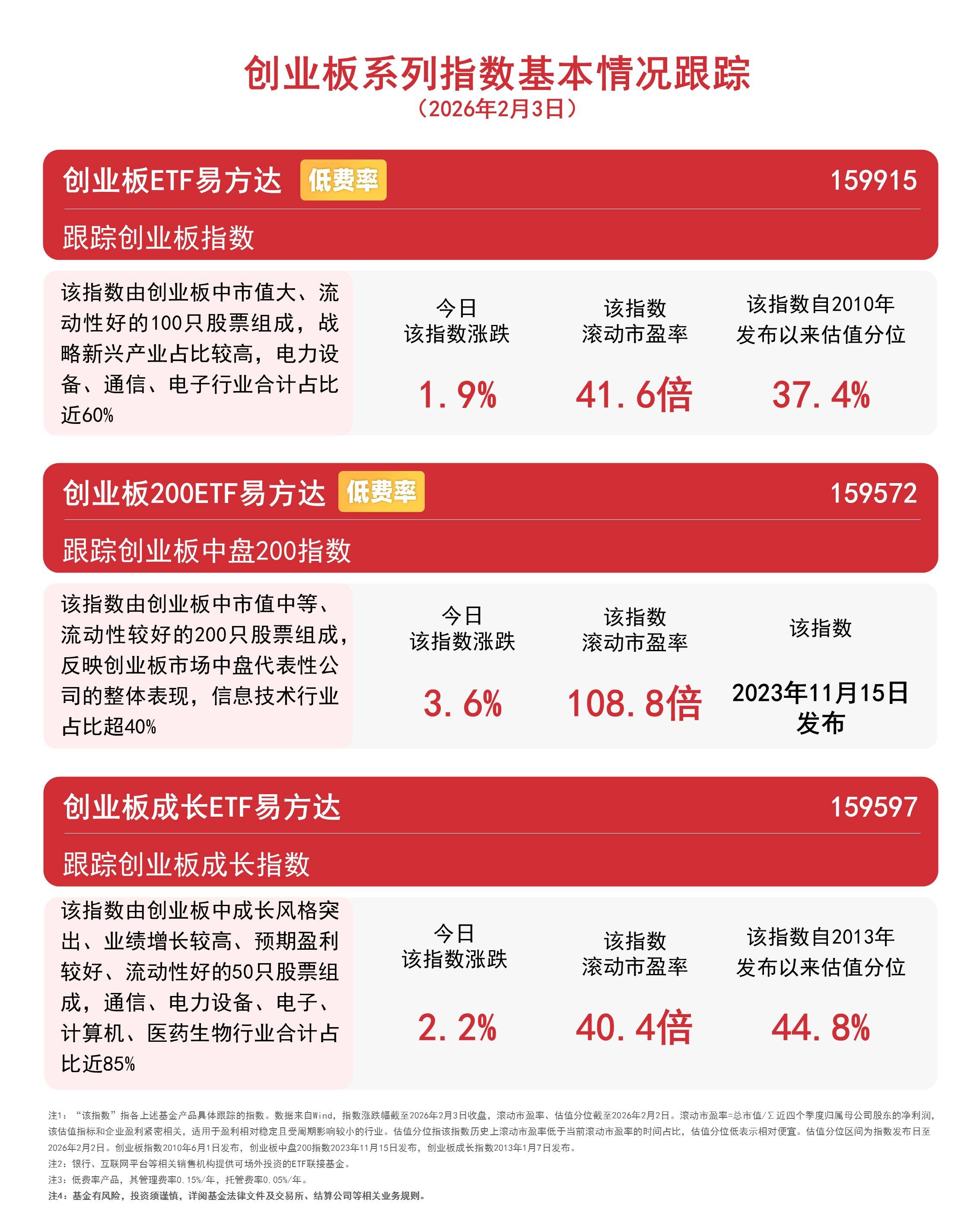
资金回流创业板相关ETF,创业板ETF易方达(159915)连续2日获大笔净流入
Sou Hu Cai Jing· 2026-02-03 11:22
Group 1 - The ChiNext Mid-Cap 200 Index increased by 3.6% [1] - The ChiNext Growth Index rose by 2.2% [1] - The ChiNext Index saw an increase of 1.9% [1] Group 2 - The E Fund ChiNext ETF (159915) had a net subscription of over 130 million units throughout the day [1] - The product experienced a net inflow of over 500 million yuan yesterday [1]
每日钉一下(A股市场都有哪些板块呢?)
银行螺丝钉· 2026-01-29 14:04
Group 1 - The article introduces the concept of bond index funds and highlights that many investors are familiar with stock index funds but less so with bond index funds [2] - A free course is offered to educate investors on how to invest in bond index funds, along with supplementary materials like course notes and mind maps for efficient learning [2] Group 2 - The A-share market is divided into four main sectors [5] - The Main Board primarily consists of mature enterprises and stable profit-leading companies, with indices like CSI 300 and CSI 500 mainly comprising stocks from this board [6] - The ChiNext Board, also known as the Second Board, includes companies that are unable to list on the Main Board, focusing on startups, small and medium enterprises, and high-tech companies [7][8] - The Sci-Tech Innovation Board lists companies related to information technology, high-end equipment, new materials, new energy, energy conservation and environmental protection, and biomedicine [9][10] - The Beijing Stock Exchange was established in September 2021, primarily serving innovative small and medium enterprises, with many stocks previously listed on the New Third Board [11][12]