华流

Search documents
台北灯节,上海“骏马”抢眼引岛内热议
Xin Lang Cai Jing· 2026-02-25 23:03
Group 1 - The 2026 Taipei Lantern Festival will take place from February 25 to March 15, featuring a Shanghai Lantern Zone that has attracted significant attention in Taiwan [1] - The Shanghai Lantern Zone's centerpiece, titled "Here is Shanghai," is inspired by the legend of "Heavenly Horse Spreading Wings" and showcases a cosmic horse surrounded by iconic Shanghai landmarks, symbolizing prosperity and peace [1] - The Taipei City Government has organized a delegation from Shanghai to visit the festival, which includes a three-day stay and various municipal visits related to previous agreements [1] Group 2 - The collaboration with the international brand "Pop Mart" has sparked controversy, with local political figures questioning the cultural implications of featuring mainland products at the festival [2] - The Shanghai Lantern Zone is prominently placed at the festival entrance, overshadowing other displays and drawing criticism from local media for its visibility [2] - The rise of contemporary Chinese cultural phenomena, such as "Pop Mart" and "Black Myth: Wukong," reflects a shift towards a more globalized cultural identity, contrasting with Taiwan's more traditional cultural expressions [3][4]
海底捞,意外震撼韩国人
投资界· 2026-02-08 08:16
Core Viewpoint - The article discusses the rising popularity of Haidilao in South Korea, highlighting its transformation from a luxury dining option to a social currency among young Koreans, driven by cultural exchanges and the appeal of Chinese hot pot cuisine [2][6][8]. Group 1: Haidilao's Popularity in South Korea - Haidilao has become a social phenomenon in South Korea, with young people viewing it as a trendy dining spot, often referred to as a "fashion dock" [7][12]. - The restaurant's unique service and atmosphere have made it a favorite among various age groups, creating a mini concert-like experience with performances from staff [12][14]. - The pricing of Haidilao in South Korea is perceived as high, yet many young Koreans consider it a worthwhile experience compared to local dining options [11][13]. Group 2: Cultural Exchange and Experience - The influx of Korean customers to Haidilao reflects a broader trend of cultural exchange, where young Koreans are eager to explore Chinese cuisine and dining customs [8][16]. - The restaurant's offerings, such as unlimited fruits and personalized service, cater to the desires of young Koreans for a more relaxed and enjoyable dining experience [12][14]. - Haidilao has become a place for social gatherings and celebrations, with unique customs like taking photos with idol cards before eating, showcasing the blend of dining and social media culture [12][15]. Group 3: Market Dynamics and Consumer Behavior - The perception of value at Haidilao has shifted, with many Koreans now viewing it as a cost-effective option when compared to local dining experiences [8][11]. - The restaurant's late-night operating hours align well with the lifestyle of young professionals in South Korea, making it a popular late-night destination [15]. - The phenomenon of "Haidilao fever" indicates a significant shift in consumer behavior, where young Koreans actively seek out authentic Chinese dining experiences, even traveling to China for it [11][16].


天猫发布2025年度消费观察:“乐意”成为年度关键词
Sou Hu Cai Jing· 2025-12-29 09:00
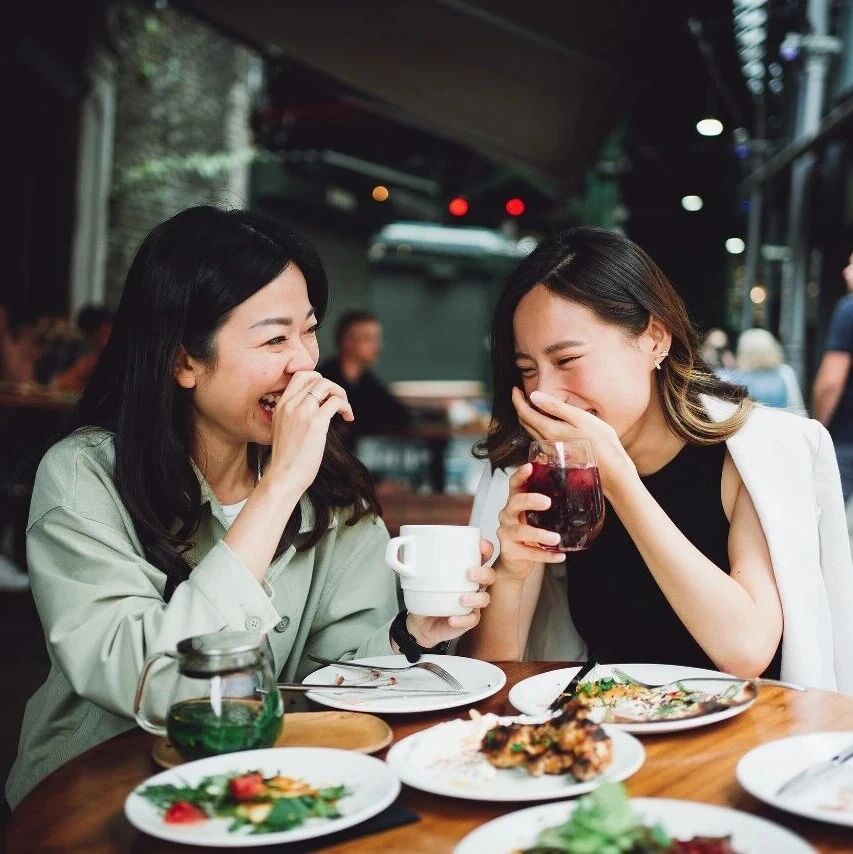
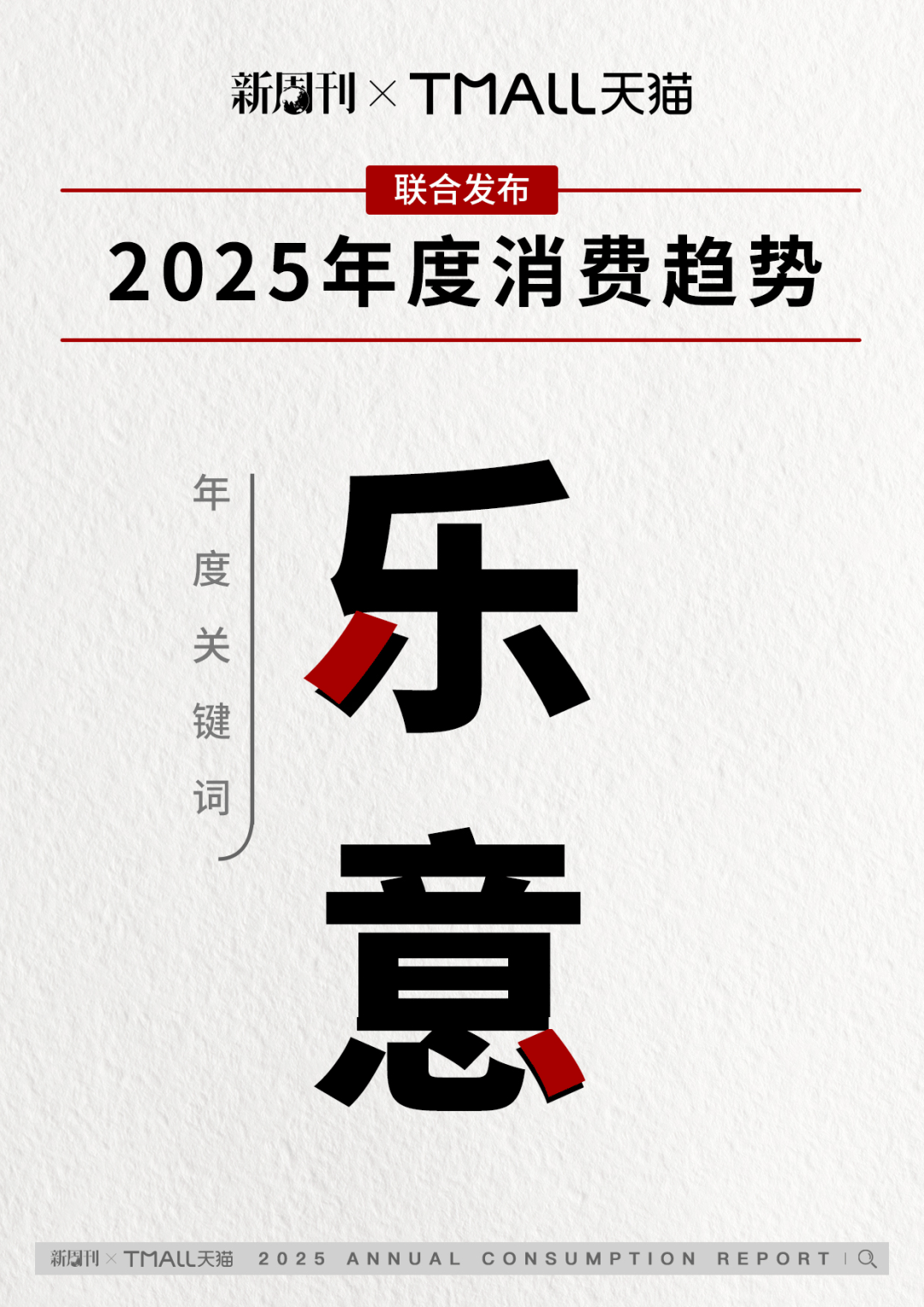
Group 1 - The core viewpoint of the article highlights six major consumer trends for 2025 as identified by Tmall, which include professional players, emotional spending, and the rise of Chinese aesthetics [1][3] - The annual consumption keyword is "willingness," reflecting a shift in young consumers' spending philosophy that emphasizes spending based on mood and personal desire [1][3] - Young consumers are increasingly identifying as "professional players" across various fields, prioritizing unique aesthetics and quality over quantity in their purchases [3] Group 2 - The new consumption logic among young people focuses on buying less but better, emphasizing long-lasting and meaningful purchases [3] - Products that serve multiple functions, such as "Swiss Army knife" style items, are gaining popularity among consumers, indicating a trend towards practicality and versatility [3] - The influence of Chinese aesthetics is becoming prominent, with young consumers showing a strong preference for products that resonate with their cultural identity [3]

2025年轻人消费“暗号”
Sou Hu Cai Jing· 2025-12-27 00:36
Core Insights - The core philosophy of consumer spending in 2023 is summarized as "willingness to spend," reflecting a shift towards more conscious and personalized consumption choices [4] Group 1: Consumer Trends - Consumers are increasingly focused on product ingredients and efficacy, with significant growth in skincare products, particularly anti-aging and hydrating items, showing double-digit growth on platforms like Tmall [6] - Outdoor and sports equipment have seen a rise in interest, with smart wearables experiencing nearly 50% growth in sales, indicating a trend towards informed and specialized purchases [6] - The popularity of niche and domestic luxury brands has surged, with sales of certain categories like earphones and bags increasing over 200% on Tmall, highlighting a shift towards unique and personalized fashion choices [9][11] Group 2: Emotional and Cultural Spending - Emotional spending is on the rise, with consumers willing to invest in products that enhance their mood, such as plush toys and home decor, with categories like EDC seeing over 500% growth [14] - There is a notable resurgence in traditional Chinese aesthetics, with gold jewelry sales increasing over 300% and a growing interest in cultural products, indicating a blend of modern and traditional values in consumer behavior [16] - The demand for multifunctional smart home devices has increased, with sales of electric smart beds and multifunctional furniture doubling, reflecting a desire for convenience and efficiency in home life [18] Group 3: Long-term Investment Mindset - Consumers are adopting a long-term investment approach to their purchases, particularly in clothing, with a significant increase in the budget for winter wear above 2000 yuan, indicating a preference for quality over quantity [11][12] - The trend of "financially savvy" spending is evident, as consumers seek products that offer longevity and value, with classic luxury items becoming more popular as they are viewed as investment pieces [11]
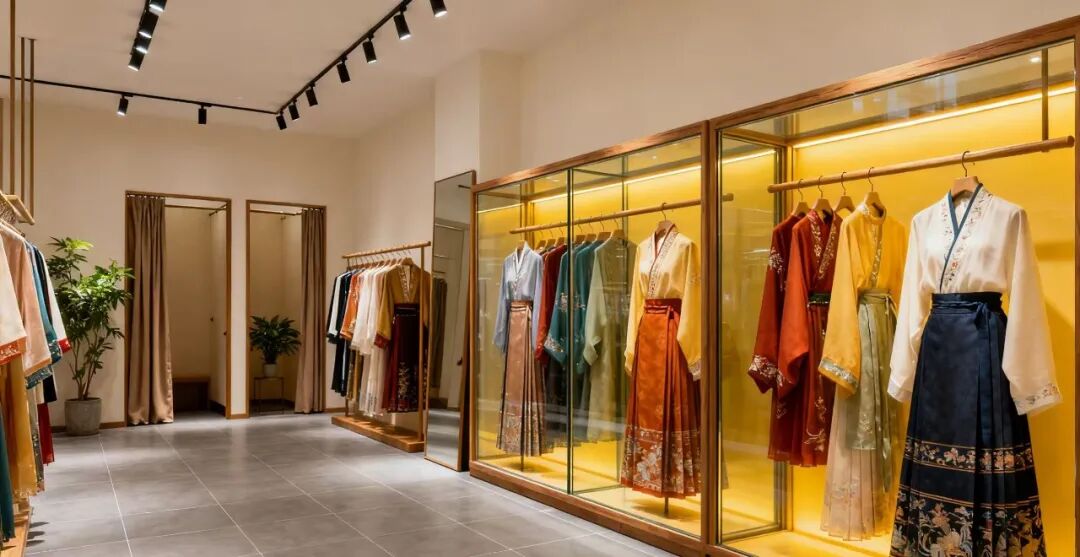
12年的汉服老店,倒在双11前夕
3 6 Ke· 2025-10-16 12:48
Core Insights - The traditional Hanfu store "Ziyiming Tang" announced its closure on October 15, 2023, due to systemic challenges in the market, marking a significant trend in the Hanfu industry as several other brands have also closed or transformed [2][4][11] - The Hanfu market has seen a decline in popularity among young consumers, with many expressing disappointment over the quality and pricing of products, leading to a decrease in sales [5][10][8] - The industry is facing a wave of closures, with many stores offering steep discounts, indicating a shift in consumer interest and market dynamics [11][10] Market Trends - "Ziyiming Tang" is not alone; other brands like "Zhiyu Ji" and "Mingjing Huafu" have also announced closures, reflecting a broader trend of Hanfu store shutdowns in recent years [4][11] - The Hanfu market has experienced rapid growth followed by a significant cooling, with consumers increasingly critical of high prices and low quality [5][10] - The market is witnessing a shift where high-priced items, such as the popular Ma Mian skirt, are becoming less appealing to consumers, leading to reduced sales for many retailers [10][8] Consumer Behavior - Young consumers are becoming disenchanted with Hanfu, citing issues such as inflated prices and poor quality, which has led to a decline in purchases [6][9] - Many consumers, including avid Hanfu enthusiasts, have reported a decrease in their purchasing frequency due to a lack of innovation and rising prices in the market [6][8] - The perception of Hanfu as a luxury item is being challenged, with calls for more affordable and accessible options to attract a broader audience [13][19] Industry Challenges - The Hanfu industry is grappling with a lack of differentiation and innovation, leading to market saturation and consumer fatigue [10][19] - Retailers are facing difficulties in maintaining profitability, with many opting to close stores rather than continue operating at a loss [11][10] - The challenge lies in balancing traditional elements with modern consumer expectations, as many brands struggle to adapt to changing market dynamics [19][20] Future Outlook - For the Hanfu market to thrive, it must break away from the notion that high prices equate to quality, focusing instead on cultural significance and accessibility [19][21] - There is a need for innovation in design and pricing strategies to appeal to modern consumers while preserving cultural heritage [19][21] - The future of Hanfu may depend on its ability to integrate into everyday fashion, making it relevant and appealing to a wider audience [21][19]