合肥模式

Search documents
浙商大佬离世三年,百亿“帝国”得救了
Xin Lang Cai Jing· 2026-02-12 08:37
Core Viewpoint - The restructuring of Suning Group has attracted significant interest from various investors, with Anhui State-owned Assets Management Group emerging as the leading investor, indicating a potential shift in the company's future direction and stability [3][32][50]. Group 1: Restructuring Details - On February 8, Suning Co., Ltd. announced the selection of investors for its restructuring, leading to a stock price surge and a market capitalization exceeding 35.5 billion [29][32]. - The restructuring consortium includes state-owned Anhui Group, Conch Group, and local asset management company Ningbo Financial Asset Management Co., Ltd., which has excited investors [5][31]. - The new investment amount exceeds 7.1 billion, significantly higher than the previous offer of less than 3.3 billion from a private investor [6][32]. Group 2: Financial Background - As of last year, Suning Group's total confirmed debt reached approximately 33.55 billion, with claims totaling 42.08 billion [8][34]. - Suning Co. is projected to incur losses in 2024, with its stock price hitting a ten-year low and a market value below 20 billion [9][34]. - The company has a total debt of 21.968 billion, with short-term loans of 5.293 billion and long-term loans of 6.528 billion, while cash reserves stand at only 3.15 billion [21][46]. Group 3: Market Position and Future Prospects - Suning Co. focuses on two key sectors: negative materials for lithium batteries and polarizers for display screens, holding a 33% share in the global market for large-screen TV and monitor polarizers [17][42]. - The company is recognized as a leader in the production of artificial graphite negative materials, serving major battery manufacturers like CATL and BYD [17][42]. - If the restructuring is successful, it is expected that Suning Co. could achieve a net profit of 400 to 600 million by 2025, with total profits from its negative materials and polarizer businesses projected to reach 900 to 1.1 billion [24][49]. Group 4: Strategic Implications of the Restructuring - The acquisition by Anhui Group is seen as a strategic move to enhance the local industrial chain, particularly in the electric vehicle sector, where there is a lack of influential players in core battery materials [43][45]. - The integration of Suning Co. into the regional industrial development strategy could significantly enhance its future value and market position [45][20]. - The successful restructuring could lead to a more stable and competitive ecosystem in the new energy vehicle industry, aligning with Anhui's broader economic growth strategy [20][45].


投中摩尔、沐曦和蓝箭,郑州赢麻了
3 6 Ke· 2026-02-07 08:34
Core Insights - Henan is not only an agricultural and populous province but also a significant manufacturing hub in China, with a comprehensive modern industrial system comprising 41 industrial categories and 197 subcategories [1] Group 1: Investment Landscape - The Zhongyuan Qianhai Fund, a hard technology fund backed by Zhengzhou state-owned assets, has recently invested in notable projects such as Moer Technology, Muxi Co., and Blue Arrow Aerospace [2][3] - The fund has a registered capital of 5.64 billion RMB and focuses on sectors like semiconductors, commercial aerospace, and high-end manufacturing, utilizing a dual model of mother fund and direct investment [2][4] - The fund has made 130 investments by 2024, with 2021 being a peak year for both investment amount and frequency [4] Group 2: Fund Performance - The fund's highest return project is Boying Welding, which generated over 7 times the return after its IPO, following a 75 million RMB investment in 2019 [4] - The second phase of the Zhongyuan Qianhai Fund, launched in 2023 with over 4 billion RMB, is entirely funded by Henan capital and aims to invest in emerging industries such as new energy and artificial intelligence [5][6] Group 3: Strategic Approach - The fund's investment strategy aligns with the booming semiconductor sector, with significant investments made during 2021, a year marked by a 45% increase in financing activities in the semiconductor field [7] - Despite low equity stakes in high-profile projects, the fund's participation in these investments has positioned it favorably for future returns and market presence [8] Group 4: Regional Development - Zhengzhou is adopting a model similar to Hefei's, focusing on attracting leading projects to stimulate the development of supporting industries [12] - The introduction of major projects like Shanghai Hejing and Super Fusion has led to the establishment of a billion-dollar industrial cluster in Zhengzhou [12][13] - The advanced computing industry chain, represented by Super Fusion, has seen a year-on-year growth of 58.6% in the first half of 2025, leading among 28 key industrial chains in Henan [14]
投中摩尔、沐曦和蓝箭,郑州赢麻了
投中网· 2026-02-07 07:02
Core Viewpoint - Zhengzhou is emulating Hefei's model by actively developing its hard technology sector and attracting key projects to stimulate industrial growth [19][20]. Group 1: Investment Landscape - Zhengzhou is home to a comprehensive modern industrial system with 41 major industrial categories and 197 subcategories, positioning it as a manufacturing hub in China [3]. - The Zhongyuan Qianhai Fund, a hard technology fund backed by Zhengzhou's state-owned assets, has invested in notable projects such as Moer Technology, Muxi Co., and Blue Arrow Aerospace [4][6]. - The fund has raised nearly 10 billion RMB across two phases, focusing on sectors like semiconductors, aerospace, and high-end manufacturing [6][10]. Group 2: Fund Performance and Strategy - The first phase of the Zhongyuan Qianhai Fund achieved significant returns, with the highest return project, Boying Welding, generating over 7 times the initial investment after its IPO [9]. - The second phase, launched in 2023 with over 4 billion RMB, aims to invest in emerging industries such as biomedicine, new energy, and artificial intelligence [10][11]. - The fund's investment strategy includes a dual model of mother fund and direct investment, allowing for diversified exposure to high-growth sectors [6][8]. Group 3: Project Highlights - In 2021, the fund made strategic investments in Moer and Muxi during a peak year for semiconductor financing, which saw a 45% increase in deals compared to 2020 [13]. - Despite holding a small percentage of shares (around 0.2%) in Moer and Muxi, the fund achieved over 200% returns from these investments [13][14]. - The fund's investment in Blue Arrow Aerospace involved both purchasing existing shares and increasing capital, resulting in a 0.32% stake prior to its IPO [15][18]. Group 4: Industrial Development - Zhengzhou's approach mirrors Hefei's strategy of attracting leading projects to foster a supportive ecosystem for related industries, as seen with the Zhengzhou Airport Economic Zone [20][21]. - The introduction of Shanghai Hejing and Super Fusion has led to the creation of a billion-dollar industrial cluster, enhancing Zhengzhou's position in the semiconductor supply chain [21][23]. - The advanced computing industry, represented by Super Fusion, is projected to grow by 58.6% year-on-year, leading the growth among 28 key industrial chains in Henan [24]. Group 5: Future Outlook - Zhengzhou is poised to continue expanding its hard technology landscape, leveraging its industrial foundation and state capital to carve out a unique path in the sector [24].
谁是“中国汽车第一城”?
经济观察报· 2026-01-19 09:37
Core Viewpoint - The article discusses the evolving landscape of China's automotive industry, highlighting the competition among cities and the strategic differentiation of local governments in industrial transformation [2][4]. Group 1: Chengdu-Chongqing Region - Chongqing is set to become "China's Automotive Capital" with an annual production of 2.788 million vehicles in 2025, marking a 9.7% increase, and 1.296 million of these being new energy vehicles (NEVs), which is a 36% growth [4][5]. - The success of Chongqing's automotive industry is attributed to local government support and strategic partnerships, particularly the collaboration between local company Seres and tech giant Huawei [5][6]. - Chengdu's automotive production reached 821,000 vehicles in 2025, a 26.6% increase, with NEV production soaring by 198.3% to 205,000 units [7]. Group 2: Yangtze River Delta - The Yangtze River Delta remains a stronghold for the automotive industry, contributing 28% of national production, with NEVs accounting for 34.6% of the total [11]. - Shanghai's automotive production has declined, with 1.6011 million vehicles produced in 2025, representing about 5% of national output [11]. - Hefei has emerged as a key player in NEVs, producing 1.246 million units in 2025, the highest in the country, driven by government initiatives and partnerships with major manufacturers [12][14]. Group 3: Pearl River Delta - Shenzhen has overtaken Guangzhou as "China's Automotive Capital" in 2024, with BYD producing 4.5374 million NEVs, making it the global leader in this segment [16][17]. - The shift in production statistics from "enterprise location" to "production location" has impacted Guangdong's ranking in automotive output [16]. - Guangzhou's automotive industry faces challenges in transitioning from traditional fuel vehicles to NEVs, with a significant focus on integrating advanced technologies and smart transportation systems [18][19].


开年最大IPO要来了
投中网· 2026-01-15 06:23
Core Viewpoint - Changxin Technology is set to launch a significant IPO in 2026, with an estimated pre-IPO valuation of approximately 150 billion yuan, surpassing previous notable IPOs in the sector [5][11]. Group 1: Company Overview - Changxin Technology is the largest and most advanced DRAM chip R&D and manufacturing enterprise in mainland China [4]. - The company was founded in 2016 and has undergone multiple rounds of financing, with a total of three major funding rounds [8][10]. Group 2: Financing and Valuation - In 2020, Changxin completed a significant A-round financing of 15.65 billion yuan, attracting numerous investors, including major firms like Xiaomi and Tencent [9]. - The C+ round in 2022 raised 8.39 billion yuan, leading to a post-financing valuation of approximately 107.79 billion yuan [9]. - The latest financing round in March 2024 raised 10.8 billion yuan, bringing the post-financing valuation to around 150 billion yuan [9][10]. Group 3: Market Position and Growth - Changxin Technology has become the fourth largest DRAM manufacturer globally, breaking the long-standing monopoly of Samsung, SK Hynix, and Micron [11]. - The company has captured about 5% of the global market share for DDR4 products in 2024, with expectations for continued growth [11]. Group 4: Financial Performance - The company has shown a trend of reducing losses, with net profits projected to turn positive in 2025, estimating a profit of 2 to 3.5 billion yuan [12]. - Revenue is expected to grow explosively, reaching 24.18 billion yuan in 2024 and projected to double to between 55 billion and 58 billion yuan in 2025 [12]. Group 5: Industry Trends - The DRAM industry is entering a strong pricing cycle, with major players planning price increases of 60% to 70% due to surging demand from AI server applications [13]. - Changxin Technology is positioned to benefit directly from this price surge as a key supplier [13][14]. Group 6: Leadership and Strategy - The founder, Zhu Yiming, has a strong background in semiconductor technology and has made significant personal commitments to the company's success [17][22]. - The company has strategically acquired patents from defunct companies to overcome technological barriers and has focused on deep R&D [22]. Group 7: Government Support and Ecosystem - The Hefei municipal government has played a crucial role in funding, covering 75% of the initial investment, which has been pivotal for the company's launch [25][27]. - Changxin Technology is fostering a semiconductor ecosystem in Hefei, attracting related industries and creating a competitive supply chain [30][31].

进击的城投LP
母基金研究中心· 2026-01-08 09:08
Core Viewpoint - State-owned investment platforms (城投公司) are transitioning from urban infrastructure investment to diversified industrial investment, with over 300 such companies acting as Limited Partners (LPs) in equity funds [2] Group 1: Transition of State-owned Investment Platforms - More than 600 city investment companies have exited government financing platforms, with over 200 rebranded as "industrial investment" companies [2] - The core business of city investment companies has shifted from relying on government support to a profit-oriented industrial investment model [2] - City investment companies are increasingly participating in the primary market, with becoming LPs in venture capital and private equity funds being a popular choice [2] Group 2: Case Study of Hefei Construction Investment - Hefei Construction Investment (合肥建投) serves as a benchmark for the transformation of city investment companies, evolving from a traditional government financing platform to a state-owned capital investment and operation company [3] - Since its establishment in 2006, Hefei Construction Investment has financed nearly 1.1 trillion yuan for urban construction, providing over 50% of the city's funding [3] - The company has undergone three phases and two transformations, focusing on market-oriented urban infrastructure construction and professional state-owned capital management [3] Group 3: Current Business Focus of Hefei Construction Investment - The current business areas of Hefei Construction Investment include engineering construction, strategic emerging industry investment, urban operation services, and rural revitalization [4] - The company manages assets of 360 billion yuan in industrial investment funds, with cumulative external investments exceeding 420 billion yuan [4][5] - Hefei Construction Investment has led and participated in 20 projects in new displays, integrated circuits, and new energy, with total project investments exceeding 319.3 billion yuan [5] Group 4: Trends in Investment Strategies - The approach to attracting investment is shifting from merely bringing in external mature enterprises to cultivating local advantageous industries based on regional resources [6] - Investment institutions are expected to focus on nurturing endogenous industrial ecosystems, creating business opportunities in project evaluation and investment empowerment [6] - City investment companies are increasingly inclined to act as LPs, seeking to leverage their strengths in creating unique value through differentiated services [6]

合肥模式源于一次“豪赌”(三)
Sou Hu Cai Jing· 2026-01-02 09:59
Core Insights - Entrepreneurs often make two extreme mistakes when negotiating with government funds or investment platforms: either being overly submissive or rigidly adhering to market VC negotiation tactics [2] Group 1: Negotiation Strategies - When discussing buyback terms, entrepreneurs should frame it as a way to enhance government fund liquidity and utilization rates rather than simply wanting to buy back shares cheaply [2] - In negotiations regarding interest rates, it is advisable to propose a tiered interest rate structure to alleviate initial cash flow pressures while acknowledging the government's right to returns [2] - The importance of language in negotiations is emphasized, as specific phrases can significantly impact the perception of the proposal [2] Group 2: Pitfalls in Contracts - The first major pitfall is the "joint liability" of the buyback subject, which should ideally be limited to the company alone to avoid personal financial ruin [3] - The second pitfall involves the difference between simple and compound interest, where compound interest can lead to significantly higher costs over time [3] - The third pitfall relates to triggering conditions for buyback, where contracts should include exemptions for circumstances beyond the company's control, such as policy changes affecting IPOs [4][5] Group 3: Leveraging Value - Government funds are viewed as supportive rather than predatory, and negotiations should reference prevailing bank loan rates or LPR [3] - Companies can negotiate better buyback conditions by demonstrating their contributions to local employment and tax revenues, effectively playing a "resource exchange" game with the government [6][7] - The success of negotiations often hinges on the ability to align the interests of the company with the economic goals of the local government [9]
合肥“奇迹”,又打脸了唱衰者
Sou Hu Cai Jing· 2025-12-02 03:28
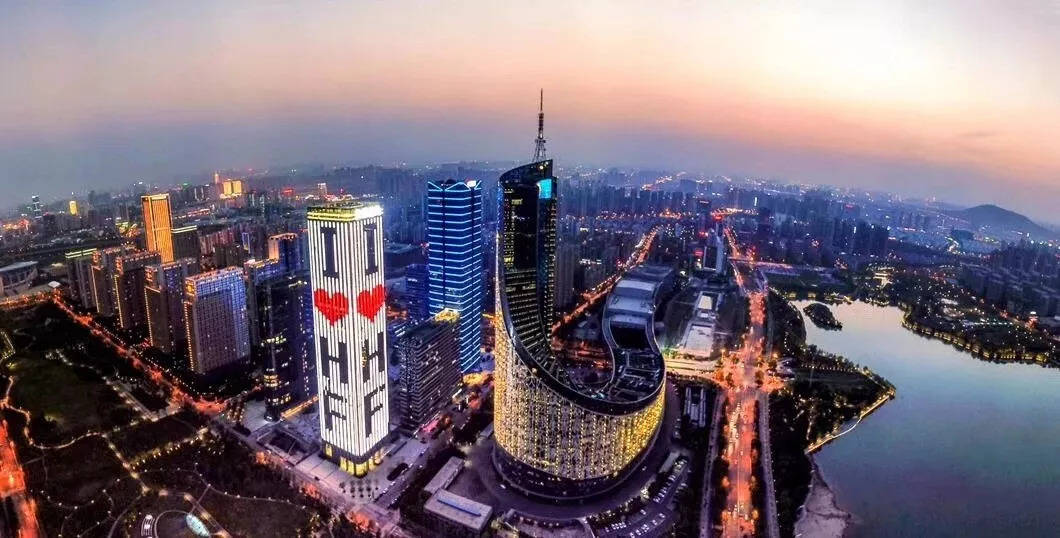
Core Insights - Hefei has emerged as a leading city in China, with a GDP of 10,252.4 billion yuan in the first three quarters of 2025, reflecting a year-on-year growth of 5.9%, ranking third among cities with a trillion GDP [3] - The city's industrial value-added growth rate reached 15.2%, significantly outpacing other trillion GDP cities, showcasing its robust economic resilience during a downturn [3] - The success of Hefei is attributed not to mere "gambling" on individual companies but to a well-structured industrial ecosystem that emphasizes nurturing industries rather than just acquiring enterprises [3][4] Industrial Strategy - Hefei's approach to the new energy vehicle sector is notable, with a production volume of 1.3761 million units in 2024, ranking second nationally, only behind Shenzhen [4] - The city has strategically developed a full industrial chain, incorporating not just vehicle manufacturing but also critical components like batteries, chips, displays, and artificial intelligence, ensuring stability against market fluctuations [4][5] - The collaborative network among various industries allows for resilience, as downturns in one area can be offset by growth in others, exemplified by the significant increases in lithium-ion battery production (54.5%) and semiconductor components (52.2%) [5] Government Role - The local government acts as a "banking and industrial partner," providing support during challenging times while allowing companies to operate independently once stabilized [10] - Hefei's government has maintained a consistent industrial focus despite changes in leadership, which is crucial for long-term strategic development [10][12] - The clarity in defining the boundaries between government and market roles has been pivotal in Hefei's economic strategy, allowing for a stable environment conducive to growth [12] Long-term Vision - Hefei's rapid ascent in provincial rankings over the past two decades highlights its role as a core engine for resource retention in Anhui province [7] - The city has strategically aligned its industrial focus with national priorities, such as semiconductor development, which has garnered governmental support [9] - The presence of institutions like the University of Science and Technology of China provides ongoing intellectual resources, further bolstering Hefei's industrial capabilities [9]

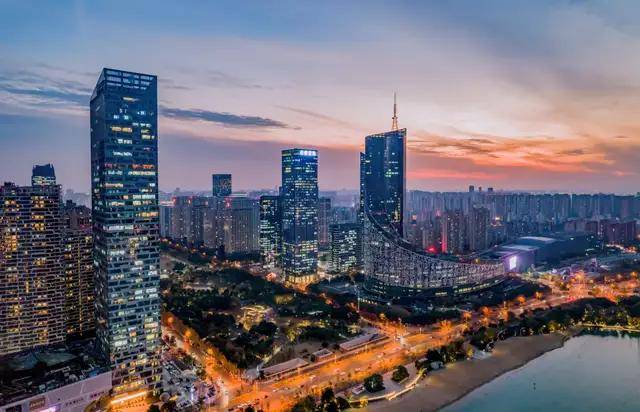
从“招商内卷”到“育商竞合”:中国区域经济高质量发展的必由之路
Sou Hu Cai Jing· 2025-09-24 15:21
Core Insights - The article discusses the transformation of regional economic development in China, highlighting the shift from "招商内卷" (intense competition for investment) to "育商竞合" (nurturing business cooperation) as a necessary path for high-quality growth [2][25] - Hefei's unique approach to economic development serves as a model for other regions, emphasizing the importance of government as a strategic partner rather than a mere facilitator of investment [8][25] Group 1: Hefei's Economic Model - Hefei's government has adopted a "partner" mentality, investing directly in projects and sharing risks with enterprises, which has fundamentally changed the government-enterprise relationship [8][9] - The city has successfully attracted major investments, such as BOE Technology Group, by not just offering incentives but by actively participating in the projects [8][9] - The "Hefei model" emphasizes a cycle of strategic assessment, state-owned capital leadership, project implementation, equity exit, and sustainable development [9] Group 2: Challenges of Replicating the Hefei Model - The "Hefei model" is difficult to replicate due to the misalignment of short-term performance incentives with the long-term nature of industrial cultivation [14] - Many local governments prioritize immediate economic indicators, which discourages the patience required for nurturing emerging industries [14][15] - There is a significant gap in the capabilities of local governments to engage in modern industrial investment, which requires expertise beyond traditional administrative skills [15][16] Group 3: Keys to Breaking the Homogenization Dilemma - The article outlines five keys to fostering deep business development: 1. Scene-driven innovation, focusing on real-world applications rather than subsidies [19] 2. Ecological thinking, aiming for unique ecological niches rather than complete supply chains [20] 3. Capital empowerment, transitioning from land finance to patient capital that supports long-term growth [21] 4. Data-driven decision-making, utilizing big data and AI for informed industrial strategies [22] 5. Collaborative competition, encouraging cross-regional benefit-sharing mechanisms [23] Group 4: Implications for Regional Economic Development - Hefei's exploration provides a new paradigm for high-quality regional economic development in China, advocating for a shift from resource competition to ecological cooperation [25] - The essence of the Hefei model lies in the transformation of local governments into builders of industrial ecosystems and long-term value creators [25] - The model encourages regions to leverage their comparative advantages to occupy unique positions in the national and global industrial chains, moving away from homogeneous competition [25]

超1500亿估值,存储龙头长鑫科技IPO,多重挑战待解
Nan Fang Du Shi Bao· 2025-07-09 13:42
Core Viewpoint - Changxin Technology Group has initiated its IPO journey with a market valuation of 150.8 billion yuan, amidst challenges in the global memory chip market driven by the AI wave [2][5]. Group 1: Company Overview - Changxin Technology Group's IPO application has been accepted by the China Securities Regulatory Commission [2]. - The company has achieved a market valuation of 150.8 billion yuan following a key financing round completed in March 2024 [2]. - The company's unique "no controlling shareholder" structure is highlighted, with the largest shareholder holding 21.67% [2][3]. Group 2: Shareholder Structure - The largest shareholder, Hefei Qinghui Electric Enterprise Management Partnership, is ultimately funded by Hefei Industrial Investment Holding Group, a key player in the "Hefei Model" of local government investment [3]. - The "Hefei Model" involves significant long-term investments in strategic emerging industries, with previous successes in sectors like new displays and electric vehicles [3]. Group 3: Strategic Partnerships - Changxin Group has formed a strong partnership with leading domestic MCU company, Zhaoyi Innovation, which has invested 1.5 billion yuan in the company [4]. - Zhaoyi Innovation not only acts as a shareholder but also as a crucial customer, with projected purchases from Changxin Group reaching 1.61 billion yuan in 2025 [4]. Group 4: Market Challenges - The global DRAM market is experiencing a structural divide, with high demand for high-end products driven by AI, while traditional markets are recovering slowly [5][6]. - Changxin Group's current product offerings are primarily in the slower-recovering general DRAM market, which is closely tied to the performance of traditional consumer electronics [5][6]. - The company faces significant technological gaps in the high-margin HBM sector compared to international giants like Samsung and SK Hynix, posing a challenge for future growth [6]. Group 5: Market Position and Future Outlook - Changxin Group's successful IPO would fill a critical gap in the A-share semiconductor sector, as it is currently the only DRAM integrated device manufacturer of its scale [6]. - The company's ability to navigate its capital market journey will test its technological advancement capabilities and the market's long-term valuation of Chinese core technology assets [6].