外汇储备结构

Search documents
人民币涨了,然后呢?
Sou Hu Cai Jing· 2026-02-15 07:36
Core Viewpoint - The recent appreciation of the Renminbi (RMB) is notable, with a January settlement surplus of 559.1 billion, leading to a rise in the exchange rate to around 6.9. However, the lack of panic selling of USD raises questions about the market's confidence in the RMB's long-term strength [2][4][7]. Group 1: Factors Influencing RMB Appreciation - The RMB's recent strength is attributed to three main factors: a weaker USD, increased foreign reserves, and seasonal currency exchange for the Lunar New Year [2]. - The RMB's appreciation may also be seen as a strategic response to geopolitical tensions, particularly in light of potential tariffs from the Trump administration, which typically would pressure the RMB to depreciate [4][5][6]. Group 2: Market Sentiment and Future Outlook - Historical patterns suggest that the RMB may initially strengthen in response to trade tensions before potentially depreciating later, indicating that market sentiment plays a crucial role in currency valuation [6][7]. - The biggest uncertainties for the RMB in 2026 are not solely related to the Federal Reserve or China's economic growth, but rather the policy outcomes following the U.S. elections, which could include tariffs and other restrictions [9][10]. Group 3: Investment Considerations - Investors are advised to focus on the willingness of banks to engage in currency exchange and the structure of foreign reserves, as these indicators reflect true market confidence in the RMB [19][20]. - The current market environment suggests that while the RMB may appreciate, fluctuations are likely, and investors should be cautious about making hasty decisions based on short-term movements [12][14][27].


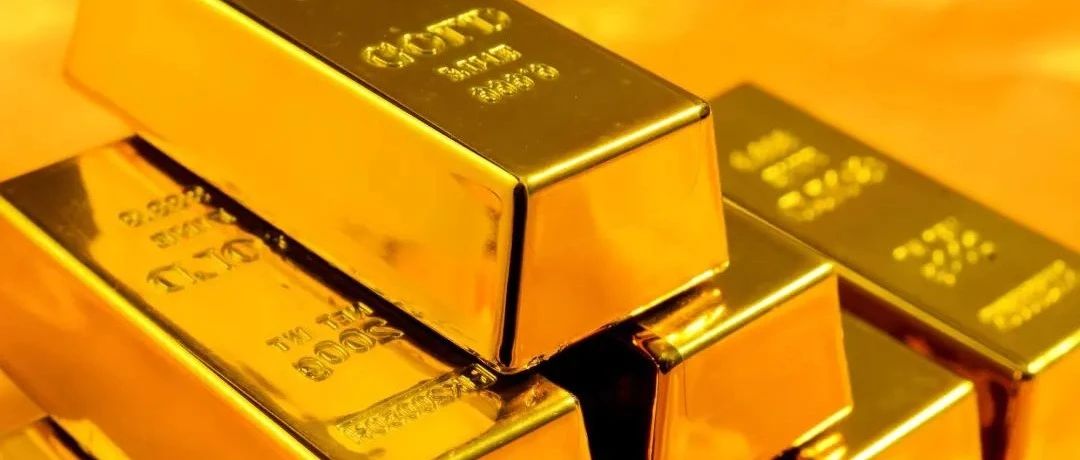
金价大涨!
新华网财经· 2025-07-22 06:01
Core Viewpoint - The article highlights the significant rise in gold prices, with spot gold surpassing $3,400 per ounce, and discusses the positive performance of gold companies in the first half of the year due to this price increase [1][3][8]. Group 1: Gold Price Movement - On the evening of the 21st, spot gold surged over 1.5%, returning above $3,400 per ounce [1]. - COMEX futures gold rose by 1.6%, reaching $3,412 per ounce, while spot silver increased by 2% to $38.939 per ounce [3]. - However, on the morning of the 22nd, spot gold experienced a decline, trading at $3,386.600 per ounce [5]. Group 2: Performance of Gold Companies - Compared to the beginning of the year, international gold futures prices have increased by approximately 28%, leading to impressive performance from gold companies in the first half of the year [8]. - Western Gold expects a net profit attributable to shareholders of the parent company for the first half of 2025 to be between 130 million to 160 million yuan, an increase of 96.35% to 141.66% year-on-year [10]. - Shandong Gold anticipates a net profit of 2.55 billion to 3.05 billion yuan for the first half of 2025, reflecting a year-on-year increase of 84.3% to 120.5% [10]. - Zhongjin Gold projects a net profit of 2.614 billion to 2.875 billion yuan for the first half of this year, representing a year-on-year increase of 50% to 65% [10]. - Hunan Gold expects a net profit of 613 million to 701 million yuan for the first half of this year, a year-on-year increase of 40% to 60% [11]. - Chifeng Gold anticipates a net profit of 1.08 billion to 1.13 billion yuan for the first half of 2025, an increase of 52.01% to 59.04% year-on-year [11]. Group 3: Central Bank Gold Purchases - The article notes a continued trend of central banks purchasing gold, with China's gold reserves reaching 73.9 million ounces (approximately 2,298.55 tons) by the end of June 2025, marking a net increase for eight consecutive months [13]. - In 2024, global central bank net gold purchases reached 1,136 tons, the second-highest on record, with China, Poland, and Turkey being the top three buyers in the first quarter of 2025, accounting for over 50% of purchases [15]. - The article discusses the strategic reasons behind central banks increasing gold holdings, including optimizing foreign exchange reserve structures and enhancing the international role of the renminbi [15][16].