康波理论

Search documents
世间再无周金涛
首席商业评论· 2025-12-05 04:14
Core Viewpoint - The article reflects on the legacy of Zhou Jintao and his contributions to the understanding of economic cycles, particularly the K-wave theory, which posits that economic cycles occur approximately every 50-60 years. It discusses how Zhou's predictions about the economic landscape have played out over the past decade, highlighting both the accuracy and limitations of his forecasts [5][8][20]. Group 1: Zhou Jintao's Predictions and Theories - Zhou Jintao predicted that 2018 would be a dark moment in the K-wave cycle, with 2019 marking the beginning of a new cycle, particularly for those born after 1985 [5][9]. - His theory, known as the "Tao Movement Cycle Theory," incorporates real estate cycles, investment cycles, and inventory cycles, suggesting that individuals have limited opportunities to accumulate wealth during their lifetimes [13][19]. - Zhou's insights into the real estate market and the global economy were profound, as he warned of the peak of the real estate cycle in 2014 and anticipated a downturn in property prices [15][16]. Group 2: Market Dynamics and Economic Conditions - The article notes that after 2018, global markets entered a chaotic phase characterized by unpredictable events, with Zhou's predictions not always aligning with reality, particularly regarding real estate and gold prices [6][20]. - By 2025, the article states that the prices of second-hand homes in major cities have largely erased gains made since 2016, while international gold prices have surged significantly, reflecting a shift in market dynamics [6][20]. - The impact of monetary and fiscal policies on economic cycles has been significant, with Zhou's belief that structural trends cannot be easily altered by short-term measures [19][22]. Group 3: The Role of Innovation and Future Outlook - The article discusses how the rapid pace of technological innovation, particularly the AI revolution, has altered the economic landscape, diverging from Zhou's predictions of a prolonged period of stagnation until 2030 [24][29]. - It highlights the shift in focus from traditional commodities to new resources like copper and rare earth elements, driven by technological advancements and changing market demands [26][29]. - The conclusion suggests that the K-wave cycle may not follow past patterns, indicating a more complex and dynamic economic environment influenced by human innovation and external factors [29][30].


世间再无周金涛
36氪· 2025-12-04 13:54
Core Viewpoint - The article reflects on the legacy of Zhou Jintao and his contributions to the understanding of economic cycles, particularly the K-wave theory, emphasizing the cyclical nature of wealth opportunities in life and the impact of external factors on these cycles [4][9][20]. Group 1: Zhou Jintao's Predictions and Theories - Zhou Jintao predicted that 2018 would be the darkest moment of the K-wave cycle, with 2019 marking the beginning of a new cycle, which he believed would provide significant wealth opportunities for those born after 1985 [4][20]. - His theory, known as the "Tao Movement Cycle Theory," incorporates real estate cycles into the K-wave framework, suggesting that individuals have limited opportunities to accumulate wealth throughout their lives [19][20]. - Zhou's insights into the cyclical nature of the economy were validated over time, as the real estate market experienced significant fluctuations, and gold prices surged, reflecting the changing economic landscape [7][31]. Group 2: Economic Context and Market Dynamics - The article discusses the chaotic nature of global markets post-2018, characterized by unpredictable events such as black swan occurrences and shifts in monetary policy, which challenged Zhou's predictions [5][9]. - It highlights the resilience of the Chinese real estate market, which defied Zhou's expectations of a downturn, and the subsequent rise in gold prices, which aligned with his long-term predictions [7][31]. - The impact of structural monetary policies and fiscal measures in both China and the U.S. is examined, noting how these interventions have influenced market dynamics and extended the life of the dollar system [26][28]. Group 3: The Evolution of Economic Theories - The article traces the historical development of K-wave theory, linking it to the works of Kondratiev and Schumpeter, and emphasizes the importance of innovation in driving economic cycles [17][19]. - Zhou's approach to economic cycles was unique in that he integrated real estate dynamics, reflecting the significant role of property markets in China's economic growth [19]. - The discussion includes the limitations of Zhou's predictions, particularly regarding the timing of technological revolutions and their impact on economic cycles, which were not fully anticipated [41][46].
世间再无周金涛
远川研究所· 2025-12-03 13:12
Core Viewpoint - The article reflects on the legacy of Zhou Jintao and his contributions to the understanding of economic cycles, particularly the Kondratiev wave theory, and how his predictions have played out over the years, especially in relation to real estate and commodity markets [5][9][21]. Group 1: Zhou Jintao's Predictions and Theories - Zhou Jintao predicted that 2018 would be the darkest moment of the Kondratiev cycle, with 2019 marking the beginning of a new cycle, which he believed would provide significant wealth opportunities for those born after 1985 [6][10]. - His theory, known as the "Tao Movement Cycle Theory," incorporates real estate cycles into the traditional Kondratiev wave, suggesting that individuals have limited opportunities for wealth accumulation throughout their lives [14][20]. - Zhou's insights into the cyclical nature of the economy were evident in his analysis of the 2008 financial crisis and its implications for global markets, emphasizing the need for a clear framework to understand economic turmoil [11][12]. Group 2: Market Developments and Real Estate - Following Zhou's predictions, the real estate market in China experienced significant fluctuations, with prices in major cities rising dramatically despite his warnings of a peak [7][18]. - By 2025, the article notes that the prices of second-hand homes in major cities had largely erased gains made since 2016, reflecting a harsh correction in the real estate market [9][20]. - Zhou's assertion that gold would outperform in a declining dollar environment was challenged as gold prices remained stagnant for an extended period, while real estate prices surged [7][18]. Group 3: Economic Cycles and Innovations - The article discusses how Zhou's theories did not fully account for the resilience of the Chinese real estate market and the strength of the dollar, which persisted longer than he anticipated [18][21]. - It highlights the unexpected impact of the COVID-19 pandemic and the subsequent AI revolution, which disrupted traditional economic cycles and led to significant volatility in commodity prices [26][32]. - Zhou's predictions regarding the long-term stagnation of commodity prices post-2019 were proven overly simplistic, as the market experienced unprecedented fluctuations due to external shocks and technological advancements [26][32].
世间再无周金涛
Xin Lang Cai Jing· 2025-12-03 07:15
Core Viewpoint - The legacy of Zhou Jintao and his predictions regarding the K-wave cycle continue to resonate in the Chinese investment community, highlighting the cyclical nature of economic opportunities and challenges [2][41]. Group 1: Zhou Jintao's Predictions and Theories - Zhou Jintao predicted that 2018 would be the darkest moment of the K-wave cycle, with 2019 marking the beginning of a new cycle, particularly for those born after 1985 [2][41]. - His theory, known as the "Tidal Cycle Theory," incorporates real estate cycles into the K-wave framework, suggesting that individuals have limited opportunities for wealth accumulation throughout their lives [47][48]. - Zhou's insights into the cyclical nature of the economy were informed by historical comparisons, particularly with Japan's economic development in the 1960s [42][43]. Group 2: Market Reactions and Economic Trends - Following Zhou's predictions, the global market has experienced increasing volatility, with significant events such as the U.S.-China trade tensions and financial deleveraging impacting market stability [3][39]. - The real estate market in China saw unexpected resilience, contrary to Zhou's predictions that it had peaked, while gold prices remained suppressed under a strong dollar [39][54]. - By 2025, the real estate prices in major cities had largely erased gains made since 2016, while international gold prices surged from under $1,100 per ounce in early 2016 to over $4,200 [39][54]. Group 3: The Evolution of Economic Theories - Zhou's theories have faced challenges in the past decade, as unexpected events have complicated the cyclical predictions he made, particularly regarding the resilience of the real estate market and the strength of the dollar [54][61]. - The emergence of the AI revolution and other technological advancements has shifted the focus of resource demand, indicating a departure from traditional economic cycles as predicted by Zhou [62][67]. - The K-wave cycle is now seen as more complex and less predictable, influenced by rapid technological changes and global economic shifts, diverging from Zhou's original framework [67][68].
世间再无周金涛
远川投资评论· 2025-12-03 07:05
Group 1 - The article discusses the enduring influence of Zhou Jintao's "Kondratiev wave" theory in the Chinese investment community, emphasizing its relevance in understanding economic cycles and investment opportunities [2][3][4] - Zhou Jintao predicted that 2018 would be a dark moment in the Kondratiev cycle, with 2019 marking the beginning of a new cycle, which was seen as a significant opportunity for those born after 1985 [2][4] - The article reflects on the volatility of global markets post-2018, highlighting the unpredictability of events such as the U.S.-China trade war and the impact of monetary policies [3][4] Group 2 - Zhou Jintao's assertion to "sell houses and invest in gold" was based on his belief that the real estate cycle had peaked, yet contrary trends in housing prices and gold prices were observed in subsequent years [4][6] - By 2025, housing prices in major cities had largely erased gains made since 2016, while gold prices surged significantly, indicating a shift in market dynamics [4][6] - The article notes that Zhou's predictions about the cyclical nature of real estate and commodities were not fully realized due to unexpected market resilience and external economic factors [4][6] Group 3 - Zhou Jintao's "Tao Movement Cycle Theory" integrates the Kondratiev wave with real estate, investment, and inventory cycles, suggesting that individuals experience limited wealth opportunities throughout their lives [14][20] - His framework posits that individuals have only three significant wealth opportunities in a 60-year life span, with the first opportunity for those born after 1985 occurring in 2019 [14][20] - The article emphasizes the importance of understanding economic cycles as a means to navigate personal financial decisions and investment strategies [14][20] Group 4 - The article critiques Zhou Jintao's underestimation of the resilience of the Chinese real estate market and the strength of the U.S. dollar system, which prolonged certain economic trends beyond his predictions [18][20] - It highlights the unexpected impact of the COVID-19 pandemic and the AI revolution on commodity prices and market dynamics, which deviated from Zhou's forecasts [26][32] - The discussion points to a shift in focus from traditional commodities to new resources driven by technological advancements and changing market demands [26][32]
每经热评 | 95岁巴菲特的“最后一课”?信中藏着他不会谢幕的智慧
Mei Ri Jing Ji Xin Wen· 2025-11-11 13:48
Core Insights - Warren Buffett's final letter to Berkshire Hathaway shareholders reflects on his life and investment philosophy, emphasizing the importance of kindness and learning from mistakes [1][2][3][4] - The letter serves as a reminder of the significance of long-term investment strategies and the value of understanding market dynamics, particularly in the context of the Chinese market [3][4] Group 1: Investment Philosophy - Buffett's investment journey aligns with the "Kondratiev wave" theory, showcasing his ability to adapt to different market cycles, from consumer upgrades to capitalizing on undervalued assets during downturns [2][3] - The letter highlights the importance of a supportive network and personal relationships in navigating investment challenges, underscoring that success is not solely based on financial acumen [3] Group 2: Market Context - The current Chinese economy and A-share market are experiencing robust growth, characterized by ongoing consumer upgrades, technological innovation, and the emergence of quality enterprises [3] - The evolving capital market infrastructure in China is creating fertile ground for investment, suggesting a favorable environment for long-term investment strategies [3][4] Group 3: Life Lessons - Buffett emphasizes that true greatness is defined by acts of kindness rather than wealth or power, advocating for a perspective that values humility and humanity in all individuals [4] - The final letter serves as a lesson in maintaining a calm mindset amidst market fluctuations and learning from past experiences to enhance future decision-making [4]

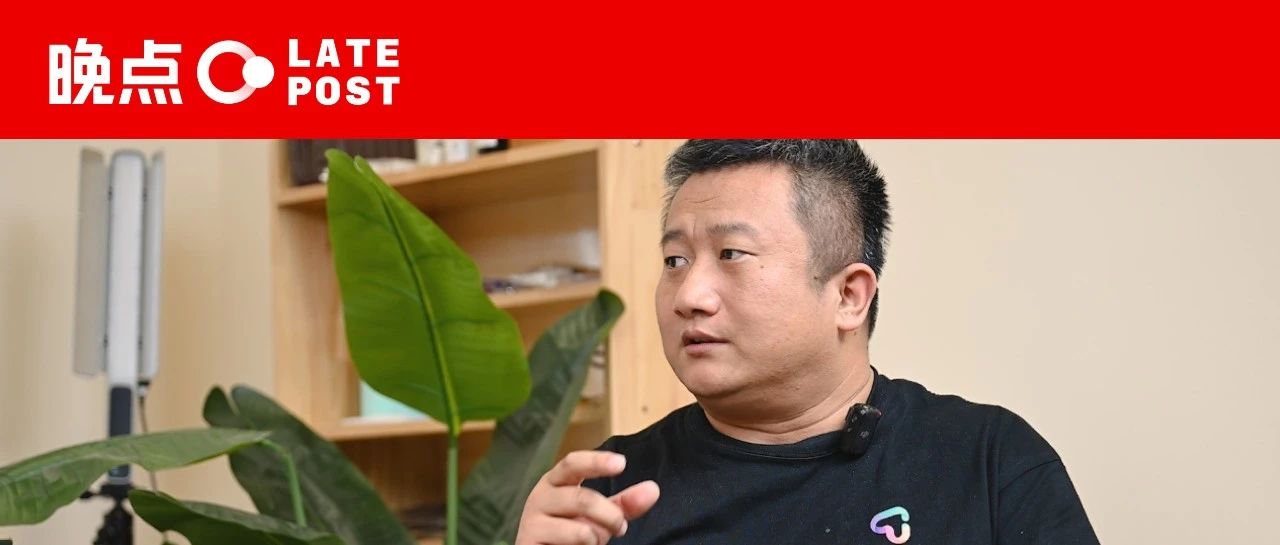
对话测测任永亮:把心情、星座、MBTI “产品化”,还赚到钱的人
晚点LatePost· 2025-08-04 13:46
Core Insights - The article discusses the success of the app "测测," which combines elements of astrology, MBTI, and emotional insights, appealing primarily to urban women and generating significant revenue with a small team [3][4][6] - The founder, 任永亮, transitioned from a background in medicine and machine learning to create a product that addresses emotional needs through algorithmic analysis [4][9] - The app aims to provide users with a sense of certainty and emotional comfort, reflecting a broader trend in digital products that maximize user engagement through emotional stimulation [6][30] User Engagement and Product Features - "测测" has over 50 million registered users, with 80% being women from first-tier cities, and it generates hundreds of millions in revenue [3][4] - The app's most popular features include daily mood tracking, "测测 AI," and MBTI assessments, which help users explore their emotions and relationships [18][19] - The app's design is influenced by psychological theories, particularly those of Carl Jung, and aims to integrate various emotional and psychological tools into a cohesive user experience [12][22] Founder’s Vision and Philosophy - 任永亮's motivation for creating "测测" stemmed from personal emotional challenges, leading him to explore algorithms that could analyze human behavior and emotions [4][9] - He believes that the current internet product landscape is dominated by dopamine-maximizing models, and he aims to create a more meaningful user relationship through AI and emotional engagement [6][30] - The founder's long-term vision includes developing a "companion robot" that can interact with users in a more emotionally intelligent way, breaking away from traditional engagement models [30][31] Market Position and Future Directions - The app occupies a unique niche in the market, focusing on emotional and psychological insights, which has allowed it to grow without direct competition in its specific domain [13][26] - The company plans to leverage advancements in AI to enhance user interaction and provide more personalized experiences, moving beyond passive responses to proactive engagement [28][30] - The founder emphasizes the importance of understanding complex systems and initial conditions in human behavior, suggesting that the app's insights are rooted in a broader understanding of human psychology and emotional dynamics [22][25]